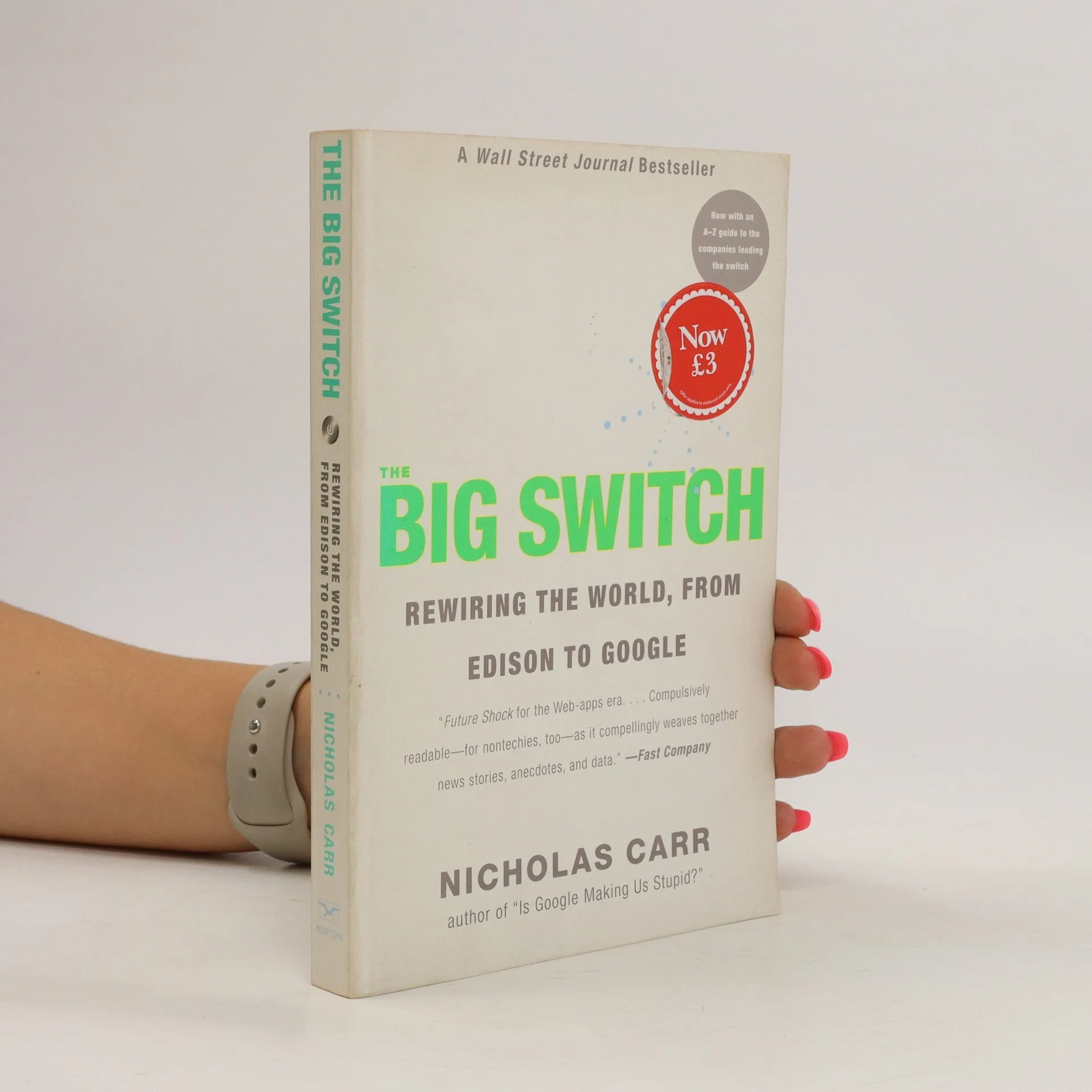
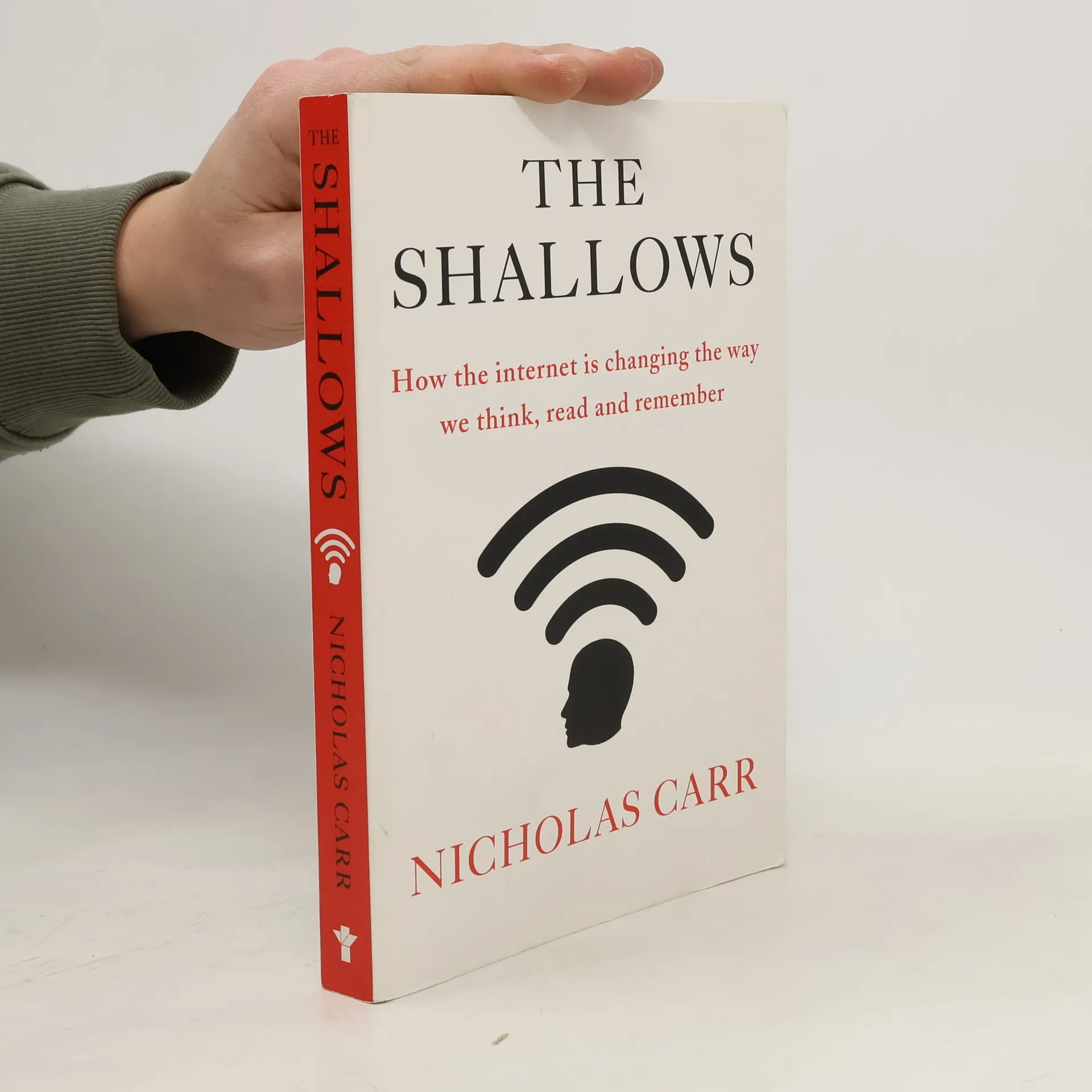
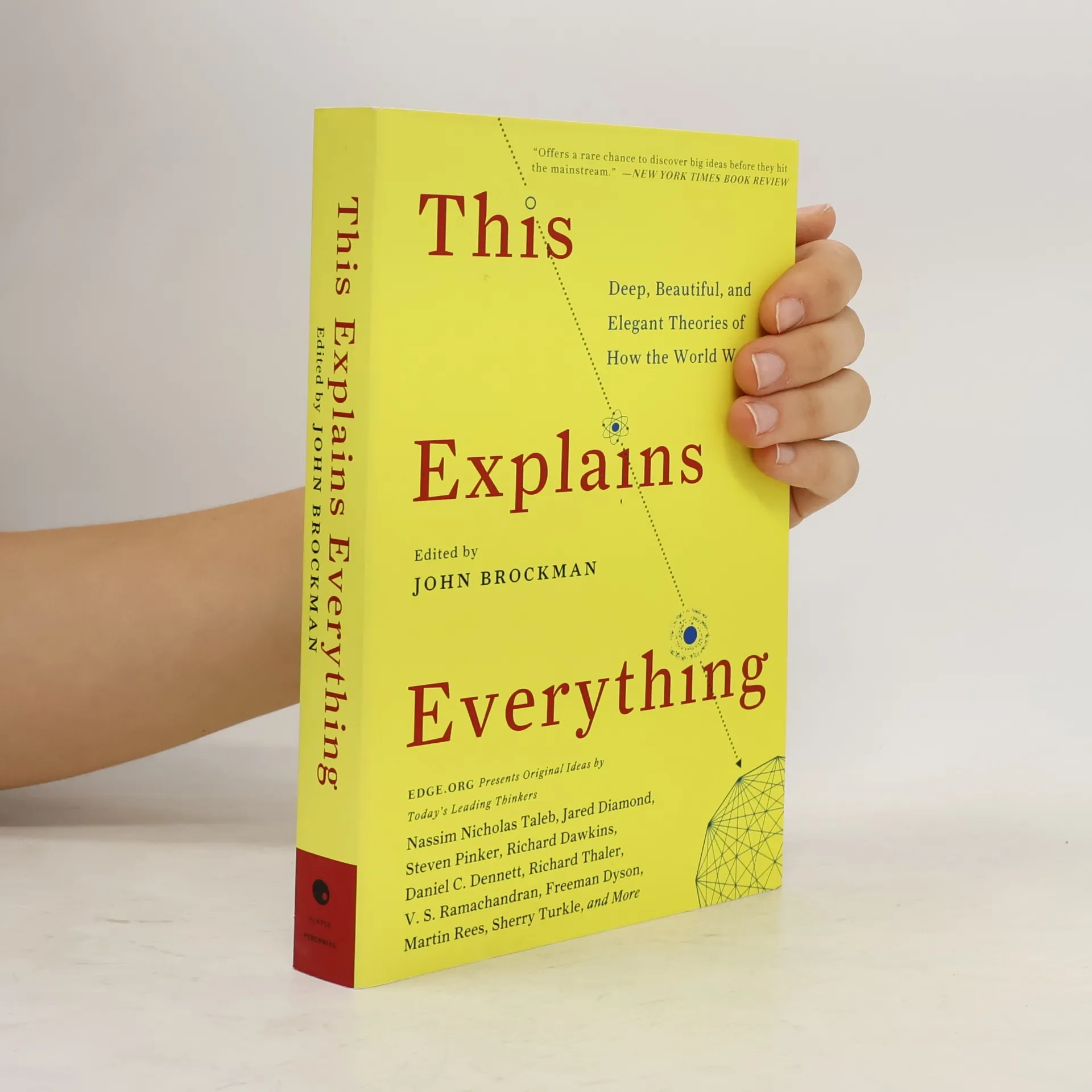
Nicholas Carr est un auteur dont le travail explore les effets profonds de notre dépendance croissante à l'égard de la technologie. Il examine de manière critique comment la connectivité constante et l'automatisation nous façonnent et nous transforment, souvent de manière imprévue. Son écriture se caractérise par une analyse perspicace qui pousse les lecteurs à réfléchir profondément à l'impact de l'ère numérique sur nos esprits et notre société. À travers ses explorations, Carr suscite des conversations essentielles sur l'avenir de l'expérience humaine dans un monde axé sur le logiciel.
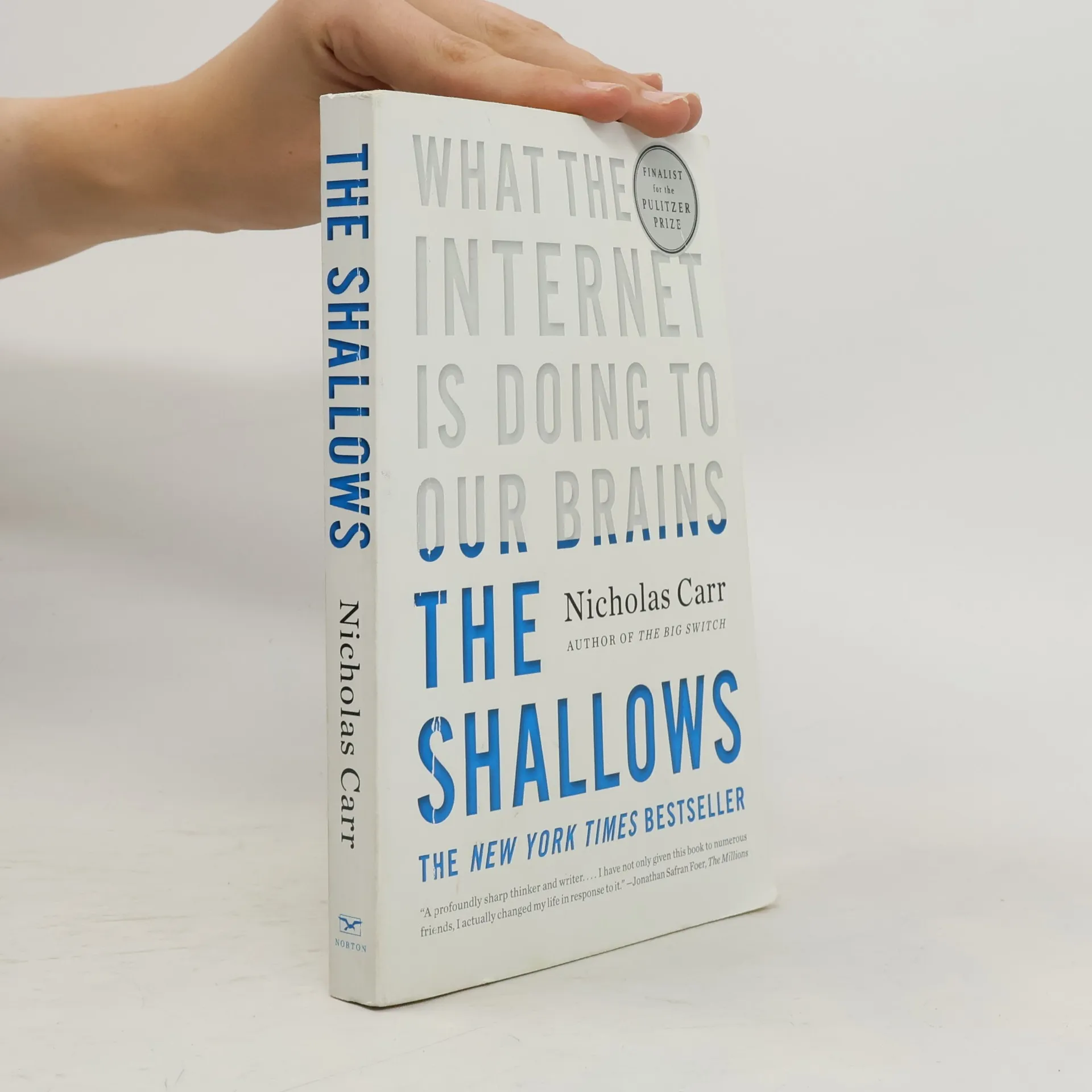
Is Google making us stupid? In this extraordinary new book, as incendiary as it's important, Nicholas Carr argues that the internet is changing dramatically how we think, remember and interact. The Internet is eroding our capacity for concentration and co
"Future Shock for the Web-apps era.... Compulsively readable—for nontechies, too."—Fast Company Building on the success of his industry-shaking Does IT Matter? Nicholas Carr returns with The Big Switch, a sweeping look at how a new computer revolution is reshaping business, society, and culture. Just as companies stopped generating their own power and plugged into the newly built electric grid some hundred years ago, today it's computing that's turning into a utility. The effects of this transition will ultimately change society as profoundly as cheap electricity did. The Big Switch provides a panoramic view of the new world being conjured from the circuits of the "World Wide Computer." New for the paperback edition, the book now includes an A–Z guide to the companies leading this transformation.
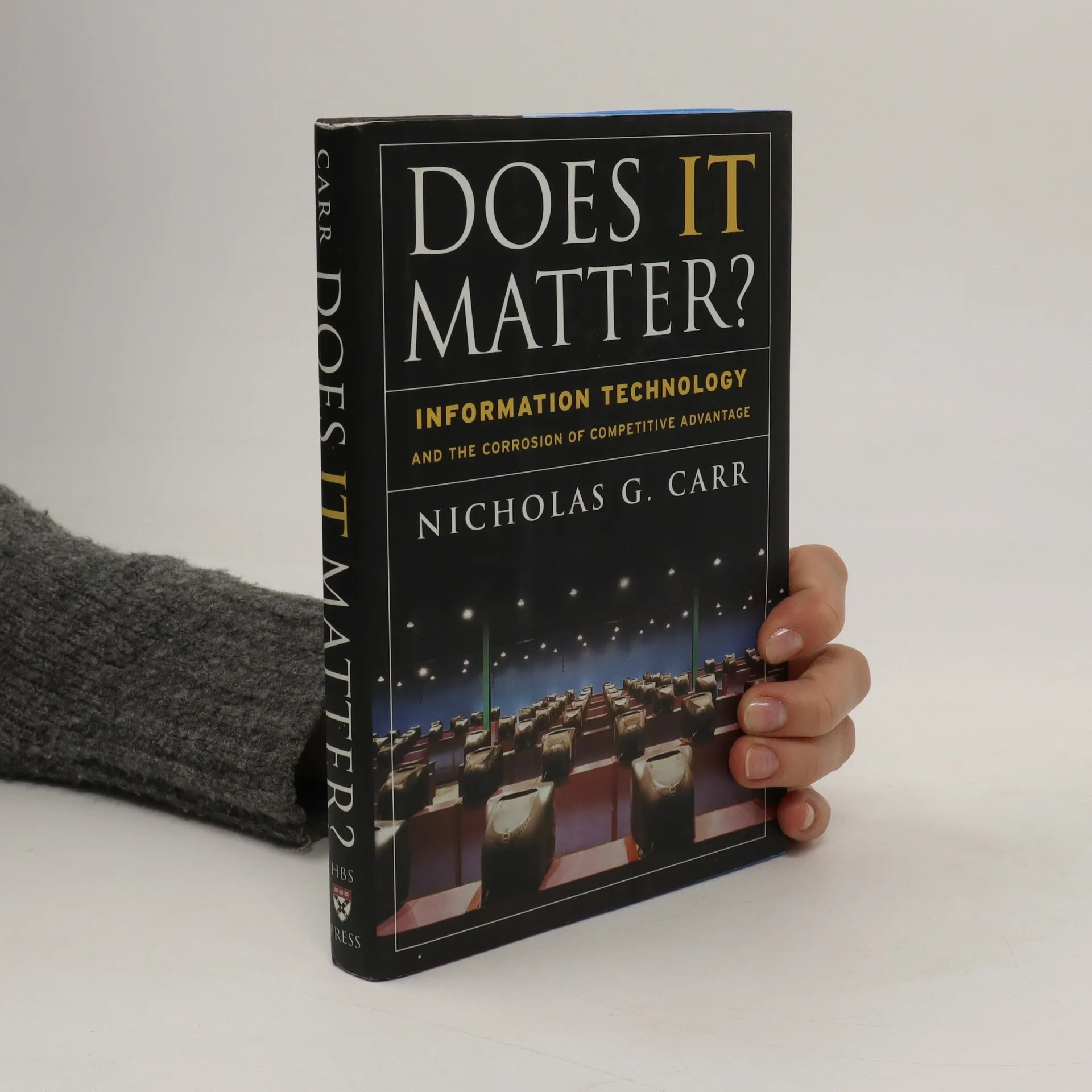
A bold and controversial manifesto on where information technology is headed, how its role in business strategy will dramatically change, and what this all means for business managers and IT suppliers Does IT Matter provides the first cogent explanation of IT’s dramatically changing business role, its levelling influence on competition, and the practical implications for business managers and IT suppliers. A convincing manifesto on one of the most important business phenomena of our time, “Does IT Matter?” will play a central role in our ongoing debate about the future of IT.
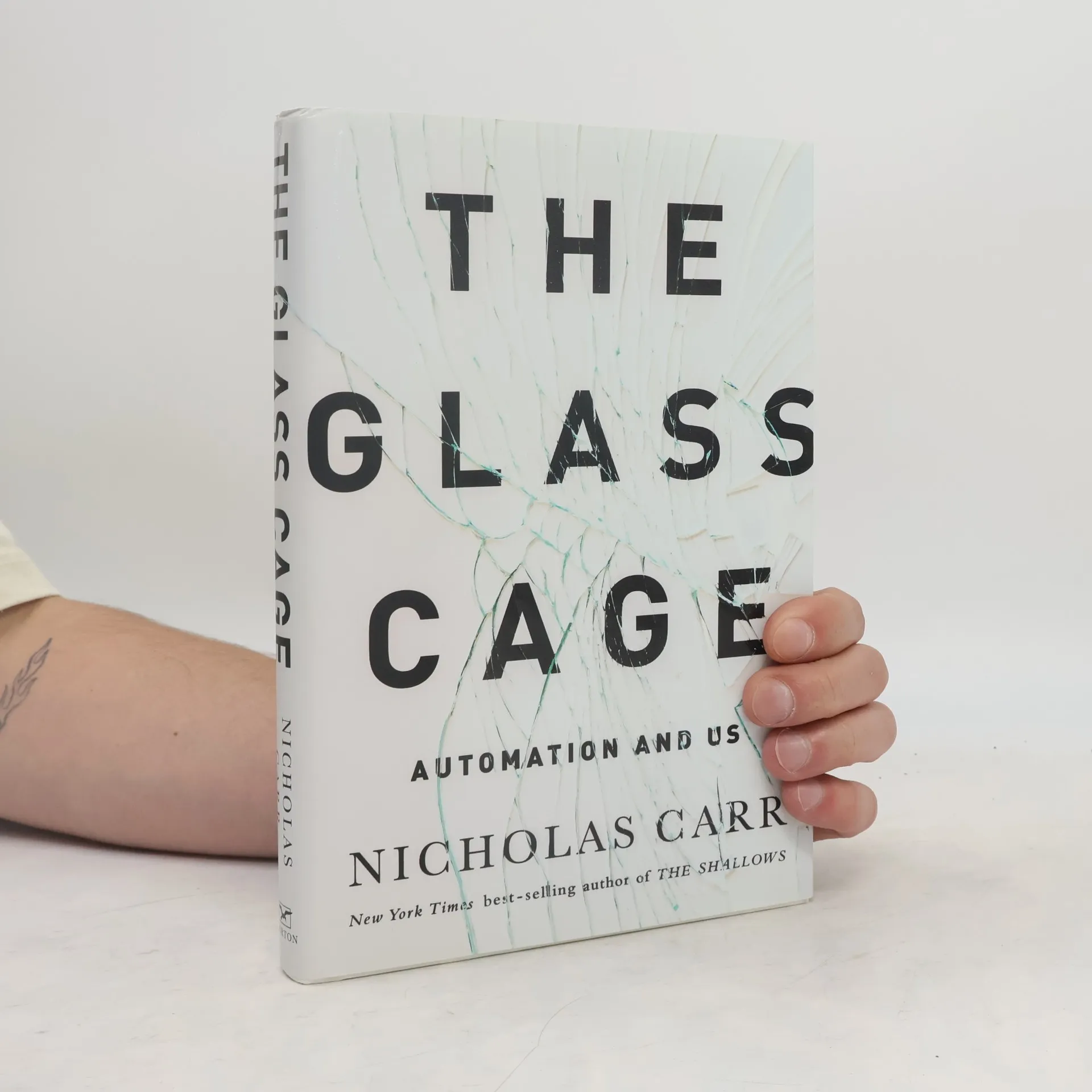
From the best-selling author of The Shallows , an urgent examination of the human consequences of automation. What kind of world are we building for ourselves? That’s the question Nicholas Carr tackles in this important, absorbing book. Digging behind the headlines about factory robots and self-driving cars, personalized apps and computerized medicine, Carr explores the hidden costs of allowing software to take charge of our jobs and our lives. He draws on science, economics, and philosophy to make a compelling case that the dominant Silicon Valley ethic is sapping our skills and narrowing our horizons. The Glass Cage is not just a timely critique of society’s growing dependence on computers. It’s a riveting story of humankind’s entanglement with machines. From nineteenth-century textile mills to the cockpits of modern jets, from the frozen hunting grounds of Inuit tribes to the “augmented reality” of Google Glass, Carr takes us on an unforgettable voyage of discovery culminating in a moving meditation on how we can use technology to expand life’s possibilities rather than narrow them.
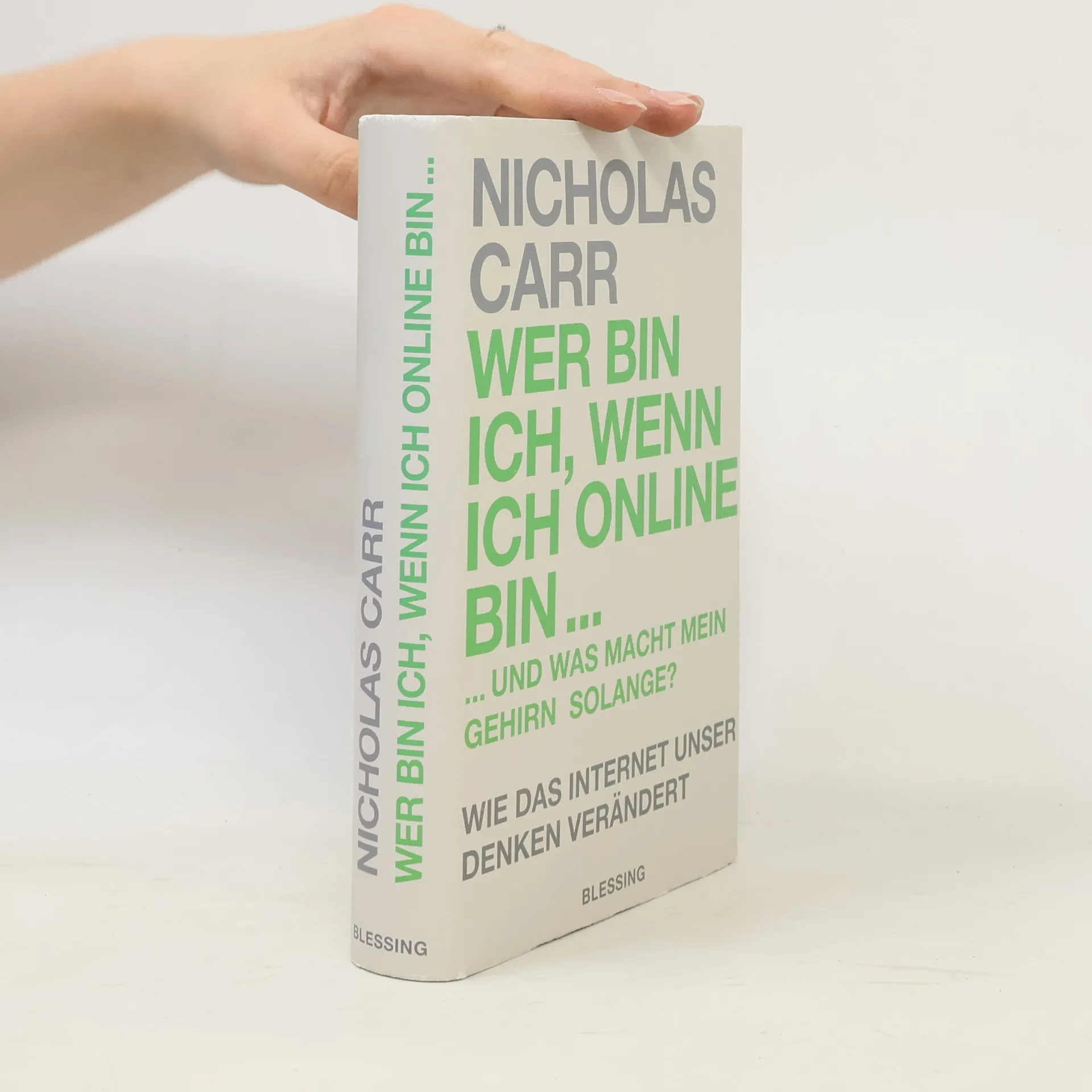
Wie beeinflusst sie Körper und Geist? Heute schon gegoogelt? Im Durchschnitt sind die Deutschen etwa zweieinhalb Stunden täglich online. Neuesten Studien zufolge, so zeigt Bestsellerautor und IT-Experte Nicholas Carr, bewirkt bereits eine Onlinestunde am Tag erstaunliche neurologische Prägungen in unserem Gehirn. Wer das Internet nach Informationen, sozialen Kontakten oder Unterhaltung durchforstet, verwendet, anders als beim Buch- oder Zeitunglesen, einen Großteil seiner geistigen Energie auf die Beherrschung des Mediums selbst. Und macht sich um die Inhalte, buchstäblich, keinen Kopf. Die Folge: Im Internetzeitalter lesen wir oberflächlicher, lernen wir schlechter, erinnern wir uns schwächer denn je. Von den Anpassungsleistungen unseres Gehirns profitieren nicht wir, sondern die Konzerne, die mit Klickzahlen Kasse machen. In seinem neuen Buch verbindet Carr, zwanzig Jahre nach Entstehung des World Wide Web, seine medienkritische Bilanz mit einer erhellenden Zeitreise durch Philosophie-, Technologie- und Wissenschaftsgeschichte – von Sokrates’ Skepsis gegenüber der Schrift, dem Menschen als Uhrwerk und Nietzsches Schreibmaschine bis zum User als Gegenstand aktueller Debatten und Studien. Und er vermittelt – jenseits von vagem Kulturpessimismus – anhand greifbarer Untersuchungen und Experimente, wie das Internet unser Denken verändert.
In This Explains Everything, John Brockman, founder and publisher of Edge.org, asked experts in numerous fields and disciplines to come up with their favorite explanations for everyday occurrences. Why do we recognize patterns? Is there such a thing as positive stress? Are we genetically programmed to be in conflict with each other? Those are just some of the 150 questions that the world's best scientific minds answer with elegant simplicity. With contributions from Jared Diamond, Richard Dawkins, Nassim Taleb, Brian Eno, Steven Pinker, and more, everything is explained in fun, uncomplicated terms that make the most complex concepts easy to comprehend.