The collection showcases the evolution of ideas over 50 years, starting from early psychoanalytic experiences in Vienna. It encompasses diverse topics, including children's play, child psychoanalysis, adult dreams, and cross-cultural observations, as well as insights into young adulthood and the life cycle. Additionally, it features reminiscences about influential colleagues like Anna Freud and Ruth Benedict, highlighting their significant impact on Erikson's professional journey.
Erik H. Erikson Ordre des livres (chronologique)
15 juin 1902 – 12 mai 1994
Ce psychologue et psychanalyste germano-américain est réputé pour sa théorie sur le développement psychosocial humain. Il est peut-être surtout connu pour avoir inventé l'expression « crise d'identité ». Son travail explore la psychologie du développement, influençant considérablement la compréhension de la croissance humaine. Malgré l'absence de diplôme universitaire, il a enseigné dans des institutions prestigieuses.

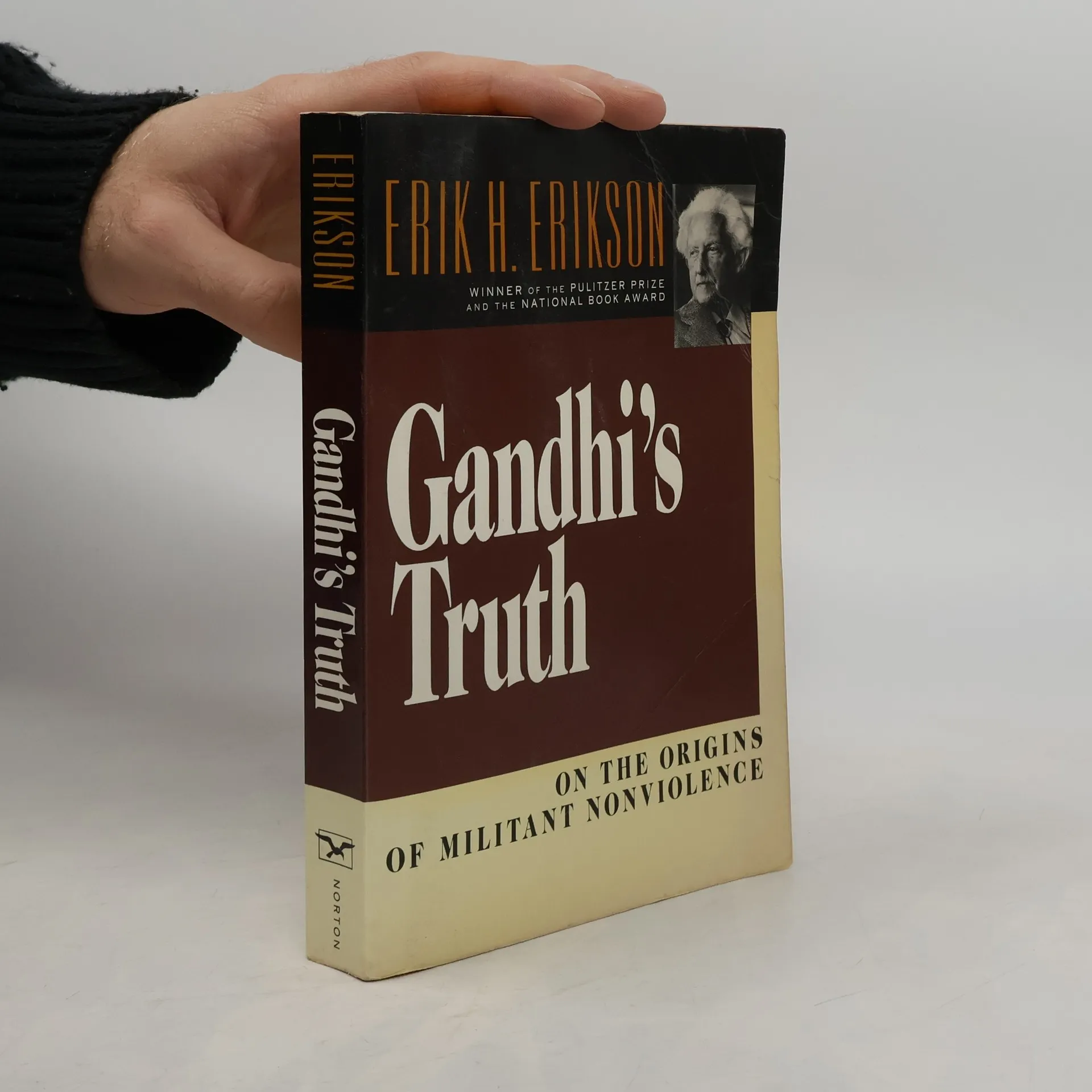

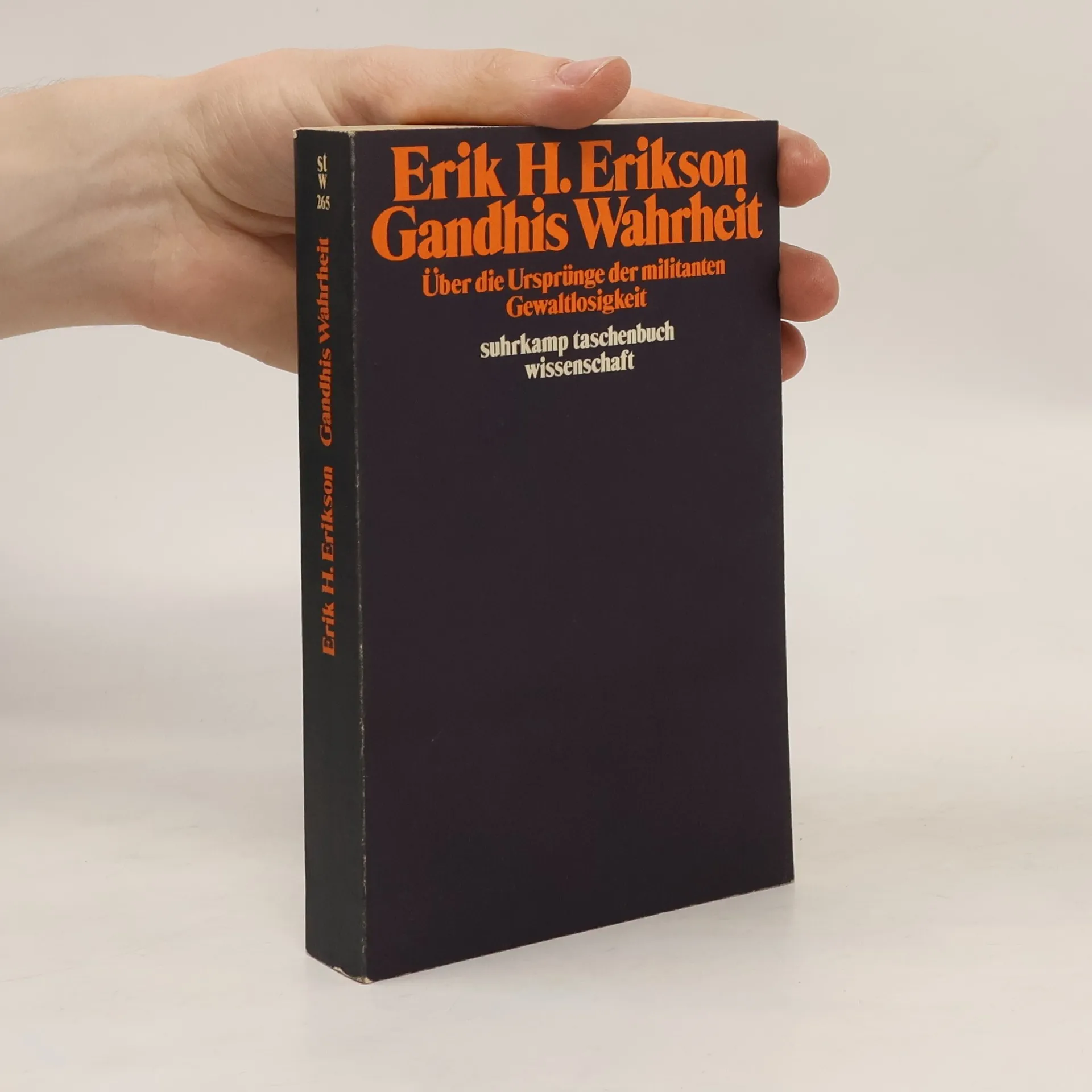
In this study of Mahatma Gandhi, psychoanalyst Erik H. Erikson explores how Gandhi succeeded in mobilizing the Indian people both spiritually and politically as he became the revolutionary innovator of militant non-violence and India became the motherland of large-scale civil disobedience.
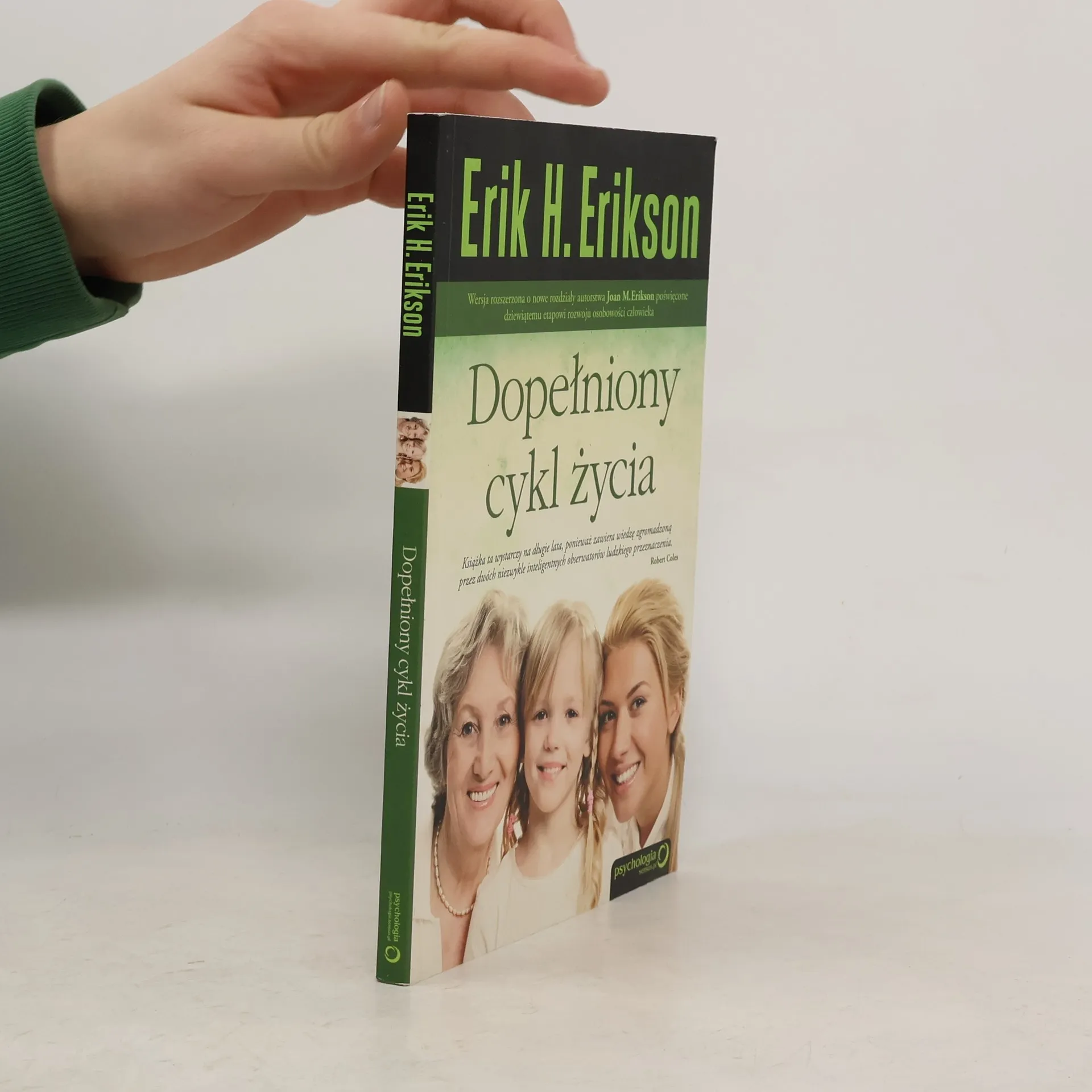
Dopełniony cykl życia
Wersja rozszerzona o nowe rozdziały autorstwa Joan M. Erikson poświęcone dziewiątemu etapowi rozwoju osobowości człowieka
- 160pages
- 6 heures de lecture
Wersja rozszerzona o nowe rozdziały autorstwa Joan M. Erikson poświęcona dziewiątemu etapowi rozwoju osobowości, stworzona przez Erika H. Eriksona, jest kluczowa w psychologii. Koncepcja wieloetapowego rozwoju obejmuje cały cykl życia człowieka, od dzieciństwa po starość. Wcześniej sądzono, że dorastanie to ostatni etap rozwoju, a proces kształtowania osobowości kończy się na nim. Niniejsza książka to rozszerzona wersja ostatecznego dzieła Eriksona, wzbogacona o nowy materiał autorstwa Joan M. Erikson. Dziewiąty etap koncentruje się na nagrodach i wyzwaniach, jakie niesie za sobą bardzo podeszły wiek, zarówno dla jednostek, jak i grup społecznych. Cykl życia dopełnia teorię Eriksona, czyniąc tę pozycję obowiązkową w bibliotece każdego psychologa. „Książka ta wystarczy na długie lata, ponieważ zawiera wiedzę zgromadzoną przez dwóch niezwykle inteligentnych obserwatorów ludzkiego przeznaczenia” — Robert Coles. Erik H. Erikson, zdobywca Nagrody Pulitzera, był uczniem Anny Freud i jednym z najwybitniejszych badaczy w dziedzinie psychoanalizy. Joan M. Erikson, jego żona i współpracowniczka, jest autorką wielu książek, w tym The Universal Bead i Wisdom of the Senses.
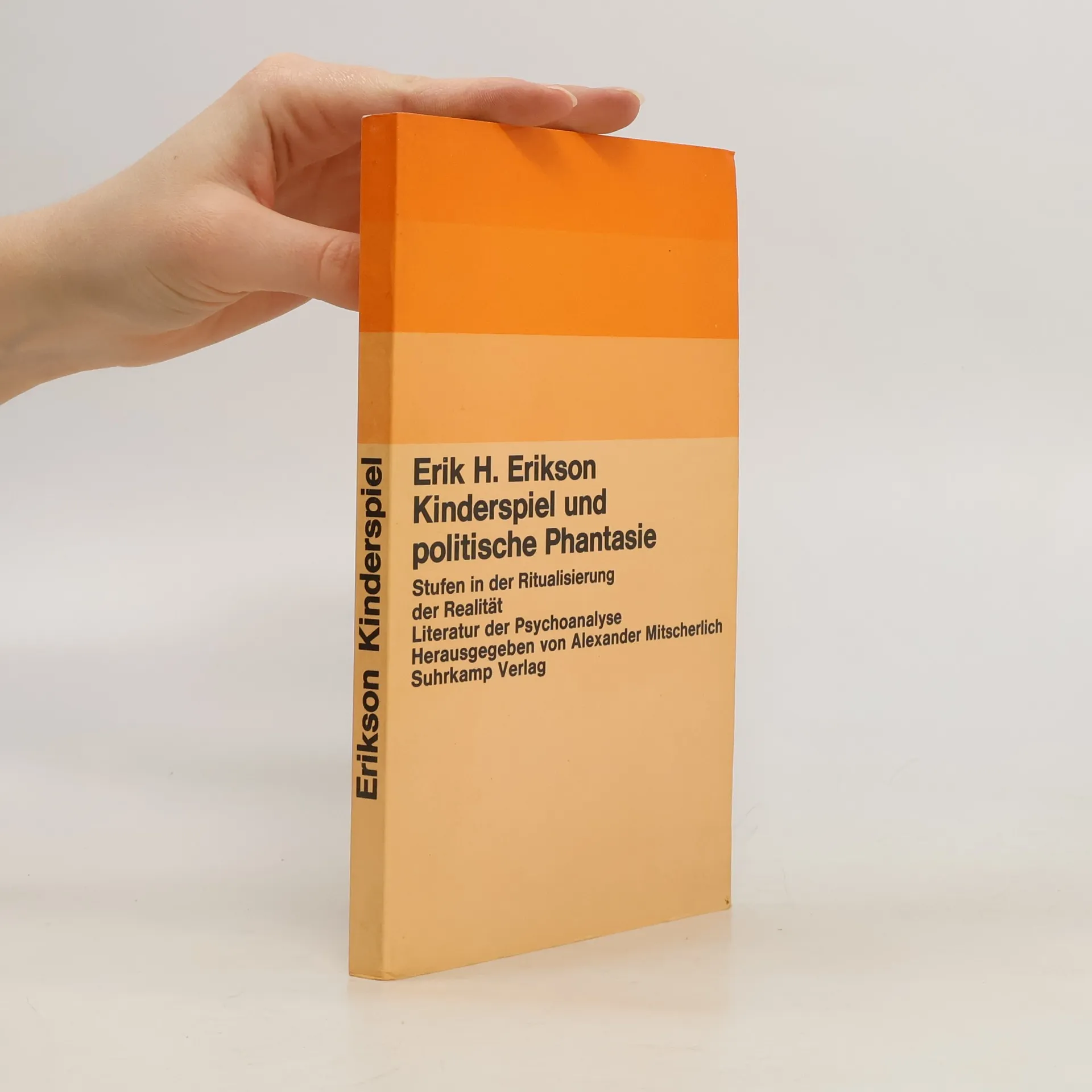
Kinderspiel und politische Phantasie
- 139pages
- 5 heures de lecture
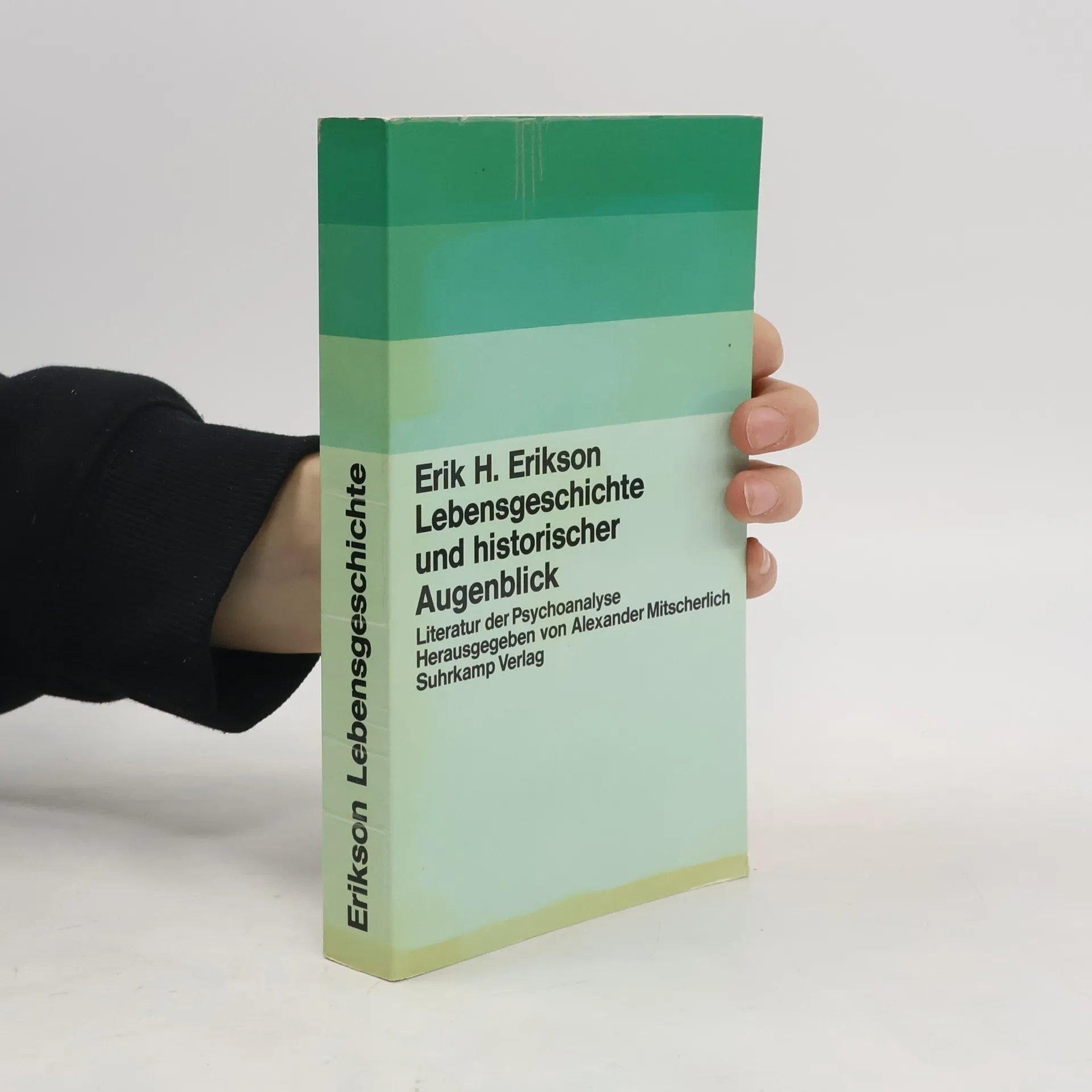
Lebensgeschichte und historischer Augenblick
- 295pages
- 11 heures de lecture
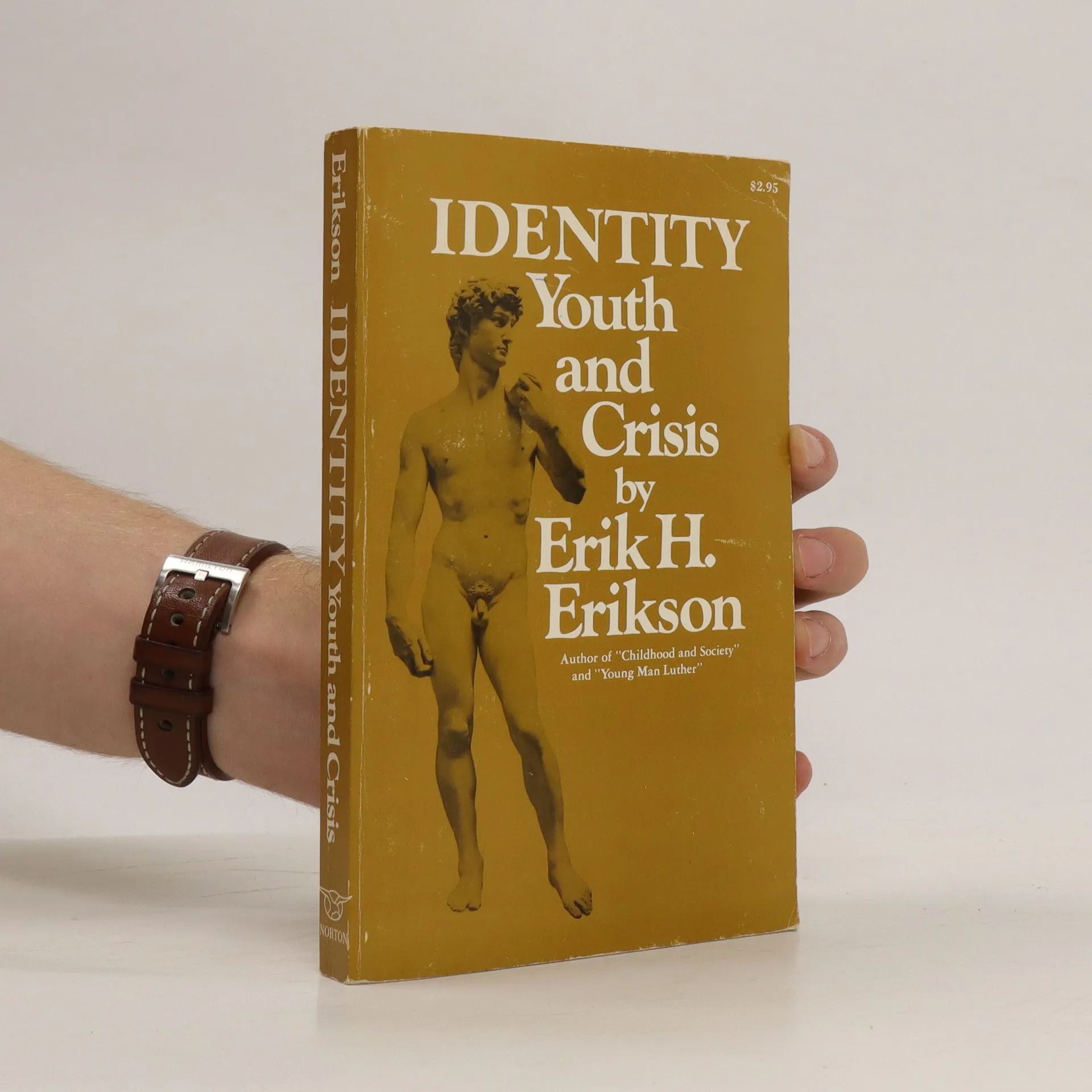
PrefaceAcknowledgments1/Backgrounds & origins"Identity crisis" in autobiographic perspectiveFreud's posthumous publications: reviews. A historic friendship: Freud's letters to Fliess; A questionable cooperation: the Wilson bookPostscript & outlook2/In search of GandhiOn the nature of "psycho-historical" evidenceFreedom & nonviolence3/Protest & liberationReflections on the revolt of humanist youthOnce more the inner spacePsychoanalysis: adjustment or freedom?NotesIndex
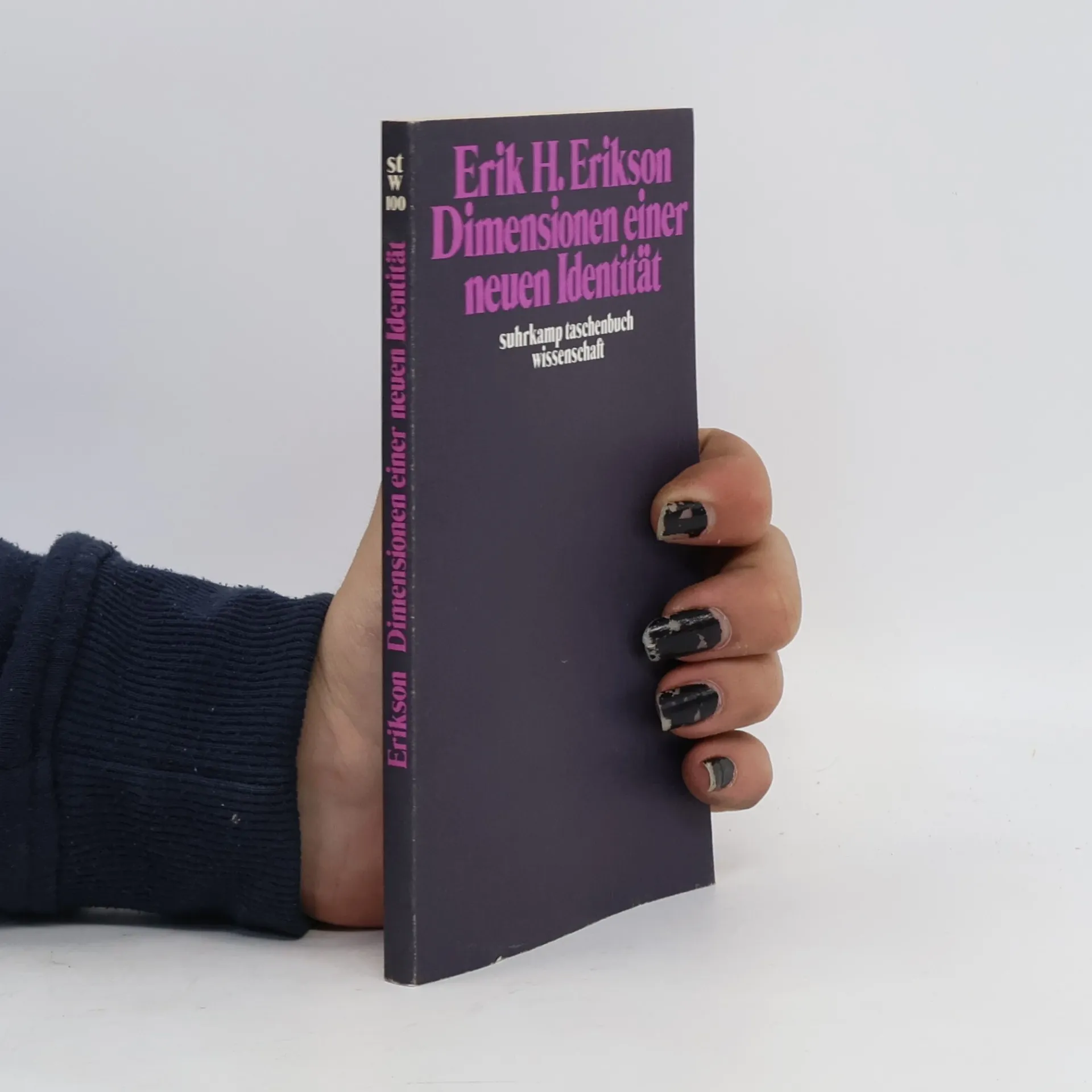
Dimensionen einer neuer Identität
- 140pages
- 5 heures de lecture
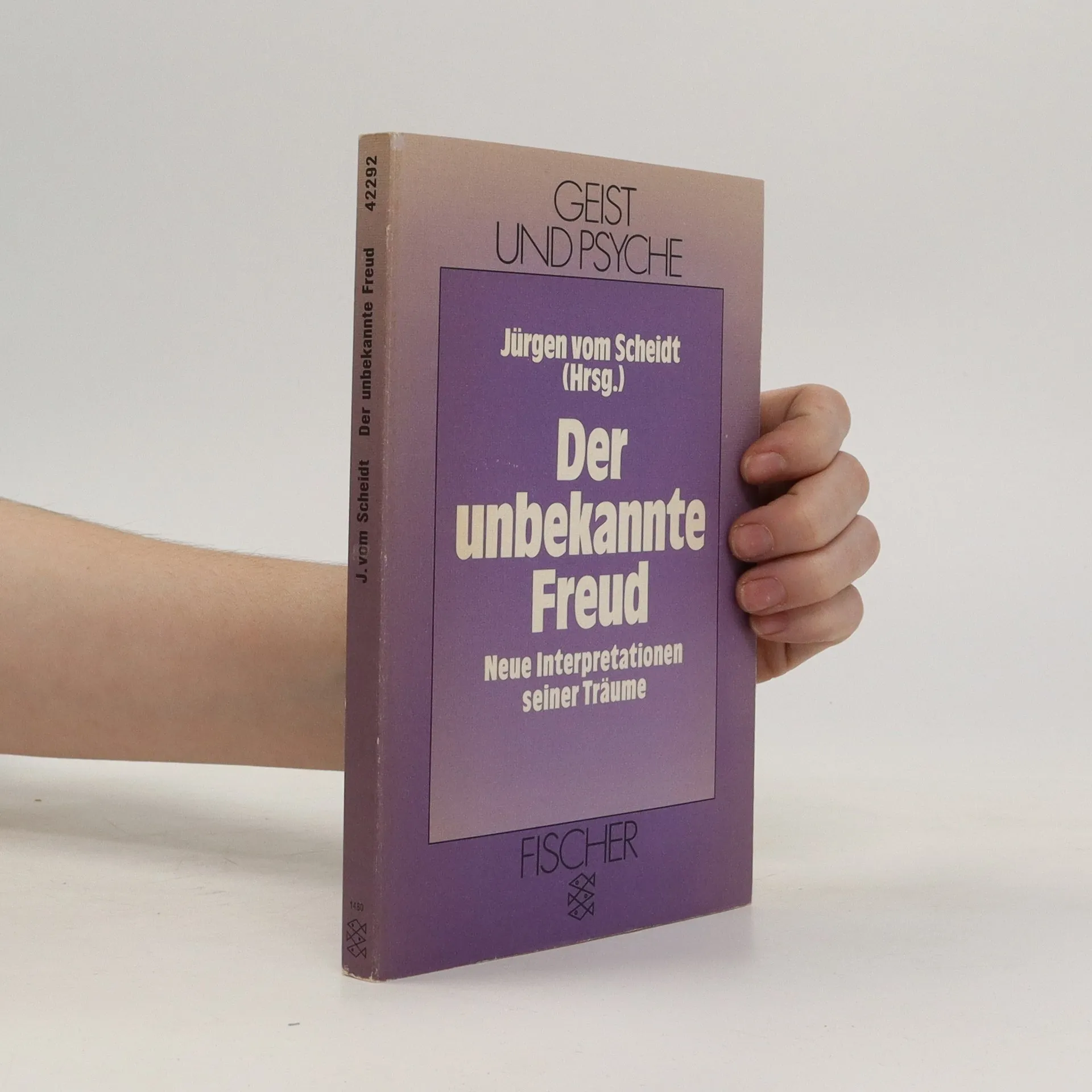
Der unbekannte Freud
- 215pages
- 8 heures de lecture
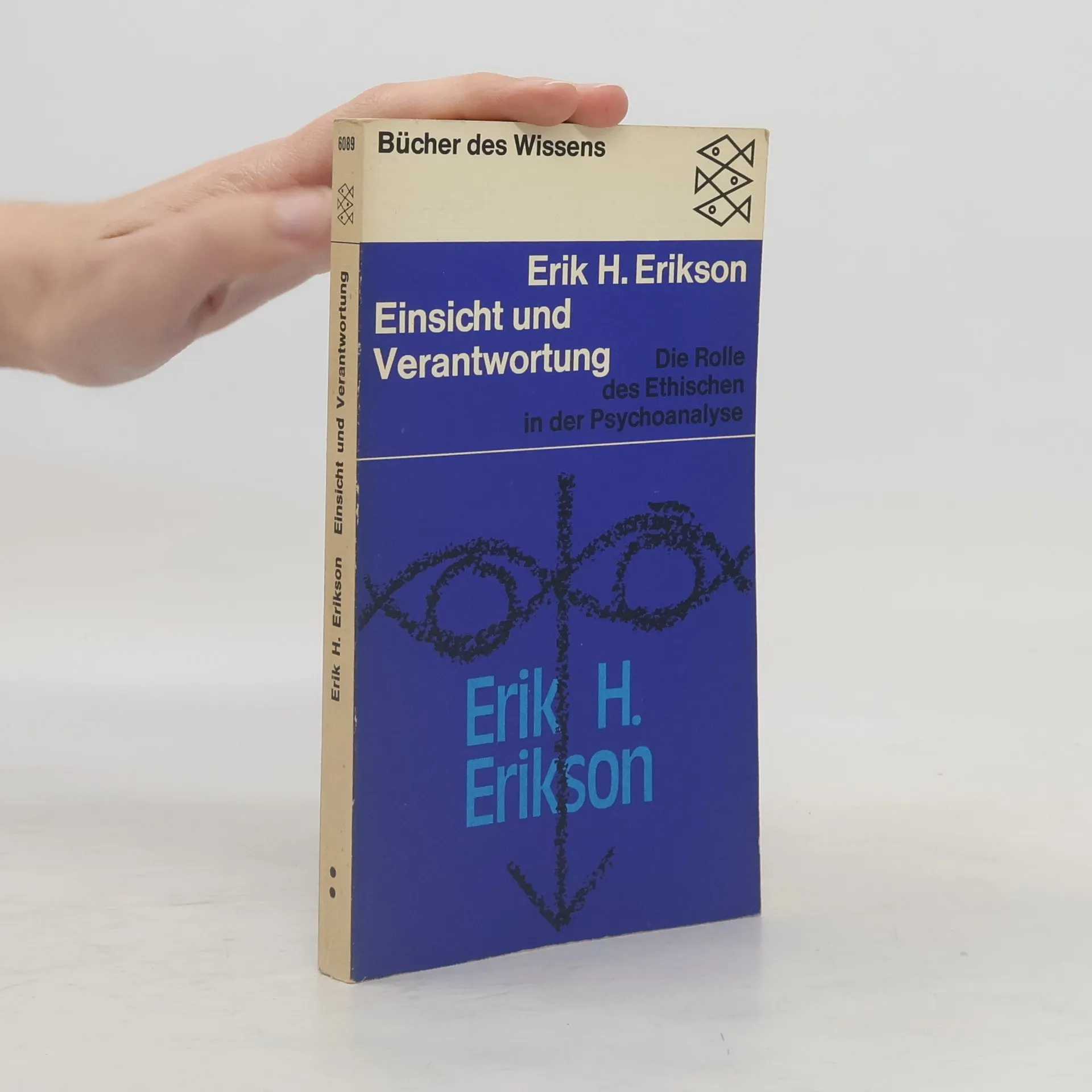
Einsicht und Verantwortung
- 219pages
- 8 heures de lecture
Zu den behandelten Themen gehören: Freuds Entdeckung, dass der menschliche Geist nur durch eine Partnerschaft zwischen Beobachter und Beobachtetem studiert werden kann; wie klinische Beweise aus einer einzigartigen Mischung von Subjektivem und Objektivem bestehen; eine Beobachtung darüber, wie Identitätsfragen nicht nur Einzelpersonen, sondern auch Gruppen betreffen; sowie eine Untersuchung der Verbindungen zwischen Ich-Bildung und Institutionen und Traditionen. Erikson diskutiert auch die Ursprünge der Ethik und betrachtet die Psychiatrie als die pragmatische westliche Version der universellen Reise zur Selbstbewusstwerdung.
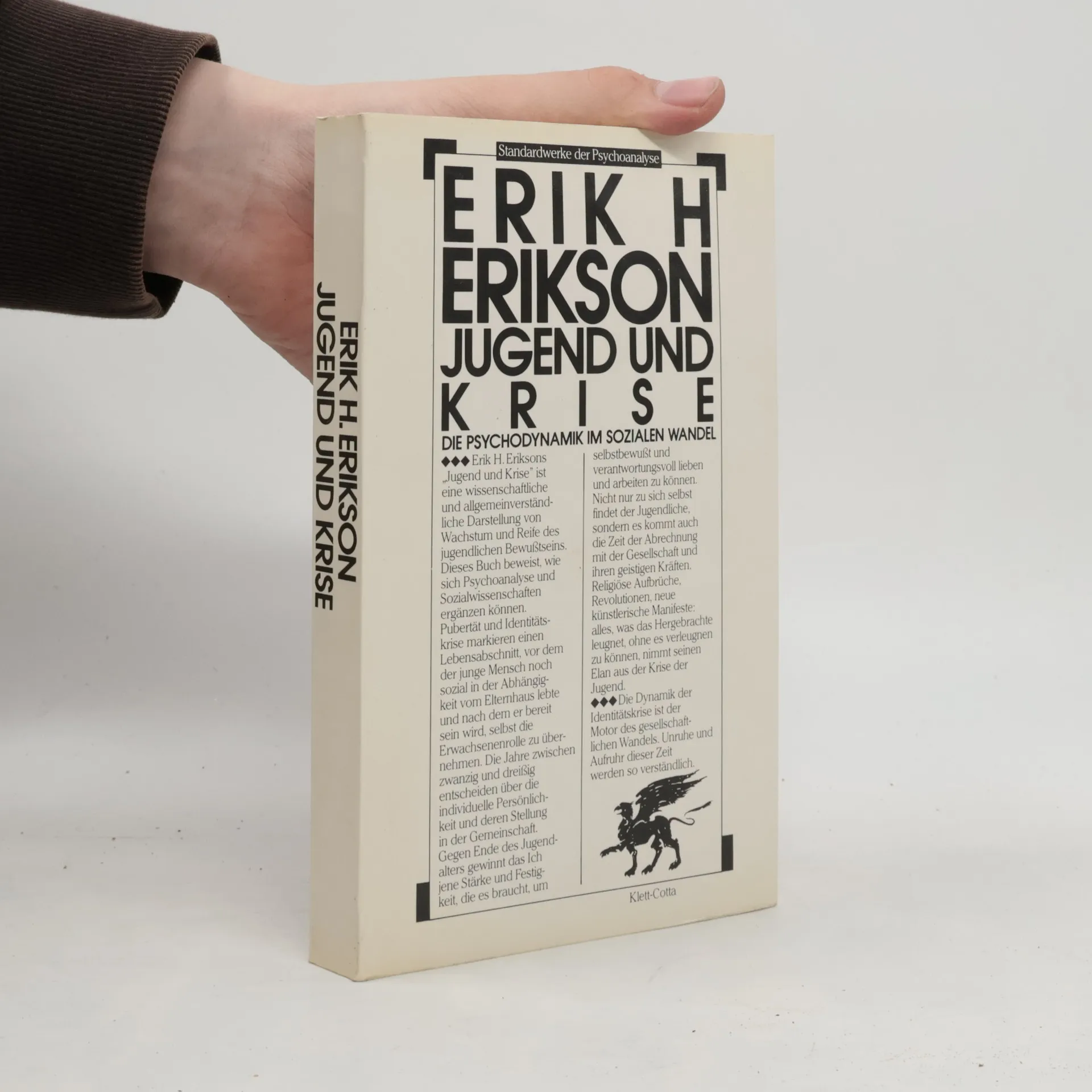
Jugend und Krise
- 344pages
- 13 heures de lecture
»Das Buch ist keine einfache Lektüre, aber ausgesprochen interessant und in seinen Gedankengängen zwingend.«A. Maier, Unsere Jugend Pubertät und Identitätskrise markieren einen Lebensabschnitt, vor dem der junge Mensch noch sozial in Abhängigkeit vom Elternhaus lebte. Gegen Ende des Jugendalters gewinnt das Ich jene Stärke und Festigkeit, die es braucht, um selbstbewußt und verantwortungsvoll leben zu können.
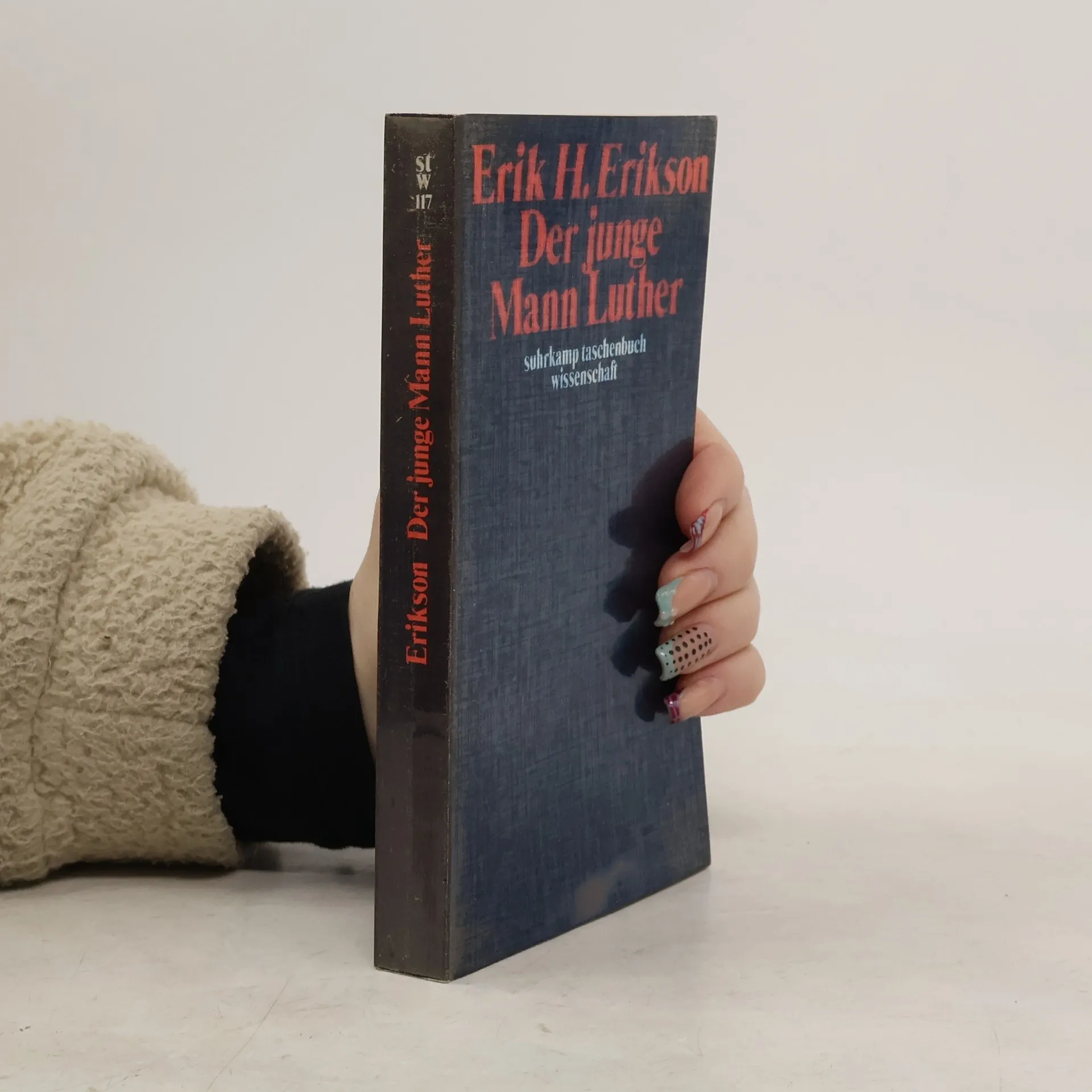
Identität und Lebenszyklus
- 223pages
- 8 heures de lecture
Erikson folgt — immer im Kontext der empirischen Wissenschaften — dem Menschen von seinen frühkindlichen Verhaltensweisen bis hin zu den Phasen des Erwachsenseins. Er erweitert die psychoanalytische Betrachtungsweise um die Erforschung der Ich-Identität, deren Ausprägung von historisch-gesellschaftlichen Veränderungen abhängt.
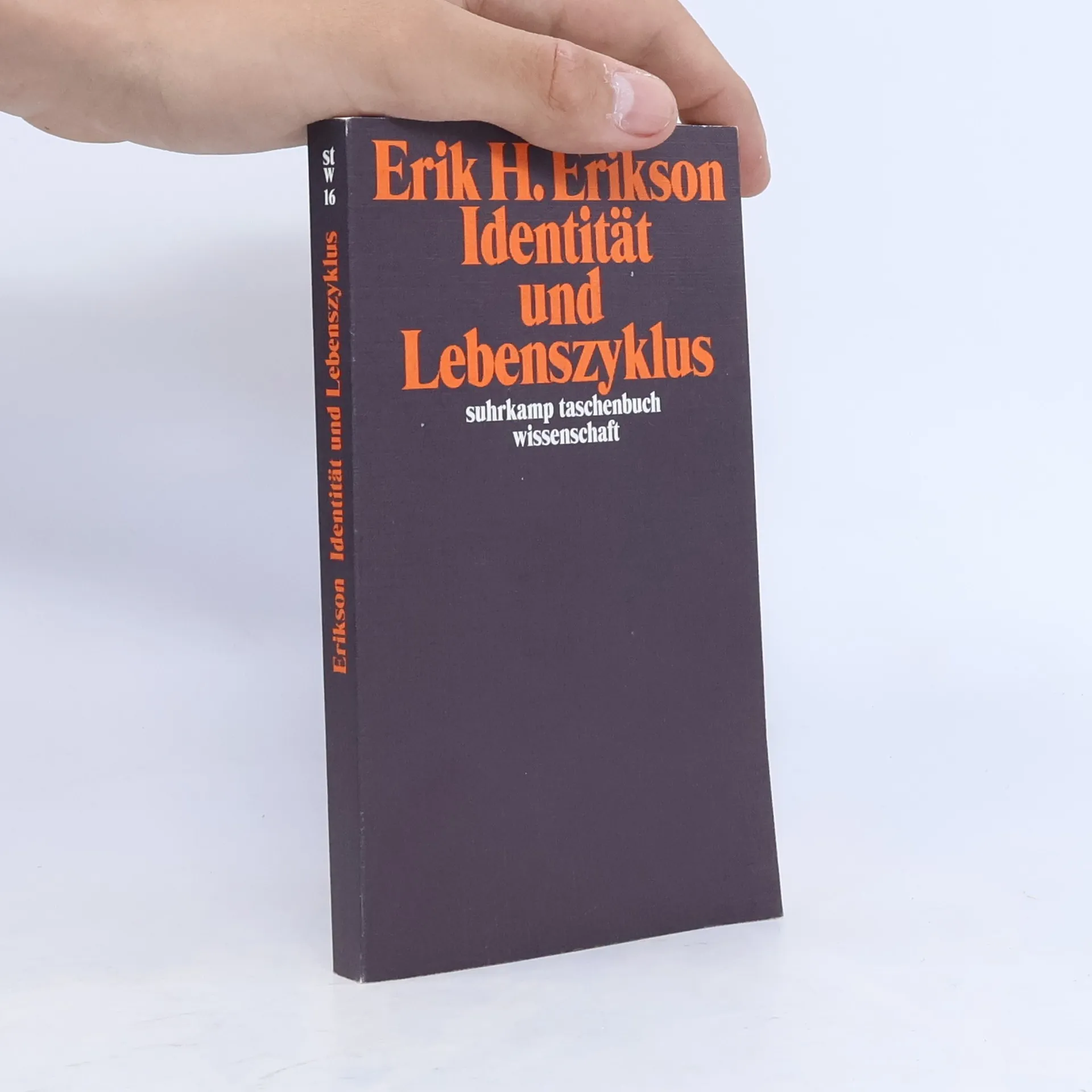
Der junge Mann Luther
- 308pages
- 11 heures de lecture
Ein Klassiker der Luther-Forschung – neu zu entdeckenDer renommierte Psychoanalytiker Erikson erzählt in Der junge Mann Luther die Geschichte der Kindheitskonflikte und Jugendkrisen, die Martin Luther zum Reformator machten.Als junger Mann durchlief Luther eine dramatische Identitä Er rebellierte gegen seinen dominanten Vater, weigerte sich zu heiraten und Jurist zu werden; stattdessen trat er ins Kloster ein und ließ sich zum Priester weihen – bis er sich im Alter von 34 Jahren dann mit dem folgenreichen Thesenanschlag entschieden gegen die Autoritäten von Papst und Kirche stellte. Luther hatte damit eine Lösung für seine persönliche Krise gefunden, die gleichzeitig einschneidende Umwälzungen für die gesamte christlich-westliche Welt bedeuteten.
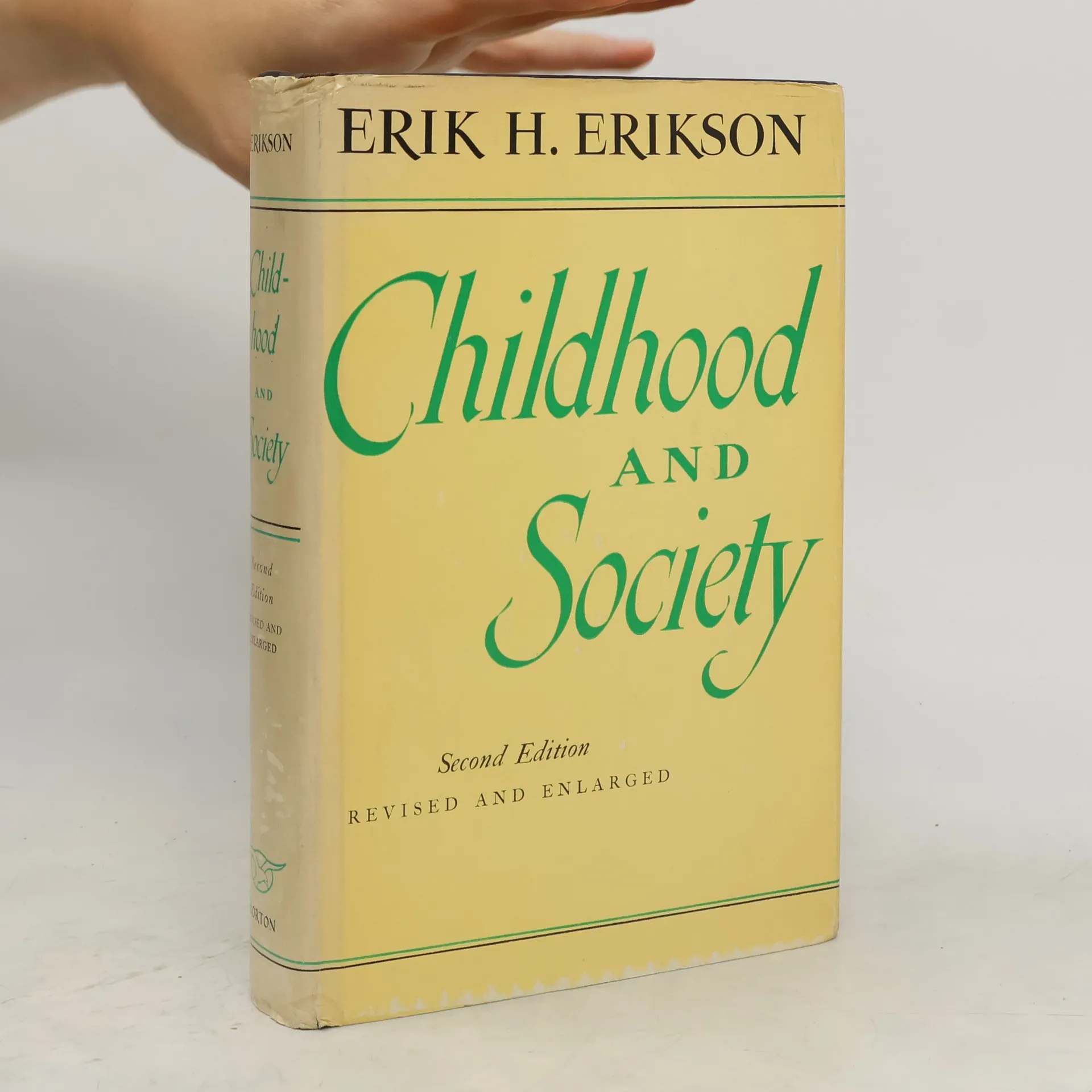
Childhood & Society deals with the relationships between childhood training & cultural accomplishment, analyzing the infantile & the mature, the modern & the archaic elements in human motivation. It was hailed upon its first publication as 'a rare & living combination of European & American thought in the human sciences'--Margaret Mead, The American Scholar Translated into numerous foreign languages, it has gone on to become a classic in the study of the social significance of childhood.