Lee Smolin est un physicien théoricien dont le travail explore des questions profondes sur la nature du temps et du cosmos. Il examine des voies pour unifier les forces fondamentales de la nature, offrant de nouvelles perspectives sur ce qu'une théorie du tout pourrait impliquer. L'écriture de Smolin rend les concepts scientifiques complexes accessibles à un public plus large, favorisant ainsi une pensée critique sur le paysage actuel de la physique théorique. Ses livres abordent souvent les implications philosophiques des découvertes scientifiques, incitant les lecteurs à considérer notre place dans l'univers.
Quantum physics is the golden child of modern science. It is the basis of our understanding of atoms, radiation, and so much else, from elementary particles and basic forces to the behavior of materials
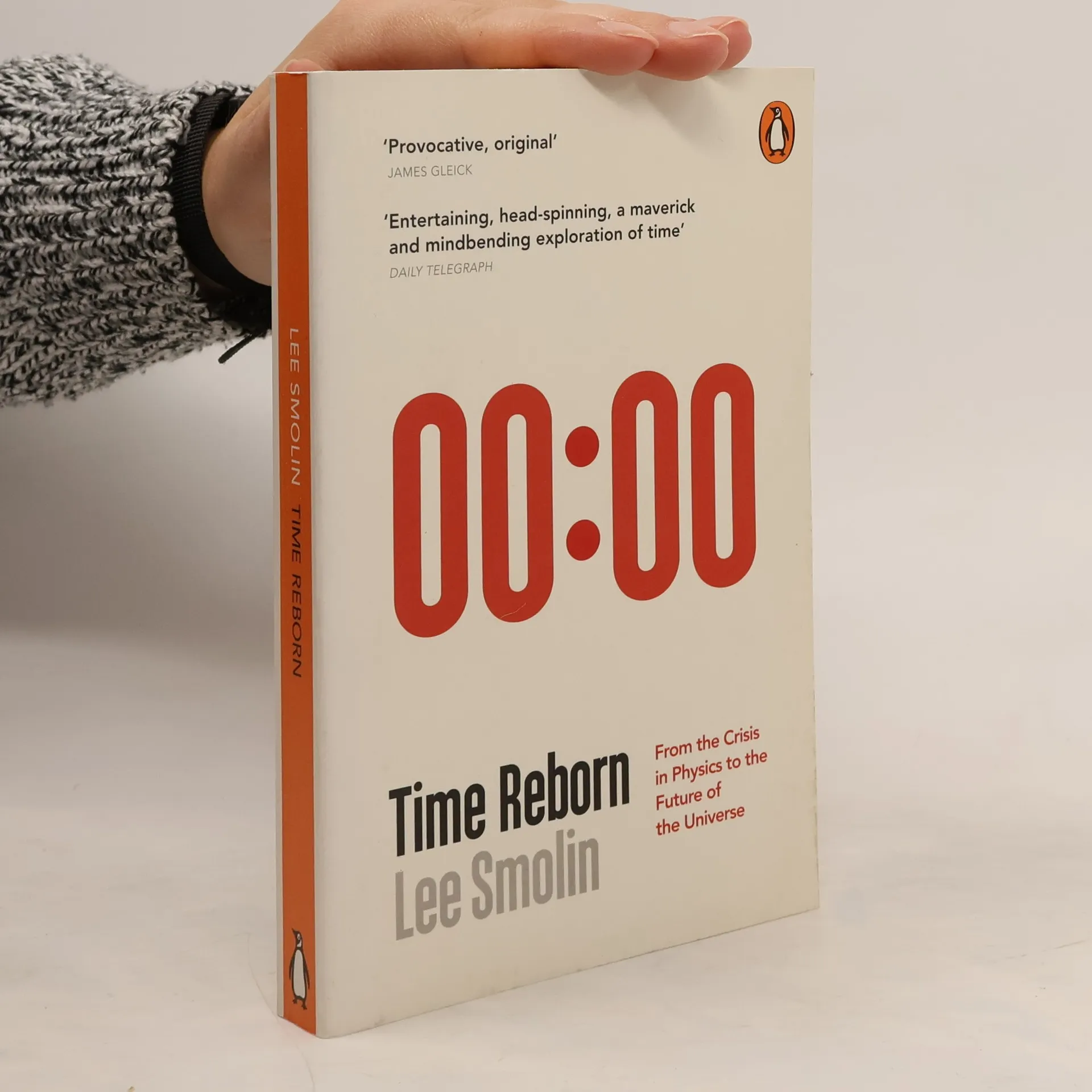
Nothing seems more real than time passing. We experience life as a succession of moments. But just as some of us see God as eternal, so physicists understand the truths of mathematics and the laws of nature as constant, transcending time. These laws dictate how the future will evolve: there is no freedom, no uncertainty about the future at all. Yet, argues Lee Smolin, this denial of time is holding back both physics, and our understanding of the universe. We need a major revolution in scientific thought: one that embraces the reality of time and places it at the centre of our thinking. Time, he concludes, is not an illusion: indeed, it is the best clue that we have to fundamental reality. Time Reborn explains how the true nature of time impacts on us, our world, and our universe.
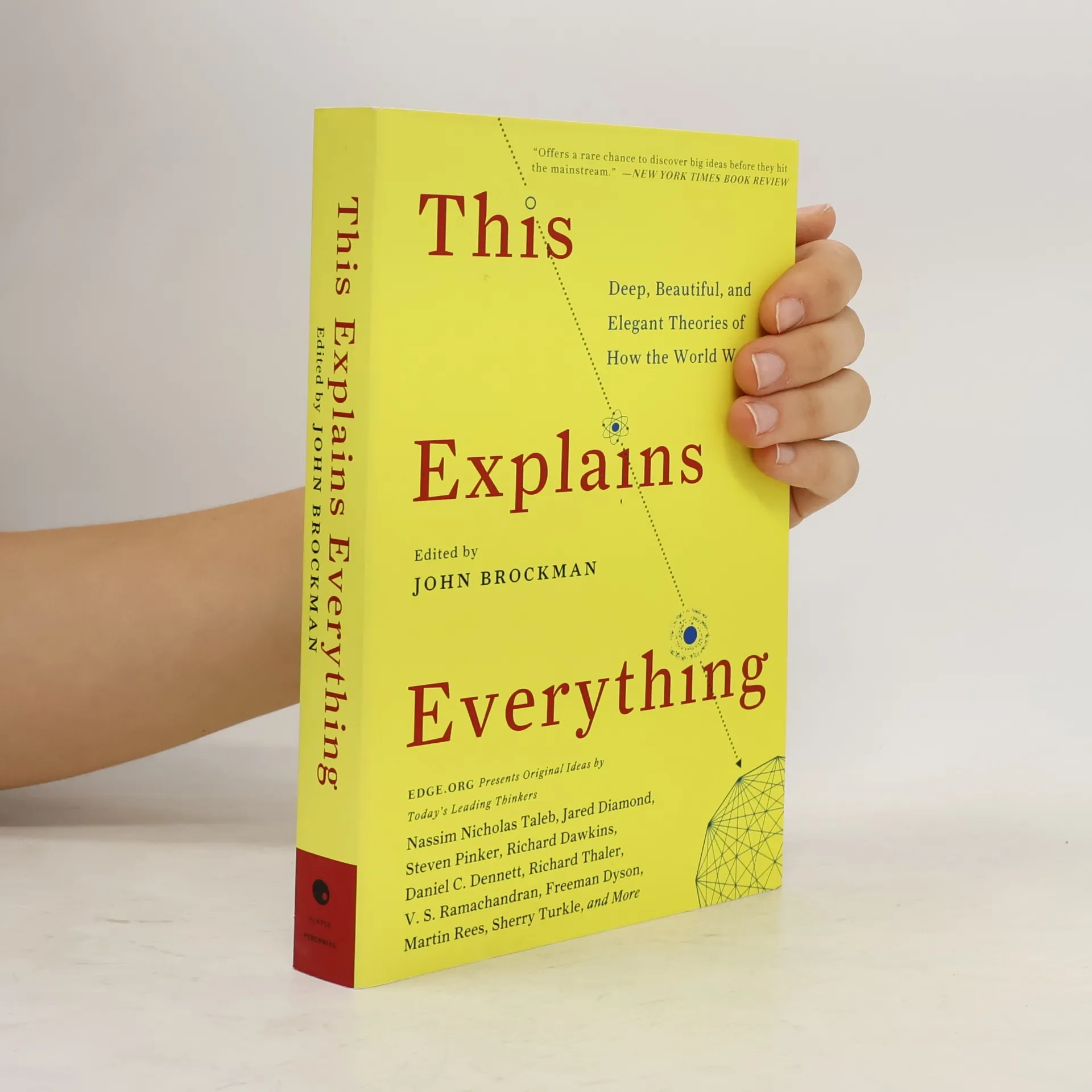
In This Explains Everything, John Brockman, founder and publisher of Edge.org, asked experts in numerous fields and disciplines to come up with their favorite explanations for everyday occurrences. Why do we recognize patterns? Is there such a thing as positive stress? Are we genetically programmed to be in conflict with each other? Those are just some of the 150 questions that the world's best scientific minds answer with elegant simplicity. With contributions from Jared Diamond, Richard Dawkins, Nassim Taleb, Brian Eno, Steven Pinker, and more, everything is explained in fun, uncomplicated terms that make the most complex concepts easy to comprehend.
With clarity, passion, and authority, renowned theoretical physicist Smolin charts the rise and fall of string theory and takes a fascinating look at what will replace it.
"It would be hard to imagine a better guide to this difficult subject."--Scientific American In Three Roads to Quantum Gravity, Lee Smolin provides an accessible overview of the attempts to build a final "theory of everything." He explains in simple terms what scientists are talking about when they say the world is made from exotic entities such as loops, strings, and black holes and tells the fascinating stories behind these discoveries: the rivalries, epiphanies, and intrigues he witnessed firsthand. "Provocative, original, and unsettling." --New York Review of Books "An excellent writer, a creative thinker."--Nature
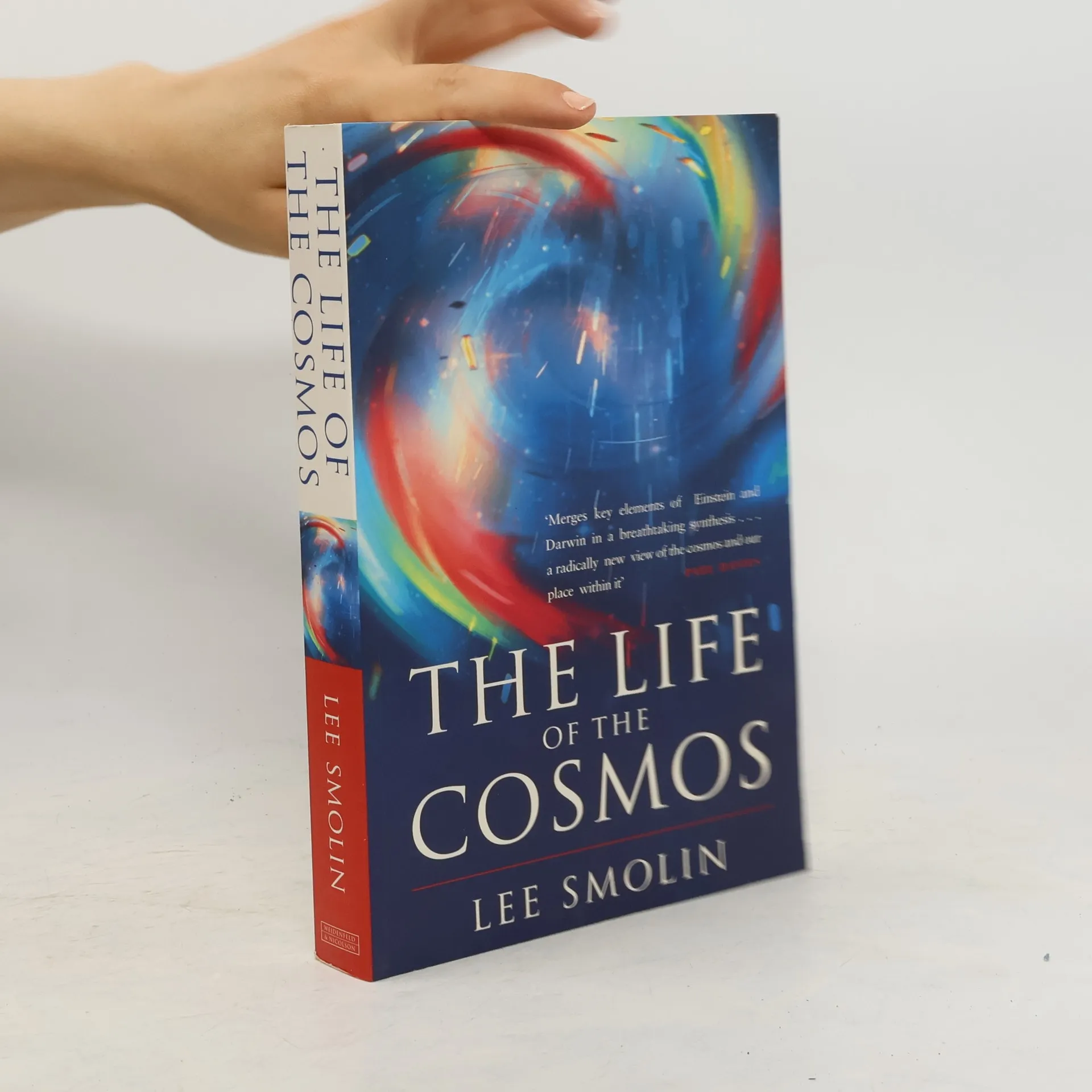
A radically new view of the nature of the universe that suggests that the cosmosas a whole is best understood not as mechanical and clockwork, but as complete and evolving, more akin to a living entity than a machine. Comparable in its acope and ambition to Roger Penrose and Stephen Hawking, and readable than either.