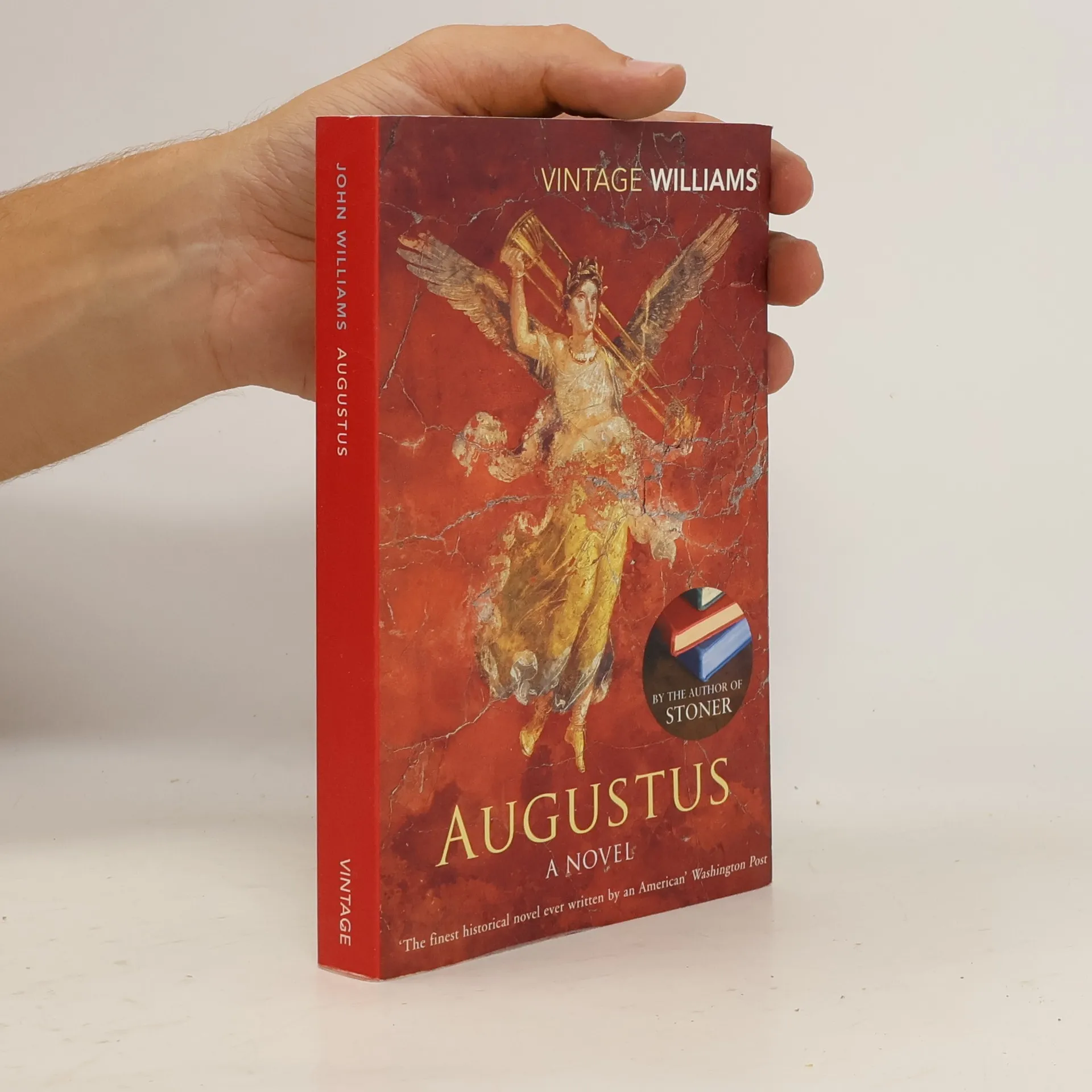
After the brutal murder of his great-uncle, Julius Caesar, Octavian, a shy and scholarly youth of nineteen, suddenly finds himself heir to the vast power of Rome. He is destined, despite vicious power struggles, bloody wars and family strife, to transform his realm and become the greatest ruler the western world had ever seen.
John McGahern Ordre des livres (chronologique)
12 novembre 1934 – 30 mars 2006
Cet auteur a acquis une renommée pour ses romans pénétrants, qui explorent souvent les relations interpersonnelles complexes et les dilemmes moraux de la société irlandaise. Son style se caractérise par une langue précise et une profonde perspicacité psychologique des personnages, offrant aux lecteurs un regard sans compromis sur la nature humaine. Les œuvres de cet auteur invitent à la réflexion, abordant des thèmes tels que la culpabilité, la rédemption et la recherche d'identité dans des conditions sociales difficiles. Son écriture se distingue par une honnêteté brute et une capacité à saisir l'essence de la vie quotidienne.


Zlaté hodinky a jiné povídky
- 296pages
- 11 heures de lecture
Výbor Zlaté hodinky a jiné povídky představuje to nejlepší z povídkářské tvorby Johna McGaherna (1934–2006), který je již dnes považován za jednoho z klasiků jak irské, tak světové literatury. V mistrných prózách – z nichž česky vyšel hlavně román Mezi ženami (2003) – autor mapuje život v Irsku ve druhé polovině dvacátého století s neúprosnou, až prorockou bystrozrakostí a působivostí, nezřídka říznutou ironií a černým humorem. Jeho povídky se vyznačují obrazivým stylem, který umožňuje vidět svět nově a celistvě. Toto vidění vyrůstá z blízkosti přírodě, vnímavosti k přírodním dějům i duševním hnutím blízkých, z náboženského cítění odpadlíka od katolické církve a z osobní, často intimní zkušenosti člověka toužícího po lásce a pospolitosti, který se však zdráhá zavírat oči před lidskou špatností a mlčky se podvolovat umrtvující společenské konvenci.
Journey Home and Other Irish Short Stories
Englische Lektüre für die Oberstufe. Originaltext mit Annotationen und Zusatztexten
- 175pages
- 7 heures de lecture
Diese Sammlung enthält folgende Geschichten: An Occasion of Sin von John Montague Journey Home von Maeve Kelly The Lady with the Red Shoes von Ita Daly High Ground von John McGahern Five Notes after a Visit von Anne Devlin Prisoner of the Republic von Séan MacMathúna A Song von Colm Tóibín New Boy von Roddy Doyle Abiturempfehlung zum Themenbereich Ireland
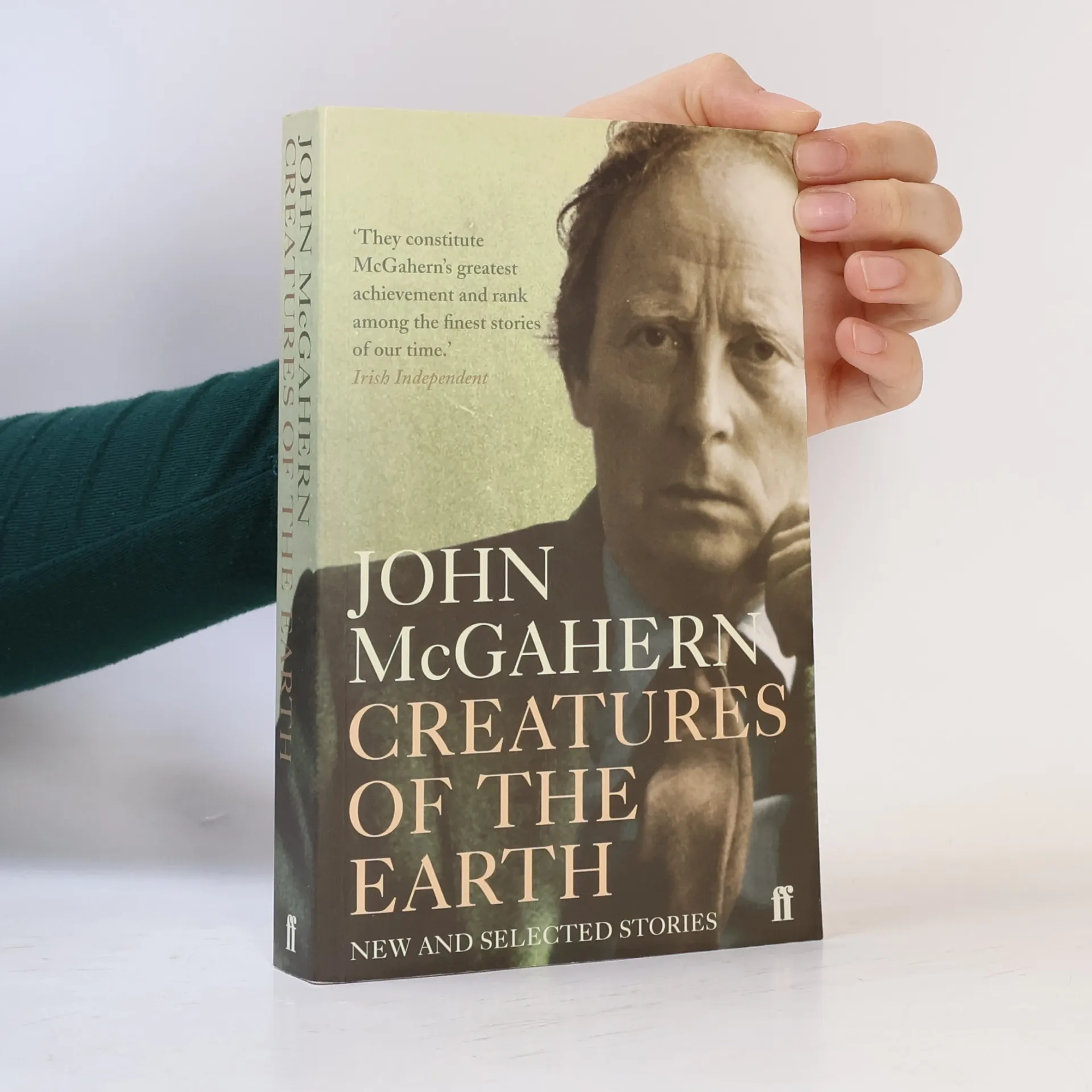
Creatures of the Earth
New and Selected Stories
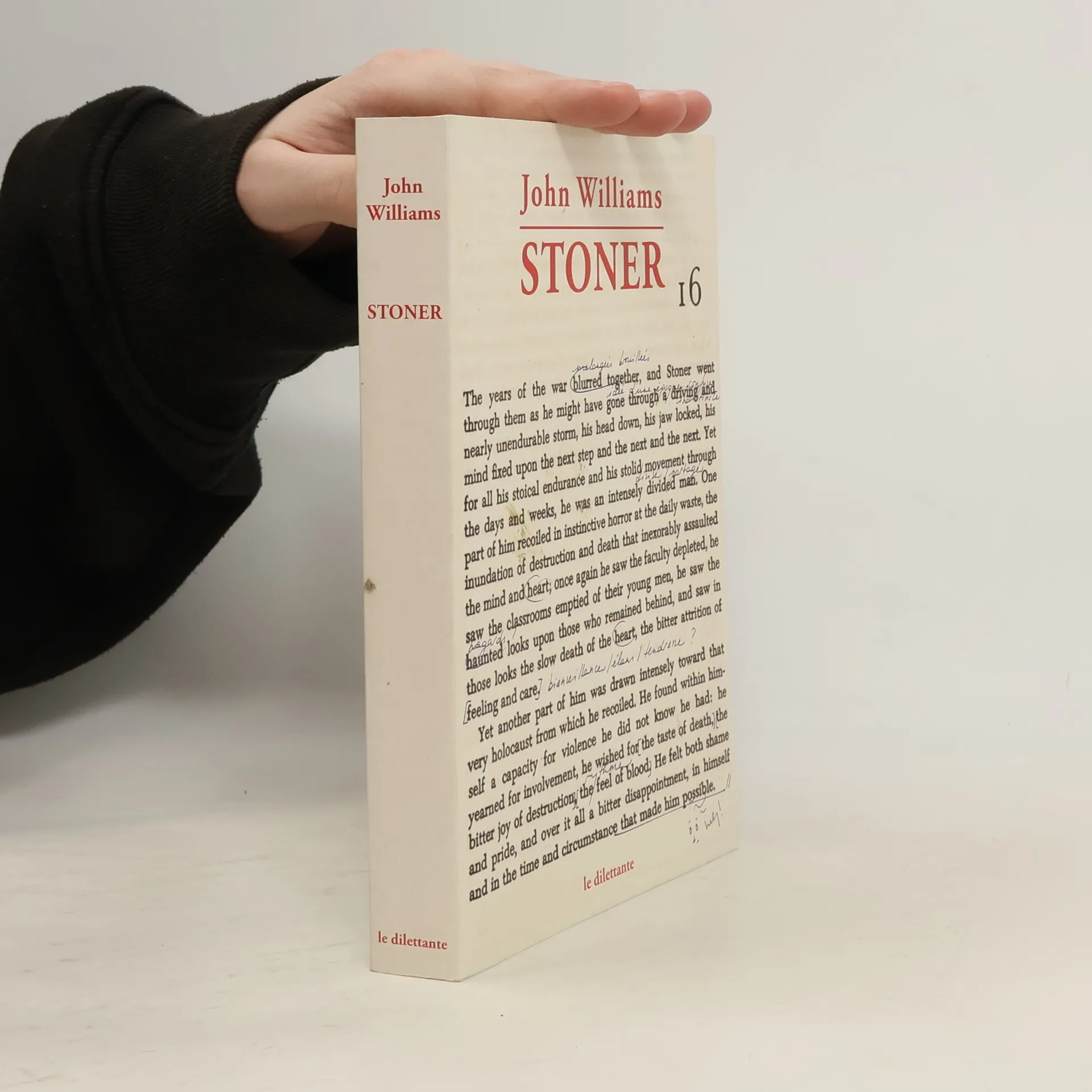
Stoner
- 384pages
- 14 heures de lecture
Fils de paysan, William Stoner débarque à l'université du Missouri en 1910 pour y étudier l'agronomie. Délaissant ses cours de traitement des sols, il découvre les auteurs, la poésie et décide de se vouer à la littérature, quitte à décevoir les siens. Devenu professeur alors que la Première Guerre mondiale éclate, cet homme solitaire et droit traversera le siècle et les tumultes de sa vie personnelle avec la confiance de celui qui a depuis longtemps trouvé son refuge : les livres.
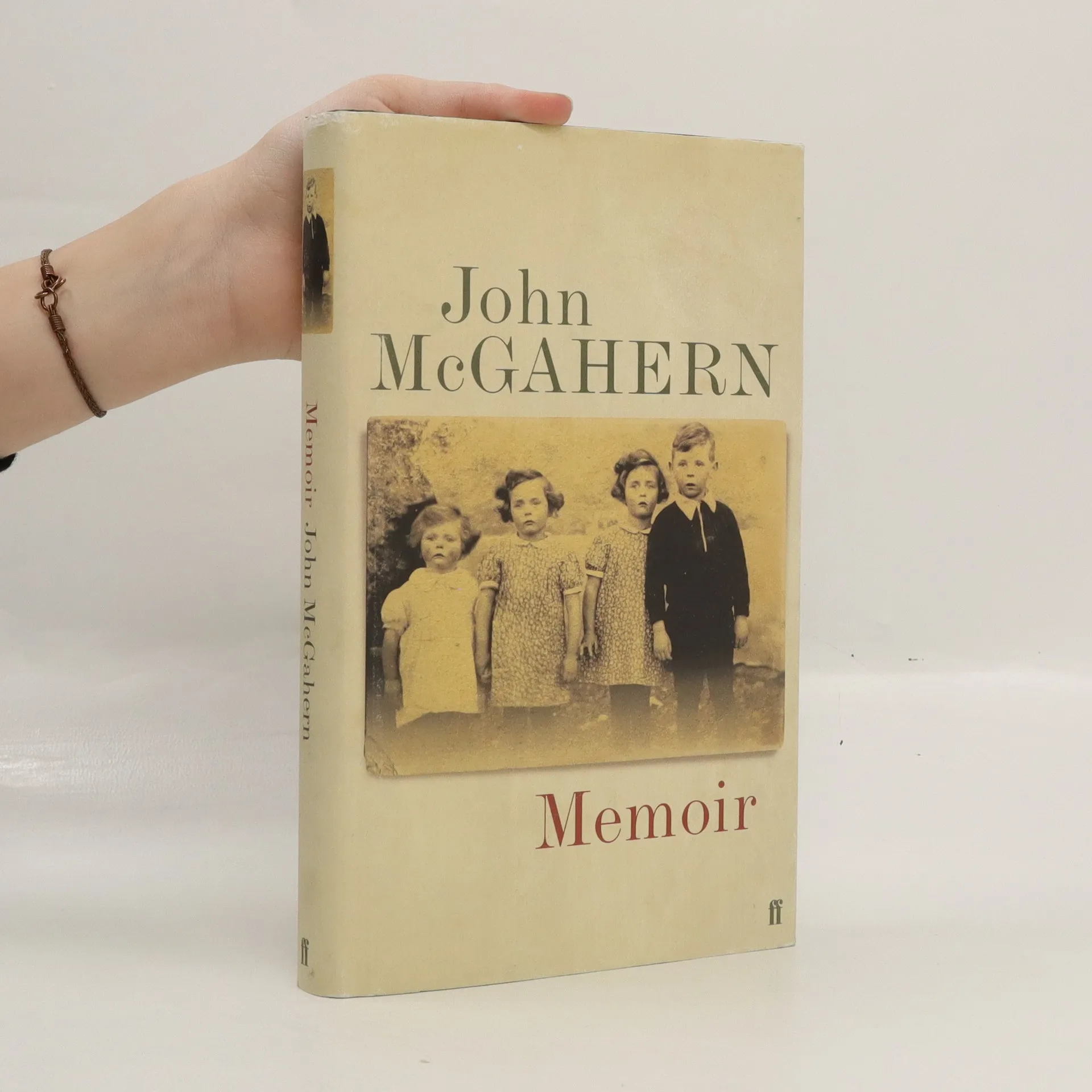
Memoir
- 272pages
- 10 heures de lecture
This is the story of John McGahern's childhood; of his mother's death, his father's anger and bafflement, and his own discovery of literature and his ambition to become a writer. Memoir includes McGahern's memories of Dublin in the 1960s, his time as a schoolteacher, and his sacking for writing a banned book (his second novel, The Dark). It ends with his return to live in Leitrim with his wife and the death of his father, difficult to the last.
That They May Face the Rising Sun
- 314pages
- 11 heures de lecture
Considered by many to be the finest Irish writer now working in prose, John McGahern's That They May Face the Rising Sun vividly brings to life a whole world and its people with insight and humour and deep sympathy. Joe and Kate Ruttledge have come to Ireland from London in search of a different life. In passages of beauty and truth, the drama of a year in their lives and those of the memorable characters that move about them unfolds through the action, the rituals of work, religious observances and play. By the novel's close we feel that we have been introduced, with deceptive simplicity, to a complete representation of existence - an enclosed world has been transformed into an Everywhere. 'It is a simple and ordinary story, calmly, wryly crafted with subtle detail - and therein lies McGahern's genius. As sharply, brilliantly observed as any he has written . . . McGahern, a supreme chronicler of the ordinary . . . has created a novel that lives and breathes as convincingly as the characters who inhabit it.' Irish Times
Die Bekehrung des William Kirkwood
- 192pages
- 7 heures de lecture
The Dark
- 192pages
- 7 heures de lecture
The Dark , widely acclaimed, yet infamously banned, is John McGahern’s sensitive, perceptive, and beautifully written portrayal of a young man’s coming-of-age in rural Ireland. Imaginative and introverted, the boy is successful in school, but bitterly confused by the guilt-inducing questions he endures from the priests who should be his venerated guides. His relationship with his bullying, bigoted, widowed father is similarly conflicted — touched with both deep love and carefully suppressed hatred. When he must leave home to further his education, their relationship is drawn to an emotional climax that teaches both father and son some of the most intricate truths about manhood.
Der Pornograph
- 406pages
- 15 heures de lecture
John McGahern erzählt in "Der Pornograph" von Michael, der als Schriftsteller pornografischer Fiktion eine ideale Welt des Sex erschafft, während er in jeder Phase seiner Beziehung zu einer älteren Frau, die sich unglücklicherweise in ihn verliebt, scheitert. Seine Gefühllosigkeit gegenüber dieser Liebe steht in direktem Gegensatz zu der Zärtlichkeit, mit der er versucht, das langsame Sterben seiner Tante im Krankenhaus erträglich zu machen. In diesem reichen Roman ist das Drama der Gegensätze überall präsent, aber vor allem sind Sex und Tod nie weit voneinander entfernt.
Entre toutes les femmes
- 304pages
- 11 heures de lecture
Roman psychologique d'un auteur irlandais, il explore les relations au sein d'une famille d'agriculteurs. Un père autoritaire contrôle la vie de ses enfants jusqu'à leur âge adulte. Ce fermier vit avec ses trois filles et son plus jeune fils, isolés dans leur maison, où leur quotidien est soumis à la volonté inflexible du père. Après la rupture avec son unique ami, la famille mène une existence solitaire, rythmée par des rituels quotidiens, une routine qui ne change pas même après le remariage du père. Sa nouvelle épouse accepte sans réserve son autorité, se soumettant, tout comme les enfants, à sa tyrannie dure mais maladroitement aimante. Les filles finissent par quitter le foyer, mais, tout comme le plus jeune fils, elles reviennent à chaque occasion, se soumettant avec nostalgie à l'atmosphère familière. Ce n'est qu'après la mort du père que ses filles deviennent des personnalités fortes et déterminées.
The Leavetaking
- 176pages
- 7 heures de lecture
The Leavetaking recounts a young couple's struggle to overcome the suffocating influence of the church in order to find happiness in a fulfilling adult love.
The Barracks
- 232pages
- 9 heures de lecture
This novel, McGahern's first, is a tragicomedy centred on a lonely woman who marries into the enclosed Irish village of her upbringing. The children are not hers, her husband is straining to escape the servile security of the police force, and her life seems to be losing all sense of purpose.
Die Polizeiküche oder Der Mensch verlöscht wie ein Licht
- 286pages
- 11 heures de lecture
Die Polizeiküche oder Der Mensch verlöscht wie ein Licht - bk55; Büchergilde Gutenberg; John McGahern; Paperback; 1978
Nightlines
- 167pages
- 6 heures de lecture
extremely rare,very good condition