

Originally published to wide acclaim, this lively, illustrated essay on the use and abuse of maps teaches critical evaluation and promotes skepticism about these manipulable models of reality. The author demonstrates that, despite their immense value, maps inherently lie. The updated second edition includes two new chapters, ten color plates, and a new foreword by renowned geographer H. J. de Blij. One chapter examines the influence of national interest and cultural values on mapping organizations, while the other explores multimedia, computer-based maps. To illustrate how maps distort, the author introduces basic principles of mapmaking and entertaining examples of misuse in various contexts, covering distortions from oversimplifications to misleading color usage. The book is described as an artful and humorous work, encouraging readers to appreciate the approximate and incomplete truths in maps. It serves as a useful guide for those who may take maps for granted, combating cartographic illiteracy and even helping readers find their way. The witty examination of how and why maps lie conveys important insights about the manipulation of statistics while highlighting the aesthetic appeal and enjoyment of maps. Readers will emerge better equipped to navigate the pitfalls of deceptive atlases, shoddy journalism, and unscrupulous advertisers, making this book a must-read for anyone who uses maps.
Mark S. Monmonier Livres
Mark Monmonier élabore des récits captivants qui explorent les complexités de la géographie et des systèmes d'information, empreints à la fois d'une érudition rigoureuse et d'un délicieux sens de l'humour. Ses écrits remettent en question la sagesse conventionnelle, encourageant les lecteurs à examiner de manière critique comment les informations sont présentées et interprétées. L'approche unique de Monmonier éclaire la nature complexe de la toponymie et des données géographiques, révélant les couches de sens et les biais potentiels au sein de représentations apparemment objectives. Il invite les lecteurs dans un voyage de découverte intellectuelle, où le paysage familier des cartes et des noms de lieux devient une source d'intuition profonde.
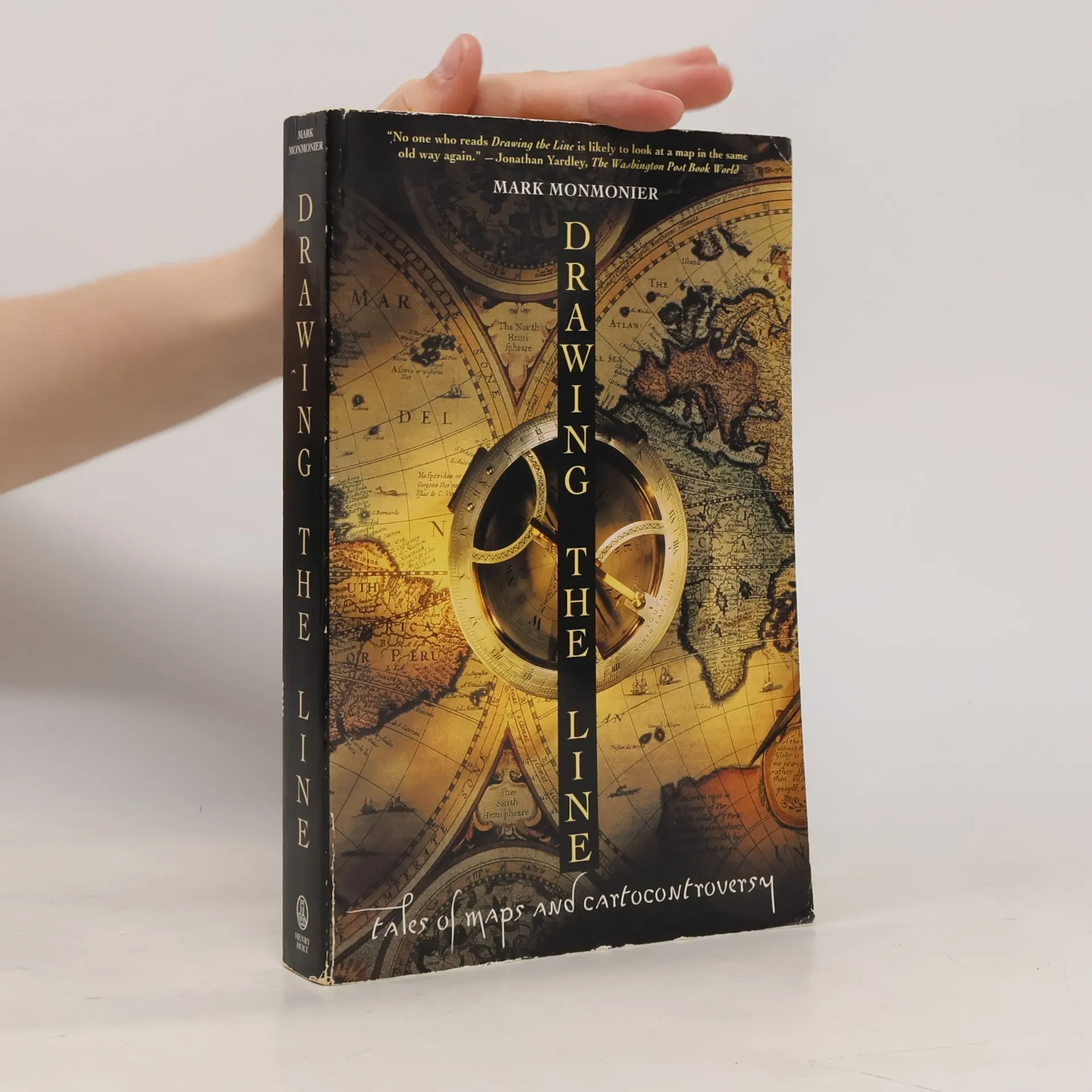
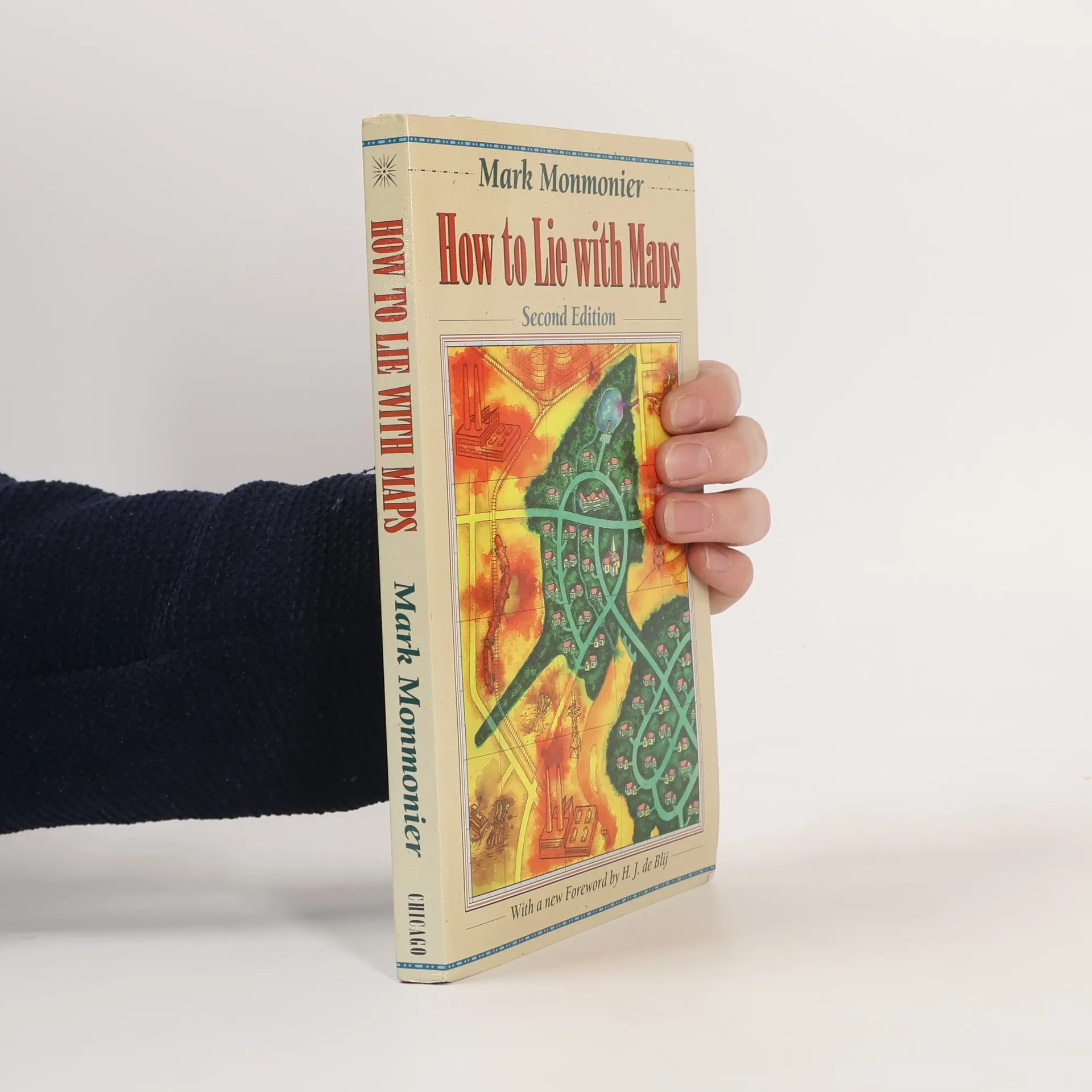
Argues that maps can be manipulated to distort the truth, and shows how they have been used for propaganda in international affairs, political districting, and finding toxic dump sites