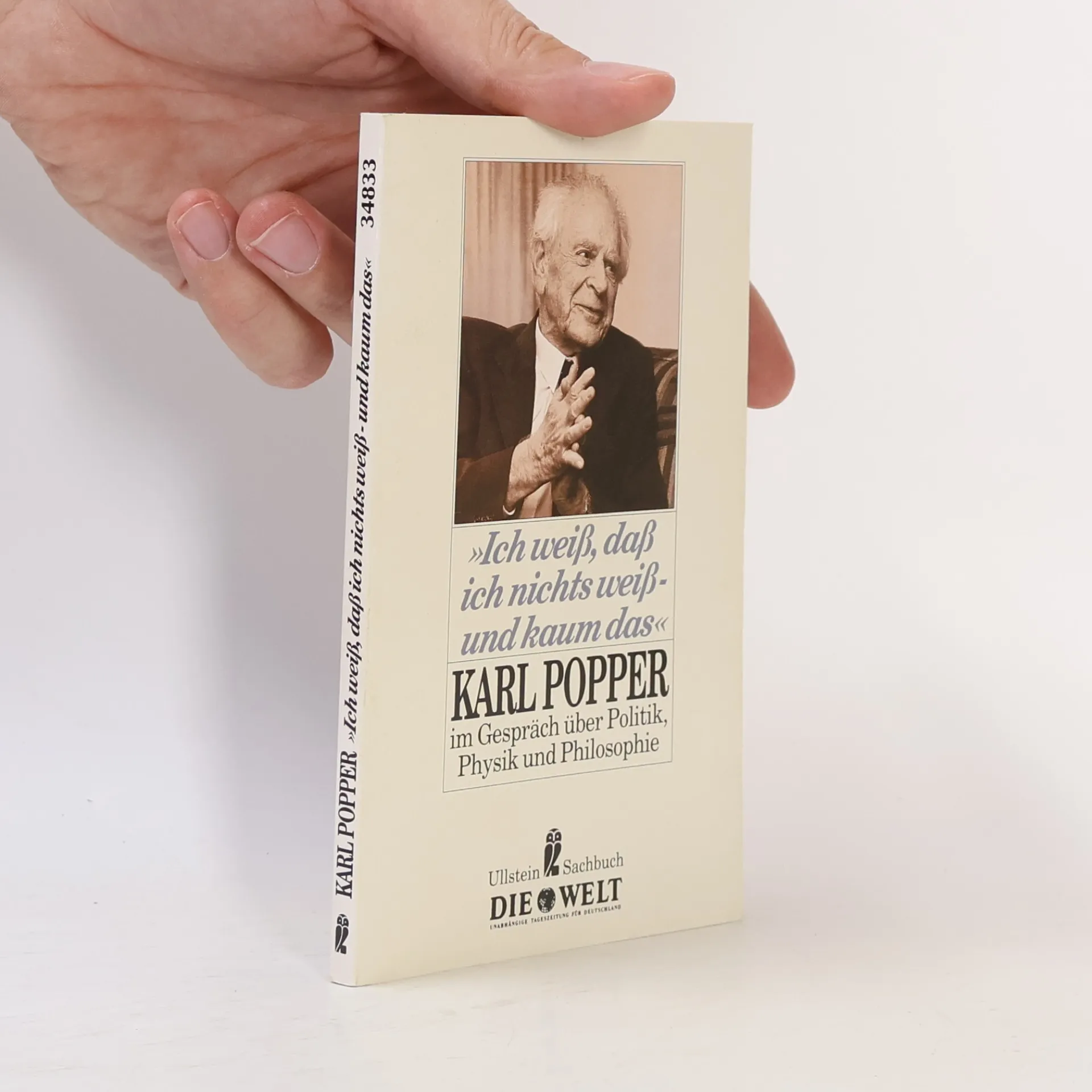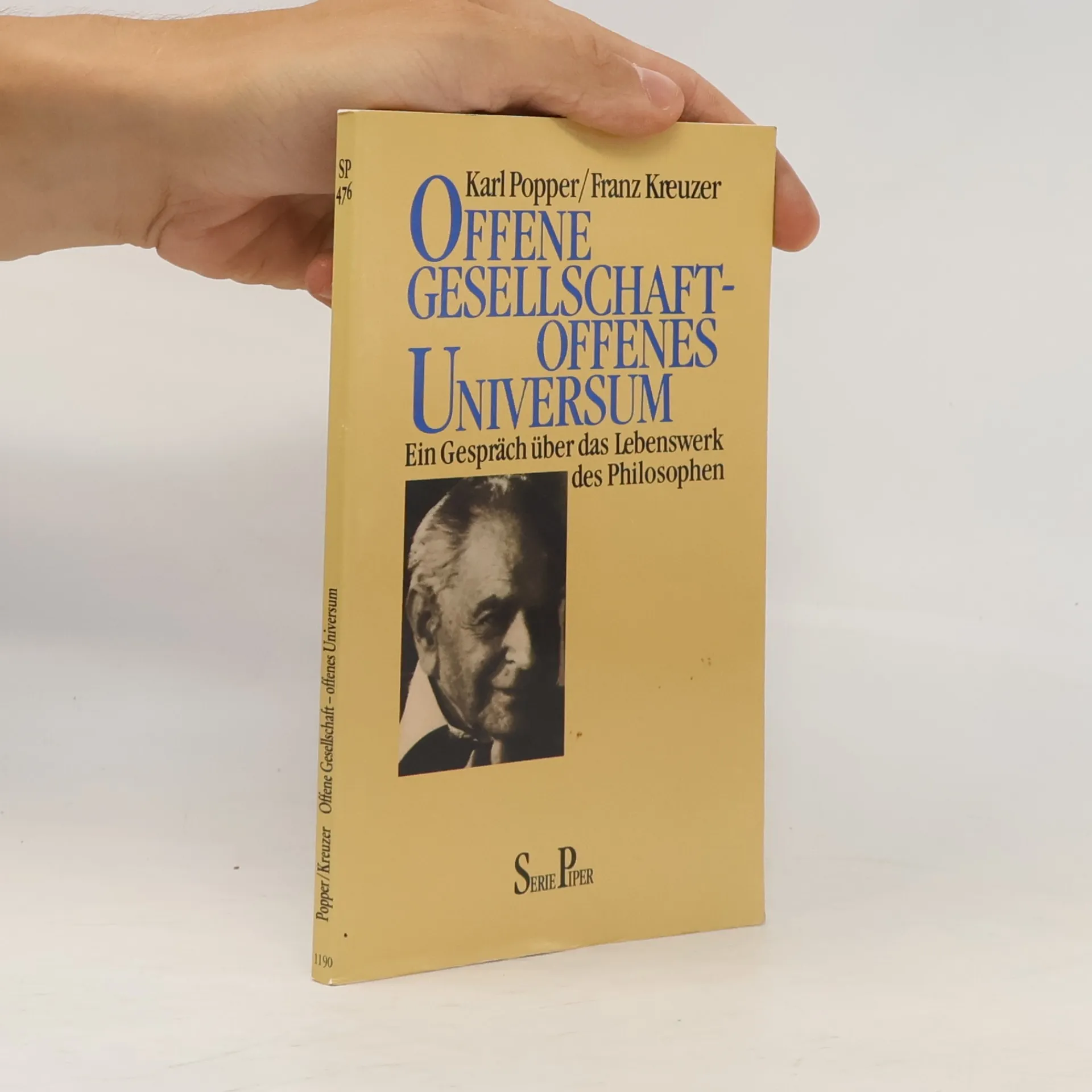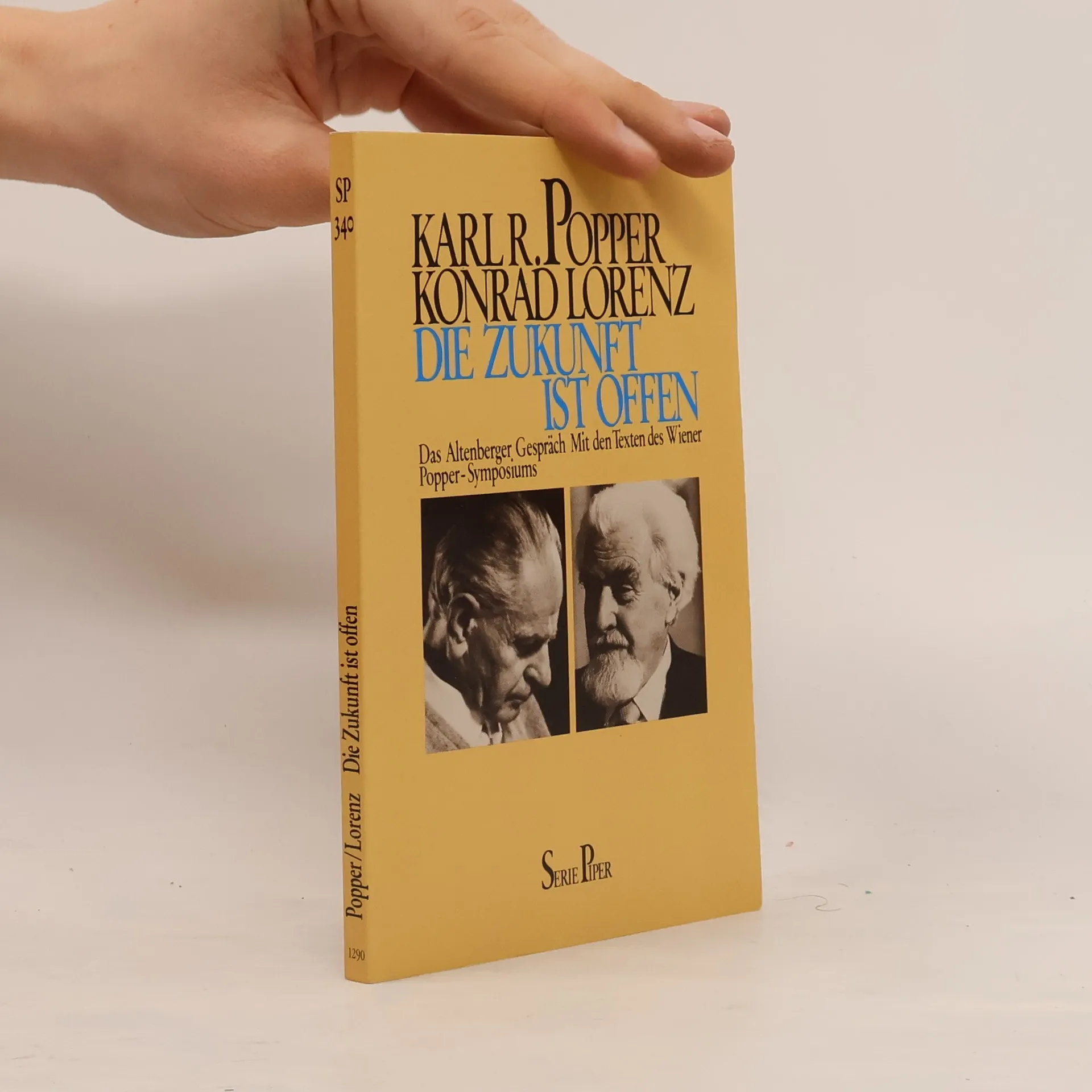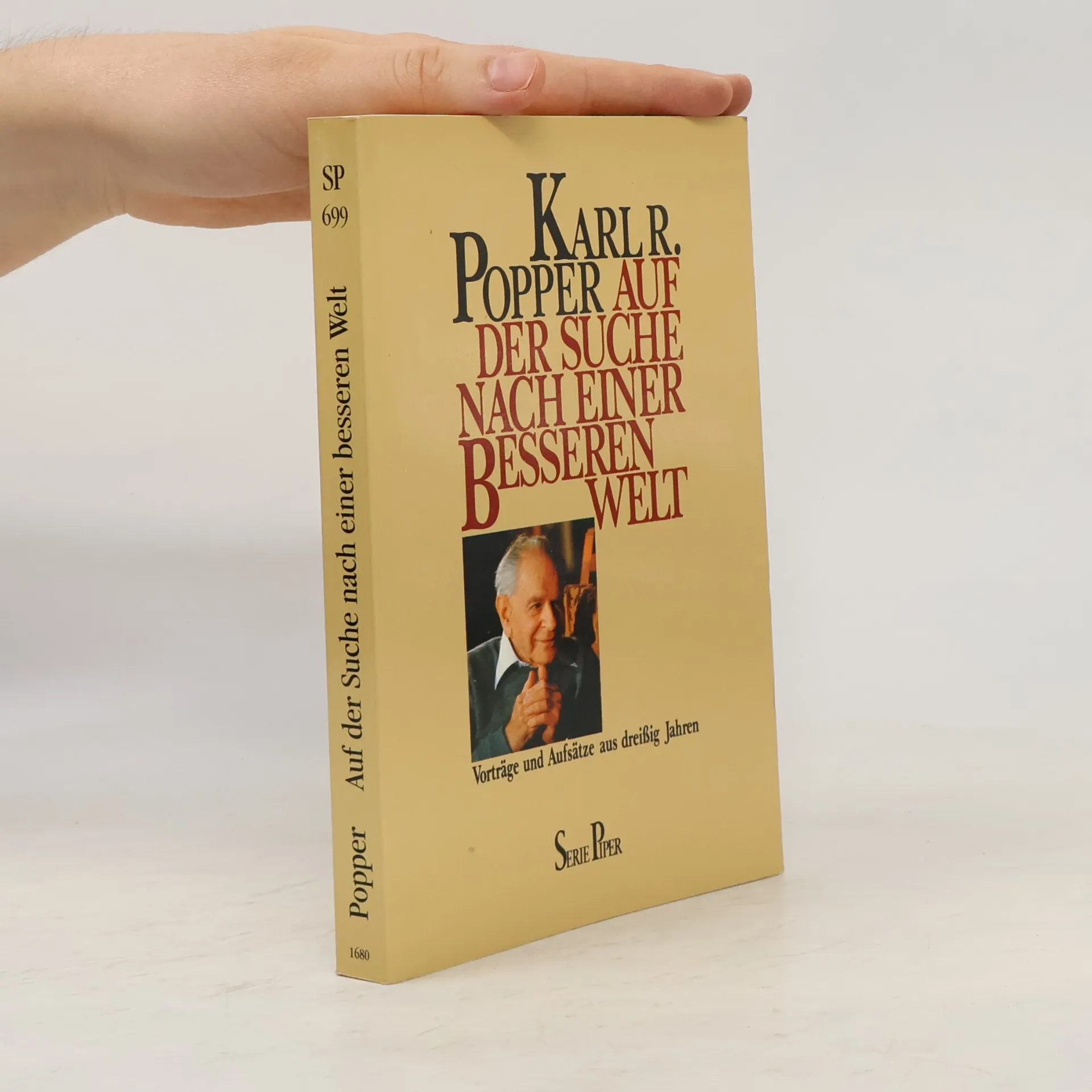

Acheter 10 livres pour 10 € ici !
Bookbot

Karl R. Popper

    28 juillet 1902 – 17 septembre 1994

    Karl Popper s'est imposé comme l'un des théoriciens les plus influents et les principaux philosophes, captivant des auditoires internationaux par sa rigueur intellectuelle. Son œuvre a exploré un vaste éventail de problèmes philosophiques, de la théorie politique à la méthode scientifique. Popper a notamment remis en question les orthodoxies établies telles que le positivisme logique et le marxisme, arguant que les théories scientifiques sont, en fin de compte, réfutables plutôt que vérifiables. Il a promu un éthos critique, soulignant l'acceptation de notre ignorance et l'importance vitale du débat ouvert dans la quête de la vérité.

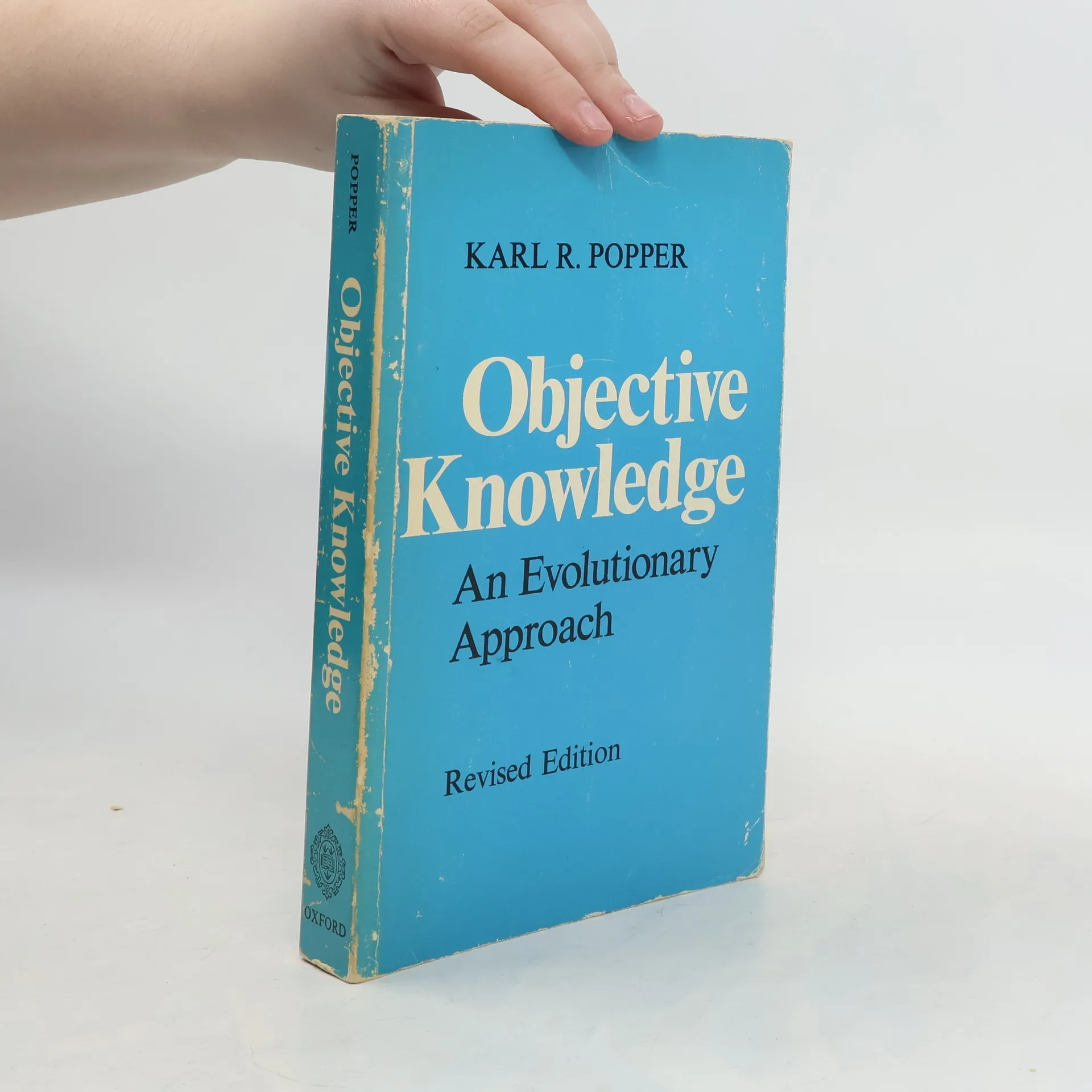
    Karl R. Popper
    Knowledge and the Body-Mind Problem
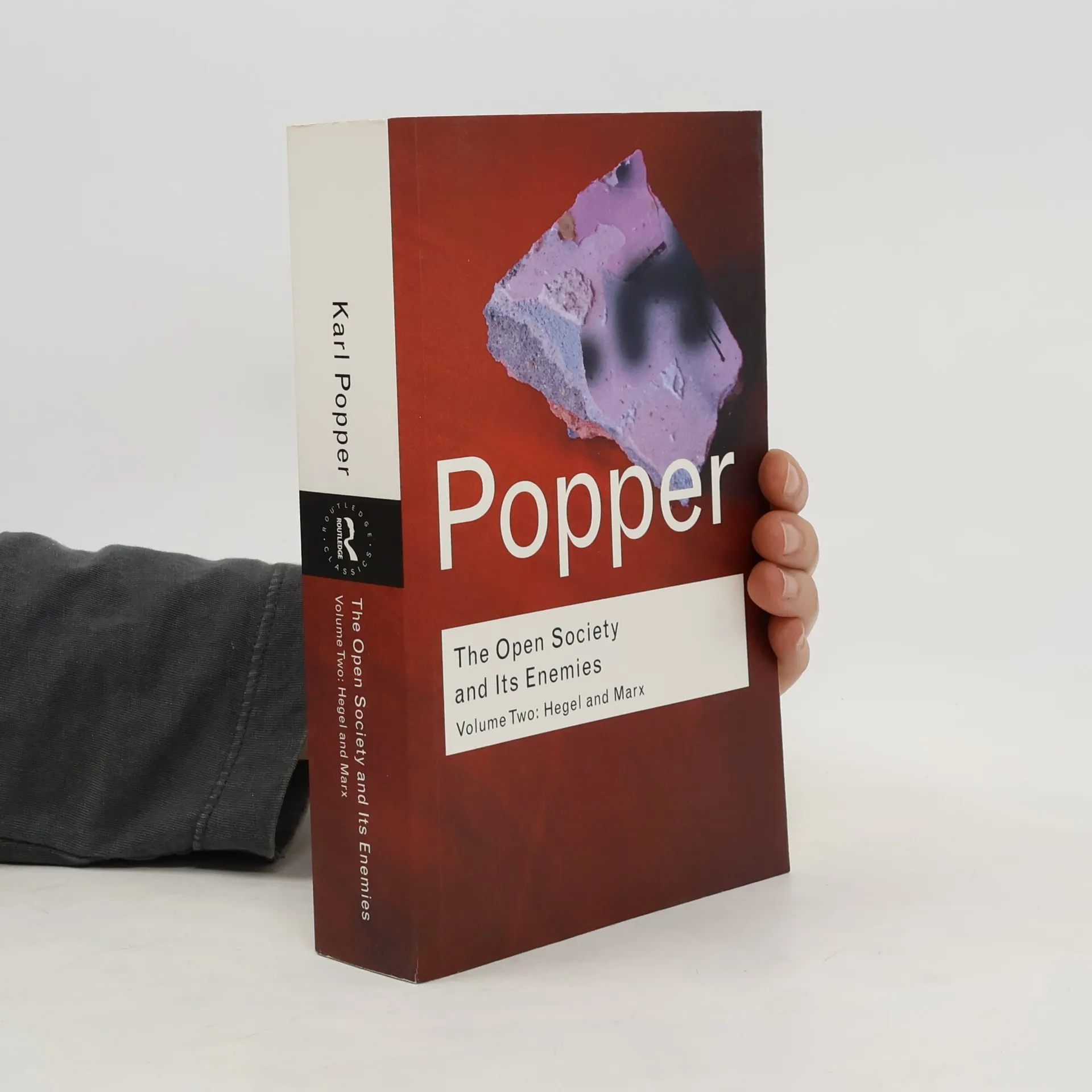
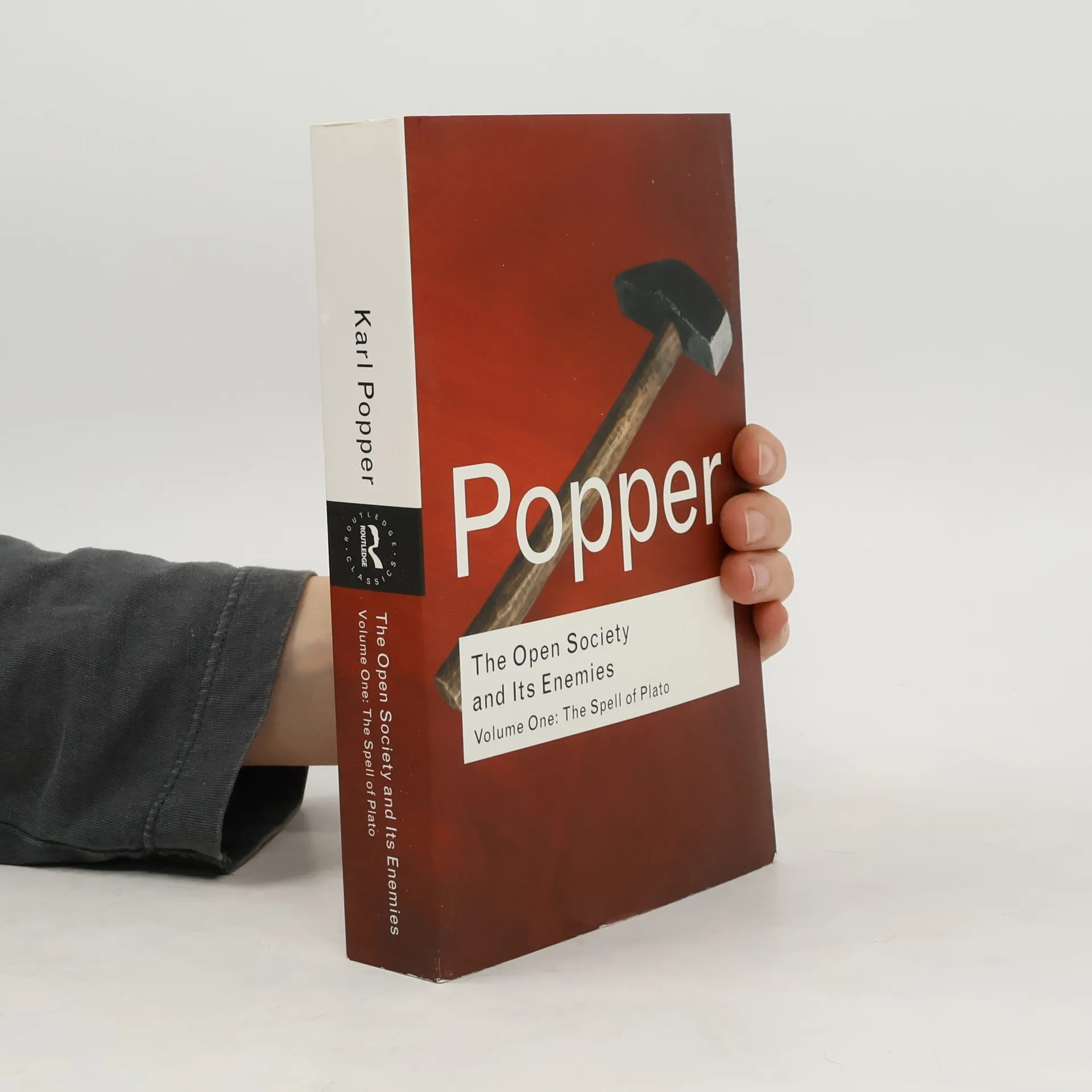
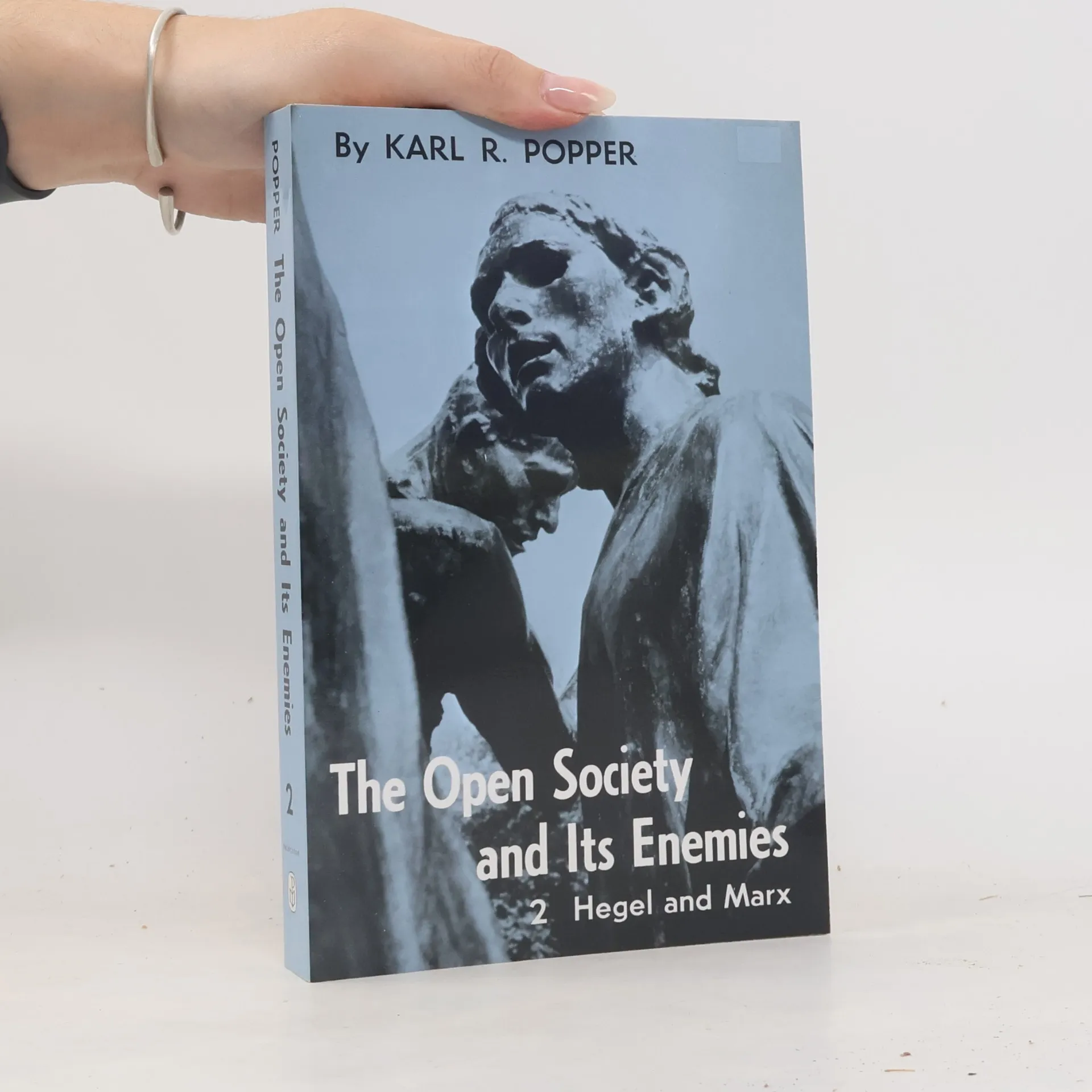
    The Open Society and its Enemies
    The Open Society and Its Enemies. Vol.1
    Conjectures and refutations : the growth of scientific knowledge
    Postscript to The logic of scientific discovery
    After The Open Society
    • 2023

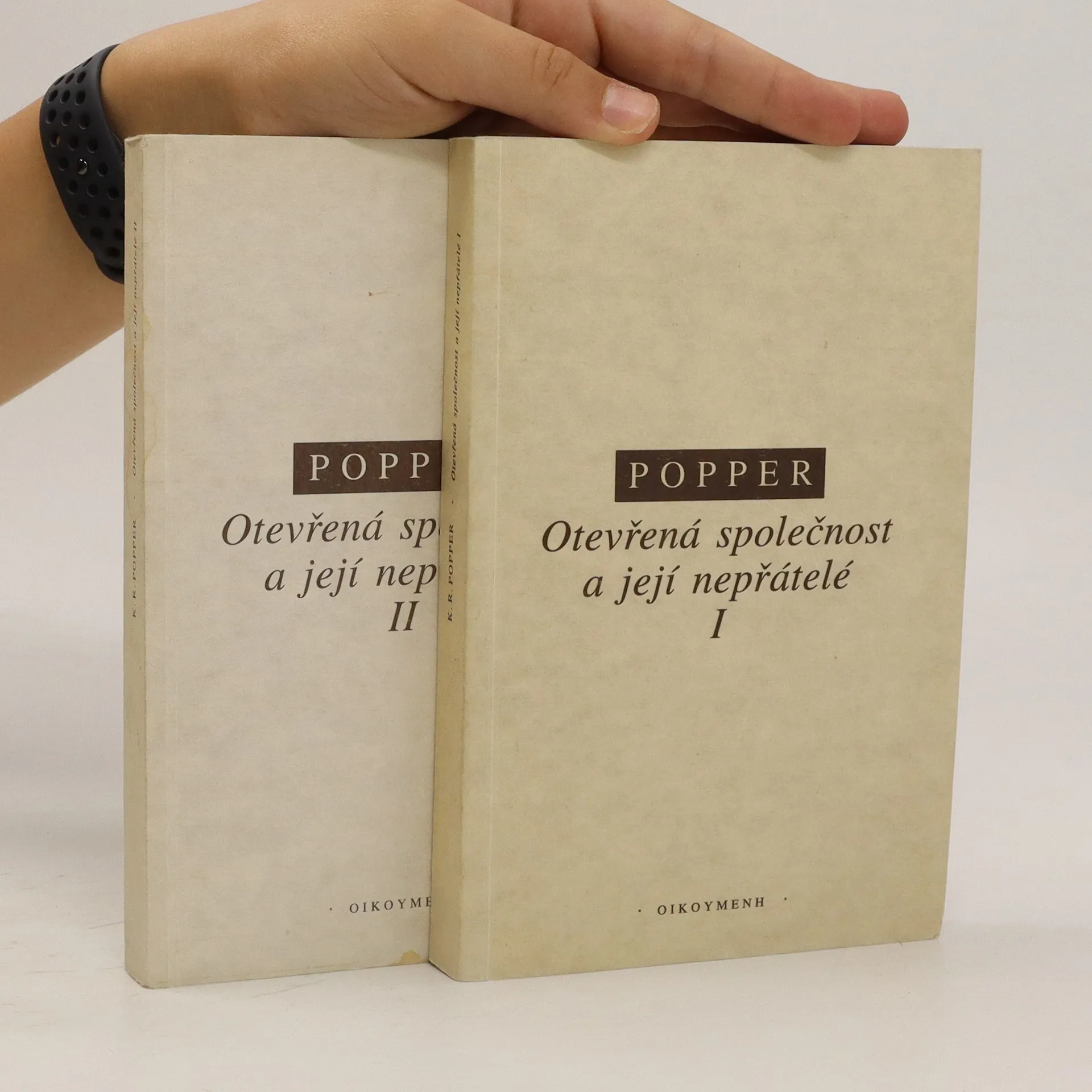
      Die offene Gesellschaft und ihre Feinde. Band I und II

      Band I: Der Zauber Platons und Band II: Falsche Propheten: Hegel, Marx und die Folgen -als Paket-

      • 1099pages
      • 39 heures de lecture

      Die Untersuchung des Historizismus steht im Mittelpunkt von Karl Poppers sozialphilosophischem Hauptwerk, das sich mit den Ideen von Platon sowie den Theorien von Hegel und Marx auseinandersetzt. Neben der historischen Analyse werden zentrale erkenntnistheoretische, philosophische, ethische und politische Fragestellungen behandelt, die auch heute noch relevant sind. Poppers Konzept der offenen Gesellschaft, das auf die kontinuierliche Verbesserung demokratischer Institutionen abzielt, bietet wertvolle Einsichten für alle, die sich mit der Entwicklung von Zivilgesellschaften beschäftigen.


      Die offene Gesellschaft und ihre Feinde. Band I und II
    • 2016

      The Open Universe

      An Argument for Indeterminism From the Postscript to The Logic of Scientific Discovery

      • 212pages
      • 8 heures de lecture

      Focusing on the philosophy of physics, this volume presents Karl Popper's critical examination of subjectivist approaches to the philosophy of science. It serves as a culmination of his ideas, elaborating on the nature of scientific discovery and emphasizing an objective framework. The work challenges established notions and contributes significantly to the discourse on scientific methodology, making it a pivotal read for those interested in the philosophy of science.

      The Open Universe
    • 2015

      Realism and the Aim of Science

      From the PostScript to the Logic of Scientific Discovery

      • 464pages
      • 17 heures de lecture

      Focusing on the philosophy of physics, this volume of Karl Popper's Postscript critiques subjectivist approaches to science. It represents the culmination of his thoughts on realism and aims to redefine the relationship between scientific theories and reality. Through rigorous analysis, Popper challenges established notions, making significant contributions to the philosophy of science.

      Realism and the Aim of Science
    • 2015

      Quantum Theory and the Schism in Physics

      From the PostScript to the Logic of Scientific Discovery

      • 256pages
      • 9 heures de lecture

      Focusing on the philosophy of physics, this volume presents Karl Popper's critique of subjectivist approaches in the field. It serves as a culmination of his thoughts and arguments, emphasizing the significance of objective scientific inquiry. As part of a larger work, it explores the implications of quantum theory and its impact on the understanding of scientific discovery, making it a crucial text for those interested in the intersection of philosophy and physics.

      Quantum Theory and the Schism in Physics
    • 2011

      V návaznosti na Foucaultův pojem „biopolitiky“ se Agamben snaží předvést, že svrchovaná politická moc je v západní myšlenkové tradici již od Aristotela chápána jako „moc nad životem“. S využitím analýz C. Schmitta a výsledků antropologického bádání Agamben definuje svatého člověka jako bytost, již lze zabít, ale nikoli obětovat. Tento paradox podle Agambena vymezuje postavení moderního jedince v systému, který ovládá kolektivní „holý život“ všech.

      Otevřená společnost a její nepřátelé. I, Platónovo zaříkávání
    • 2011

      In this long-awaited volume, Jeremy Shearmur collects the most important writings Popper made in the years after The Open Society was first published. Many are published here for the first time.

      After The Open Society
    • 2003
    • 2002

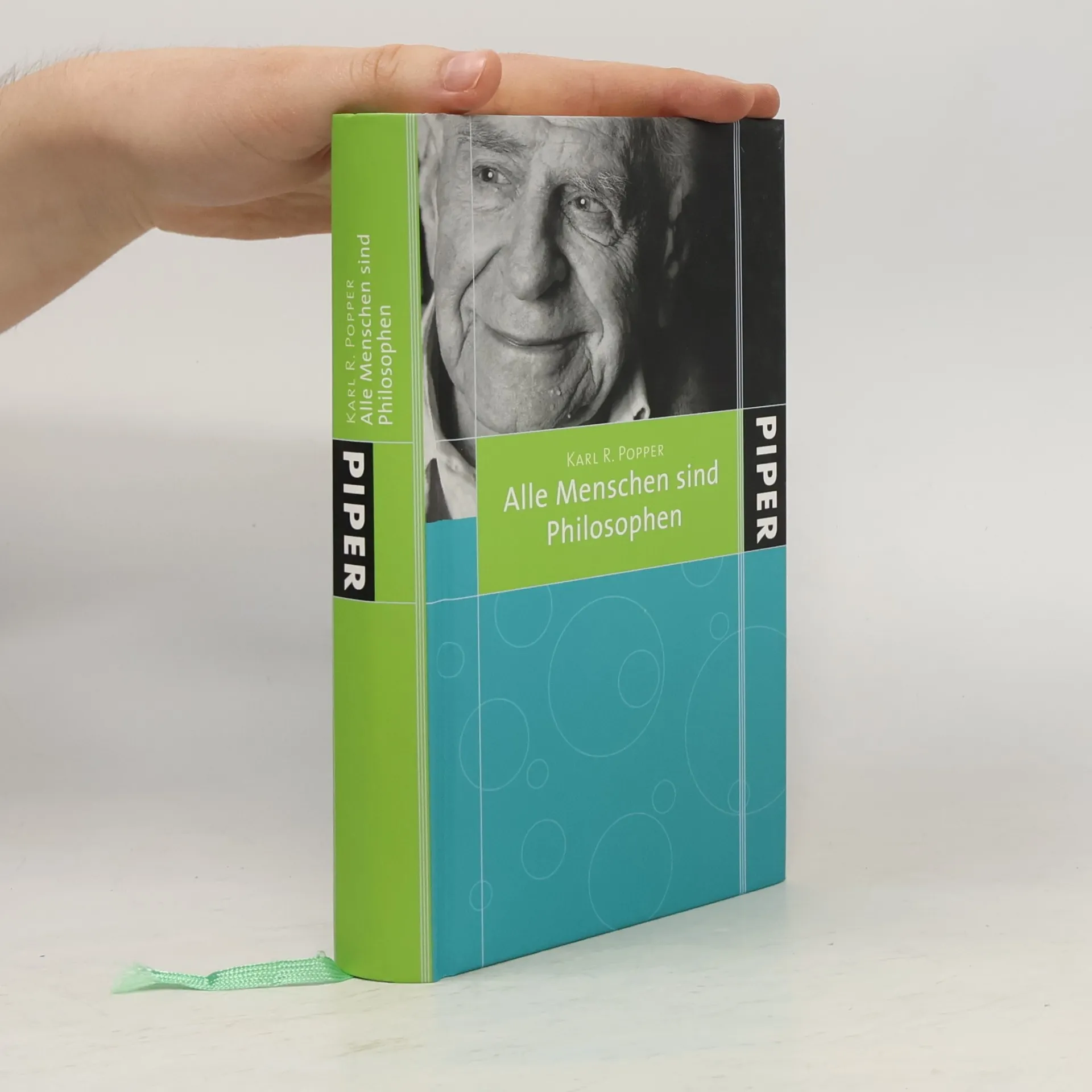
      Alle Menschen sind Philosophen

      • 288pages
      • 11 heures de lecture
      3,9(19)Évaluer

      Popper lesen heißt, die Welt besser zu verstehen Einer der großen Philosophen unserer Zeit, Karl R. Popper, wäre in diesem Jahr 100 Jahre alt geworden. Dieses Lesebuch macht mit zentralen Texten Poppers die Hauptlinien seines Denkens verstehbar. Der aus Wien stammende Philosoph Karl Raimund Popper war einer der einflußreichsten Denker des 20. Jahrhunderts. Am 28. Juli 2002 wäre er 100 Jahre alt geworden. Er hat vor allem die Wissenschaftstheorie, die Diskussion um das Leib-Seele-Problemund das politische Denken maßgeblich beeinflußt und dazu zahlreiche berühmte Bücher verfaßt. Der vorliegende Band enthält zentrale Texte aus seinen im Piper Verlag erschienenen Werken. Sie führen in sein Denken ein und zeigen besonders deutlich, wieklar er schwierige Fragen analysieren und wie allgemeinverständlich er schreiben konnte. Popper lesen heißt, die Welt besser zu verstehen. Ob er sich zur Philosophie allgemein, zum Bewußtsein, zu den Ursprüngen von Wissen und Nichtwissen oder zur Demokratie und zum Frieden äußert - immer besticht Karl Popper durch die Klarheit seines Denkens und seine sokratische Bescheidenheit

      Alle Menschen sind Philosophen