Bookbot

Ludwig Wittgenstein

    26 avril 1889 – 29 avril 1951

    Wittgenstein fut un philosophe austro-britannique dont le travail s'est concentré sur la logique, la philosophie des mathématiques, de l'esprit et du langage. Il fut considéré comme un génie dont les idées ont inspiré deux mouvements philosophiques majeurs du XXe siècle. Ses œuvres sont classées parmi les textes philosophiques les plus importants du XXe siècle, l'une d'elles se distinguant comme un chef-d'œuvre qui attire diverses spécialisations et orientations philosophiques. L'influence de Wittgenstein s'est étendue à presque tous les domaines des sciences humaines et sociales, bien que sa pensée fasse l'objet d'interprétations très divergentes.

    Ludwig Wittgenstein
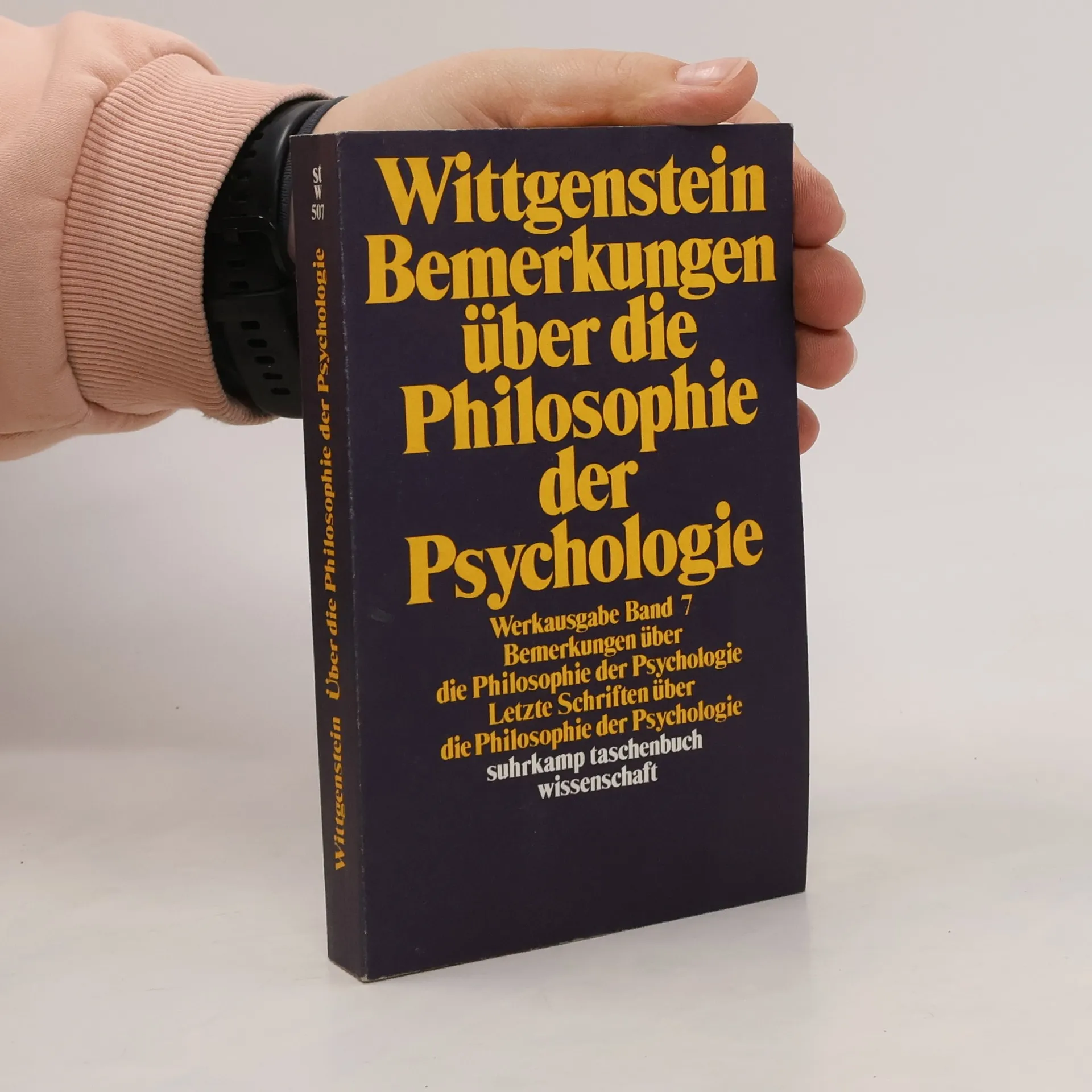
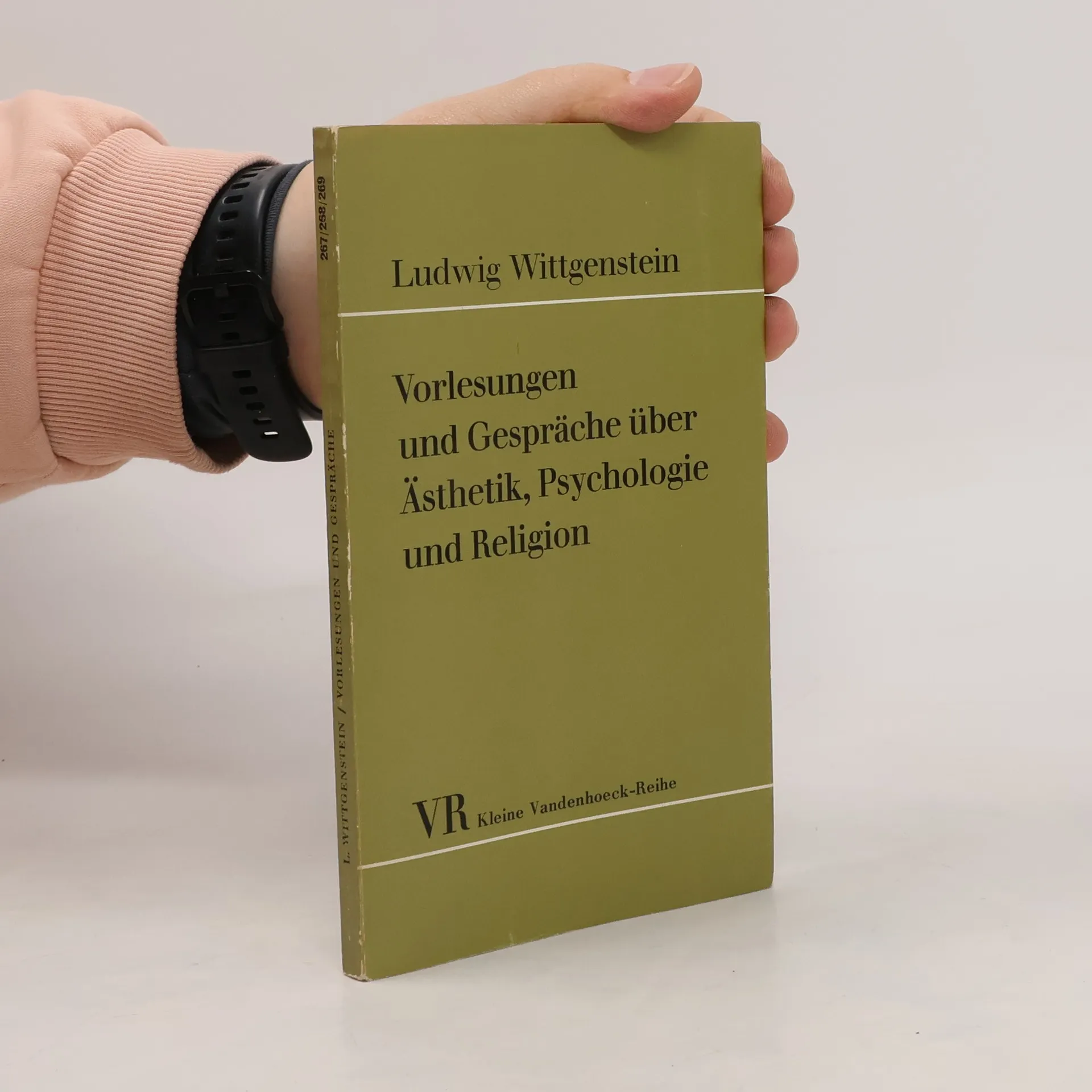
    Remarks on The Philosophy of Psychology/Bemerkungen über die Philosophie der Psychologie
    Philosophical Occasions: 1912-1951
    Major Works
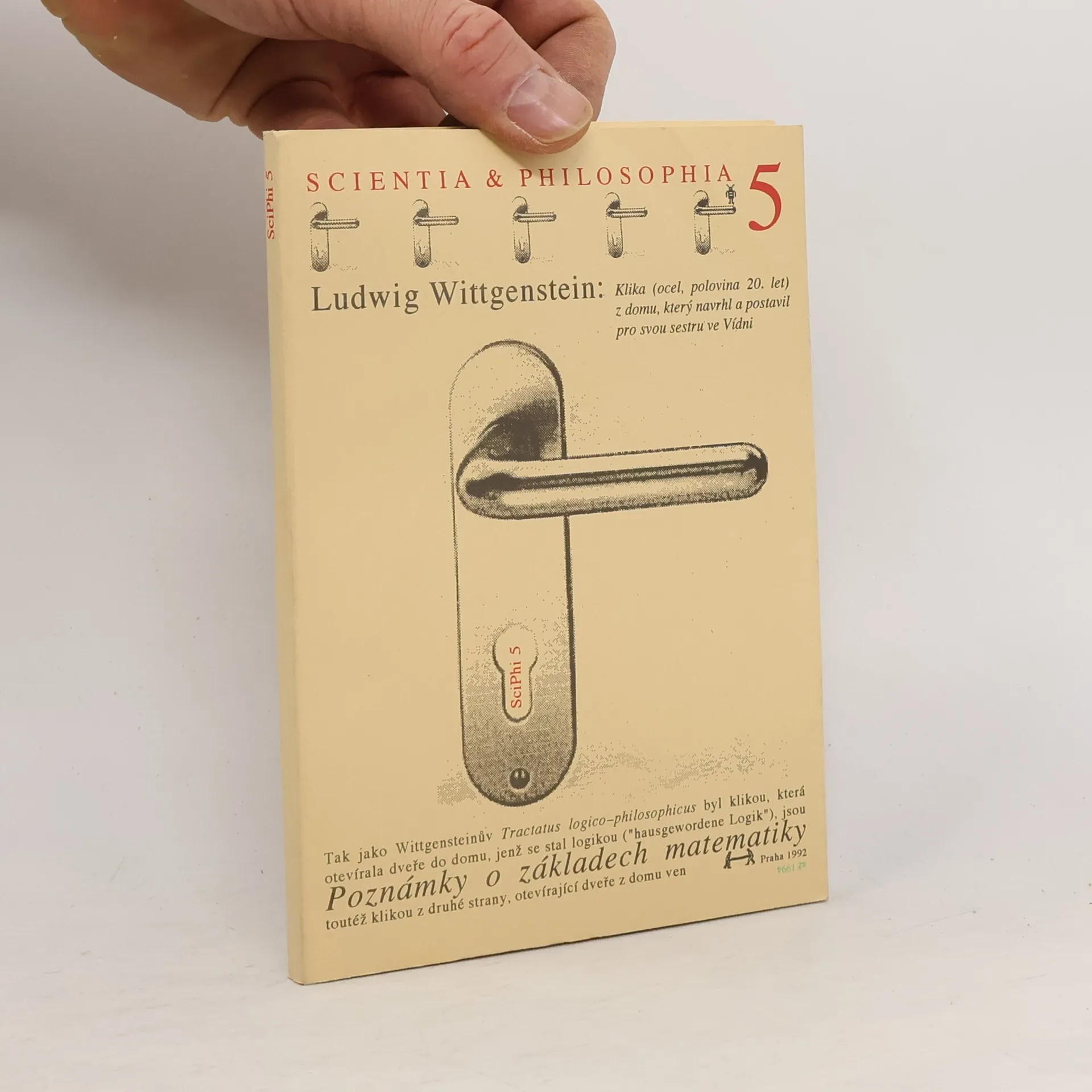
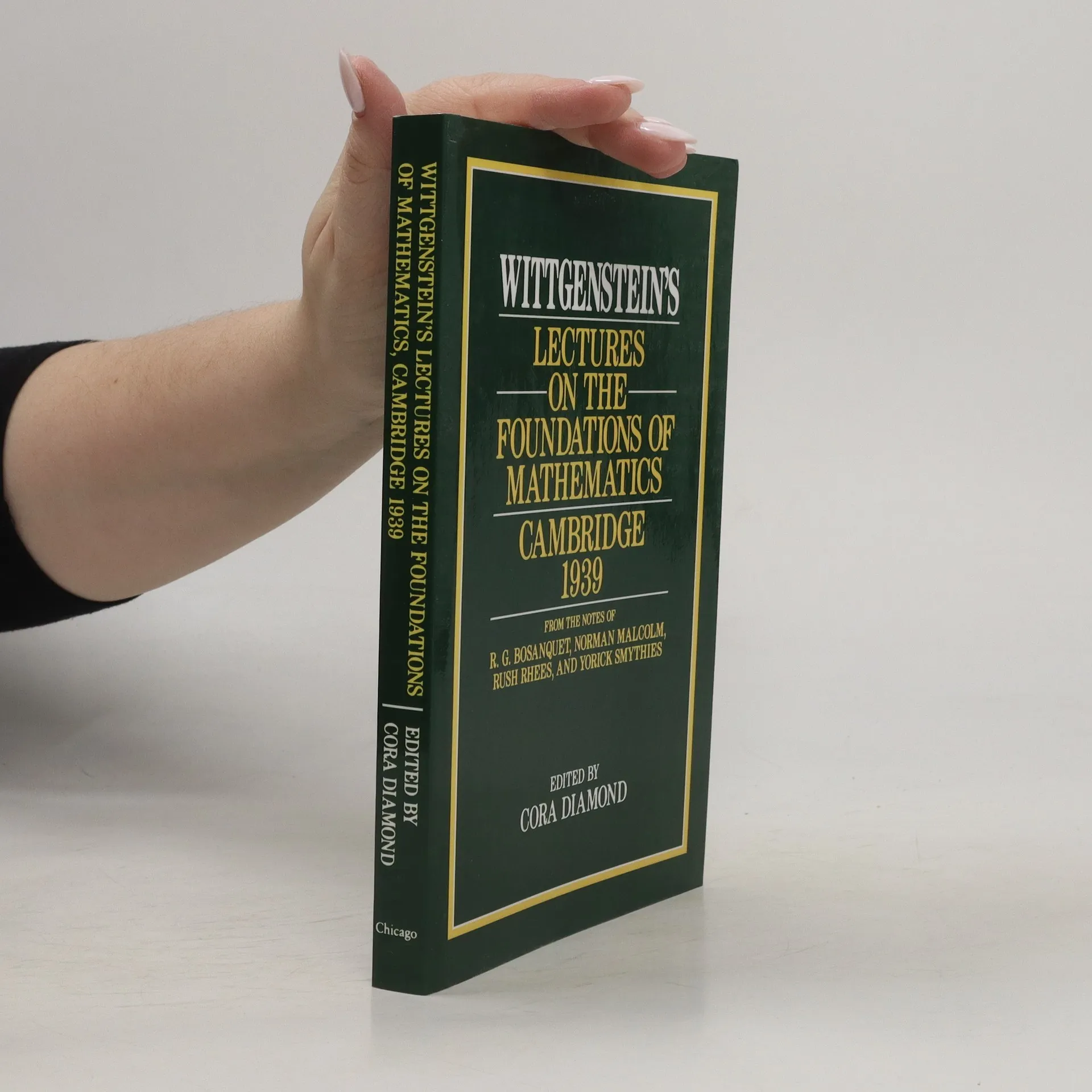
    Wittgenstein's lectures on the Foundations of Mathematics, Cambridge, 1939
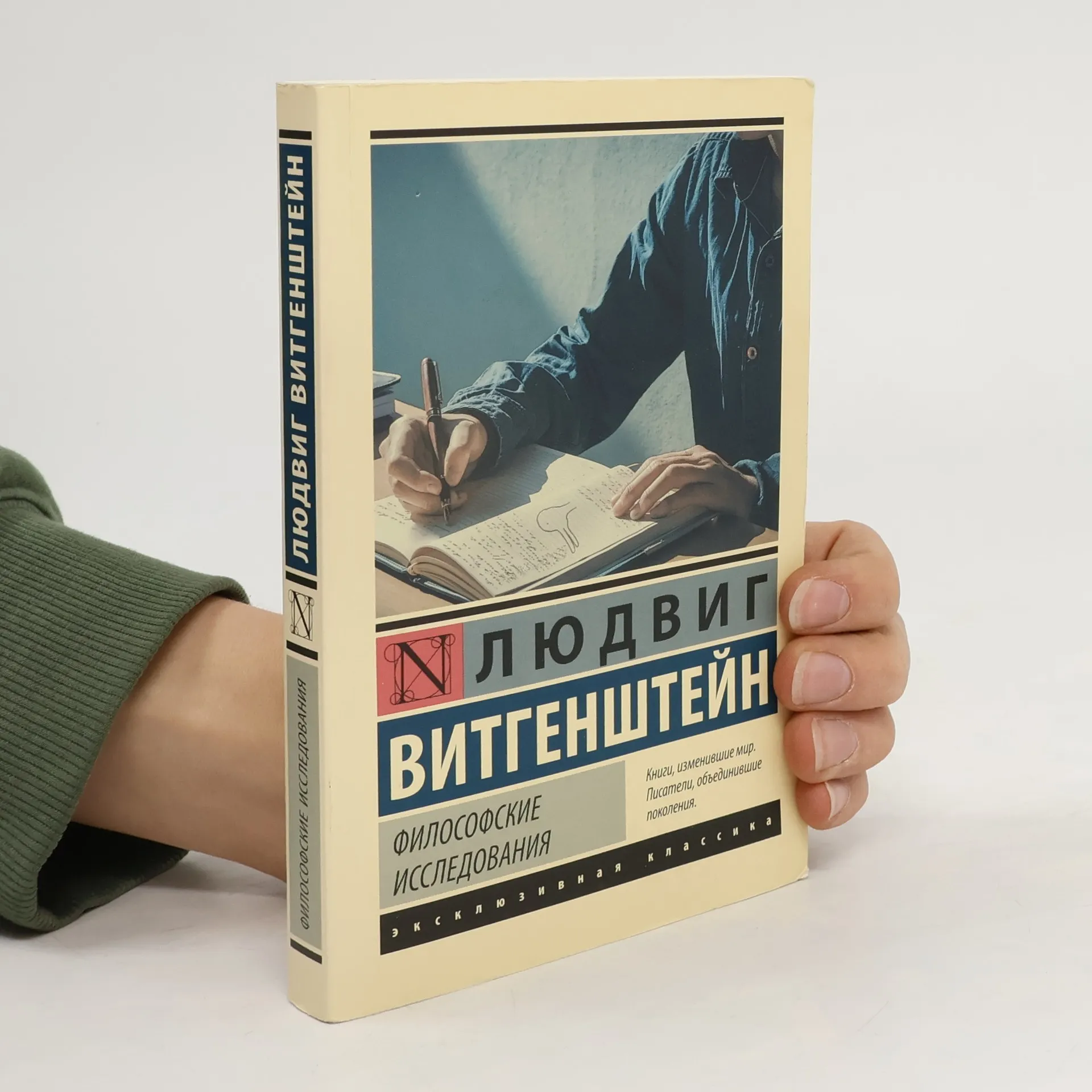
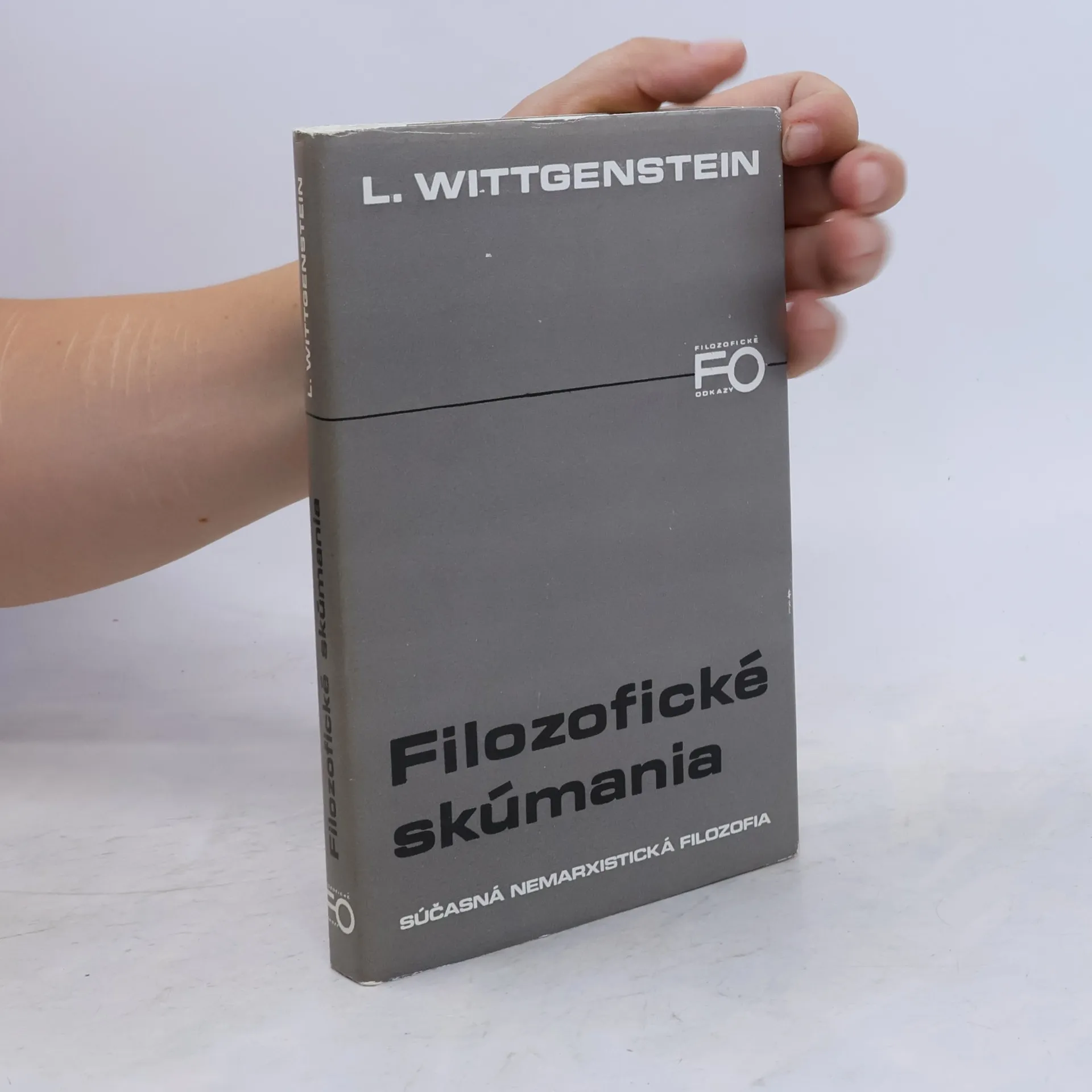
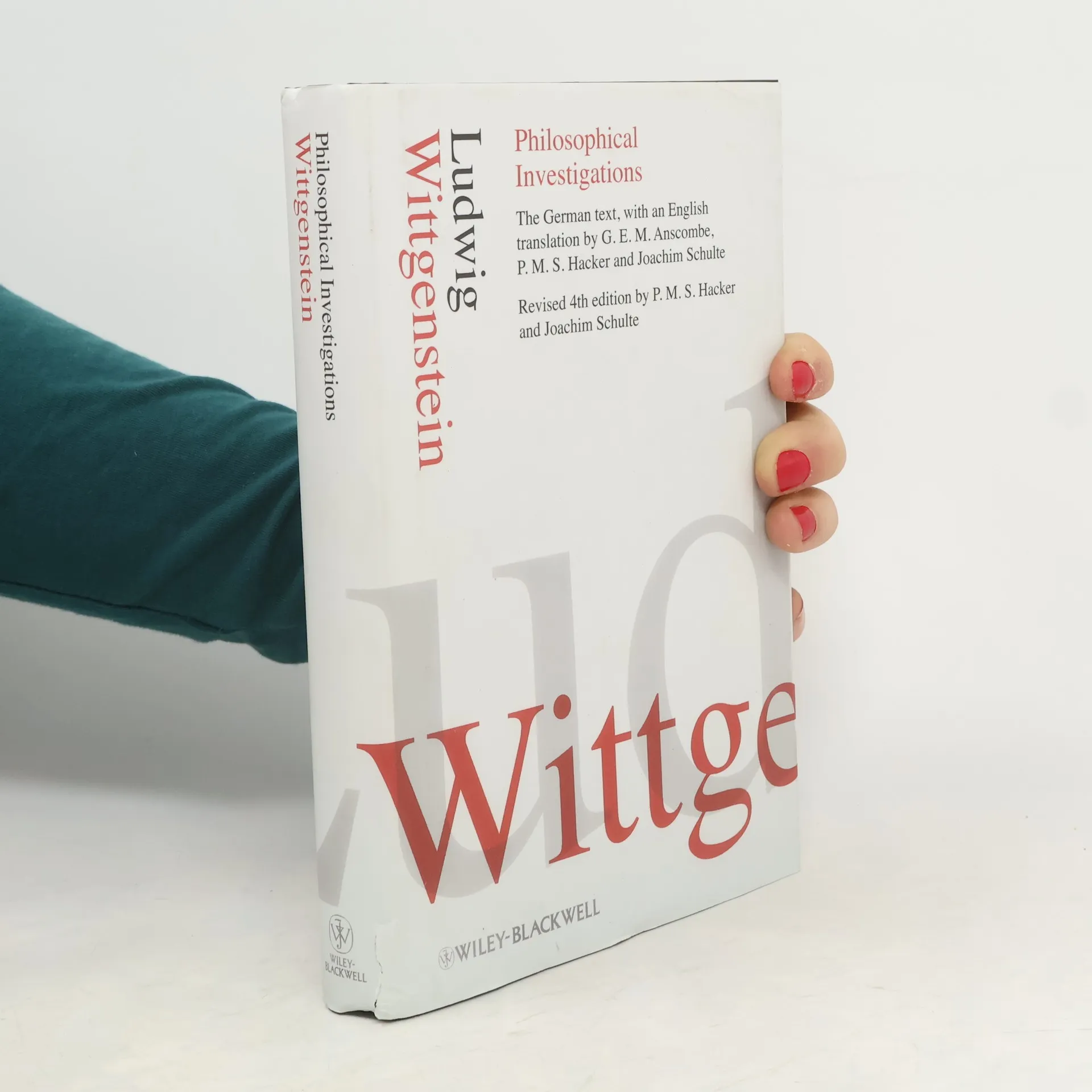
    Philosophical Investigations
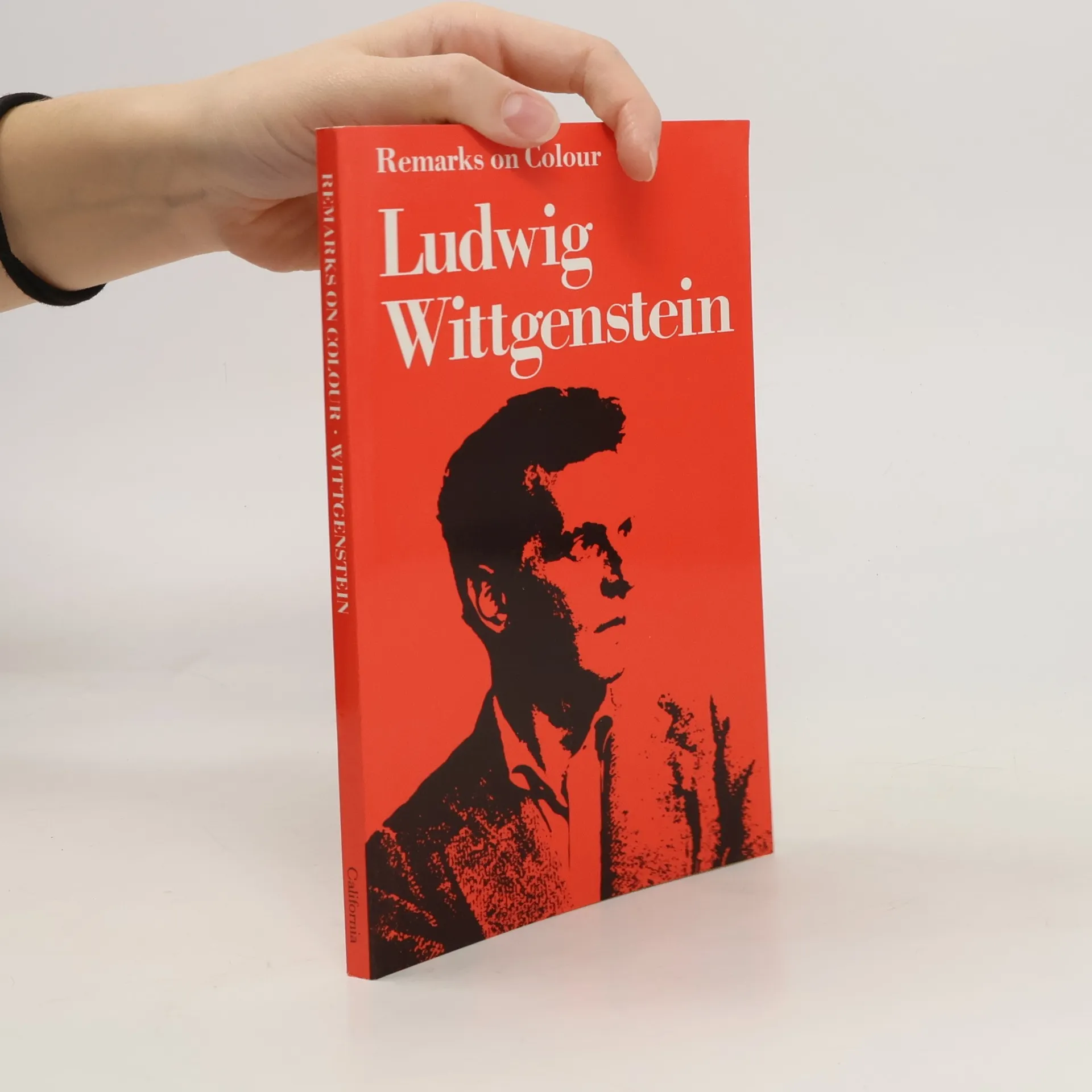
    Remarques sur les couleurs
    • Philosophical Investigations

      • 321pages
      • 12 heures de lecture
      4,4(370)Évaluer

      In this definitive new en face German-English edition, Wittgenstein experts Peter Hacker and Joachim Schulte have incorporated significant editorial changes to earlier editions of Philosophical Investigations in order to reflect more closely Wittgenstein's original intentions.

      Philosophical Investigations
    • For several terms at Cambridge in 1939, Ludwig Wittgenstein lectured on the philosophical foundations of mathematics. A lecture class taught by Wittgenstein, however, hardly resembled a lecture. He sat on a chair in the middle of the room, with some of the class sitting in chairs, some on the floor. He never used notes. He paused frequently, sometimes for several minutes, while he puzzled out a problem. He often asked his listeners questions and reacted to their replies. Many meetings were largely conversation. These lectures were attended by, among others, D. A. T. Gasking, J. N. Findlay, Stephen Toulmin, Alan Turing, G. H. von Wright, R. G. Bosanquet, Norman Malcolm, Rush Rhees, and Yorick Smythies. Notes taken by these last four are the basis for the thirty-one lectures in this book. The lectures covered such topics as the nature of mathematics, the distinctions between mathematical and everyday languages, the truth of mathematical propositions, consistency and contradiction in formal systems, the logicism of Frege and Russell, Platonism, identity, negation, and necessary truth. The mathematical examples used are nearly always elementary.

      Wittgenstein's lectures on the Foundations of Mathematics, Cambridge, 1939
    • Major Works

      Selected Philosophical Writings

      • 448pages
      • 16 heures de lecture
      4,3(362)Évaluer

      This anthology compiles the essential writings of influential philosopher Ludwig Wittgenstein, showcasing his evolution from early to later works. It includes complete texts of his key contributions, such as Tractatus Logico-Philosophicus, The Blue and Brown Books, and On Certainty. The collection highlights Wittgenstein's profound impact on philosophy, making it an invaluable resource for understanding his revolutionary ideas and insights across different phases of his career.

      Major Works
    • An essential resource for students of Wittgenstein, this collection contains faithful, in some cases expanded and corrected, versions of many important pieces never before available in a single volume, including Notes for the 'Philosophical Lecture', published here for the first time. Fifteen selections, with bi-lingual versions of those originally written in German, span the development of Wittgenstein's thought, his range of interests, and his methods of philosophical investigation. Short introductions, an index, and an updated version of Georg Henrik von Wright's The Wittgenstein Papers situate the selections within the broader context of the Wittgenstein corpus and the history of its publication.

      Philosophical Occasions: 1912-1951
    • Wittgenstein finished part 1 of the Philosophical Investigations in the spring of 1945. From 1946 to 1949 he worked on the philosophy of psychology almost without interruption. The present two-volume work comprises many of his writings over this period. Some of the remarks contained here were culled for part 2 of the Investigations; others were set aside and appear in the collection known as Zettel. The great majority, however, although of excellent quality, have hitherto remained unpublished. This bilingual edition of the Remarks on the Philosophy of Psychology presents the first English translation of an essential body of Wittgenstein's work. It elaborates Wittgenstein's views on psychological concepts such as expectation, sensation, knowing how to follow a rule, and knowledge of the sensations of other persons. It also shows strong emphasis on the "anthropological" aspect of Wittgenstein's thought. Philosophers, as well as anthropologists, psychologists, and sociologists will welcome this important publication.

      Remarks on The Philosophy of Psychology/Bemerkungen über die Philosophie der Psychologie
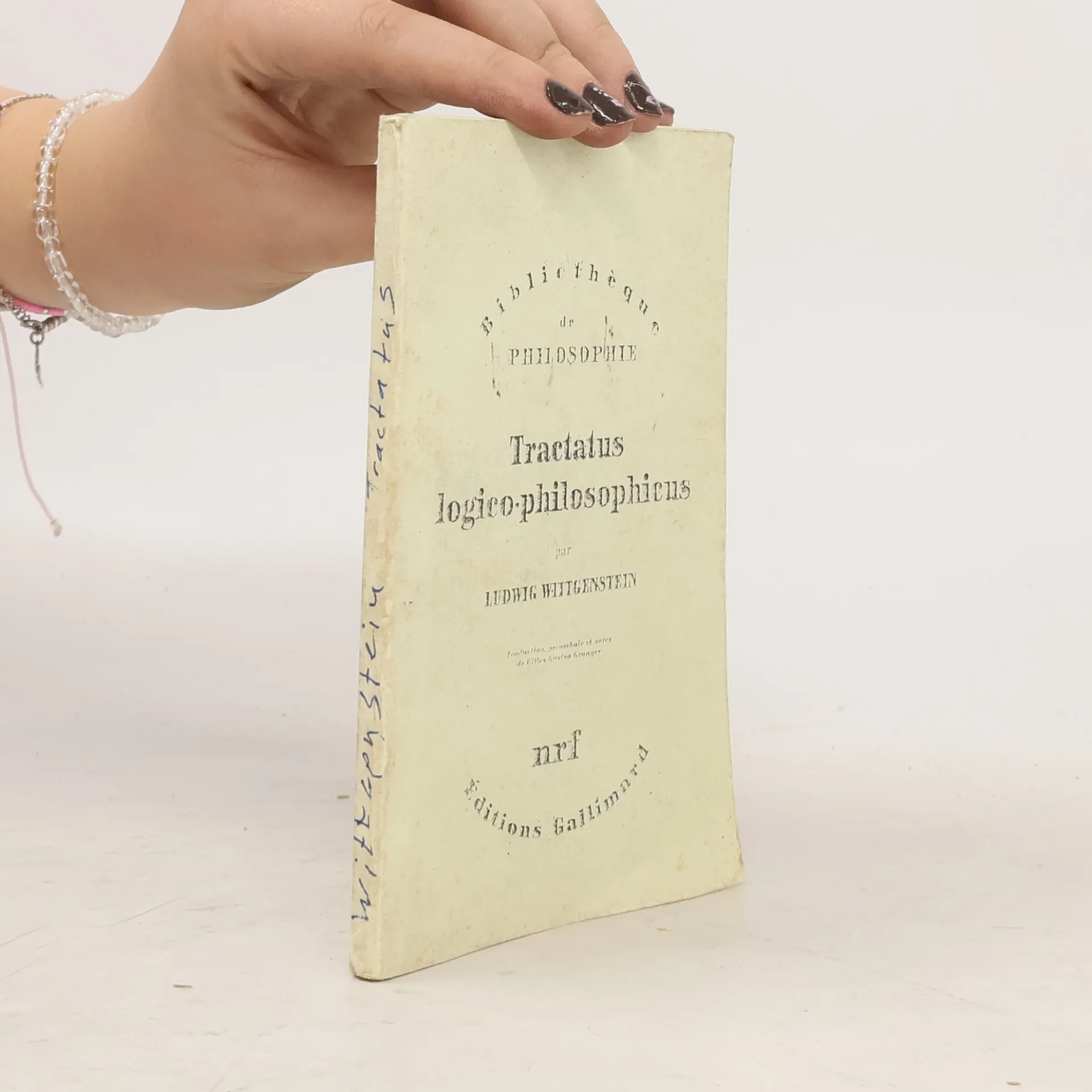
    • THE TRACTATUS LOGICO-PHILOSOPHICUS is the only book-length philosophical work published by the Austrian philosopher Ludwig Wittgenstein in his lifetime. The project had a broad aim - to identify the relationship between language and reality and to define the limits of science - and is recognized as a significant philosophical work of the twentieth century. Wittgenstein wrote the notes for the Tractatus while he was a soldier during World War I and completed it when a prisoner of war at Como and later Cassino in August 1918. It was first published in German in 1921 as 'Logisch-Philosophische Abhandlung'. The Tractatus was influential chiefly amongst the logical positivists of the Vienna Circle, such as Rudolf Carnap and Friedrich Waismann. Bertrand Russell's article "The Philosophy of Logical Atomism" is presented as a working out of ideas that he had learned from Wittgenstein. (more on: www.wisehouse-classisc.com)

      Tractatus Logico-Philosophicus (Chiron Academic Press - The Original Authoritative Edition)
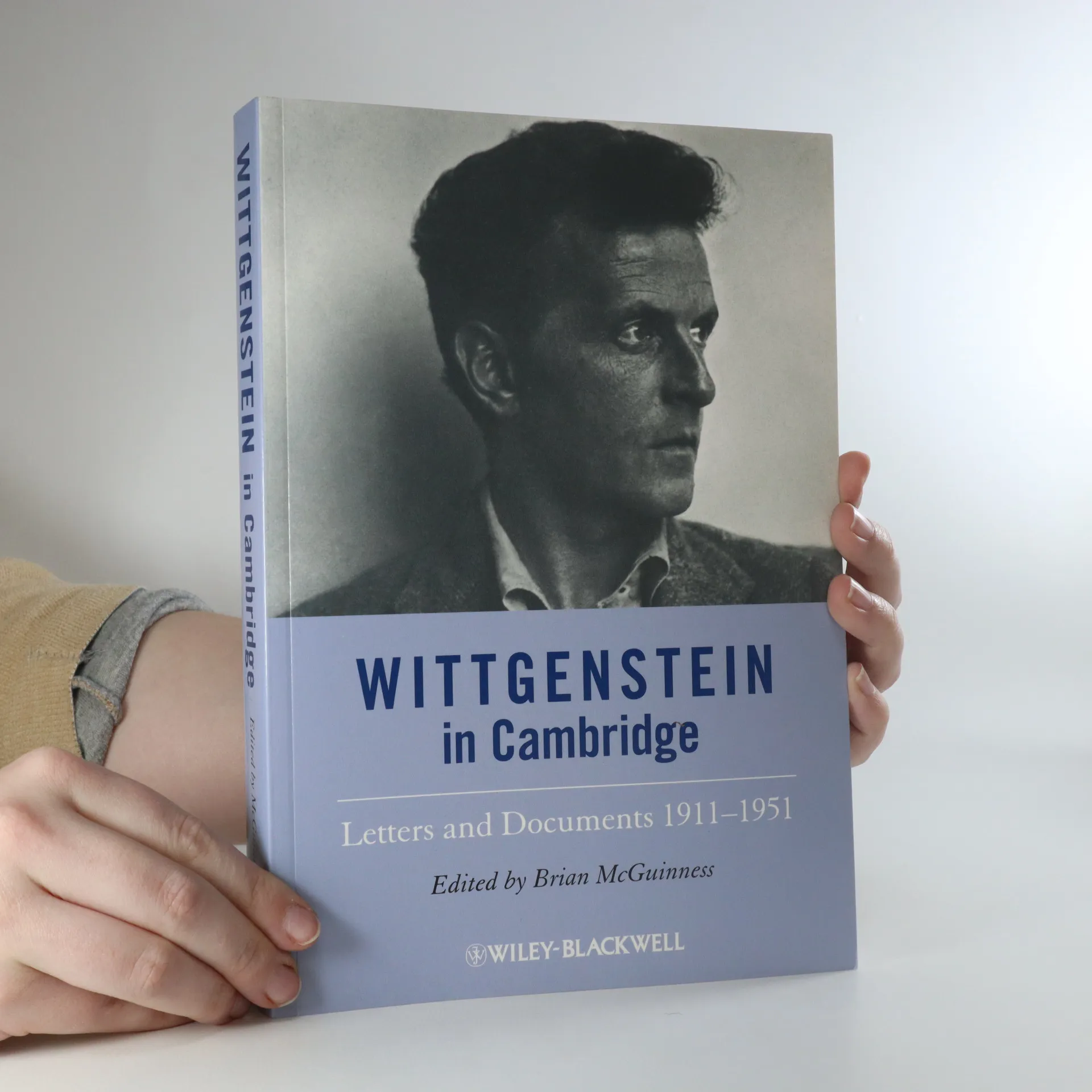
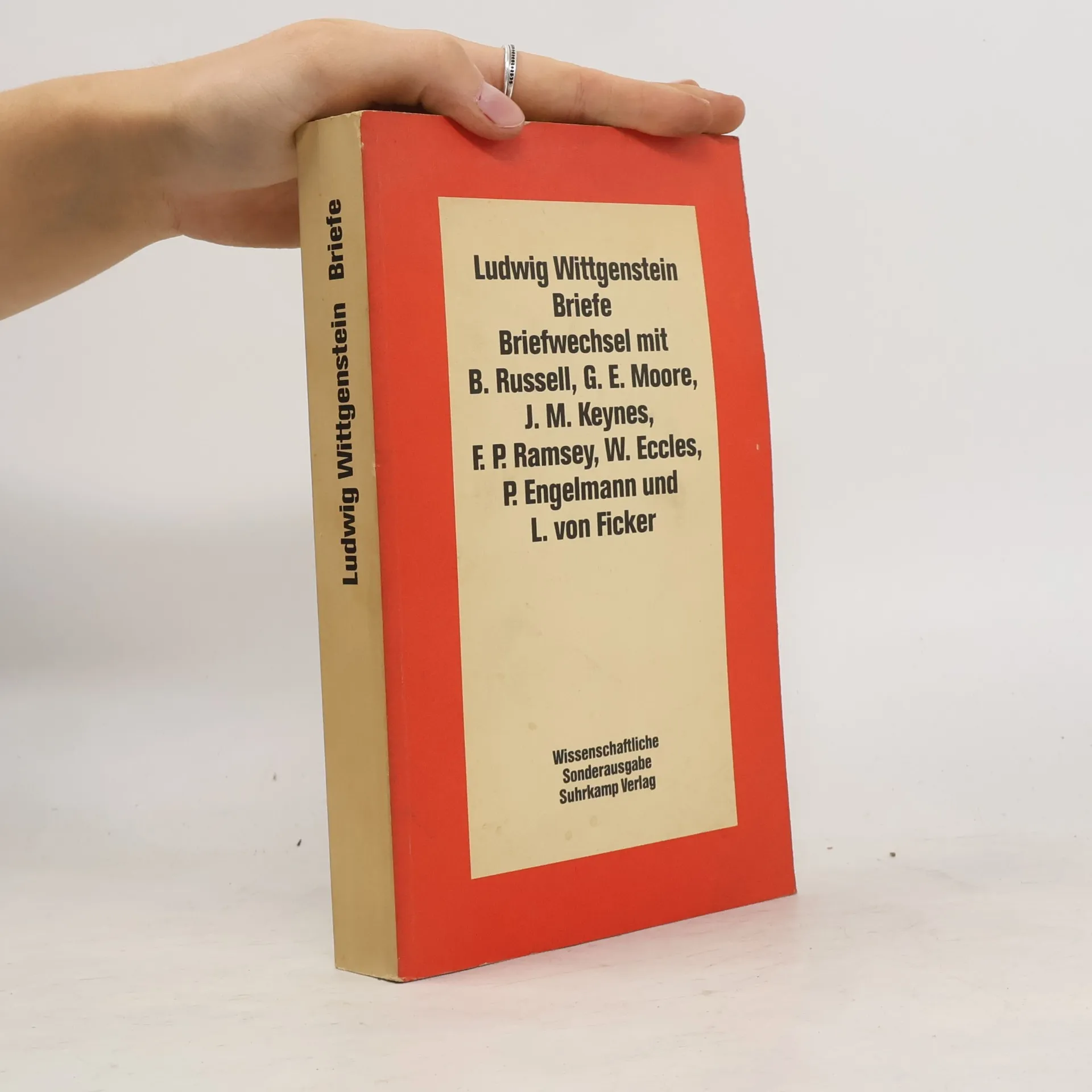
    • This volume collects the most substantial correspondence and documents relating to Wittgenstein's long association with Cambridge between the years 1911 and his death in 1951, including the letters he exchanged with his most illustrious Cambridge contemporaries Russell, Keynes, Moore, and Ramsey (and previously published as Cambridge Letters). Now expanded to include 200 previously unpublished letters and documents, including correspondence between Wittgenstein and the economist Piero Sraffa, and between Wittgenstein and his pupils Includes extensive editorial annotations Provides a fascinating and intimate insight into Wittgenstein's life and thought

      Wittgenstein in Cambridge. Letters and documents, 1911-1951
    • On Certainty

      • 192pages
      • 7 heures de lecture
      4,2(4331)Évaluer

      Written over the last 18 months of his life and inspired by his interest in G. E. Moore's defense of common sense, this much discussed volume collects Wittgenstein's reflections on knowledge and certainty, on what it is to know a proposition for sure.

      On Certainty