
Bookbot

V. S. Ramachandran

    10 août 1951

    Vilayanur S. Ramachandran est une figure de proue en neurologie comportementale et en psychophysique. Ses premiers travaux ont exploré la perception visuelle, mais il est devenu célèbre pour des expériences qui ont profondément modifié notre compréhension du cerveau. Malgré leur simplicité apparente, ses approches ont eu un impact significatif sur les neurosciences. Ramachandran explore les liens fascinants entre le cerveau et le comportement, dévoilant les complexités de la perception et de la conscience humaines.

    Die Frau, die Töne sehen konnte
    I libri di Quark - 15: La donna che morì dal ridere e altre storie incredibili sui misteri della mente umana
    The Emer Ging mind
    The Tell-tale Brain
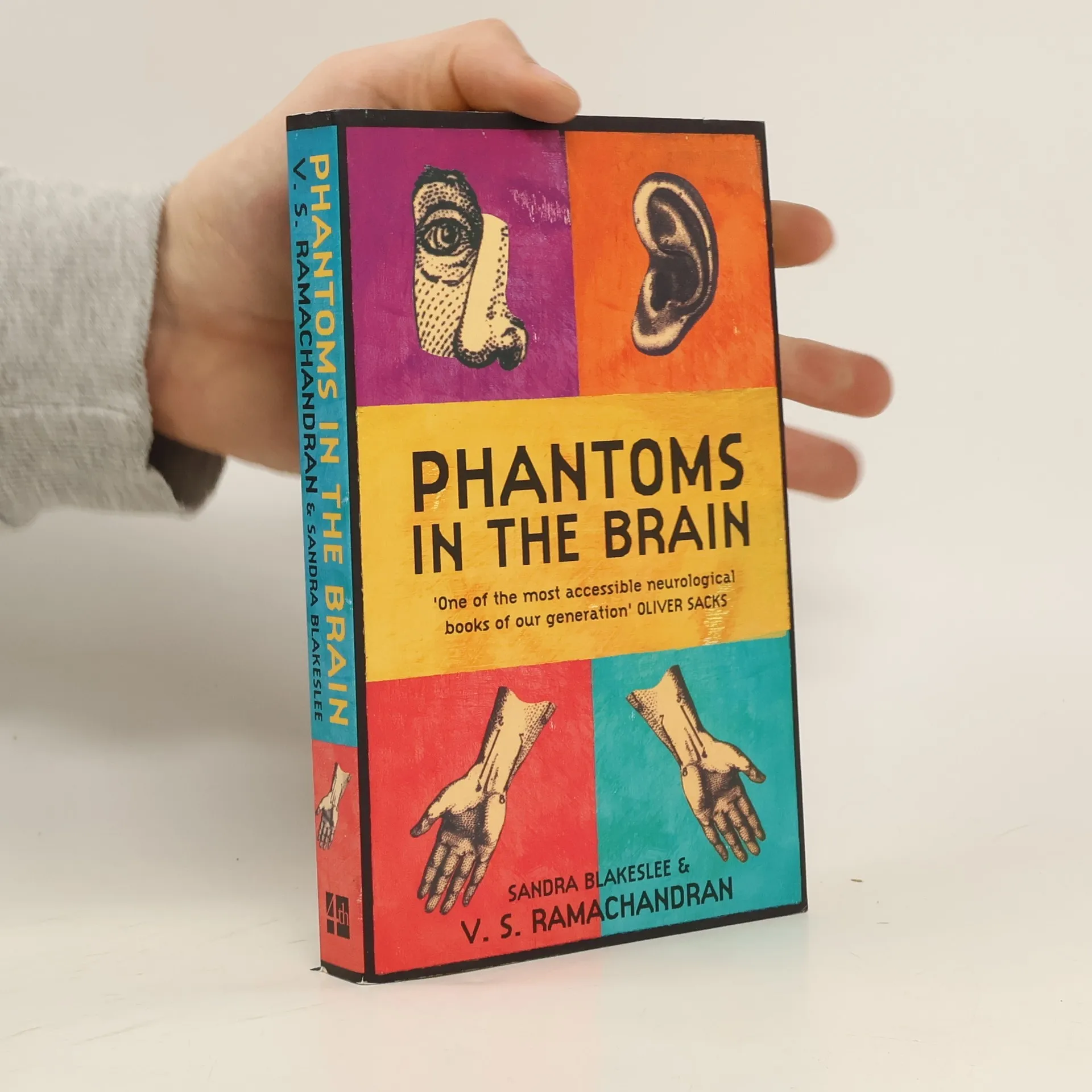
    Phantoms in the Brain
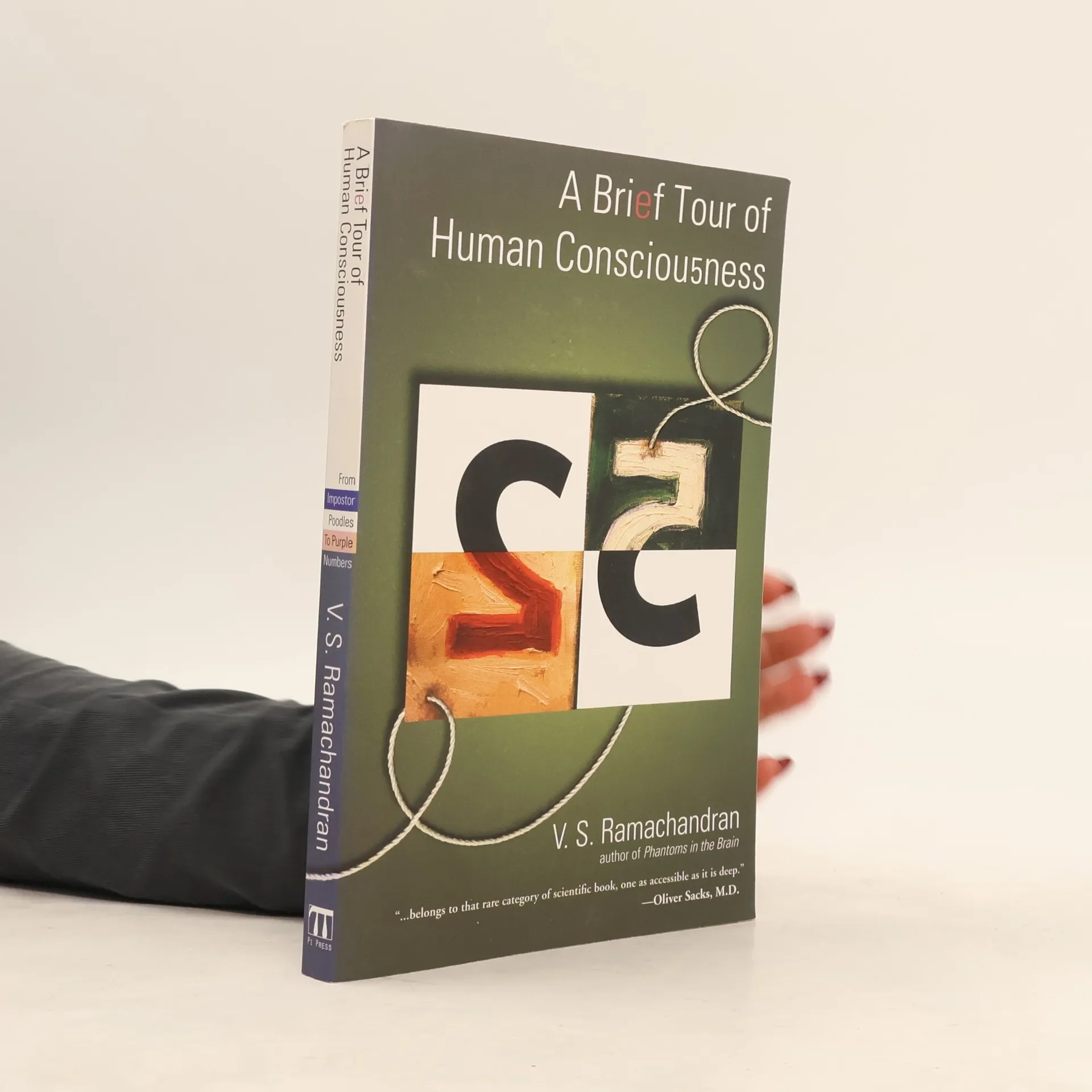
    A Brief Tour of Human Consciousness
    • A Brief Tour of Human Consciousness

      From Impostor Poodles to Purple Numbers

      • 208pages
      • 8 heures de lecture

      How can some people come to believe that their poodle is an impostor? Or see colors in numbers? Internationally acclaimed neuroscientist, V.S. Ramachandran, now shares his unique insight into human consciousness in an entertaining, inspiring, and intellectually dazzling brief tour of the ultimate frontier—the thoughts in our heads. A Brief Tour of Human Consciousness is made up of five investigations of the greatest mysteries of the brain. The first chapter shows how amputees feel pain in limbs they no longer have as it introduces the great revolution of our neuroscience. The second chapter walks through the way what we see determines our thoughts, and demonstrates the counterintuitive point that believing is in fact seeing. The third chapter takes a leap beyond cutting edge science to audaciously set out a general theory of beauty, explaining why, the world over, cultures have fundamentally similar notions of what is attractive. The fourth chapter explores the bizarre world of synesthetes, people who see colors in numbers, textures in smells, sounds in sights, and flavors in sounds. Finally, V. S. Ramachandran one of the foremost brain researchers in the world today, sums up the implications of the revolution in our understanding of consciousness, to make a fascinating argument about our essential sense of self and its distributed nature.

      A Brief Tour of Human Consciousness
      4,7
    • Phantoms in the Brain

      • 384pages
      • 14 heures de lecture

      `Phantoms in The Brain' takes a revolutionary new approach to theories of the brain, from one of the world's leading experimental neurologists.

      Phantoms in the Brain
      4,3
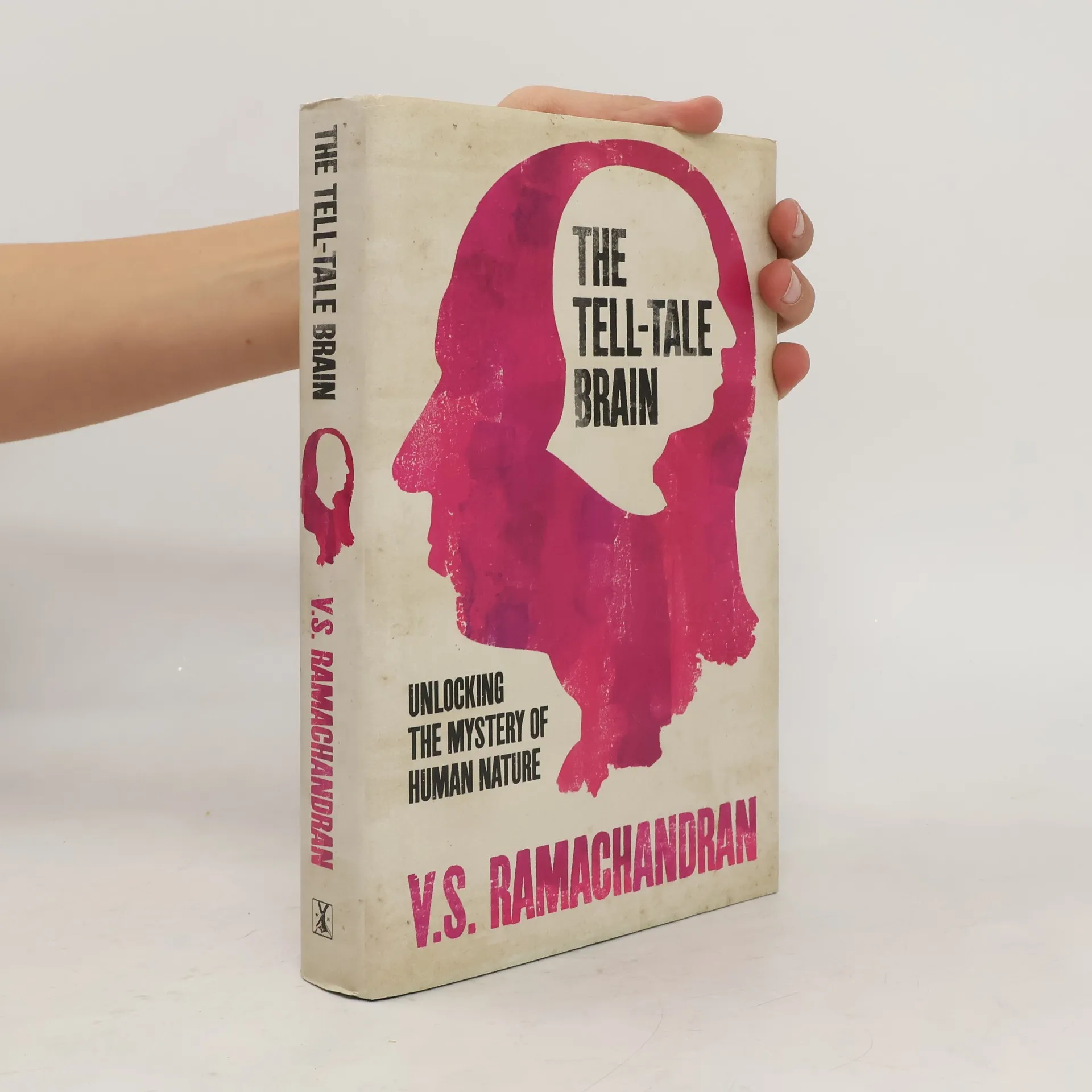
    • Drawing on strange and thought-provoking case studies, an eminent neurologist offers unprecedented insight into the evolution of the uniquely human brain.

      The Tell-tale Brain
      4,2
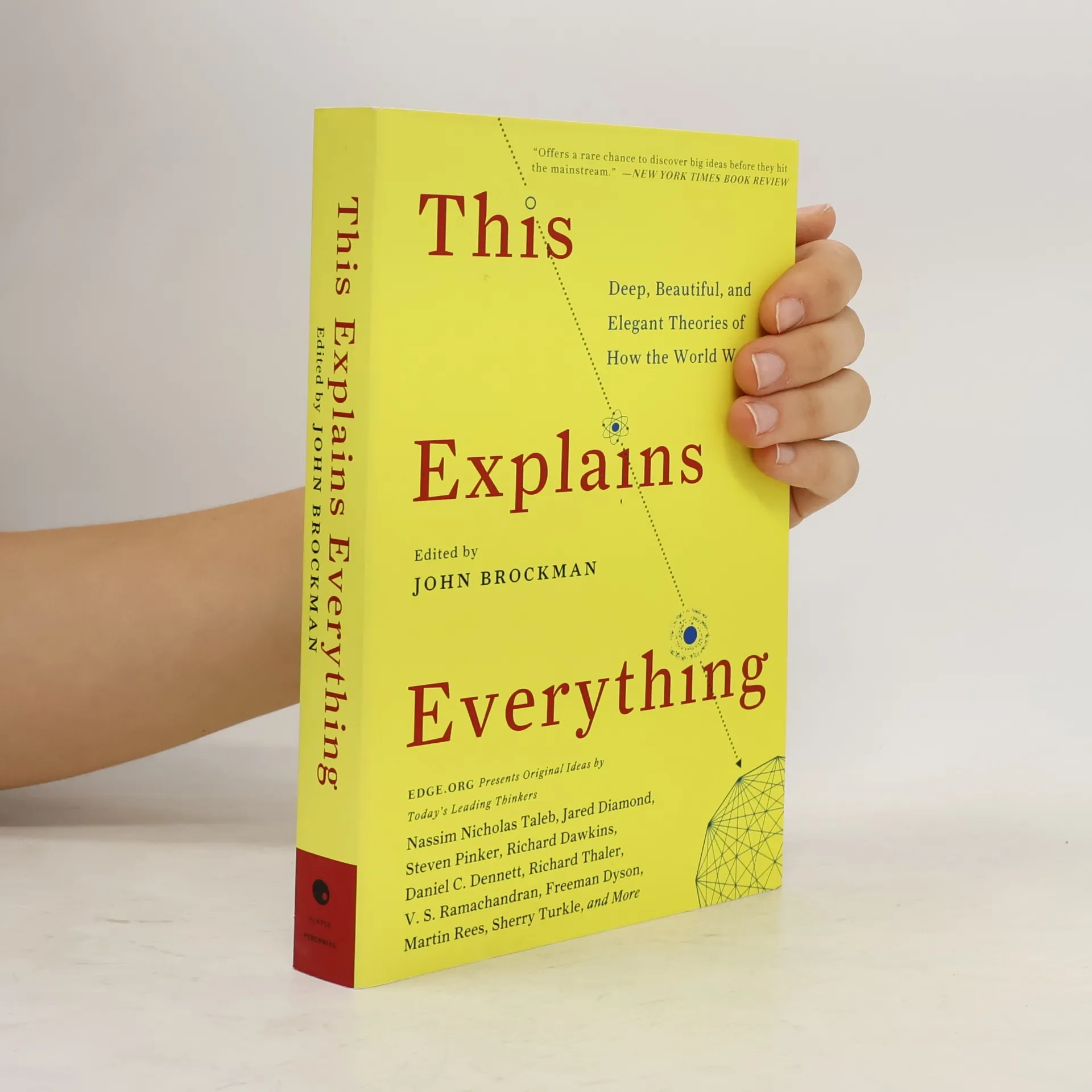
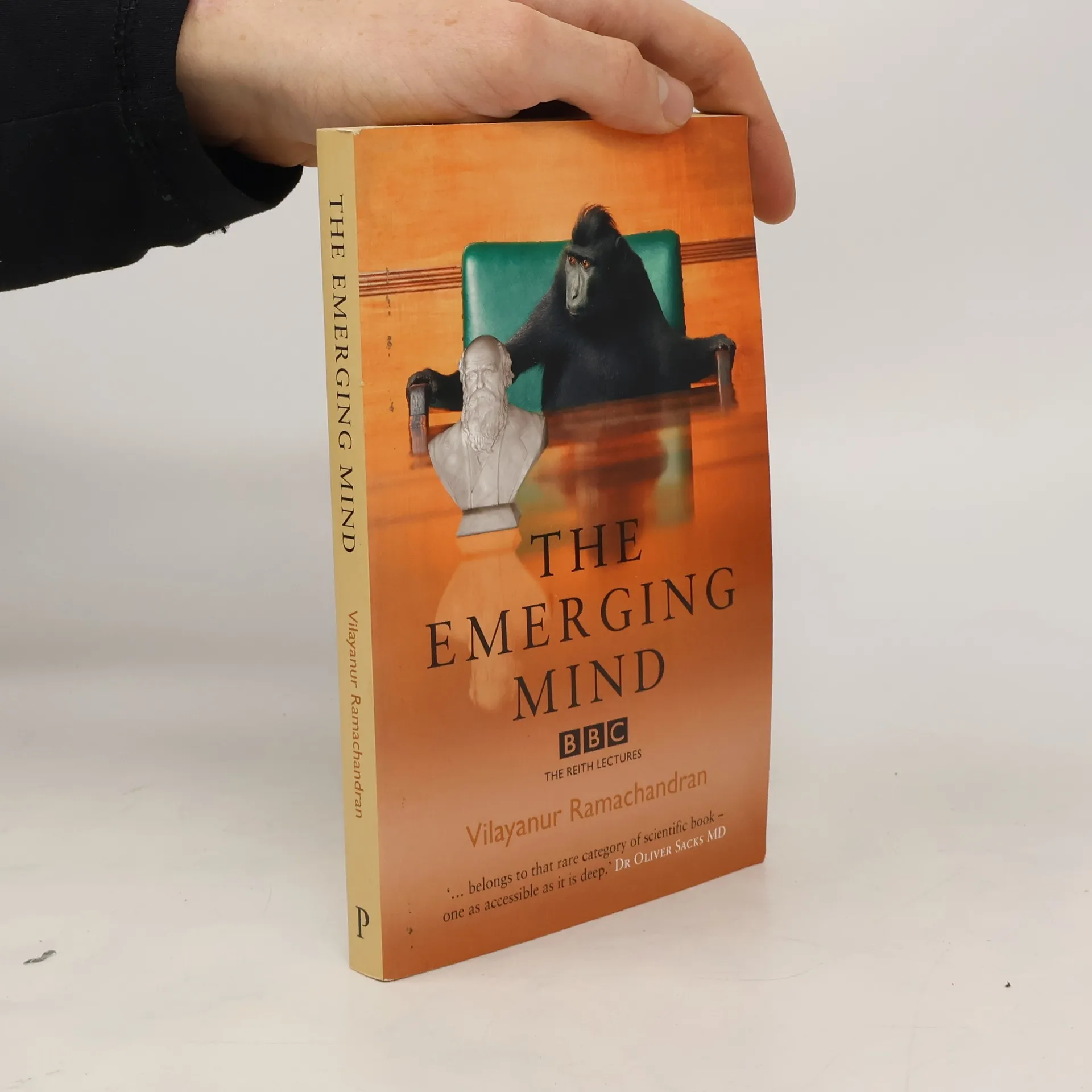
    • "Neuroscientists have gathered empirical evidence about consciousness and human nature. This evidence begins to give substance to some of the intuitive leaps made in the 19th and early 20th century about the nature of the self. This book presents an introduction to the thinking on the brain and the mind by some of the world's leading experts."

      The Emer Ging mind
      4,1
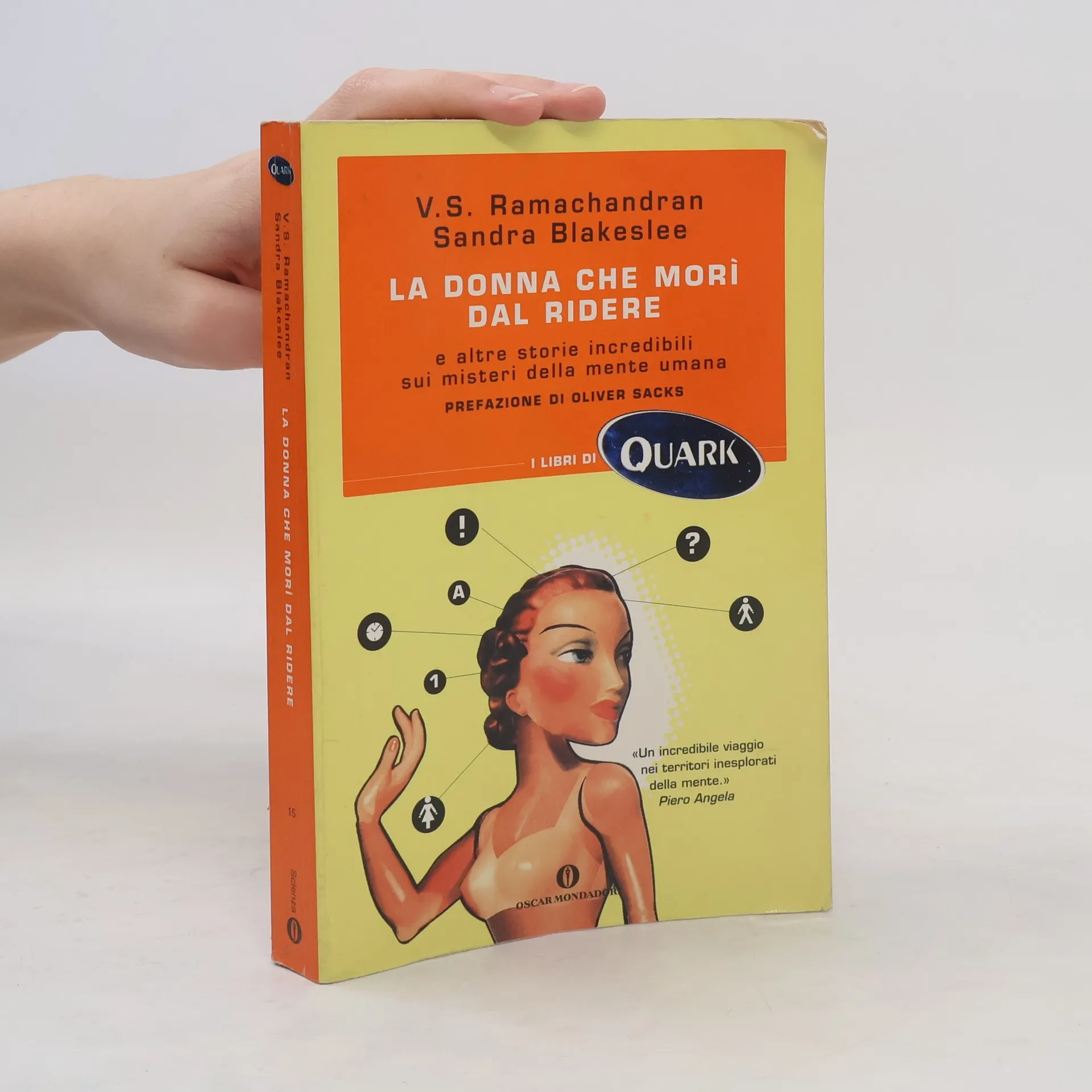
    • Una donna che sostiene di parlare con Dio, un atleta che ha perso il braccio ma non la sensazione di poterne disporre, un giovane coinvolto in un tragico incidente stradale convinto che i genitori siano stati sostituiti da replicanti, e ancora il caso del celebre umorista e vignettista James Thurber, colto da allucinazioni fantastiche e "sostitutive della realtà" in seguito alla progressiva perdita della vista. Ciascuno di questi disturbi patologici è il punto di partenza per indagare su quella macchina straordinaria e animata che è il cervello, nel tentativo di ricostruirne l'architettura e il funzionamento e di dare una spiegazione alle nostre predisposizioni intellettuali o pratiche, ai nostri comportamenti e stati d'animo.

      I libri di Quark - 15: La donna che morì dal ridere e altre storie incredibili sui misteri della mente umana
      4,2
    • LANGE ZEIT waren es vor allem Philosophen und Psychologen, die den Zusammenhang zwischen Geist, Körper und Gehirn diskutierten. In «Die Frau, die Töne sehen konnte» präsentiert der renommierte Neurowissenschaftler Ramachandran die wichtigsten Erkenntnisse seiner langjährigen Forschung auf diesem Gebiet. ER STELLT Patienten mit außergewöhnlichen und faszinierenden Störungen vor: Synästhetiker wie Esmeralda, die Töne als Farben wahrnimmt, Patrick, der einen Phantomzwilling sieht, welcher seine Bewegungen nachahmt, oder Ali, der felsenfest davon überzeugt ist, dass es ihn nicht gibt. AUSGEHEND VON den neurologischen Besonderheiten dieser Patienten, zieht Vilayanur S. Ramachandran Rückschlüsse auf die Funktionsweise des Gehirns bei gesunden Menschen. Auf diese Weise sucht er zu ergründen, was es ist, das uns von anderen Lebewesen grundlegend unterscheidet - was uns Menschen so einzigartig macht.

      Die Frau, die Töne sehen konnte