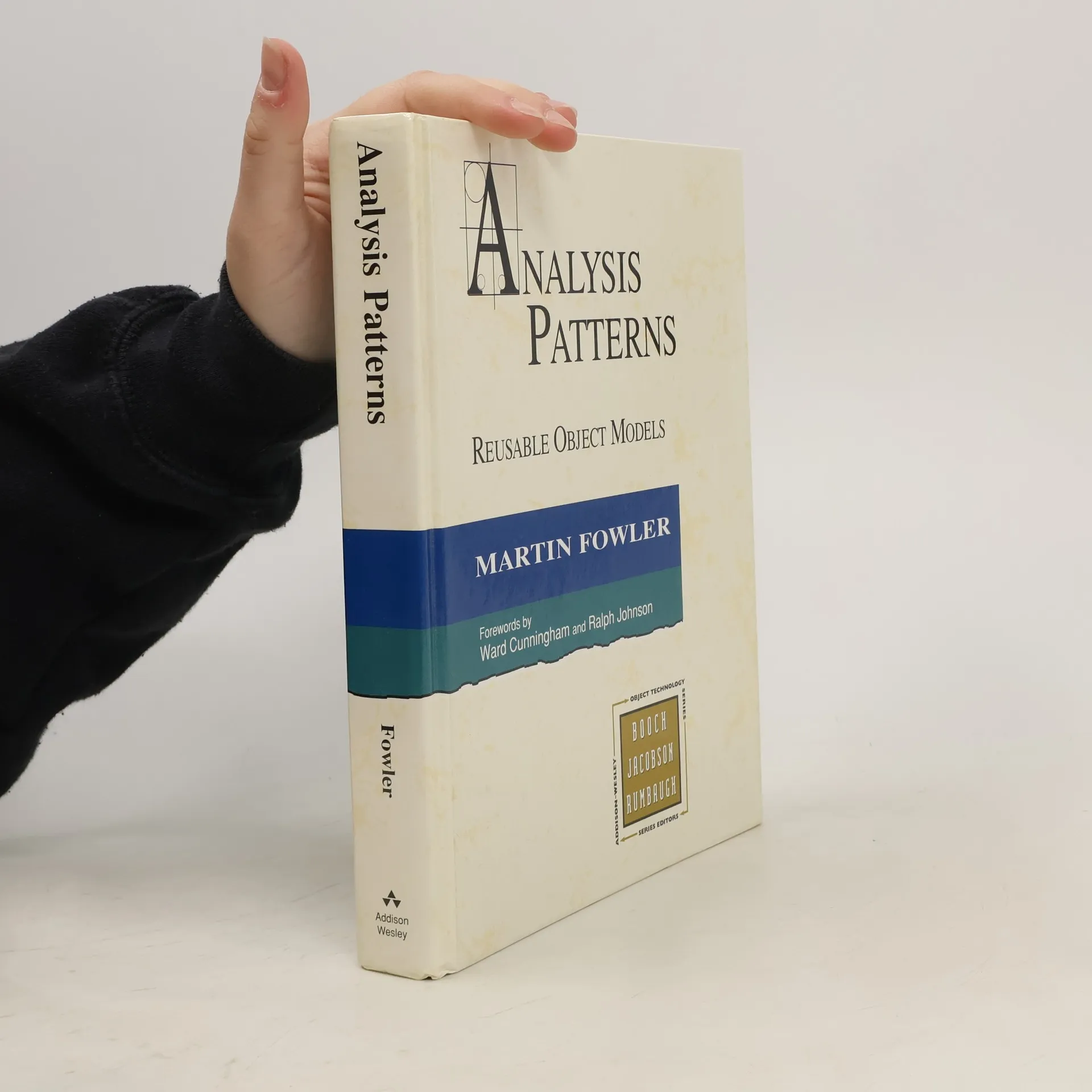


Bookbot

Martin Fowler

    18 décembre 1963

    Martin Fowler est un ingénieur logiciel et un défenseur de premier plan des meilleures pratiques en matière de conception de logiciels d'entreprise. Son travail se concentre fortement sur les méthodologies agiles de développement logiciel, prônant des principes qui mènent à une conception logicielle plus efficace et de meilleure qualité. Il met l'accent sur l'application pratique et le partage des connaissances au sein de la communauté logicielle.

    Martin Fowler
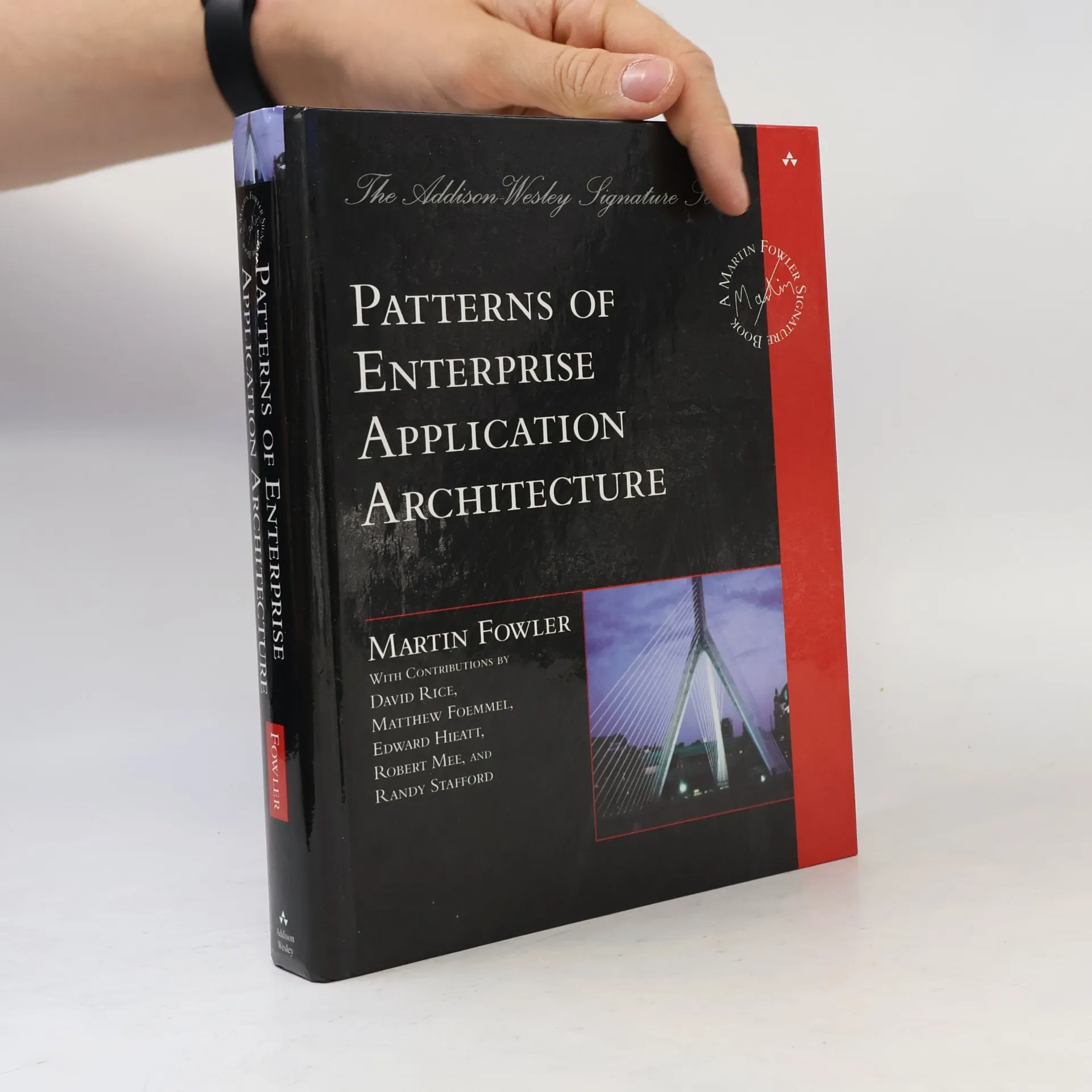
    Patterns of enterprise application architecture
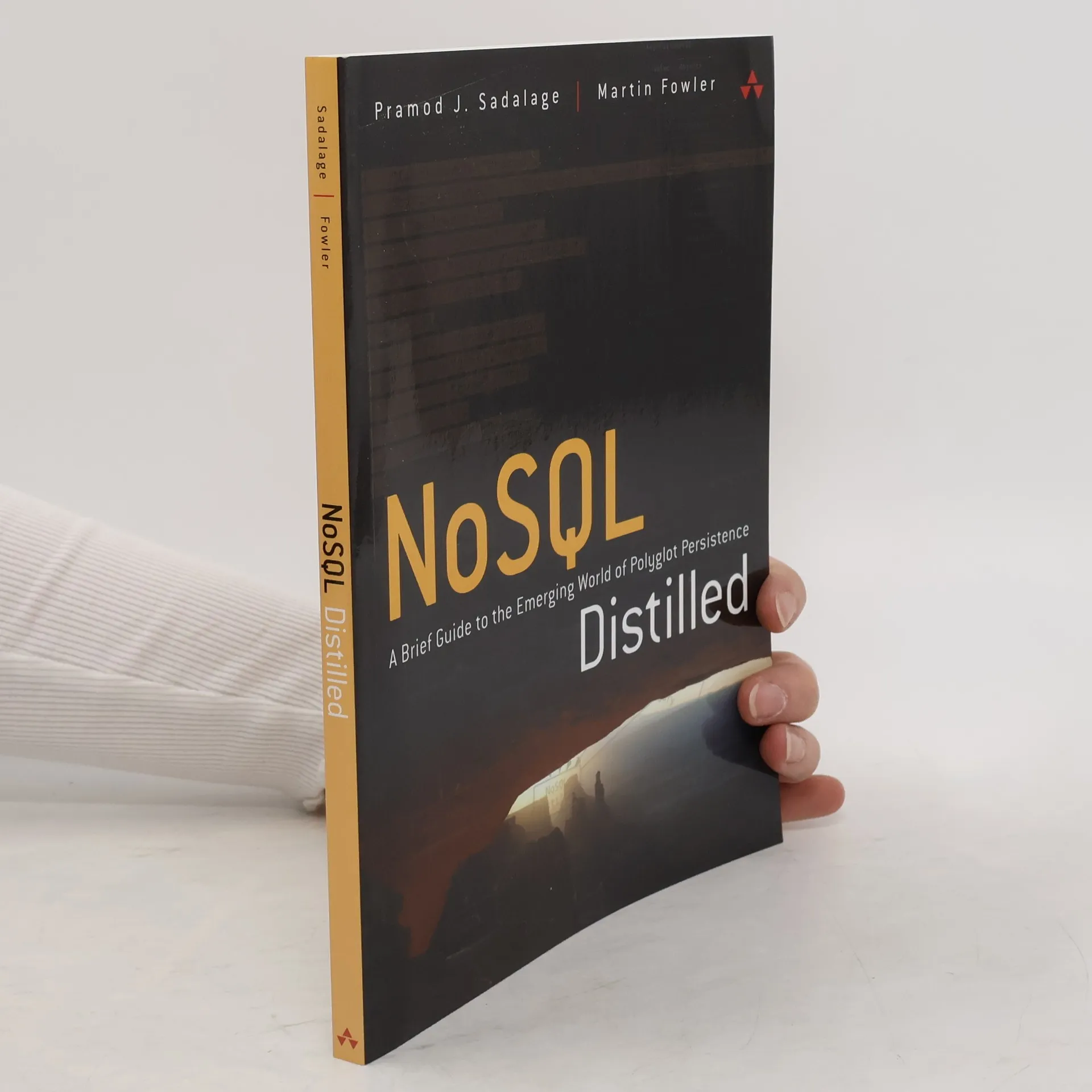
    NoSQL Distilled
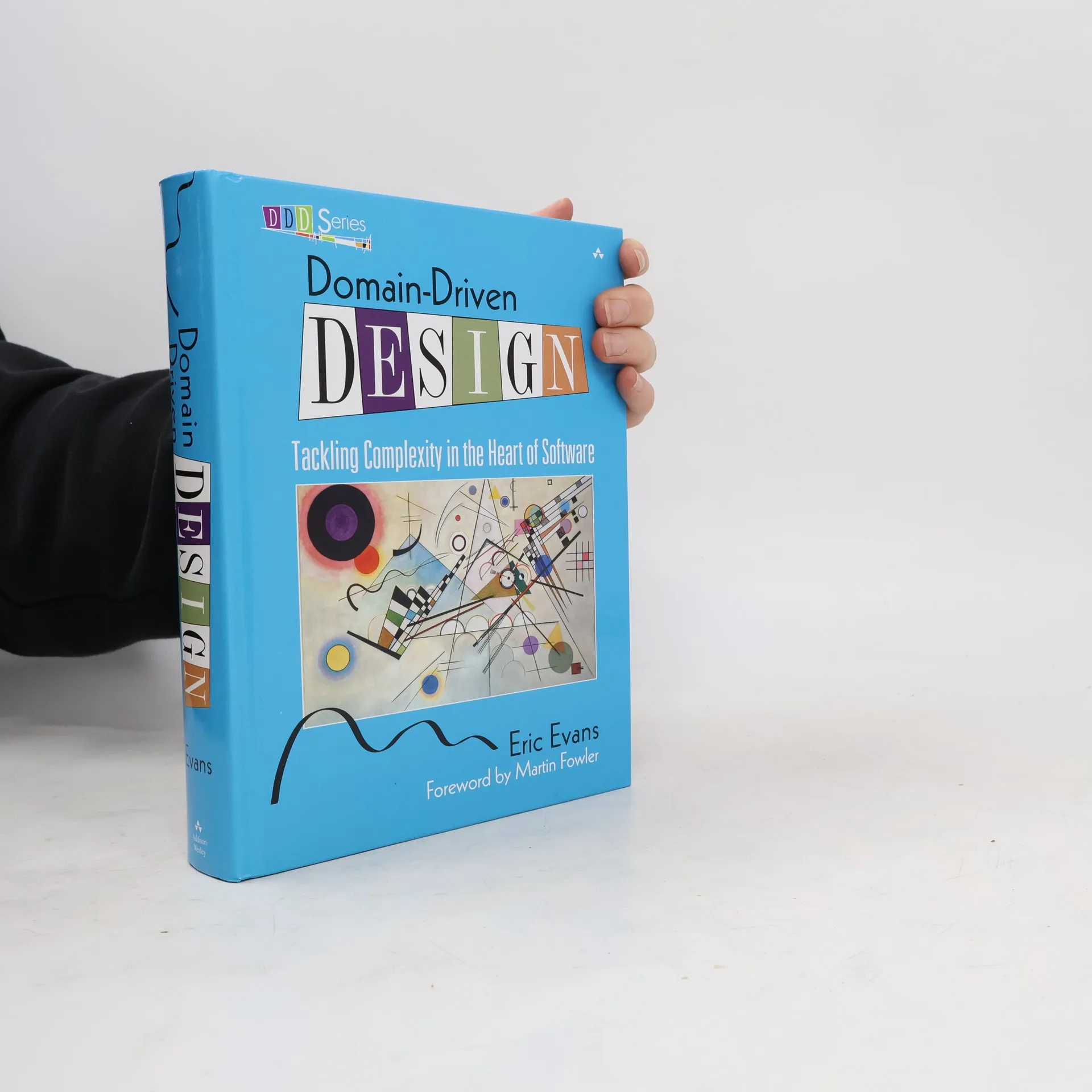
    Domain-driven design : tackling complexity in the heart of software
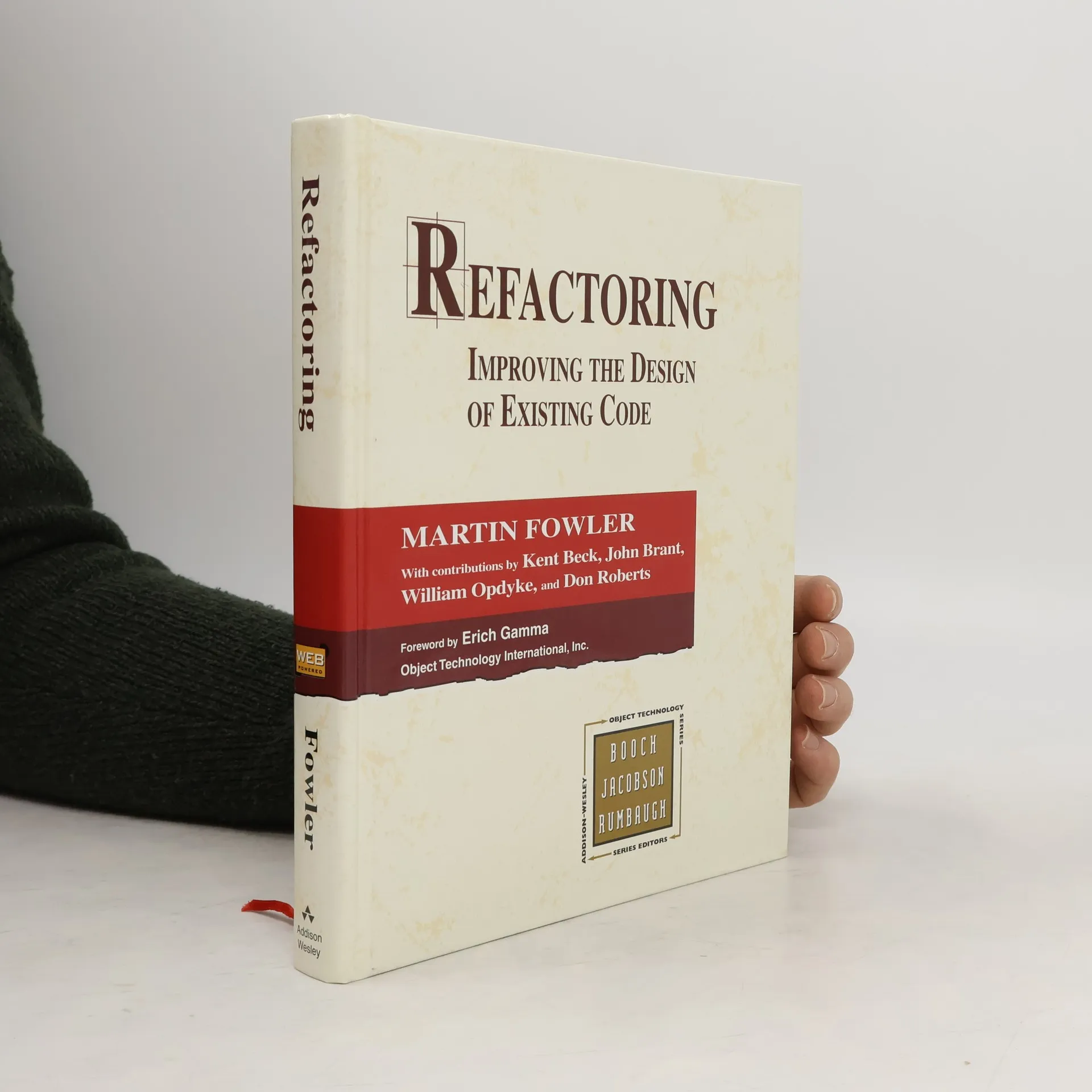
    Refactoring. Improving the Design os Existing Code
    Refactoring. Improving the Design of Existing Code.
    Le Tout en Poche: UML
    • Le Tout en Poche: UML

      • 226pages
      • 8 heures de lecture

      Maintenant adopté comme standard de facto de l'industrie, et cautionné par l'OMG (Object Management Group), UML est une notation que tous les développeurs se doivent de connaître et de comprendre. Il apporte la garantie d'un langage universel, compris par tous les informaticiens et leurs clients. Cet ouvrage est un guide clair et concis qui aborde les aspects les plus essentiels d'UML. Il débute par un résumé de l'histoire d'UML, de son développement et de sa logique, puis analyse la façon dont il peut être intégré au processus de développement orienté objet. A l'aide de nombreux exemples, il vous présente également les grandes lignes des différentes techniques de modélisation - cas d'utilisation, diagrammes de classe, diagrammes d'interaction, etc. - et décrit leur sémantique.

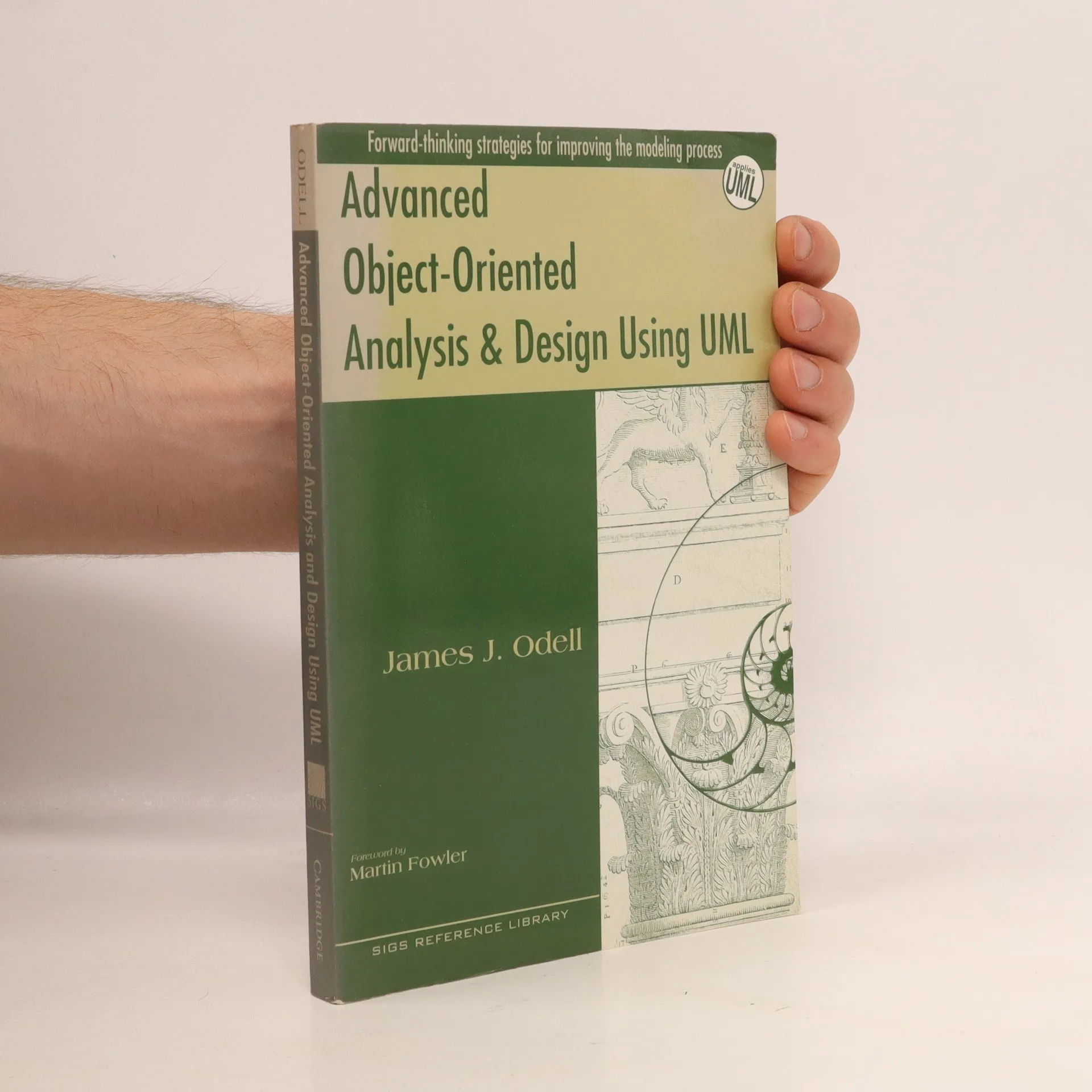
      Le Tout en Poche: UML
      3,8
    • Refactoring is gaining momentum amongst the object oriented programming community. It can transform the internal dynamics of applications and has the capacity to transform bad code into good code. This book offers an introduction to refactoring.

      Refactoring. Improving the Design of Existing Code.
      4,3
    • Refactoring is gaining momentum amongst the object oriented programming community. It can transform the internal dynamics of applications and has the capacity to transform bad code into good code. This book offers an introduction to refactoring.

      Refactoring. Improving the Design os Existing Code
      4,3
    • NoSQL Distilled

      • 188pages
      • 7 heures de lecture

      'NoSQL Distilled' is designed to provide you with enough background on how NoSQL databases work, so that you can choose the right data store without having to trawl the whole web to do it. It won't answer your questions definitively, but it should narrow down the range of options you have to consider.

      NoSQL Distilled
      4,1
    • Developers of enterprise applications (e.g reservation systems, supply chain programs, financial systems, etc.) face a unique set of challenges, different than those faced by their desktop system and embedded system peers. For this reason, enterprise developers must uncover their own solutions. In this new book, noted software engineering expert Martin Fowler turns his attention to enterprise application development. He helps professionals understand the complex -- yet critical -- aspects of architecture. While architecture is important to all application development, it is particularly critical to the success of an enterprise project, where issues such as performance and concurrent multi-user access are paramount. The book presents patterns (proven solutions to recurring problems) in enterprise architecture, and the context provided by the author enables the reader to make the proper choices when faced with a difficult design decision.

      Patterns of enterprise application architecture
      4,1
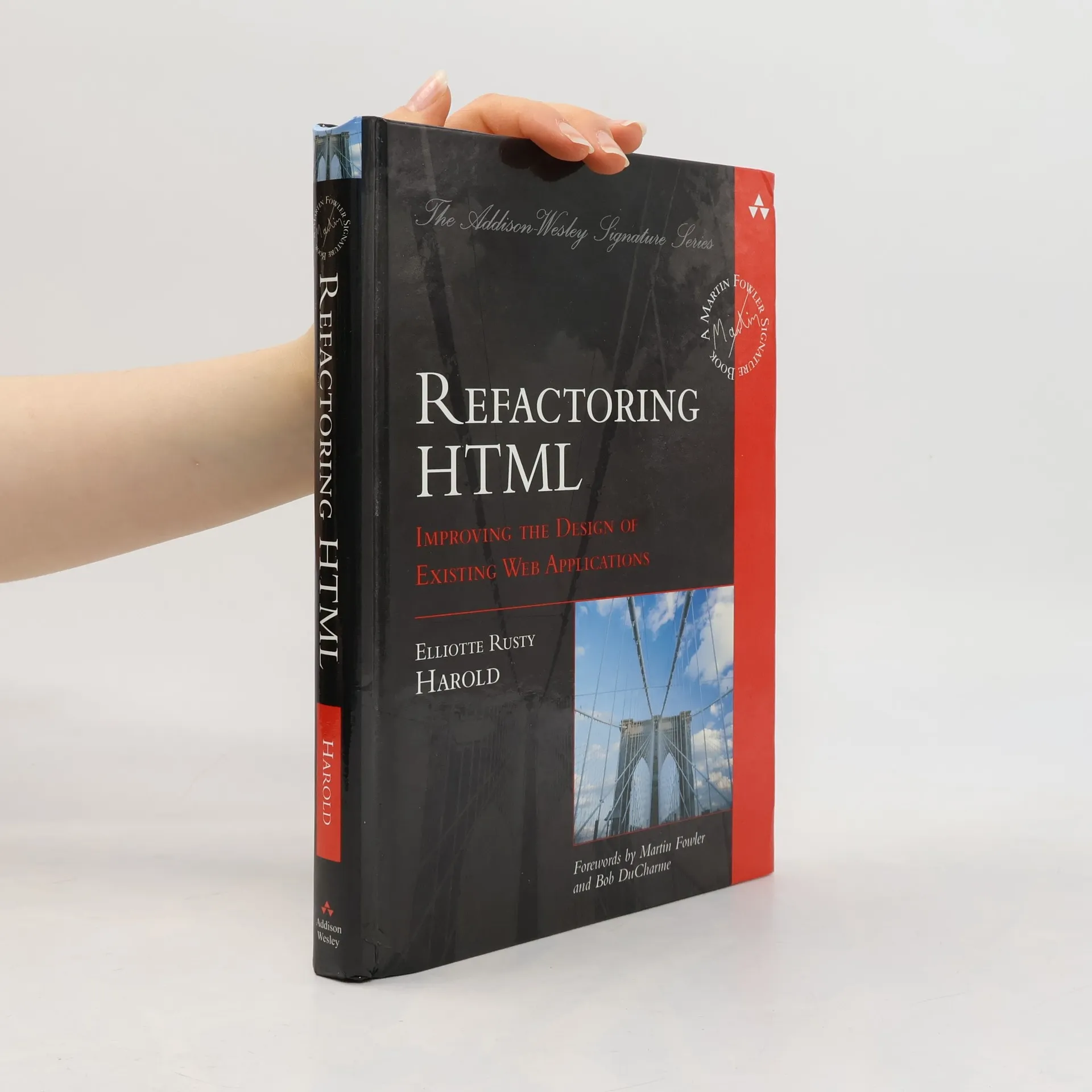
    • Refactoring HTML

      Improving the Design of Existing Web Applications

      • 340pages
      • 12 heures de lecture

      Websites, like any software system, accumulate “cruft” over time, leading to slower performance, broken links, and various compatibility and security issues. While rebuilding from scratch is ideal, it's often impractical due to time and budget constraints. Fortunately, refactoring offers a solution. This guide details how to enhance any website or application using proven techniques and tools from software development. The author provides insights for both programmers and non-programmers, demonstrating how to refactor for improved reliability, performance, usability, security, accessibility, and search engine optimization. Step-by-step instructions help migrate outdated code to modern standards like XHTML, CSS, and REST, addressing common issues such as presentation-based markup and “tag soup.” The book features an extensive catalog of detailed refactorings and practical recipes organized for quick access, enabling users to enhance site performance efficiently and ensure easier maintenance and scalability in the future. Key topics include identifying problematic Web code, transforming old HTML into valid XHTML, modernizing layouts with CSS, updating Web forms, and restructuring sites without altering user-facing URLs. This resource is invaluable for Web designers, developers, project managers, and anyone involved in maintaining or updating websites, particularly those looking to refresh their knowledge of current standar

      Refactoring HTML