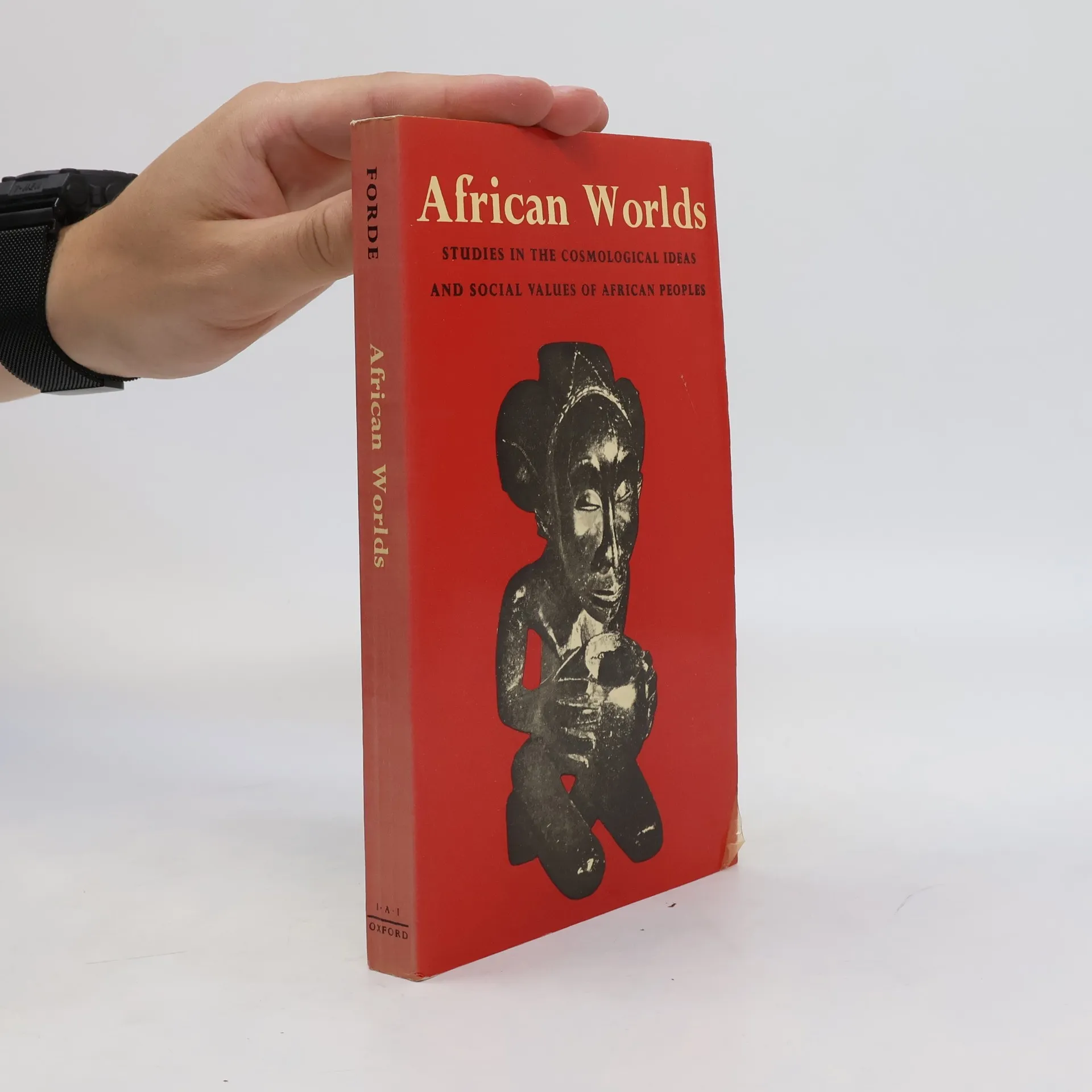
Studies in the Cosmological Ideas and Social Values of African Peoples
243pages
9 heures de lecture
This series of Classics in African Anthropology is primarily drawn from a distinct family of texts which dominated the academic analysis of society in mid-20th century Africa. The texts are significant yet often neglected, but have stood the test of time, according to the editors. Originally published in 1954. New edition published in association with the International African Institute North America: Transaction Books; Germany: Lit Verlag
Routledge is proud to be re-issuing this landmark series in association with the International African Institute. The series, published between 1950 and 1977, brings together a wealth of previously un-co-ordinated material on the ethnic groupings and social conditions of African peoples. Concise, critical and (for its time) accurate, the Ethnographic Survey contains sections as follows: Physical Environment Linguistic Data Demography History & Traditions of Origin Nomenclature Grouping Cultural Features: Religion, Witchcraft, Birth, Initiation, Burial Social & Political Organization: Kinship, Marriage, Inheritance, Slavery, Land Tenure, Warfare & Justice Economy & Trade Domestic Architecture Each of the 50 volumes will be available to buy individually, and these are organized into regional sub-groups: East Central Africa, North-Eastern Africa, Southern Africa, West Central Africa, Western Africa, and Central Africa Belgian Congo. The volumes are supplemented with maps, available to view on routledge.com or available as a pdf from the publishers.