Michael Lind est un auteur dont l'œuvre explore l'histoire et le journalisme politique. Son style littéraire se caractérise par une analyse incisive et une articulation claire d'idées complexes. Lind examine les phénomènes sociaux et politiques, en soulignant leurs racines historiques et leur impact contemporain. Son écriture est appréciée pour sa profondeur intellectuelle et sa capacité à susciter une réflexion approfondie.
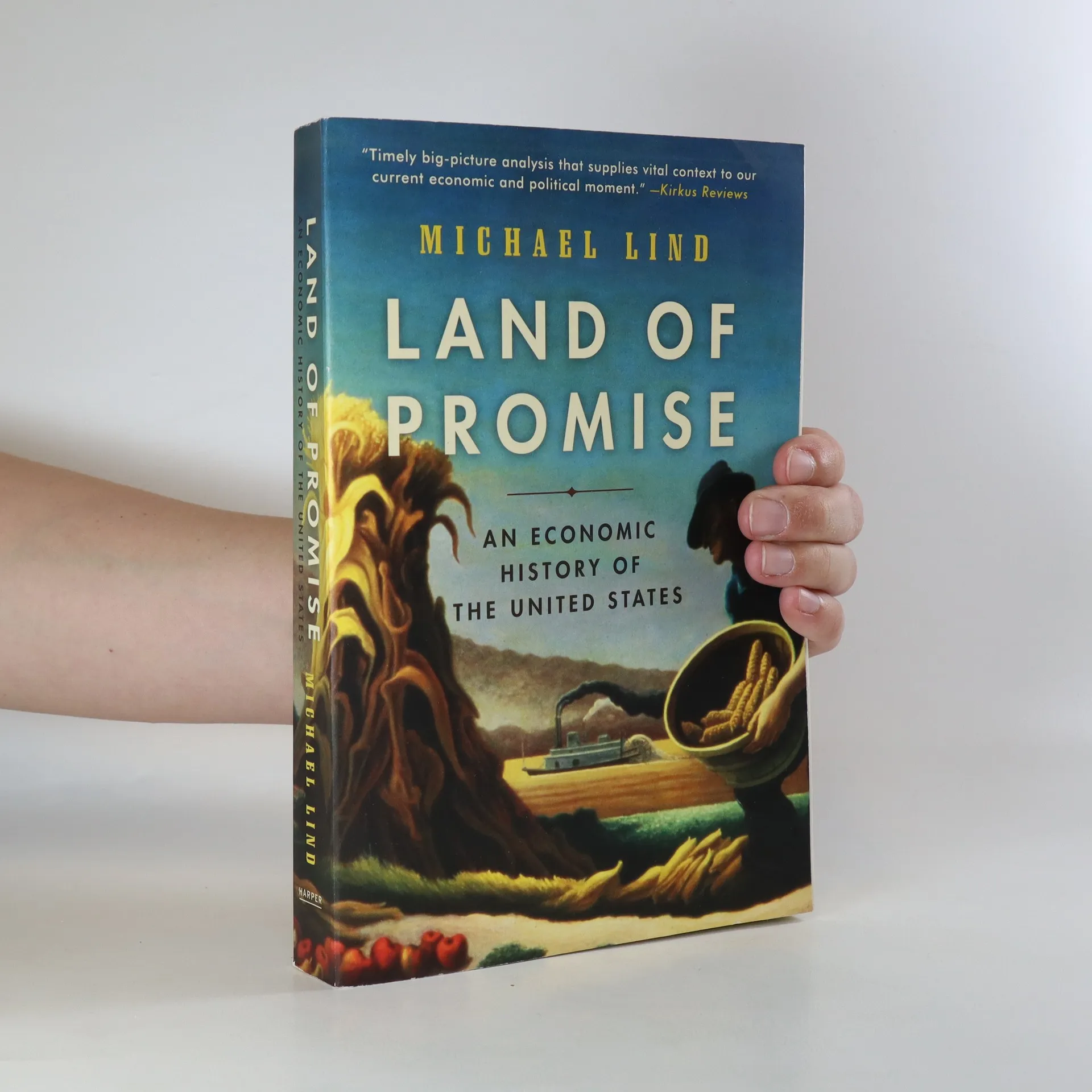
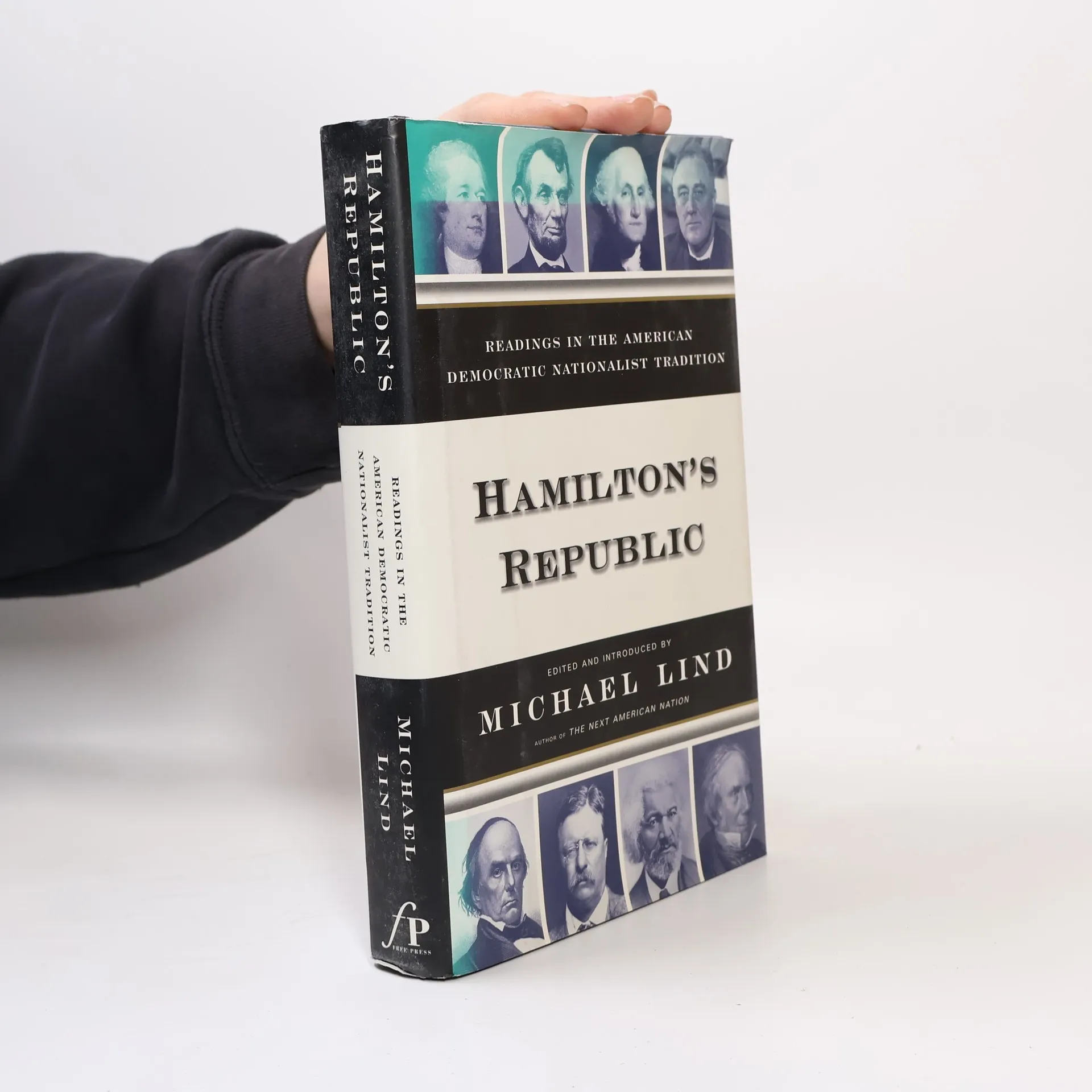
A sweeping and original work of economic history by Michael Lind, one of America’s leading intellectuals, Land of Promise recounts the epic story of America’s rise to become the world’s dominant economy. As ideological free marketers continue to square off against Keynesians in Congress and the press, economic policy remains at the center of political debate. Land of Promise: An Economic History of the United States offers a much-needed historical framework that sheds new light on our past—wisdom that offers lessons essential to our future. Building upon the strength and lucidity of his New York Times Notable Books The Next American Nation and Hamilton’s Republic, Lind delivers a necessary and revelatory examination of the roots of American prosperity—insight that will prove invaluable to anyone interested in exploring how we can move forward.
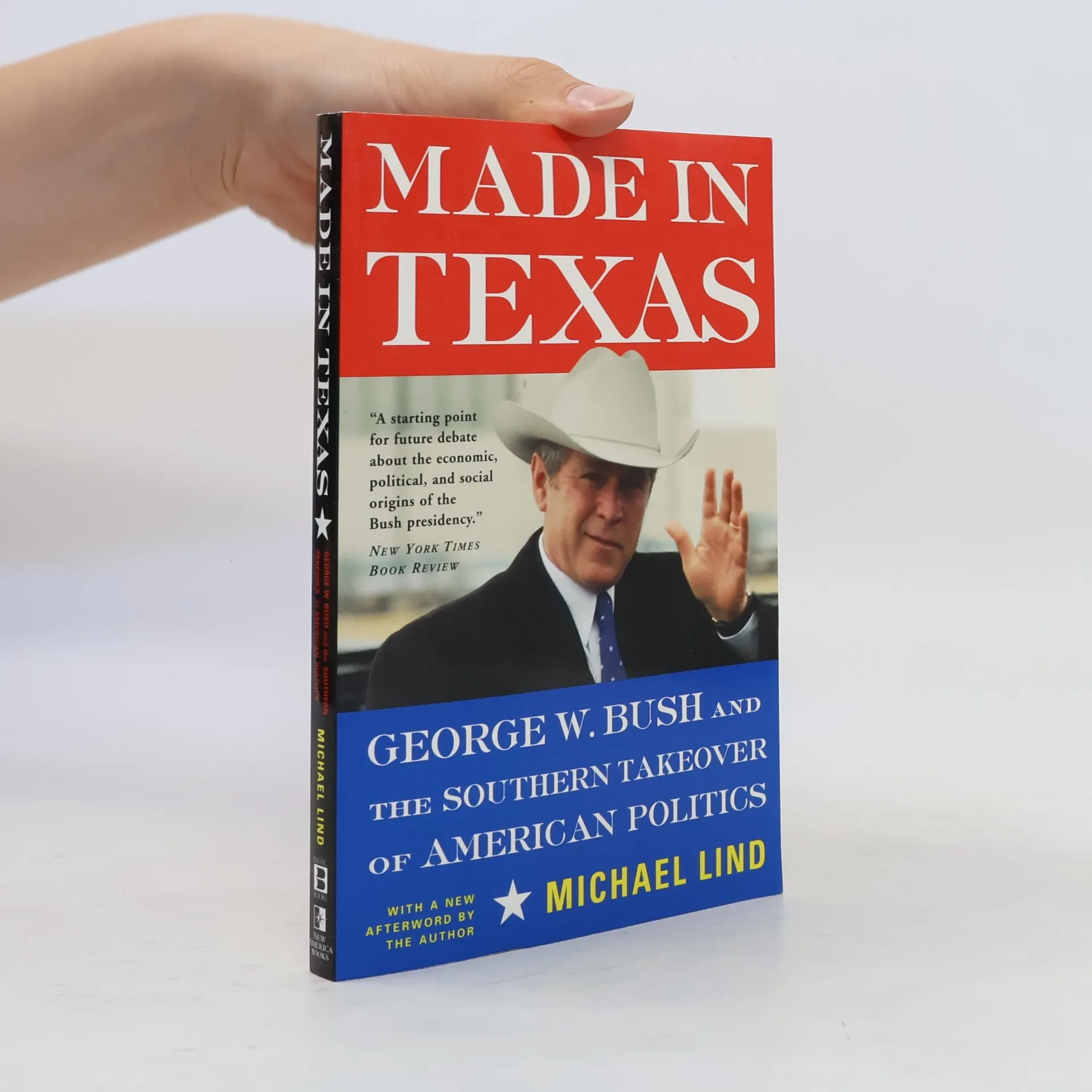
George W. Bush and the Southern Takeover of American Politics
210pages
8 heures de lecture
Bush, it threatens the future of the United States - and maybe the entire world." "Fortunately, George W. Bush represents only one tradition in Texas. There is another, more enlightened Texan tradition - the modernist tradition of high-tech industry and activist government represented by figures as different as Lyndon Johnson, H. Ross Perot and Admiral Bobby Ray Inman. The best antidote to Bush conservatism is made in Texas, too."--BOOK JACKET.
"Americans are unlikely to lose their cherished rights because of a military coup or a foreign conquest, writes Michael Lind. The more plausible and frightening scenario is one in which foreign danger forces Americans themselves to jettison their way of life, sacrificing liberty to ensure security. To prevent this scenario from happening is the real purpose of American strategy."
Le démographe Emmanuel Todd soutient que le déclin de l'Empire américain est inévitable, remettant en question l'idée d'une "hyper-puissance" des États-Unis. Il avance que les États-Unis ne peuvent plus se suffire à eux-mêmes, réalisant qu'ils dépendent du monde. Todd s'appuie sur des données variées, allant de l'économie à la démographie, pour étayer son analyse. Il identifie des symptômes de déclin, tels que la dépendance économique et l'affaiblissement démocratique, qu'il avait déjà prévus lors de l'effondrement soviétique. Ces signes expliquent l'activité internationale des États-Unis, qui cherchent à maintenir leur statut de superpuissance depuis la Seconde Guerre mondiale. Pour cela, ils adoptent trois stratégies : éviter de résoudre définitivement les problèmes, se concentrer sur des micropuissances et développer un arsenal militaire jugé inégalable. Les interventions, comme la lutte contre le terrorisme et les actions en Irak, sont perçues comme des prétextes. Todd ne minimise pas les dangers du terrorisme, mais il analyse comment les États-Unis sont devenus un obstacle à la paix mondiale. Il envisage un futur où l'Amérique restera une grande puissance, mais seulement l'une parmi d'autres.
The New Nationalism And The Fourth American Revolution
436pages
16 heures de lecture
As the century draws to a close, debates over American identity have intensified, challenging the previous consensus that shaped our national culture. The urgency of defining our national identity has never been greater. Are we fragmenting into separate ethnic enclaves, or can we create a unified identity as we enter the 21st century? The author argues that American society is not splintering; instead, a multiracial middle-class majority is emerging, connected by a shared language, customs, and culture. This new majority has historically lacked a clear sense of identity and has been subject to divide-and-rule tactics by a wealthy elite controlling both major political parties. To realize the promise of American life, this 'Trans-American' majority needs a new social compact and a fresh theory of national identity. The author presents a comprehensive revisionist perspective on American history and proposes nation-building reforms to enhance our future. He argues that nationalism and the ideal of a trans-racial melting pot can coexist, offering a practical agenda for a liberal nationalist revolution that emphasizes color-blind civil rights while addressing class-based barriers to racial integration. This thought-provoking work challenges readers to reconsider the foundations of American identity and the path forward.