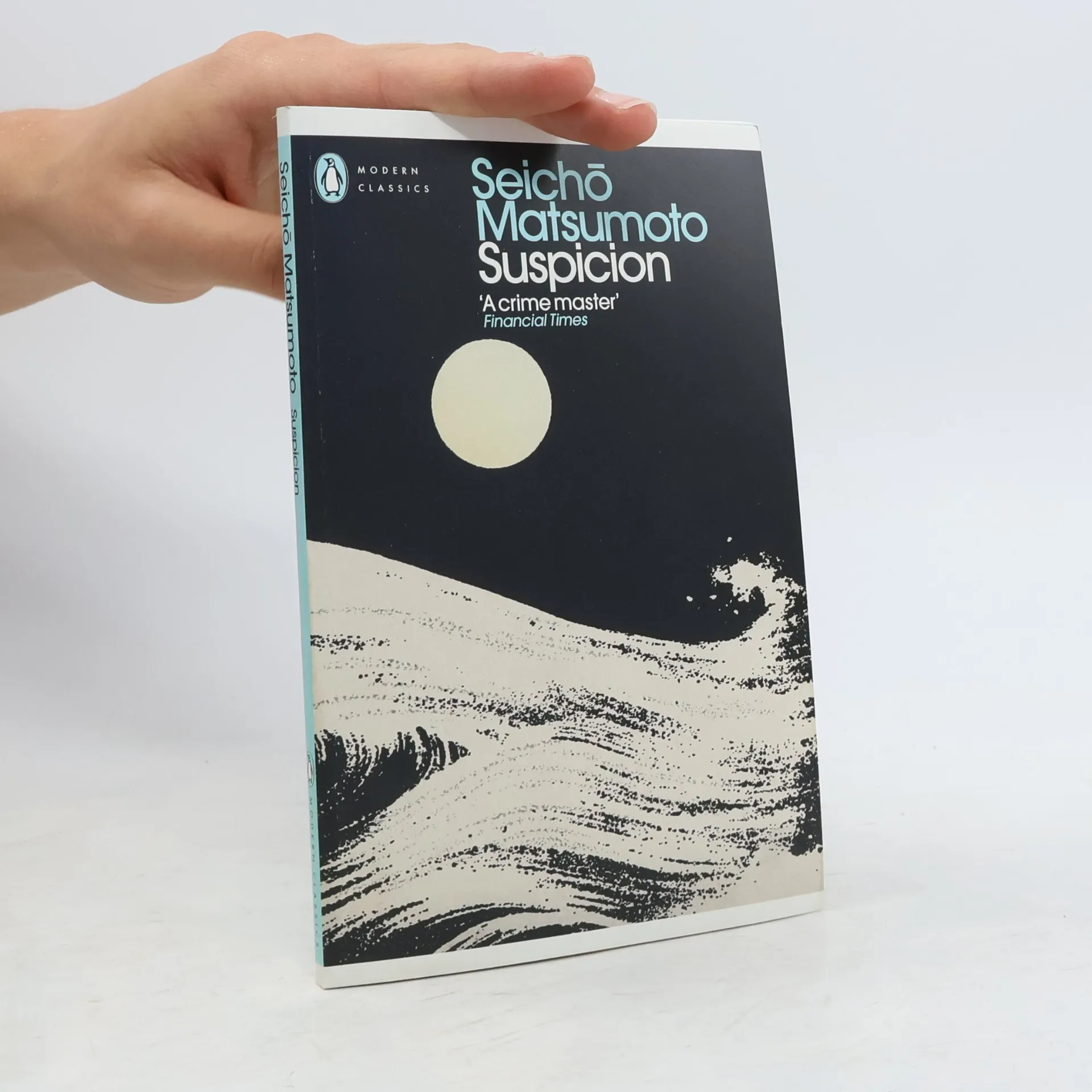
Modern Classics: Suspicion
- 112pages
- 4 heures de lecture


Seicho Matsumoto a forgé une nouvelle tradition dans le roman policier japonais, s'éloignant des intrigues formelles pour y mêler des éléments de psychologie humaine et de vie quotidienne. Ses récits reflètent souvent des contextes sociaux plus larges et le nihilisme de l'après-guerre, élargissant ainsi la portée du genre et en approfondissant l'atmosphère. Il introduisit une nouvelle dimension en exposant la corruption tant chez les fonctionnaires que chez les criminels, centrant ses enquêtes non seulement sur le crime lui-même, mais sur la société dans laquelle il s'est déroulé.
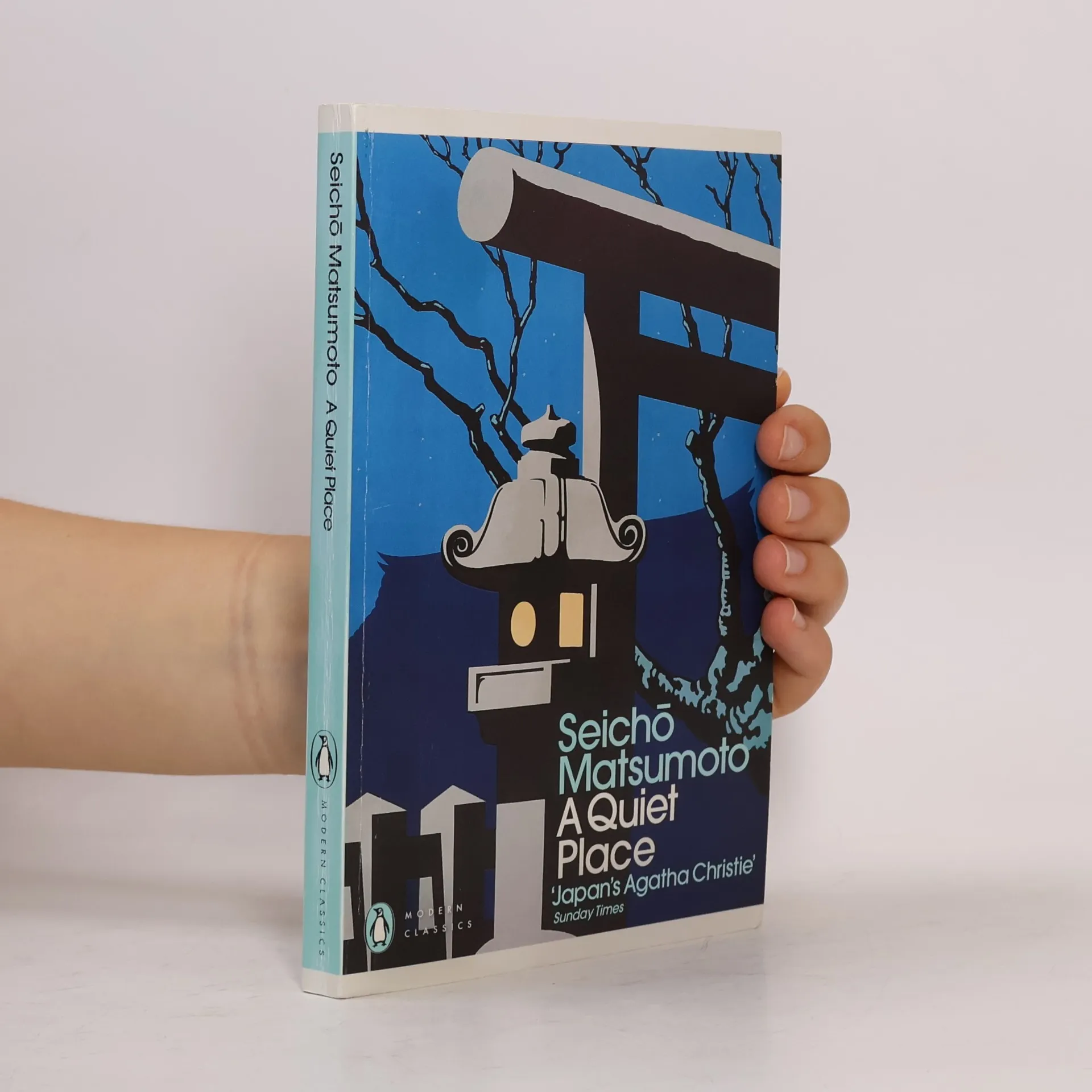


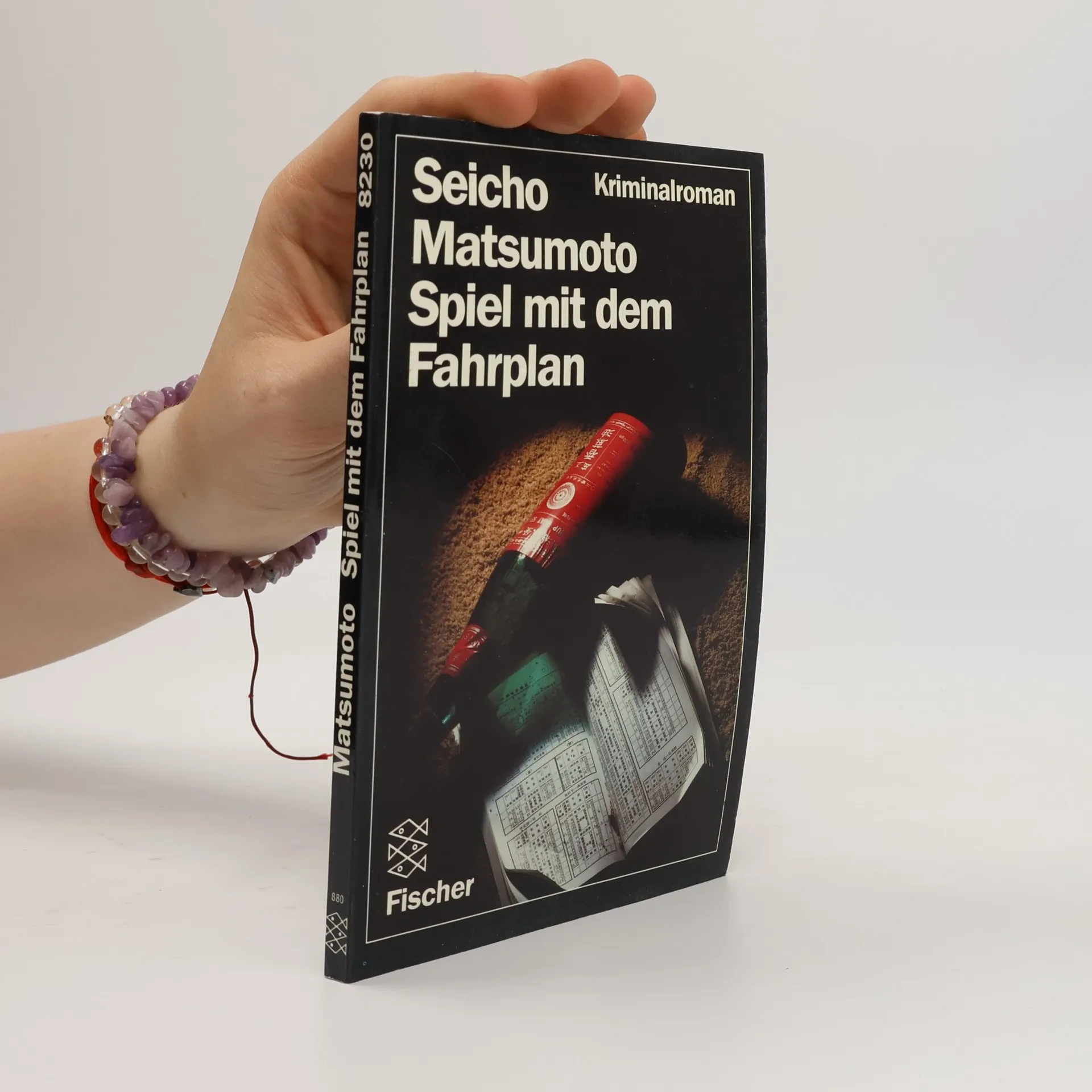
Mitten in der Nacht stürzt an einer Fähranlagestelle ein Auto ins Meer. Der ältere Mann darin ertrinkt, seine frisch vermählte Ehefrau kann sich retten. Sie ist einiges jünger als er; eine bildschöne, selbstbewusste Frau mit düsterer Vergangenheit – wovon ihr Gatte nichts ahnte. Als sich ein Lokalreporter auf den mysteriösen Todesfall stürzt und die junge Witwe zu einer Femme fatale mit krimineller Energie hochschreibt, steht Onizuka Kumako plötzlich in aller Öffentlichkeit unter Mordverdacht. Der Hass auf sie ist so groß, dass selbst ihre Anwälte um ihren Ruf fürchten, bis ein besonders ehrgeiziger Verteidiger alle Sicherheiten ins Wanken bringt.
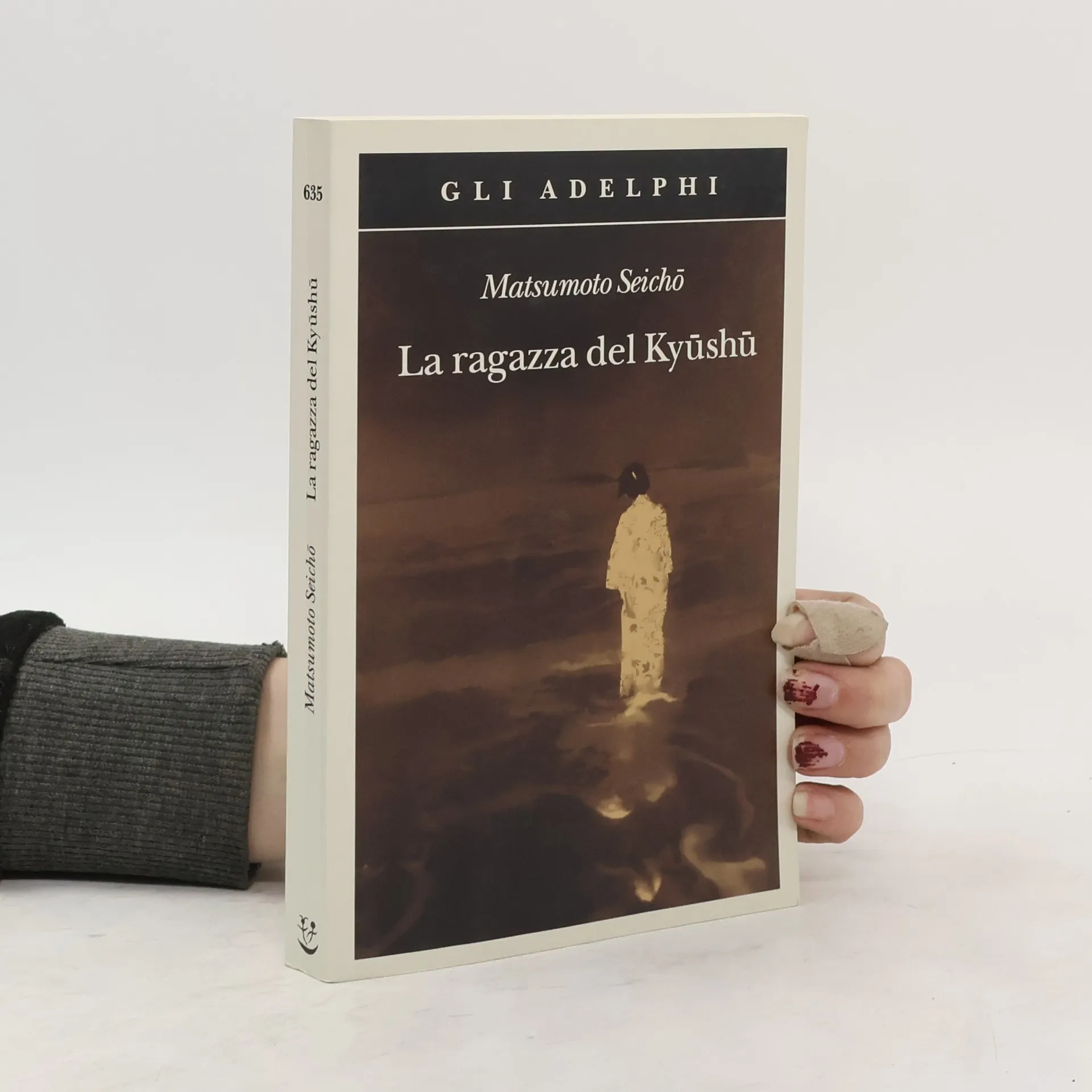
Ucciso con l'accusa di omicidio e condannato a morte, il fratello di Kiriko Yanagida è innocente, secondo la sua convinzione. Kiriko si reca a Tokyo dal Kyūshū per chiedere aiuto al famoso avvocato Kinzo Ōtsuka, ma viene bruscamente respinta. Il fratello muore in carcere con l'onta dell'accusa, e inizia per Kiriko una vendetta ossessiva contro l'avvocato Ōtsuka. L'opera interroga il significato della legge e del sistema giudiziario per gli uomini moderni, ognuno con le proprie ombre e in situazioni di isolamento, evidenziando le loro limitazioni.
While on a business trip to Kobe, Tsuneo Asai receives the news that his wife Eiko has died of a heart attack. Eiko had a heart condition so the news of her death wasn't totally unexpected. But the circumstances of her demise left Tsuneo, a softly-spoken government bureaucrat, perplexed. How did it come about that his wife who was shy and withdrawn, and only left their house twice a week to go to haiku meetings ended up dead in a small shop in a shady Tokyo neighborhood? When Tsuneo goes to apologize to the boutique owner for the trouble caused by his wife's death he discovers the villa Tachibana near by, a house known to be a meeting place for secret lovers. As he digs deeper into his wife's recent past, he must eventually conclude that she led a double life...
Faites connaissance avec l’inspecteur Imanishi. Voyageur infatigable, il enquête de train en train, aux quatre coins du Japon, dans les eaux troubles de la musique et du théâtre d’avant-garde. Il recherche un meurtrier avec un drôle d’accent, découvre les subtilités de la musique concrète et reconstitue patiemment les états civils.
Tokyo, fin des années 50. Via un entremetteur, Teiko épouse Kenichi Uehara, séduisant mais taciturne employé d’une agence de publicité tokyoïte. Lors d’un déplacement à Kanazawa avant sa mutation dans la capitale, Kenichi disparaît. Partie sur ses traces, Teiko découvre tout d’abord que son mari a été policier avant de rencontrer l’épouse d’un riche industriel qui semble avoir un lien avec les Japonaises se prostituant jadis pour l’occupant américain. Venu la soutenir, le frère de Kenichi est empoisonné dans son hôtel par une inconnue. Teiko pressent un lien entre cette mort et la disparition de son mari. Pour découvrir la vérité, elle devra remonter jusqu’au « point zéro », cet instant de la vie de Kenichi qui a scellé son destin.
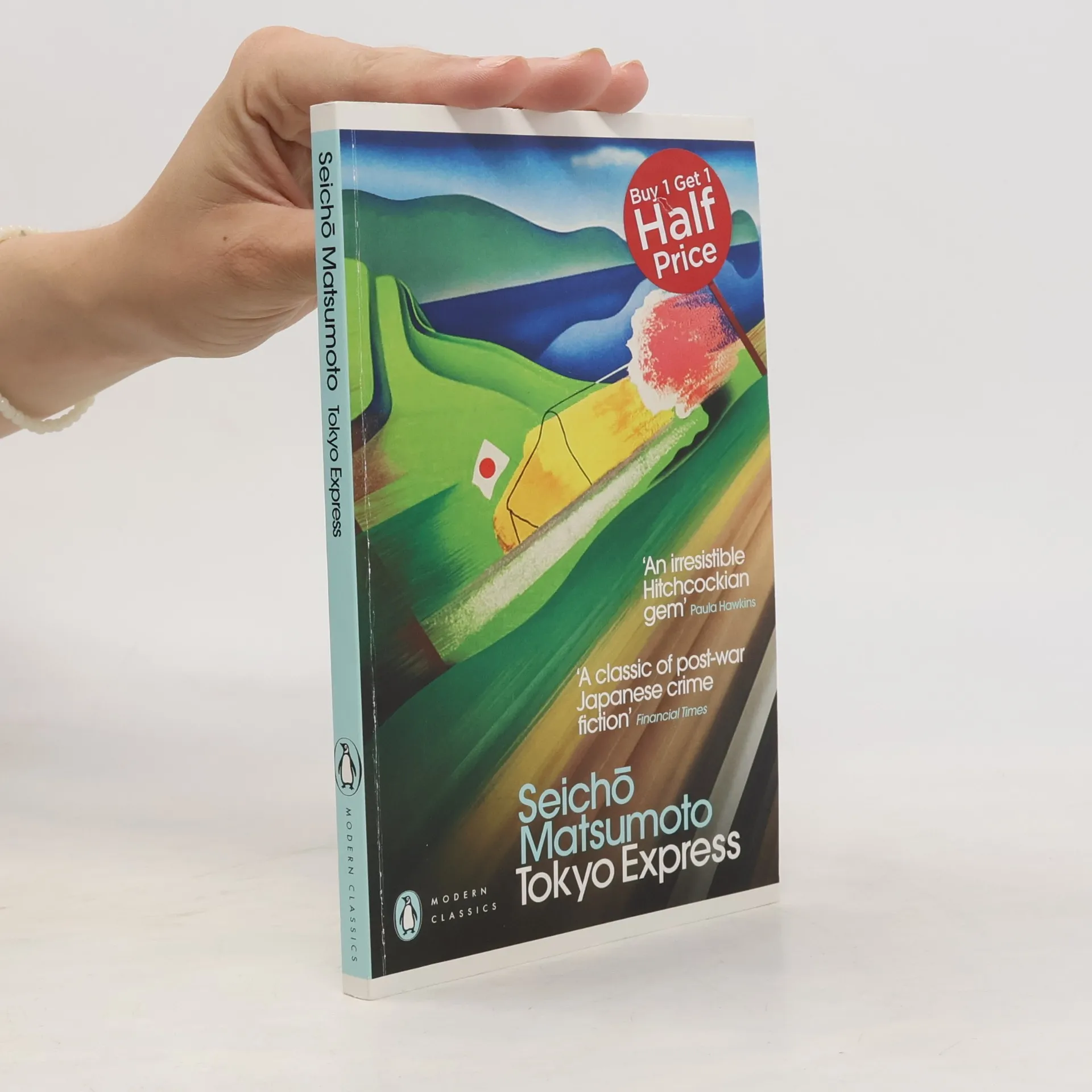
'An irresistible Hitchcockian gem: a fiendishly-plotted crime novel told in crisp, elegant prose' Paula Hawkins, author of The Girl on the Train 'Matsumoto was Japan's Agatha Christie' Laura Hackett, The Sunday Times 'It was a puzzle with no solution. But he did not lose heart.' In a rocky cove in the bay of Hakata, the bodies of a young and beautiful couple are discovered. Stood in the coast's wind and cold, the police see nothing to investigate: the flush of the couple's cheeks speaks clearly of cyanide, of a lovers' suicide. But in the eyes of two men, Torigai Jutaro, a senior detective, and Kiichi Mihara, a young gun from Tokyo, something is not quite right. Together, they begin to pick at the knot of a unique and calculated crime... Now widely available in English for the first time, Tokyo Express is celebrated around the world as Seicho Matsumoto's masterpiece - and as one of the most fiendish puzzles ever written.
Detektivní povídka japonského autora, v níž se rozvíjí příběh o záhadné vraždě muže a ženy, jejichž mrtvoly byly nalezeny na opuštěném mořském pobřeží v zálivu Kašii. Případ vyšetřuje místní policie z blízkého městečka Hakaty, která ze zjištěných okolností usoudí na sebevraždu milenců a celou záležitost jednoduše uzavře. S tímto rozhodnutím není však spokojen starý policejní veterán Džútaró Torigaj. Pátrá na vlastní pěst a vnese do teorie o sebevraždě milenců pochyby.