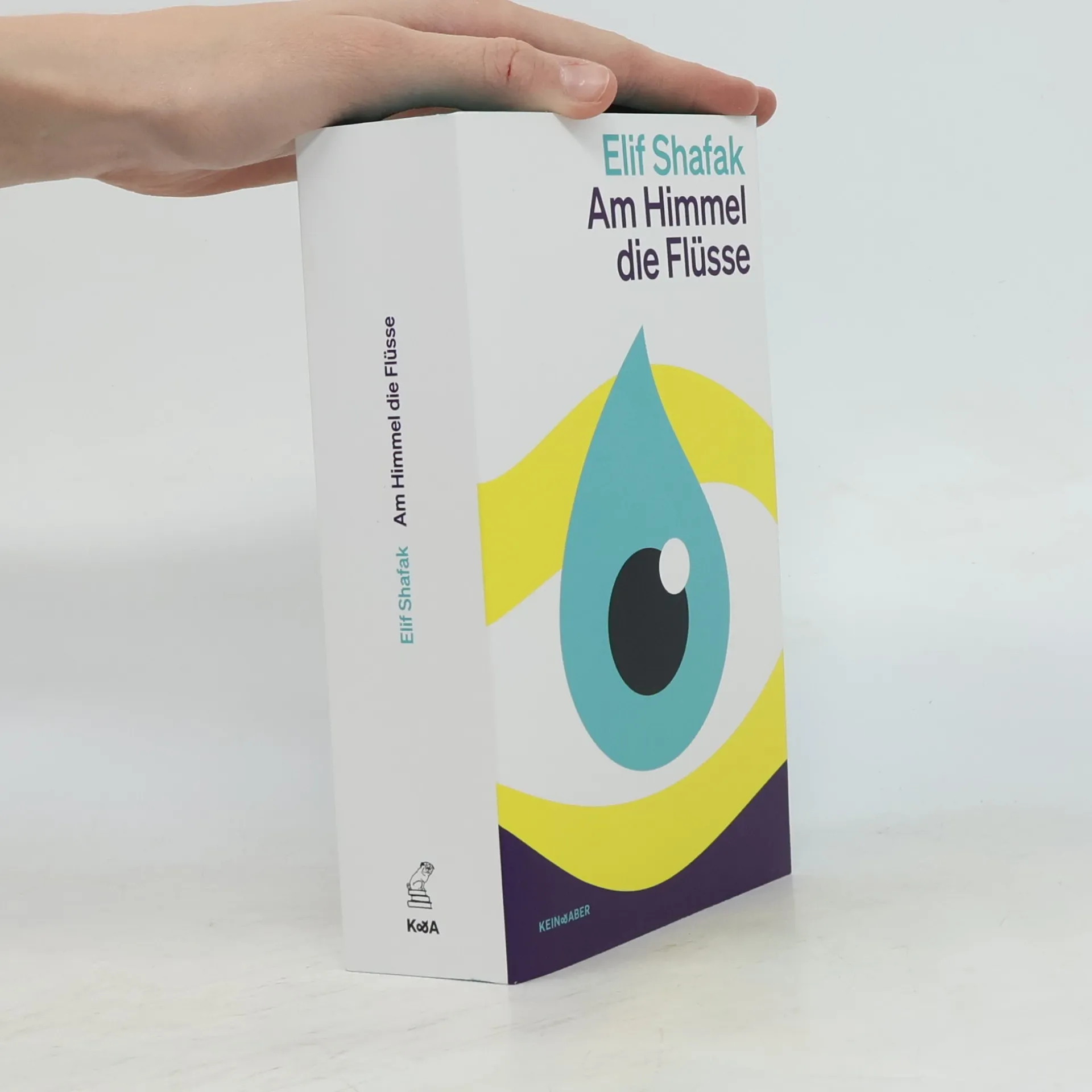
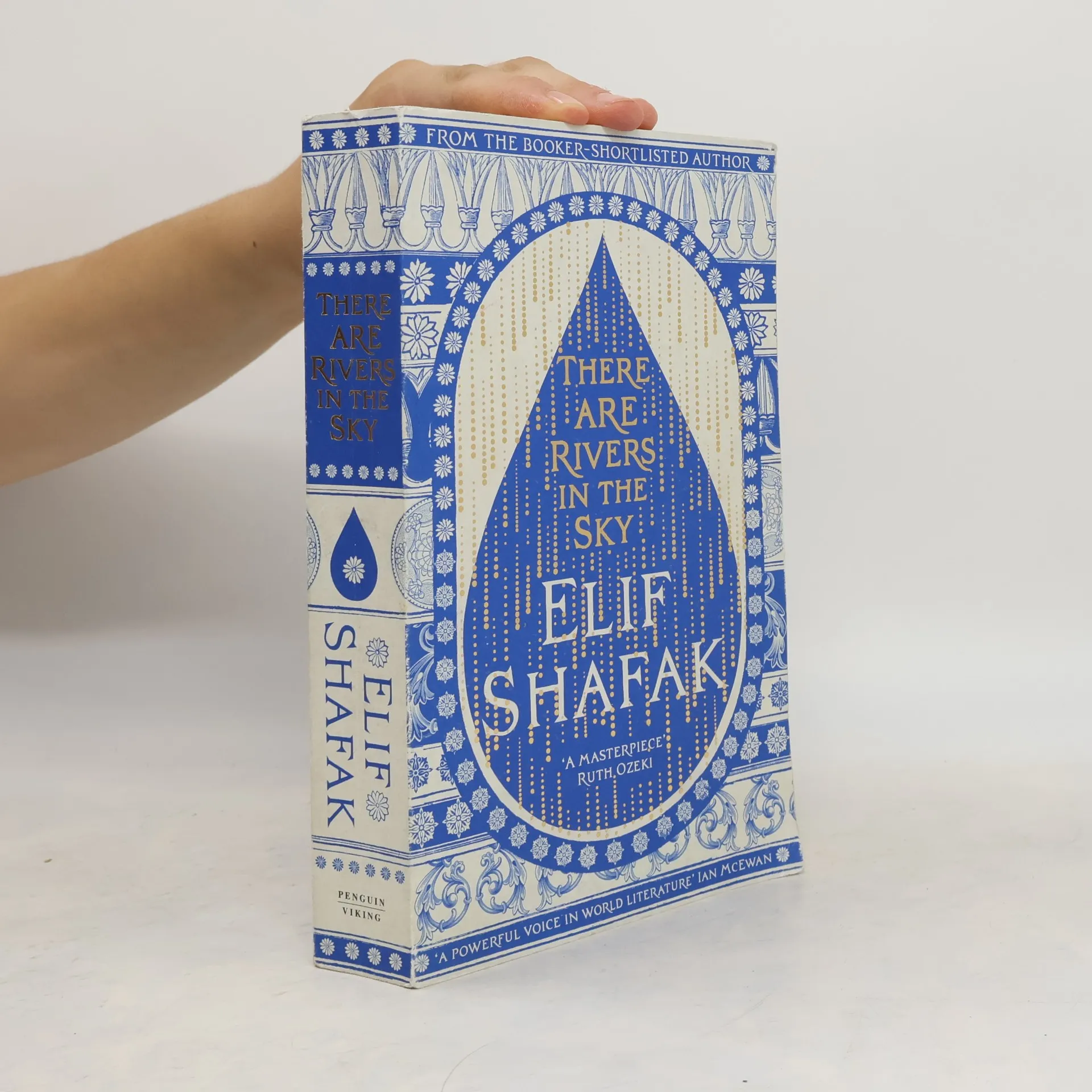
Am Himmel die Flüsse
- 592pages
- 21 heures de lecture


Elif Shafak est une romancière britannico-turque acclamée dont l'œuvre est largement lue et profondément marquante. Écrivant à la fois en turc et en anglais, elle crée des récits qui explorent les complexités de l'identité, de la culture et de la politique avec un sens aigu des nuances linguistiques et de la profondeur émotionnelle. Sa prose se caractérise par une riche palette stylistique, explorant les intersections d'expériences diverses et favorisant un engagement réfléchi avec la condition humaine. En tant que fervente défenseure de la justice sociale, l'écriture et les prises de parole publiques de Shafak défient constamment les frontières et encouragent le dialogue critique.

The narrative intertwines the lives of three individuals across different eras and locations, united by the theme of water. In ancient Mesopotamia, fragments of the Epic of Gilgamesh lie buried. In Victorian London, a gifted boy named Arthur escapes poverty through literature, while in modern Turkey, Narin faces a perilous journey amid conflict. Meanwhile, Zaleekhah, a hydrologist in London, seeks solace on a houseboat after personal loss. Elif Shafak's storytelling explores the connections between history, culture, and the enduring significance of water.
This breathtaking novel from a Booker-shortlisted, bestselling author weaves together the stories of a lost poem, two great rivers, and three remarkable lives, all linked by a single drop of water. In the ancient ruins of Nineveh, fragments of the Epic of Gilgamesh lie hidden in the sand. In Victorian London, a gifted child named Arthur, born on the banks of the Thames, escapes poverty through his exceptional memory. His talent earns him a place as an apprentice at a printing press, leading him to discover the book "Nineveh and Its Remains," which broadens his horizons. In 2014 Turkey, Narin, a Yazidi girl by the River Tigris, awaits baptism with water from the holy site of Lalish. Her ceremony is disrupted, forcing her and her grandmother to navigate war-torn lands to reach their sacred valley. In 2018 London, Zaleekhah, a hydrologist reeling from a broken marriage, moves onto a houseboat on the Thames. She anticipates a life devoid of love until an unexpected connection to her homeland transforms her perspective. This sweeping narrative spans centuries and cultures, exploring the enduring power of water: "Water remembers. It is humans who forget."
A novel about belonging and identity, love and trauma, nature and renewal, from the Booker-shortlisted author of 10 Minutes 38 Seconds in This Strange World.
It feels like the world is falling apart. So how do we keep hold of our optimism? How do we nurture the parts of ourselves that hope, trust and believe in something better? And how can we stay sane in this world of division?In this beautifully written and illuminating polemic, Booker Prize nominee Elif Shafak reflects on our age of pessimism, when emotions guide and misguide our politics, and misinformation and fear are the norm. A tender, uplifting plea for optimism, Shafak draws on her own memories and delves into the power of stories to reveal how writing can nurture democracy, tolerance and progress. And in the process, she answers one of the most urgent questions of our time.
Et si notre esprit fonctionnait encore quelques instants après notre mort biologique ? 10 minutes et 38 secondes exactement. C’est ce qui arrive à Tequila Leila, prostituée brutalement assassinée dans une rue d’Istanbul. Du fond de la benne à ordures dans laquelle on l’a jetée, elle entreprend alors un voyage vertigineux au gré de ses souvenirs, d’Anatolie jusqu’aux quartiers les plus mal famés de la ville. En retraçant le parcours de cette jeune fille de bonne famille dont le destin a basculé, Elif Shafak nous raconte aussi l’histoire de nombre de femmes dans la Turquie d’aujourd’hui. À l’affût des silences pour mieux redonner la parole aux « sans-voix », la romancière excelle une nouvelle fois dans le portrait de ces « indésirables », relégués aux marges de la société.
Sana kelimelerden kaleler yaptım. Hendekli, balkonlu, eflatun bayraklı, girişi saklı kocaman kaleler. Bir odasında bıraktım yüreğimi. Merasimsiz, habersiz, tantanasız ve beklentisiz usulca düşürüverdim elimden, olur da bulursan belki sevinirsin diye, öylesine. Sana harflerden sarmaşıklar ördüm; geceleri gözlerini kapadığında, uyku ile uyanıklık arası o tekinsiz aralıkta durduğunda, cinlerin meşveret alanında yapayalnız kaldığında koklarsın belki, hatırlarsın diye. Sana alfabeden kaftan diktim; azametle giyesin ve hiç üşümeyesin diye, kalın kadifeden, sırma ipliklerle. İşledim üzerine isminin baş harflerini, sessiz ve derinden, kimse bilmeden, sadece Yaradan'ın duyduğu bir yemin gibi. Sana noktalardan güller, virgüllerden bülbüller, ünlemlerden yaylalar, noktalı virgüllerden dağlar ve ovalar yaptım. Her bir imla işaretini özenle ekledim isminin büyüsüne. Çünkü sevmek, yeni bir dil inşa etmek demek. İki kişilik bir dil. Çünkü aşkın olduğu yerde muhakkak kelam vardır, sessizlik değil.
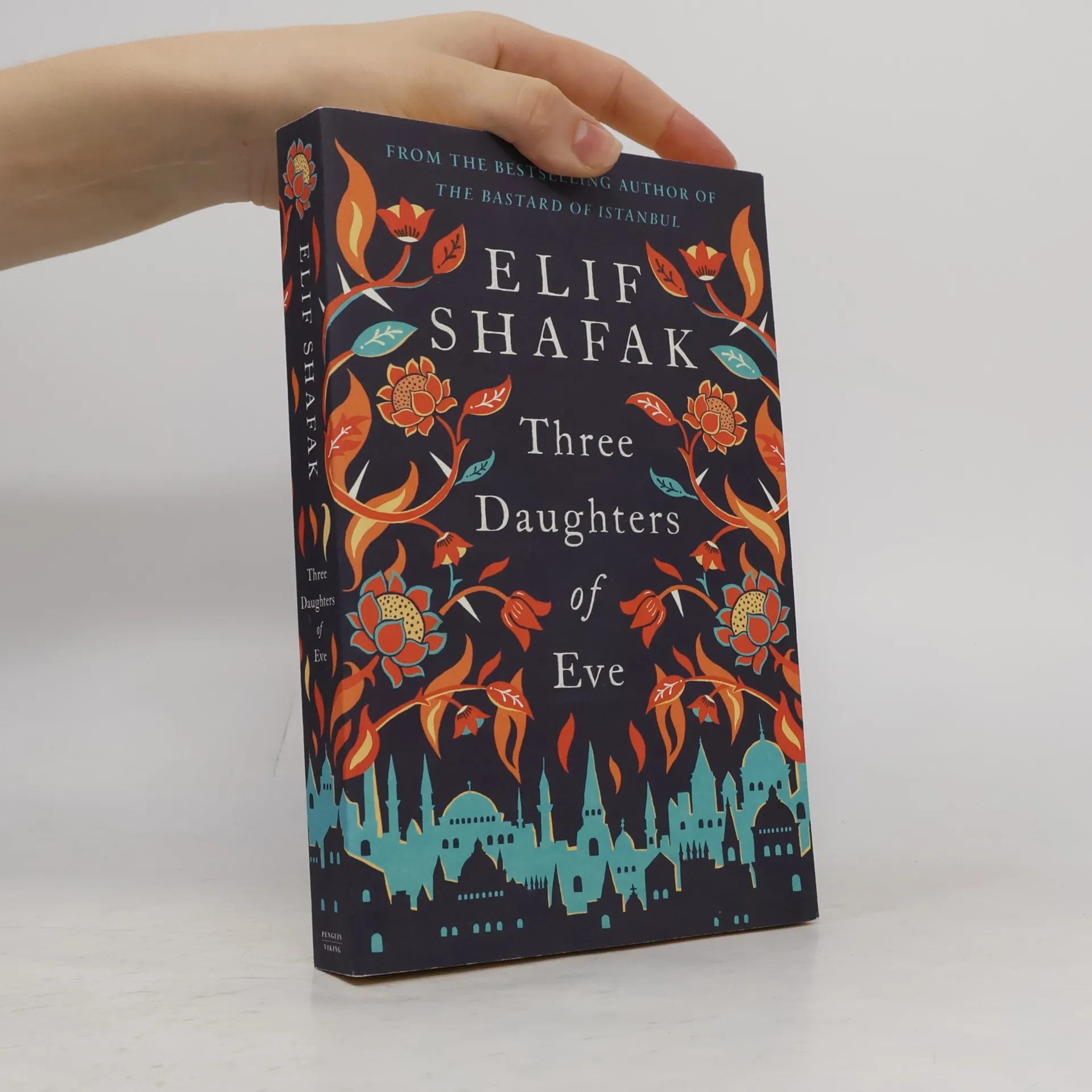
"Set across Istanbul and Oxford, from the 1980's to the present day,Three Daughters of Eveis a sweeping tale of faith and friendship, tradition and modernity, love and an unexpected betrayal. Peri, a wealthy Turkish housewife and mother, is on her way to a dinner party at a seaside mansion in Istanbul when a beggar snatches her handbag. As she wrestles to get it back, a photograph falls to the ground - an old polaroid of three young women and their university professor. A relic from a past - and a love Peri had tried desperately to forget. The photograph takes Peri back to Oxford University, as nineteen year old sent abroad for the first time. To her dazzling, rebellious Professor and his life-changing course on God. To the house she shareswith her two best friends, Shirin and Mona, and their arguments about identity, Islam and feminism. And finally, to the scandal that tore them all apart. Shirin, Peri and Mona, they were the most unlikely of friends. They were the Sinner, the Believer and the Confused."
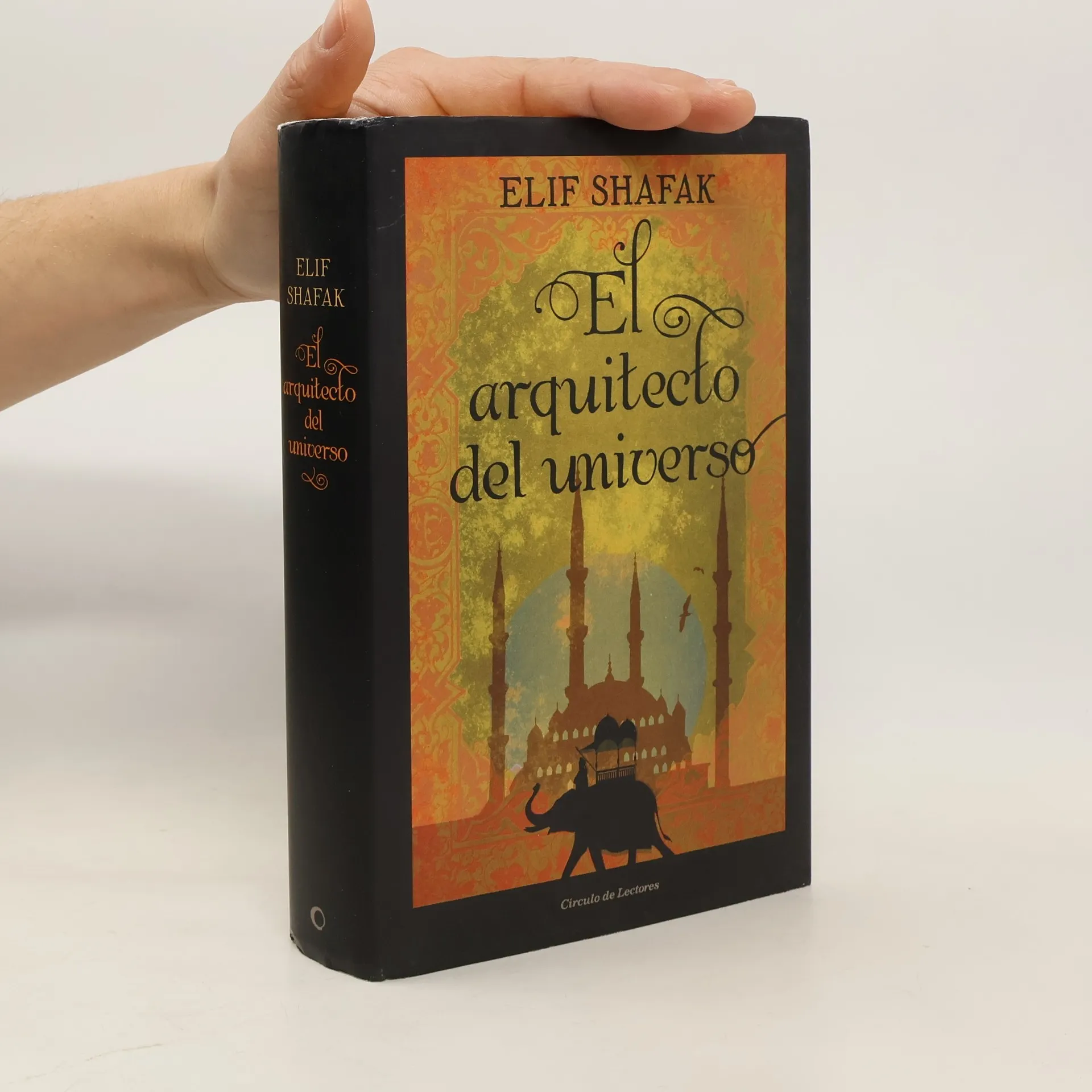
Istanbul, XVIe siècle. Le jeune Jahan débarque dans cette ville inconnue avec pour seul compagnon un magnifique éléphant blanc qu'il est chargé d'offrir au sultan Soliman le Magnifique. En chemin, il rencontrera des courtisans trompeurs et des faux amis, des gitans, des dompteurs d'animaux ainsi que la belle et espiègle Mihrimah. Il attirera bientôt l'attention de l'architecte royal, Sinan : une rencontre fortuite qui va changer le cours de son existence. Au coeur de l'Empire ottoman, quand Istanbul était le centre grouillant de la civilisation, L'architecte du sultan est un conte magique où l'on découvre le destin extraordinaire d'un garçon aux origines modestes qui se verra élevé au plus haut rang de la cour.
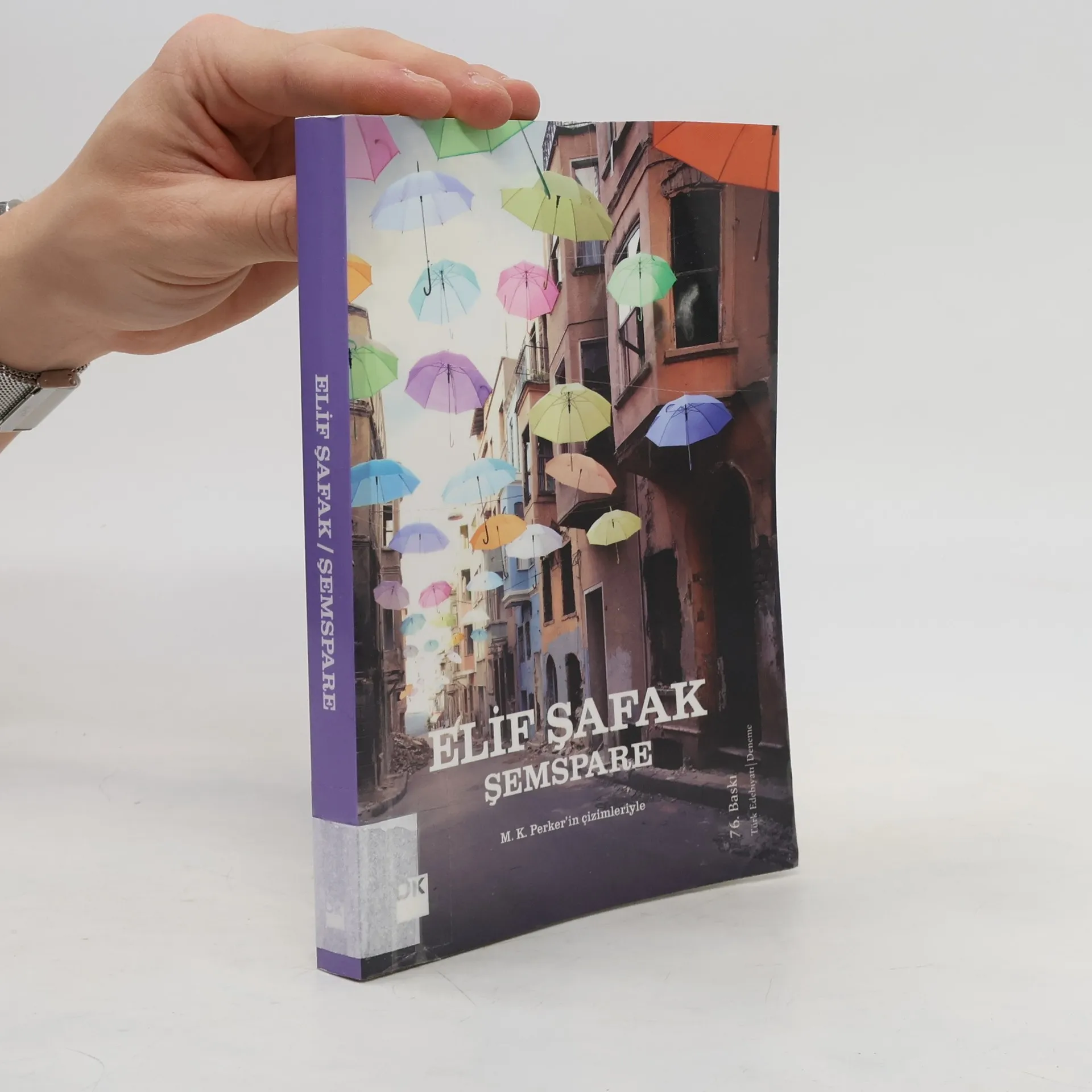
Kararır gökyüzü bazen; kasvetli bulutlar kaplar semayı. Hayatın ritmi durağanlaşır, sohbetler bildikleşir, içimizde birikir yalnızlık hissi. Nasıl özleriz güneşi o zaman, griler içinde aradığımız bir tutam renk demeti. Peri tozu gibi, inceden. Gönülden yazılmış her roman, her hikâye, her kelime bir şemsparedir... Güneş parçası... Düşer omuzlarımıza, kar tanesi gibi usulca, yağmur gibi yıkar ruhumuzu, arındırır tozdan kirden tekdüzeliklerden...
Tadına doyulmaz, kimi zaman kışkırtıcı, kimi zaman sakinleştirici ama ruhu hep özgür kalan yazılar.... İnsan ki eşrefi mahlukattır, içindeki semavi özü keşfetmekle yükümlüdür. Çıkacaksın yollara, kendine doğru git gidebildiğin kadar. Keşif boynumuzun borcudur. Kendimizi keşfetmek, aşkı keşfetmek, dünyayı keşfetmek, Ötekini keşfetmek... (…) Çakılı kalmamak sırf alışkanlıklardan ötürü demir attığın koylara. Çıkmak oralardan, geçmek dalgakıranların beri tarafına, bilmediğin memleketlere varmak, tatmadığın yemekler yemek, sözlerini anlamadığın şarkılarla içlenmek, risk almak, dağılmak ve parçalanmak ve hasret çekmek buram buram, gurbetin tadına bakmak ve kendini yabancının gözünden görmek, şaşırmak yeniden, şaşırmak bir çocuk gibi dünyanın hallerine, çeşitliliğine, güzelliğine, acımasızlıklarına... şaşırmak ölene kadar... şaşırma kabiliyetini hiç yitirmemek... budur son tahlilde Âdemoğullarına, Havvakızlarına kendilerini keşfettirten serüven.
« Ma mère est morte deux fois. » C'est par ces mots qu'Esma, jeune femme kurde, commence le récit de l'histoire de sa famille née sur les rives de l'Euphrate et émigrée à Londres en 1970. L'histoire, d'abord, de sa grand-mère dans le village de Mala Çar Bayan, désespérée de ne mettre au monde que des filles, elle qui sait combien la vie ne les épargnera pas. L'histoire de sa mère, Pembe la superstitieuse, et de sa tante, Jamila la guérisseuse, soeurs jumelles aux destins très différents. L'histoire des hommes aussi, celle de son père, tour à tour aimant, violent, fuyant, et celle de ses frères, Yunus le rêveur, et Iskender. Iskender, l'enfant chéri de sa mère, la « prunelle de ses yeux », son sultan. Son meurtrier. Enfin, l'histoire de ces immigrés qui ont choisi l'exil pour vivre de miracles et croire aux mirages, qui ont choisi la liberté et l'amour quand d'autres restent ancrés dans les traditions et portent au pinacle l'honneur d'une famille.
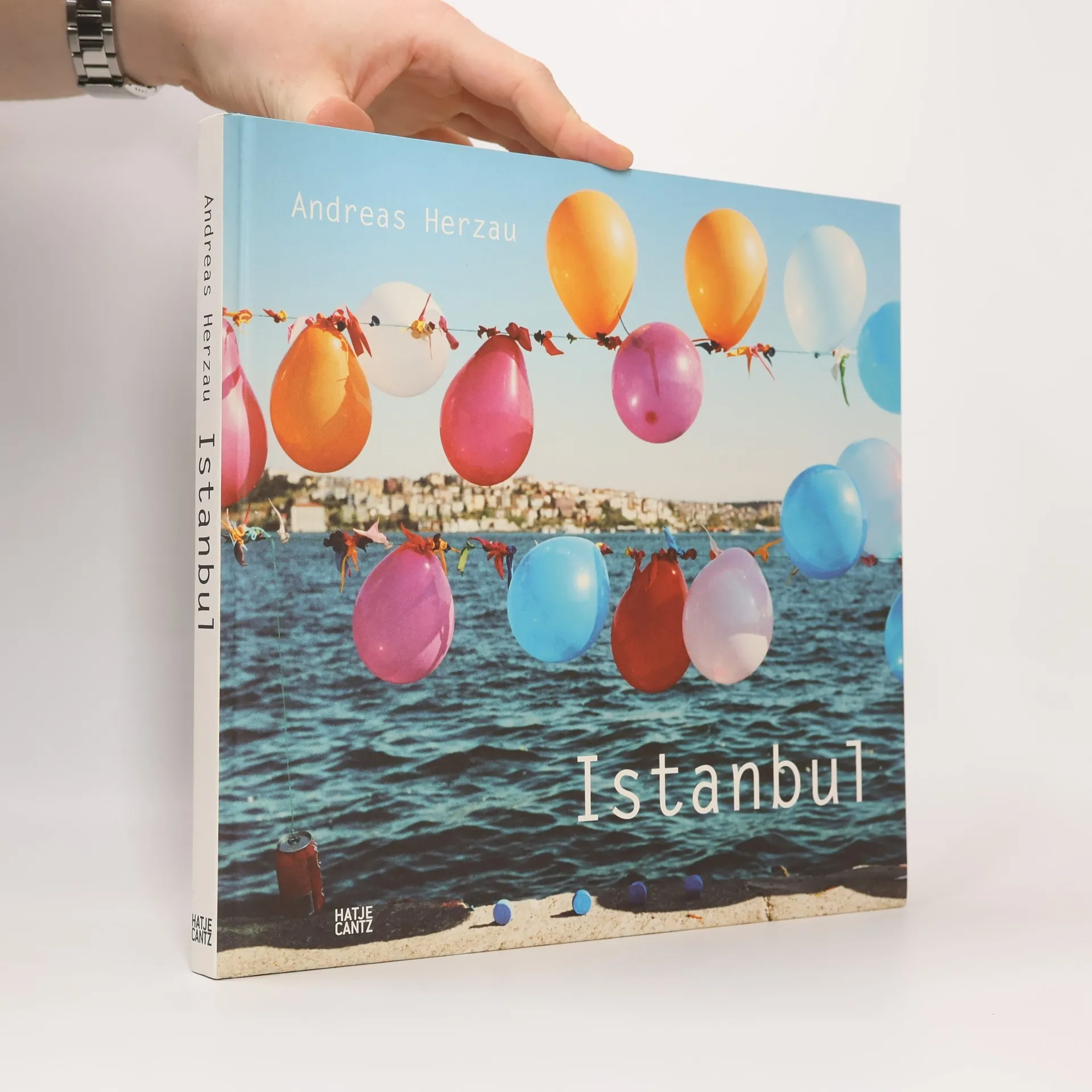
With an essay by renowned Turkish author Elif Safak.The debate surrounding Turkey’s potential membership in the European Union prompted Andreas Herzau to take a closer look at this country. Istanbul is situated at the border between Europe and Asia, and it was there that he found a concentrate of the challenges facing Turkey today. Yet the city also displays the opportunities that are open to the country as a whole. Herzau’s images capture precisely the many facets of the Turkish port: workers being ferried from one continent to the other, Muslims at prayer, people window shopping and looking at fashion advertising. Working with the genre of street photography, the photographer discovers the city on foot—watching, walking, and waiting until the pictures find him. In this way, the photographer creates spontaneous snapshots of public life. And since people from all walks of life are encountered on the street, the photographs reveal much about present-day conditions and a life between tradition and modernity.
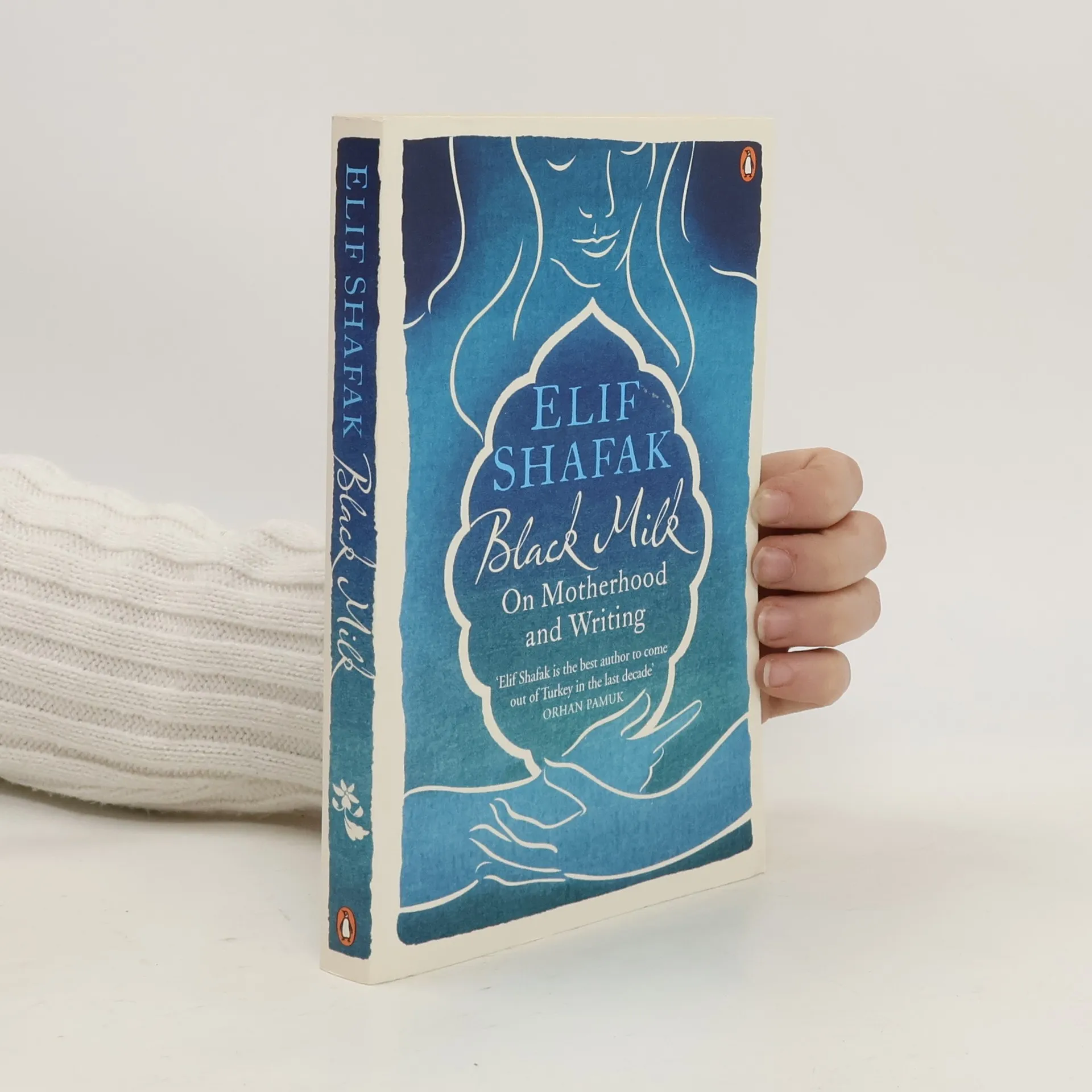
The author recounts her effort to balance her writing career and her parenting responsibilities, describing her battle with postpartum depression, her views on prominent women authors, and the many roles she embraced throughout her journey.
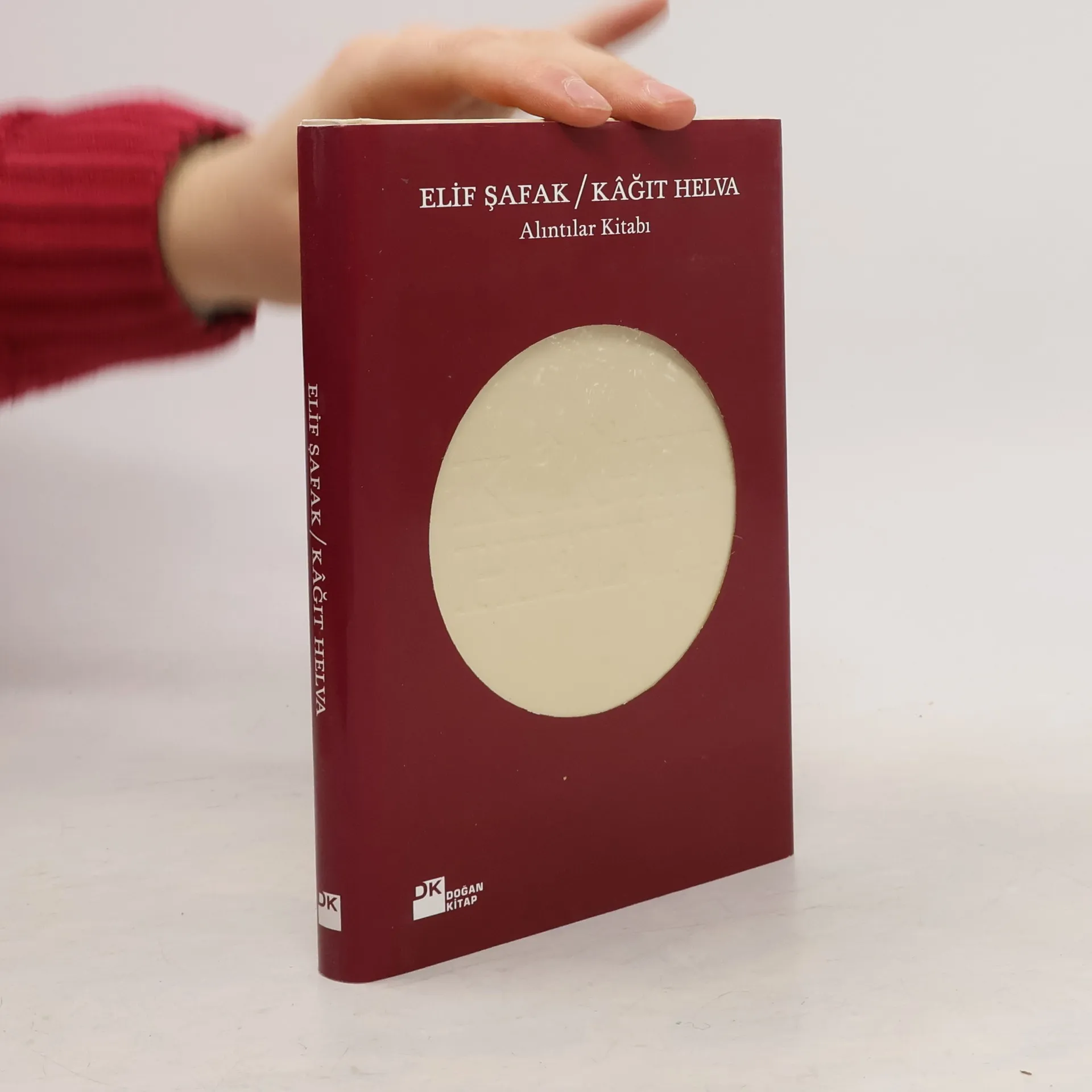
(...) Derken o yolculukta bir an geliyor, durup geriye bakma gereği duyuyorum. Geçtiğim yolları, uğradığım durakları, güzergah boyu karşılaştıklarımı anımsıyorum. Bu kitap dünden bugüne yazdıklarımdan ufacık bir seçkidir. Bir alıntılar kitabı. Karın doyursun diye değil, tadımlık niyetine. Kağıdın üzerine konmuş birkaç tatlı kelam. Kağıt Helva...
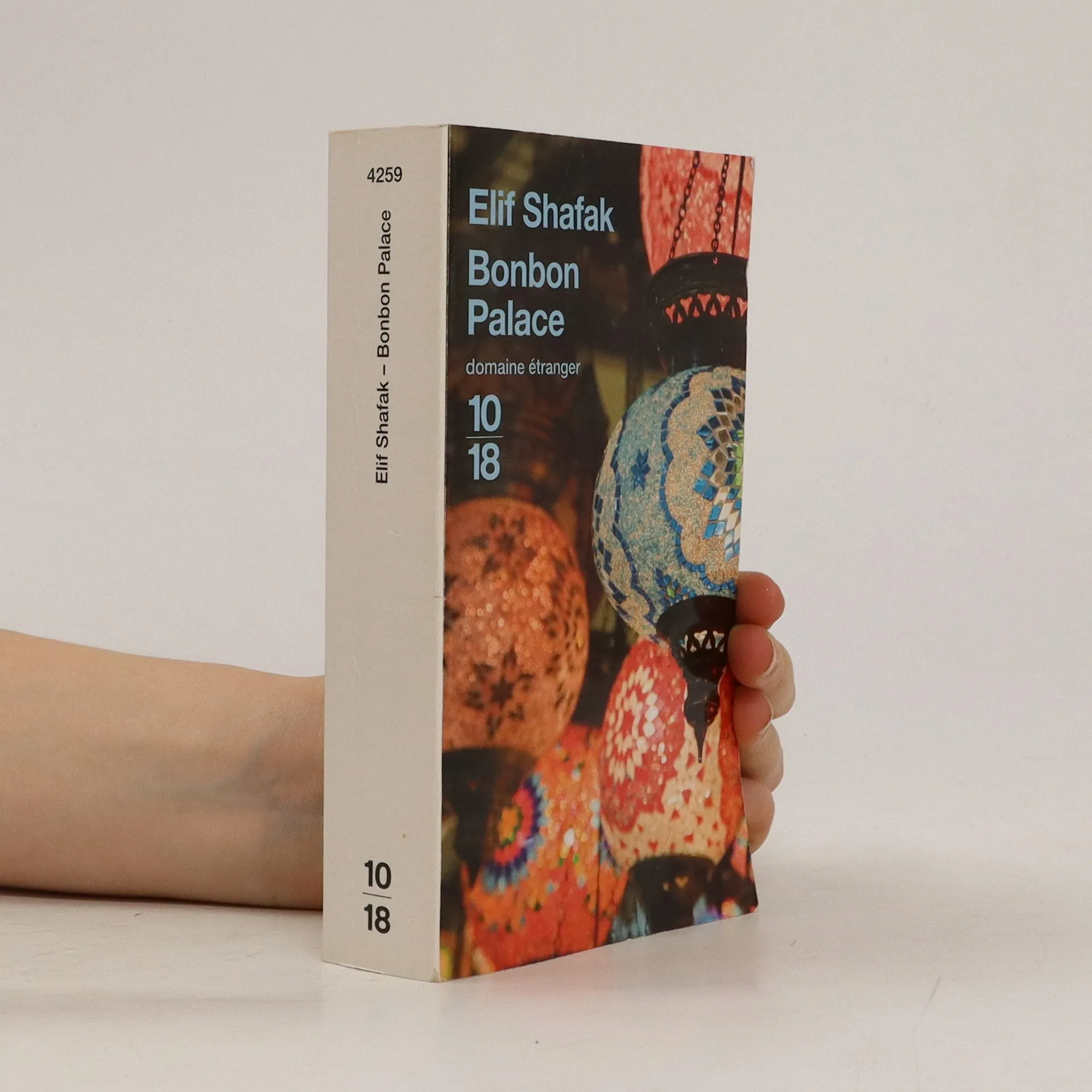
Bienvenue à Bonbon Palace ! Jadis bâti par un riche Russe pour son épouse dépressive dont le regard vide ne s'allumait plus qu'à la vue de friandises, cet immeuble d'Istanbul semblait promis à un avenir paisible... Pourtant, si l'édifice a gardé son élégance d'antan, il est aujourd'hui infesté par la vermine et les ordures, au grand dam de ses habitants. Et les coups de sang ne sont pas rares à Bonbon Palace ! Appartements après appartements, le numéro 8 de la rue Jurnal se fait le témoin des vicissitudes de ses occupants : le religieux gérant Hadji Hadji ; la desperate housewife Nadja ; la cafardeuse Maîtresse bleue ; ou encore les jumeaux coiffeurs Djemal et Djelal.... Après La Bâtarde d'Istanbul, Elif Shafak, conteuse hors pair, s'empare des contrastes de la société turque contemporaine pour composer une inoubliable galerie de portraits.
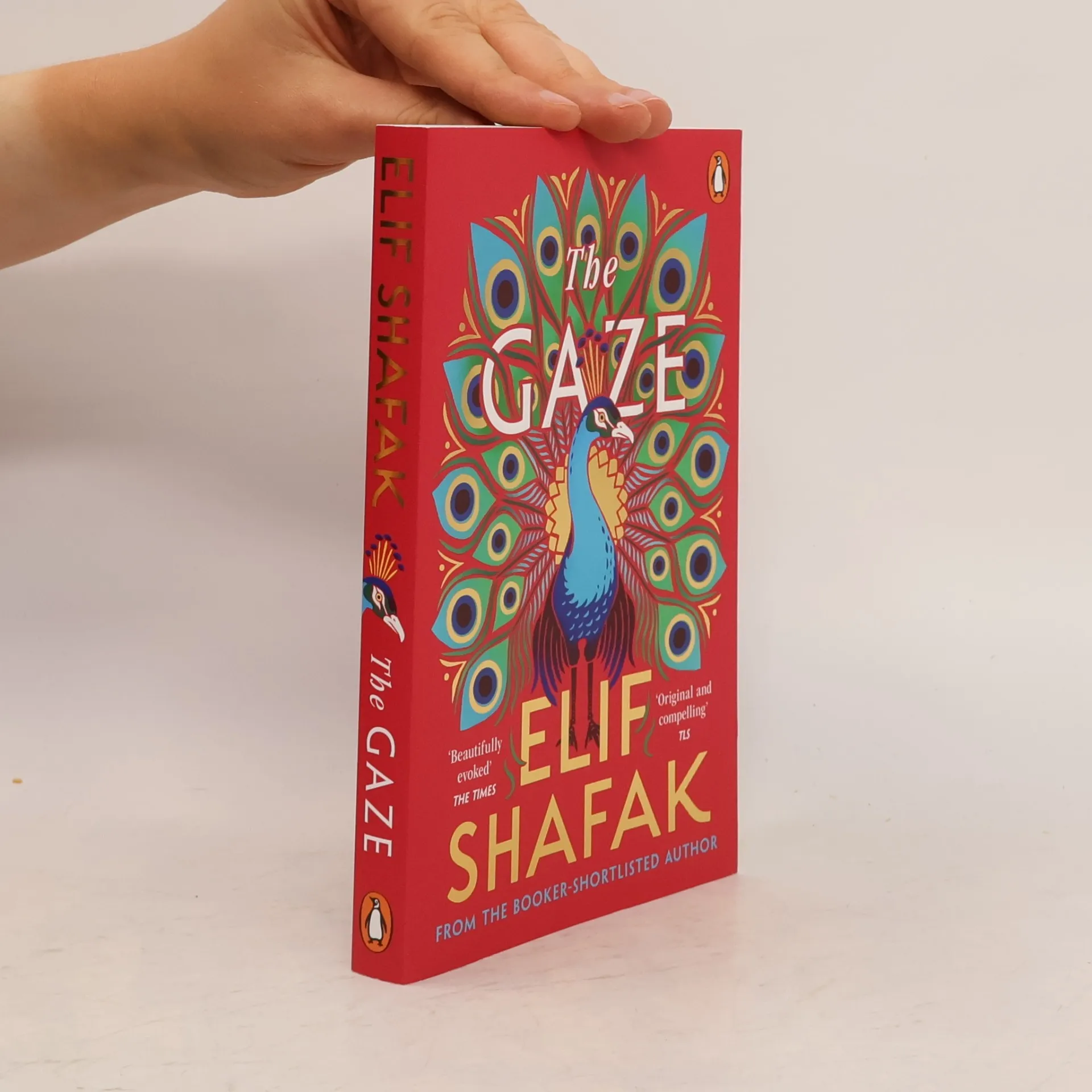
From award-winning writer Elif Shafak, the Orange Prize long-listed author of The Forty Rules of Love and The Architect's Apprentice, The Gaze is a humorous and carnivalesque exploration of what it means to look and be looked at... An obese woman and her lover, a dwarf, are sick of being stared at wherever they go and so decide to reverse roles. The man goes out wearing make-up and the woman draws a moustache on her face. This elegant, unforgettable novel explores our desire to look at others. 'Beautifully evoked' The Times 'Original and compelling' TLS
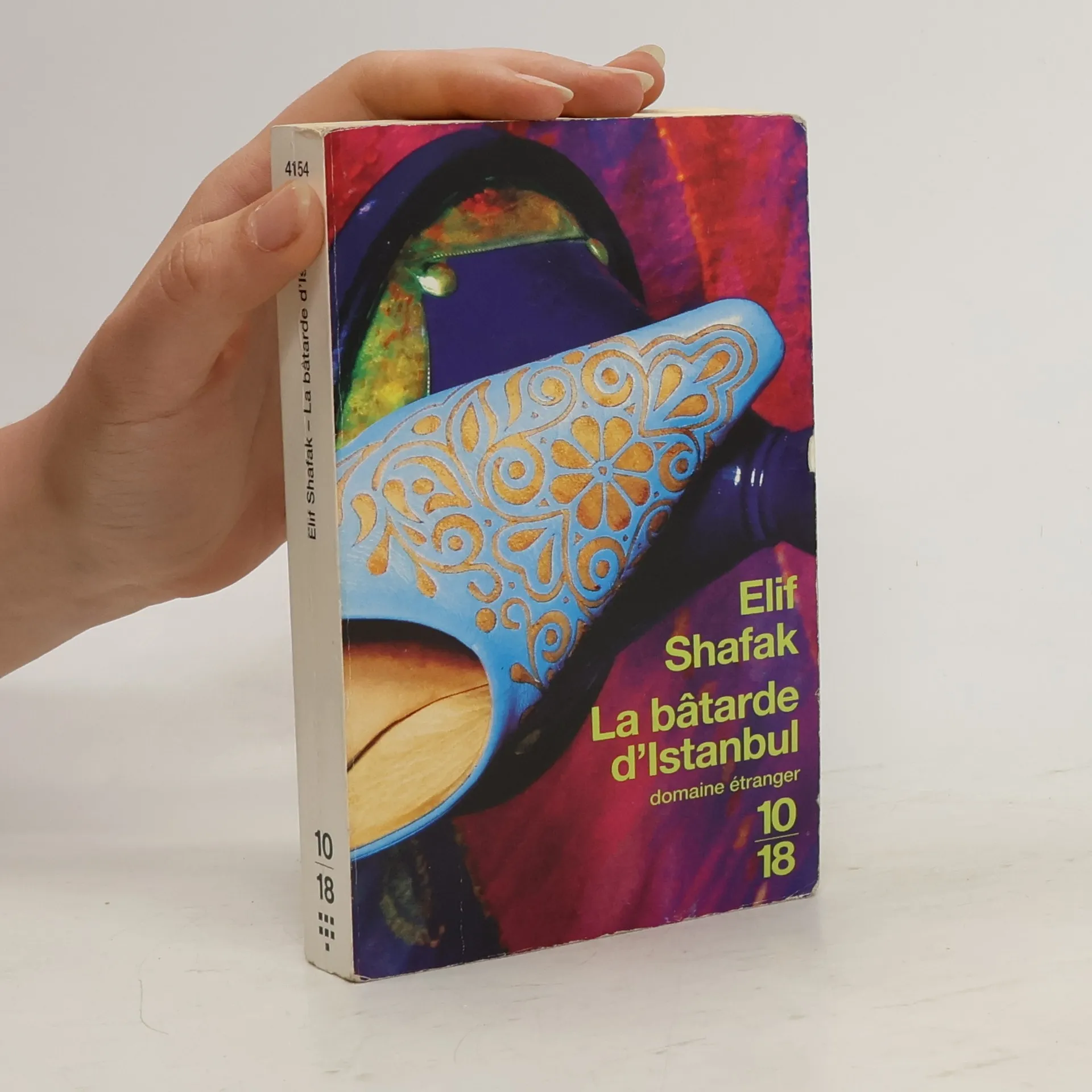
A la fin des années 1990, chez les Kazanci, famille turque d'Istanbul, les femmes sont de grandes amoureuses, tandis que les hommes ne vivent pas vieux. Chez les Tchakhmakhchian, installés à San Francisco, Rose abandonne son époux et se remarie avec un Turc. Armanouch, sa fille, se rend à Istanbul et rencontre Asya, la plus jeune des Kazanci, la bâtarde. Peu à peu des secrets se révèlent.
Freundschaft und Liebe, Tradition und Veränderung, Sprache und Nationalität im Schmelztiegel des modernen Amerika. Wenn Omar eines in den wenigen Monaten in Boston gelernt hat, dann dies: Amerikaner lieben es, wenn sie Namen aussprechen können. Den Namen von jemand anderem zu lernen heißt, einen Teil seiner Existenz zu verstehen. Und so hat sich Ömer in Omar verwandelt, ist in eine WG mit Abed und Piyu gezogen und hat sich Hals über Kopf in die ausschweifende Amerikanerin Gail verliebt. Was Gail und Omar vereint, ist das Gefühl, nur in ihrer Beziehung sie selbst sein zu können. Auch wenn ihre Vorstellung vom amerikanischen Traum nicht dieselbe ist ... »Die Heilige des nahenden Irrsinns« – der erste Roman, den Elif Shafak auf Englisch geschrieben hat – fasziniert mit all den Themen, die ihr gesamtes Werk prägen: Identität, Kultur und Sprache.
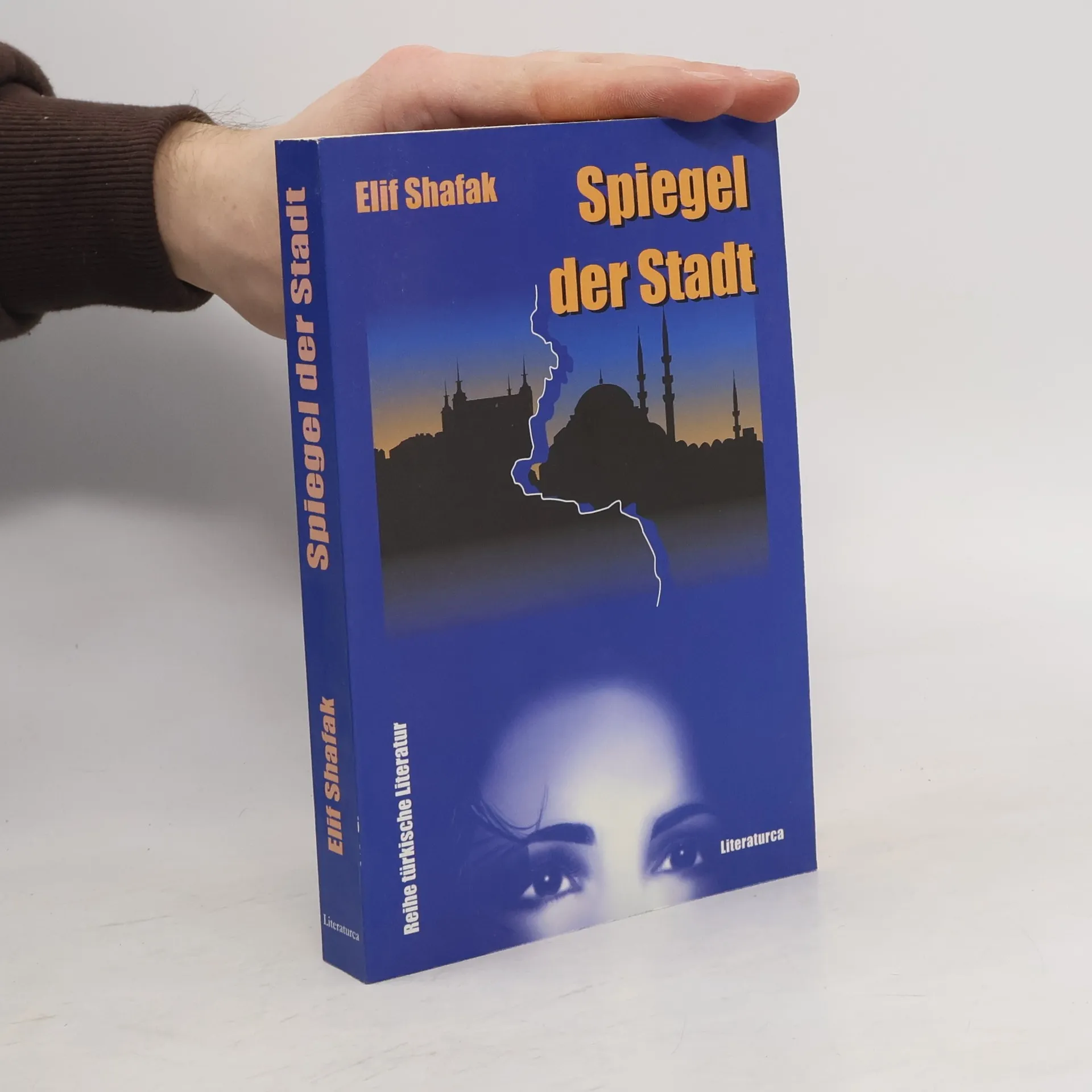
Spiegel der Stadt ist ein fesselnder historischer Roman von Elif Shafak, der den Leser durch ein ernstes Thema unterhält. Die Handlung beginnt im Spanien der Inquisition im 17. Jahrhundert und erstreckt sich über Italien bis ins Osmanische Reich. Die jüdischstämmige Familie Pereira wird von der Inquisition verfolgt, wobei Neid der Auslöser für ihre Verfolgung ist. Eine verbotene Liebe dient als Vorwand für die nächtliche Verhaftung durch die Inquisitoren. Kurz vor der Katastrophe, dem Verbrennen auf dem Scheiterhaufen, gelingt es zwei Familienmitgliedern, nach Istanbul zu fliehen, wo sie eine neue Heimat unter den Sepharden finden. Im Mittelpunkt stehen große Gefühle, insbesondere die leidenschaftliche Liebe zwischen Isabel und Miguel, die die historische Realität greifbar machen. Gleichzeitig bietet der Roman einen realistischen Blick auf oft vergessene Dimensionen einer dunklen Phase der europäischen Geschichte. Die Aktualität des Werkes wird durch die Thematisierung der Beziehungen zwischen Judentum, Christentum und Islam verstärkt, die eine andere Vergangenheit aufweisen, als sie in der heutigen politischen und medialen Darstellung vermittelt wird. Shafak hinterfragt auch die exotischen Vorstellungen des "Orients" und karikiert dabei subtil bekannte türkische Schriftsteller.
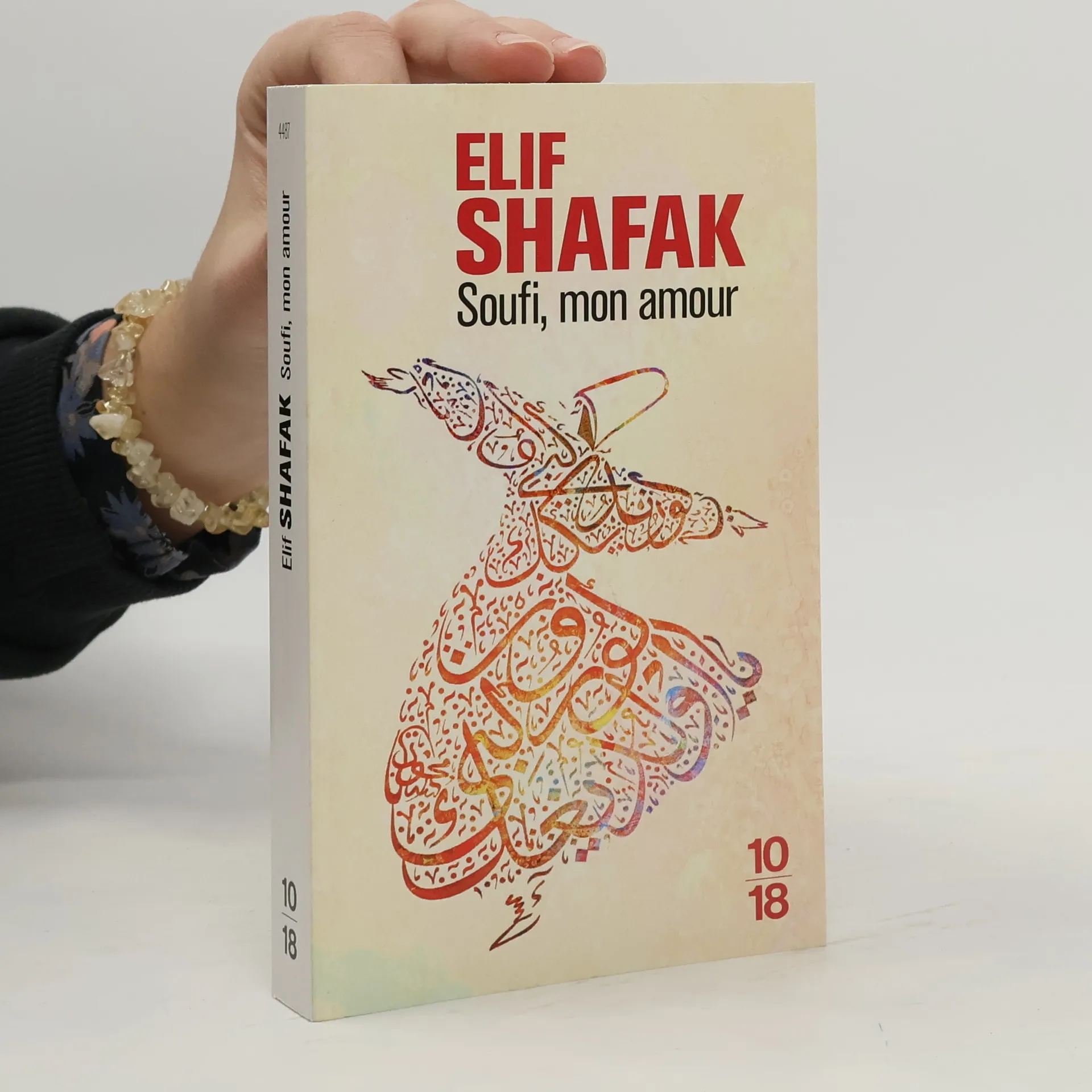
Ella Rubinstein a en apparence tout pour être heureuse : une jolie maison dans le Massachusetts, trois beaux enfants, un chien fidèle. Mais, à l'aube de ses quarante ans, elle se demande si elle n'est pas passée à côté d'elle-même. Les infidélités de son mari ne sont plus un mystère et les cours de cuisine du jeudi ne suffisent pas à exalter sa vie monotone. Décidée à reprendre une activité professionnelle, elle est engagée comme lectrice par un agent littéraire. Sa première mission : rédiger une note sur un manuscrit signé par Aziz Z Zahara. Ce roman, qui retrace la rencontre entre le poète Rûmi et le plus célèbre derviche du monde musulman, Shams de Tabriz, va être une révélation pour Ella. Au fil des pages, elle découvre le soufisme, le refus des conventions et la splendeur de l'amour. Cette histoire se révèle être le miroir de la sienne. Aziz - comme Shams l'a fait pour Rûmi sept siècles auparavant - serait-il venu la libérer ?