
Bookbot

Christopher Hitchens

    13 avril 1949 – 15 décembre 2011

    Christopher Hitchens était un polémiste et un intellectuel dont l'écriture se caractérisait par une analyse incisive et un style intransigeant. Bien qu'initialement aligné sur la gauche radicale, ses opinions ont évolué avec le temps, entraînant des changements notables dans ses positions politiques. Il a défendu les valeurs des Lumières telles que le sécularisme, l'humanisme et la raison, tout en critiquant férocement les dogmes religieux et les personnalités politiques qu'il jugeait nuisibles. Sa production littéraire continue d'être célébrée pour sa rigueur intellectuelle et son examen audacieux des vérités établies.

    Christopher Hitchens
    Thomas Paine's Rights of Man
    Mortality
    Arguably
    Arguably: Essays
    For the Sake of Argument
    Vanity Fair Portraits
    • Vanity Fair Portraits

      • 255pages
      • 9 heures de lecture
      4,4(5)Évaluer

      'Vanity Fair Portraits' traces the cultural history of the 20th century and its leading personalities in the pages of a magazine that helped usher in the modern age and which has itself become a benchmark of modern achievement.

      Vanity Fair Portraits
    • Ten years since the death of the world-renowned and controversial intellectual, this stylish edition is one of twelve commemorating Christopher Hitchens' most wry and provocative works.

      For the Sake of Argument
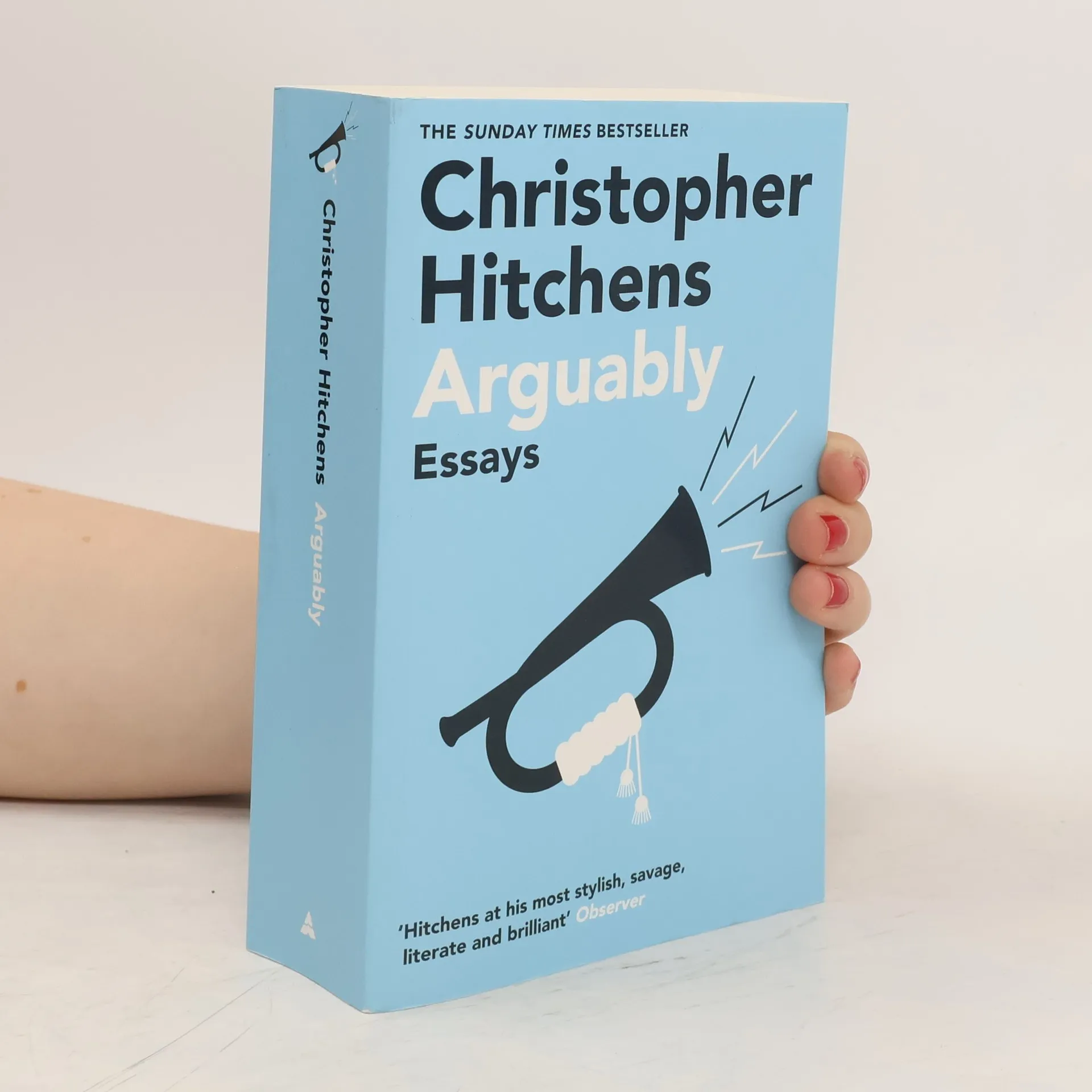
    • Arguably: Essays

      • 788pages
      • 28 heures de lecture
      4,3(320)Évaluer

      Essayist Christopher Hitchens ruminates on why Charles Dickens was among the best of writers and the worst of men, the haunting science fiction of J.G. Ballard, the enduring legacies of Thomas Jefferson and George Orwell, the persistent agonies of anti-Semitism and jihad, the enduring relevance of Karl Marx, and how politics justifies itself by culture--and how the latter prompts the former.

      Arguably: Essays
    • @font-face { font-family: "Cambria"; }p.MsoNormal, li.MsoNormal, div.MsoNormal { margin: 0in 0in 0.0001pt; font-size: 12pt; font-family: "Times New Roman"; }div.Section1 { page: Section1; } "All first-rate criticism first defines what we are confronting," the late, great jazz critic Whitney Balliett once wrote. By that measure, the essays of Christopher Hitchens are in the first tier. For nearly four decades, Hitchens has been telling us, in pitch-perfect prose, what we confront when we grapple with first principles-the principles of reason and tolerance and skepticism that define and inform the foundations of our civilization-principles that, to endure, must be defended anew by every generation. "A short list of the greatest living conversationalists in English," said The Economist, "would probably have to include Christopher Hitchens, Sir Patrick Leigh-Fermor, and Sir Tom Stoppard. Great brilliance, fantastic powers of recall, and quick wit are clearly valuable in sustaining conversation at these cosmic levels. Charm may be helpful, too." Hitchens-who staunchly declines all offers of knighthood-hereby invites you to take a seat at a democratic conversation, to be engaged, and to be reasoned with. His knowledge is formidable, an encyclopedic treasure, and yet one has the feeling, reading him, of hearing a person thinking out loud, following the inexorable logic of his thought, wherever it might lead, unafraid to expose fraudulence, denounce injustice, and excoriate hypocrisy. Legions of readers, admirers and detractors alike, have learned to read Hitchens with something approaching awe at his felicity of language, the oxygen in every sentence, the enviable wit and his readiness, even eagerness, to fight a foe or mount the ramparts. Here, he supplies fresh perceptions of such figures as varied as Charles Dickens, Karl Marx, Rebecca West, George Orwell, J.G. Ballard, and Philip Larkin are matched in brilliance by his pungent discussions and intrepid observations, gathered from a lifetime of traveling and reporting from such destinations as Iran, China, and Pakistan. Hitchens's directness, elegance, lightly carried erudition, critical and psychological insight, humor, and sympathy-applied as they are here to a dazzling variety of subjects-all set a standard for the essayist that has rarely been matched in our time. What emerges from this indispensable volume is an intellectual self-portrait of a writer with an exemplary steadiness of purpose and a love affair with the delights and seductions of the English language, a man anchored in a profound and humane vision of the human longing for reason and justice.

      Arguably
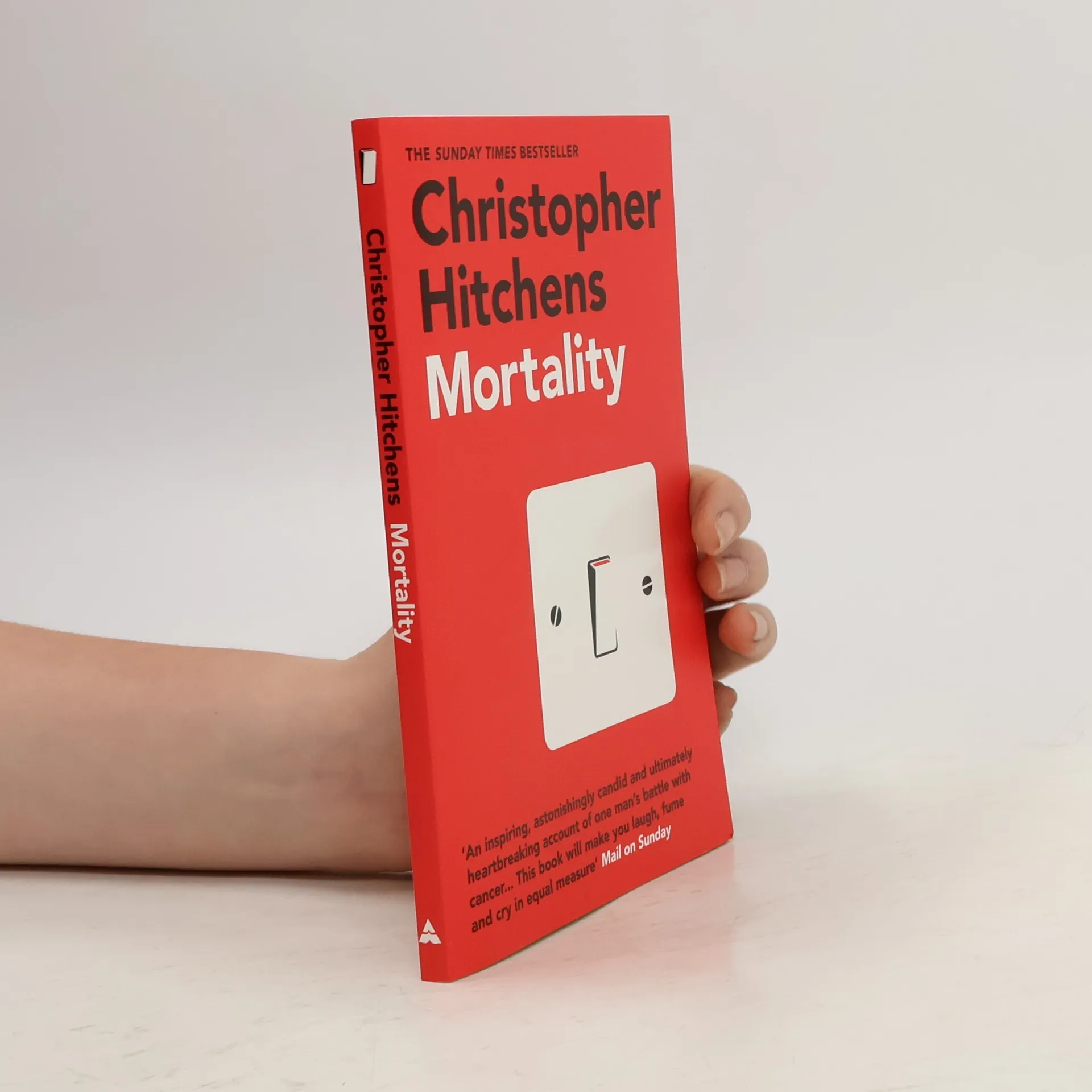
    • "Courageous, insightful and candid thoughts on malady and mortality from one of our most celebrated writers"--Provided by the publisher.

      Mortality
    • Thomas Paine's Rights of Man

      • 320pages
      • 12 heures de lecture
      4,2(90)Évaluer

      Thomas Paine's "Rights of Man" has been celebrated, criticized, maligned, suppressed, and co-opted, but Hitchens marvels at its forethought and revels in its contentiousness. In this book, he demonstrates how Paine's book forms the philosophical cornerstone of the U.S.

      Thomas Paine's Rights of Man
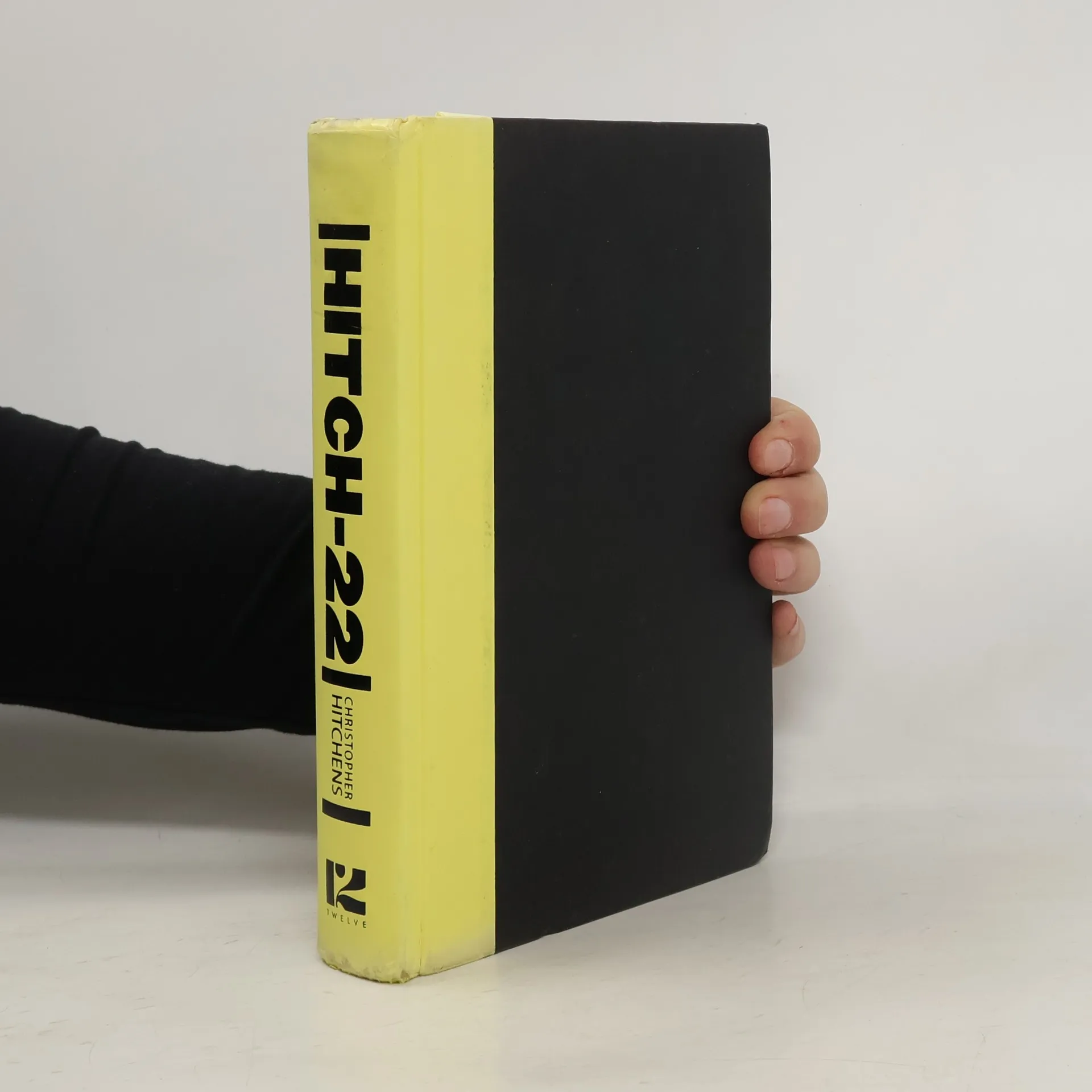
    • Over the course of his 60 years, Christopher Hitchens has been a citizen of both the United States and the United Kingdom. He has been both a socialist opposed to the war in Vietnam and a supporter of the U.S. war against Islamic extremism in Iraq. He has been both a foreign correspondent in some of the world's most dangerous places and a legendary bon vivant with an unquenchable thirst for alcohol and literature. He is a fervent atheist, raised as a Christian, by a mother whose Jewish heritage was not revealed to him until her suicide. In other words, Christopher Hitchens contains multitudes. He sees all sides of an argument. And he believes the personal is political. This is the story of his life, lived large.

      Hitch-22
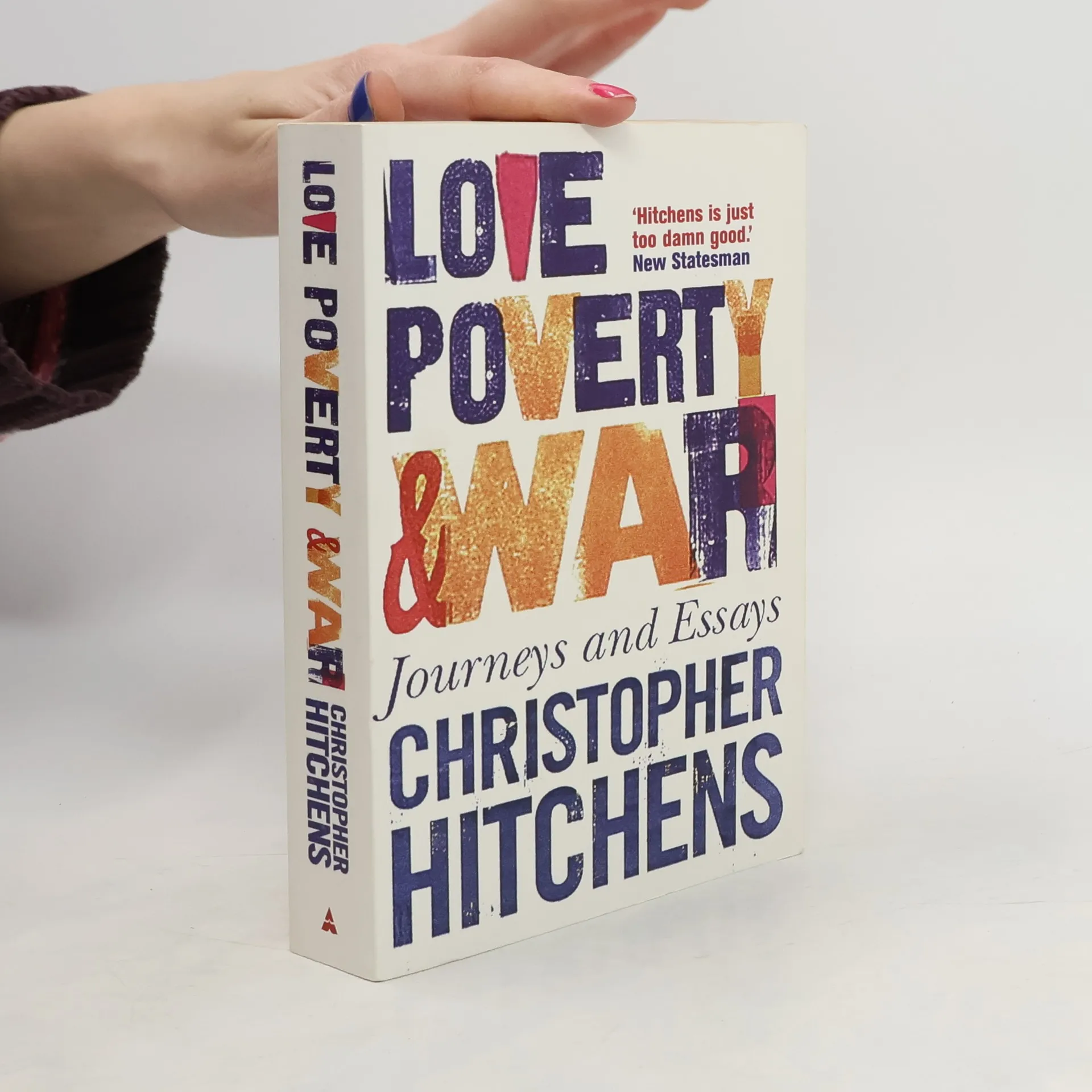
    • Features three sections: 'Love', 'Poverty', and 'War'. 'Love' celebrates the work of Joyce, Proust and Borges. 'Poverty' includes a series of assessments of Michael Moore and the cult of the Kennedys. This book's final section, 'War', contains reportage from North Korea, Pakistan and Iraq.

      Love, Poverty and War - Journeys and Essays
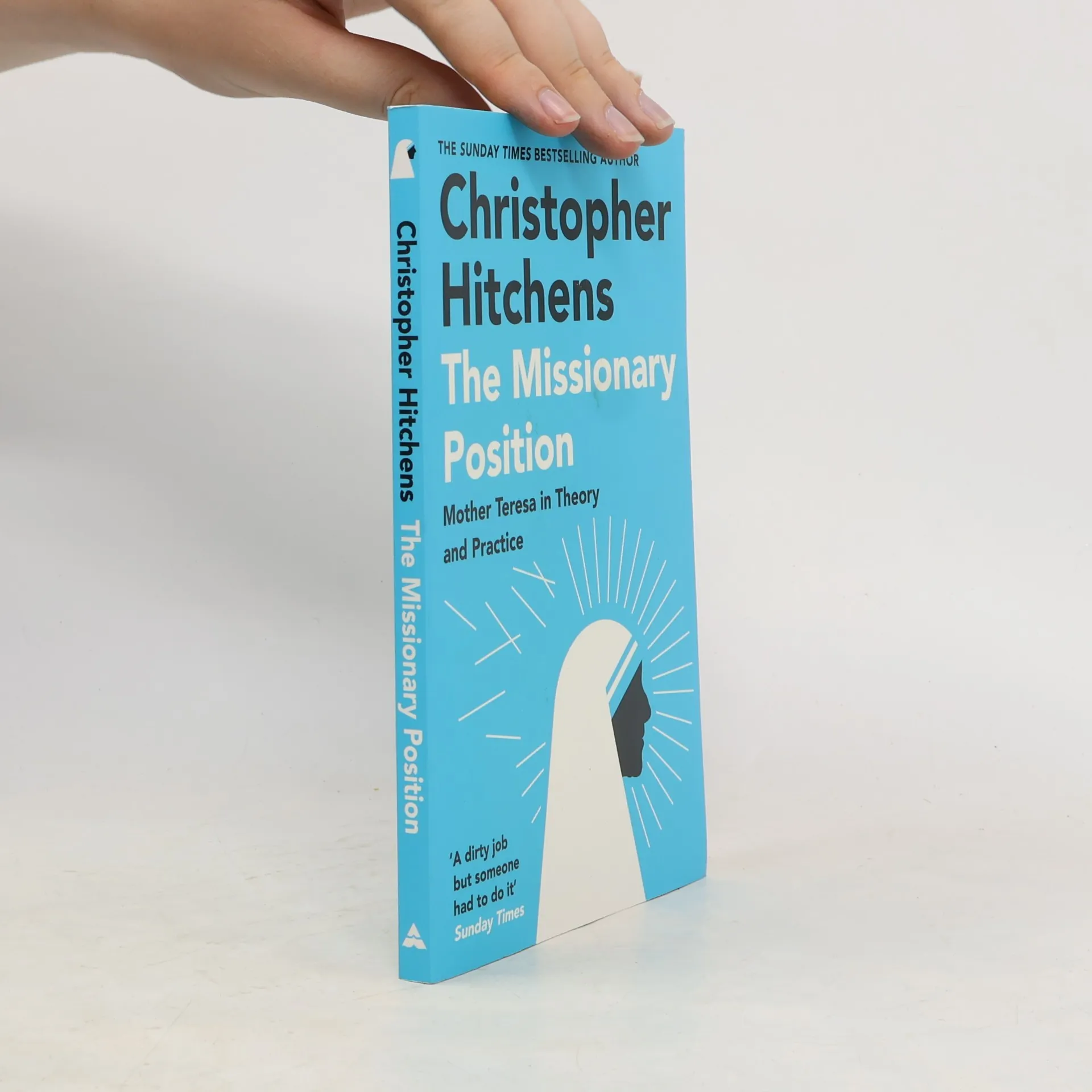
    • Ten years since the death of the world-renowned and controversial intellectual, this stylish edition is one of twelve commemorating Christopher Hitchens' most wry and provocative works.

      The Missionary Position
    • Letters to a Young Contrarian

      • 141pages
      • 5 heures de lecture
      4,2(10714)Évaluer

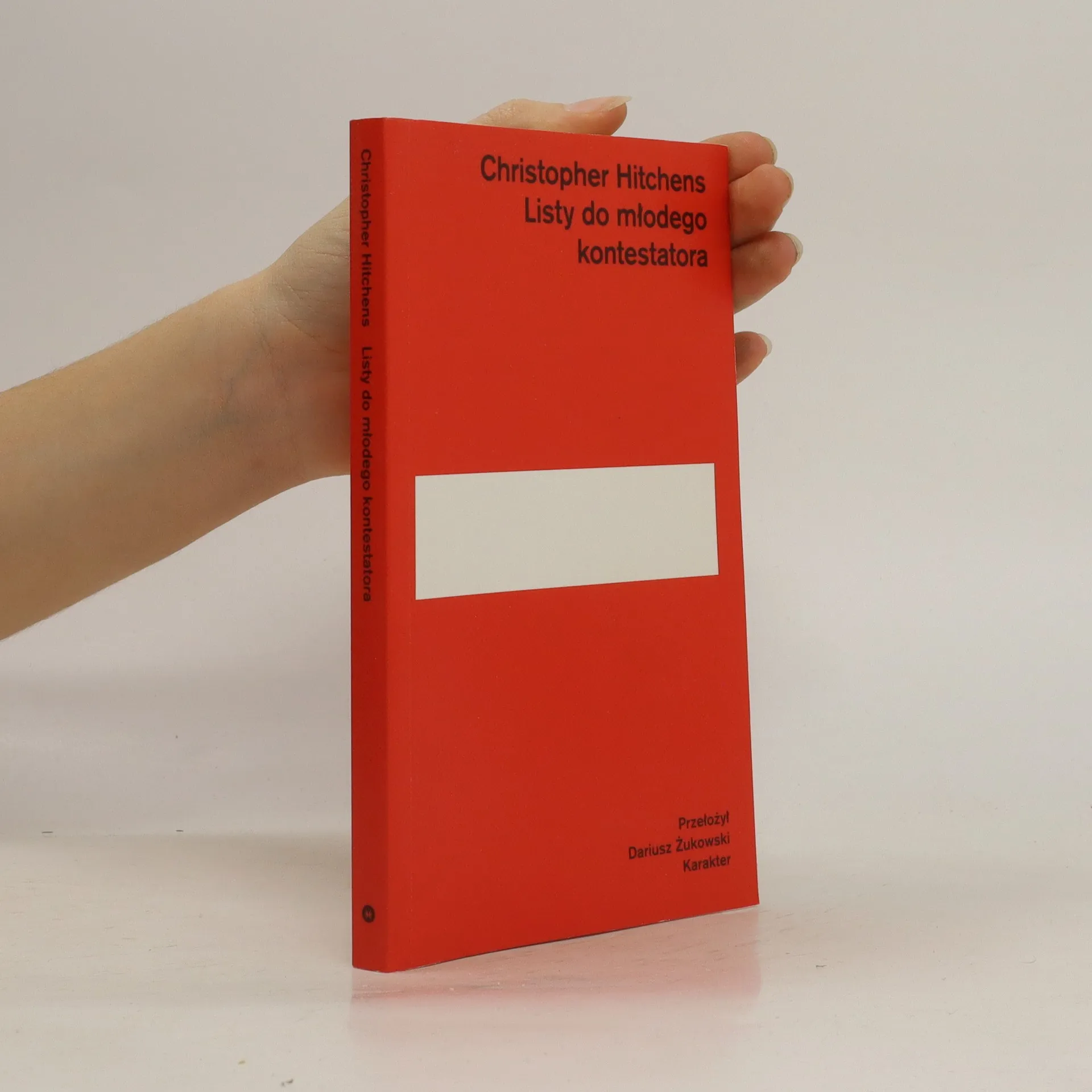
      In the book that he was born to write, provocateur and best-selling author Christopher Hitchens inspires future generations of radicals, gadflies, mavericks, rebels, angry young (wo)men, and dissidents. Who better to speak to that person who finds him or herself in a contrarian position than Hitchens, who has made a career of disagreeing in profound and entertaining ways.This book explores the entire range of "contrary positions"-from noble dissident to gratuitous pain in the butt. In an age of overly polite debate bending over backward to reach a happy consensus within an increasingly centrist political dialogue, Hitchens pointedly pitches himself in contrast. He bemoans the loss of the skills of dialectical thinking evident in contemporary society. He understands the importance of disagreement-to personal integrity, to informed discussion, to true progress-heck, to democracy itself. Epigrammatic, spunky, witty, in your face, timeless and timely, this book is everything you would expect from a mentoring contrarian.

      Letters to a Young Contrarian