
Bookbot

R. B. Greenblatt

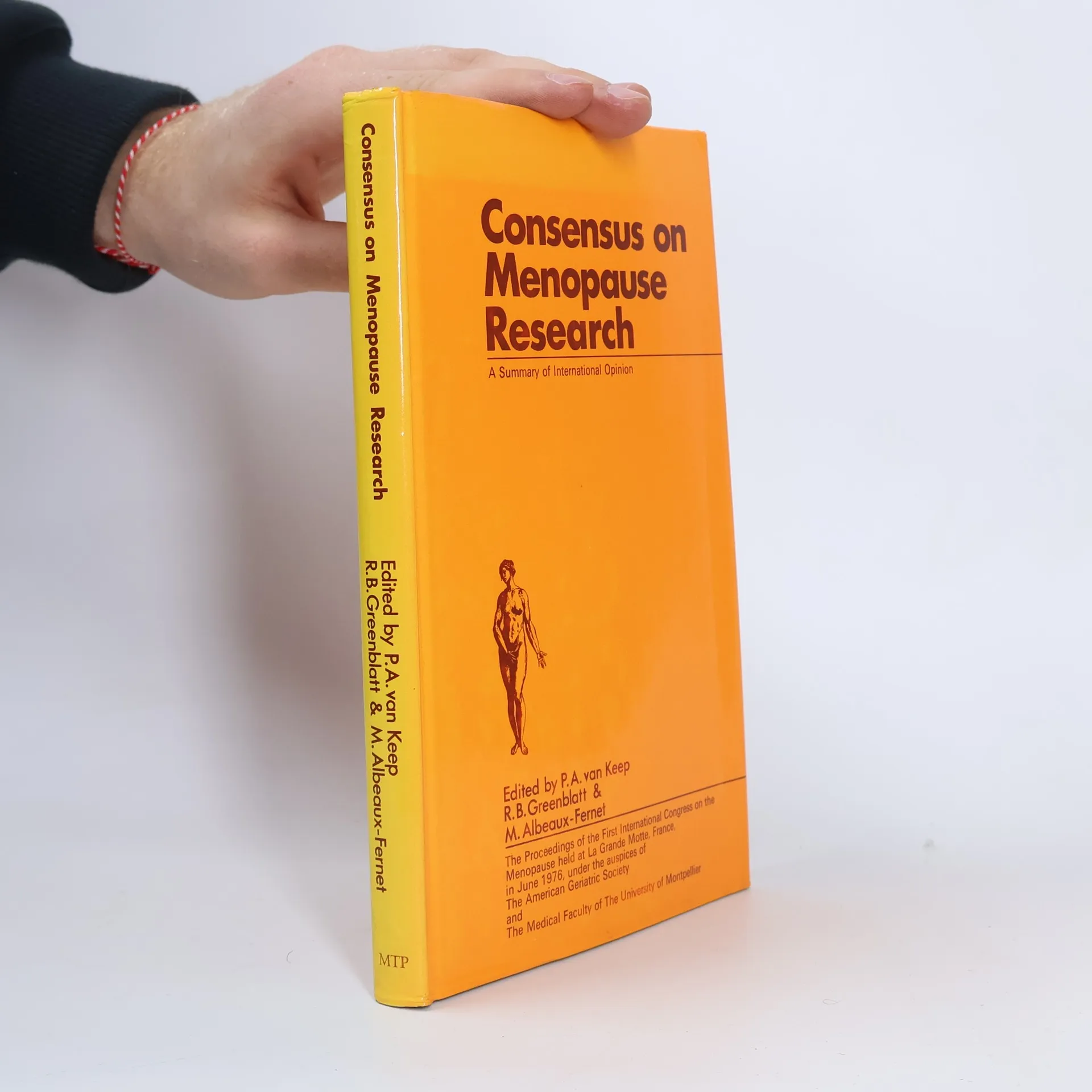
    Consensus on Menopause Research
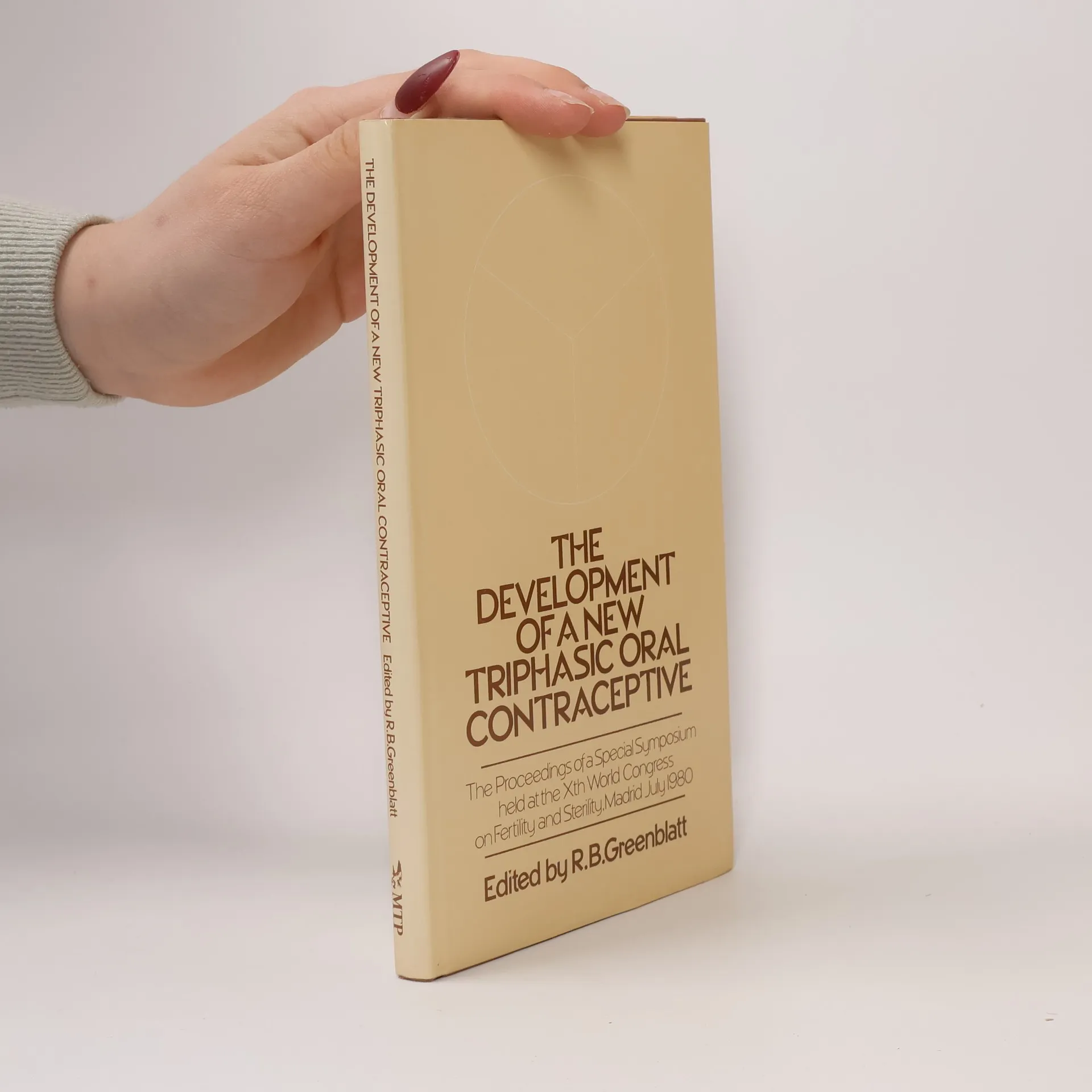
    The Development of a New Triphasic Oral Contraceptive
    • The Development of a New Triphasic Oral Contraceptive

      The Proceedings of a Special Symposium held at the 10th World Congress on Fertility and Sterility, Madrid July 1980

      • 128pages
      • 5 heures de lecture

      R. B. GREENBLATT The original oral contraceptives contained more oestrogen in the form of ethinyloestradiol or mestranol and progestagen in the form of norethynodrel or norethisterone than was necessary f(x conception control. There has been a trend over the years to reduce dosages of both components in order to minimize side­ eHects while ensuring eflcctiveness. However, as dosages were lowered, there has been an increase in spotting and break­ through bleeding during the first few months of their adminis­ tration. The sequential pill appeared more physiological in that it followed more closely physiological principles, but the need to employ large doses ofEE or EE3ME to inhibit O'ulation and the higher pregnancy rate made the sequential regimen less attrac­ ti'e or useful. A triphasic formulation has become available that takes advantage of the synergism between ethinyloestradiol and the potent levonorgestrel so that low doses of the oestrogen and very low doses of the progestagen could be employed with great effectiveness. Such a preparation is relatively free from side­ effects, partly because the basic pharmacological tenet of the minimal dose for the desired result and the division of'the cycle into three parts using 30 ,lIg ofEE for the first 6 days, days of 40 ,lIg, followed by 30 ,fIg for 10 da ys, for a total of21 days, thus more or less mimicking the physiological rise and fall of 125 THE OF ,/ :-;E/' TRIPH. /SIC OR.

      The Development of a New Triphasic Oral Contraceptive1980
    • Consensus on Menopause Research

      A Summary of International Opinion

      • 180pages
      • 7 heures de lecture

      This book contains a consensus on menopause research, a consensus reached during the First International Congress on the Menopause in June, 1976. The Congress brought together about 165 people, most of whom are engaged in research in this field, in the resort town of La Grande Motte, near Montpellier, France. It was planned so that the main emphasis would be on the exchange of information in small Workshop sessions. Workshop Chairmen were asked to present summaries of their deliberations at the closing session. It is these summaries that form the essence of this text. The Congress also included six Free Communications sessions. They are represented in this book by a small number of papers printed in full (selected from some 40 contributions in all) that in the opinion of the editors, contain data that particularly complement the Workshop summaries. All other papers are mentioned in these Pro ceedings by titles and by the name, affiliation and address of the first author. Organizing this Congress was a stimulating and heart-warming experience. It was done by the staff of the International Health Foundation in Brussels and Geneva, under the considerate auspices of the American Geriatric Society and the Medical Faculty of the University of Montpellier. We are deeply grateful to these two bodies."

      Consensus on Menopause Research1976