Bookbot

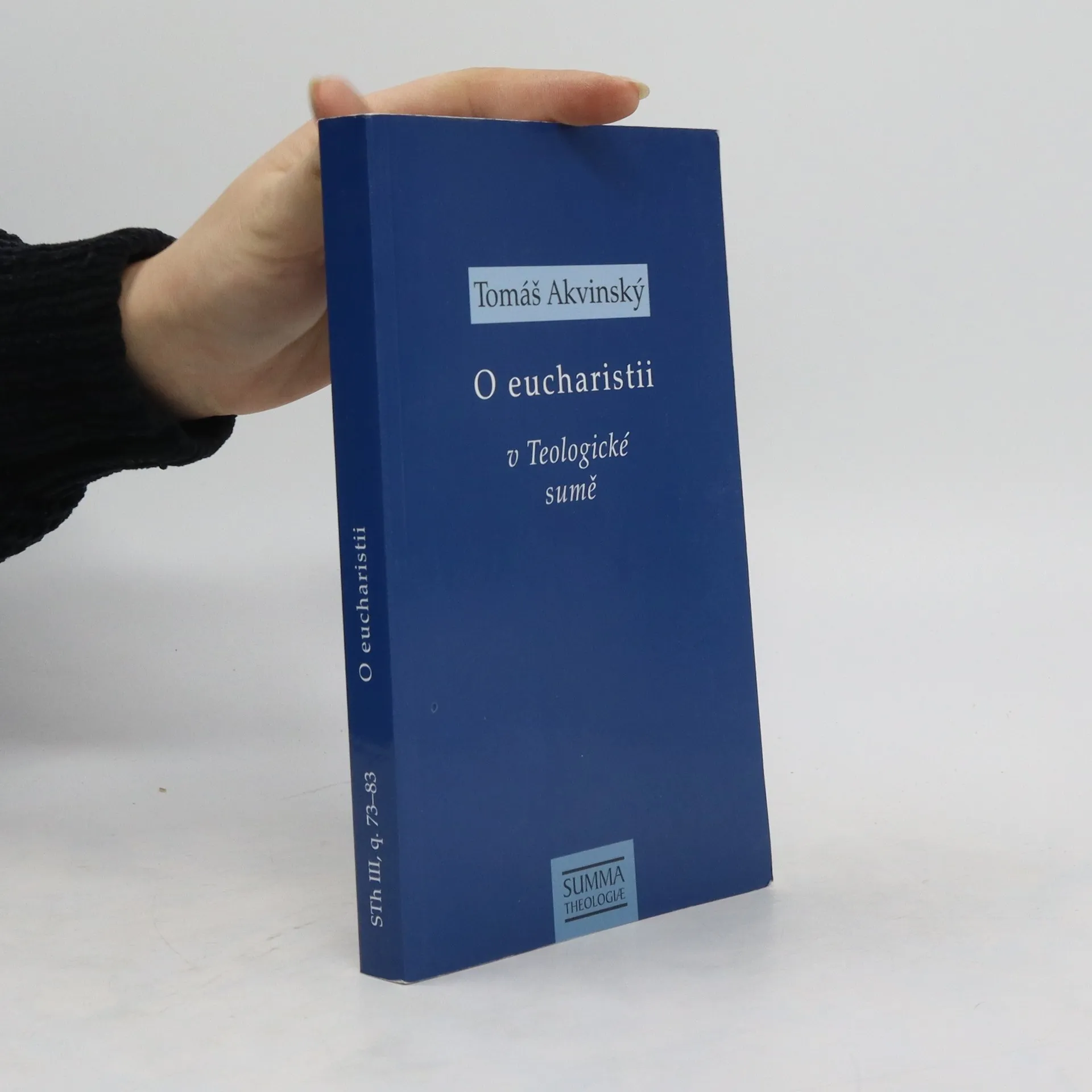
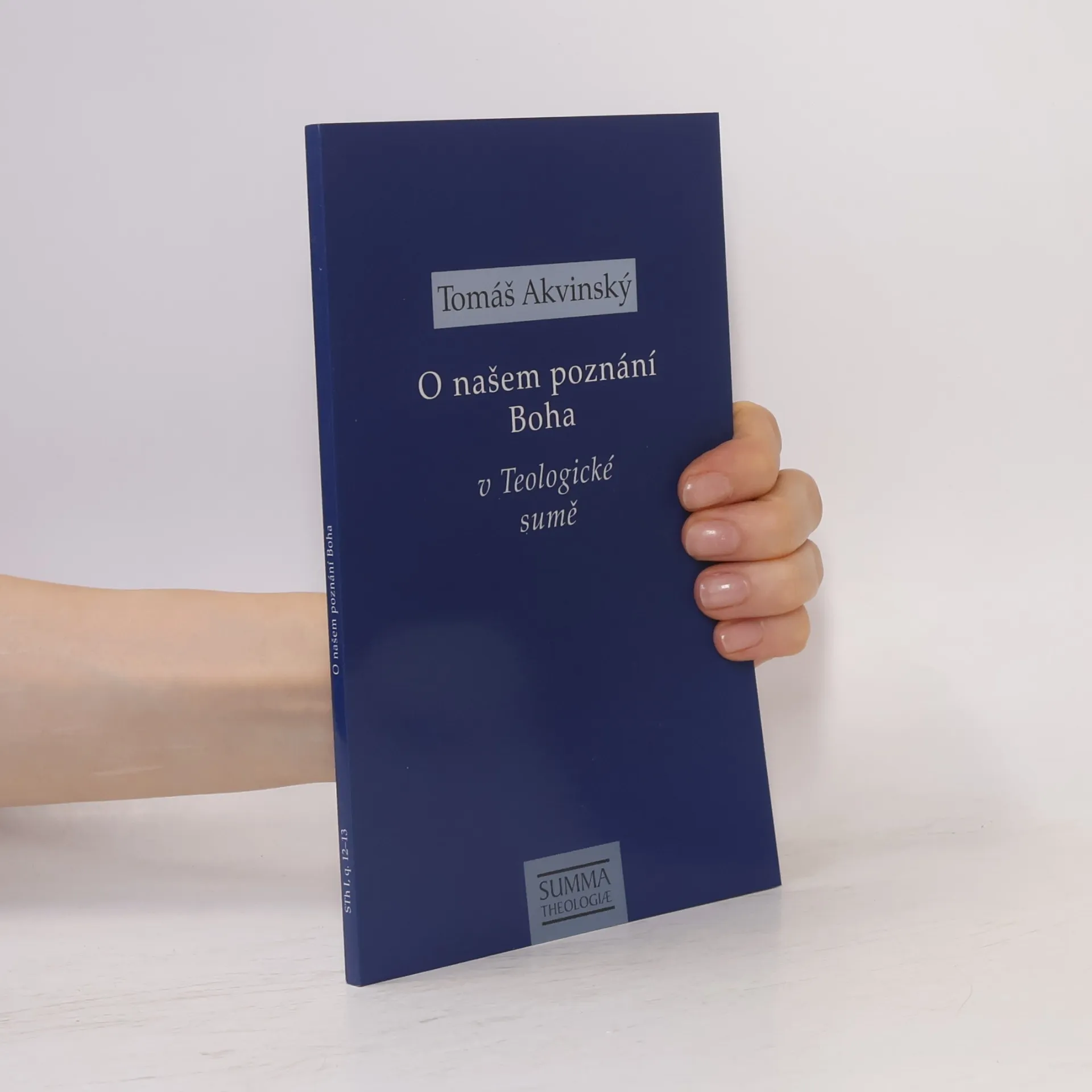
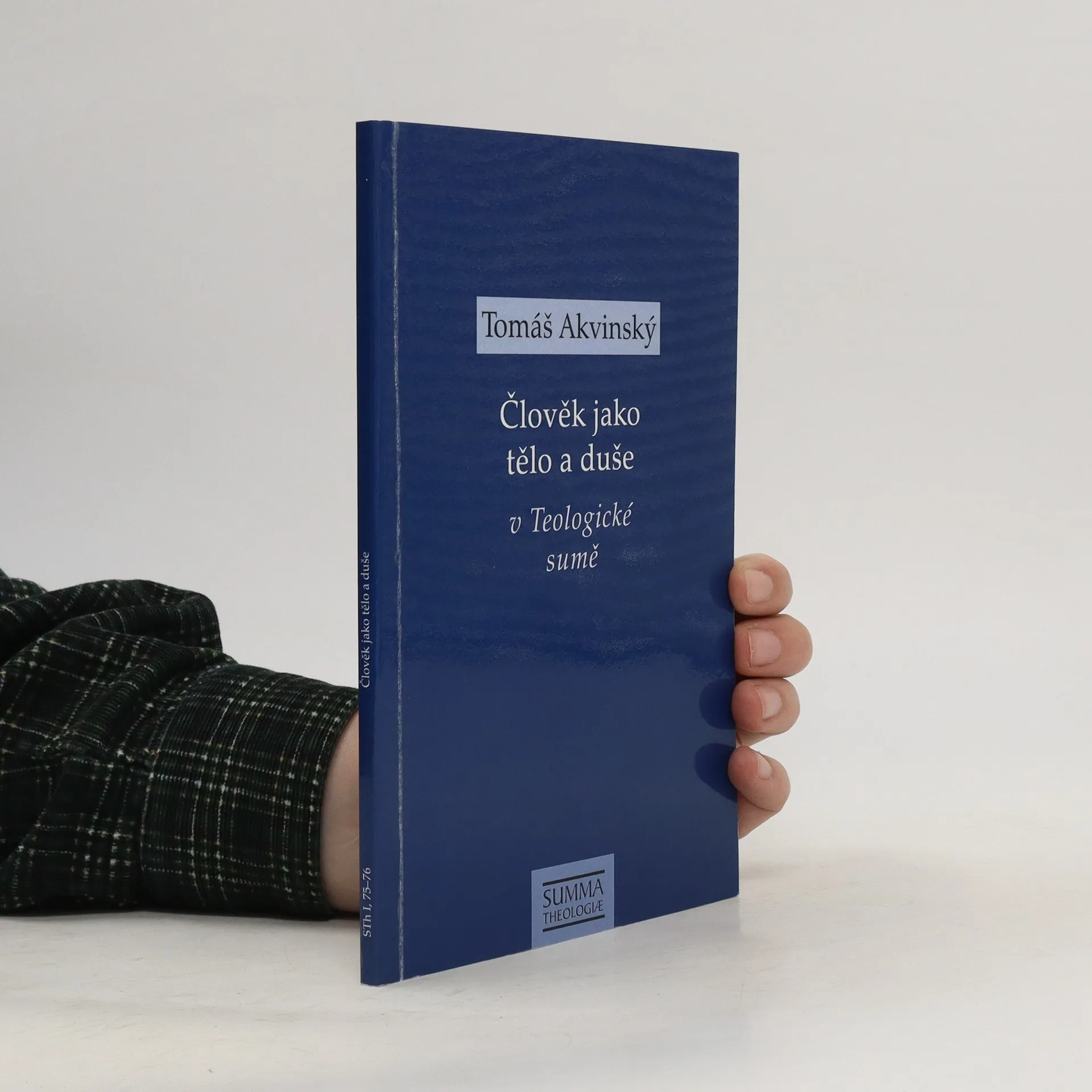
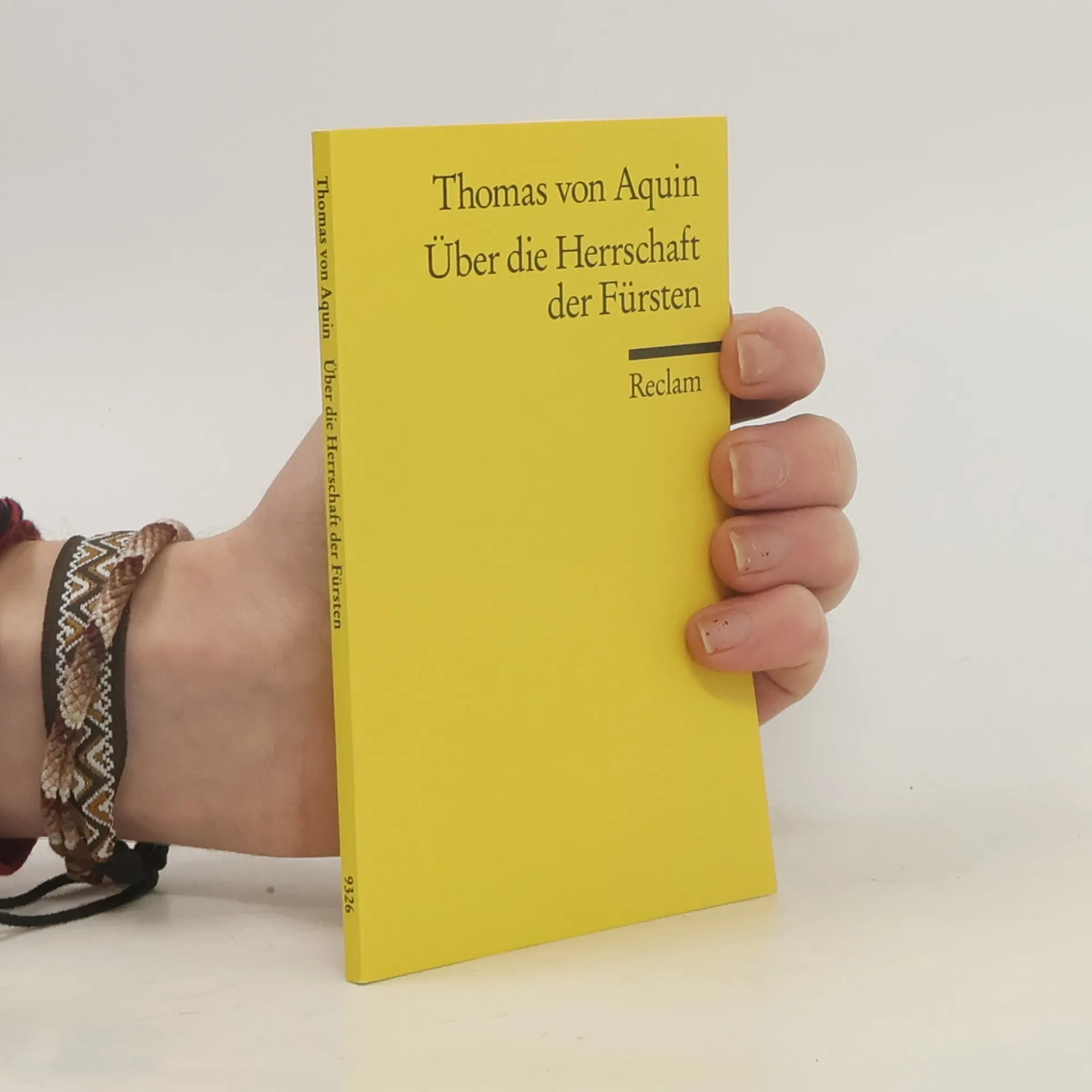
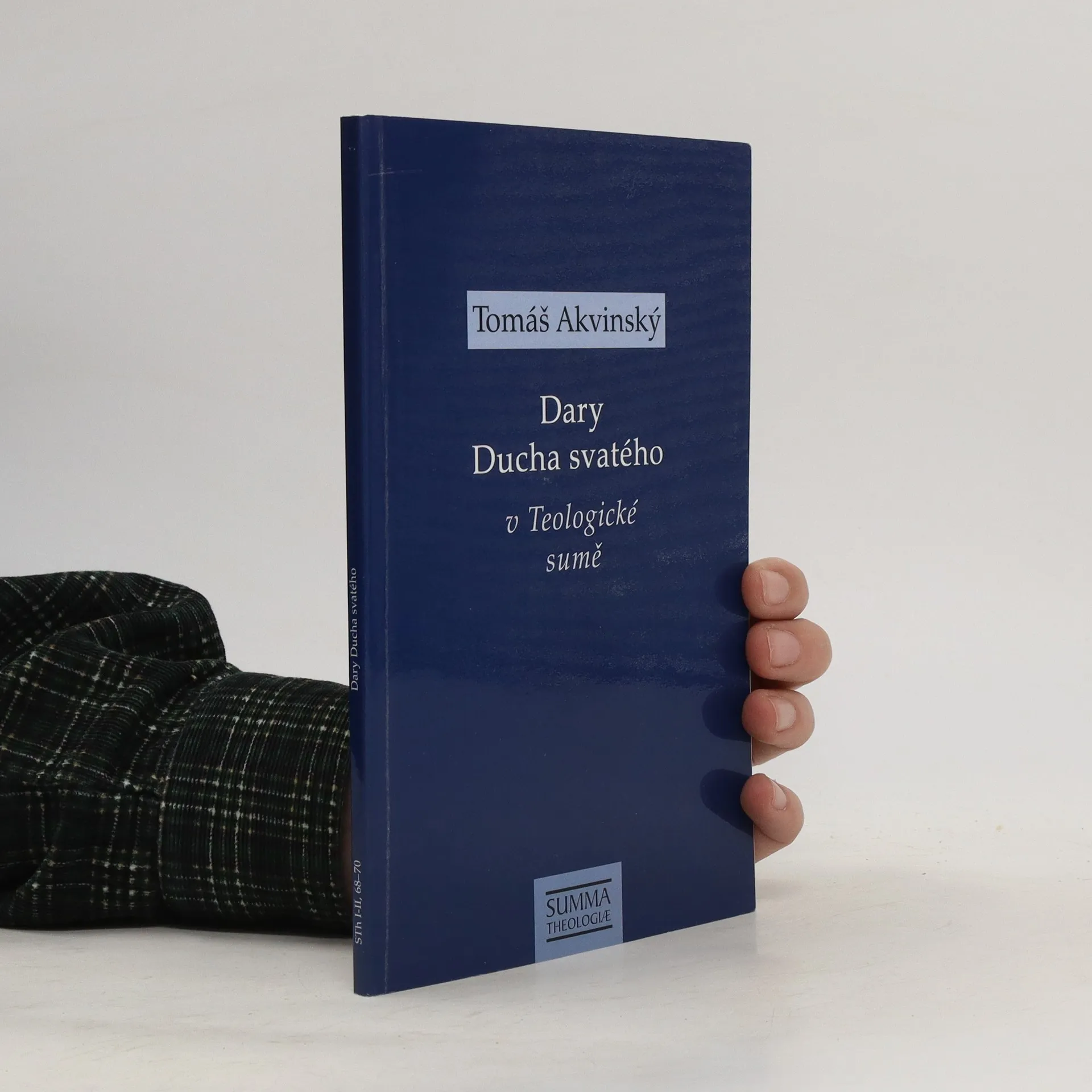
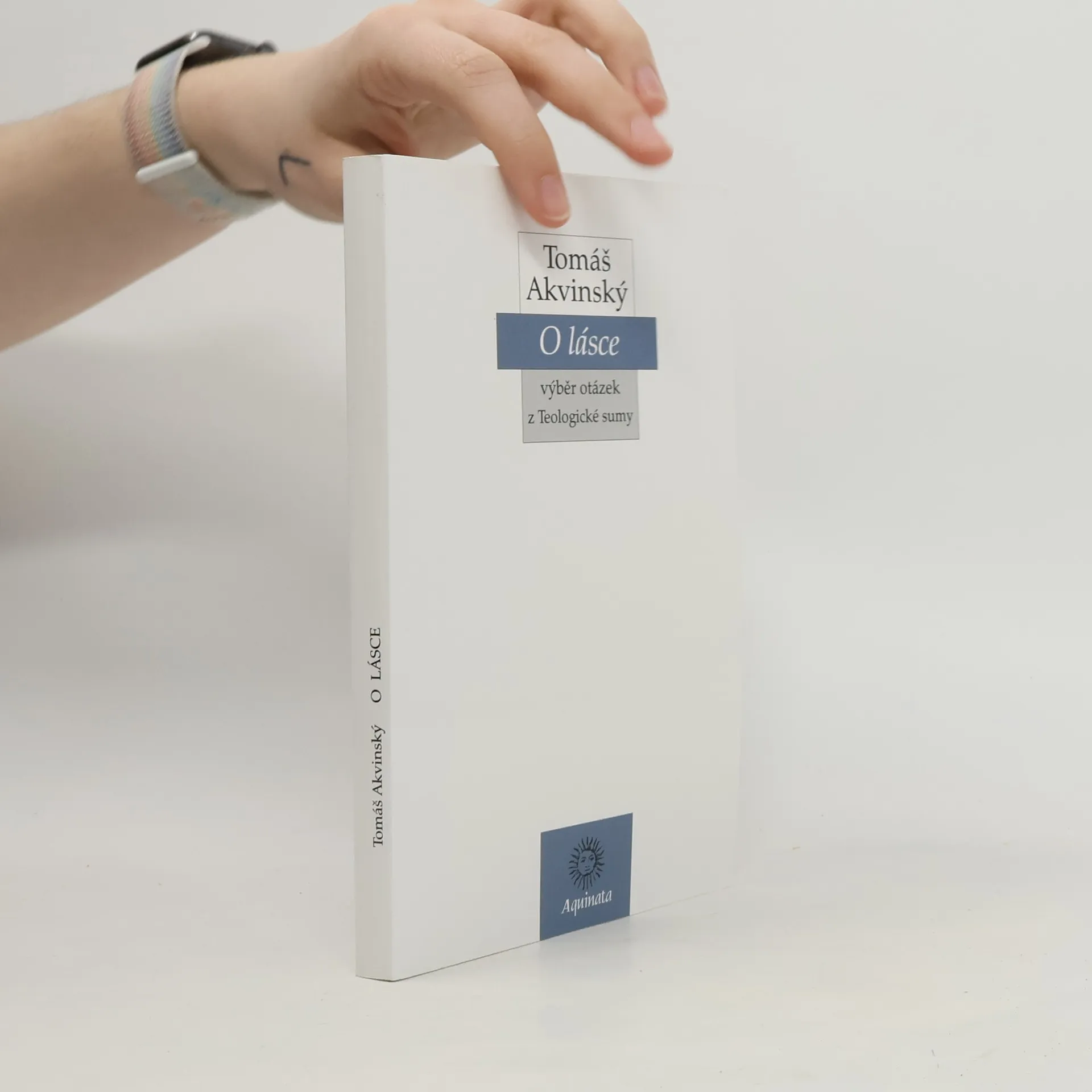
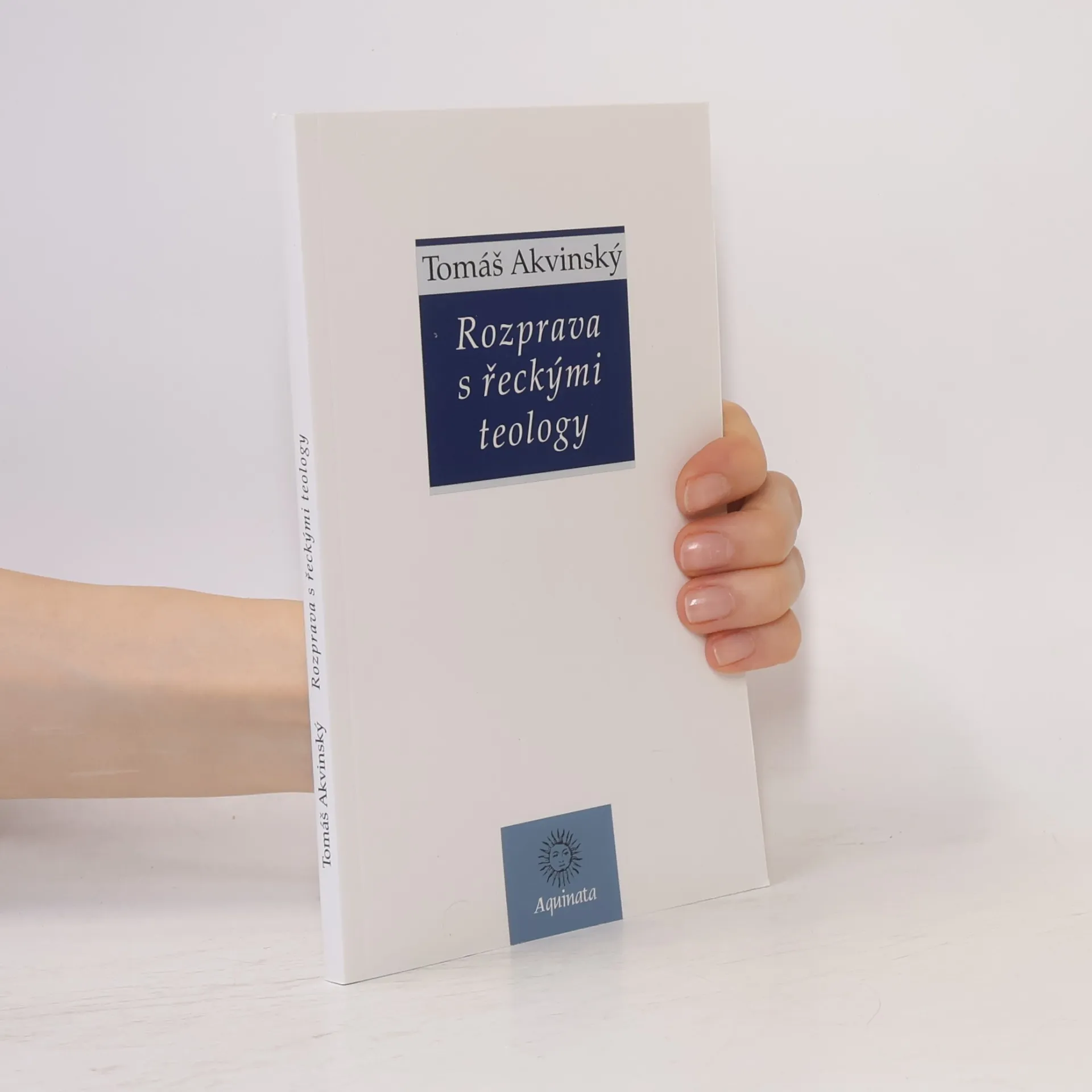
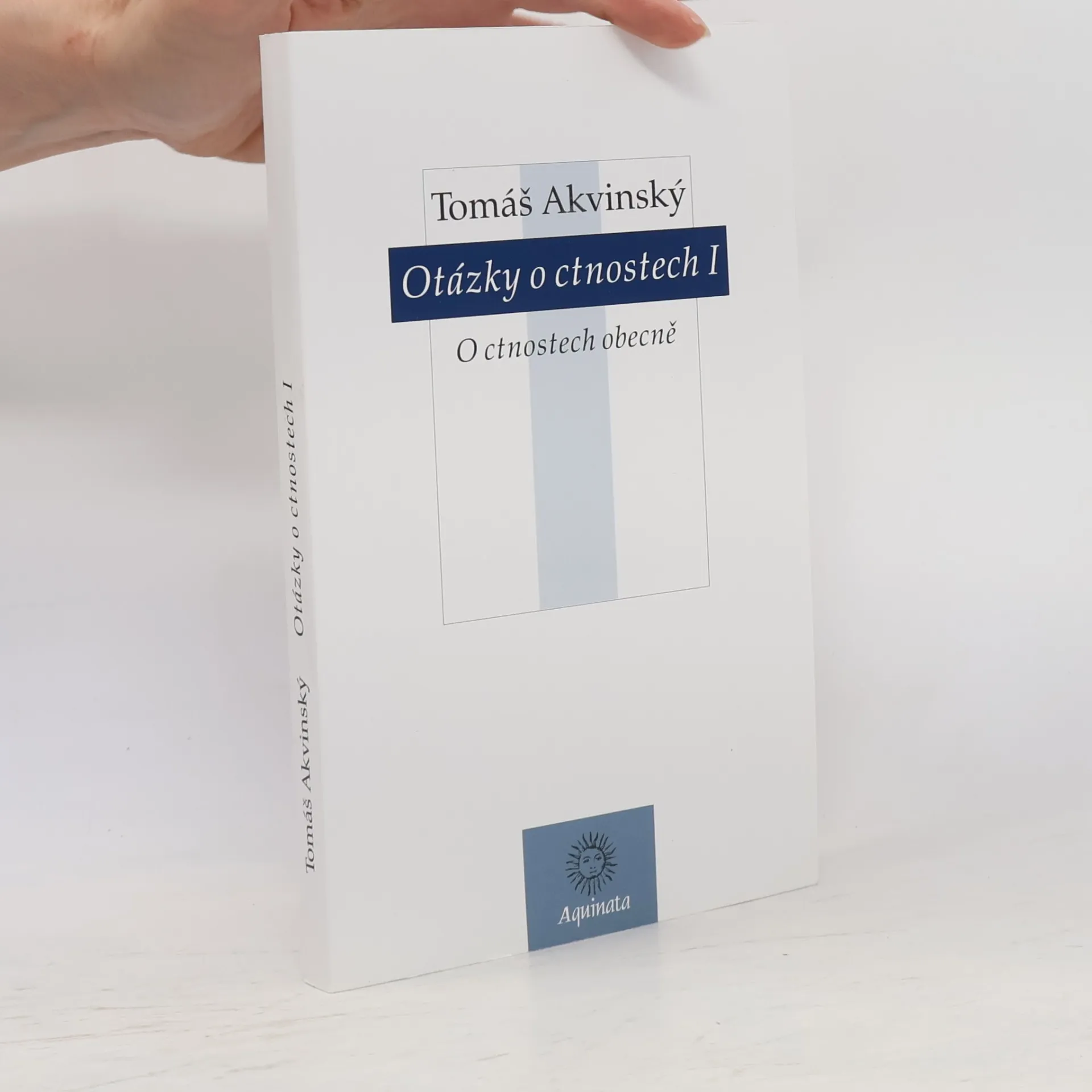
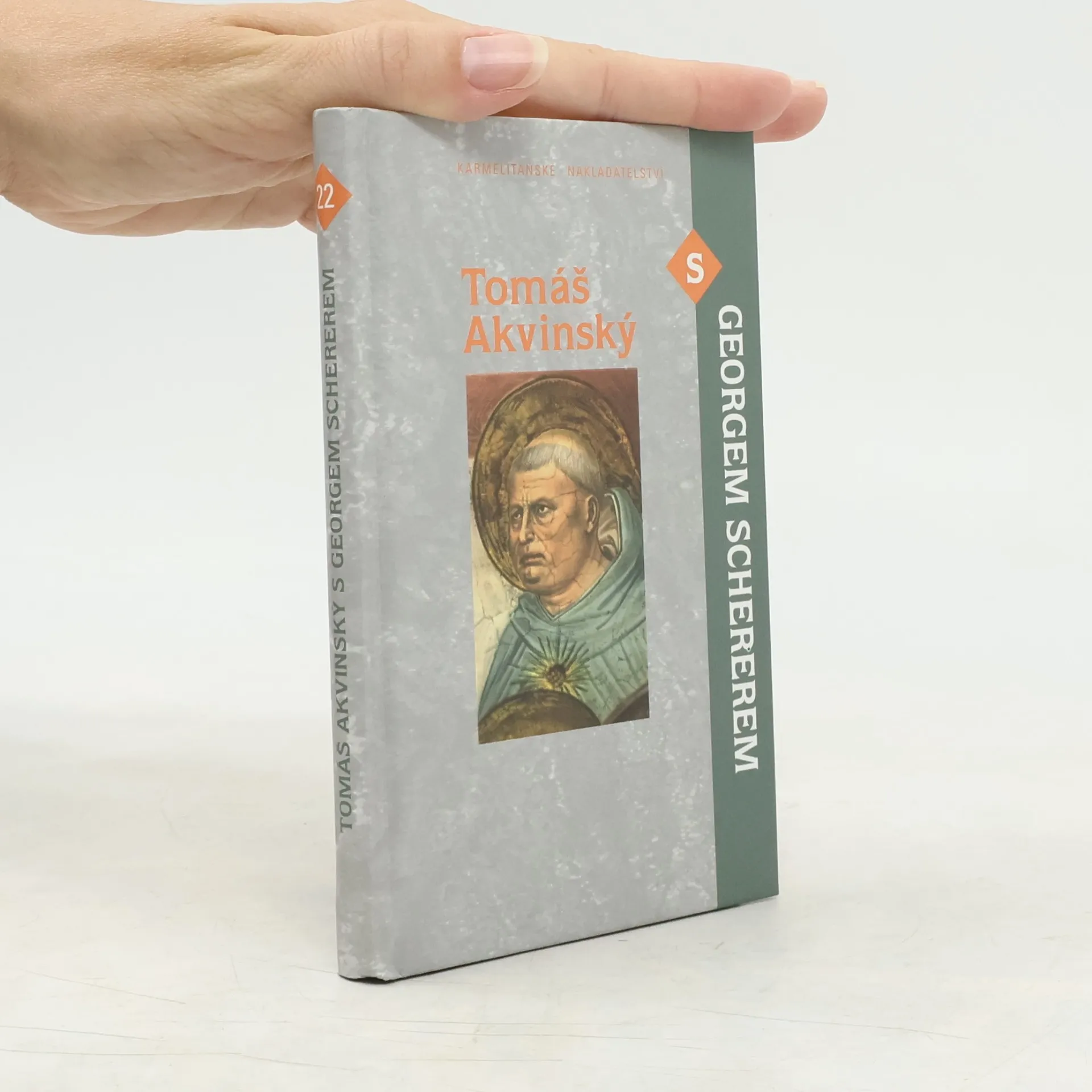
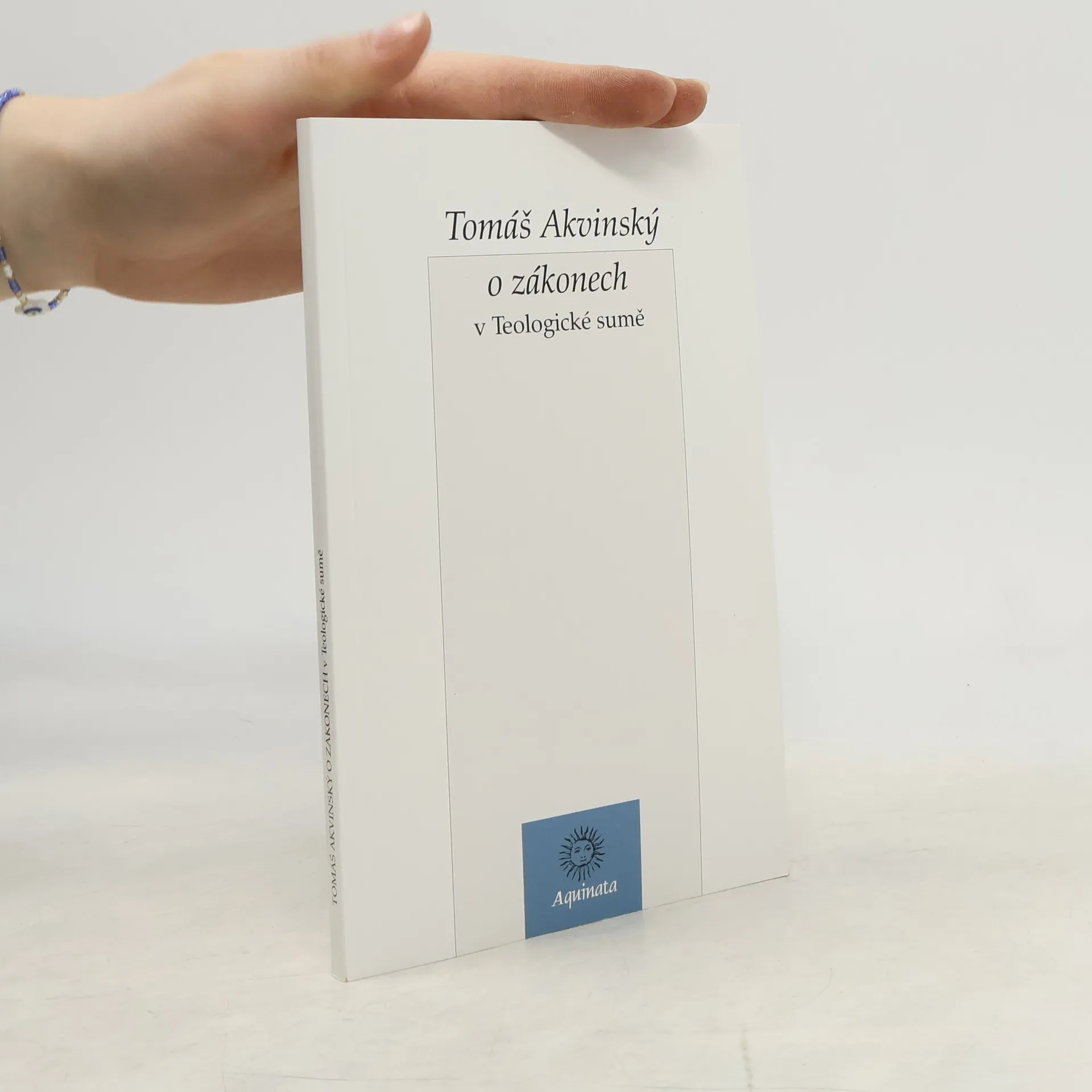
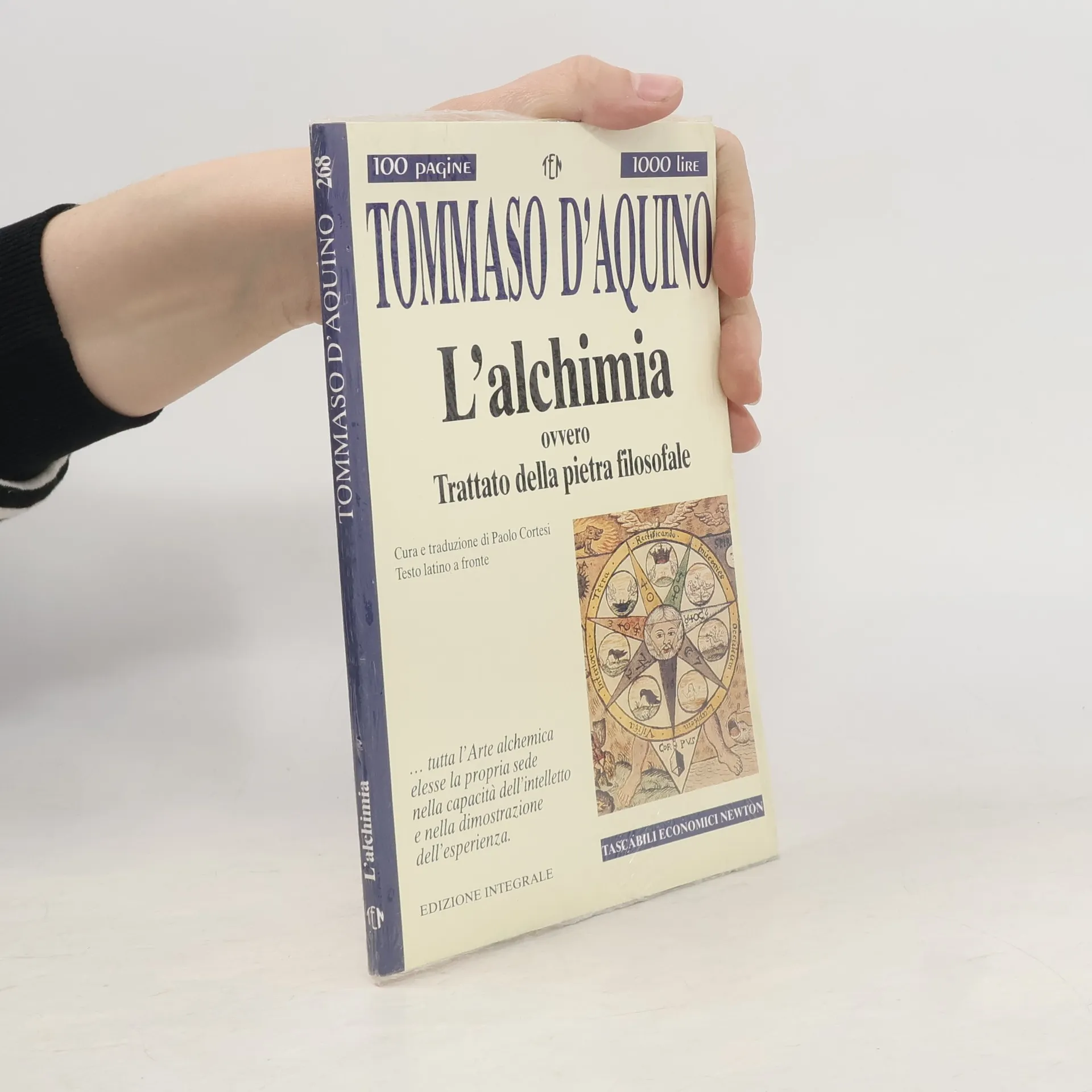
Tomáš Akvinský

    25 janvier 1225 – 7 mars 1274
    Tomáš Akvinský
    De Sortibus
    The 'Summa Theologica' of St. Thomas Aquinas
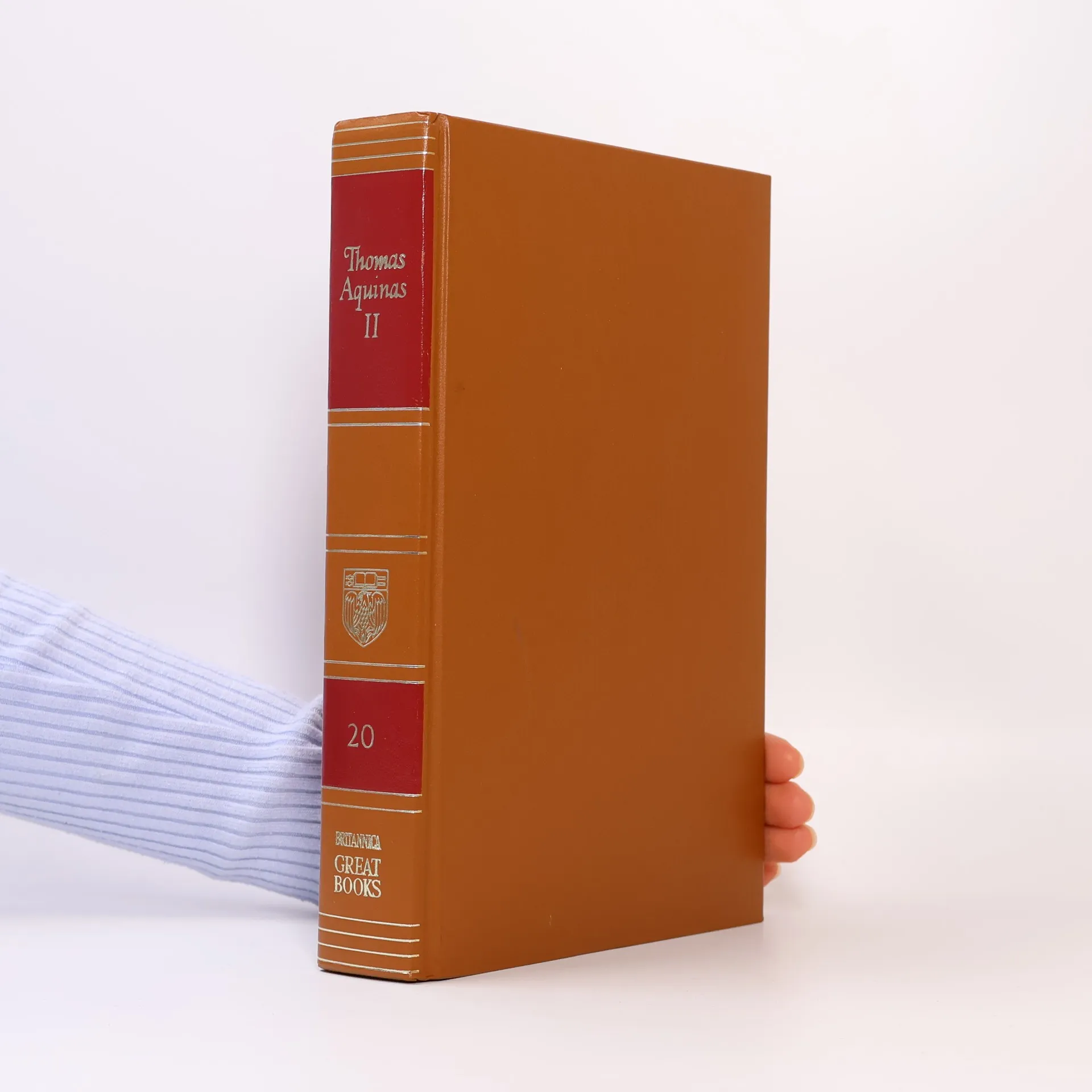
    Summa Theologica, Volume 2 (Part II, First Section)
    Summa Theologica Complete in a Single Volume
    saint Thomas (étude et analyse complète de sa pensée)
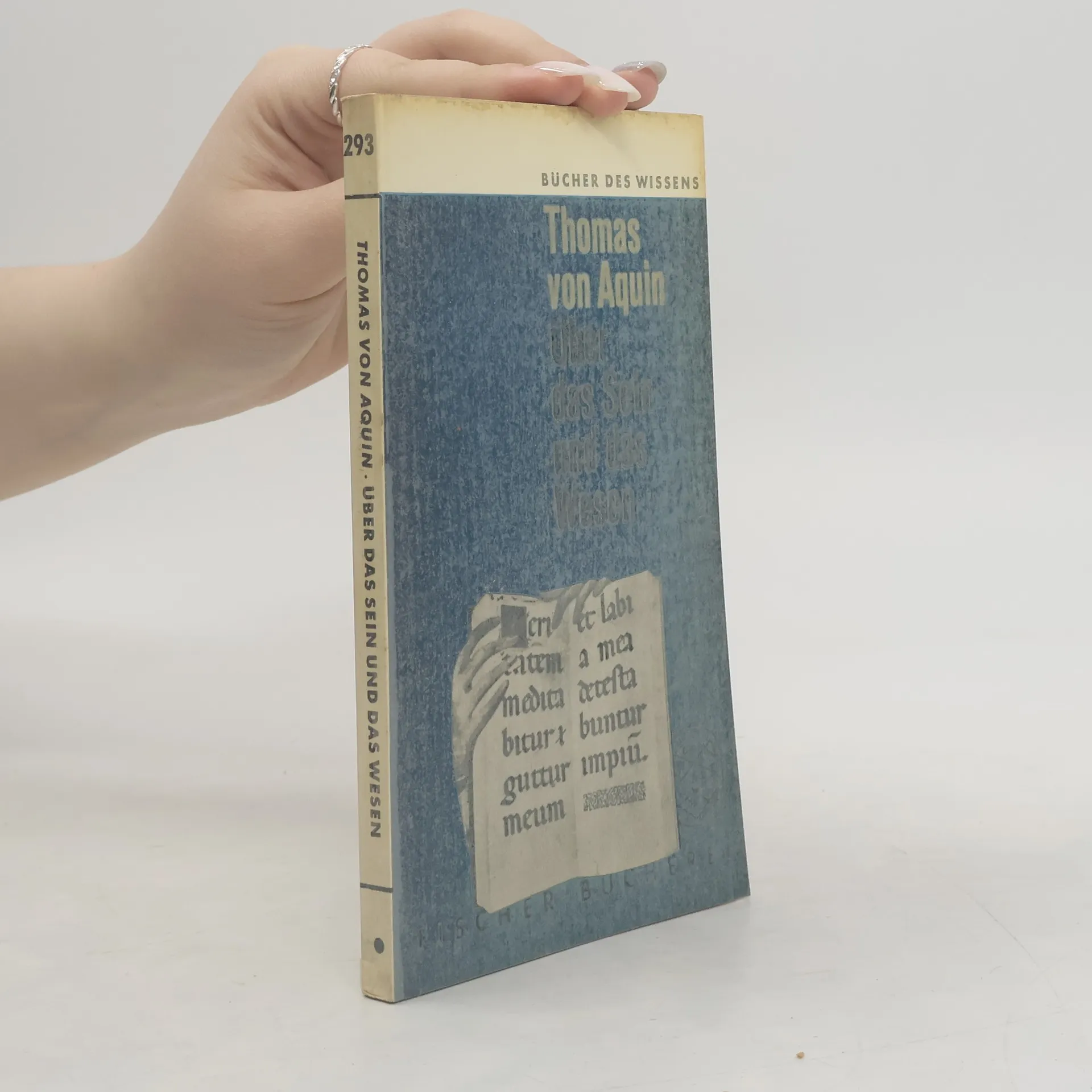
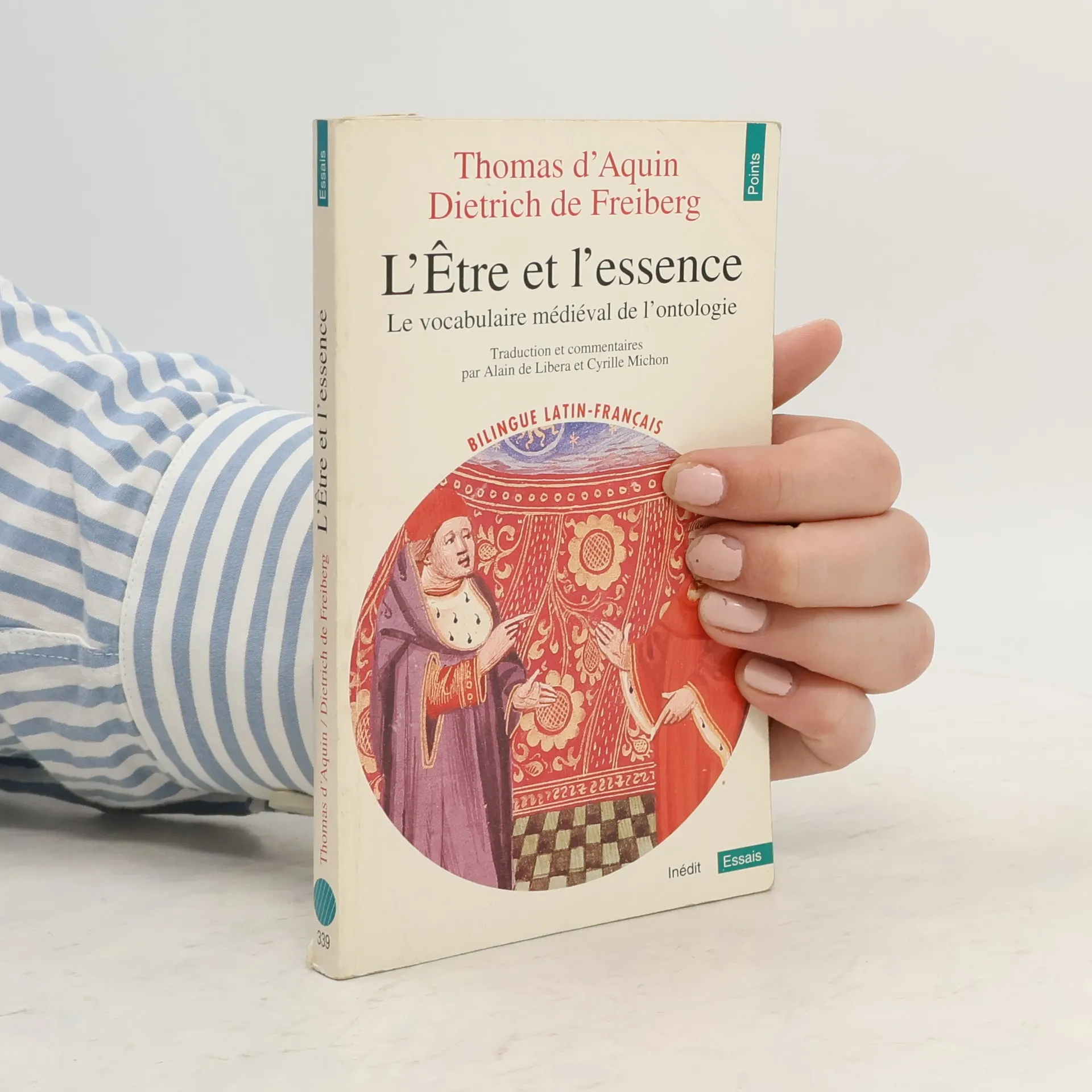
    L'être et l'essence
    • L'être et l'essence

      • 257pages
      • 9 heures de lecture
      3,0(2)Évaluer

      Le De ente et essentia est à la fois une oeuvre de jeunesse de Thomas d'Aquin (mort en 1274) et une synthèse quasi définitive de son ontologie, Il met en place la première formulation rigoureuse de la distinction scolastique de l'être et de l'essence, considérée par Heidegger comme structure portante de la métaphysique. C'est aussi la source d'une âpre controverse théorique où, en quelques décennies, se forge, à travers l'écart entre grec et latin, tout le vocabulaire médiéval de l'ontologie. Le De ente et essentia du dominicain allemand Dietrich de Freiberg (mort vers 1320), traduit ici en français pour la première fois, est une critique directe de l'ontologie thomasienne, menée à partir d'une réflexion sur le langage et la signification.
      L'être et l'essence
    • Découvrez la pensée de saint Thomas à travers une analyse philosophique approfondie, rédigée par un spécialiste. L'ouvrage inclut sa biographie, un résumé détaillé de sa pensée et l'analyse de son courant philosophique, recommandé par de nombreux enseignants.

      saint Thomas (étude et analyse complète de sa pensée)
    • 4,6(7)Évaluer

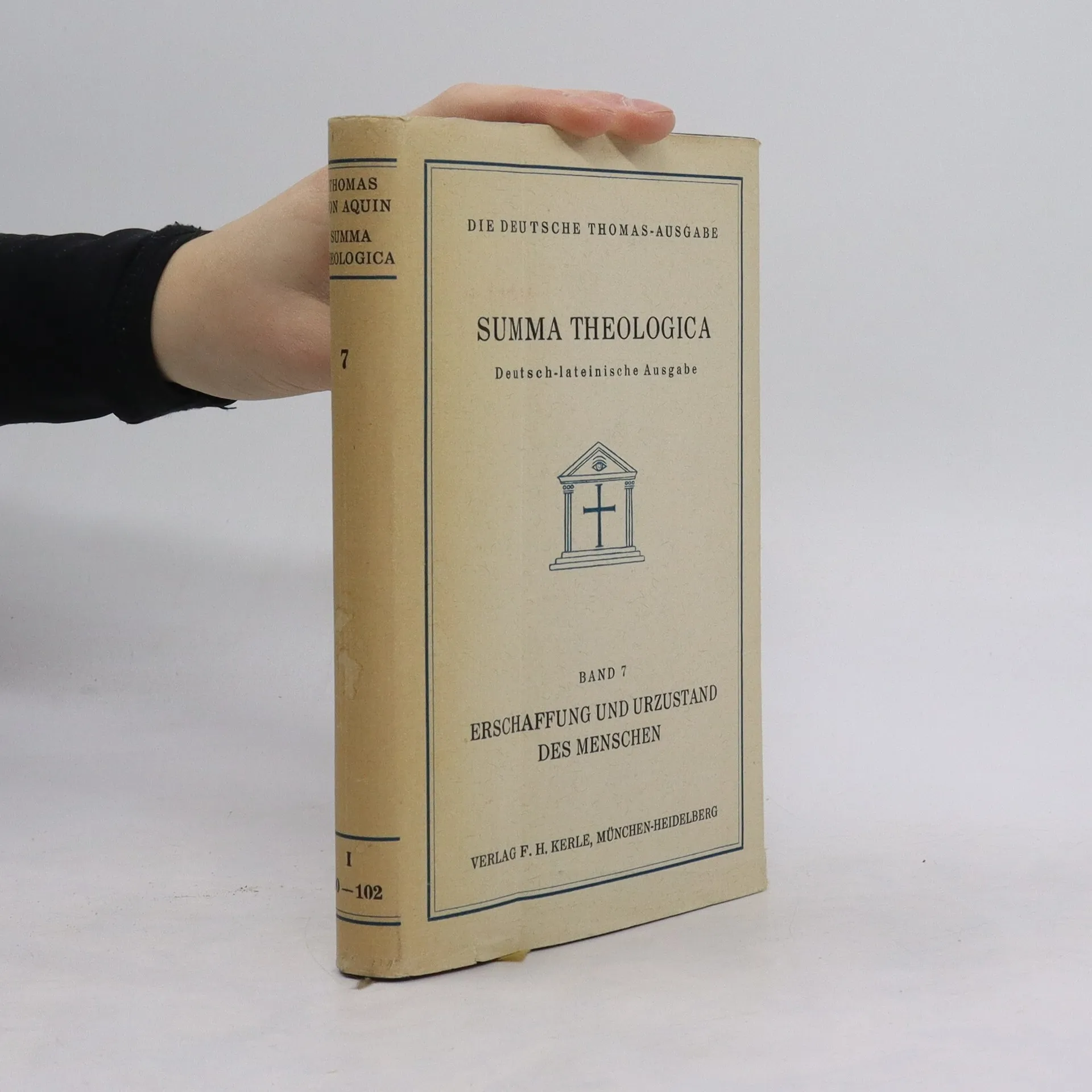
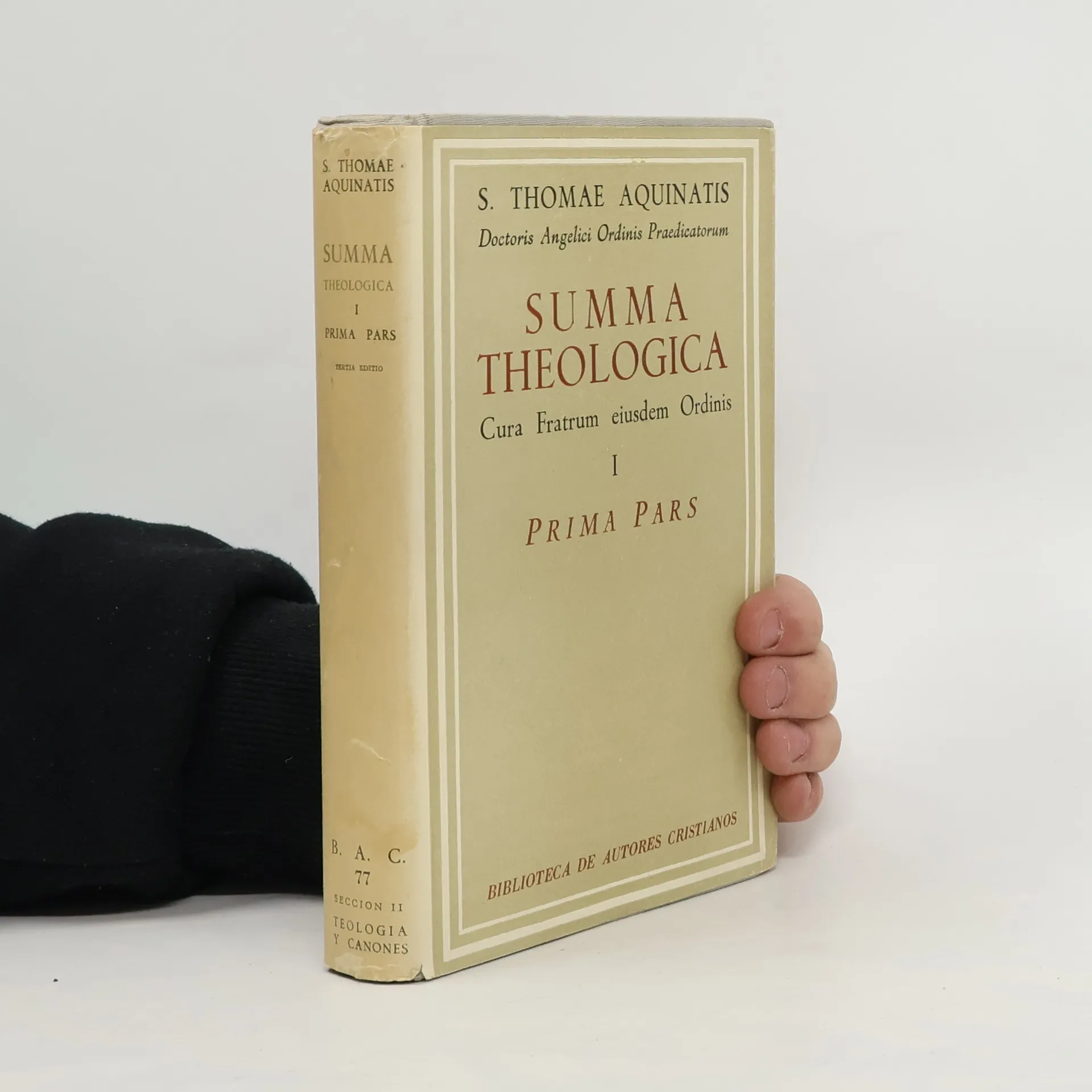
      This theological compendium by Thomas Aquinas serves as a foundational text in Roman Catholicism, encapsulating the entirety of known doctrine regarding God and humanity's relationship with the divine. It is renowned for presenting five distinct proofs of God's existence, which include three cosmological arguments, a moral argument, and a teleological argument. Written between 1265 and 1273, it represents a significant milestone in the history of theology, influencing both religious thought and philosophical discourse.

      Summa Theologica Complete in a Single Volume
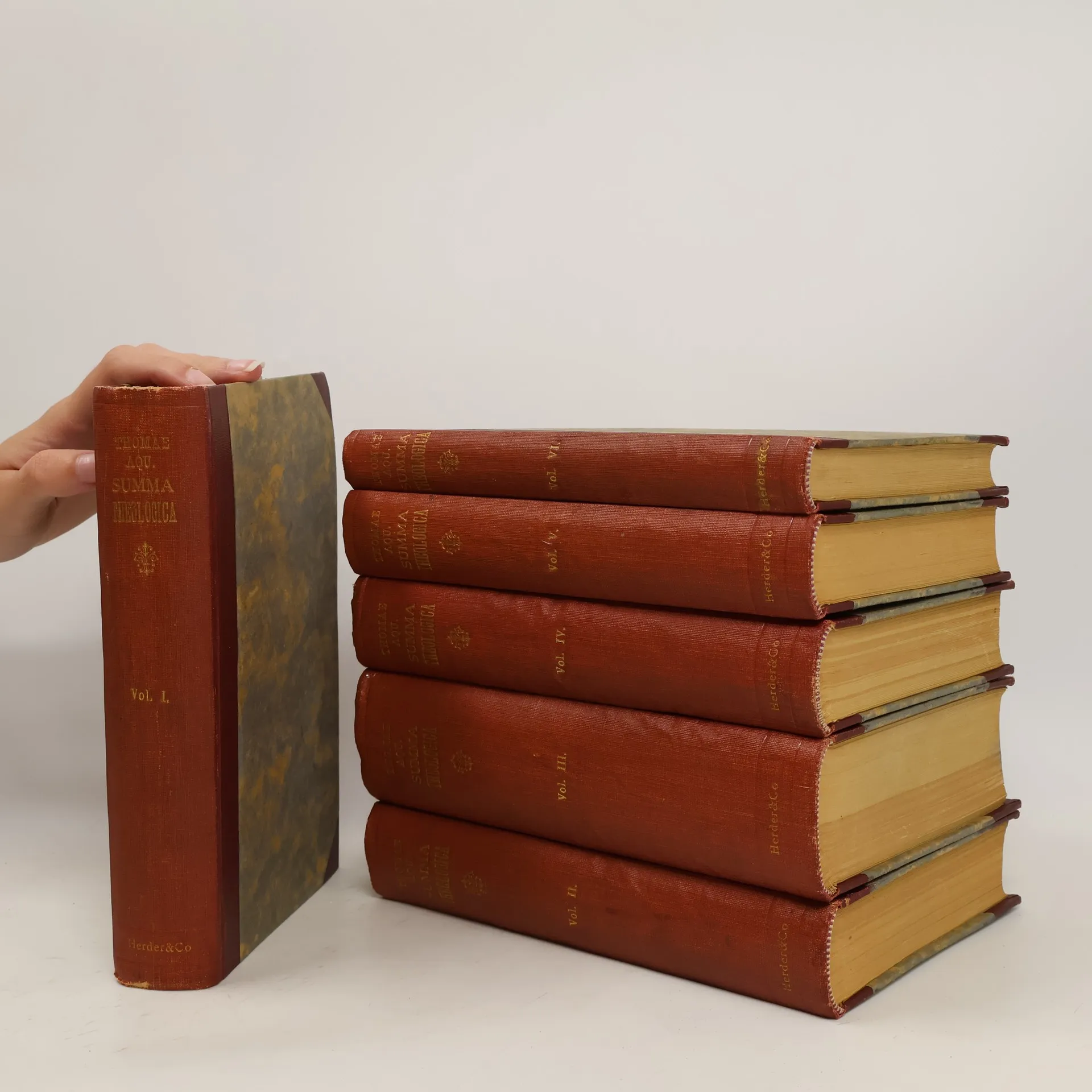
    • "The Summa Theologica is the best-known work of Italian philosopher, scholar, and Dominican friar SAINT THOMAS AQUINAS (1225 1274), widely considered the Catholic Church s greatest theologian. Famously consulted (immediately after the Bible) on religious questions at the Council of Trent, Aquinas s masterpiece has been considered a summary of official Church philosophy ever since. Aquinas considers approximately 10,000 questions on Church doctrine covering the roles and nature of God, man, and Jesus, then lays out objections to Church teachings and systematically confronts each, using Biblical verses, theologians, and philosophers to bolster his arguments. In Volume II, Aquinas addresses: happiness good and evil love and hatred hope and despair anger virtue sin and grace and much more. This massive work of scholarship, spanning five volumes, addresses just about every possible query or argument that any believer or atheist could have, and remains essential, more than seven hundred years after it was written, for clergy, religious historians, and serious students of Catholic thought."

      Summa Theologica, Volume 2 (Part II, First Section)
    • The 'Summa Theologica' of St. Thomas Aquinas

      Part 1, Questions L-LXXIV

      • 408pages
      • 15 heures de lecture
      4,0(1)Évaluer

      The book focuses on the republishing of classic works from the early 1900s and earlier, which have become rare and costly. It emphasizes the commitment to making these timeless texts accessible through affordable, high-quality modern editions that preserve the original content and artwork.

      The 'Summa Theologica' of St. Thomas Aquinas
    • De Sortibus

      • 108pages
      • 4 heures de lecture
      4,0(3)Évaluer

      Exploring the use of casting lots to discern divine will, this translation of Thomas Aquinas's letter, written around 1270, offers insights into when such practices are appropriate versus mere superstition. It addresses the historical context of Aquinas's thoughts on decision-making, particularly regarding the appointment of a bishop. The book includes an introduction to Aquinas's life and eight essays that provide varied perspectives on the text, making it an accessible entry point into the philosophy of one of history's most influential thinkers.
      De Sortibus
    • From the Church's greatest theologian: the essentials of Catholic doctrine. This book contains Aquinas's simple summary of the Faith. He covers the Trinity, Providence, the Incarnation, the Last Judgment, and much more. It's a concise statement of the key doctrines and elements of the Faith.

      Aquinas's Shorter Summa
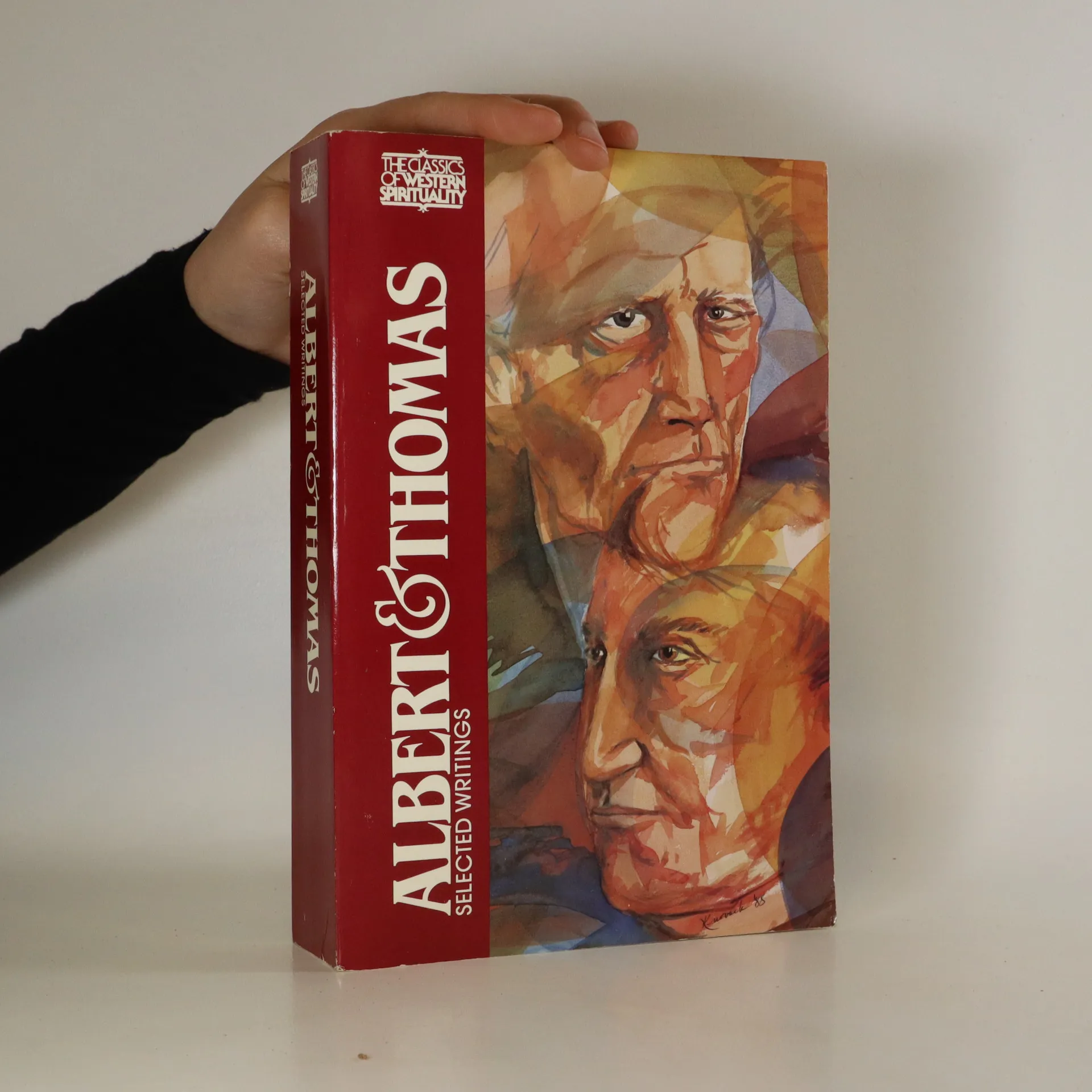
    • Albert & Thomas. Selected Writings

      • 672pages
      • 24 heures de lecture
      4,0(13)Évaluer

      Contains writings by two 13th-century Dominicans, both Doctors of the Church, St. Albert the Great (1200-1280), patron saint of natural scientists, and the 'common doctor,' St. Thomas Aquinas (1226-1274), both famous for their contributions to philosophy and theology.

      Albert & Thomas. Selected Writings
    • A shorter Summa

      • 162pages
      • 6 heures de lecture
      4,0(346)Évaluer

      A shortened version of Kreeft's much larger Summa of the Summa, which in turn was a shortened version of the Summa Theologica. The reason for the double shortening is pretty obvious: the original runs some 4000 pages! (The Summa of the Summa was just over 500.) The Summa is certainly the greatest, most ambitious, most rational book of theology ever written. In it, there is also much philosophy, which is selected, excerpted, arranged, introduced, and explained in footnotes here by Kreeft, a popular Thomist teacher and writer. St. Thomas Aquinas is universally recognized as one of the greatest philosophers who ever lived. His writings combine the two fundamental ideals of philosophical writing: clarity and profundity. He is a master of metaphysics and technical terminology, yet so full of both theoretical and practical wisdom. He is the master of common sense. The Summa Theologica is timeless, but particularly important today because of his synthesis of faith and reason, revelation and philosophy, and the Biblical and the classical Greco-Roman heritages. This little book is designed for beginners, either for classroom use or individually. It contains the most famous and influential passages of St. Thomas' philosophy with copious aids to understanding them.
      A shorter Summa