
Bookbot

W. V. Willard Van Orman Quine

    Willard Van Orman Quine était un philosophe analytique et logicien américain qui a remis en question la distinction traditionnelle entre énoncés analytiques et synthétiques. Son œuvre prônait une forme d'holisme sémantique, où le sens d'un énoncé ne peut être compris isolément. Quine a également introduit la thèse controversée de l'indétermination de la traduction, suggérant une ambiguïté inhérente à la traduction entre les langues. Sa philosophie rejetait l'analyse conceptuelle comme objectif principal de la philosophie, la considérant plutôt comme une continuité avec l'investigation scientifique.

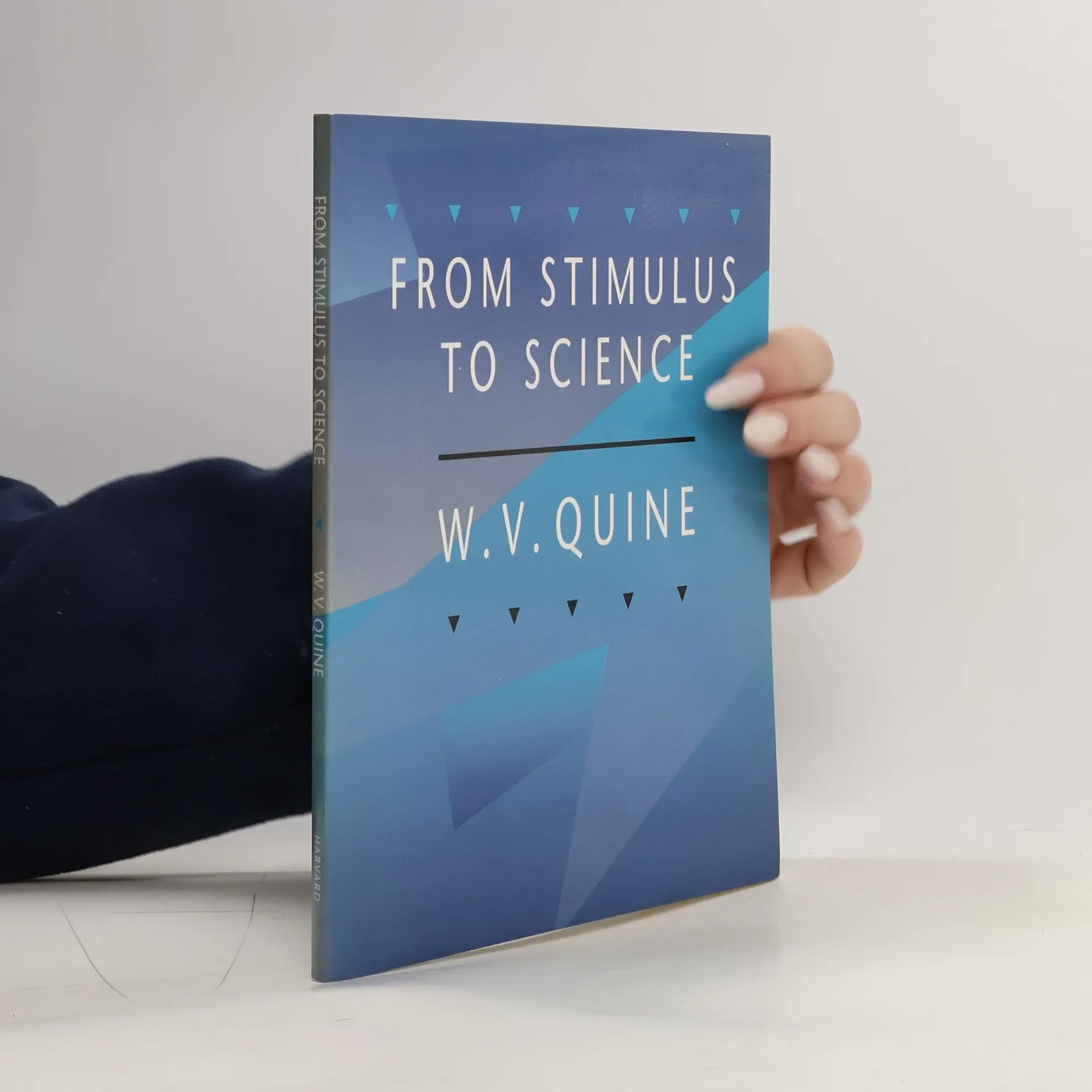
    From Stimulus to Science
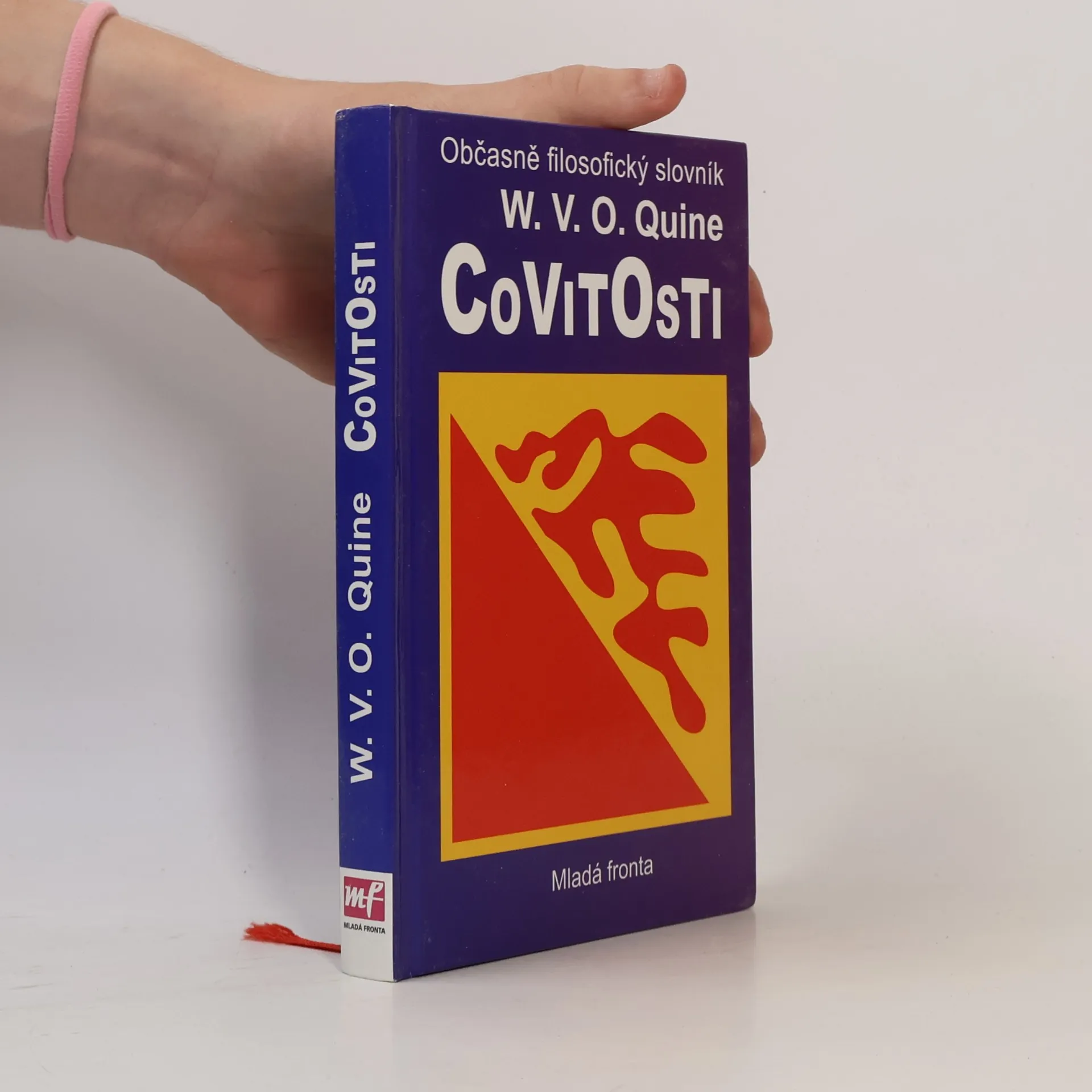
    Covitosti. Občasně filosofický slovník
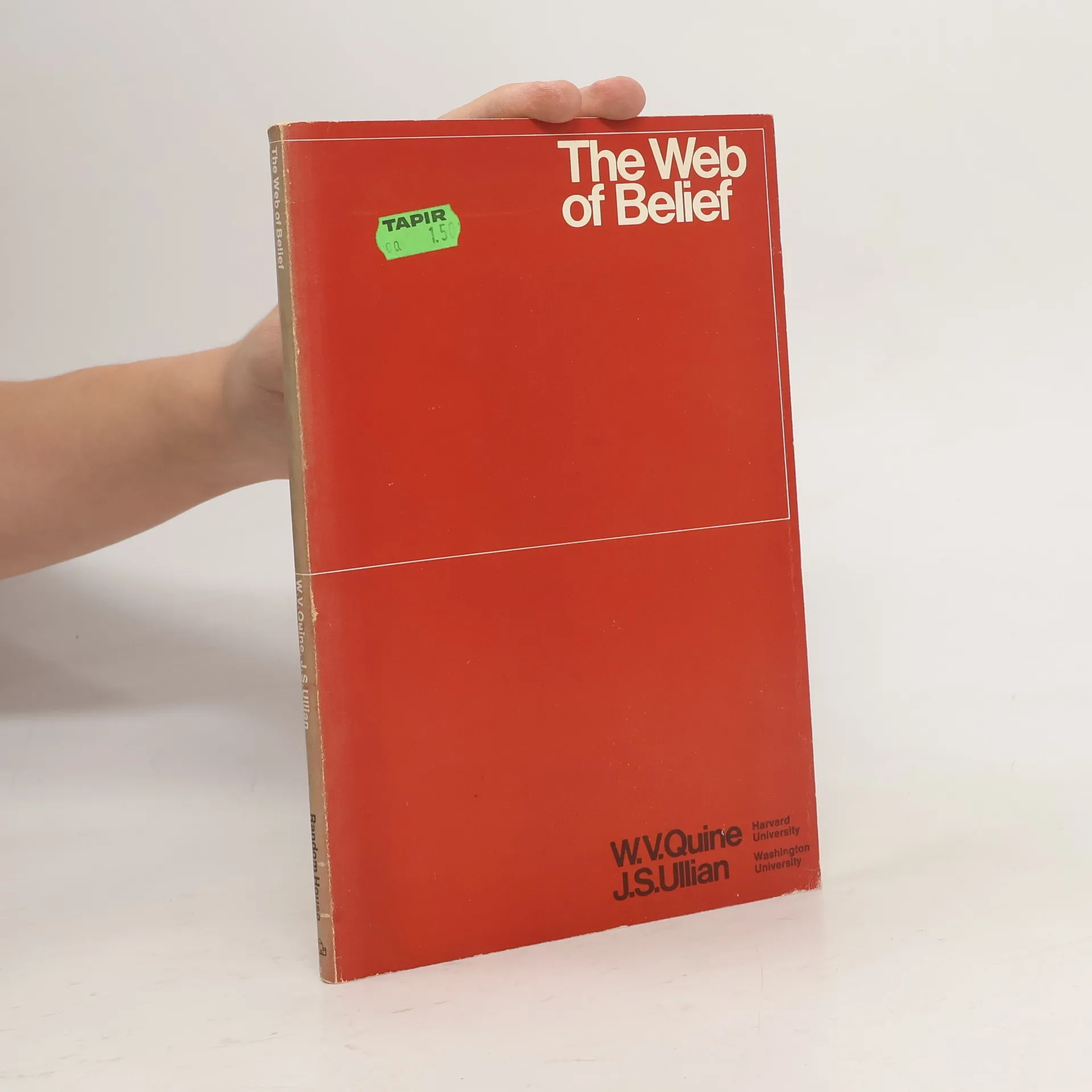
    The Web of Belief
    Word and object
    • Word and object

      • 312pages
      • 11 heures de lecture

      A new edition of Quine's most important work. Willard Van Orman Quine begins this influential work by declaring, "Language is a social art. In acquiring it we have to depend entirely on intersubjectively available cues as to what to say and when." As Patricia Smith Churchland notes in her foreword to this new edition, with Word and Object Quine challenged the tradition of conceptual analysis as a way of advancing knowledge. The book signaled twentieth-century philosophy's turn away from metaphysics and what Churchland calls the "phony precision" of conceptual analysis. In the course of his discussion of meaning and the linguistic mechanisms of objective reference, Quine considers the indeterminacy of translation, brings to light the anomalies and conflicts implicit in our language's referential apparatus, clarifies semantic problems connected with the imputation of existence, and marshals reasons for admitting or repudiating each of various categories of supposed objects. In addition to Churchland's foreword, this edition offers a new preface by Quine's student and colleague Dagfinn Follesdal that describes the never-realized plans for a second edition of Word and Object, in which Quine would offer a more unified treatment of the public nature of meaning, modalities, and propositional attitudes.

      Word and object
      4,4
    • A compact, coherent introduction to the study of rational belief, this text provides points of entry to such areas of philosophy as theory of knowledge, methodology of science, and philosophy of language. The book is accessible to all undergraduates and presupposes no philosophical training.

      The Web of Belief
      3,9
    • Covitosti. Občasně filosofický slovník

      • 260pages
      • 10 heures de lecture

      W. V. O. Quine Covitosti Průvodce lidským věděním. Na své cestě od A do Z se Covitosti setkávají s více než osmdesáti tématy a postihují celou škálu pikantních myšlenek, her se slovy a moudrostí, vyjádřených nádhernou elegantní prózou. Nejčastějšími tématy hesel jsou filozofie, jazyk a matematika, můžeme zmínit například víru, komunikaci, svobodnou vůli, idiocii, ceny, výslovnost, toleranci či zeměpisnou délku a šířku.

      Covitosti. Občasně filosofický slovník
      5,0
    • From Stimulus to Science

      • 124pages
      • 5 heures de lecture

      W. V. Quine, a leading philosopher, presents a concise and engaging exploration of his philosophical ideas in this book, which encapsulates his epistemological views, particularly regarding logic and mathematics. New readers may need to take their time to appreciate the depth of insight that seasoned readers recognize in his writing. The book, based on lectures from 1990, begins with a historical overview of philosophy, tracing the evolution of epistemology from Plato to Carnap, highlighting Quine's alignment with Carnap's ambitions. Subsequent chapters delve into Quine's effort to naturalize epistemology, focusing on the continuity between his work and Carnap's. He discusses the naturalistic development of science and how our conceptual frameworks evolve to perceive the world as comprising re-identifiable objects. Quine emphasizes the importance of observation sentences for evaluating scientific theories and expresses skepticism about establishing a definitive empirical criterion for meaningfulness. The latter sections address various critical issues surrounding knowledge, culminating in an in-depth examination of his perspectives on reference, meaning, and psychological and modal concepts. The distinctive presentation and nuanced details will captivate those familiar with Quine's philosophy.

      From Stimulus to Science
      4,0