Ożywcza opowieść o naukowych i filozoficznych aspektach świadomości. Michael S. Gazzaniga stawia pytania dotyczące związku między neuronami a umysłem oraz tego, jak fizyczne obiekty tworzą różnorodne światy w naszych głowach. Problem świadomości fascynuje nas od wieków, a mimo postępów w badaniach nad mózgiem, zagadnienia sprzed tysięcy lat wciąż pozostają nierozwiązane. Gazzaniga łączy najnowsze badania z historią ludzkich rozważań, oferując pełny obraz naszej wiedzy o świadomości. Przedstawia model mózgu jako konfederacji niezależnych modułów, które współdziałają, podkreślając, że mózgi tworzą maszyny, ale ich nie redukują. Zrozumienie tej organizacji może kierować przyszłymi badaniami nad mózgiem i sztuczną inteligencją, wypełniając lukę między mózgiem a umysłem. Książka jest przystępna, pełna spostrzeżeń z wieloletnich badań, wytyczając kierunek neuronauki. Gazzaniga, dyrektor Centrum Badania Umysłu SAGE, jest autorem wielu książek popularnonaukowych i pionierem badań nad świadomością. Opisuje, jak neurony konkurują, by sygnalizować swoje rozumienie poznawczych mikroświatów, tworząc chór zwany świadomością. Jego prace skłaniają do refleksji nad trudnymi problemami psychologicznymi, oferując cenną wartość dla każdego zainteresowanego tym tematem.
Michael S. Gazzaniga Ordre des livres
Michael S. Gazzaniga explore les rouages complexes du cerveau humain, examinant les mécanismes sophistiqués qui régissent nos pensées, nos émotions et nos comportements. En tant que neuroscientifique de premier plan, ses travaux font le lien entre la recherche technique et une compréhension accessible, éclairant les mystères de la cognition. Il offre aux lecteurs un voyage fascinant au cœur de l'esprit, en analysant son fonctionnement, ses interactions avec le corps et ses réponses à l'environnement. Ses écrits suscitent la curiosité sur la conscience et la relation profonde entre notre monde intérieur et nos expériences extérieures.


- 2020
- 2019
The Consciousness Instinct
Unraveling the Mystery of How the Brain Makes the Mind
- 288pages
- 11 heures de lecture
How do neurons turn into minds? How does physical "stuff". Atoms, molecules, chemicals, and cells- create the vivid and various worlds inside our heads? The problem of consciousness has gnawed at us for millennia. In the last century there have been massive breakthroughs that have rewritten the science of the brain, and yet the puzzles faced by the ancient Greeks are still present. In The Consciousness Instinct, the neuroscience pioneer Michael S. Gazzaniga puts the latest research in conversation with the history of human thinking about the mind, giving a big-picture view of what science has revealed about consciousness
- 2015
Tales from Both Sides of the Brain
- 448pages
- 16 heures de lecture
Michael S. Gazzaniga, one of the most important neuroscientists of the twentieth century, gives us an exciting behind-the-scenes look at his seminal work on that unlikely couple, the right and left brain. Foreword by Steven Pinker. In the mid-twentieth century, Michael S. Gazzaniga, “the father of cognitive neuroscience,” was part of a team of pioneering neuroscientists who developed the now foundational split-brain brain theory: the notion that the right and left hemispheres of the brain can act independently from one another and have different strengths. In Tales from Both Sides of the Brain, Gazzaniga tells the impassioned story of his life in science and his decades-long journey to understand how the separate spheres of our brains communicate and miscommunicate with their separate agendas. By turns humorous and moving, Tales from Both Sides of the Brain interweaves Gazzaniga’s scientific achievements with his reflections on the challenges and thrills of working as a scientist. In his engaging and accessible style, he paints a vivid portrait not only of his discovery of split-brain theory, but also of his comrades in arms—the many patients, friends, and family who have accompanied him on this wild ride of intellectual discovery.
- 2014
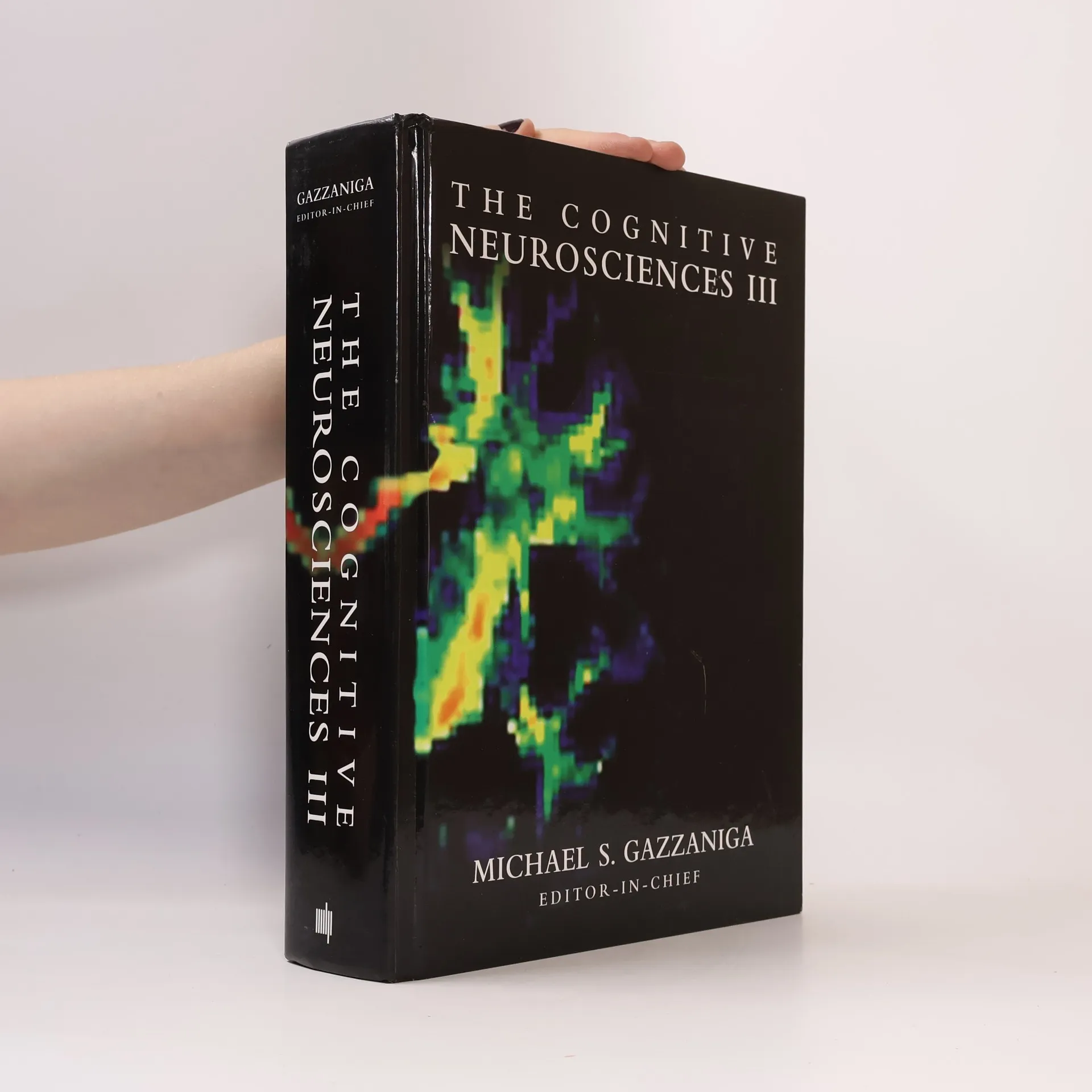
The Cognitive Neurosciences
- 1128pages
- 40 heures de lecture
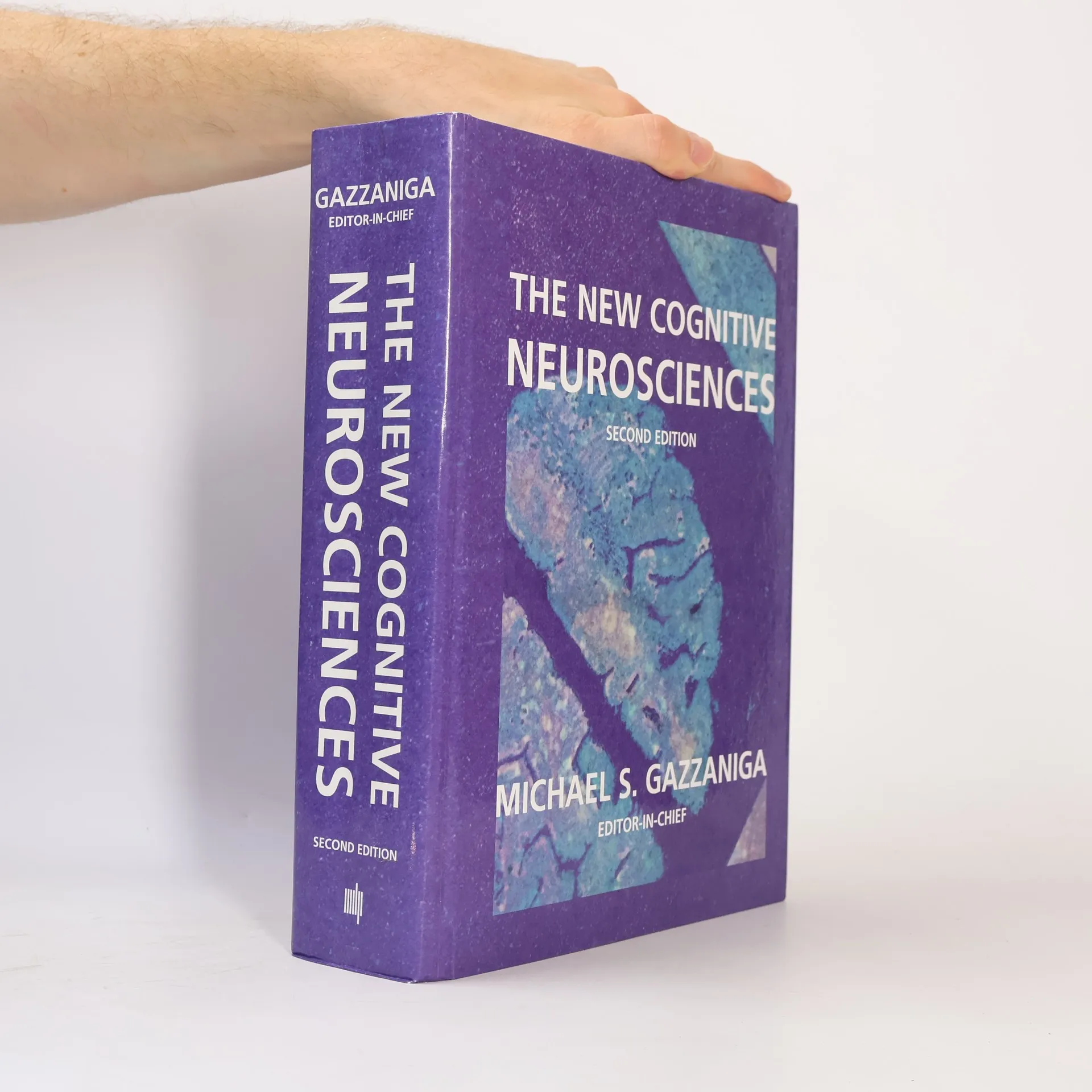
This fifth edition serves as a comprehensive reference in cognitive neuroscience, incorporating the latest advancements in the field. It explores the intricate connections between the nervous system's structural and physiological mechanisms and the complexities of the mind. With entirely new content, it continues to set benchmarks for understanding the biological foundations of cognitive processes, making it an essential resource for researchers and students alike.
- 2013
International Student Edition - 4: Cognitive Neuroscience
The Biology of the Mind
- 752pages
- 27 heures de lecture
Modeled on the classic Neuroscience Study Program volumes which helped define an evolving field, The Cognitive Neurosciences is a major new reference that documents and defines the emerging field of cognitive neuroscience. The ninety-two original contributions provide comprehensive coverage - from the molecular level right up to human conscious experience - of one of the most interesting areas of modern science, namely the relationship between the structural and physiological mechanisms of the brain/nervous system and the psychological reality of mind. "Sections and section editors": Molecular and Cellular Plasticity, Ira Black. Neural and Psychological Development, Pasko Rakic. Sensory Systems, Colin Blakemore and J. Anthony Movshon. Strategies and Planning: Motor Systems, Emilio Bizzi. Attention, Michael Posner. Memory, Endel Tulving. Language, Steven Pinker. Thought and Imagery, Stephen M. Kosslyn. Emotion, Joseph E. LeDoux. Evolutionary Perspectives, Leda Cosmides and John Tooby. Consciousness, Daniel L. Schacter. "An extremely valuable handbook. Not only is its scope adequate to the challenge of this rapidly growing young discipline, but the focus is clear: intelligible, up-to-date theories of mental processes are grounded in the latest findings of the brain sciences. The integration provided in this handbook lays a foundation for the next generation of cognitive neuroscientists." -- George A. Miller, James S. McDonnell Distinguished University Professor of Psychology Emeritus, Princeton University. "The Cognitive Neurosciences" is a wonderfully comprehensive and up-to-date collection of authoritative articles. Istrongly recommend it to anyone who hopes to keep abreast with this fast-moving area of scientific enquiry--relating the brain and mind." -- Sir Roger Penrose, FRS, Rouse Ball, Professor of Mathematics, University of Oxford. "At last--a source book in Cognitive Neuroscience for our students! And for ourselves! This much needed book contains a thoughtful selection of reviews from all areas relevant to current research. [...] Michael Gazzaniga and his colleagues should be congratulated for an outstanding job." -- Eric R. Kandel, M.D. University Professor, Center for Neurobiology, Columbia University A Bradford Book
- 2013
aneb Svobodná vůle a neurověda. Tato kniha sahající do oblasti neurovědy, psychologie a etiky, předkládá provokativní argument. Tento argument je protikladný běžnému, ortodoxnímu vědeckému přesvědčení, které lze shrnout takto: stejně jako celý fyzický svět, i náš život, dokonce i naše vědomé "já", je zcela podmíněný fyzikálními procesy. Žijeme v "determinovaném světě", tudíž nejsme zodpovědní za své jednání, svobodná vůle je nesmysl a "já" je pouhým vedlejším produktem. Autor této kontroverzní knihy tvrdí, že je tomu právě naopak. Vysvětluje, že mysl, vytvářená fyzikálními procesy mozku, ve skutečnosti mozek "omezuje" stejným způsobem, jako jsou např. automobily omezovány hustým provozem, který způsobují. Na příkladem ukazuje, jak determinismus nesmírně oslabuje naše pojetí lidské zodpovědnosti - umožňuje např. vrahovi, aby se bránil tvrzením, že za ohavný čin nemůže on sám, ale jeho mozek.
- 2012
Die Hirnforschung hat den freien Willen des Menschen zur Illusion erklärt. Der renommierte Neurowissenschaftler Michael Gazzaniga legt dar, warum das „Ich“ ein Märchen ist, das das Gehirn sich selbst erzählt. Und er beschreibt, wie dennoch Freiheit und Bewusstsein entstehen: nicht im einzelnen Gehirn, sondern im Miteinander von Gehirnen. Es sind Sprache, Kultur und Moral, die uns zu Bewusstsein und unserem „Selbst“ gelangen lassen. Mit der „Ich-Illusion“ schafft Gazzaniga ein tiefes Verständnis davon, wie wir funktionieren. Ein leidenschaftliches Plädoyer, keine vorschnellen Schlüsse aus den Erkenntnissen der Hirnforschung zu ziehen - und ein wichtiger Beitrag zur Debatte um Schuld und Verantwortung im Licht der Neurowissenschaft.
- 2012
The prevailing orthodoxy in brain science is that since physical laws govern our physical brains, physical laws therefore govern our behaviour and even our conscious selves. Free will is meaningless, goes the mantra; we live in a 'determined' world. Not so, argues the renowned neuroscientist Michael S. Gazzaniga as he explains how the mind, 'constrains' the brain just as cars are constrained by the traffic they create. Writing with what Steven Pinker has called 'his trademark wit and lack of pretension,' Gazzaniga ranges across neuroscience, psychology and ethics to show how incorrect it is to blame our brains for our behaviour. Even given the latest insights into the physical mechanisms of the mind, he explains, we are responsible agents who should be held accountable for our actions, because responsibility is found in how people interact, not in brains. An extraordinary book, combining a light touch with profound implications, Who's in Charge? is a lasting contribution from one of the leading thinkers of our time.
- 2009
What happened along the evolutionary trail that made humans so unique? In his accessible style, Michael Gazzaniga pinpoints the change that made us thinking, sentient humans different from our predecessors. He explores what makes human brains special, the importance of language and art in defining the human condition, the nature of human consciousness, and even artificial intelligence.
- 2008
Cognitive Neuroscience
The Biology of the Mind - Third Edition - International Student Edition
- 689pages
- 25 heures de lecture
This third edition uses an interdisciplinary approach to understanding how the human mind works. Throughout the text, clinical case studies are presented to humanise the scientific content.