
Bookbot

Sofi Oksanen

    7 janvier 1977

    Sofi Oksanen explore dans ses écrits l'intersection entre les récits personnels et les événements historiques, notamment le passé complexe de l'Estonie. Son œuvre se distingue par une intense charge émotionnelle et une profonde perspicacité psychologique des personnages aux prises avec des traumatismes et des pertes. À travers ses représentations littéraires, elle cherche à exhumer des chapitres oubliés de l'histoire et à en souligner l'impact durable sur le présent. Oksanen allie avec art une narration captivante à une profonde compréhension de la condition humaine.

    Sofi Oksanen
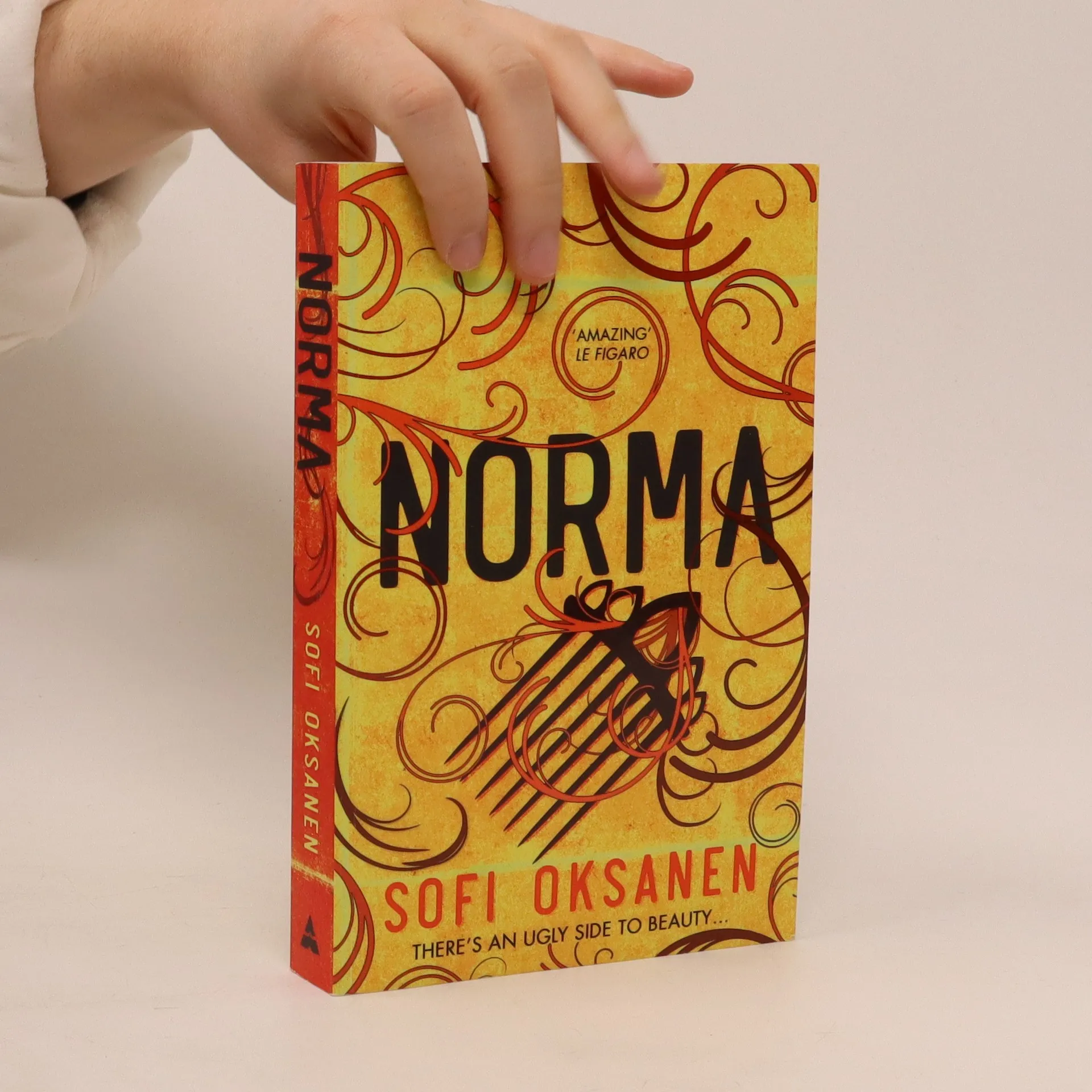
    Norma
    Dog Park
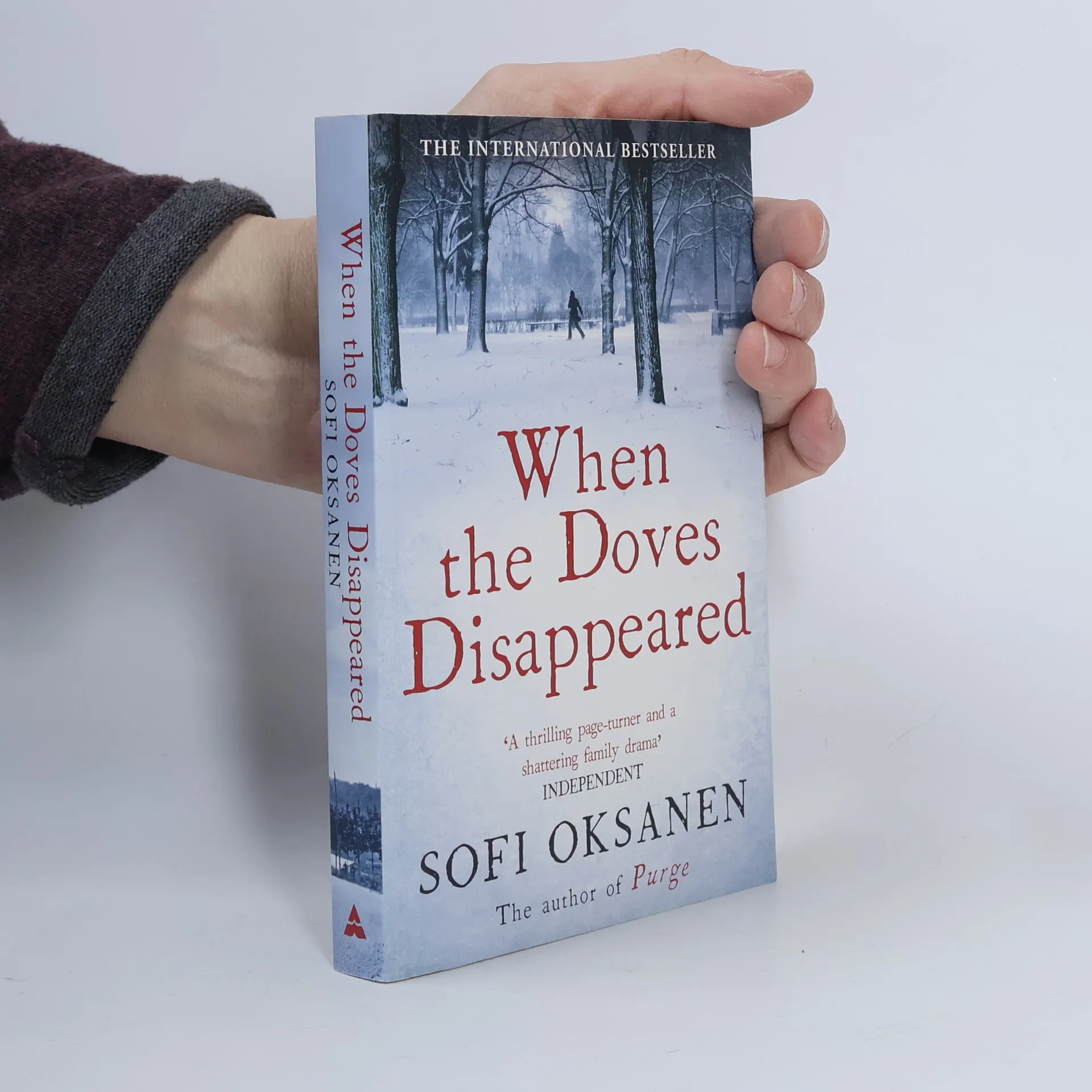
    When the Doves Disappeared
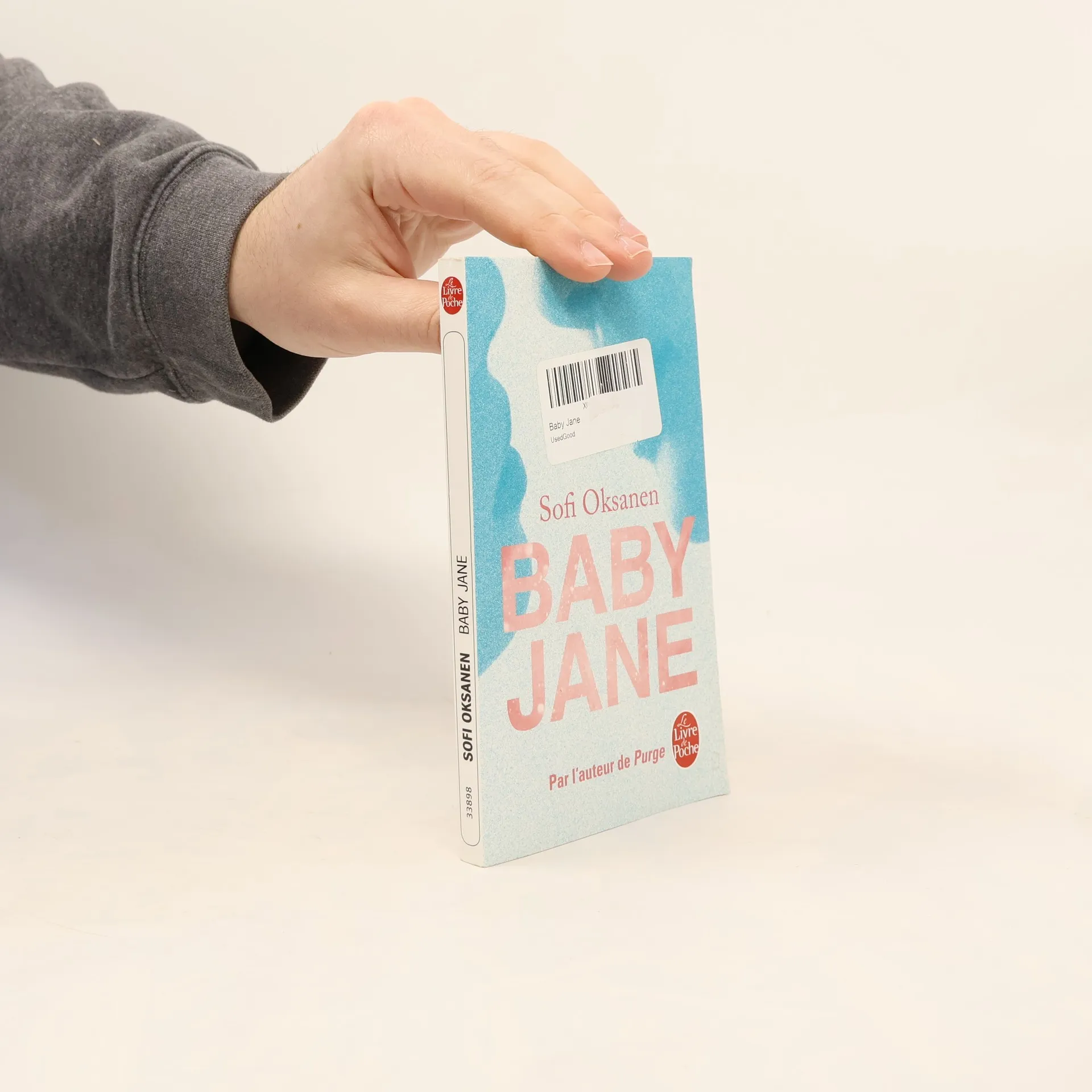
    Baby Jane
    Les Vaches de Staline
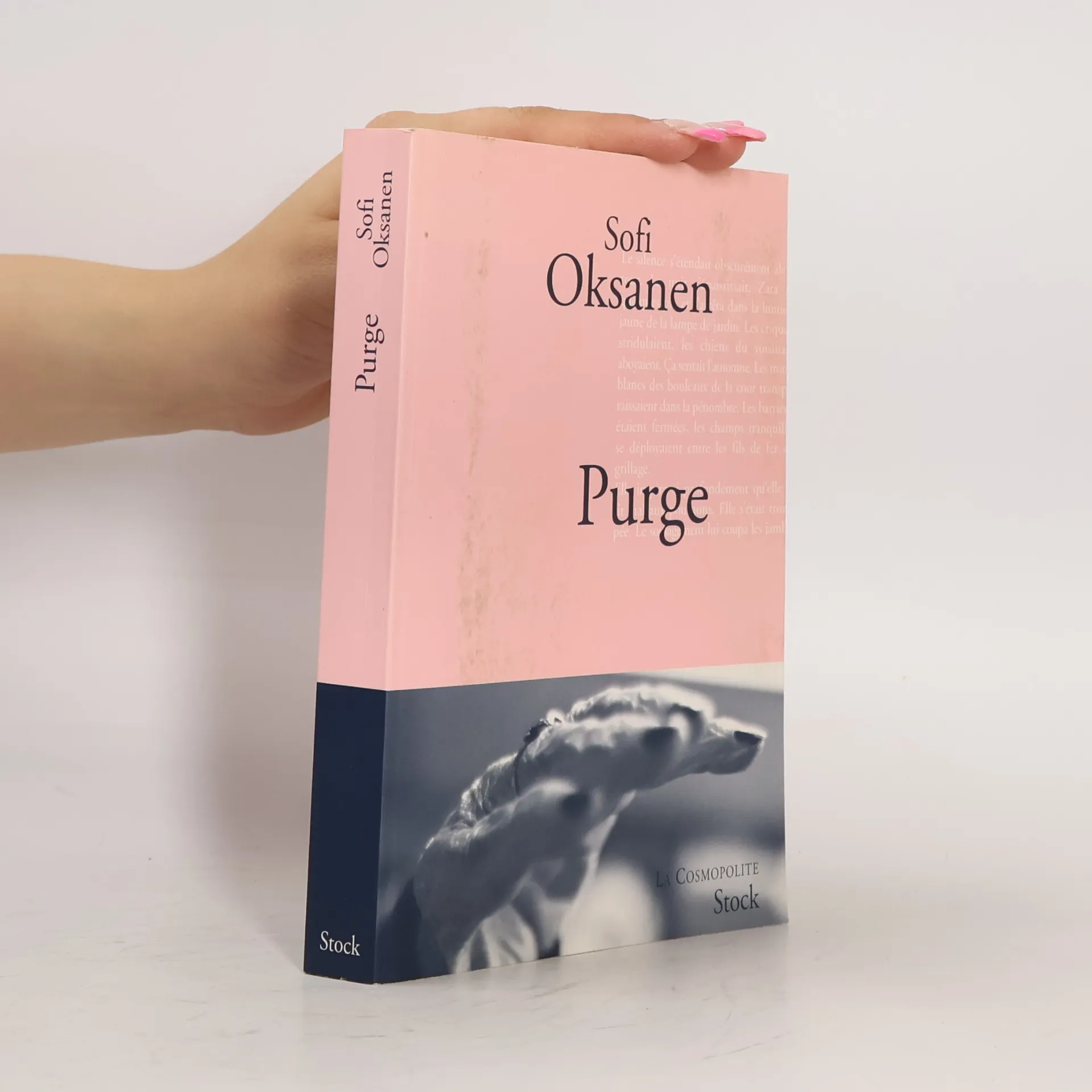
    Purge
    • Purge

      • 429pages
      • 16 heures de lecture

      En 1992, l'Union soviétique s'effondre et la population estonienne fête le départ des Russes. La vieille Aliide, qui vit terrée dans sa maison au fin fond de la campagne, fait la connaissance de Zara, une jeune femme qui semble en grande détresse. Un lourd secret de famille est révélé, en lien avec l'occupation soviétique et l'ancien amour d'Aliide pour Hans, un résistant. Prix du roman Fnac 2010.--[Memento].

      Purge
      4,5
    • Anna lutte contre la bulimie, cherchant un corps parfait pour échapper à la douleur. Sa mère, Katariina, cache ses origines estoniennes, craignant le mépris en Finlande. Le récit explore les traumatismes familiaux liés à l'occupation soviétique, révélant les racines profondes des souffrances d'Anna.

      Les Vaches de Staline
      3,9
    • Qu'est-il arrivé à Piki, la fille la plus cool d'Helsinki, qui vit désormais recluse dans son appartement ? Submergée par de terribles crises d'angoisse, elle ne parvient plus à faire face au quotidien. Sans compter les problèmes financiers. Comment gagner sa vie lorsqu'on refuse d'interagir avec le monde ? La narratrice, son grand amour, tente de l’aider comme elle peut. Ensemble, elles vont monter une entreprise d'un goût douteux pour exploiter la faiblesse des hommes. Au mépris d’elle-même, elle va essayer de sauver Piki.

      Baby Jane
      3,8
    • When the Doves Disappeared

      • 320pages
      • 12 heures de lecture

      "1941: In Communist-ruled, war-ravaged Estonia, two men have deserted the Red Army - Roland, a fiercely principled freedom fighter, and his slippery cousin Edgar. When the Germans arrive, Roland goes into hiding; Edgar abandons his unhappy wife, Juudit, and takes on a new identity as a loyal supporter of the Nazi regime...1963: Estonia is again under Communist control, independence even further out of reach behind the Iron Curtain. Edgar is now a Soviet apparatchik, desperate to hide the secrets of his past life and stay close to those in power. But his fate remains entangled with Roland's, and with Juudit, who may hold the key to uncovering the truth...In a masterfully told story that moves between the tumult of these two brutally repressive eras - a story of surveillance, deception, passion, and betrayal - Sofi Oksanen brings to life both the frailty, and the resilience, of humanity under the shadow of tyranny."

      When the Doves Disappeared
      4,0
    • From a major internationally acclaimed writer - author of Purge - comes a ferociously plotted novel of intrigue, betrayal, and murder in the global fertility market.

      Dog Park
      3,3
    • From the internationally best-selling author of Purge and When the Doves Disappeared, a spellbinding new novel set in present-day Helsinki, about a young woman with a fantastical secret who is trying to solve the mystery of her mother's death. When Anita Naakka jumps in front of an oncoming train, her daughter, Norma, is left alone with the secret they have spent their lives hiding: Norma has supernatural hair, sensitive to the slightest changes in her mood--and the moods of those around her--moving of its own accord, corkscrewing when danger is near. And so it is her hair that alerts her, while she talks with a strange man at her mother's funeral, that her mother may not have taken her own life. Setting out to reconstruct Anita's final months-- sifting through puzzling cell phone records, bank statements, video files-- Norma begins to realize that her mother knew more about her hair's powers than she let on: a sinister truth beyond Norma's imagining. As Sofi Oksanen leads us ever more deeply into Norma's world, weaving together past and present, she gives us a dark family drama that is a searing portrait of both the exploitation of women's bodies and the extremes to which people will go for the sake of beauty.

      Norma
      2,9
    • Same River, Twice

      Putin's War on Women

      • 256pages
      • 9 heures de lecture

      The book offers a compelling analysis of Vladimir Putin's war on women, highlighting how sexual violence has been systematically weaponized throughout modern Russian history. It combines journalistic integrity with a feminist call to action, revealing the political motivations behind this strategy and its implications for women's rights and societal power dynamics in Russia. Through this lens, the author critiques the intersection of gender and politics in a regime that seeks to maintain control through oppression.

      Same River, Twice
    • Mrazivý esej, v němž autorka ukazuje, jak Rusko na Ukrajině opakuje svůj starý návod – ten, který poprvé použila Kateřina Veliká na Krymu v roce 1783, a znovu – ovšem ve větším a krvavějším měřítku – Sovětský svaz za Stalinovy éry. Rusko se nikdy nevyrovnalo se svou imperialistickouminulostí. Místo toho se Kreml soustředil na vytváření nepřátel, které využívá k vytváření základů pro sexuální násilí, jež používá ve válkách, a k dehumanizaci těch, kteří se stali oběťmi porušování lidských práv. Pokrok v oblasti rovnosti žen a mužů v Putinově Rusku upadá. Rusko umlčuje ženy, používá znásilnění jako zbraň a své oběti ponižuje v médiích a vyhrožuje jim dalším sexuálním násilím.

      Do stejné řeky. Putinova válka proti ženám
      4,7
    • Lebilincselő és bátor hangú „nagyregény” Észtország II. világháború alatti és utáni megszállásáról, az ellenállásról, a kollaborációról, a szerelemről és egy tragikus házasságról. A történet a Baltikumban játszódik, de bármely keleti tömbbeli országban is zajlódhatna, ahol a történelem mélyen befolyásolta az emberek életét. Három szereplő életét követhetjük: Roland, a szabadságharcos, Edgar, aki sötét titkokat rejteget, és Juudit, Edgar felesége, akit házasságának szégyene köt béklyóba. Sorsuk örökre összefonódik, nemcsak rokoni kapcsolatok miatt, hanem bonyolult érzelmeik és titkaik révén is. Oksanen kivételes tehetséggel kérdez és válaszol, miközben feszültséget tart fenn. A történetvezetés tökéletes, a szálak okosan összefonódnak, és a történelem, valamint a magánélet darabjait ügyesen illeszti össze. A cselekmény több időszakban zajlik: a német megszállás alatt és a szovjet időszakban, a ’60-as években. A mű a közelmúlt és a fikció határvonalán mozog, meglepetéseket tartogat az utolsó lapokig, ahol az olvasó a kulcsot a zárba illeszti. A tetralógia harmadik része, melynek korábbi kötetei magyarul is megjelentek.

      Mikor eltűntek a galambok