

Bookbot

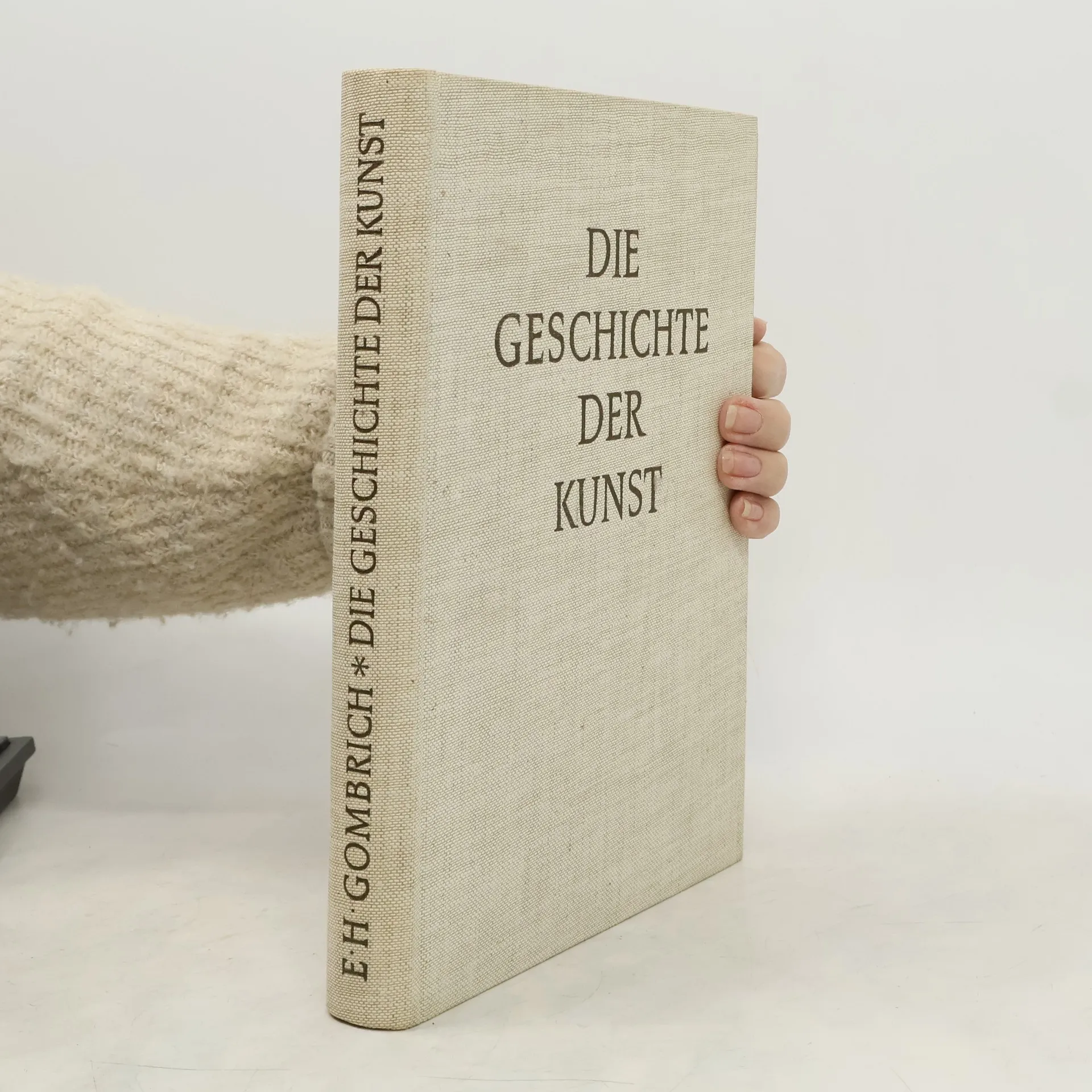
Ernst Hans Gombrich

    30 mars 1909 – 3 novembre 2001
    Ernst Hans Gombrich
    Shadows
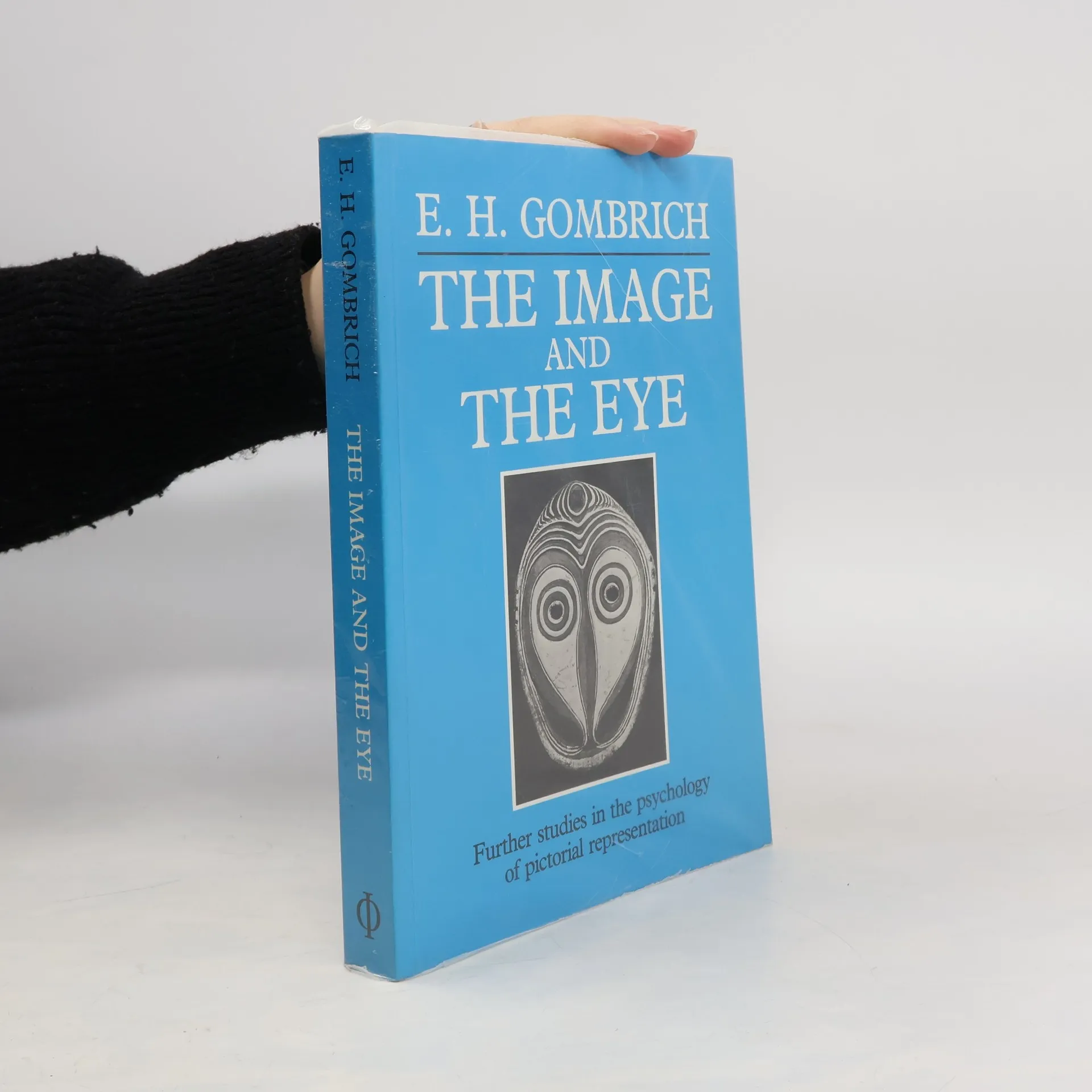
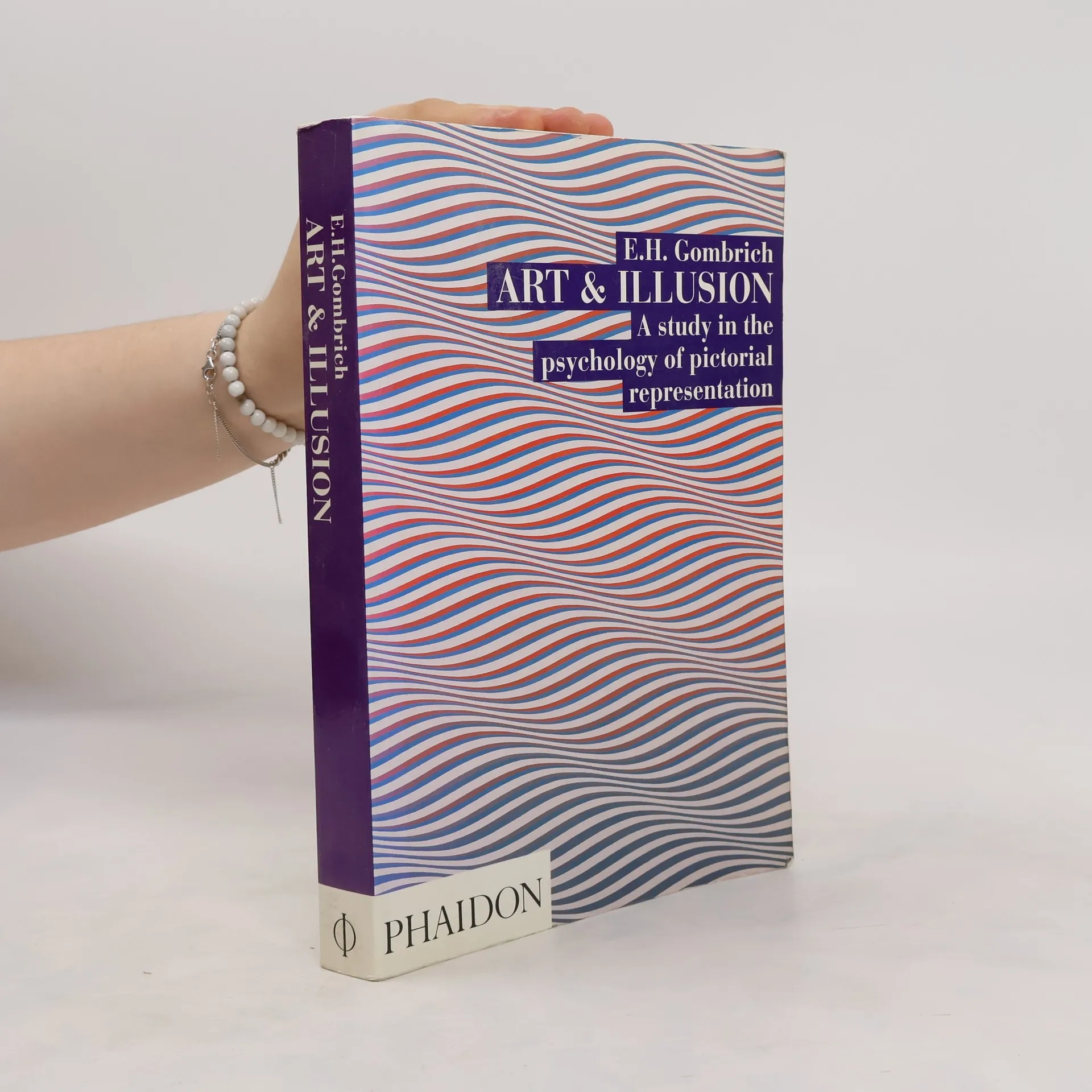
    Art and Illusion
    The Sense of Order
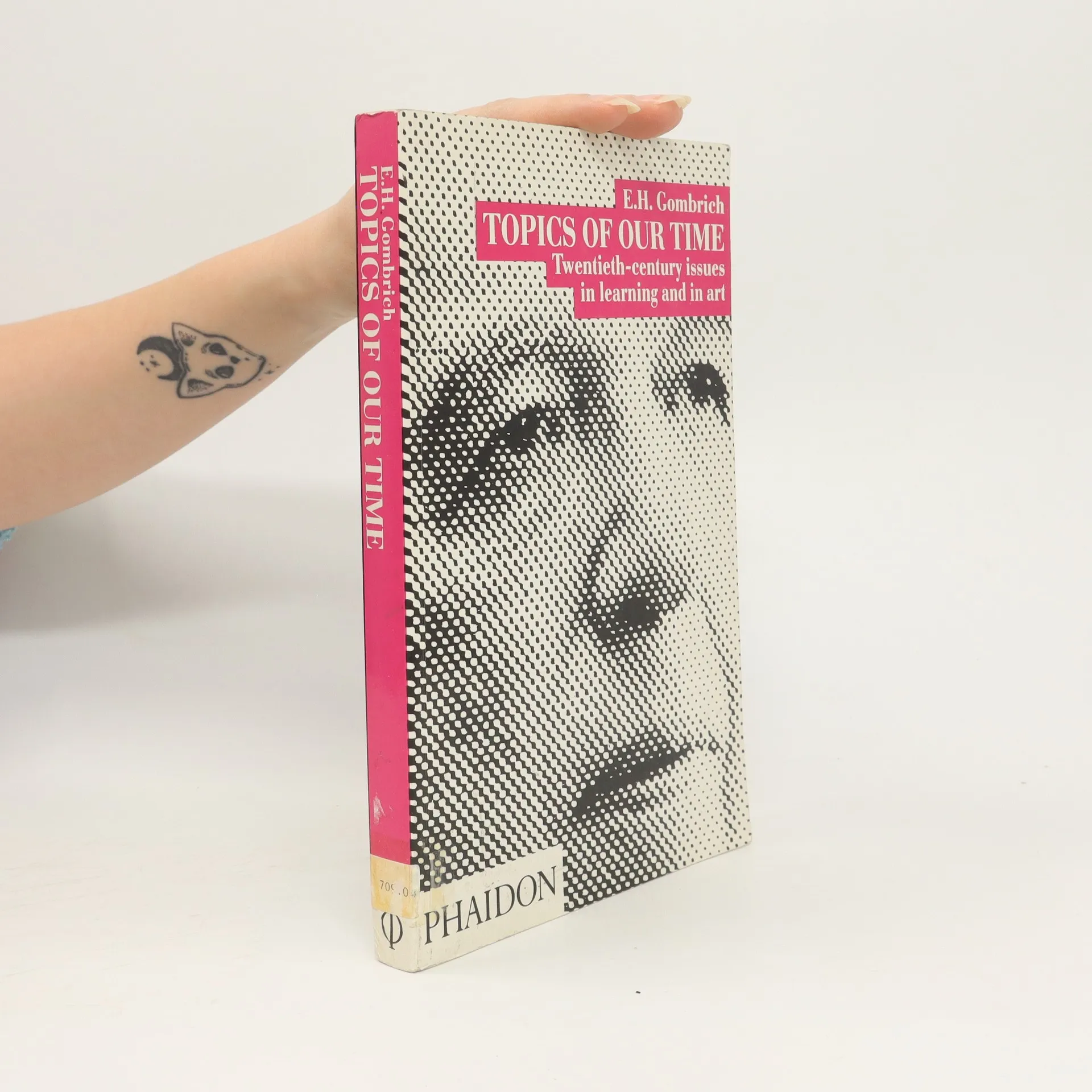
    Topics of our time. Twentieth-century issues in learning and in art
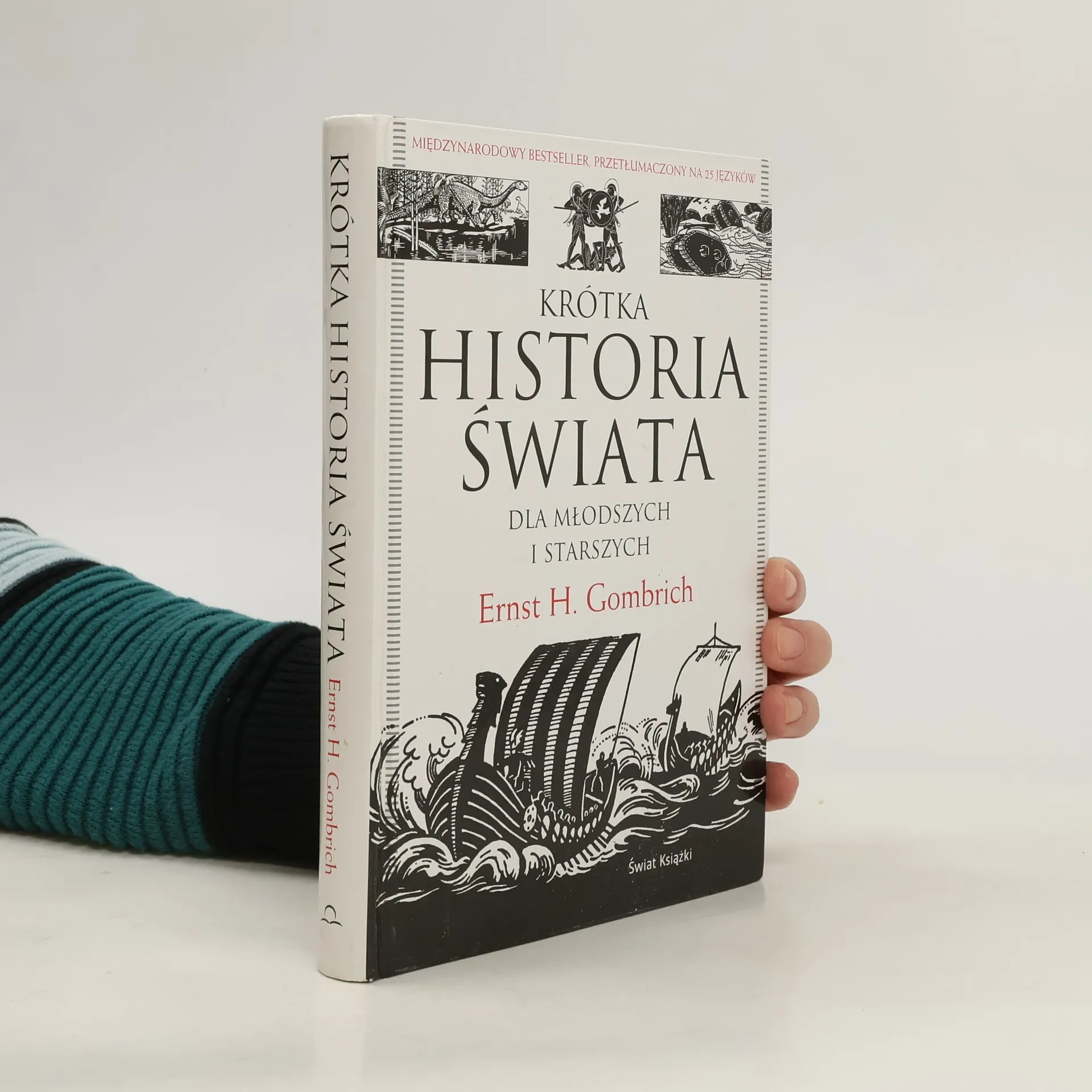
    Brève histoire du monde
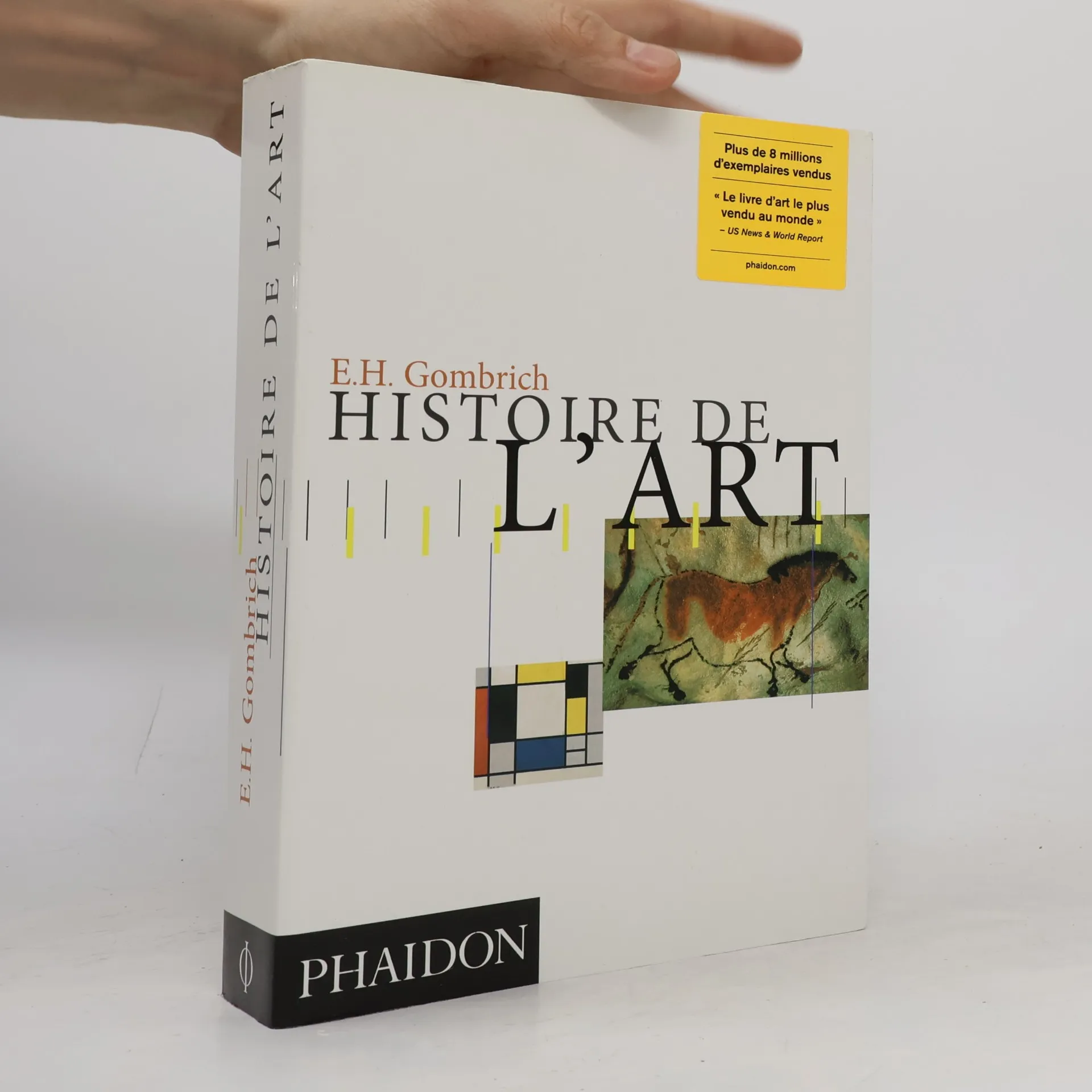
    Histoire de l'art
    • Histoire de l'art

      • 688pages
      • 25 heures de lecture

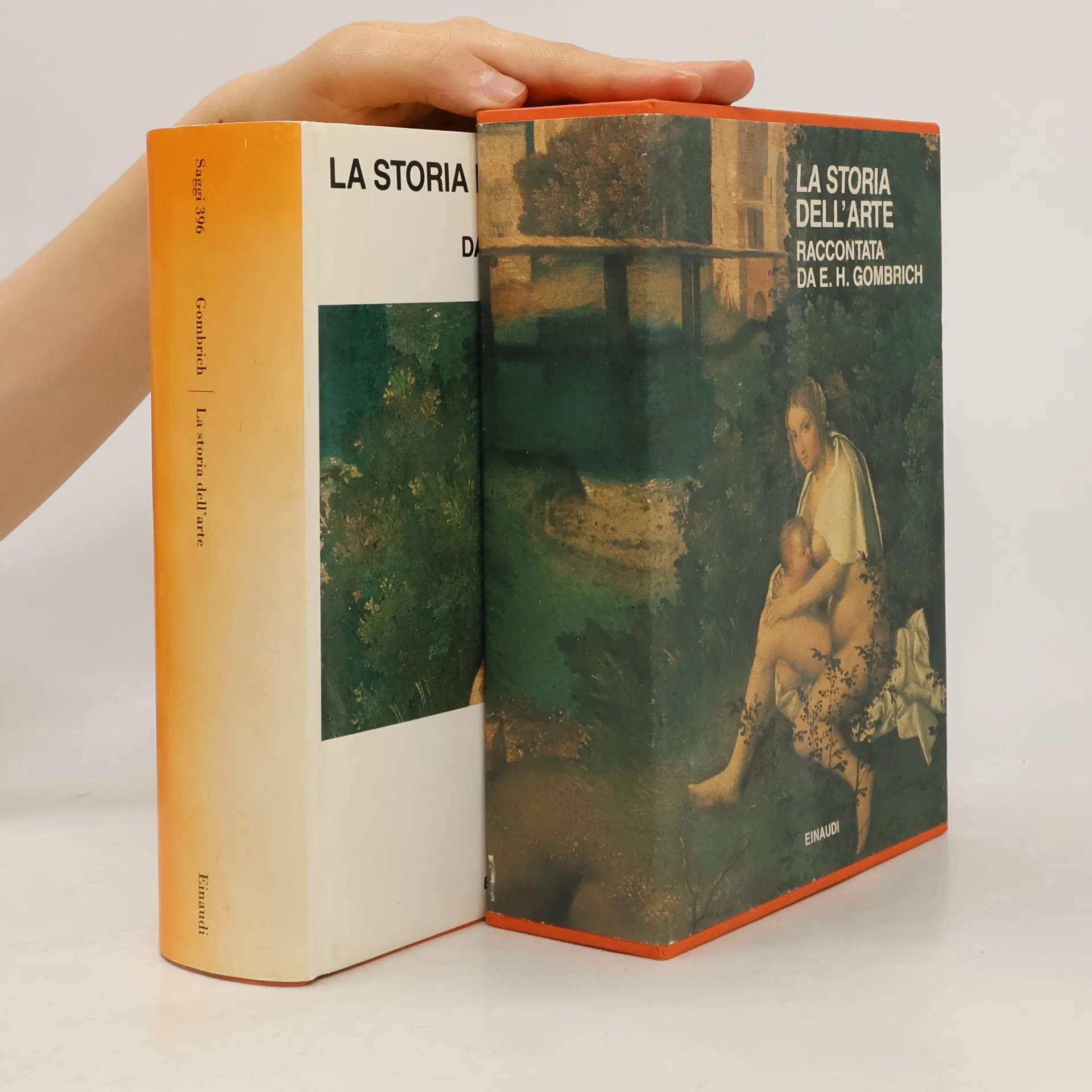
      Renowned not only as the best concise introduction to art history, but also as a classic of art historical literature, this book reflects the vast knowledge, insights, and expertise of one of this century's greatest art historians and thinkers. Extensively illustrated, it treats the history of art -- both chronologically and geographically -- as a continuous unfolding story. Offers a vivid, enthusiastic, and interpretive narrative written in direct, straightforward language with technical terms always explained when they are introduced. KEY TOPICS: Focuses on the most significant works of Western art. Considers each work of art in its context: shows how art reflects the historical setting, the artist's intentions, and the values of that civilization, and how each artist built upon, or sometimes reacted against, the style of his/her predecessors. Contains chronological charts, maps, and notes on art books. Illustrates all works that are discussed. Features a new design with each illustration appearing on the same spread as the narrative that discusses it.
      Histoire de l'art
      4,4
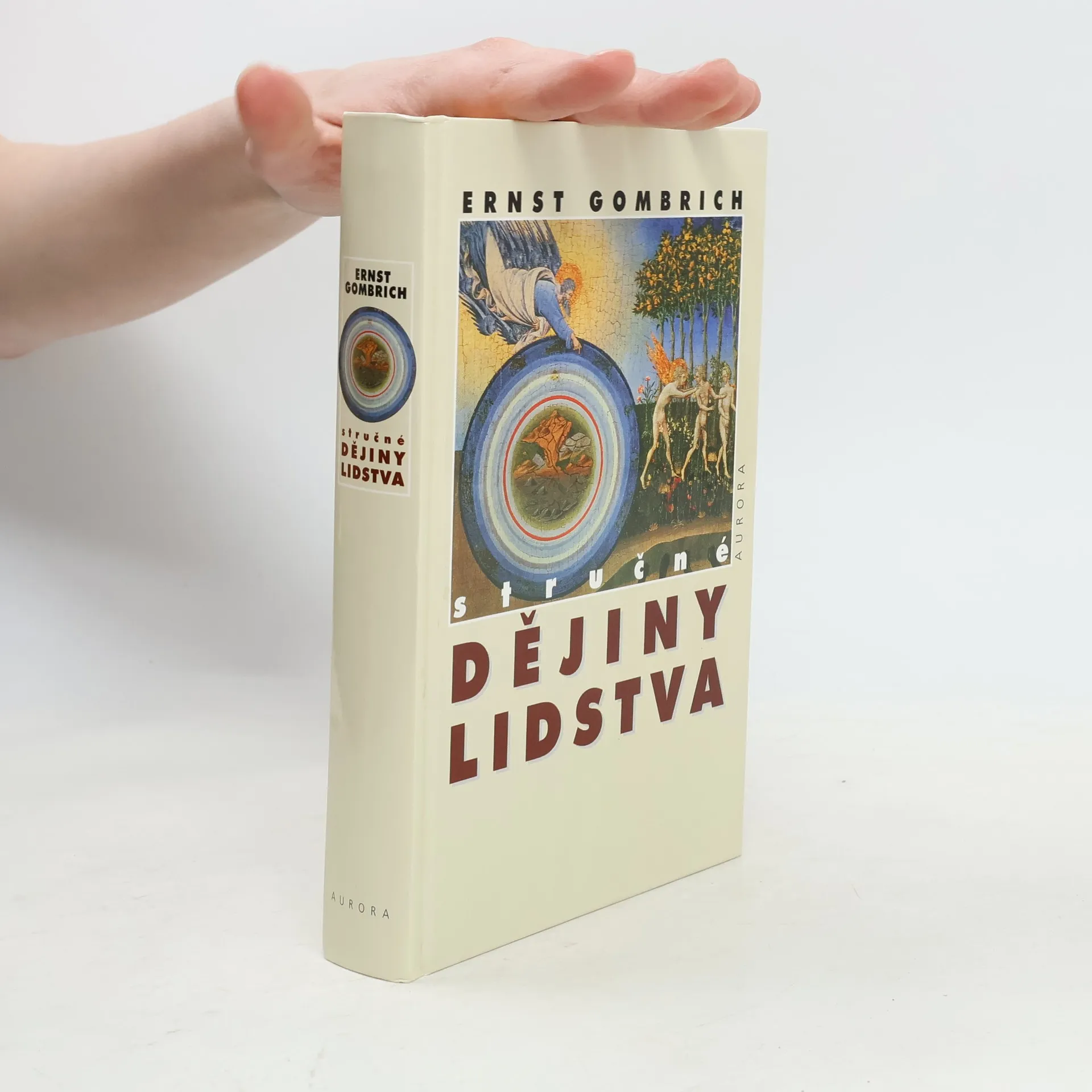
    • L'histoire de l'humanité racontée en quelque trois cents pages? Aussi audacieux que cela puisse paraître, c'est le pari que s'est lancé Ernst Gombrich, et qu'il a relevé avec brio. Il choisit de tutoyer ses lecteurs, tel un grand frère qui s'adresserait à ses cadets et, considérant que ceux-ci savent réfléchir par eux-mêmes, il ne les encombre pas d'explications simplistes. II leur présente les personnages historiques emblématiques de leur temps et raconte les faits dans leur continuité, comme s'il ne s'arrêtait pas de parler, insufflant au récit un sens du rapprochement et de la contemporanéité des événements. Un ouvrage formidable pour apprendre l'histoire sans en avoir l'air.

      Brève histoire du monde
      4,1
    • This collection of hard-hitting and highly readable essays reflects Gombrich's preoccupation with the central questions of value and tradition in our culture. He confronts - with characteristic incision and erudition - some of the most urgent issues that challenge today's students of art and civilization. His topics include a series of radical proposals for the reform of higher education, an assault on the notion of relativism and a heartfelt plea for the conservation of our cities, alongside thought-provoking and engaging studies of the works of Oskar Kokoschka, Abram Games, Saul Steinberg and Henri Cartier-Bresson.

      Topics of our time. Twentieth-century issues in learning and in art
      4,5
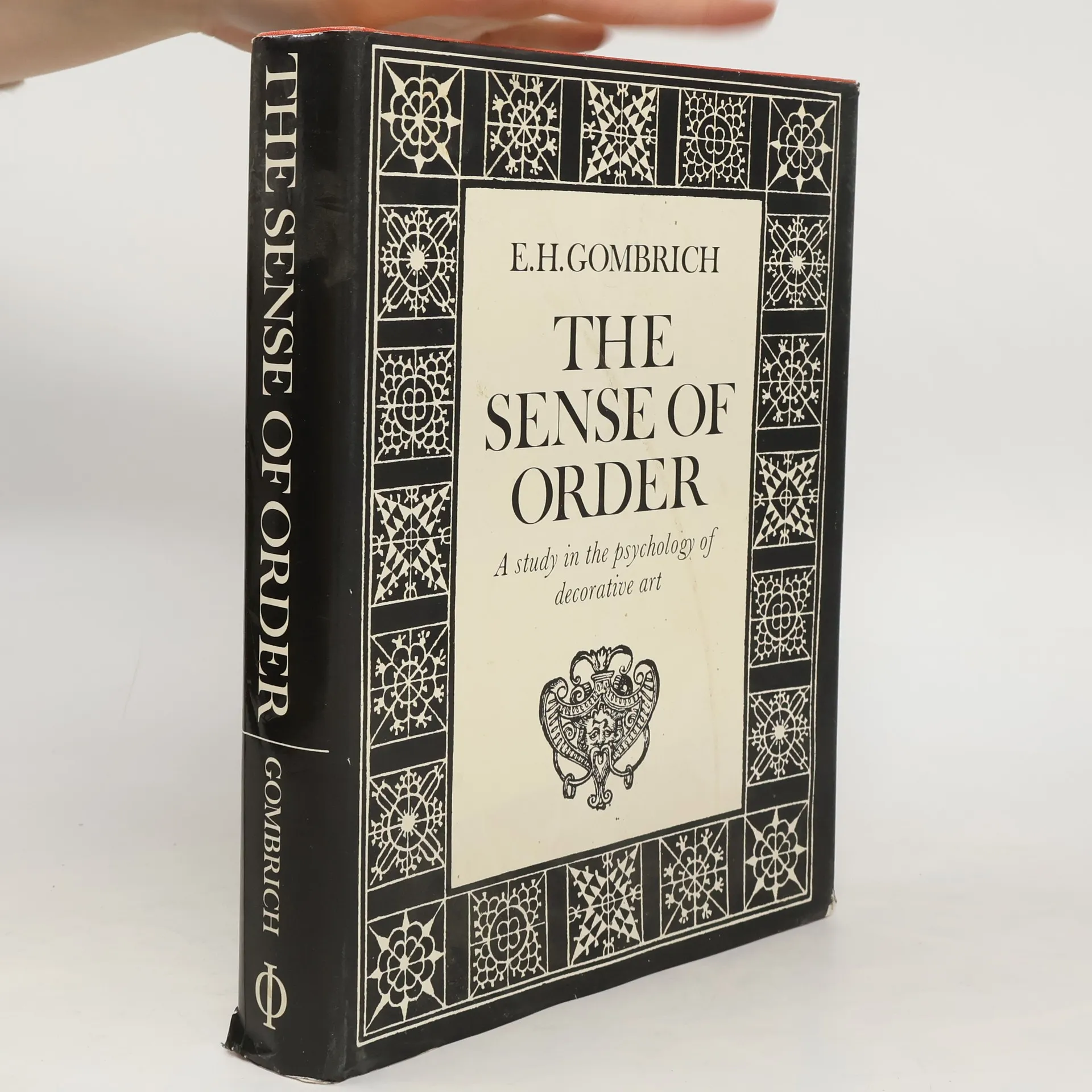
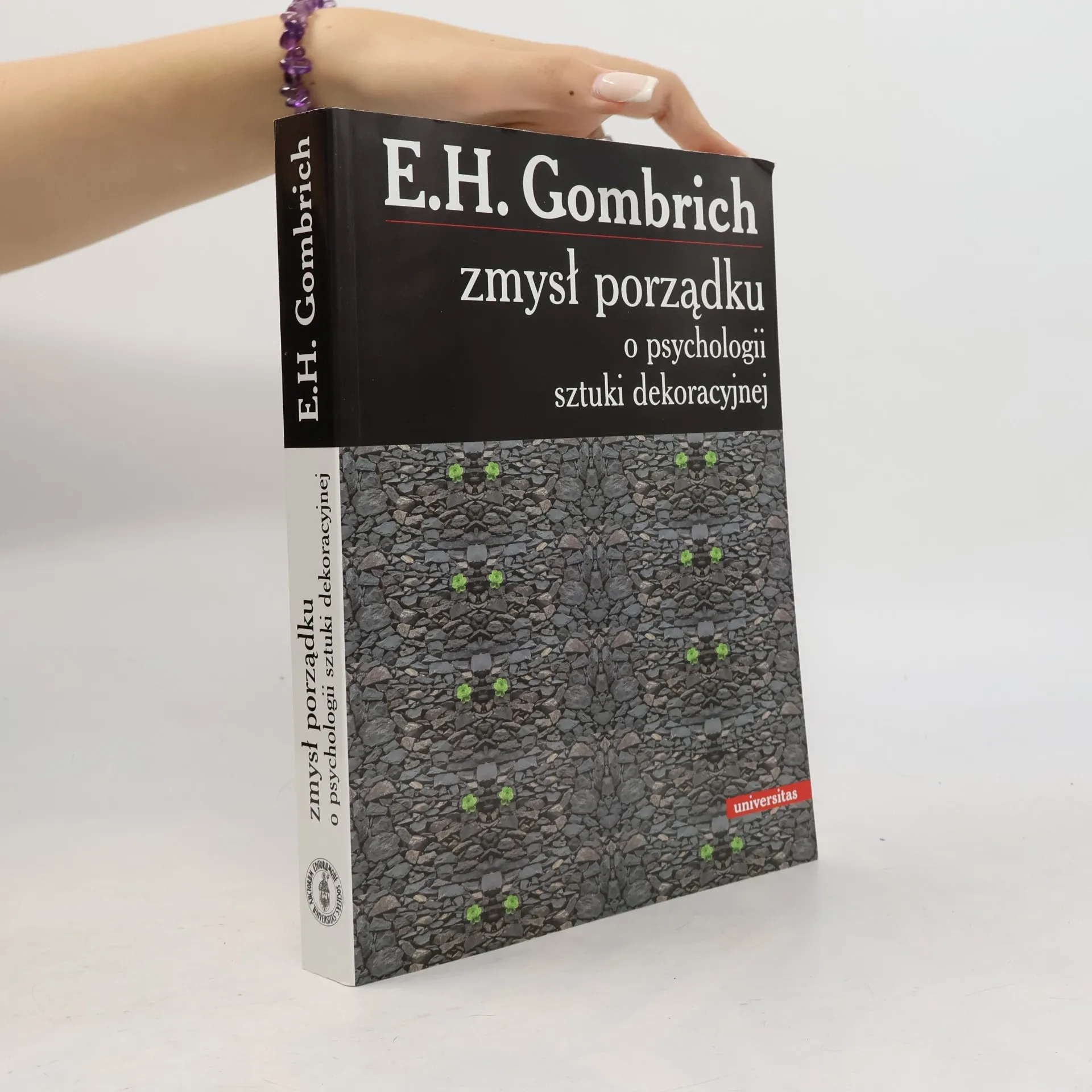
    • The Sense of Order

      • 412pages
      • 15 heures de lecture

      Investigates the psychology of decorative design and the creation and function of formal orders concentrating on problems of decorative theory, visual perception, and the symbolism of design.

      The Sense of Order
      3,5
    • Art and Illusion

      • 386pages
      • 14 heures de lecture

      This book is a classical study of image-making, which seeks the answer to an apparently simple but fundamental question : why is there such a thing as style?

      Art and Illusion
      4,1
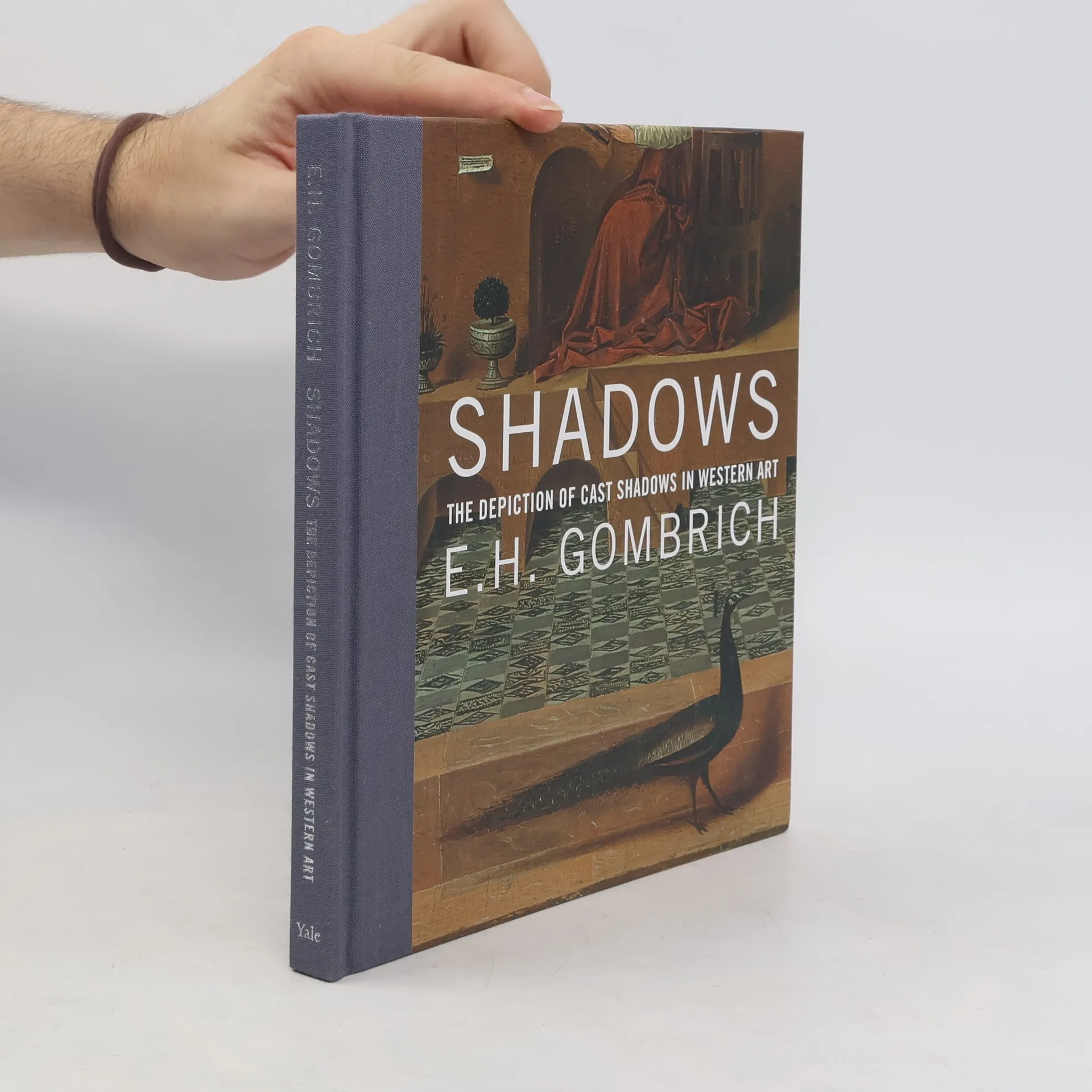
    • Shadows

      • 96pages
      • 4 heures de lecture

      Discusses the way shadows were represented - or ignored - by artists from the Renaissance to the 17th century and then describes how Romantic, Impressionist and Surrealist artists exploited the device of the cast shadow to enhance the illusion of realism or drama in their representations.

      Shadows
      3,7
    • s/t: A Study in the Psychology of Decorative Art This book provides a comprehensive survey of the history and theory of decorative art. The universal human impulse to seek order and rhythm in space and time can be seen in children's play and in poetry, dance, music and architecture, and its prevalence in our every activity calls for an explanation in terms of our biological heritage.

      The Sense of Order. A study in the psychology of decorative art
      3,9
    • The Uses of Images

      • 306pages
      • 11 heures de lecture

      Exploring the interplay between social dynamics and art, this volume delves into how supply and demand influence artistic direction. It examines the 'ecology' of images and the concept of 'feedback,' highlighting how skill development can create new demands. Additionally, the book addresses the use and potential misuse of images as historical evidence, providing a comprehensive analysis of the factors shaping the art world.

      The Uses of Images
      3,8
    • Tête À Tète

      Portraits

      • 144pages
      • 6 heures de lecture

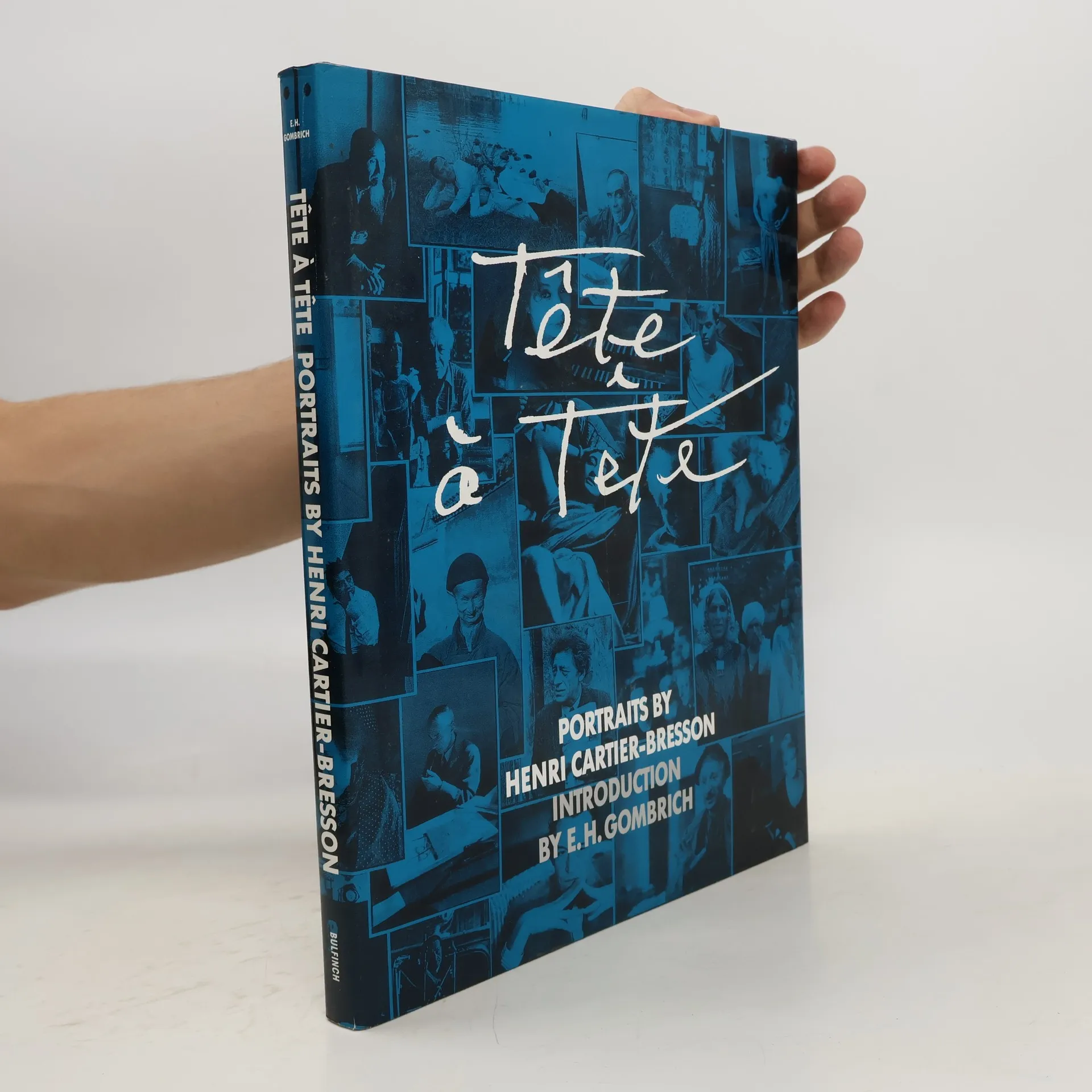
      Over the last half century Henri Cartier-Bresson has photographed some of the most famous icons of the twentieth century, those few people among millions whose images pass into history. Tete a Tete is a remarkable arrangement of his most memorable portraits, including Pablo Picasso, Truman Capote, Marilyn Monroe, Lucien Freud, William Faulkner, Robert Kennedy, Che Guevara, Martin Luther King Jr., Coco Chanel, and the Dalai Lama. Beyond these famous names there are also anonymous portraits, chosen for their striking and unusual features, and a selection of pencil drawings, including a self-portrait. Cartier-Bresson supervised the design of the book and the juxtaposition of all the photographs. The result is a distinguished collection of his work, diverse in its range of extraordinary and ordinary personalities from the 1930s to the 1990s. Tete a Tete reveals Cartier-Bresson as a photographer who is as skillful in recording the subtleties of the individual portrait as he is renowned for his masterful ability to capture the decisive moment.
      Tête À Tète