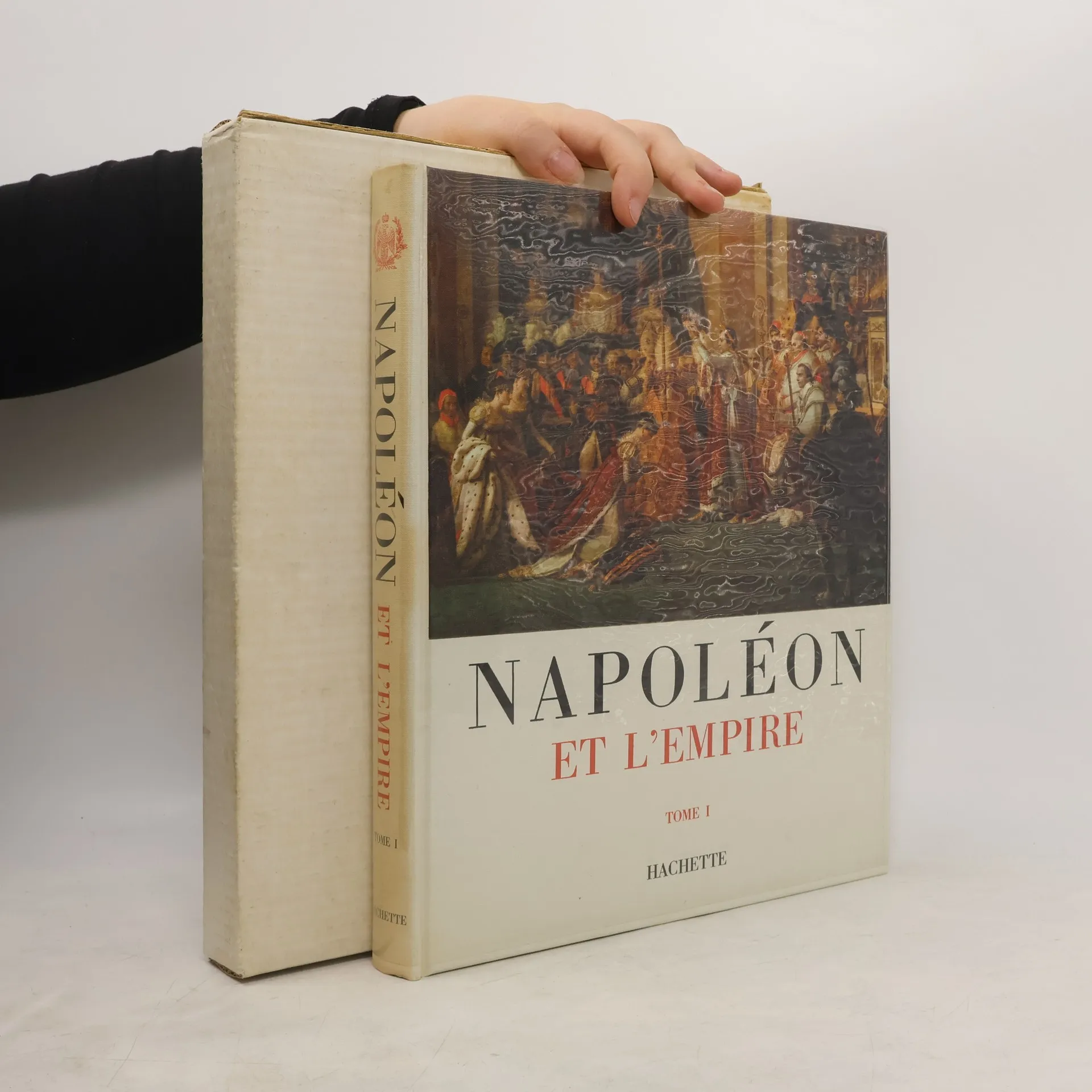
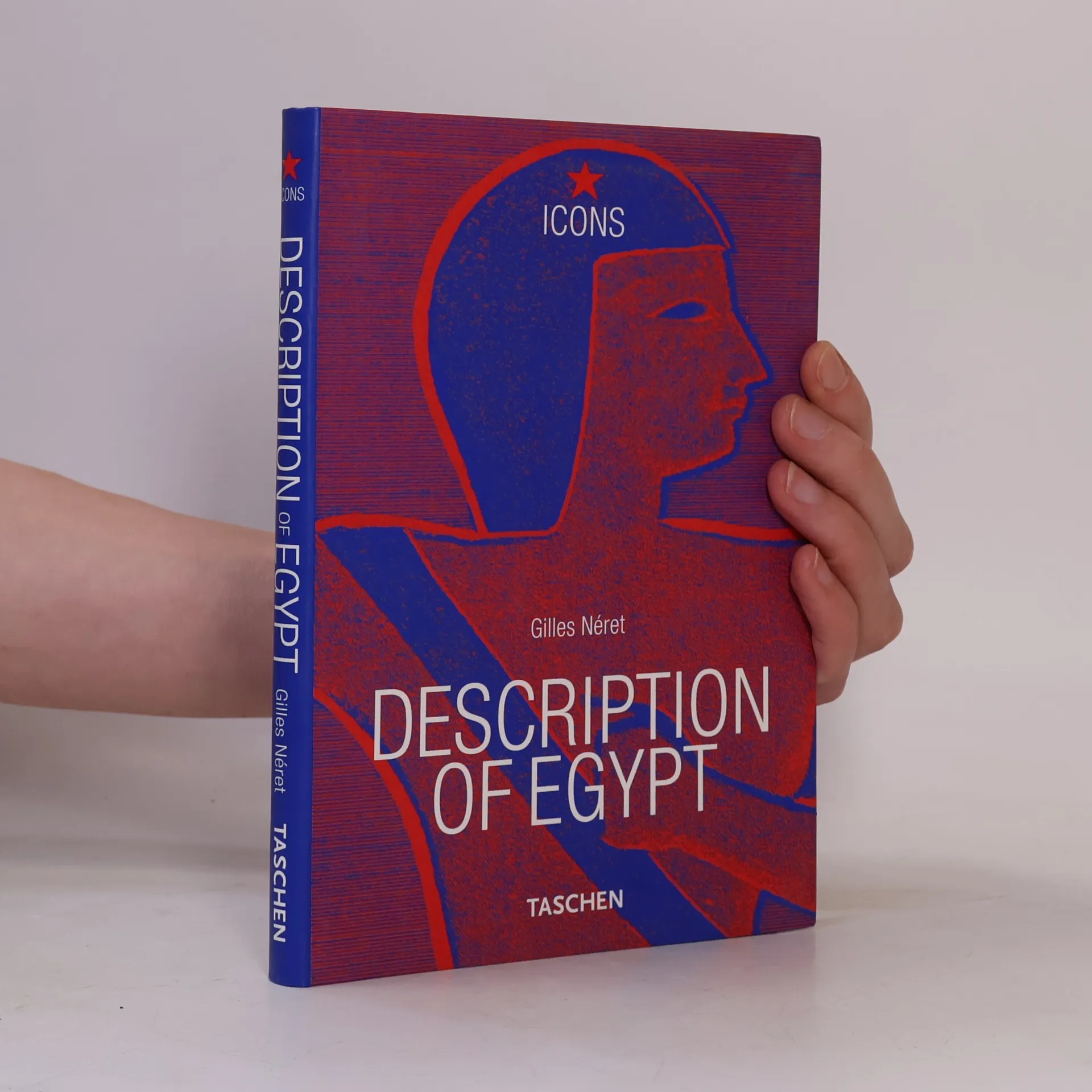
La tentative de Napoléon de conquérir l'Égypte en 1798 fut un rêve fou, un fiasco, mais elle a donné naissance à une nouvelle science : l'égyptologie. Les 3000 illustrations rapportées de l'expédition ont été publiées par ordre de l'Empereur. Elles constituent un témoignage inestimable et sont reproduites dans leur intégralité.
Napoleon Livres
15 août 1769 – 5 mai 1821
Cet auteur explore les dynamiques complexes entre le pouvoir personnel et les structures sociales. Son œuvre plonge dans la nature humaine, examinant comment les individus naviguent à travers les changements politiques et historiques. Par son écriture, il vise à éclairer les forces du pouvoir et leur impact sur l'individu comme sur le collectif. Sa perspective offre une lentille unique à travers laquelle contempler les paysages historiques et politiques.

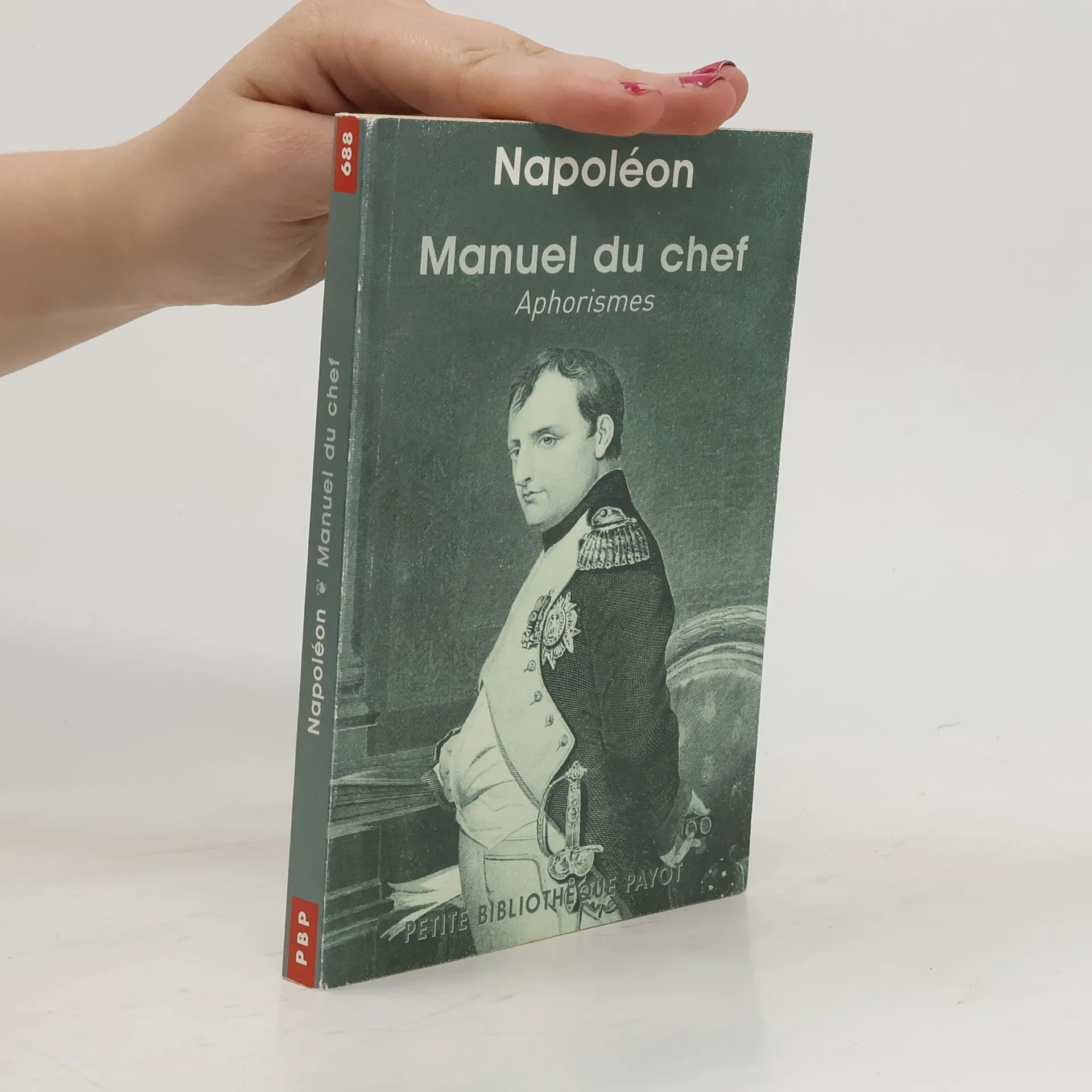
Manuel du chef. Aphorismes
- 173pages
- 7 heures de lecture
Sur les français, l'art de gouverner ou celui de faire la guerre, ces aphorismes, sentences et réflexions de l'Empereur, toujours d'actualité, témoignent d'une ironie, d'un cynisme et d'une clairvoyance hors pair. Un livre à offrir à tous ceux qui se sentent attirés par la politique.
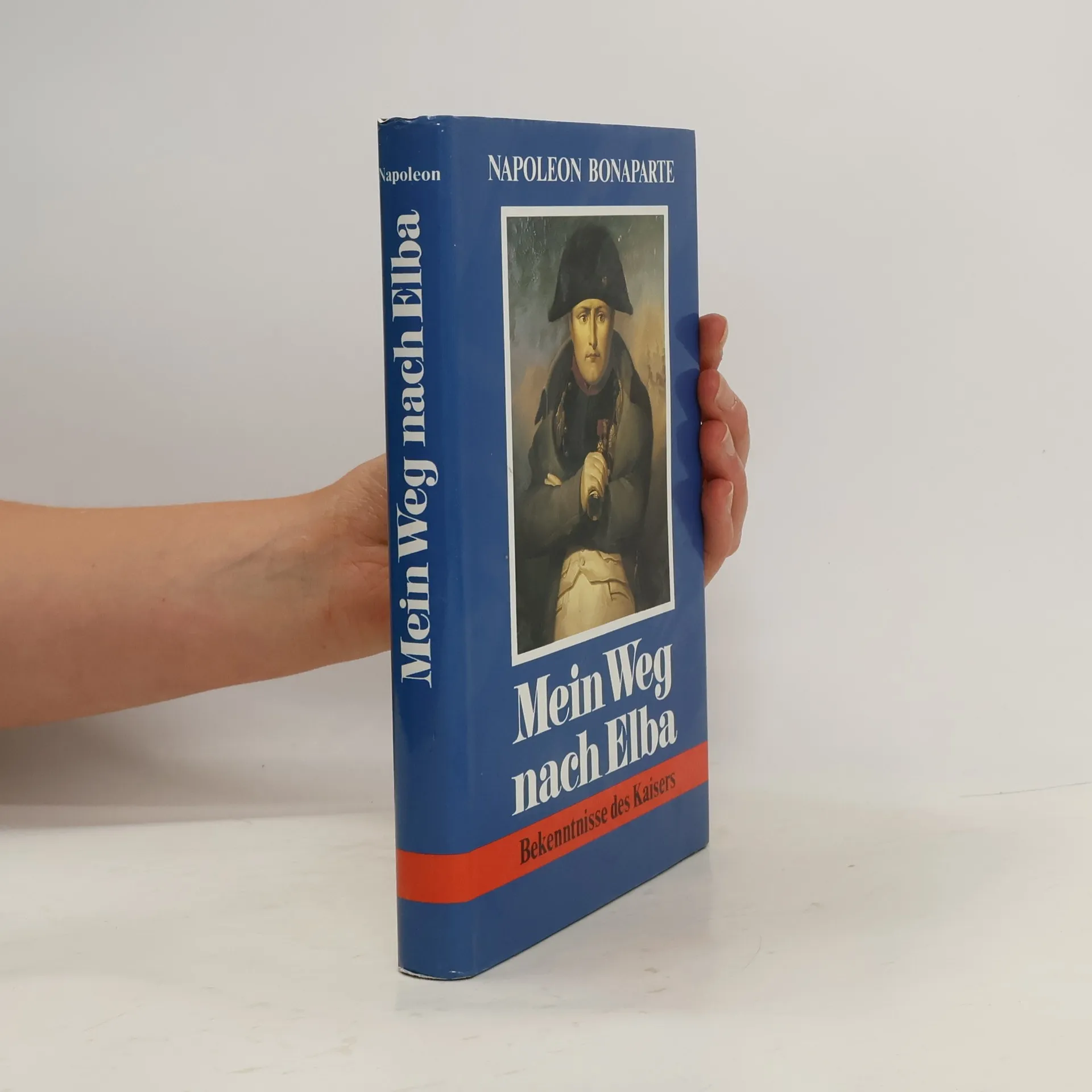
Mein Weg nach Elba
- 98pages
- 4 heures de lecture
Discours français de Mirabeau à de Gaulle = Französische Reden von Mirabeau bis de Gaulle
- 143pages
- 6 heures de lecture
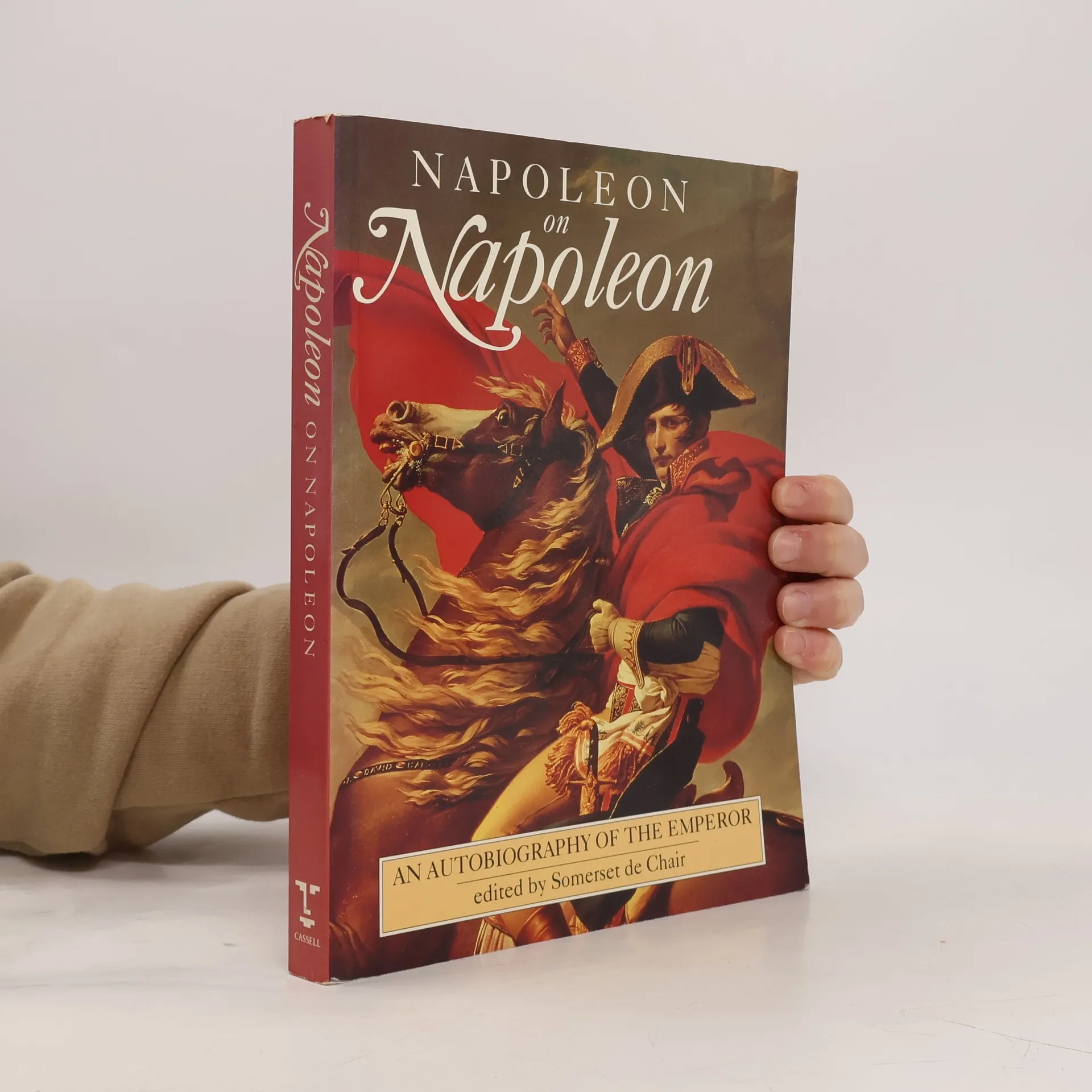
This is an illustrated "autobiography" of the Emperor Napoleon compiled from his commentaries and memoirs dictated on St Helena, edited and put into chronological order. The text spans his childhood in Corsica to exile on St Helena and covers family feuds, divorce from Josephine, retreat from Moscow, Waterloo and more - all in his own words. Napoleon was in inveterate writer, he dictated obsessively and edited his own scripts. He was also very aware of his position as one of history's great leaders. The book should be useful to military enthusiasts, historians and writers.
Love Letters of Great Men
- 108pages
- 4 heures de lecture
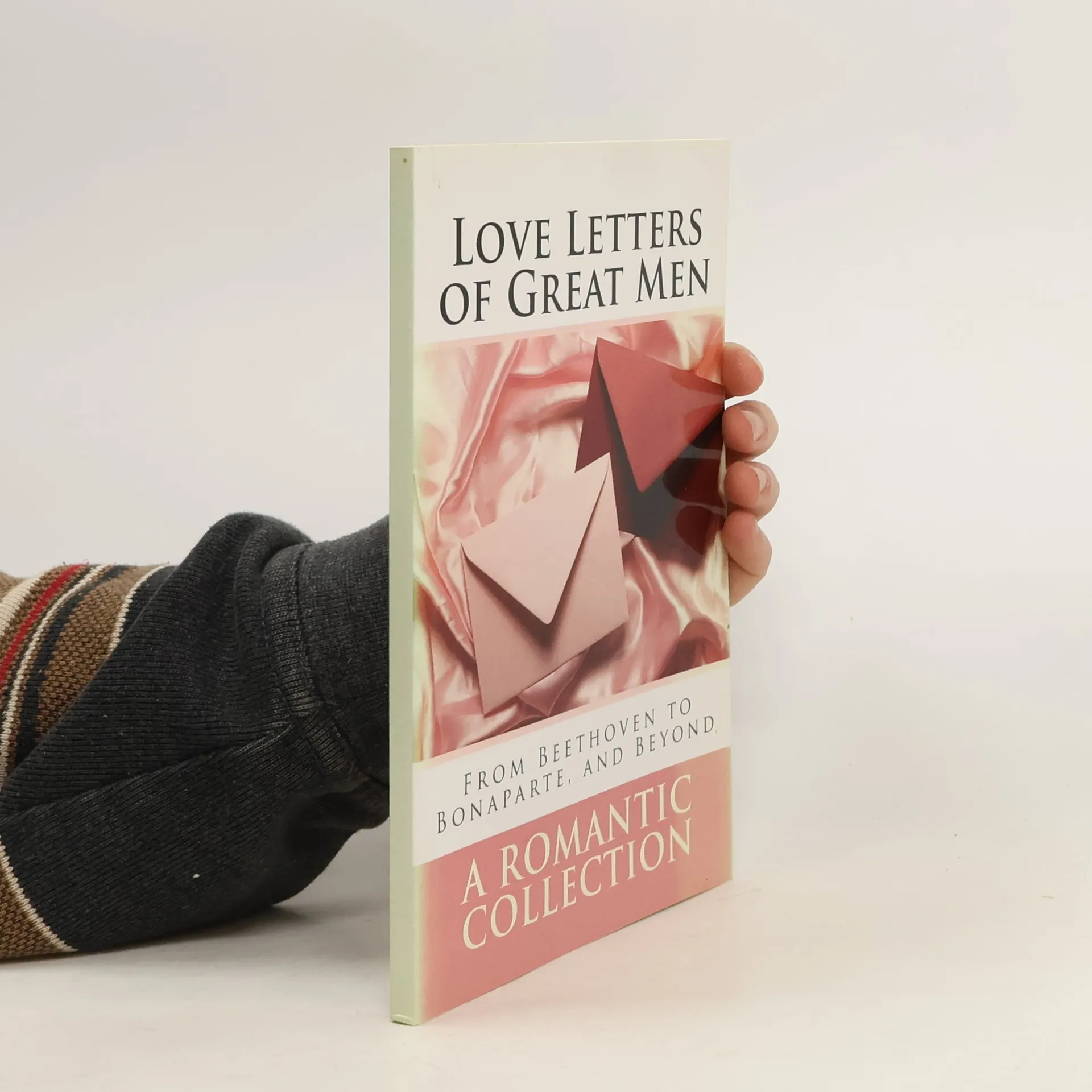
When Carrie Bradshaw in the "Sex and the City" movie began reading Love Letters of Great Men, millions of women wanted to get their hands on the book. Although the book Carrie was reading from was not real, the letters are-including the Beethoven one quoted by Mr. Big at their wedding ceremony. Here are the actual love letters for you to enjoy and treasure! "These letters express such heartfelt emotions and the bliss of new love... I finally realized how men experience love and it is especially beautiful!" - Rebecca of Amazon (Top 500 Reviewer) Featuring: A helpful background sketch for every writer and love letter Nearly 70 photographs of the letter authors and their lovers Most popular and best-selling Love Letters book-thousands of copies sold every year!!! Written by these Great Men: John Adams, Sullivan Ballou, Honor� de Balzac, Ludwig Van Beethoven Napoleon Bonaparte, Robert Browning, Robert Burns, Lord Byron, Winston Churchill John Constable, Alfred Duff Cooper, Pierre Curie, Scott F. Fitzgerald, Nathaniel Hawthorne Henry VI of France, Victor Hugo, James Joyce, Franz Liszt, Jack London, Mozart, Robert Peary Edgar Allen Poe, Sir Walter Raleigh, Sir Robert Schumann, Dylan Thomas, Mark Twain Vincent Van Gogh, Voltaire, Woodrow Wilson
Aphorisms And Thoughts
- 128pages
- 5 heures de lecture
Spurred by a lifelong fascination with the great emperor, French novelist Honore de Balzac set himself the painstaking task of collecting a selection of Napoleon's aphorisms from his public speeches and the gazettes of the time.
Military Maxims of Napoleon
- 52pages
- 2 heures de lecture
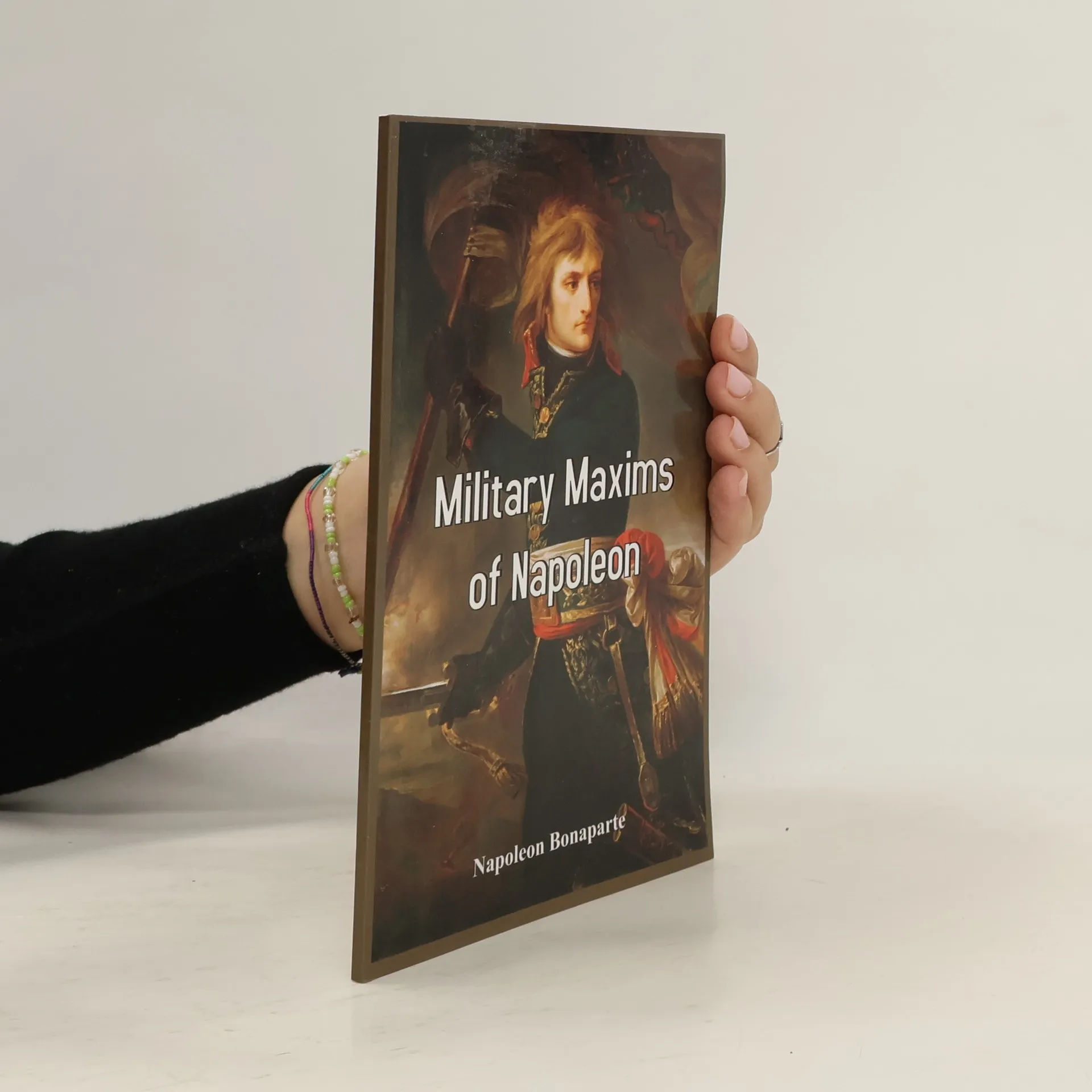
Exploring the insights of a legendary military strategist, this book delves into Napoleon Bonaparte's thoughts and theories on warfare and statecraft. It highlights his exceptional skills in military operations while offering a captivating look at his strategic mindset and commentary on governance. Through this examination, readers gain a deeper understanding of his approach to leadership and the complexities of military command.
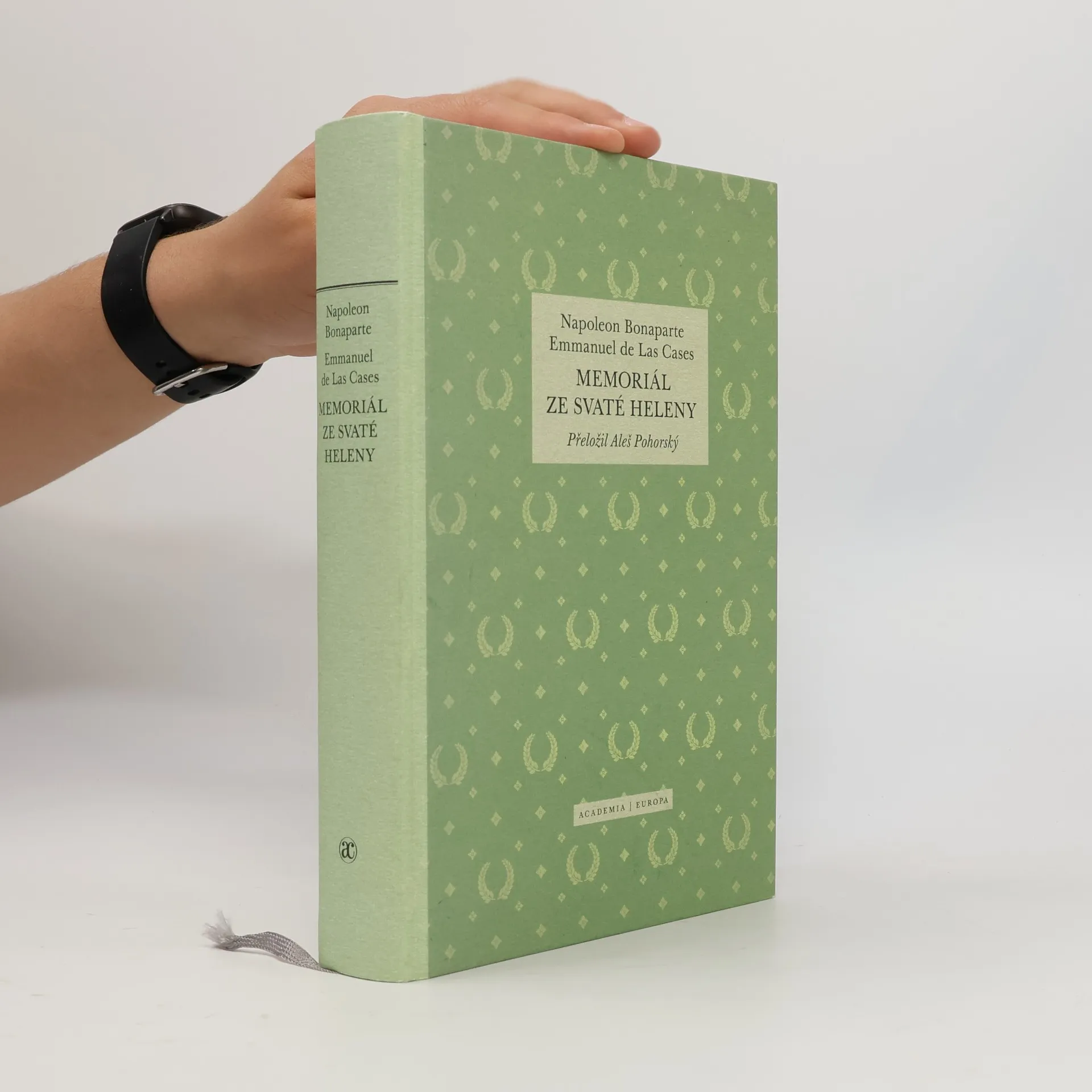
Memoriál ze Svaté Heleny
- 516pages
- 19 heures de lecture
Když byl Napoleon po bitvě u Waterloo v roce 1815 internován na vzdáleném ostrově Svatá Helena, doprovázel ho mimo jiné věrný hrabě de Las Cases. Po celou dobu svého pobytu na ostrově zaznamenával do deníku Napoleonovy vzpomínky, úvahy a myšlenky. Padlý císař se hodně soustředil na „poslední dějství“ svého životního dramatu – útěk z Elby, závěrečných „sto dnů“ svého panování a osudnou bitvu –, ale věnoval se i šťastnějším dobám své dráhy, literatuře, dějinám a dalším tématům. A protože je kniha psána živým, kultivovaným jazykem, zdaleka není jen historickým dokumentem, ale patří do klasické francouzské literatury stejně jako další proslulé memoáry. Český překlad byl pořízen jako první s přihlédnutím k novému francouzskému vydání podle původního rukopisu, objeveného teprve v nedávné době. Přeložil, úvodní studii napsal a poznámkami opatřil Aleš Pohorský.
Jím samým diktované na ostrově Svaté Heleny generálům, kteří tam s ním byli v zajetí. Zapsané jeho pobočníkem generálem Gouragaudem a vydané podle rukopisu, opraveného vlastní rukou Napoleonovou.
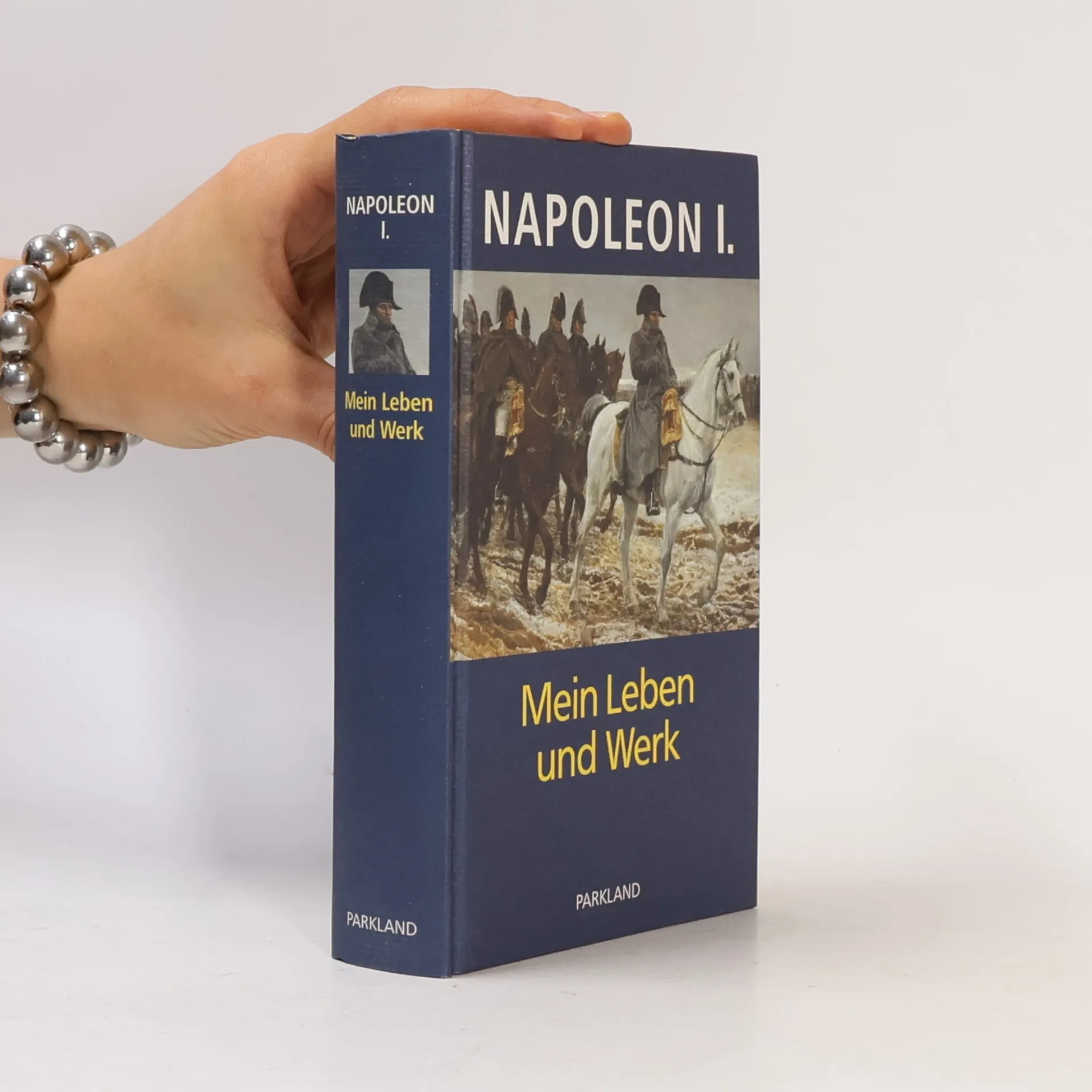
Napoleon I. Mein Leben und Werk
- 570pages
- 20 heures de lecture
Das Leben Napoleons I., Kaiser der Franzosen, in Dokumenten aus eigener Hand.Von früheren Briefen, über Reden, Tagebücher und Schriften bis zu Proklamationen spannt sich der Bogen dieses Bandes, der zu den unmittelbarsten authentischsten und spannendsten Veröffentlichungen der gesamten Napoleonliteratur gehört.
Aforismi politici. Pensieri morali. Massime sulla guerra
- 118pages
- 5 heures de lecture
Della vita avventurosa di Napoleone Bonaparte e del suo temperamento sappiamo ormai quasi tutto, sebbene resti ancora da scoprire qualcosa di più sull'uomo Napoleone Bonaparte. Non particolarmente vicino alle 'belles lettres', Napoleone ci ha lasciato una serie di brevi pensieri morali, aforismi politici e massime sulla guerra, riunite in questo volume. Si tratta di una raccolta di riflessioni personali, scritte in momenti diversi e talvolta in piena contraddizione tra loro, che si rivelano uno strumento di analisi interessante e utile al fine di individuare tratti della personalità e delle idee di Napoleone.
Love Letters of Great Men
- 144pages
- 6 heures de lecture
From the private papers of Mark Twain and Mozart to those of Robert Browning and Nelson, 'Love Letters of Great Men' collects together some of the most romantic letters in history.
Napoleon I.
Darstellung der Kriege Caesars, Turennes, Friedrichs des Grossen
Napoleon III.
- 901pages
- 32 heures de lecture
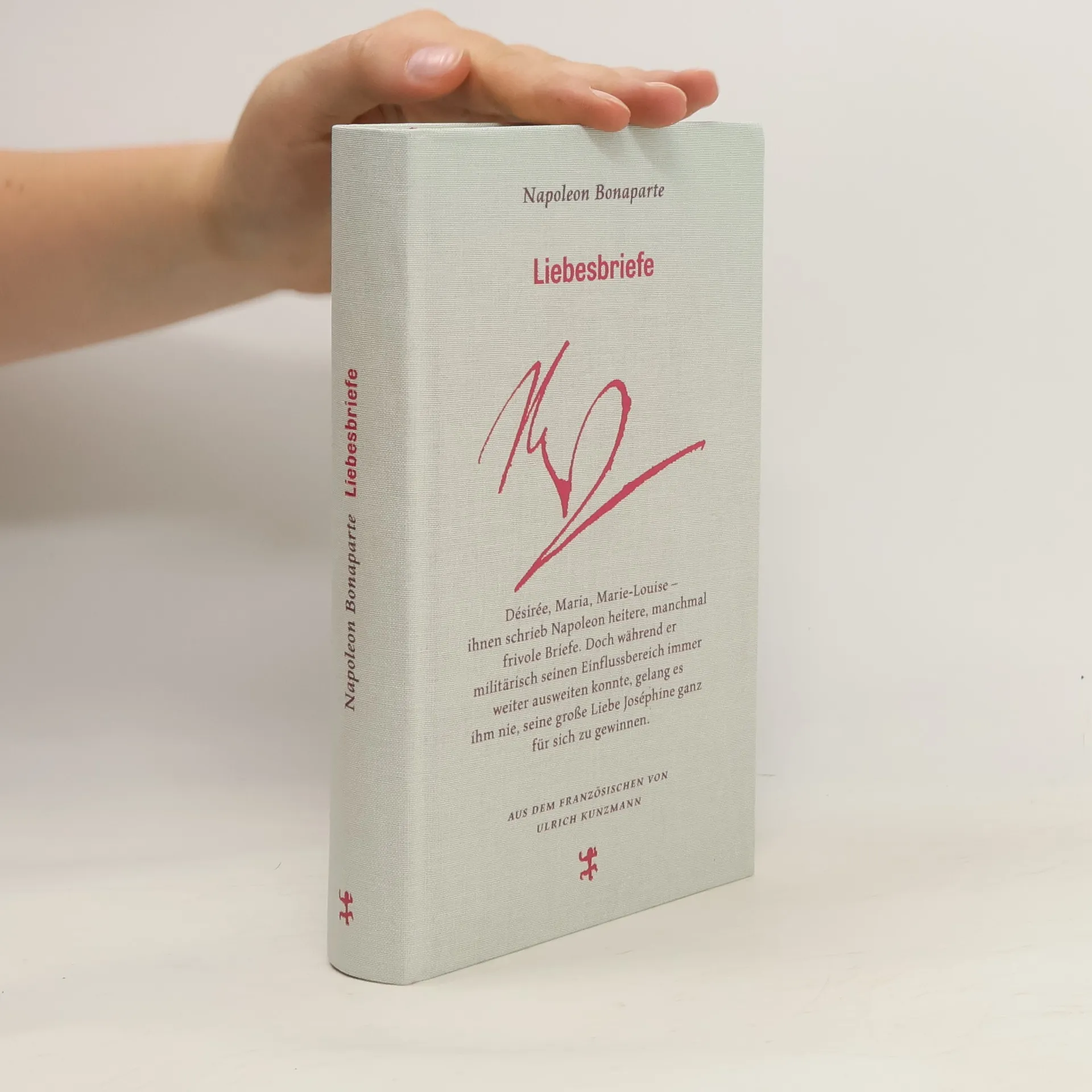
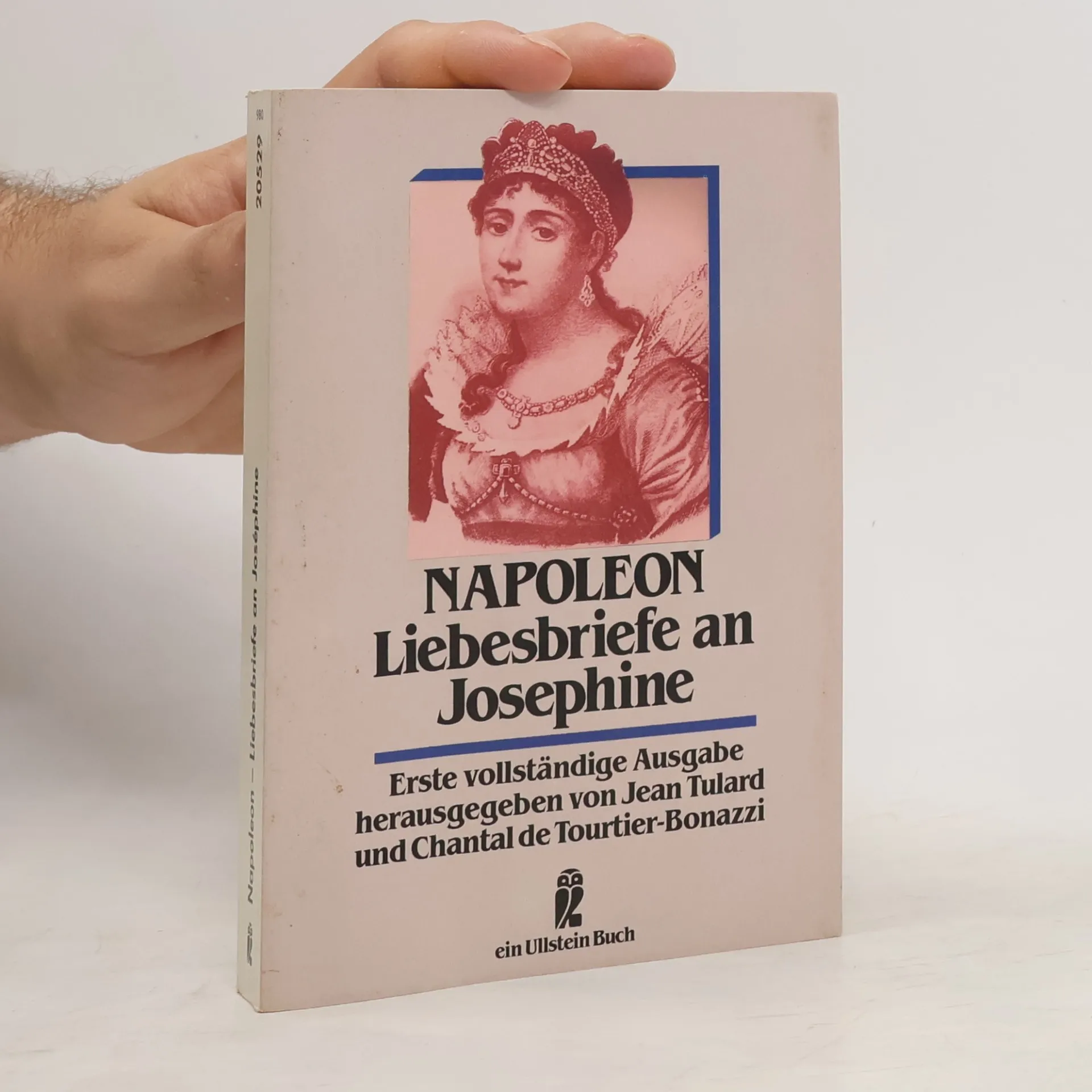
Liebesbriefe an Joséphine
- 311pages
- 11 heures de lecture
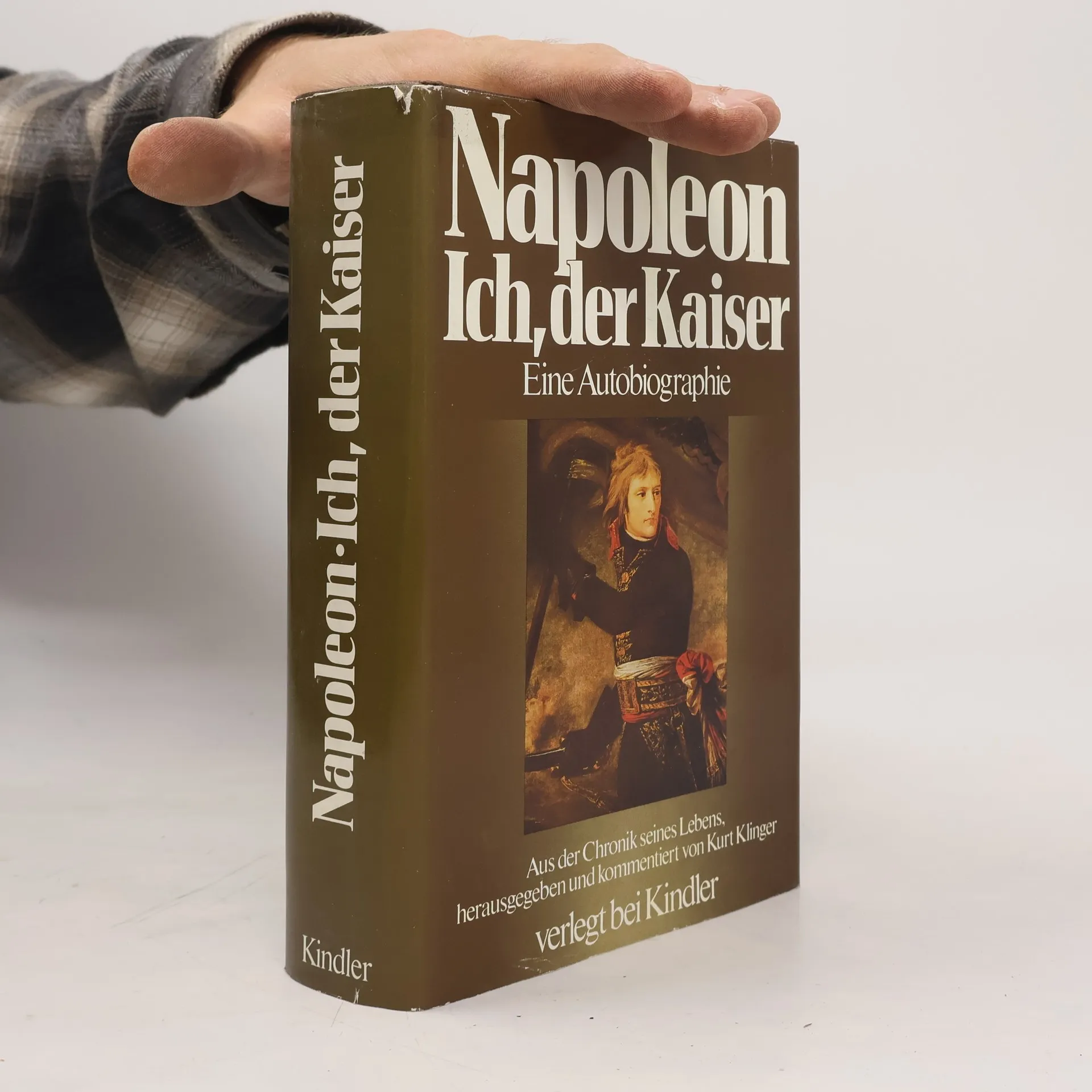
Ich, der Kaiser
- 476pages
- 17 heures de lecture
Gekürzter und bearbeiteter Auszug aus dem dreizehnbändigen Werk Heinrich Conrads "Napoleons Leben. Von ihm selbst" (1911/13) das auf Originalausgaben meist diktierter Texte des verbannten Kaisers basiert