
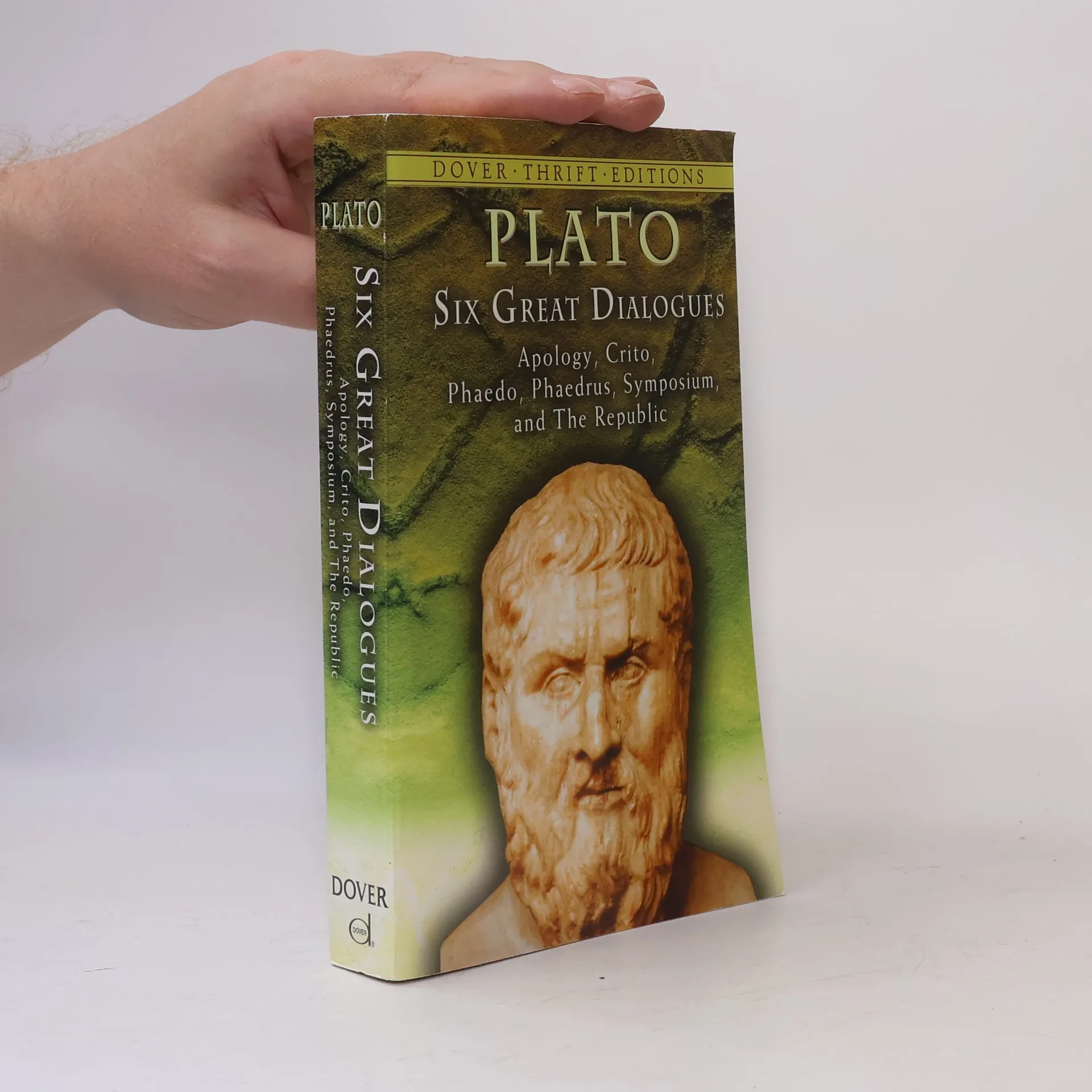
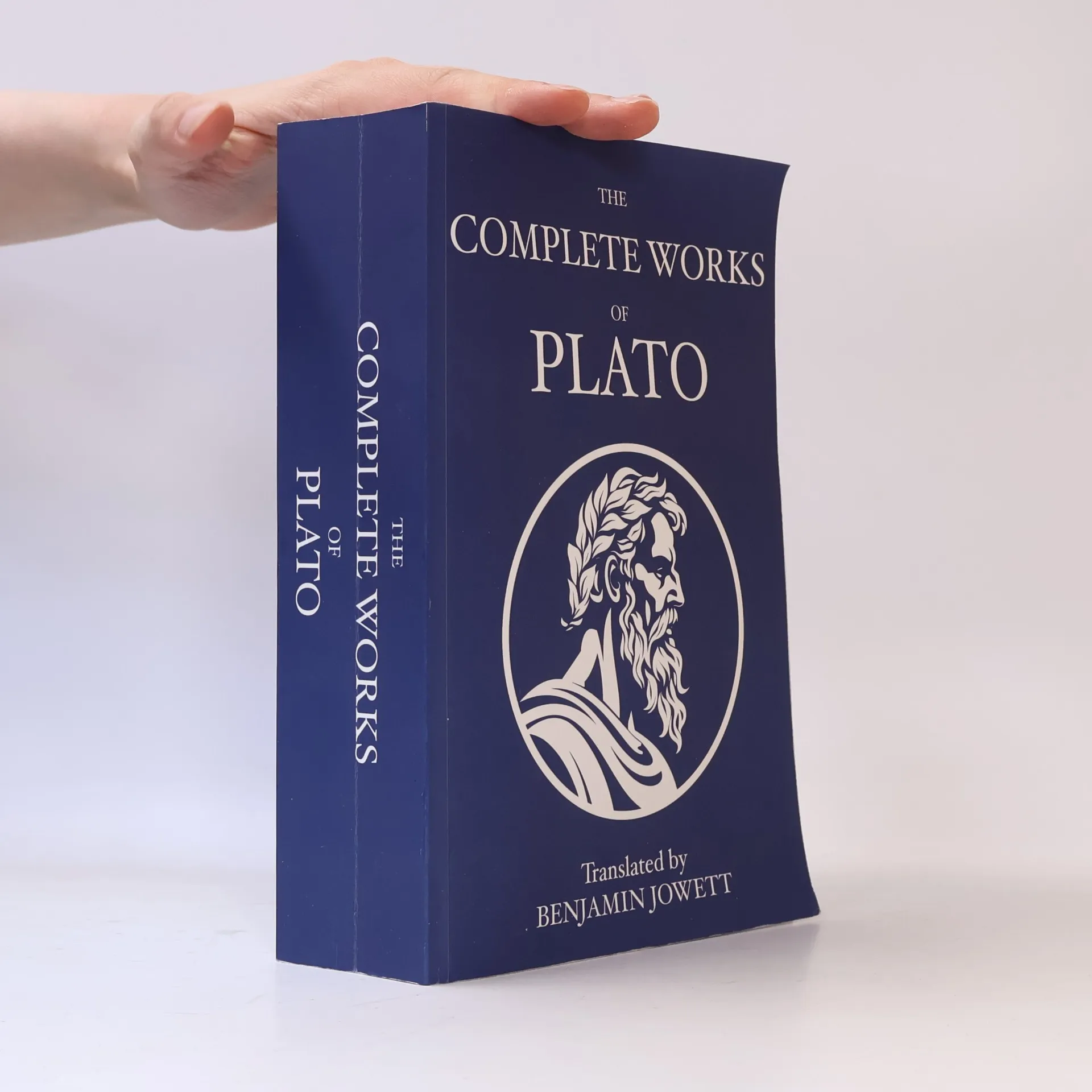

Tel un Shakespeare de la philosophie, Platon a produit ici comédies, violences, sublimes aperçus, que retient au sol l'ironie de Socrate, les bouffonneries même ( le juste est 729 fois plus heureux que le tyran ; l'eugénisme est lié au chiffre 12 960 000 ... ). La République jette le lecteur dans un fleuve d'Amazonie, un fleuve des mots aux fresques renouvelées, insolites, sans berge repérable, où donc il se plonge comme dans un Déluge de jouvence, ballotté, happé, roulé, perdant le souffle parfois, irrité et incapable de s'arrêter de lire - sur la divinité, sur soi, sur la vie politique, bien sûr, de façon terriblement actuelle et folle en même temps - amarré il restera cependant à ce point de passion et de raison, le désir, le désir du Meilleur. J.C.
Benjamin Jowett Livres
Figure influente de l'Université d'Oxford, ce tuteur et réformateur administratif fut également un théologien et un traducteur renommé de Platon et Thucydide. En tant que maître du Balliol College, il a façonné des générations d'étudiants par son impact intellectuel et son dévouement au progrès éducatif.


Parmenides
- 122pages
- 5 heures de lecture
Plato, an influential Athenian philosopher, established the Platonist school and the Academy, the first higher learning institution in the West. Renowned for his contributions to philosophy, he is a key figure alongside Socrates and Aristotle. His work laid the groundwork for Western thought and religion, with neoplatonism significantly impacting early Christian theology through figures like Augustine. His legacy continues to shape philosophical and spiritual discourse today.
The Republic: Dialogue on Justice & Political System
- 228pages
- 8 heures de lecture
The Republic is a Socratic dialogue, written by Plato around 380 BC, concerning justice, the order and character of the just city-state, and the just man. It is Plato's best-known work, and has proven to be one of the world's most influential works of philosophy and political theory, both intellectually and historically. In the book's dialogue, Socrates discusses with various Athenians and foreigners about the meaning of justice and whether the just man is happier than the unjust man. They consider the natures of existing regimes and then propose a series of different, hypothetical cities in comparison, culminating in Kallipolis, a hypothetical city-state ruled by a philosopher king. They also discuss the theory of forms, the immortality of the soul, and the role of the philosopher and of poetry in society.