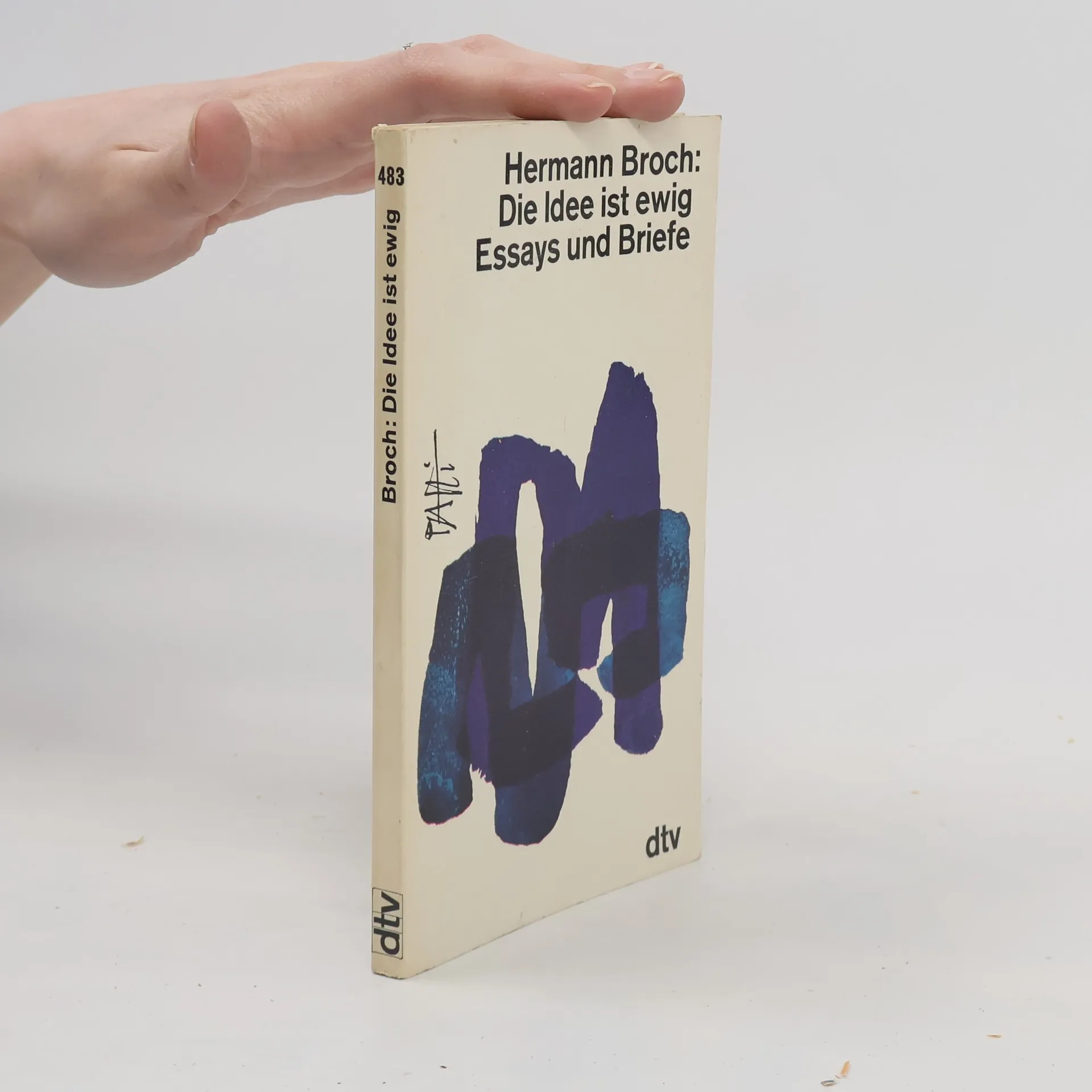
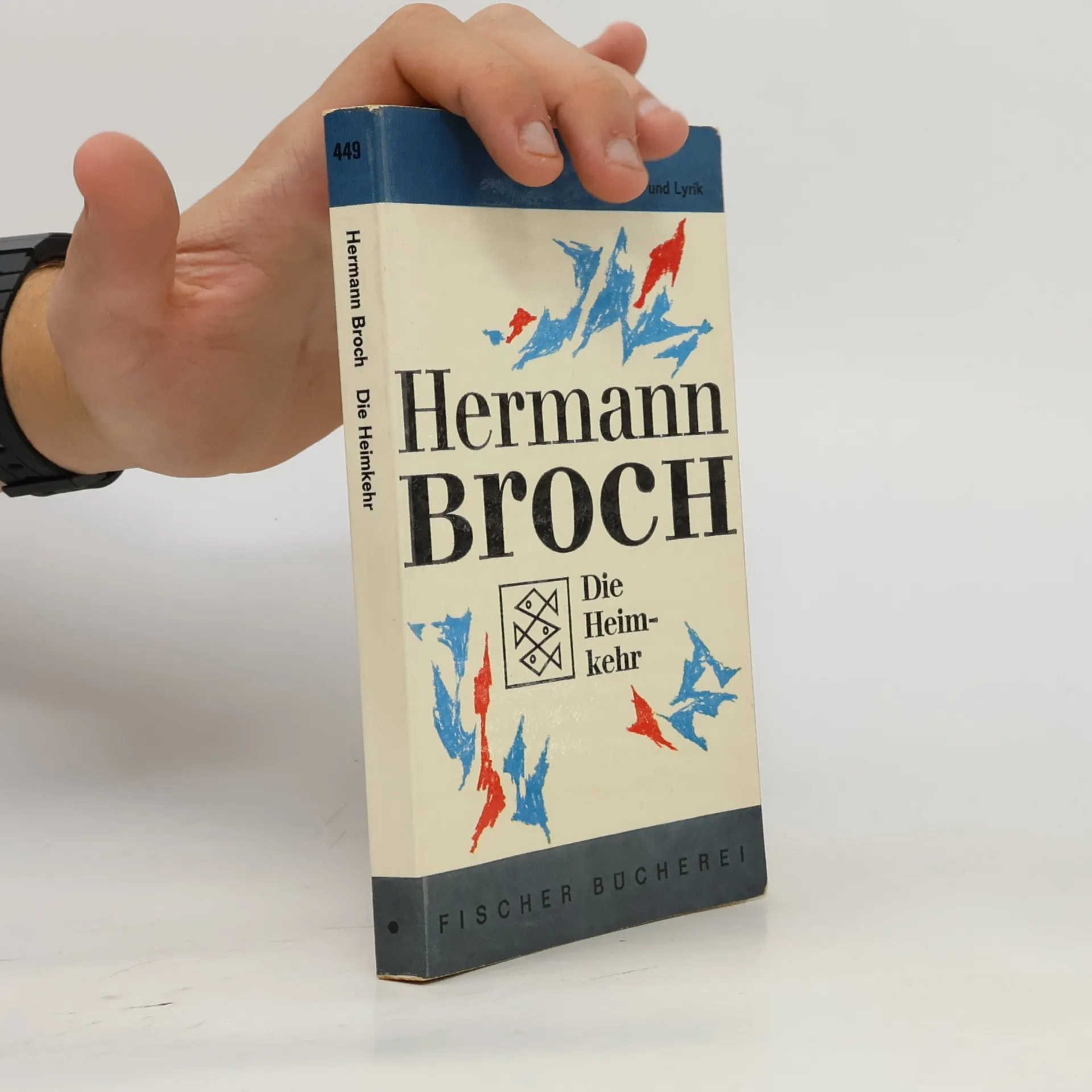
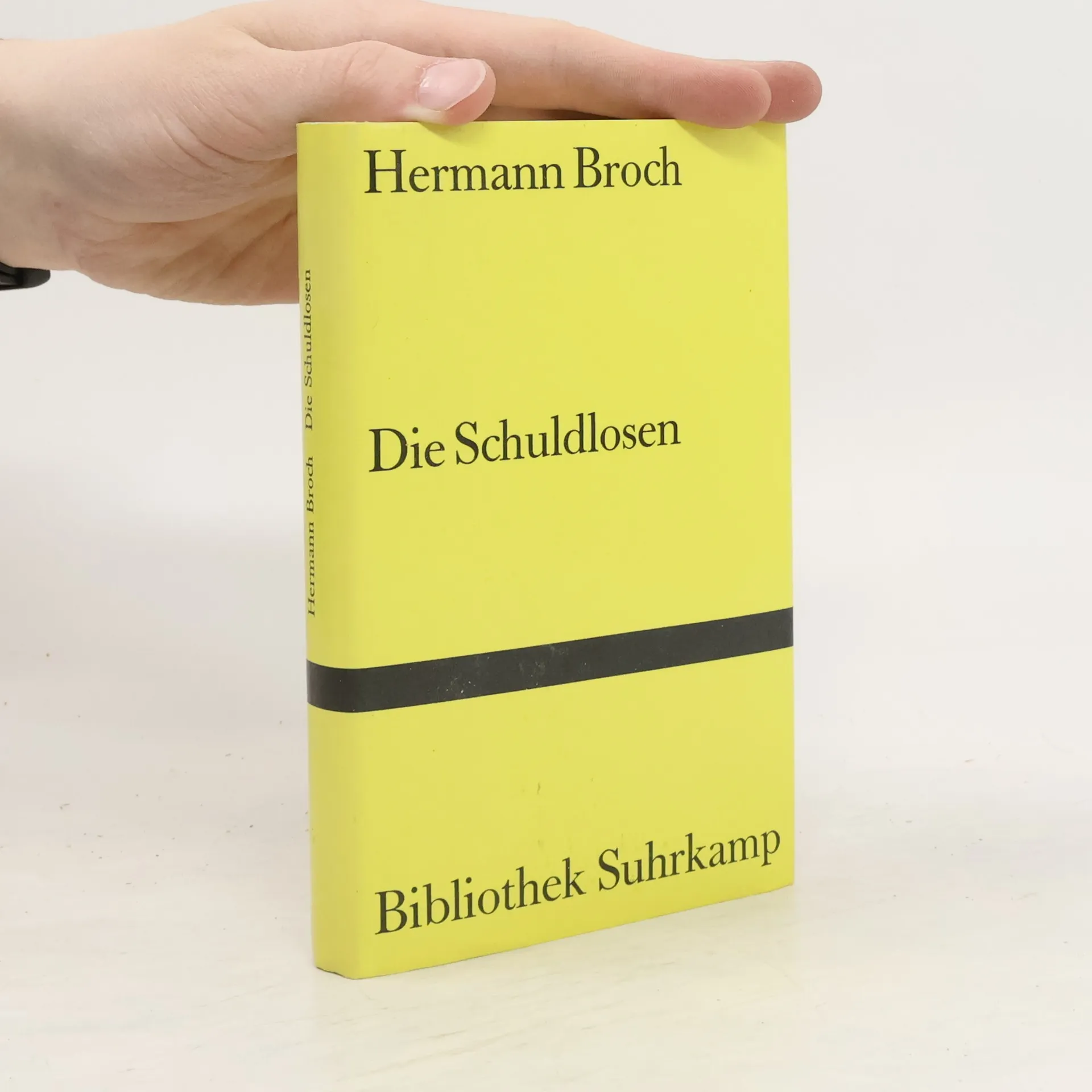
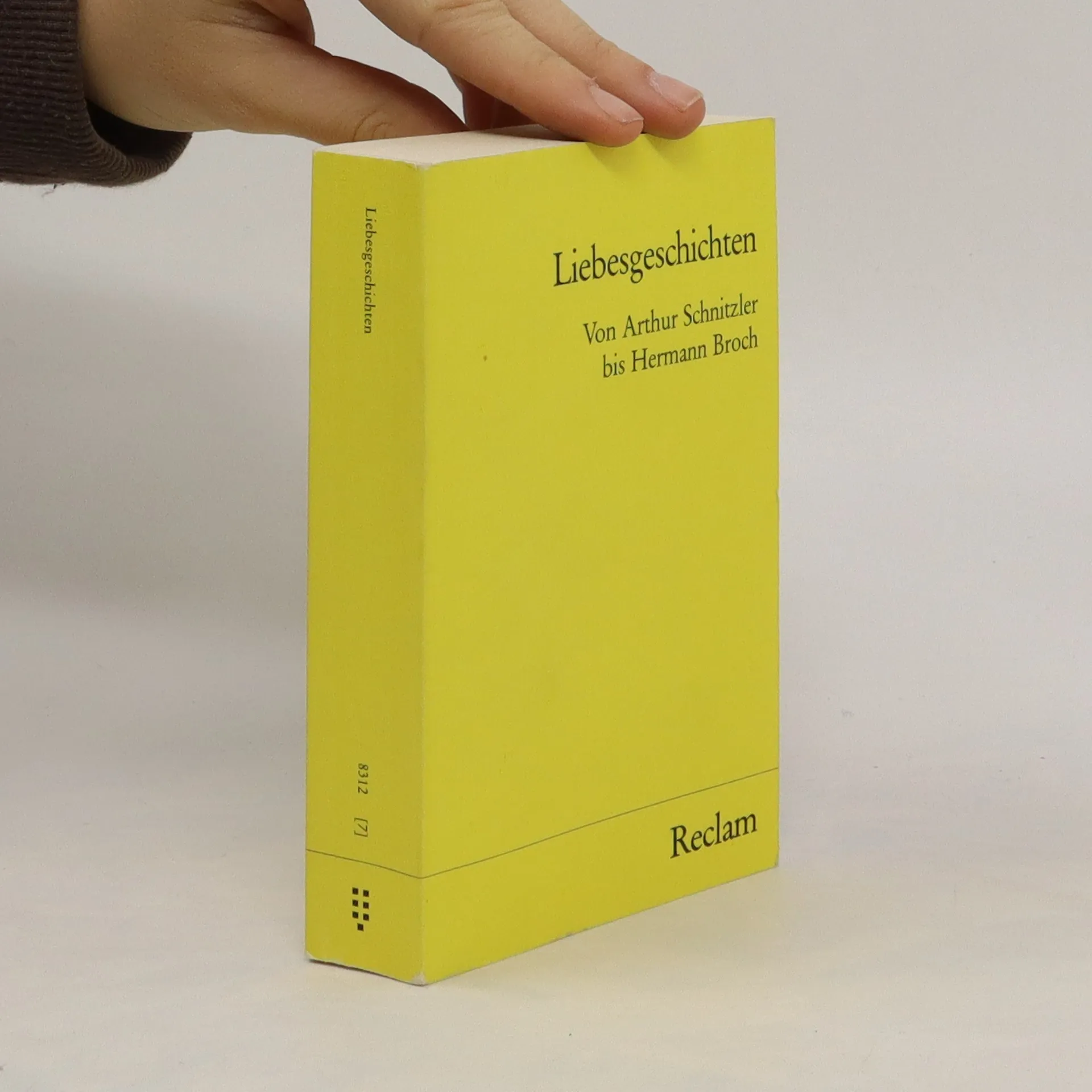
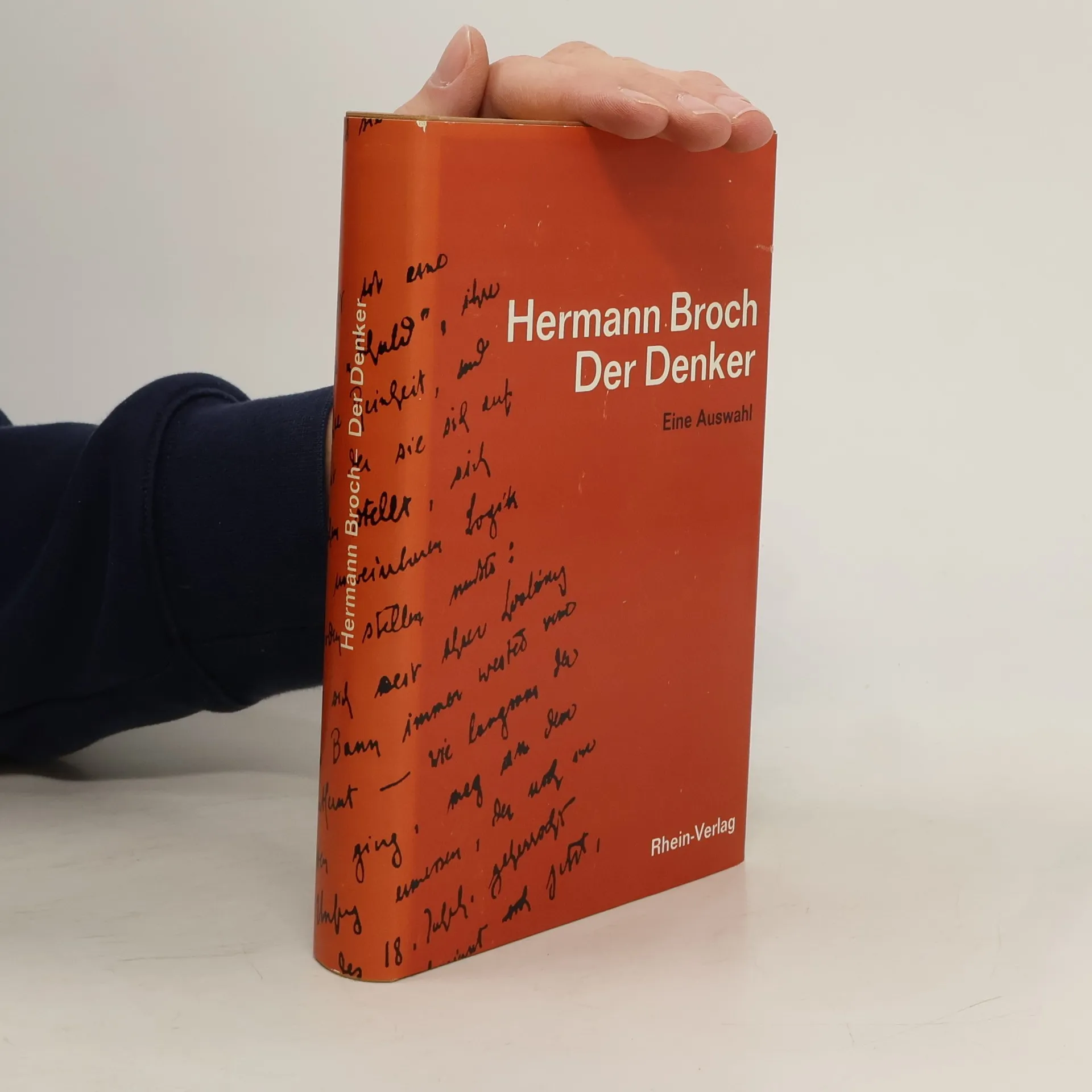
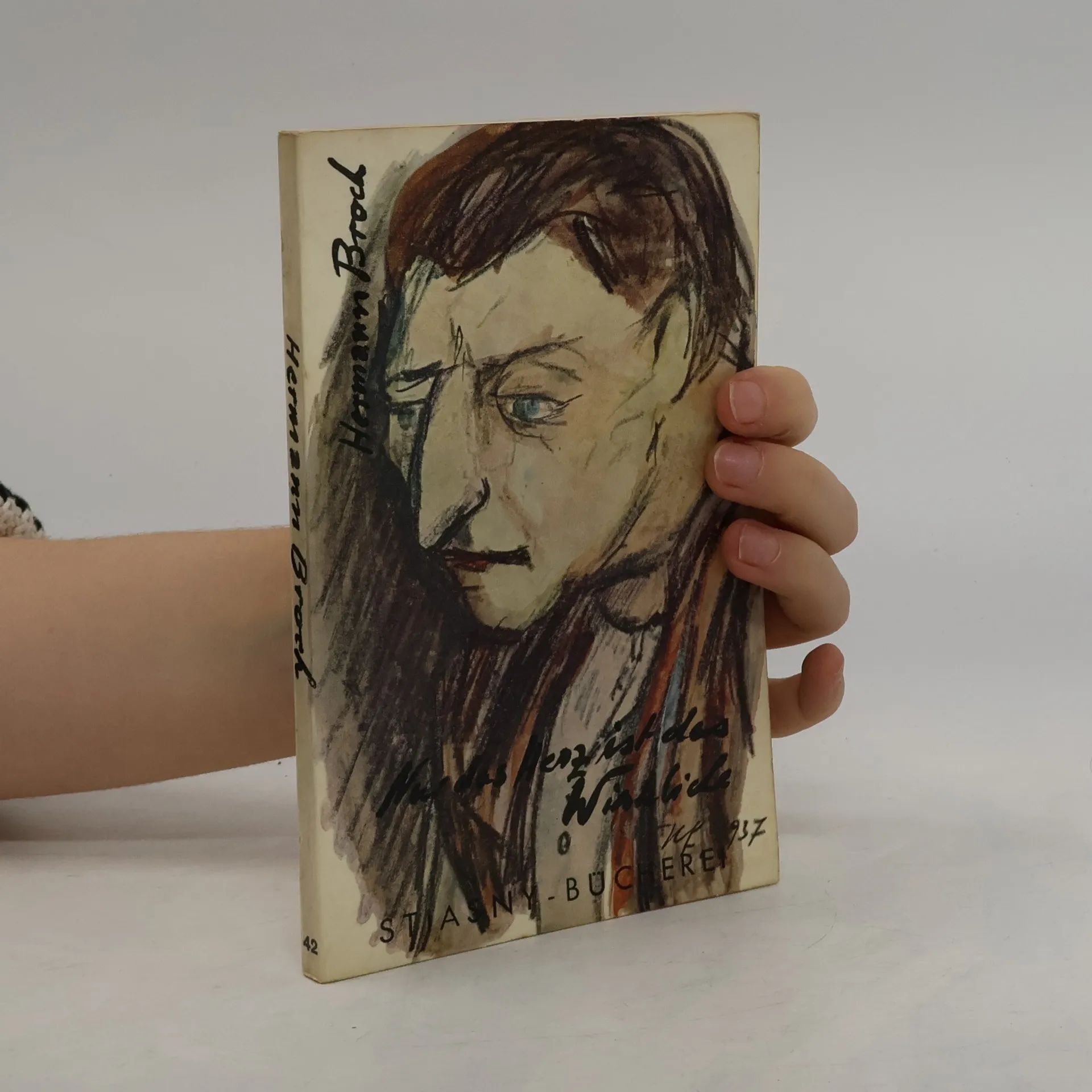
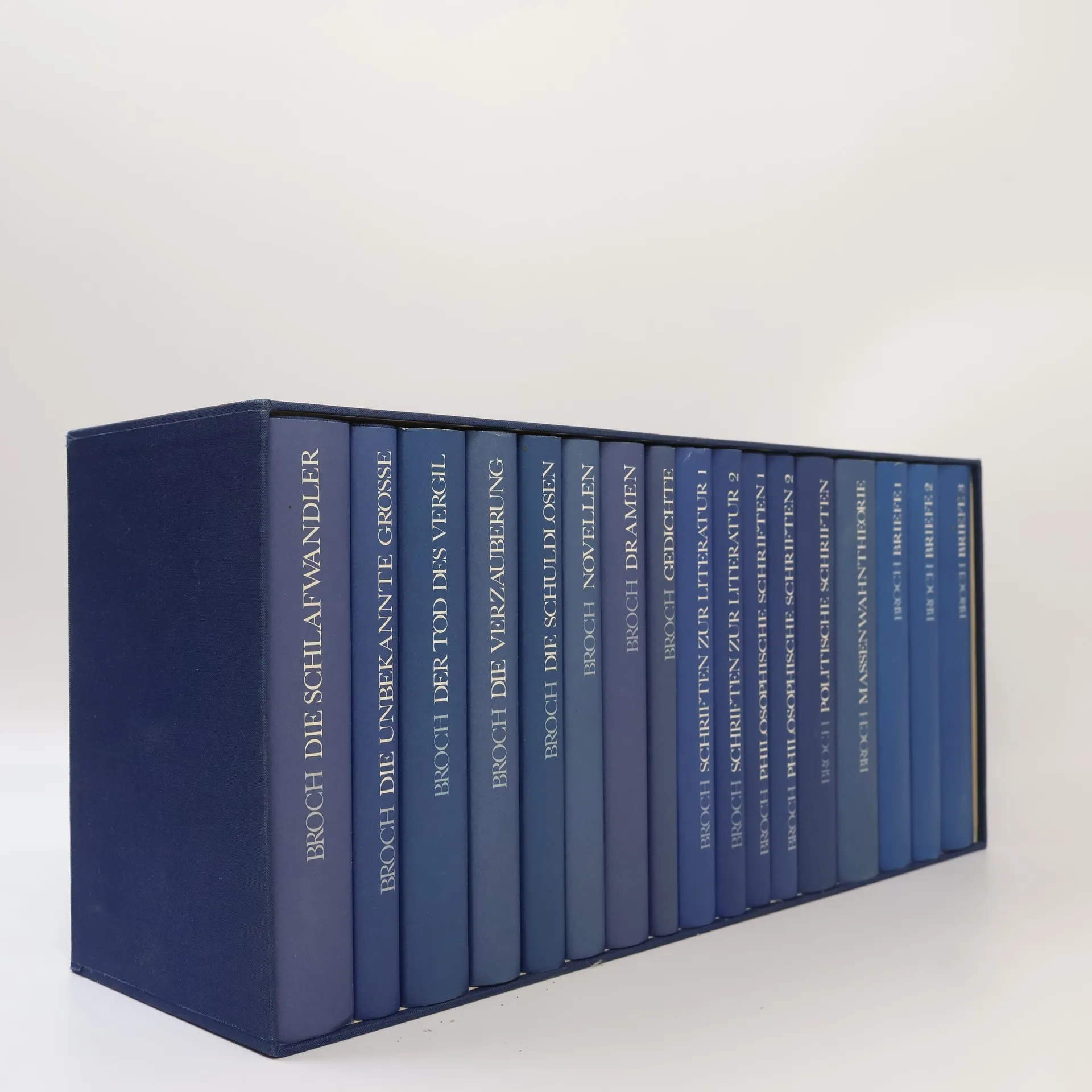
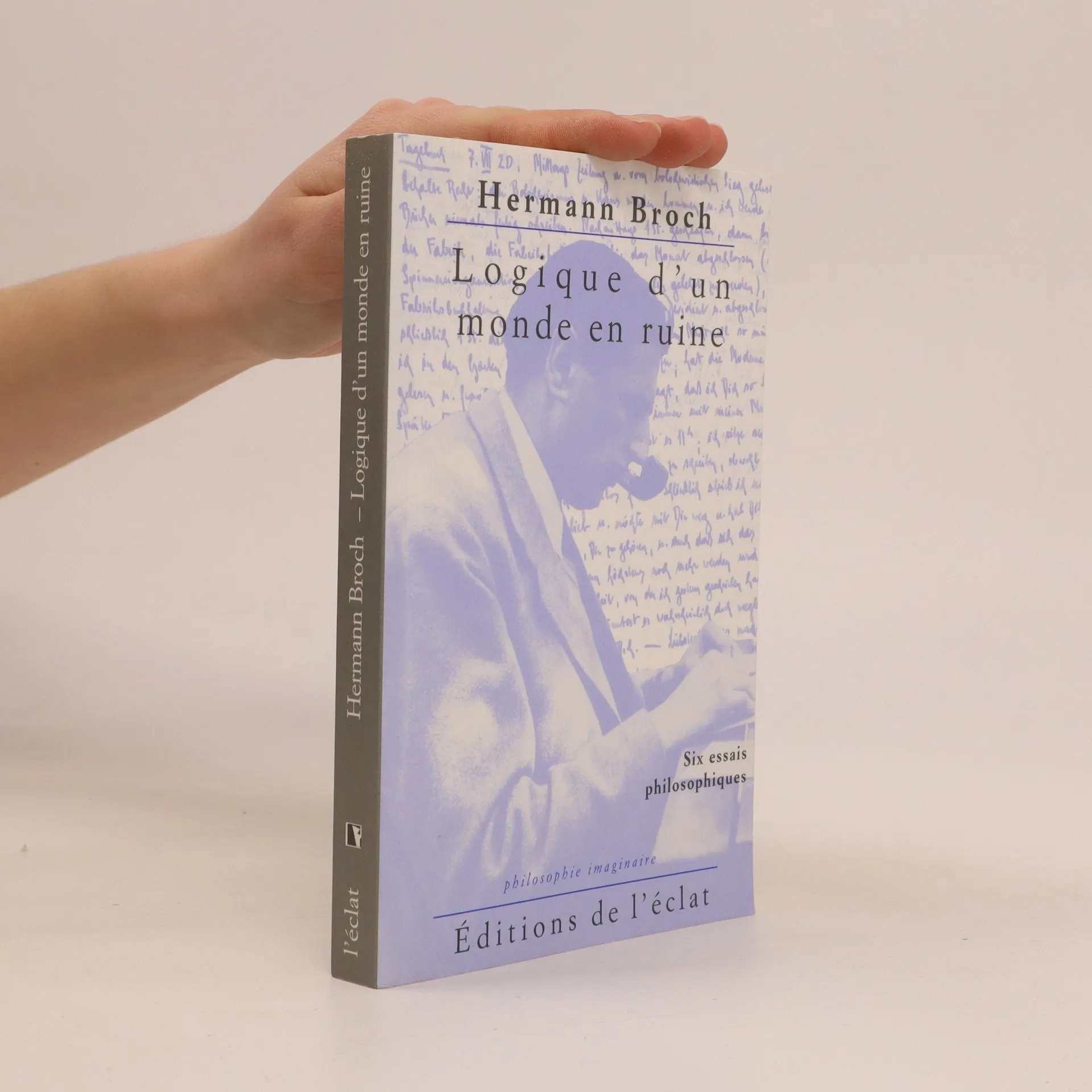
Hermann Broch (1886-1951) figure certainement, avec Proust, Musil et Joyce, au panthéon des grands inventeurs de roman du vingtième siècle. Mais le public francophone sait peu qu’il se consacra également à l’écriture d’une importante œuvre philosophique, sans jamais vouloir parvenir à lui donner une forme définitive.Les six essais publiés ici ont été écrits entre 1931 et 1946 et rendent compte de sa «théorie de la connaissance», fondée sur une conception très personnelle du concept de valeur. Portant sur des sujets apparemment divers, comme la musique, la poésie ou la psychanalyse, ils concernent une seule et même question : comment la raison peut-elle permettre de saisir ce qui, dans toute activité humaine, dépasse le champ de la raison ?Hermann Broch (1886-1951) est l'auteur d'une oeuvre romanesque hors du commun publiée en français chez Gallimard (La mort de Virgile, Les somnambules, le Tentateur, etc.), et d'une oeuvre philosophique inachevée, dont la pièce maîtresse reste sa Théorie de la folie des masses (l'éclat, 2005).Né à Vienne, il est emprisonné par les nazis, après l'annexion de l'Autriche. Grâce à l'aide de James Joyce il est libéré et parvient à gagner les USA où il vivra le reste de sa vie.
Hermann Broch Livres
Hermann Broch s'est pleinement consacré à la littérature seulement à l'âge de quarante ans, après ses premières expériences dans l'entreprise textile familiale. Son œuvre se caractérise par un profond intérêt pour la psychologie, la philosophie et les mathématiques, qui se reflètent dans ses écrits modernistes. Il excelle par un style précis et une exploration des thèmes complexes de l'existence humaine. Broch est considéré comme l'un des auteurs clés de son époque.

Autobiographie psychique
- 136pages
- 5 heures de lecture
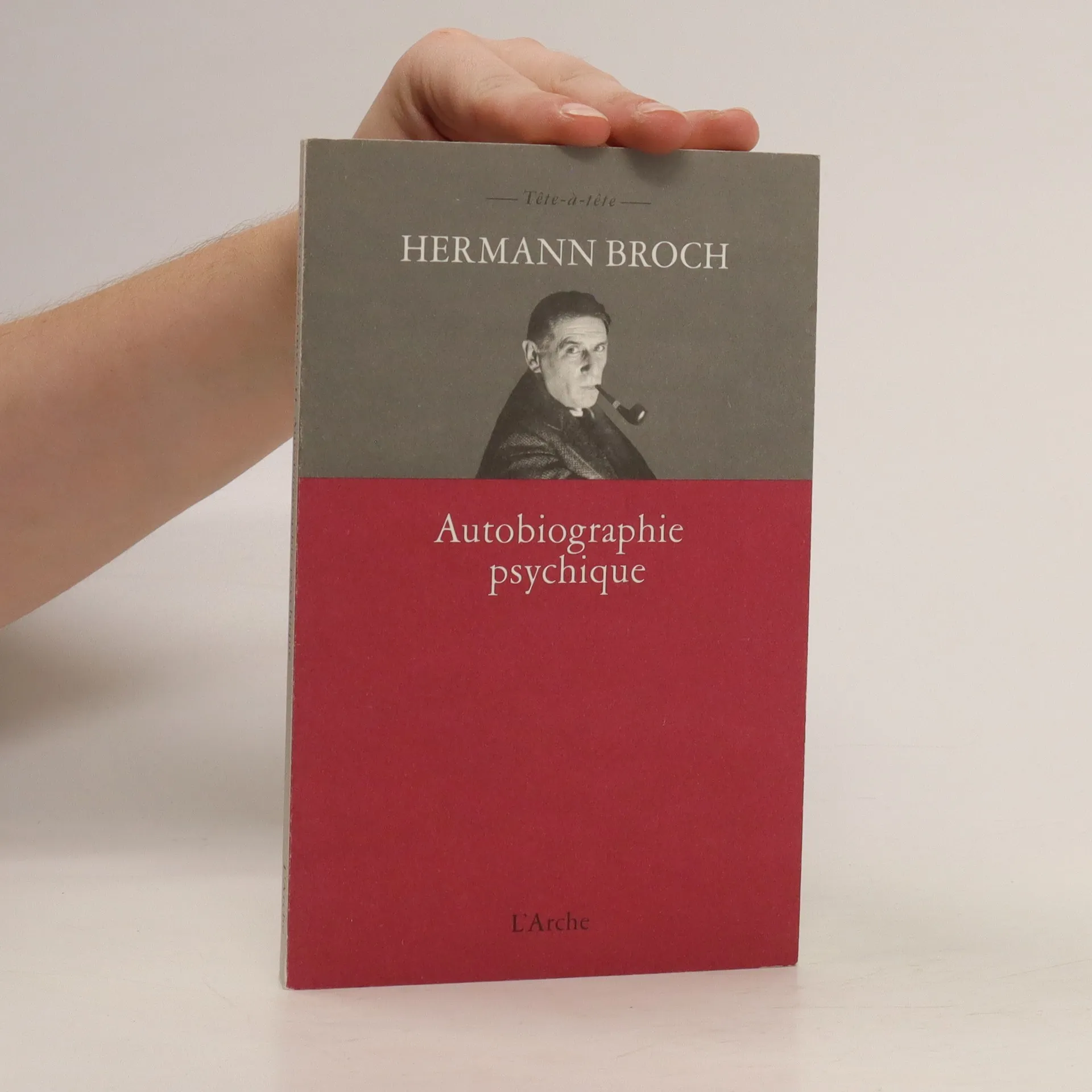
" Ma vie s'accompagne de conflits moraux qui ne cessent de peser sur elle. J'ignore presque ce qu'est un simple sentiment de bonheur humain, et si d'aventure il m'est donné d'en éprouver les premiers signes, ceux-ci sont immanquablement étouffés au nom de quelques principes moraux. "
Récit de la servante Zerline
- 54pages
- 2 heures de lecture
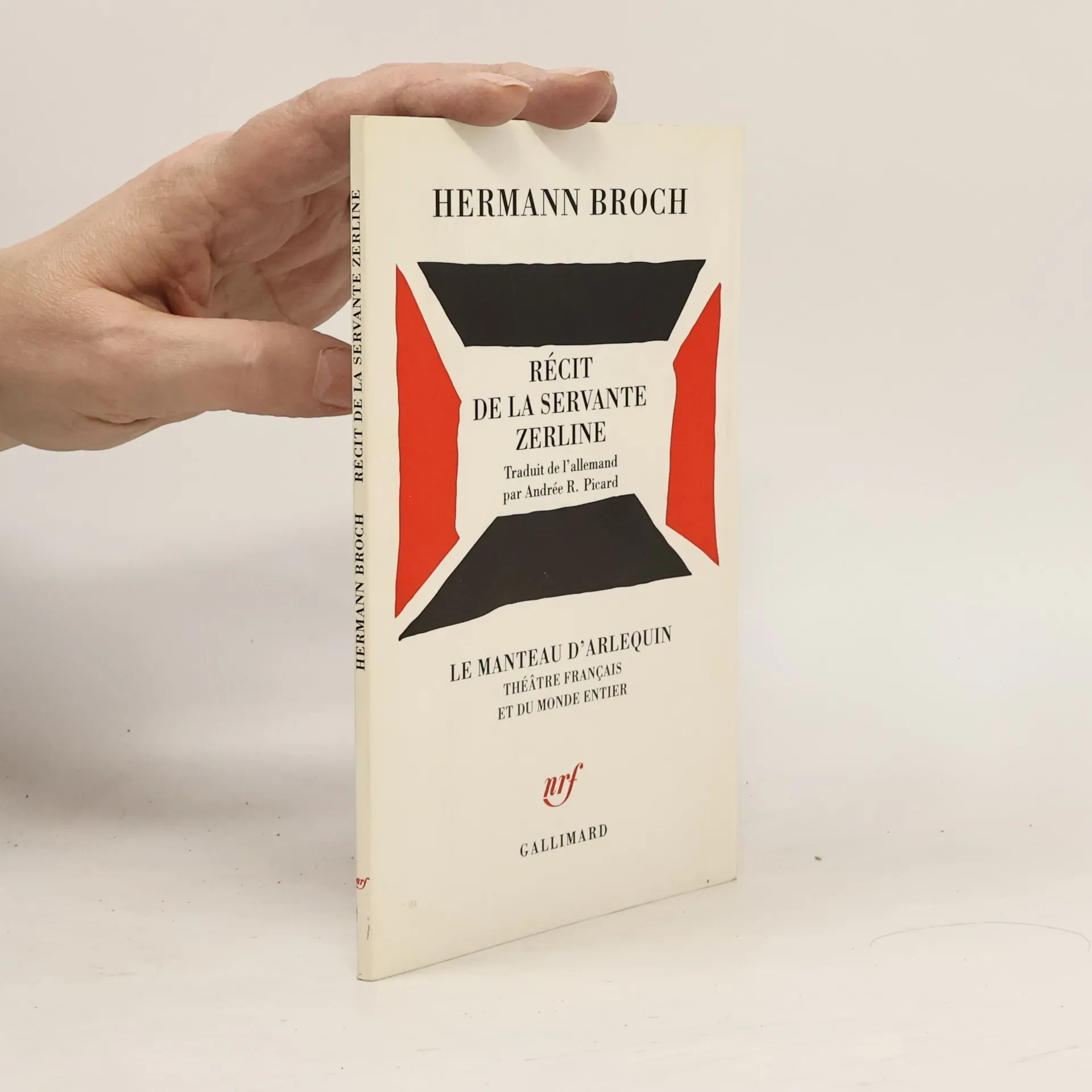
Lorsque Hannah Arendt lut ce récit, elle écrivit à Broch : « C'est l'une des plus grandes histoires d'amour que je connaisse et personnellement celle qui me plaît peut-être le plus. Quelque chose d'aussi merveilleux, écrit entièrement du point de vue de cet inoubliable qui ressort uniquement du matériau de ce qui a été oublié ». Dans un intérieur aristocratique et décadent, la servante Zerlina raconte avec une fureur implacable l'histoire d'une passion démoniaque et d'une soif de revanche féroce, dévoilant sa vendetta, d'une perfidie raffinée, à l'encontre du Monsieur von Juna, un aventurier fatu. Son fureur finira par tout emporter, y compris l'imposture de la respectabilité conjugale dans une Autriche proche de la ruine, où les prétendus non-coupables « s'enfoncent » pour reprendre les mots de Broch « dans la faute éthique », dans une « culpabilité non coupable ».
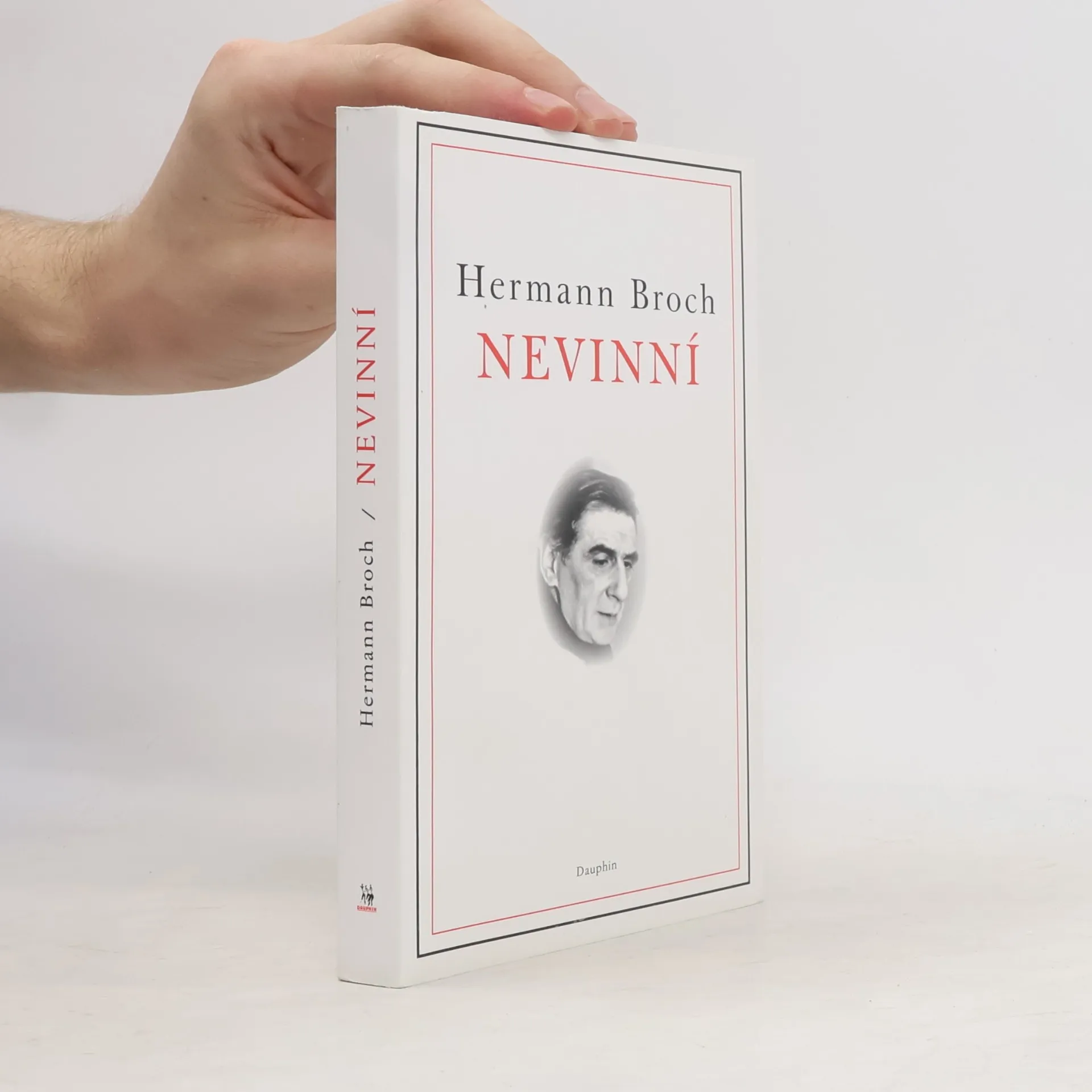
The Guiltless
- 292pages
- 11 heures de lecture
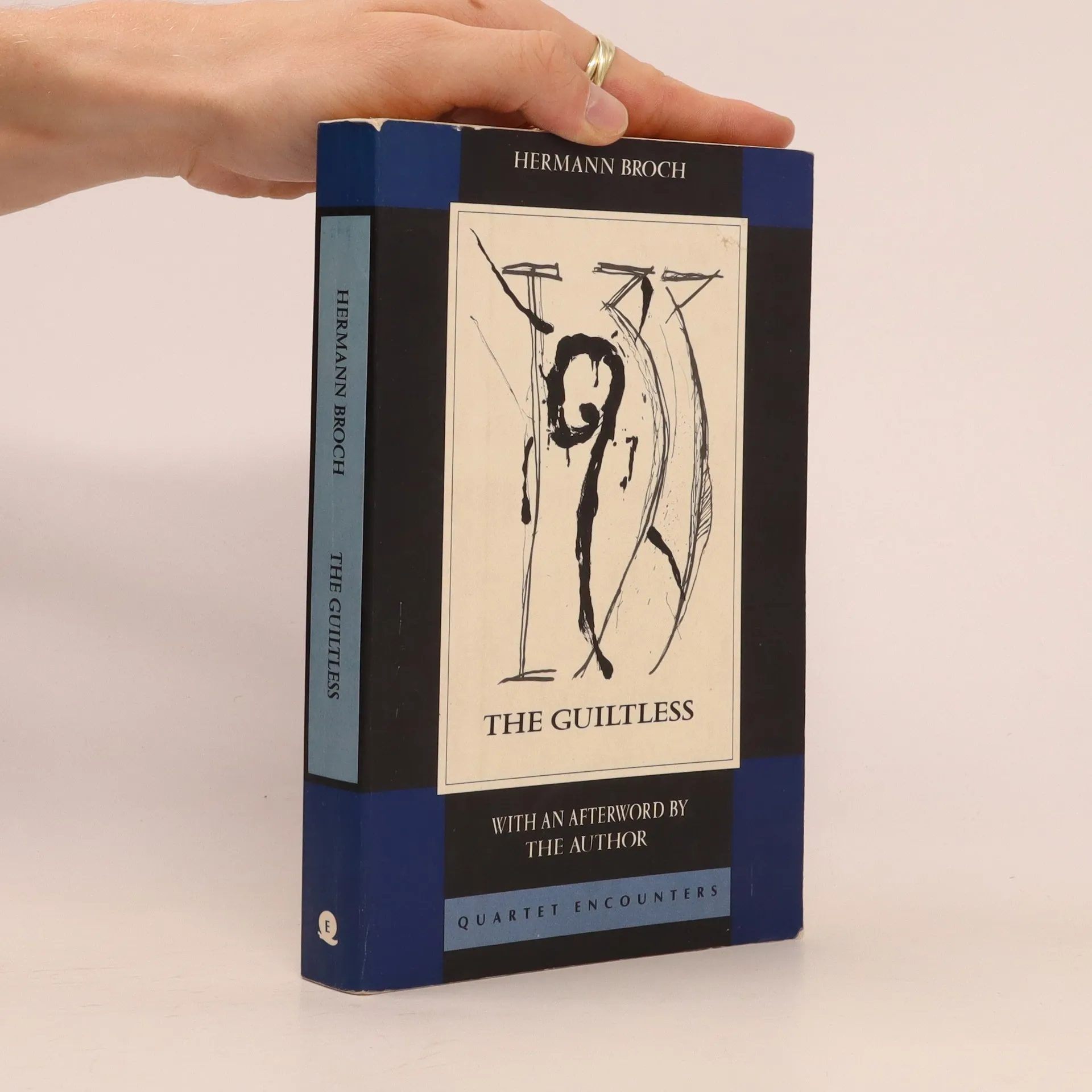
Murder, lust, shame, hypocrisy, and suicide are at the center of The Guiltless, Hermann Broch's novel about the disintegration of European society in the first three decades of the twentieth century. Broch's characters -- an apathetic man who can barely remember his own name (Broch mostly refers to him as A.); a high-school teacher and his lover who return from the brink of a suicide pact to carry on a dishonest relationship; Zerline, the lady's maid who enslaves her mistresses, prostitutes the young country girl Melitta to gentleman A., and metes out her own justice against the "empty wickedness" of her betters -- are trapped in their indifference, prisoners of a sort of "wakeful somnolence". These men and women may mention the "imbecile Hitler", yet they prefer a nap or sexual encounter to any social action. In Broch's mind this kind of ethical perversity and political apathy paved the way for Nazism.Broch believed that writing can purify, and by revealing Germany's underlying guilt he hoped to purge indifference from his own and future generations. In The Guiltless, Broch captures how apathy and ennui -- very human failings -- evolve into something dehumanizing and dangerous.
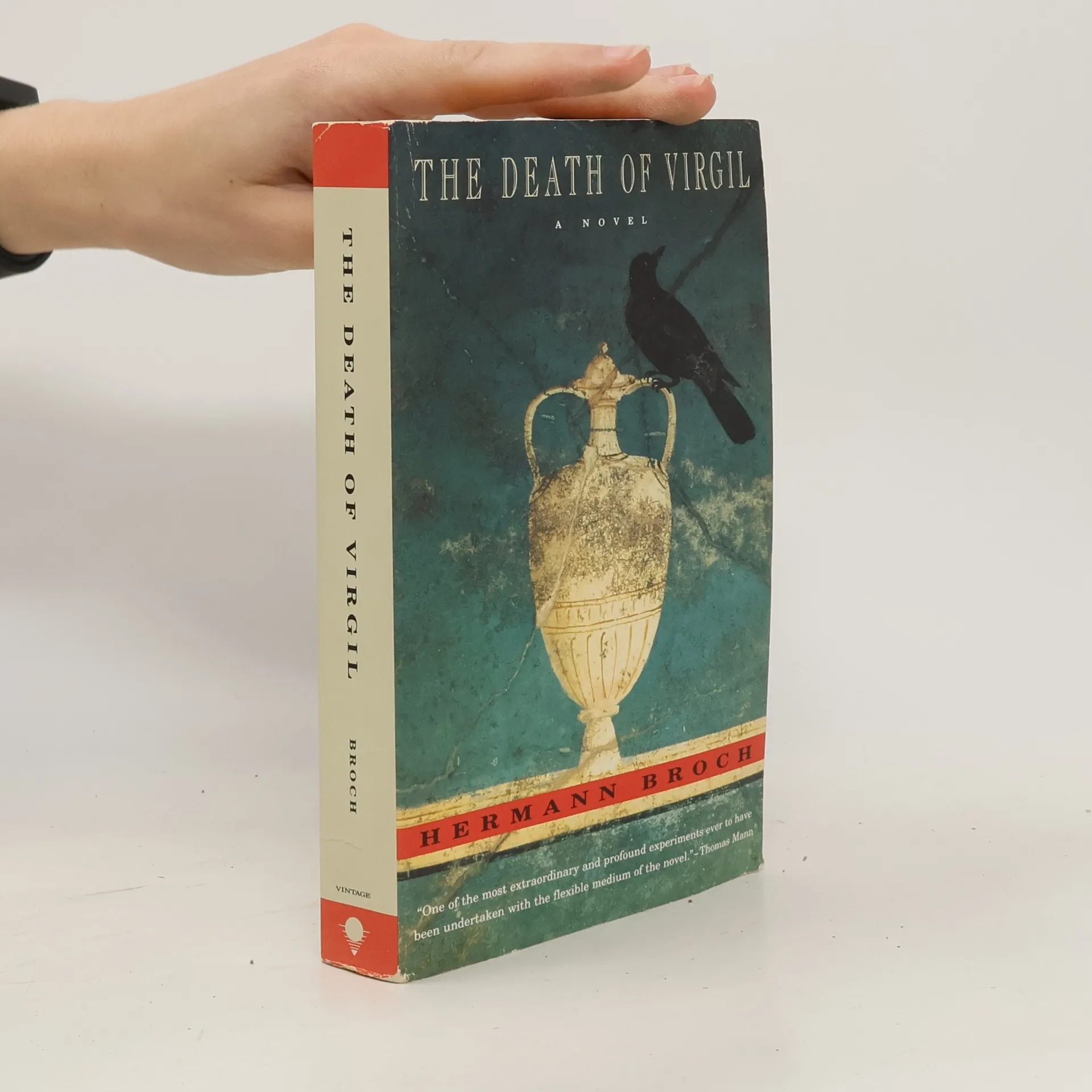
It is the reign of the Emperor Augustus, and Publius Vergilius Maro, the poet of the Aeneid and Caesar's enchanter, has been summoned to the palace, where he will shortly die. Out of the last hours of Virgil's life and the final stirrings of his consciousness, the Austrian writer Hermann Broch fashioned one of the great works of twentieth-century modernism, a book that embraces an entire world and renders it with an immediacy that is at once sensual and profound. Begun while Broch was imprisoned in a German concentration camp, The Death of Virgil is part historical novel and part prose poem -- and always an intensely musical and immensely evocative meditation on the relation between life and death, the ancient and the modern.
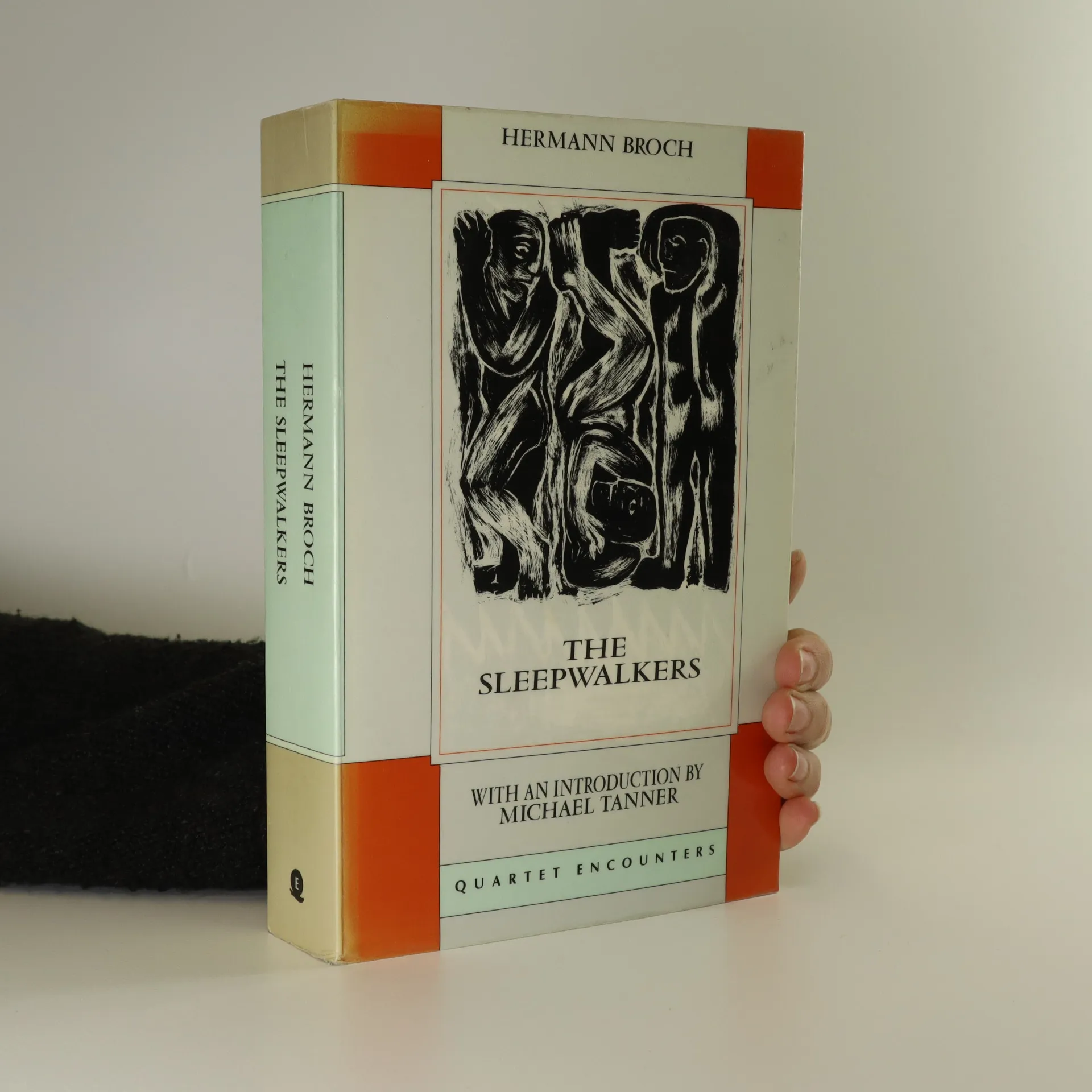
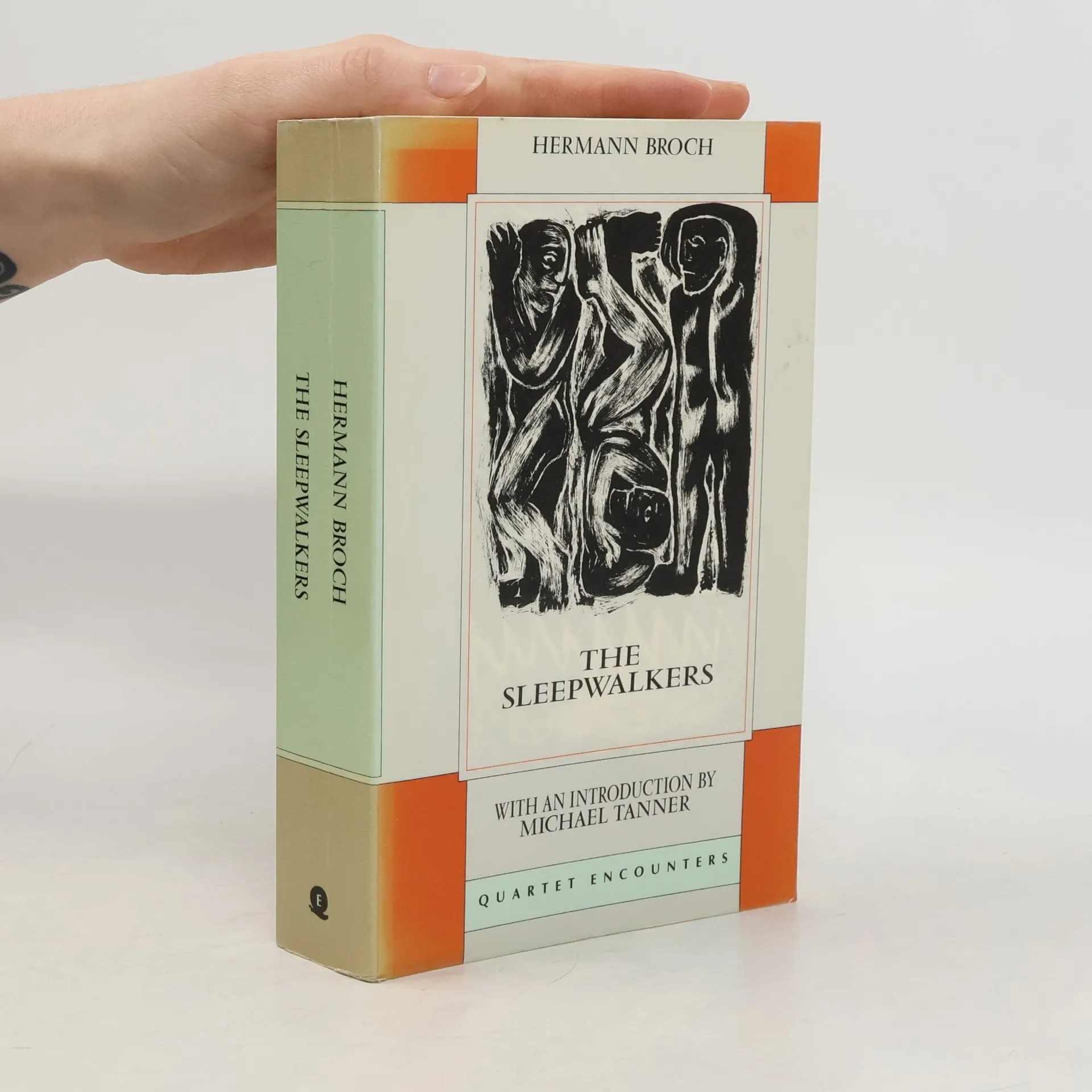
Quartet Encounters: The Sleepwalkers
- 648pages
- 23 heures de lecture
With his epic trilogy, The Sleepwalkers , Hermann Broch established himself as one of the great innovators of modern literature, a visionary writer-philosopher the equal of James Joyce, Thomas Mann, or Robert Musil. Even as he grounded his narratives in the intimate daily life of Germany, Broch was identifying the oceanic changes that would shortly sweep that life into the abyss. Whether he is writing about a neurotic army officer (The Romantic) , a disgruntled bookkeeper and would-be assassin (The Anarchist) , or an opportunistic war-deserter (The Realist) , Broch immerses himself in the twists of his characters' psyches, and at the same time soars above them, to produce a prophetic portrait of a world tormented by its loss of faith, morals, and reason.
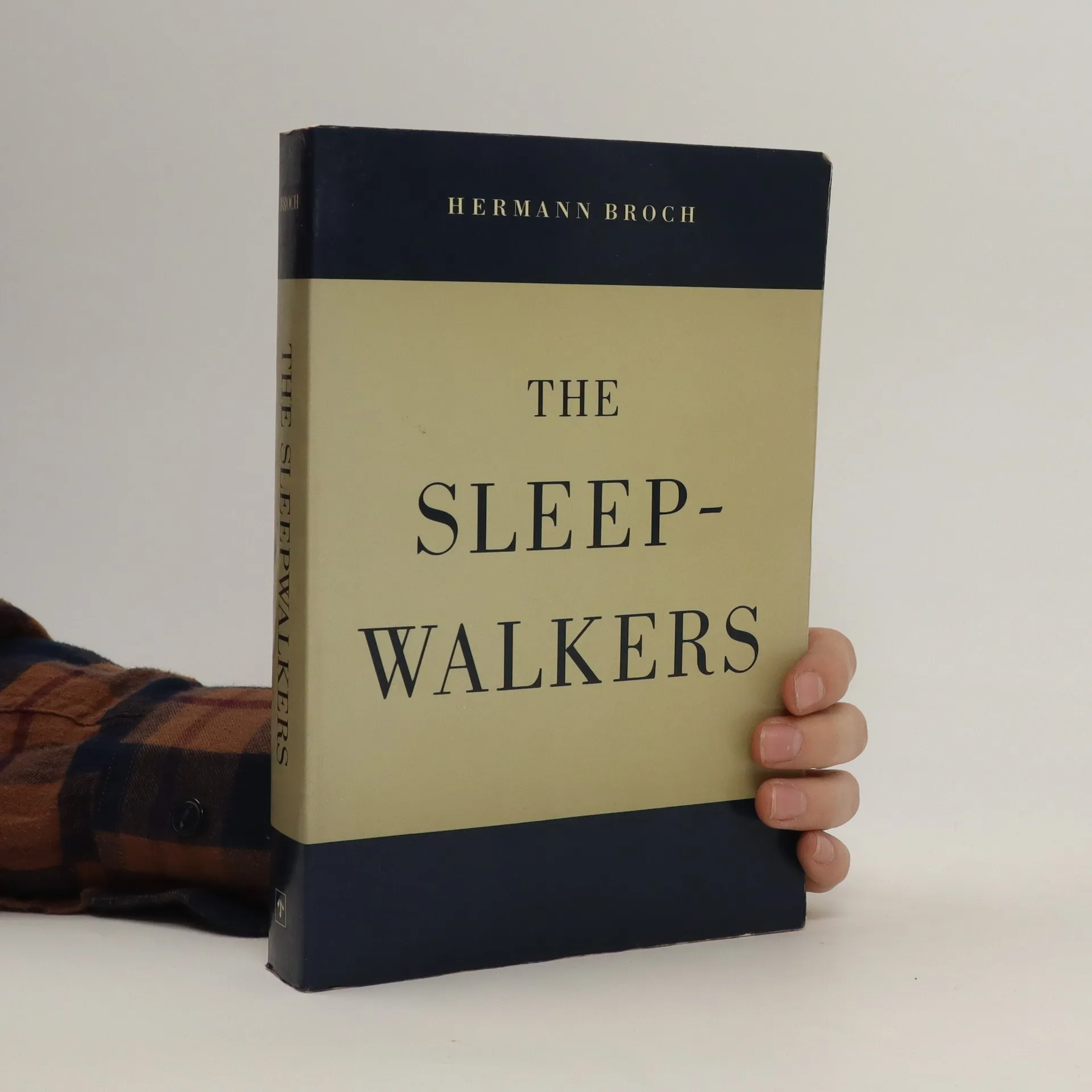
The sleepwalkers
- 648pages
- 23 heures de lecture
Broch's influential trilogy examines the "loneliness of the I" stemming from the collapse of any sustaining system of values, with three stories ranging from the aristocracy to the working classes in Germany during the years prior to the First World War
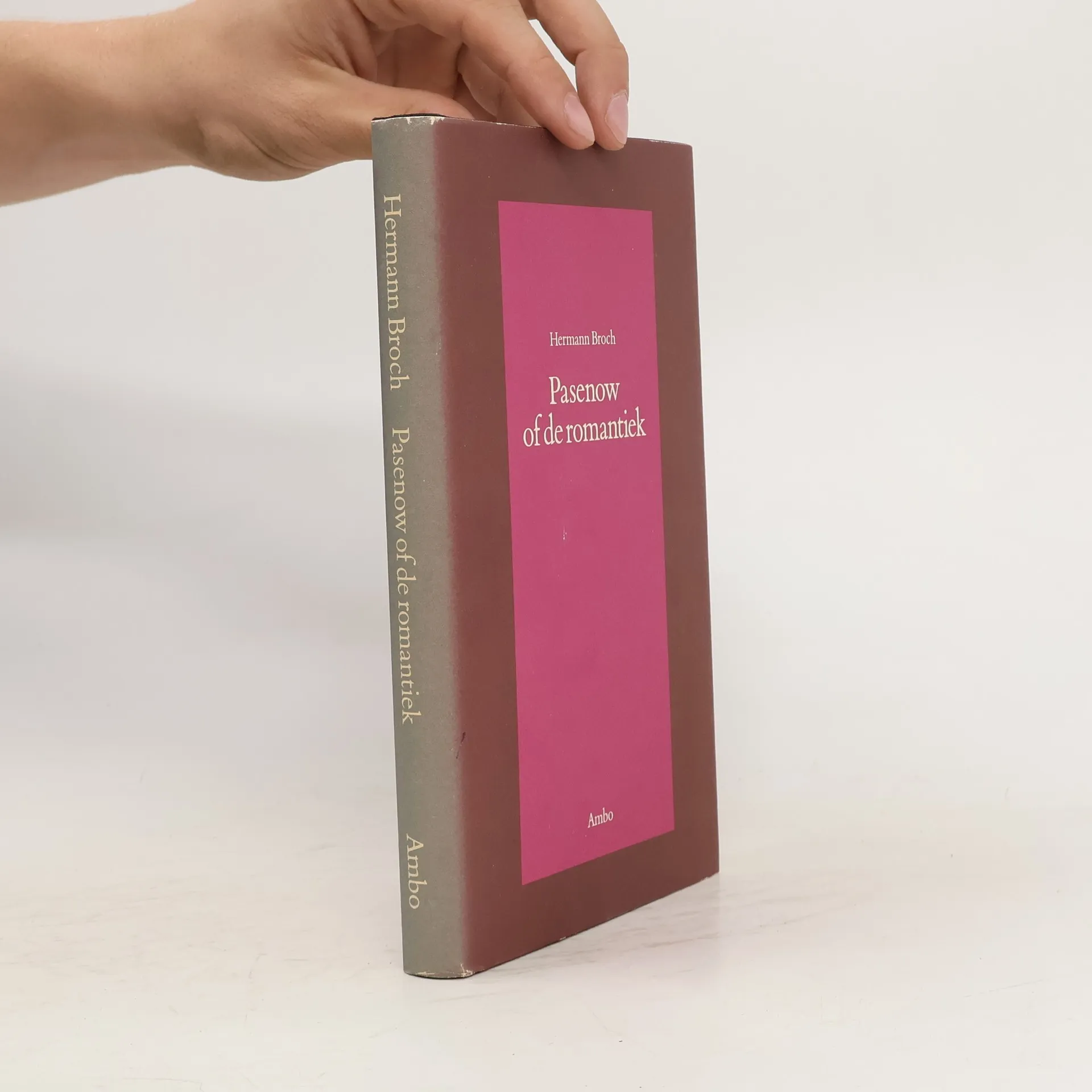
Pasenow of de romantiek
- 180pages
- 7 heures de lecture
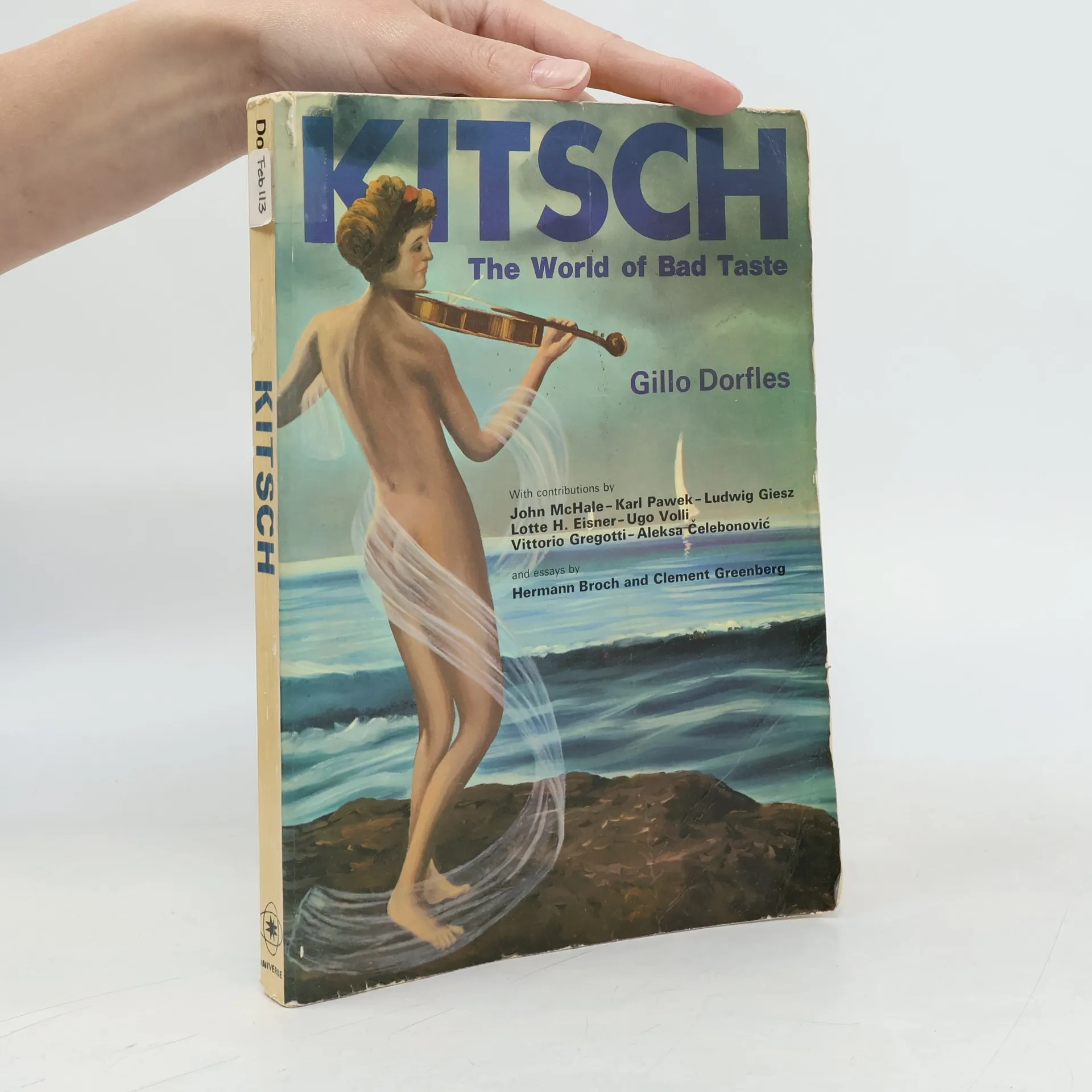
Kitsch World of Bad Taste
- 313pages
- 11 heures de lecture
Gillo Dorfles' Kitsch: The World of Bad Taste is a seminal exploration of the relationship between art, artifacts and items arising from mass culture and production, which can be defined as kitsch.
Rakouský analytik a diagnostik rozkladu hodnot začal tento svůj poslední román psát v 30. letech, kdy se intenzívně zabýval událostmi v Německu, a dotvářel jej ještě ke konci života, kdy spisoval dílo o psychologii mas. Na příběhu jednoho roku v zapadlé alpské vesnici podává nepřímo pronikavou analýzu fašismu. Přivandrovalý fanatik rozdělí vesnici na dva tábory: slabochy podlehnuvší davovému šílenství a hrstku osob, jimž duch, rozum a srdce pomohou vzdorovat.
Büyülenme
- 440pages
- 16 heures de lecture
1935 yılında, Hitler'in iktidarı ele geçirmesinden yaklaşık iki yıl sonra kaleme alınan Büyülenme adlı romanda Broch, Avrupa'da faşist sistemlerin nasıl egemen olabildiği sorusuna cevap arar; faşizmin egemen olmasına yol açan psişik, politik ve kitle psikolojisiyle ilgili nedenleri ve mekanizmaları ele alır. Roman, Alpler'de bir köyde geçer. Günün birinde bu köye Marius Ratti adlı bir yabancı gelir ve çok geçmeden her sosyal kesimden, her yaştan insanı gizli umut ve isteklerinin gerçekleşeceğine inandırır. Bunu, çıkar karşıtlıklarından yararlanarak, gençleri militarize ederek, azınlıkları baskı altına alarak, gelecekte köyün komşu köyler üzerinde maddi üstünlüğü ele geçireceğini vaat ederek gerçekleştirir ve kitlesel bir histeri yaratarak iktidarı ele geçirir.
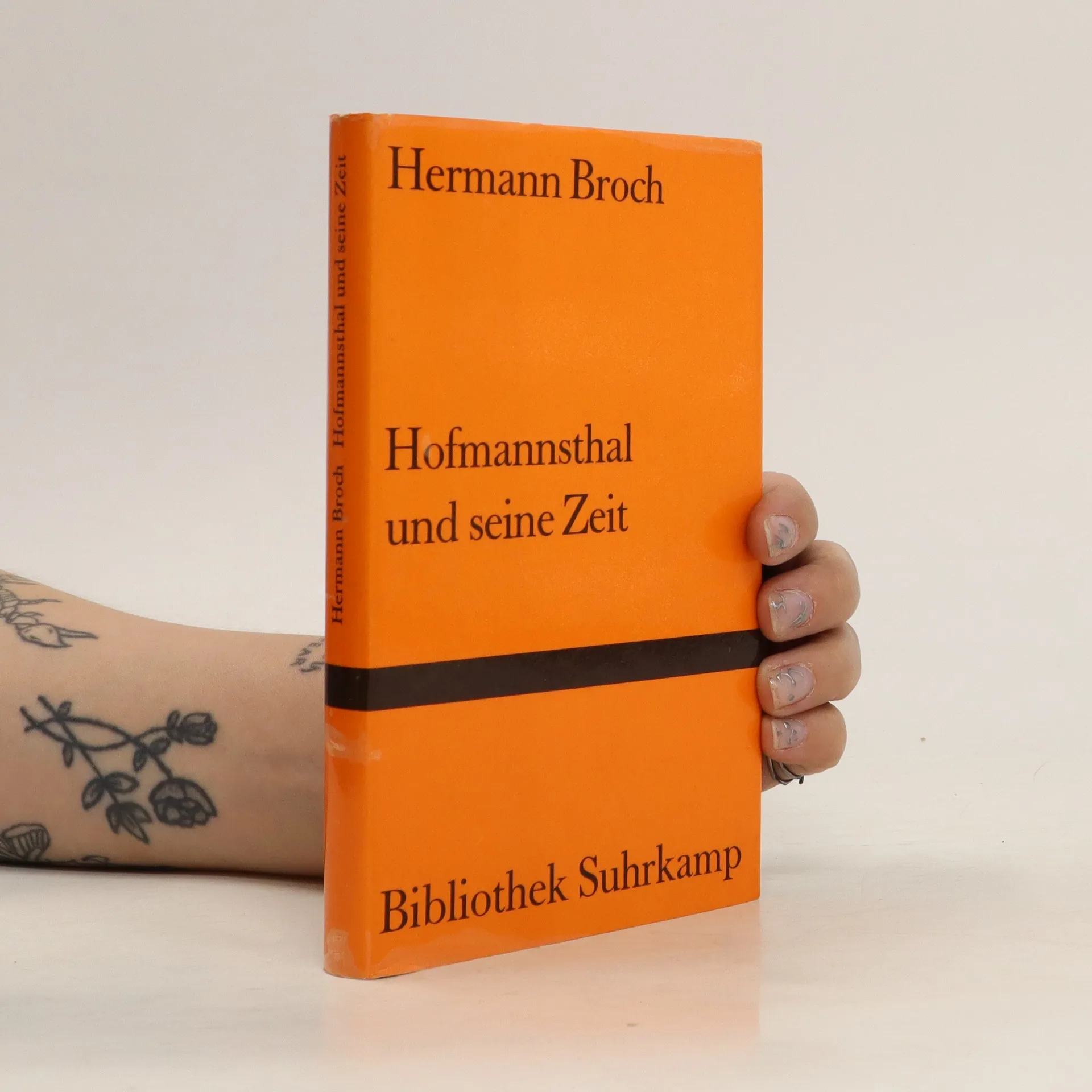
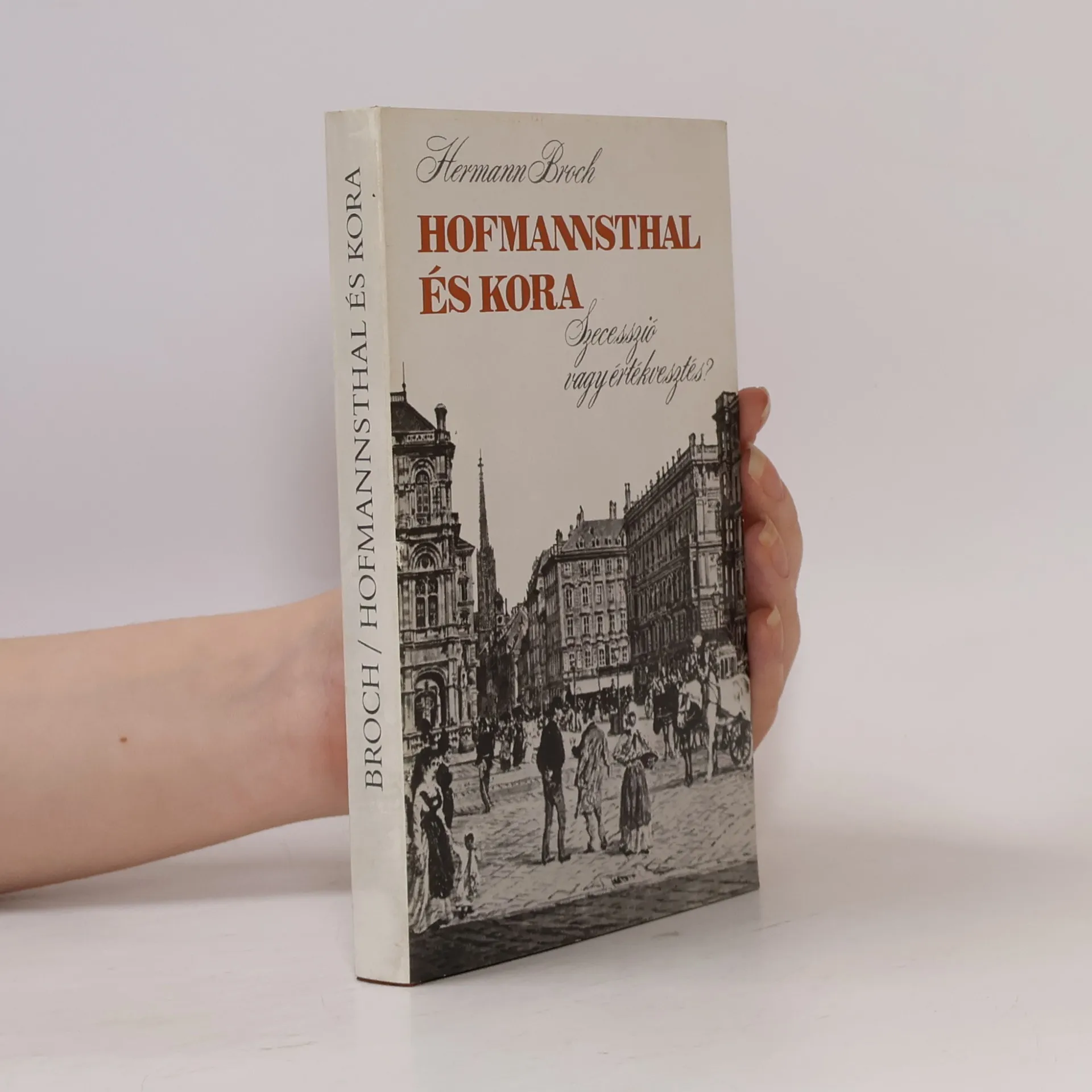
»›Mythisch ist alles Erdichtete, woran du als Lebender Anteil hast. Im Mythischen ist jedes Ding durch einen Doppelsinn, der sein Gegensinn ist, getragen: Tod = Leben, Schlangenkampf = Liebesumarmung. Darum ist im Mythischen alles im Gleichgewicht.‹ Diese Worte stehen in Hofmannsthals Buch der Freunde, und sie melden die Problemkonstanz, die dem Hofmannsthalschen Leben und seiner Arbeit eine unverbrüchlich eigensinnige Richtung gegeben hat; unverbrüchlich hat er sich um die Stellung des Menschen im Kosmos und um das ethische Gleichgewicht bemüht, das zwischen Ich und Sein etabliert werden soll, auf daß das Menschenleben zur Einheitlichkeit werde.« Indirekt vergegenwärtigte sich Hermann Broch mit seiner Hofmannsthal-Studie von 1947/48 aus dem amerikanischen Exil heraus die eigene Jugend in Wien. Hofmannsthal und seine Zeit ist ein autobiographisches Buch vor allem in dem Sinne, daß es die Summe seiner kulturkritischen Schriften darstellt.
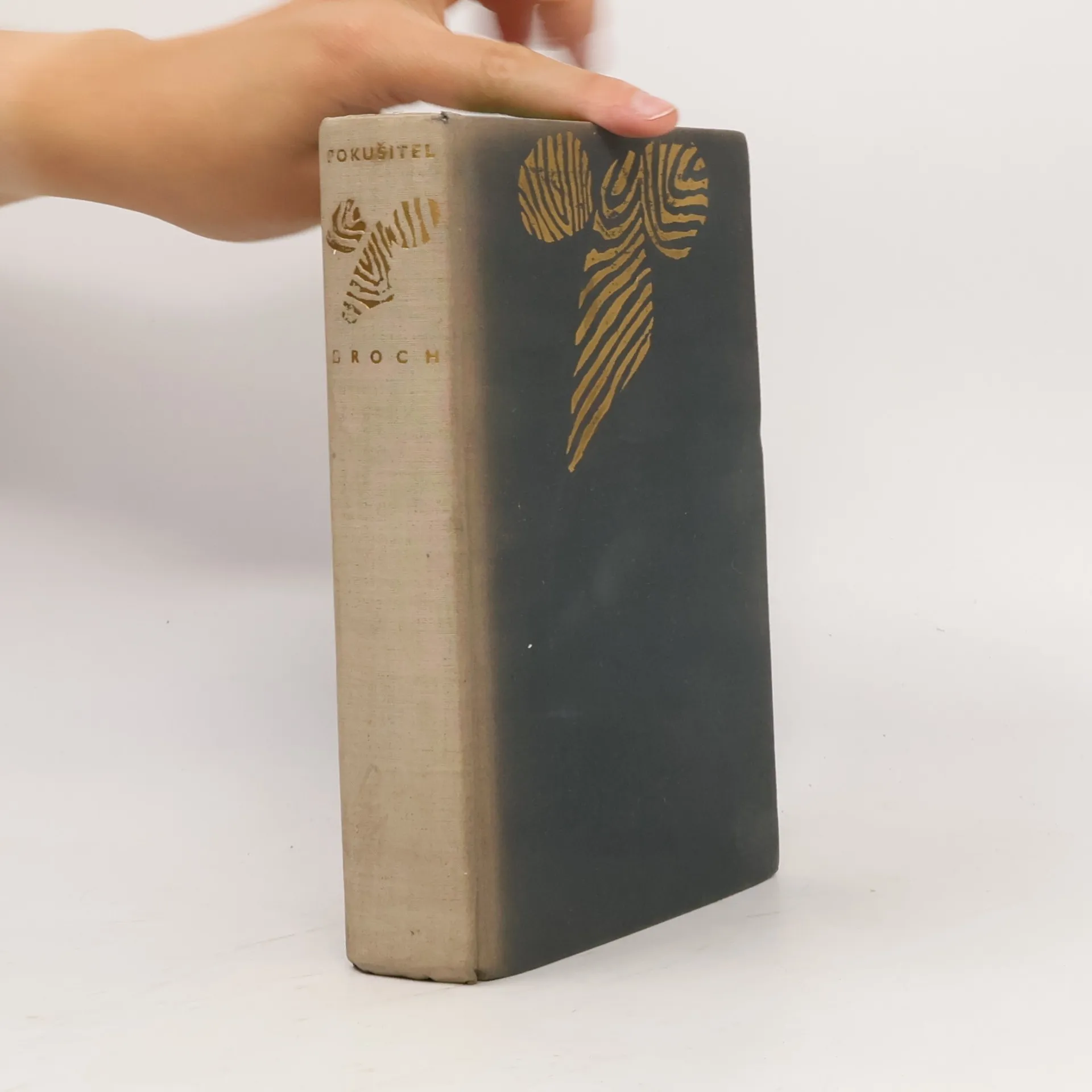
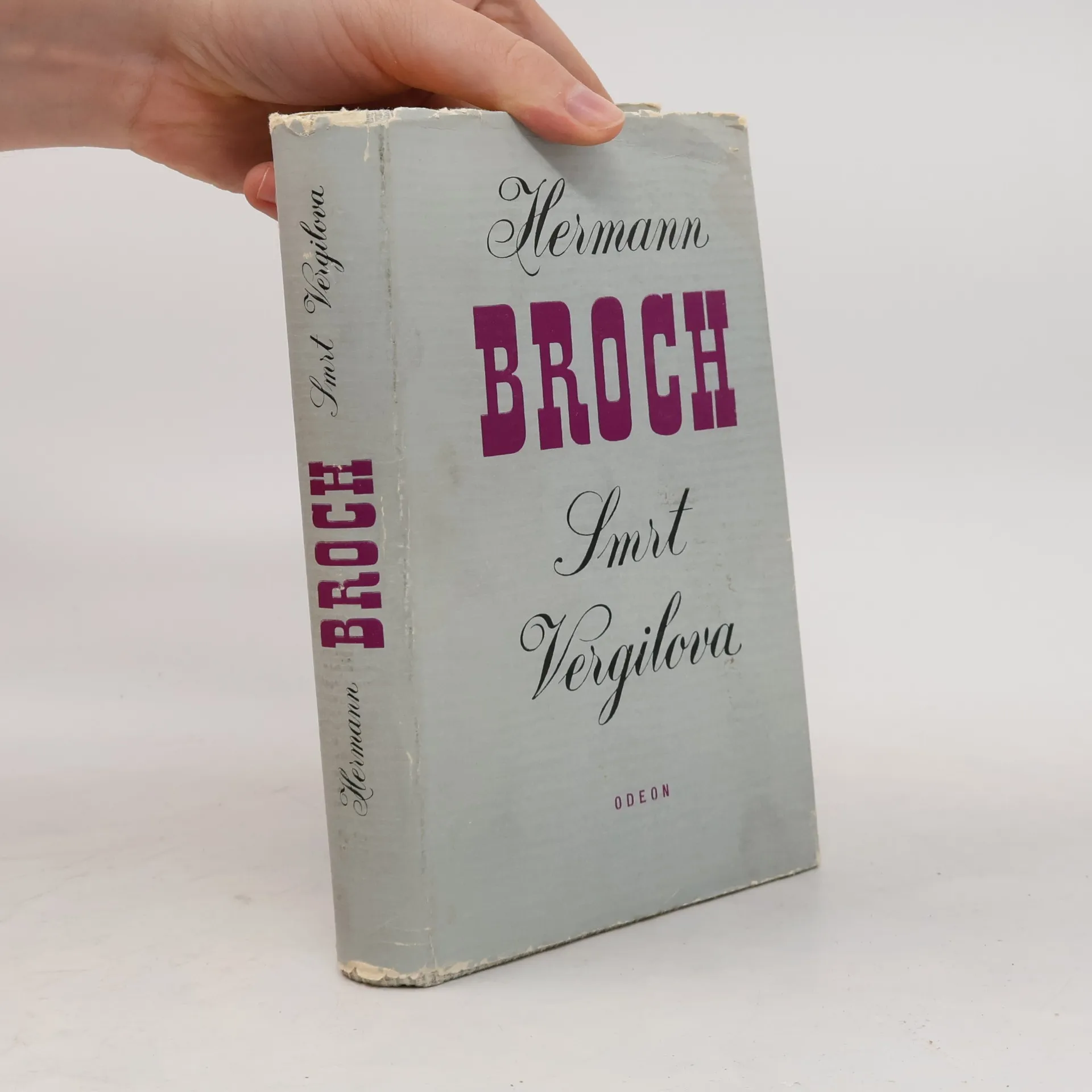
Románový epos rakouského spisovatele (1886–1951), v němž autor na osmnácti hodinách umírání jednoho z největších starověkých básníků snaží se vystihnout podstatu jeho života a díla ve vztahu k palčivým otázkám člověka oné doby a přes ně i k palčivým otázkám člověka doby dnešní (kniha obsahuje téměř sto míst z Vergilových básní, které většinou plynule zapadají do vyprávění). Autor, otřesen zážitky z první i druhé světové války, nalézá zde se nad problémem života a smrti, jedince a společnosti, krásy a poznání a řešit tyto věčné otázky ve smyslu mystického, platónského étosu.
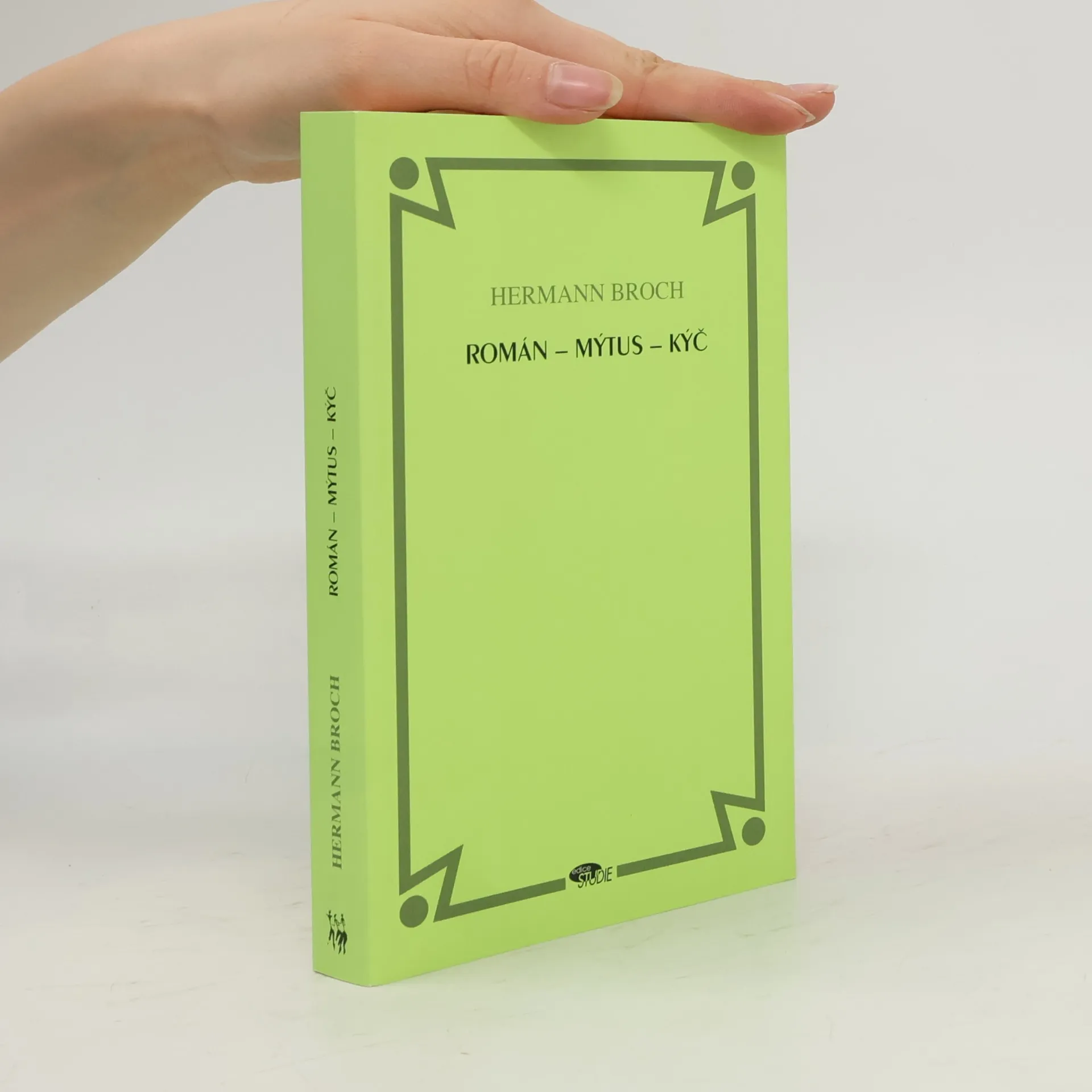
Stěžejní témata svého myšlení rozvinul Hermann Broch v četných esejích, z nichž ty nejvýznačnější ve výboru Milana Kundery přináší soubor Román – mýtus – kýč. Texty vybral Milan Kundera a uspořádal Petr Šimák; z německých originálů přeložila Naděžda Macurová.
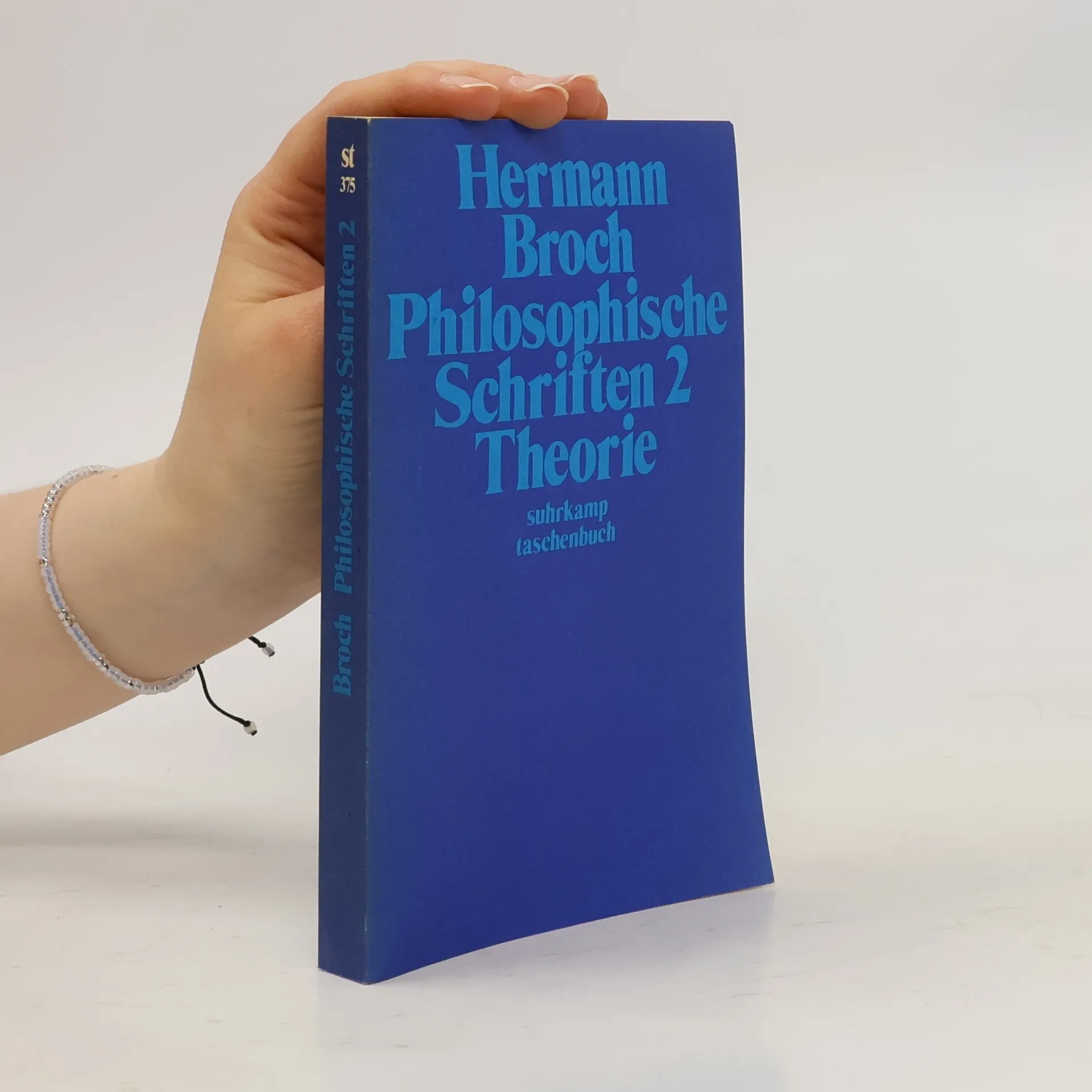
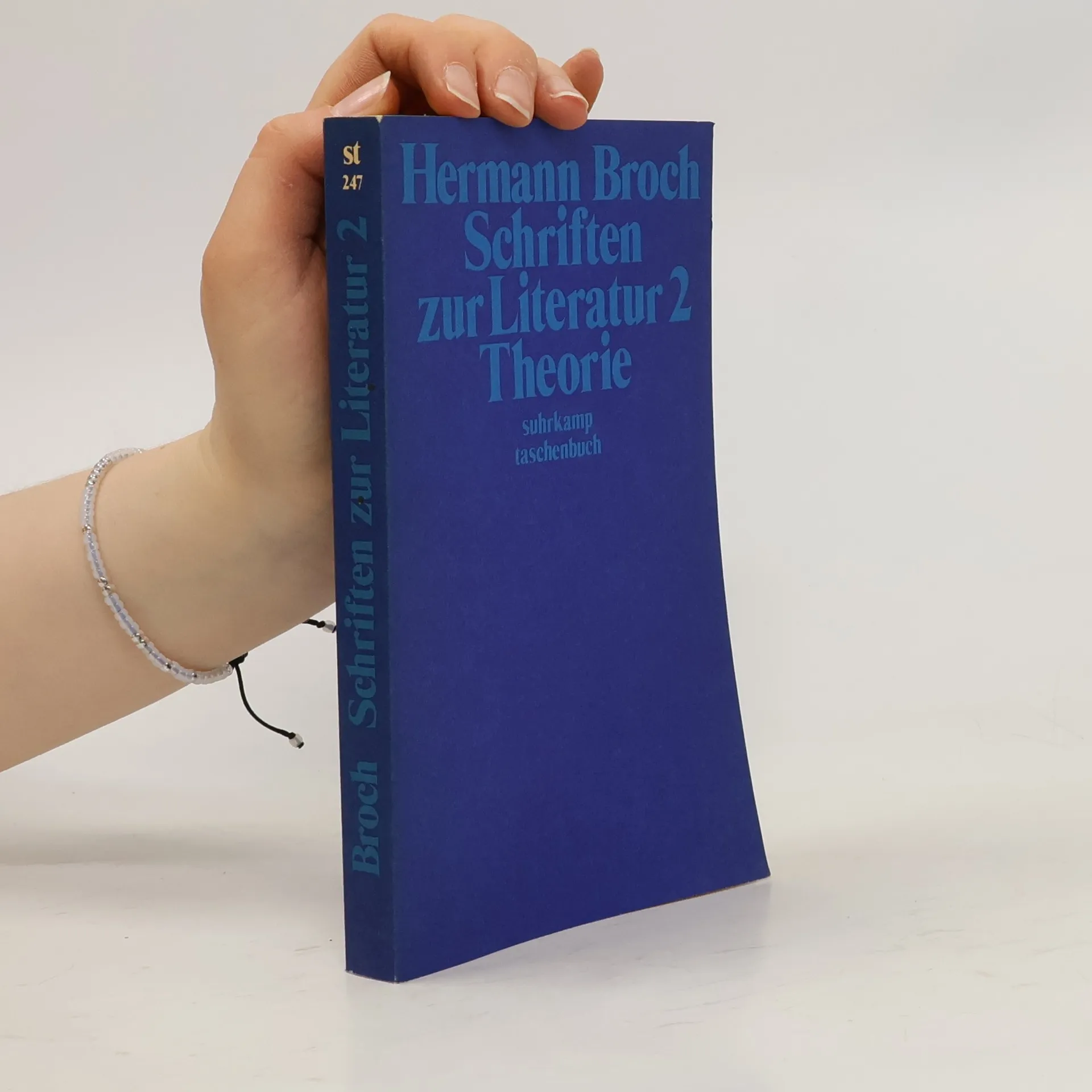
Philosophische Schriften 2. Theorie
- 644pages
- 23 heures de lecture
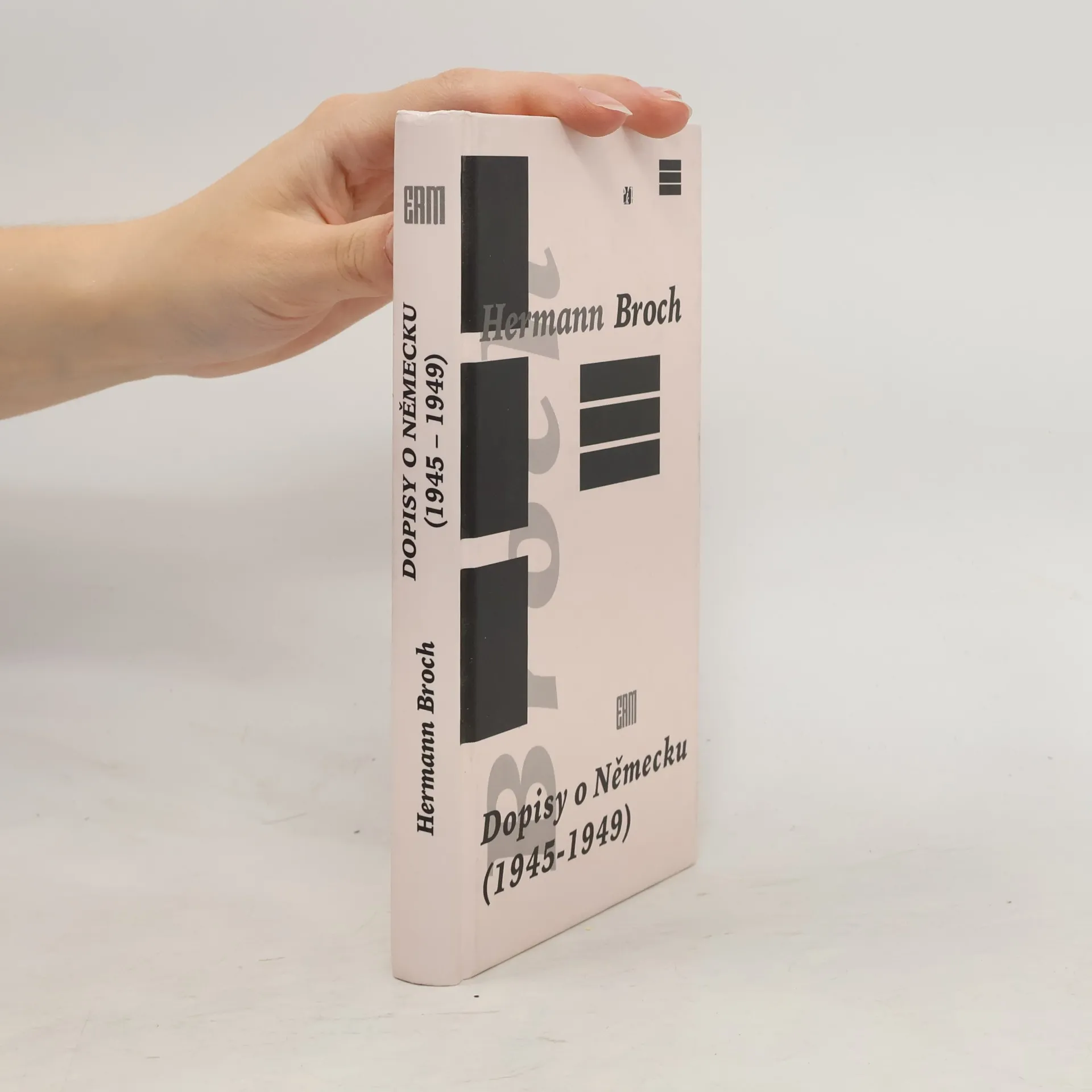
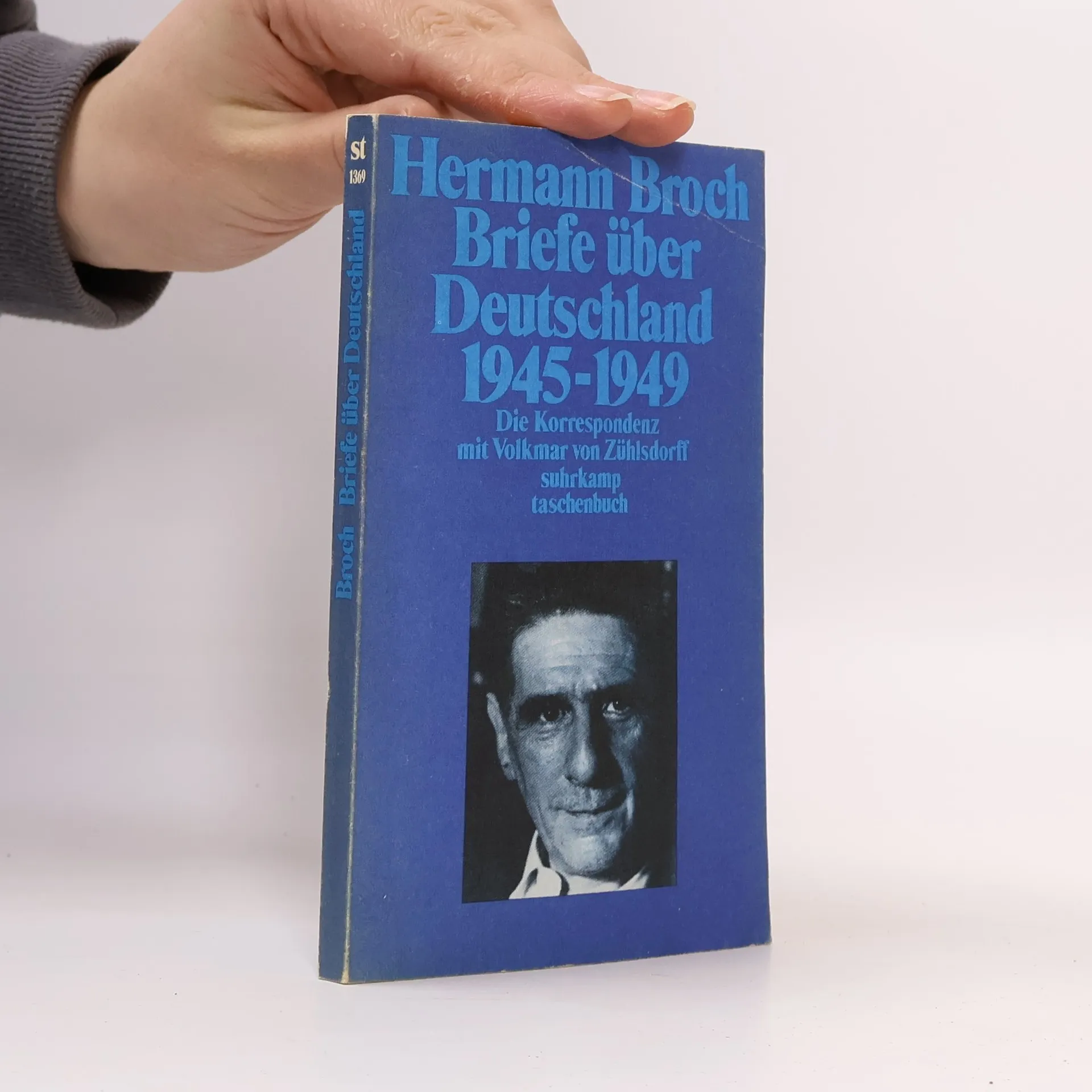
Dopisy o Německu (1945-1949)
- 181pages
- 7 heures de lecture
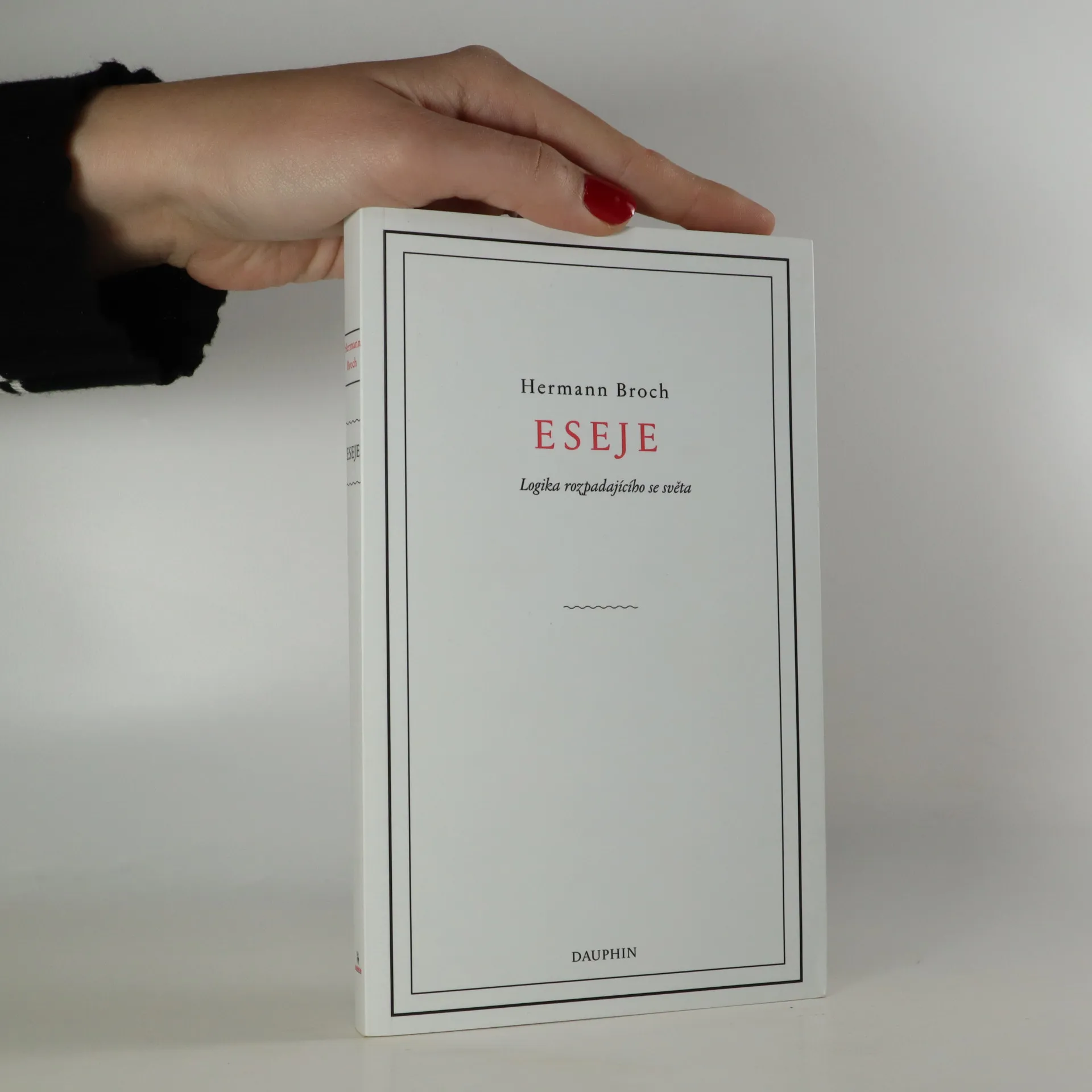
Eseje. Logika rozpadlého světa
- 248pages
- 9 heures de lecture
Výběr vychází ze souborného vydání Kommentierte Werkausgabe, které v letech 1974 - 1981 pro frankfurtské nakladatelství Suhrkamp edičně připravil Paul Michael Lützeler. Kromě literární tematiky jsou však do tohoto výboru zařazeny i eseje politické a filozofické, které obohacují Brochovy úvahy o další rozměry širšího myšlenkového aspolečenského záběru. Filozofická pojednání o fungování „rozpadlého světa“ či o možnostech světa bez platonské ideje se propojují s otázkami politickými a politologickými, vycházejícími ze zkoumání historicky vypjatého období evropských dějin první poloviny 20. století. Průzkum lidské individuality ve střetu s dobovými politickými praktikami nachází konkrétní odraz v v literárních tématech (např. v odkrývání občanské, politické i tvůrčí individuality Thomase Manna) a nabývají na zvláštní aktuálnosti (pozoruhodná je Brochova teorie demokracie a zvažování kompromisu mezi aspektem konfliktnosti uvnitř demokracie a zachováním premisy „humánní politiky“). Hloubkou myšlenek i jejich brilantní literární stylistikou Broch právem patří k mistrům esejistického žánru, a proto by bylo žádoucí seznámit české čtenáře s jeho tvorbou komplexněji.
Výběr vychází ze souborného vydání Kommentierte Werkausgabe, které v letech 1974–1981 pro frankfurtské nakladatelství Suhrkamp edičně připravil Paul Michael Lützeler. Kromě literární tematiky jsou však do tohoto výboru zařazeny i eseje politické a filozofické, které obohacují Brochovy úvahy o další rozměry širšího myšlenkového a společenského záběru. Filozofická pojednání o fungování „rozpadlého světa“ či o možnostech světa bez platonské ideje se propojují s otázkami politickými a politologickými, vycházejícími ze zkoumání historicky vypjatého období evropských dějin první poloviny 20. století. Průzkum lidské individuality ve střetu s dobovými politickými praktikami nachází konkrétní odraz v v literárních tématech (např. v odkrývání občanské, politické i tvůrčí individuality Thomase Manna) a nabývají na zvláštní aktuálnosti (pozoruhodná je Brochova teorie demokracie a zvažování kompromisu mezi aspektem konfliktnosti uvnitř demokracie a zachováním premisy „humánní politiky“). Hloubkou myšlenek i jejich brilantní literární stylistikou Broch právem patří k mistrům esejistického žánru, a proto by bylo žádoucí seznámit české čtenáře s jeho tvorbou komplexněji.
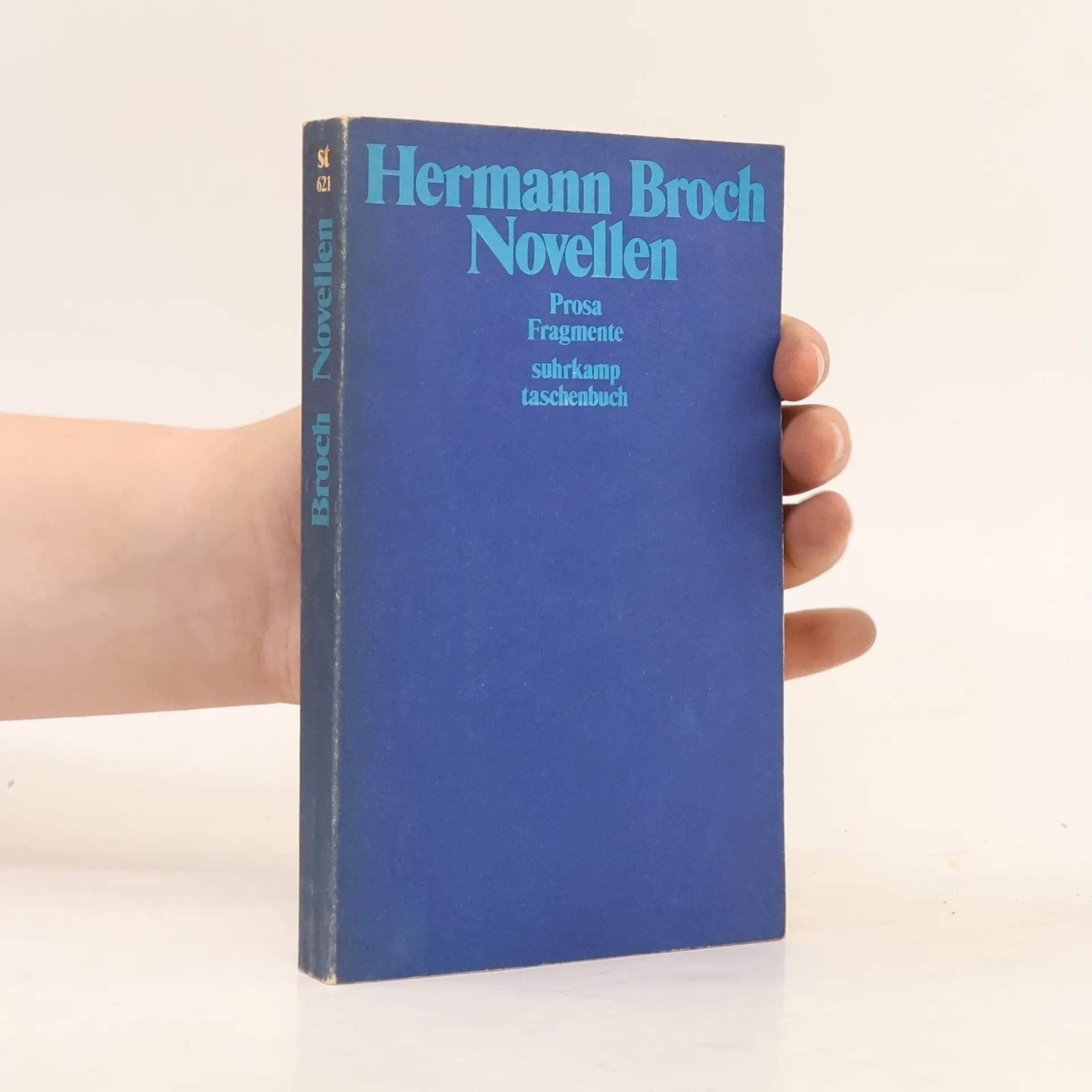
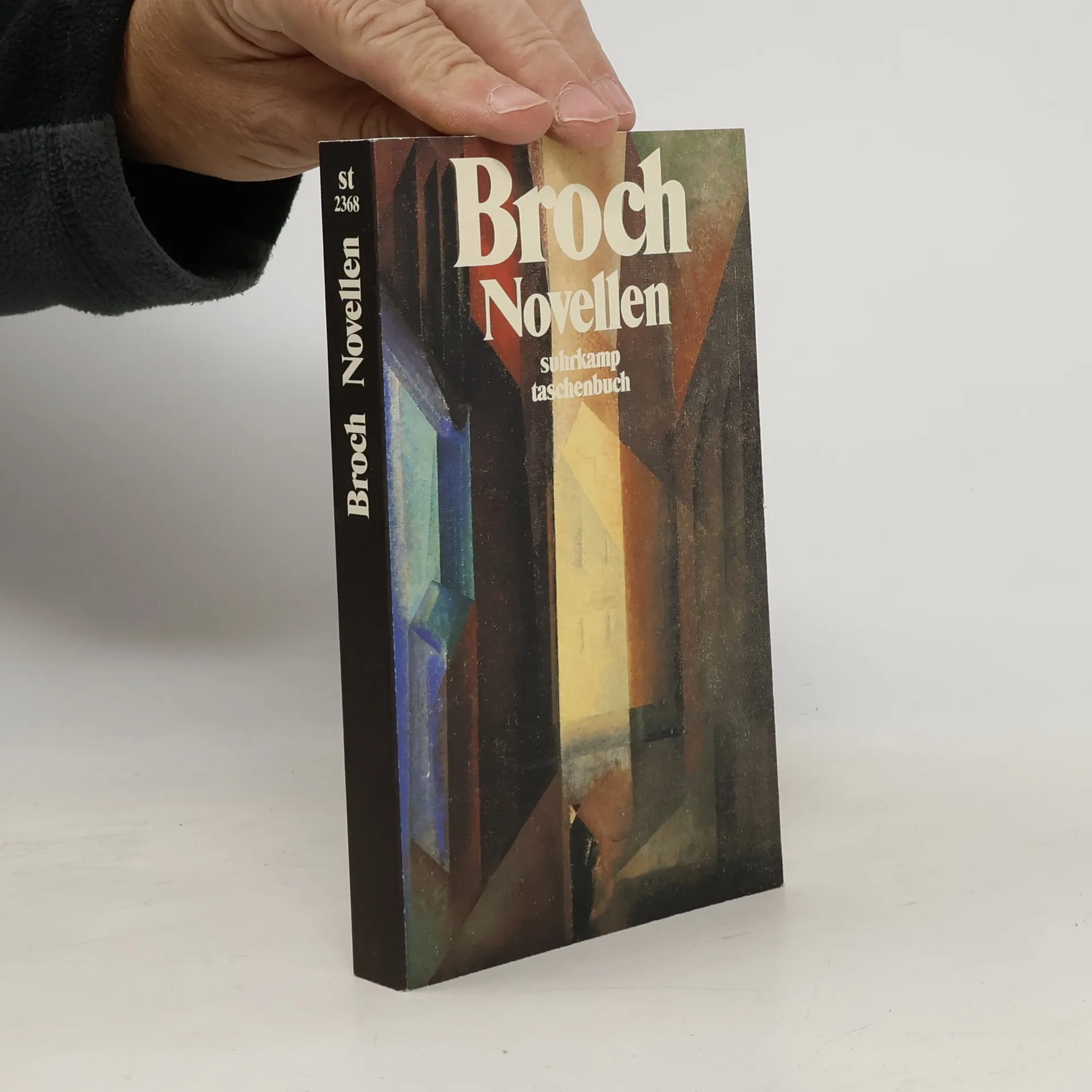
Novellen
Prosa, Fragmente
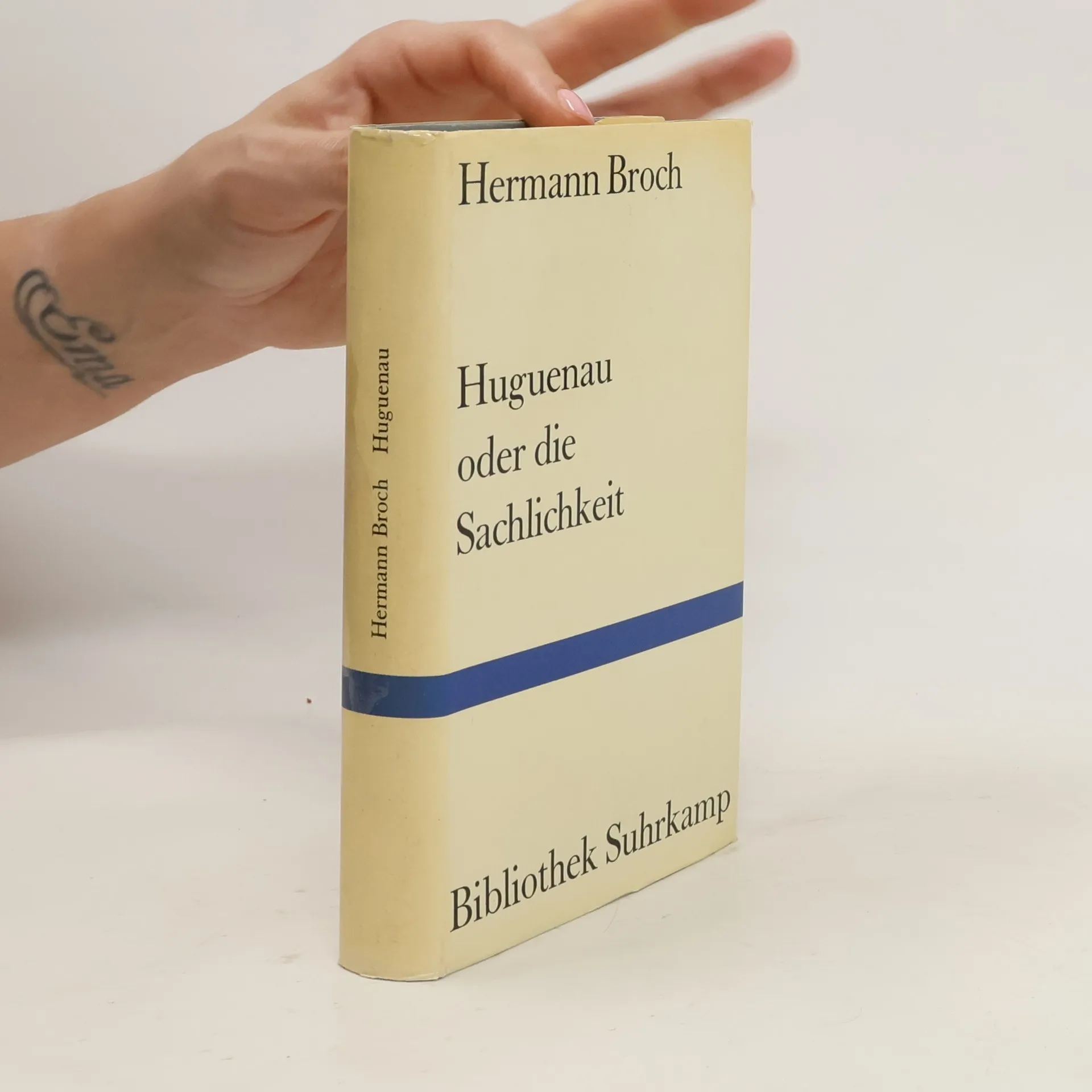
Hugueneau oder die Sachlichkeit. 1918
- 324pages
- 12 heures de lecture
"Huguenau oder die Sachlichkeit" ist der dritte Teil der "Schlafwandler"-Trilogie. Im moselländischen Städtchen agiert Huguenau als geschäftstüchtiger Vertreter einer Zeit des Wertezerfalls, indem er die Zeitung an sich bringt und Esch ermordet. Broch beschreibt das Buch als eine Reihe von Geschichten über Einsamkeit und neue produktive Kräfte.
Děj posledního románu rakouského modernisty Hermanna Brocha (1886–1951), koncipovaného netradičně jako soubor jedenácti vyprávění, z nichž řada byla v různém časovém odstupu uveřejněna časopisecky během autorova života, zobrazuje v rozpětí dvaceti let život a společnost předhitlerovského Německa. Žádná z románových postav se sice aktivně neúčastní politického života, a tudíž není přímo odpovědná za vzestup nacistické ideologie, přesto to byli právě tito „nevinní“, kteří jí svou úzkoprsostí a lhostejností poskytli živnou půdu. Podobně jako ve své románové prvotině Náměsíčníci (1932) tak Broch znovu podniká sondu do duše maloměšťáka, aby v ní odhalil podstatu a předpoklady nehumánnosti moderního člověka. Současně však jde ještě dál; svou komplexností a složitě propracovanou symbolikou, jež v mnohém připomíná jeho předchozí román Smrt Vergilova (1945), otevírá toto veskrze filosoficky laděné dílo rovněž otázku (ne)existence platónské ideje a s tím spojené krize hodnot moderní společnosti.
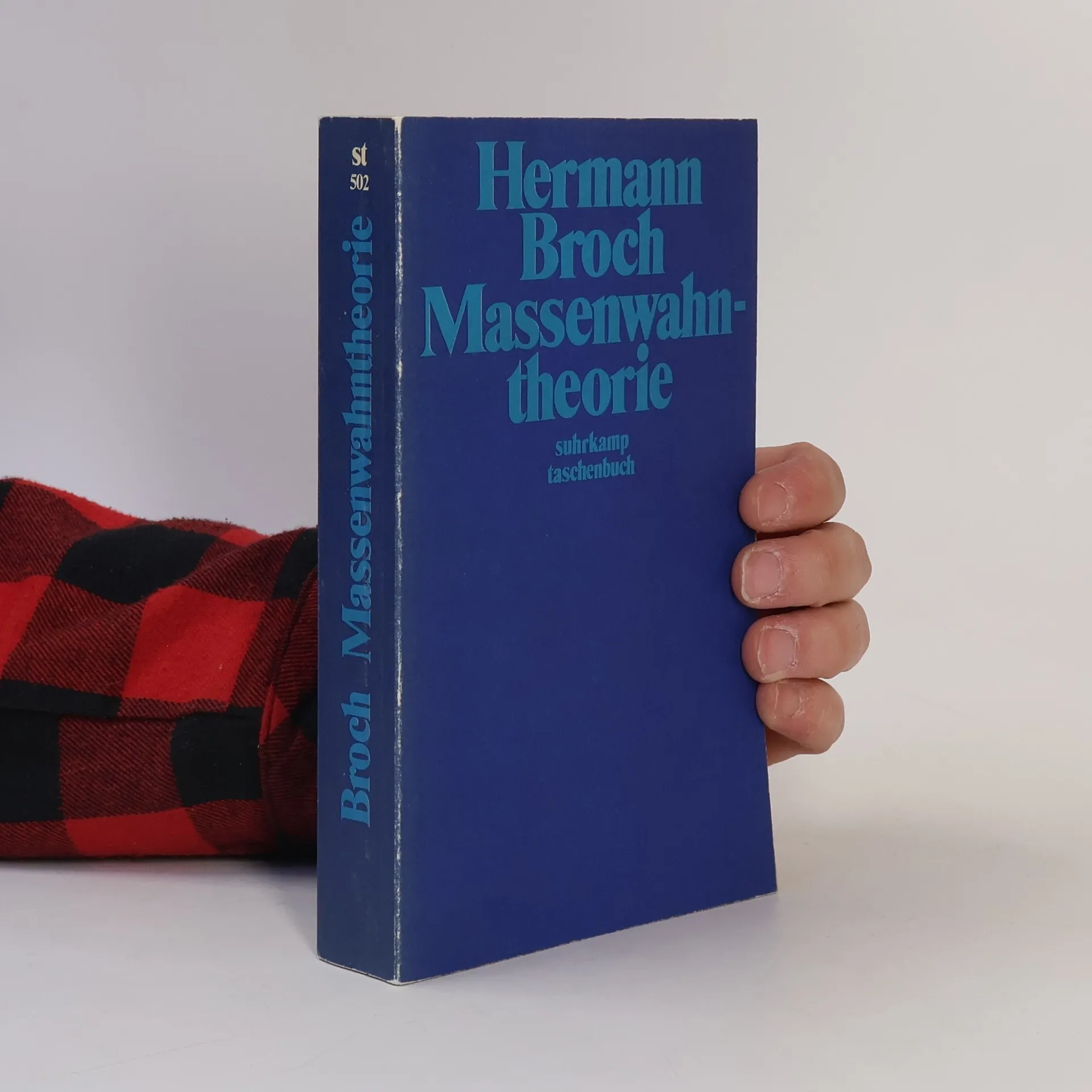
Massenwahntheorie
- 582pages
- 21 heures de lecture
Brochova Theorie des massiven Wahns ist eine Sammlung seiner Arbeiten aus den Jahren 1939 bis 1946, die er im amerikanischen Exil veröffentlichen wollte. Mit Unterstützung zeitgenössischer Erkenntnisse aus Philosophie, Psychologie, Soziologie und Politologie möchte er die philosophisch-psychologischen Ursachen des massiven Wahns in totalitären Staaten, sowohl faschistischer als auch kommunistischer Art, aufzeigen. Er beschränkt sich jedoch nicht auf die bloße Feststellung der Ursachen, sondern skizziert Wege, wie man effektiv gegen den massiven Wahnsinn kämpfen kann, dessen Gefahren auch nach dem Tod eines Diktators nicht verschwinden. Brochs Worte sind besonders aktuell, wenn er betont, dass bei der ständigen Verteidigung der Demokratie gegen den Totalitarismus „die Massen sich niemals mit leerer Selbstbeweihräucherung der Demokratie abspeisen lassen“ und dass sie mit „trockenen Tiraden“ nur dorthin getrieben werden, wo ihnen konkrete, wenn auch schreckliche Ziele angeboten werden, also in die Armee des Faschismus.
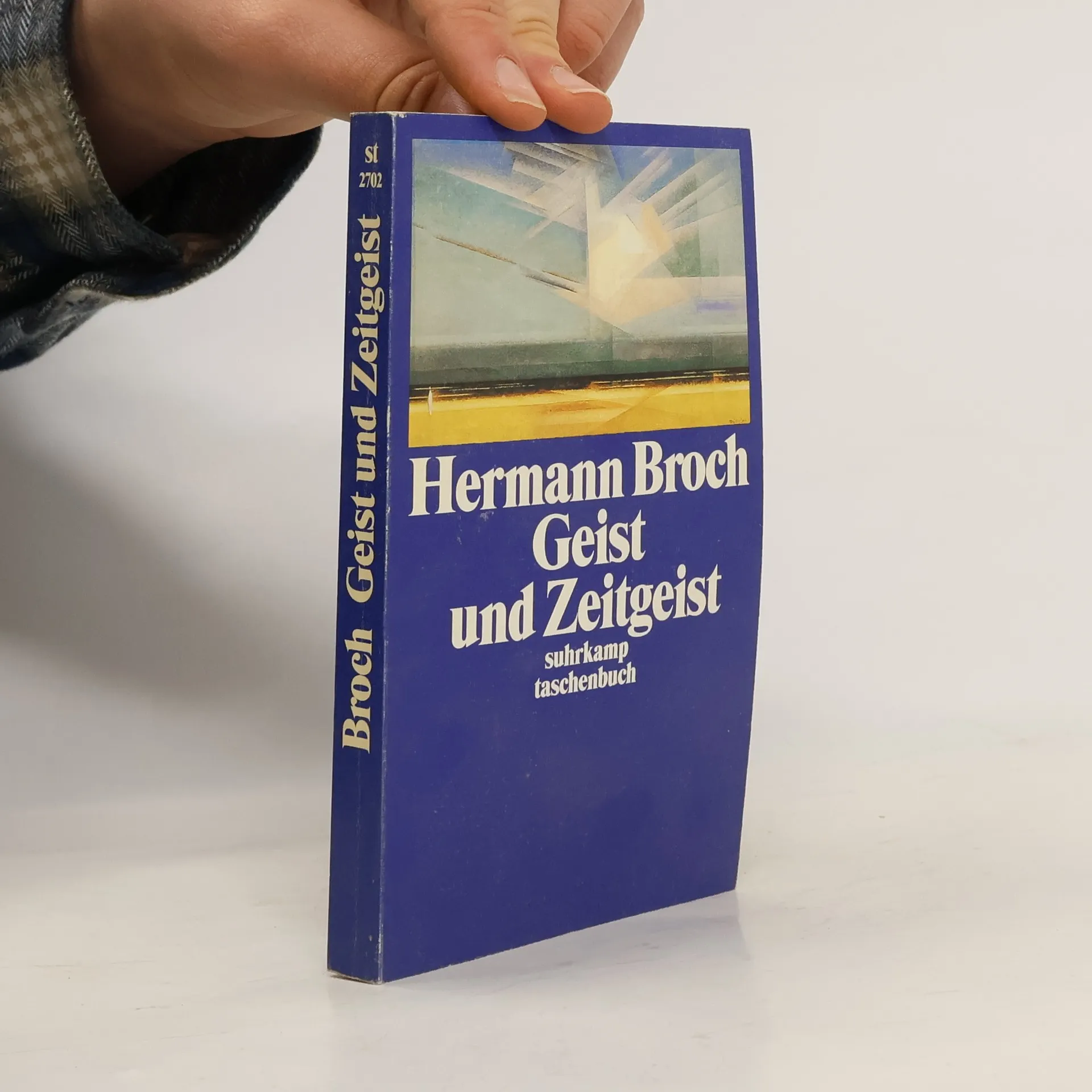
Geist und Zeitgeist
Essays zur Kultur der Moderne
Diese Essay-Sammlung enthält die wirkungsmächtigsten theoretischen Arbeiten des Autors. Was ist Kultur überhaupt und wie können kulturelle Prozesse beschrieben und analysiert werden? Wie ist Kunst von Kitsch zu unterscheiden? In welcher Spannung stehen Mythos und Dichtung zueinander? Welche Bedeutung kommt den Menschenrechten nach Auschwitz zu?
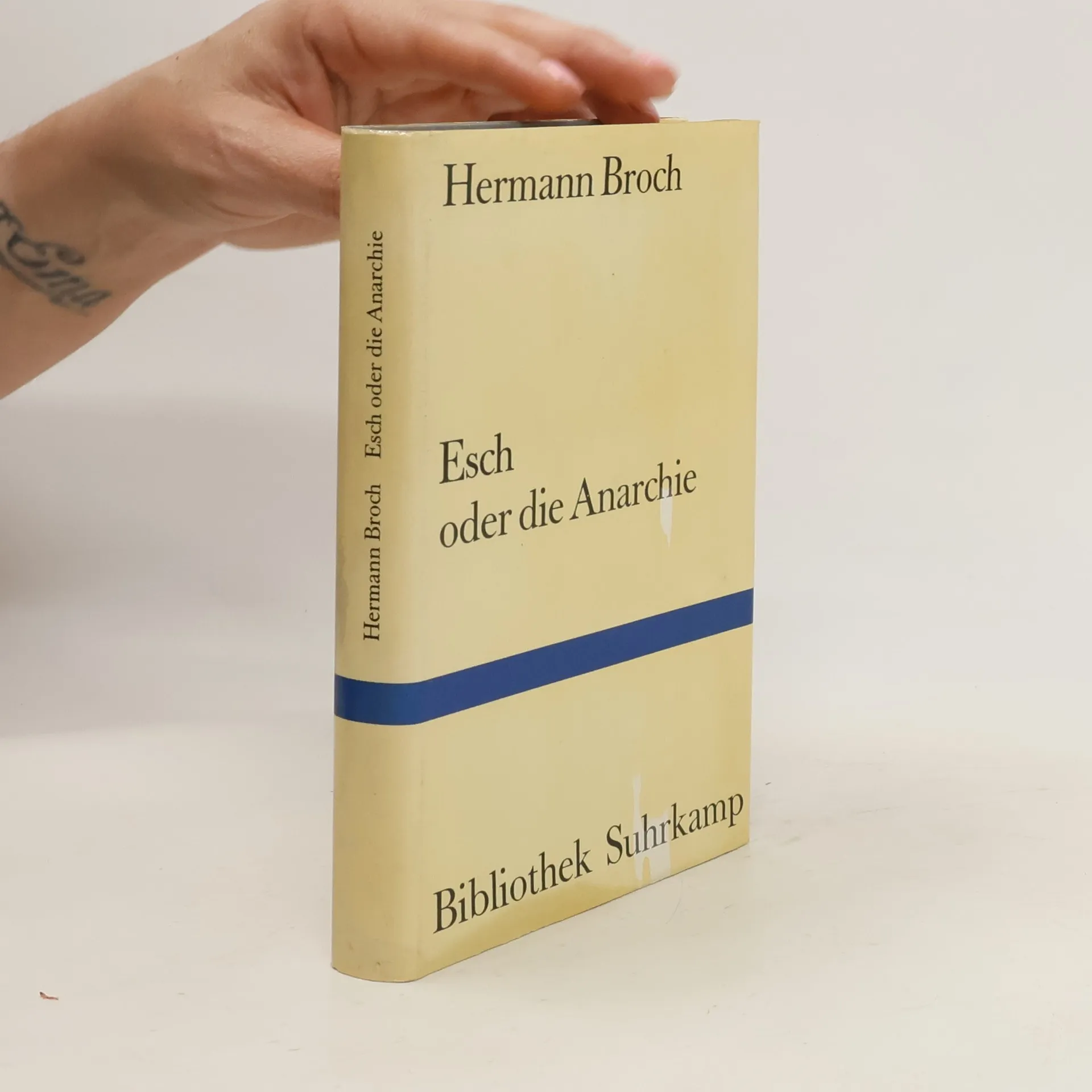
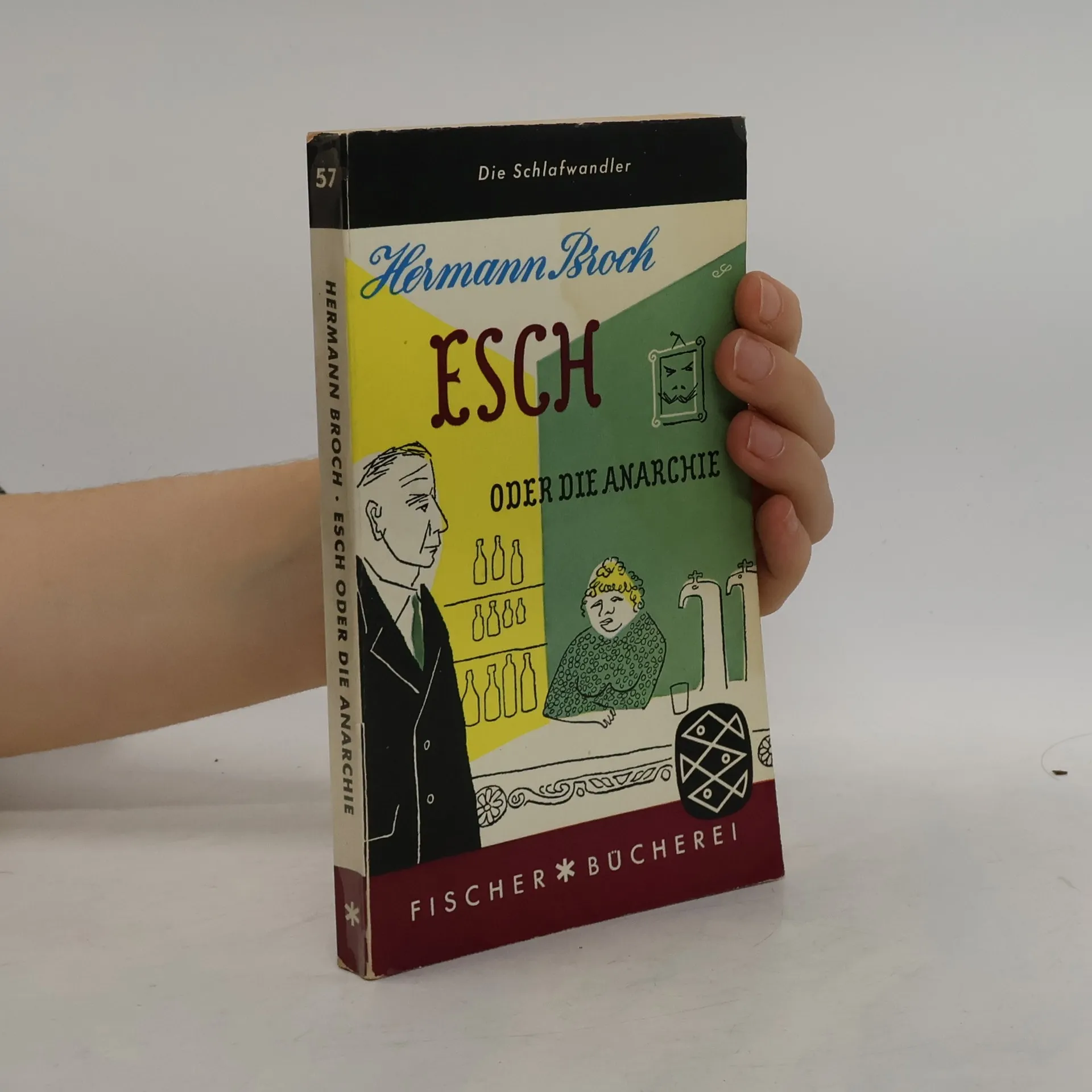
Esch oder die Anarchie. 1903
- 221pages
- 8 heures de lecture
Hermann Brochs Epochen-Roman »Esch oder die Anarchie« ist Teil seiner großen »Schlafwandler«-Trilogie, entstanden zwischen 1928 und 1931. Sie legt in drei Epochenschnitten - 1888, 1903 und 1918 - die ökonomischen, geistigen, sozialen und mentalen Bedingungen frei, die zu den Katastrophen des 20. Jahrhunderts führten. Der zentrale Mittelteil der Trilogie spielt im Jahr 1903: Der Buchhalter August Esch ist ein Träumer mit Mordphantasien, ein Erlösungsrhetoriker ohne Glaubensgewissheit und ein gewalttätiger Liebhaber mit sentimentalen Neigungen. Sein Bestreben im eigenen Leben Ordnung zu machen, scheitert an einer Welt, die ihm keinen Halt mehr bietet. Das macht Esch zu einer tragikomischen Don Quijote-Figur. Seine Revolte nimmt ihren Ausgang von sehr irdischen Verhältnissen, gewinnt aber zusehends eschatologische und märtyrerhafte Dimensionen. Satire und hellsichtige Zeitanalyse sind in »Esch oder die Anarchie« Teil einer vielschichtigen Erzählung; Brochs Roman gehört zu den großen Leistungen der literarischen Moderne
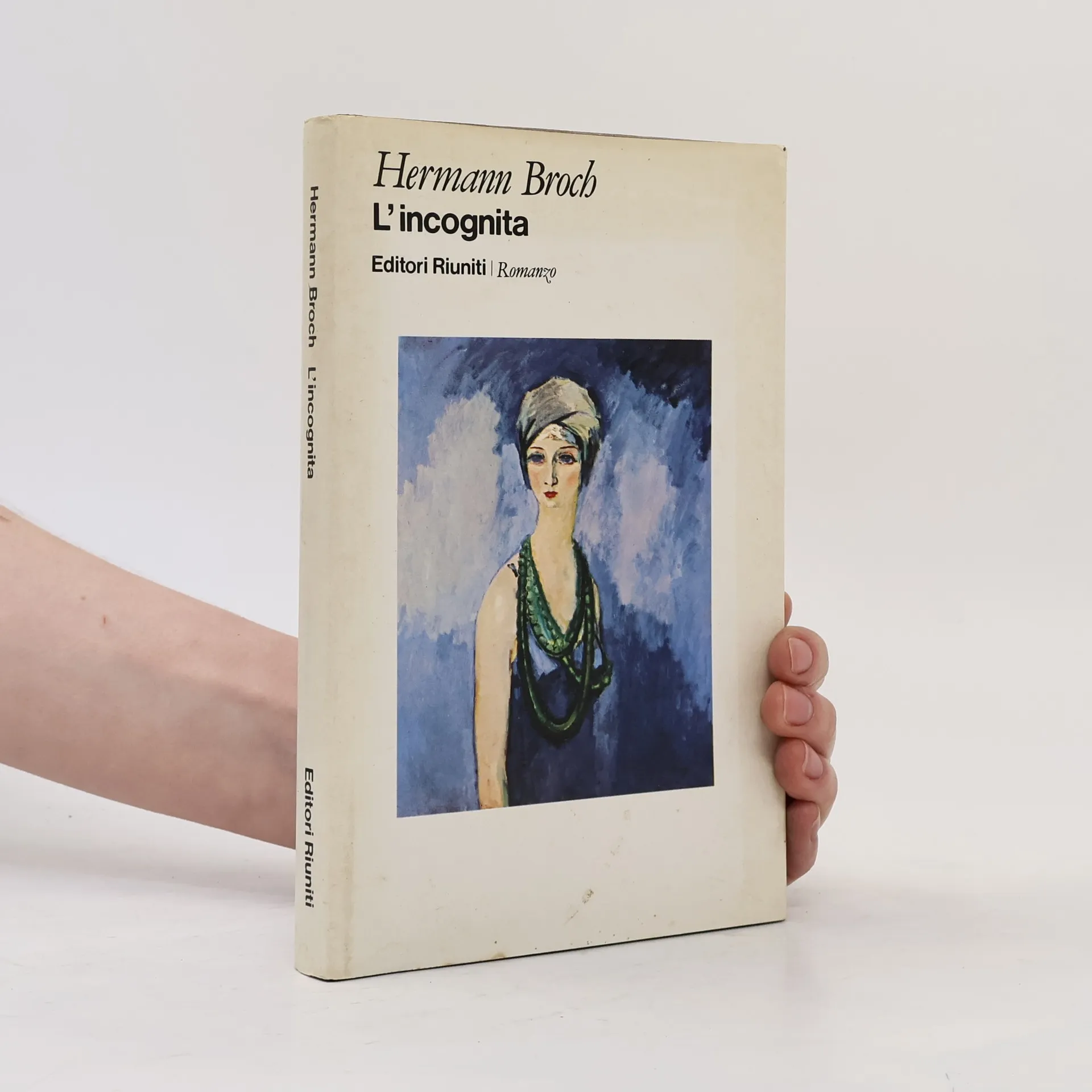
Zur Thematik di quest'opera scrive Broch stesso: »›L'incognita‹ è il romanzo dell'uomo intellettuale. Il matematico Richard Hieck, protagonista del romanzo, è uno dei piccoli operatori che collaborano alla formazione del futuro, che è sempre una funzione della conoscenza: in quale modo può un uomo dedicato alla scienza giungere a quella conoscenza totale a cui aspira in base alla sua fondazione? Come può, partendo dalla sua scienza specifica, arrivare alla soluzione del residuo di conoscenza razionalmente inaffrontabile (manifestato nelle grandi questioni della morte, dell'amore, dell'altro)?«
Dramen
- 426pages
- 15 heures de lecture
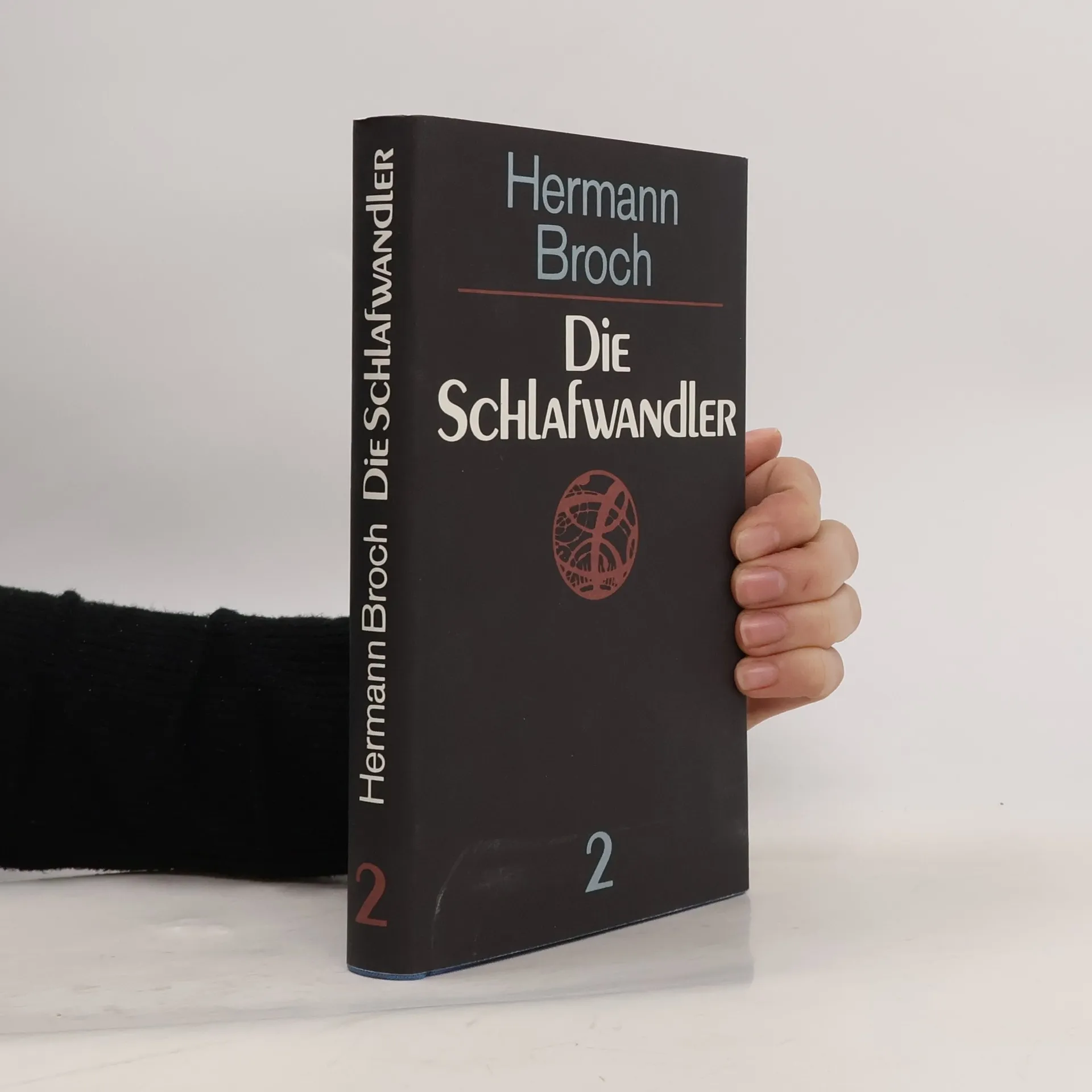
Die Schlafwandler 2
- 354pages
- 13 heures de lecture
Kommentierte Werkausgabe. Romane und Erzählungen.
Band 6: Novellen, Prosa, Fragmente
- 359pages
- 13 heures de lecture
Die kommentierte Werkausgabe von Hermann Broch im Suhrkamp Verlag, herausgegeben von Paul Michael Lützeler, umfasst zahlreiche Bände seines dichterischen und essayistischen Werks sowie Briefe. Neu veröffentlicht werden frühe Novellen und Fragmente, einschließlich der deutschen Fassung von "Hitlers Abschiedsrede".
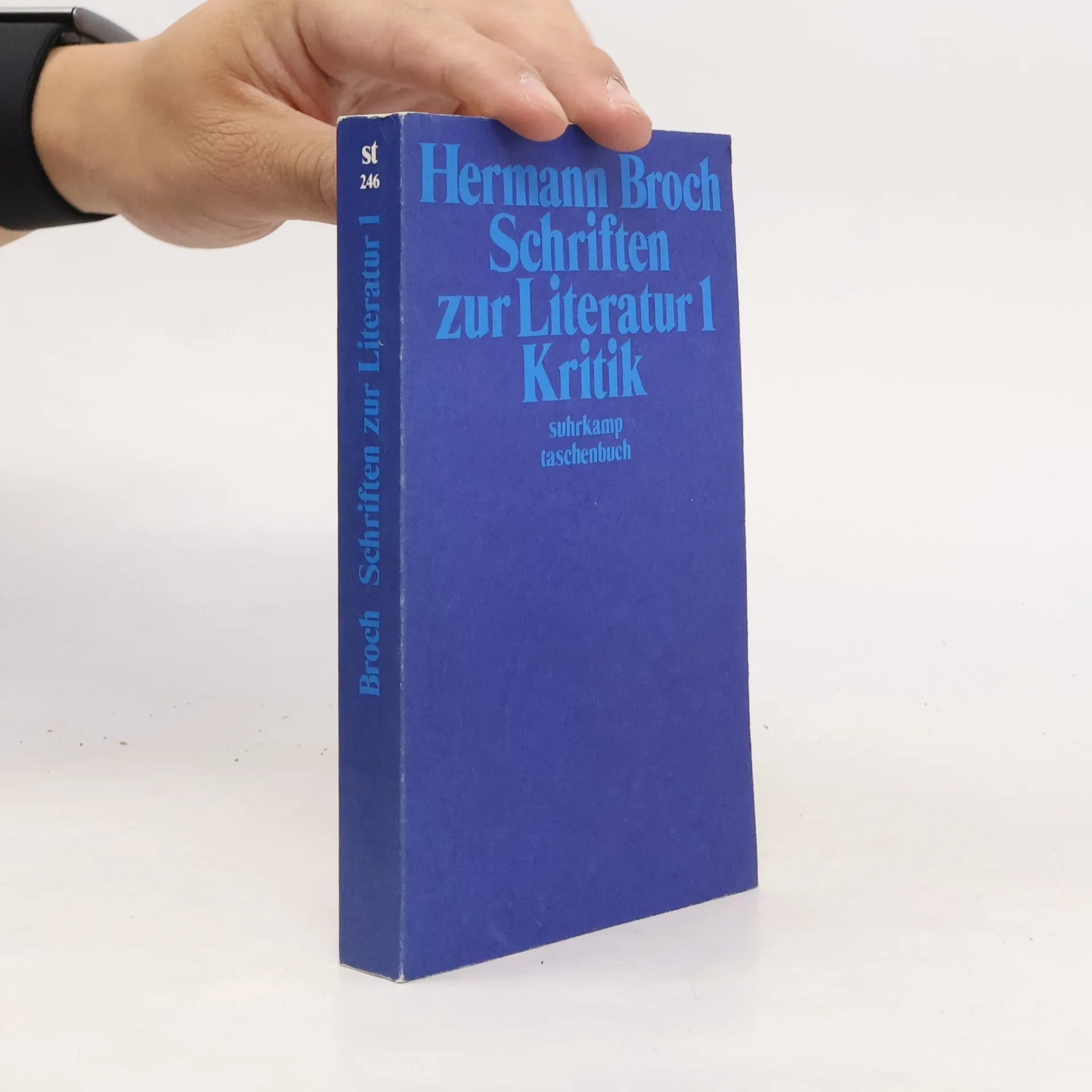
Schriften zur Literatur 1
- 422pages
- 15 heures de lecture
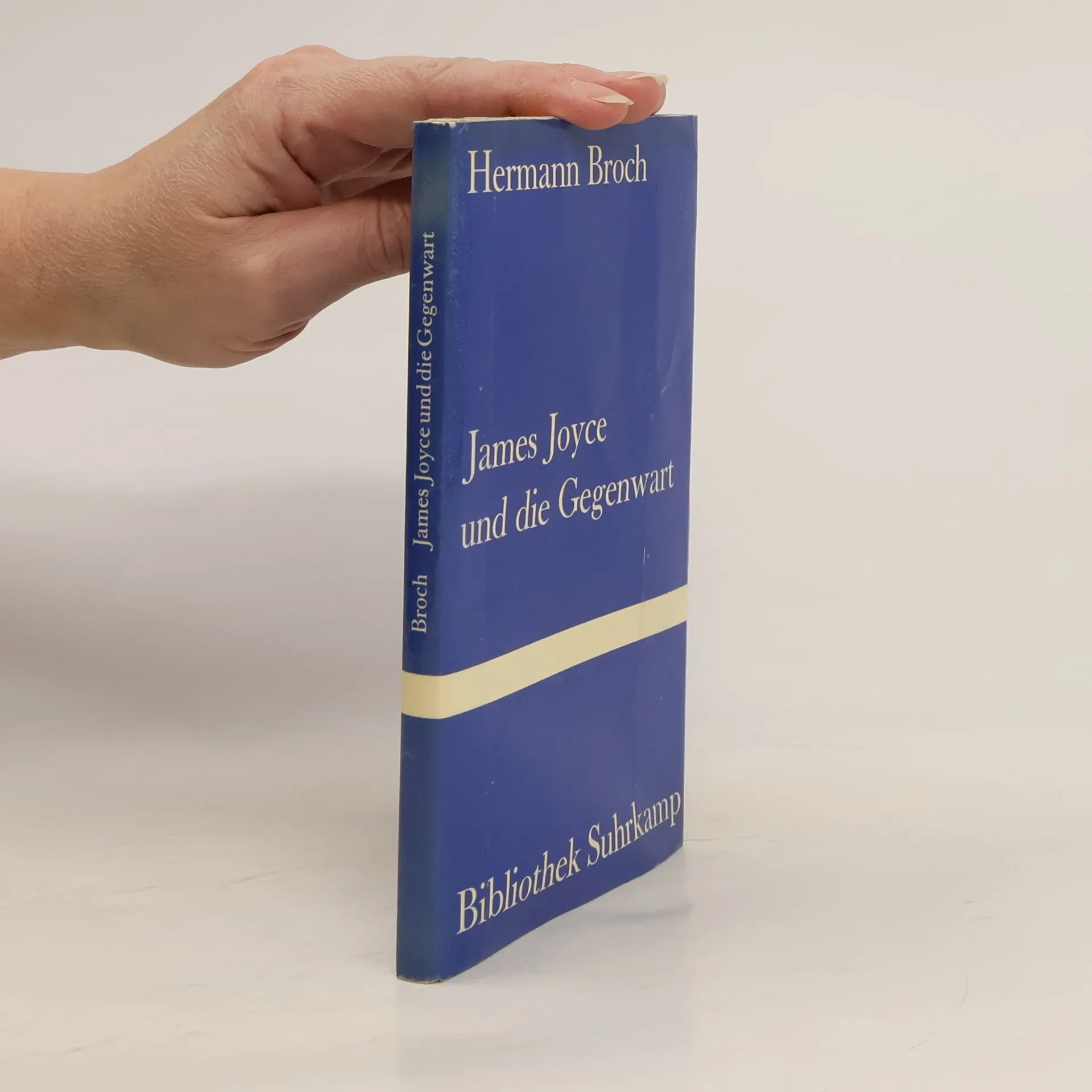
Aus dem Inhalt: Schriftstellerporträts Thomas Mann Philistrosität, Realismus, Idealismus der Kunst (1913) / Mythos und Dichtung bei Thomas Mann (1935) Karl Kraus Antwort auf eine Rundfrage über Karl Kraus (1913) Emile Zola Zolas Vorurteil(1917) Christian Morgenstern Morgenstern (1917) Alfred Polgar Der Theaterkritiker Polgar (1920) Franz Blei Der Schriftsteller Franz Blei (1921) / Einleitung zu einer Canetti-Lesung (1933) James Joyce James Joyce und die Gegenwart (1936) Robert Musil Robert Musil - ein österreichischer Dichter? (1936) / Robert Musil und das Exil (1939) Nachruf auf Robert Musil (1942) Richard A. Bermann Nachruf auf Richard A. Bermann (1939) Berthold Viertel Rede über Viertel (1947) Hugo von Hofmannsthal Hofmannsthal und seine Zeit (1947/48) / Kapitel I: Die Kunst und ihr Un-Stil am Ende des 19.Jahrhunderts Kapitel II: Aufbau und Behauptung einer Persönlichkeit inmitten des Vakuums Kapitel III: Der Turm von Babel Hugo von Hoffmannsthals Prosaschriften (1950) Erste Fassung / zweite Fassung / Dritte Passung Würdigungen
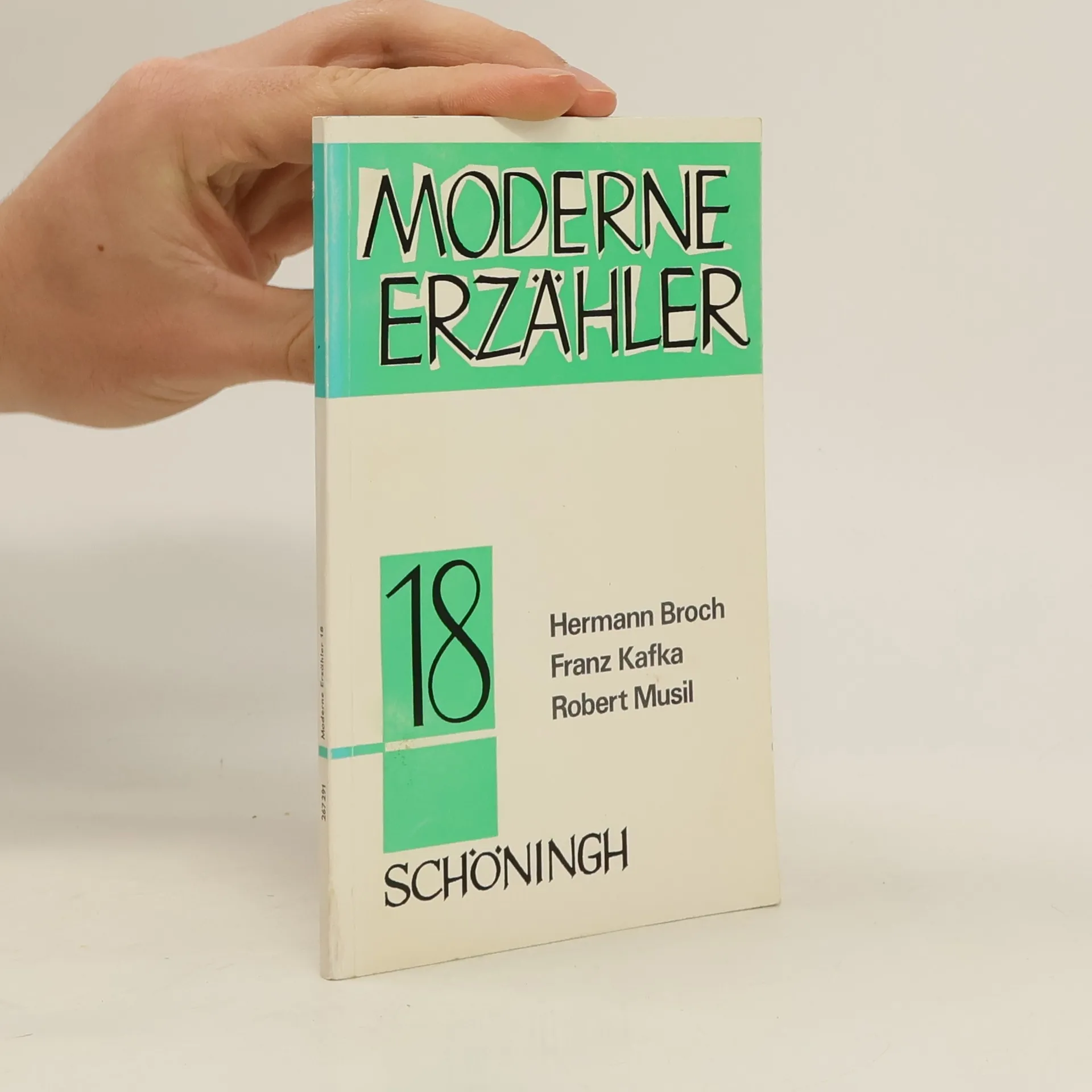
Moderne Erzähler 18
- 92pages
- 4 heures de lecture
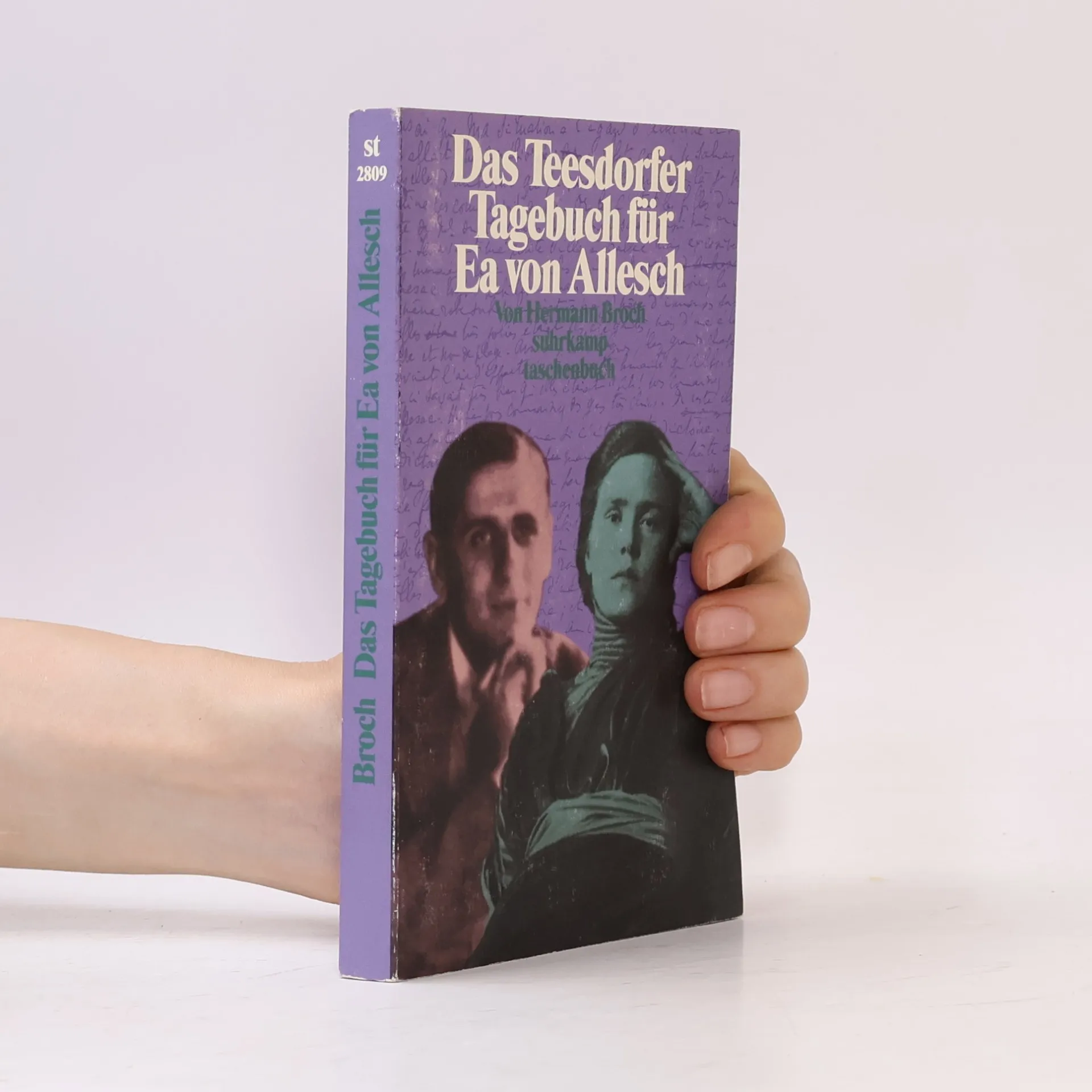
Suhrkamp Taschenbuch - 2809: Das Teesdorfer Tagebuch für Ea von Allesch
- 245pages
- 9 heures de lecture
Politische Schriften
- 516pages
- 19 heures de lecture
Menschenrecht und Demokratie
- 285pages
- 10 heures de lecture
Hermann Broch wuchs in Wien auf, leitete zwanzig Jahre lang die Textilfabrik seiner Familie, begann 1927 mit dem Leben als freier Schriftsteller, musste als Jude nach dem 'Anschluss' von 1938 aus Österreich fliehen. Er emigrierte im gleichen Jahr in die USA, wo er anfänglich in New York lebte. 1942 wurde Princeton, New Jersey, sein fester Wohnsitz. 1949 siedelte er über nach New Haven, Connecticut, wo er Kontakte zur Fakultät der Yale University hatte; im dortigen German Department wurde er Lektor ehrenhalber. 1951 erlag er einem Herzschlag.
Der Tod im Exil
Hermann Broch, Annemarie Meier-Graefe Briefwechsel 1950/51
- 390pages
- 14 heures de lecture
»Seit langer Zeit empfinde ich so etwas wie Glück, und da kommt das schlechte Gewissen – denn sobald ich an Dich denke und an die Umstände, unter denen Du existierst, habe ich das instinktive, anerzogene oder angeborene Pflichtgefühl, ich hab da zu sein, wo Du bist.« Der Wunsch, wieder bei ihrem Ehemann zu sein, erfüllte sich für Annemarie Meier-Graefe indes nicht. Im Juni 1950 hatte sie das Passagierschiff »Queen Mary« nach Europa genommen. Hermann Broch wollte bald folgen. Zwei Jahre lebte das Ehepaar durch den Atlantik voneinander getrennt, dann stirbt Broch im amerikanischen Exil. Der Tod im Exil ist der bewegende Briefwechsel des in den USA innerlich vereinsamenden Autors Broch mit seiner wesentlich jüngeren Frau, die in Europa ihre Heimat wiederfindet und sich mit viel Energie und Lebensmut eine neue Existenz aufbaut. Nur selten finden die zwei Stimmen zu einem Gleichklang. Ihre Lebenserwartungen und Zukunftspläne erweisen sich als unvereinbar. Mit seinen Sehnsüchten, Befürchtungen, Vorwürfen und Hoffnungen ist dieser Briefwechsel auch ein beeindruckendes Zeitdokument der Jahre 1950/51 – Annemarie Meier-Graefes Berichte aus Frankreich und Deutschland lesen sich wie zeitkritische Feuilletons –, als die Folgen von Krieg und Holocaust noch überall sichtbar waren und in Korea eine neue Weltkrise begann.
Распаѓањето на Хабсбуршкиот во романескниот свет - Роберт Музил, Херман Брох и Јозеф Рот
- 232pages
- 9 heures de lecture
Die Geschichte der tragischen Liebe zwischen einem Arzt und der jungen Kinderärztin Barbara, die sich entgegen ihren Gefühlen nur ihrem Beruf und ihrer politischen Arbeit widmen möchte.
rororo Sachbuch: Für den Spiegel geschrieben
Eine kleine Literaturgeschichte
- 149pages
- 6 heures de lecture
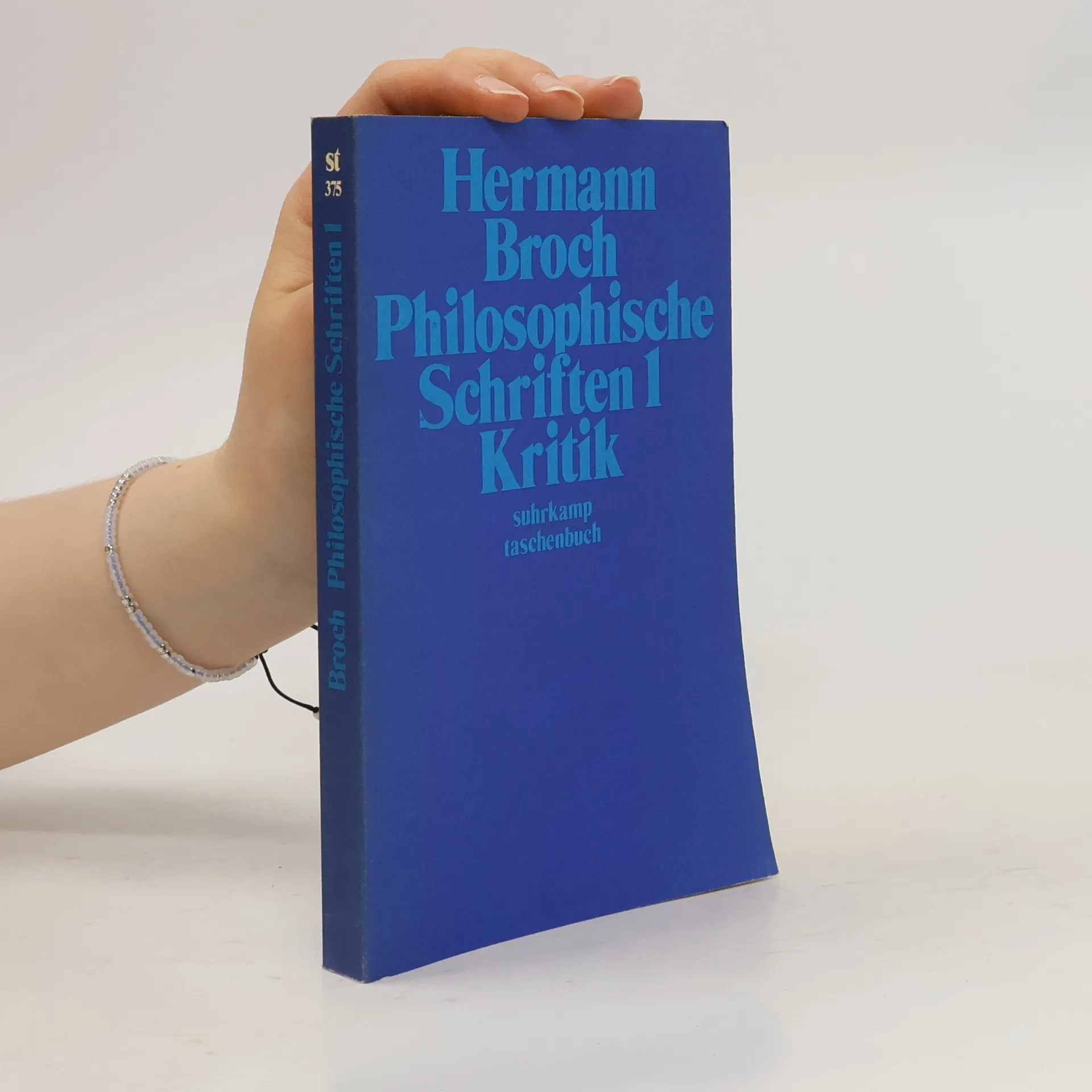
Schriften zur Literatur 1. Kritik
- 422pages
- 15 heures de lecture
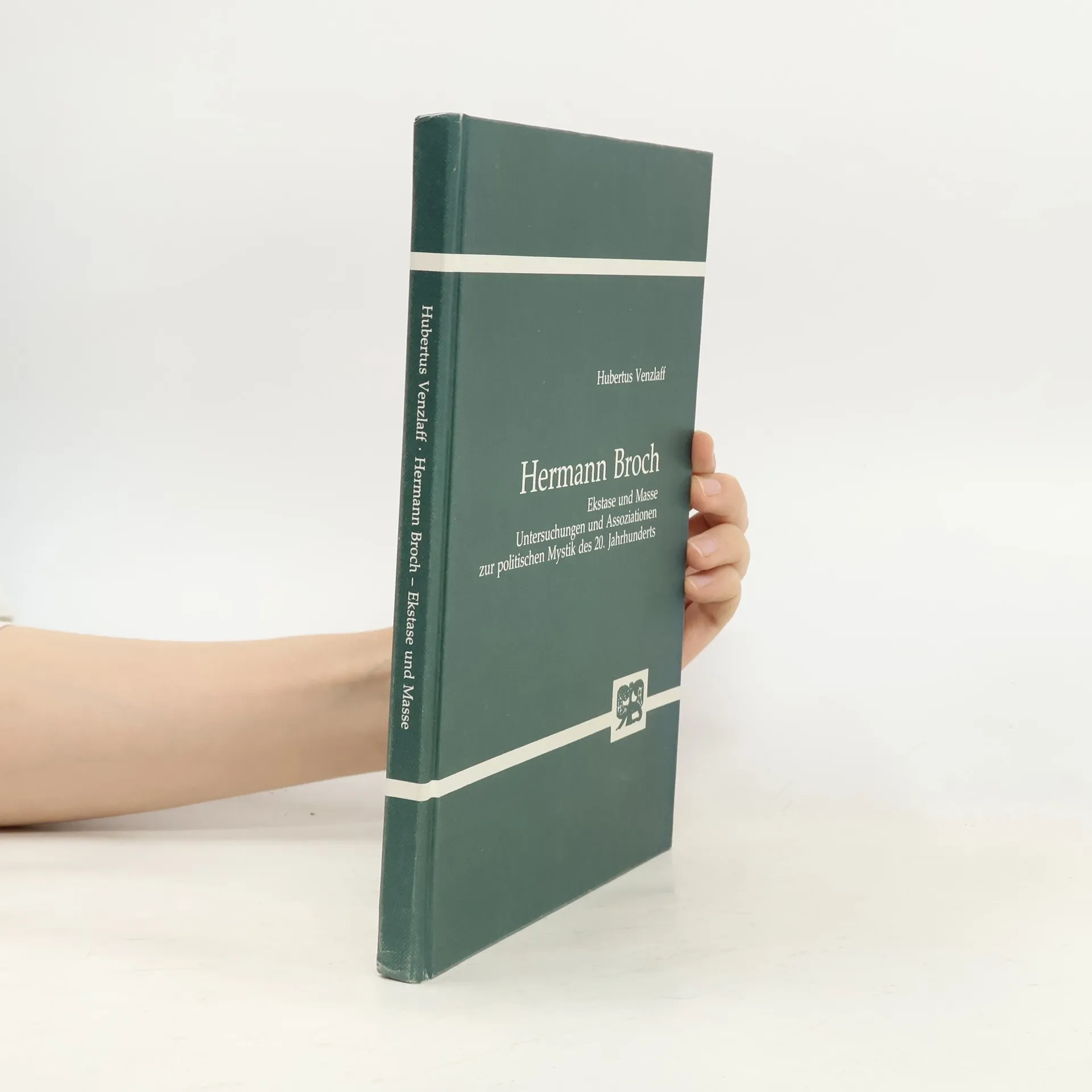
Hermann Broch, Ekstase und Masse
Untersuchungen und Assoziationen zur politischen Mystik des 20. Jahrhunderts
- 176pages
- 7 heures de lecture