Introducing Kafka
- 350pages
- 13 heures de lecture
This book, helping us to see beyond the cliche 'Kafkaesque', is illustrated by legendary underground artist Robert Crumb.


Cet auteur explore l'interaction complexe entre la littérature, la philosophie et le théâtre. Son travail puise souvent dans des traditions intellectuelles, opposant les formes artistiques aux thèmes politiques et sociaux. Il aborde les essais et les manifestes avec un style imaginatif et accessible, alliant idées profondes et présentation provocatrice.

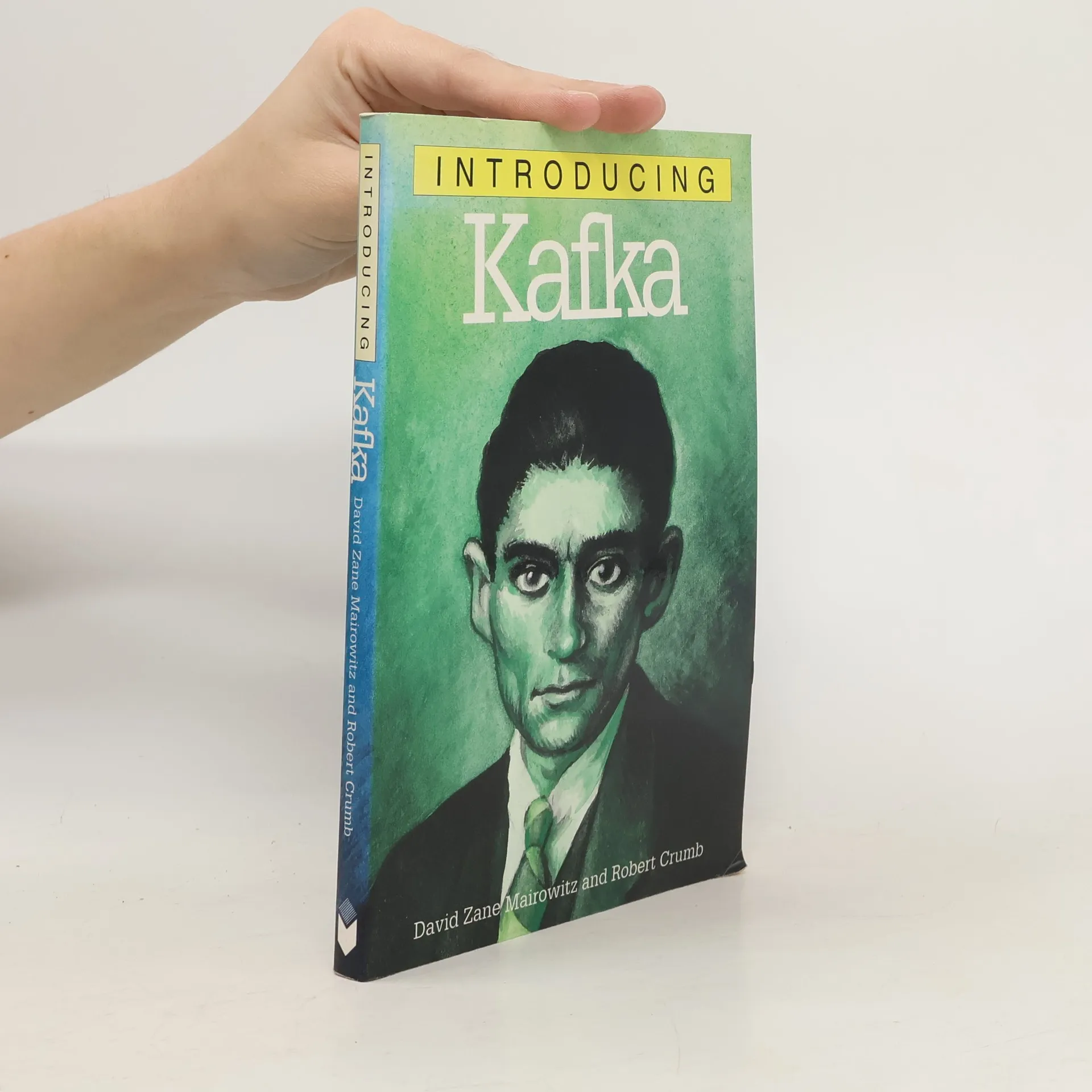
This book, helping us to see beyond the cliche 'Kafkaesque', is illustrated by legendary underground artist Robert Crumb.
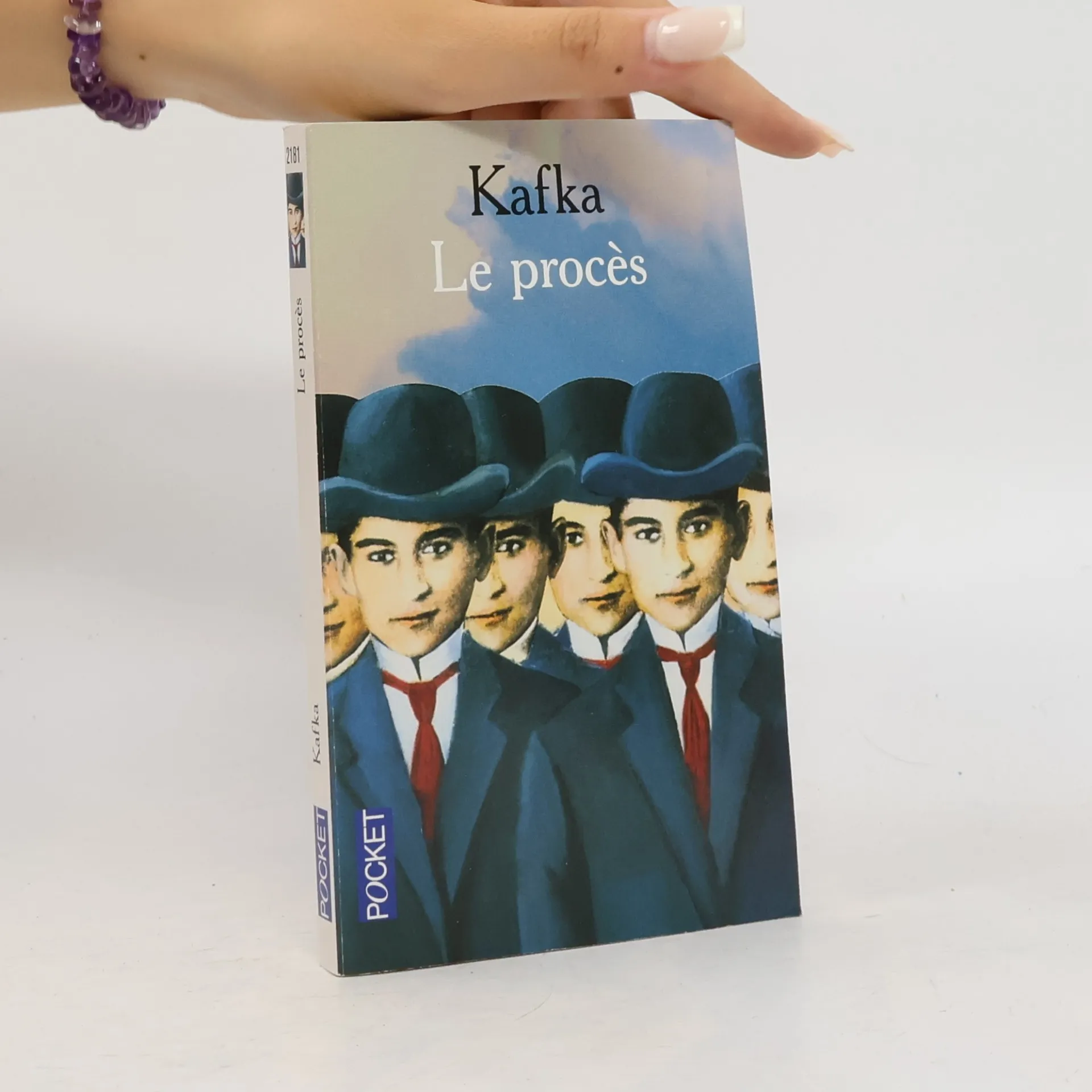
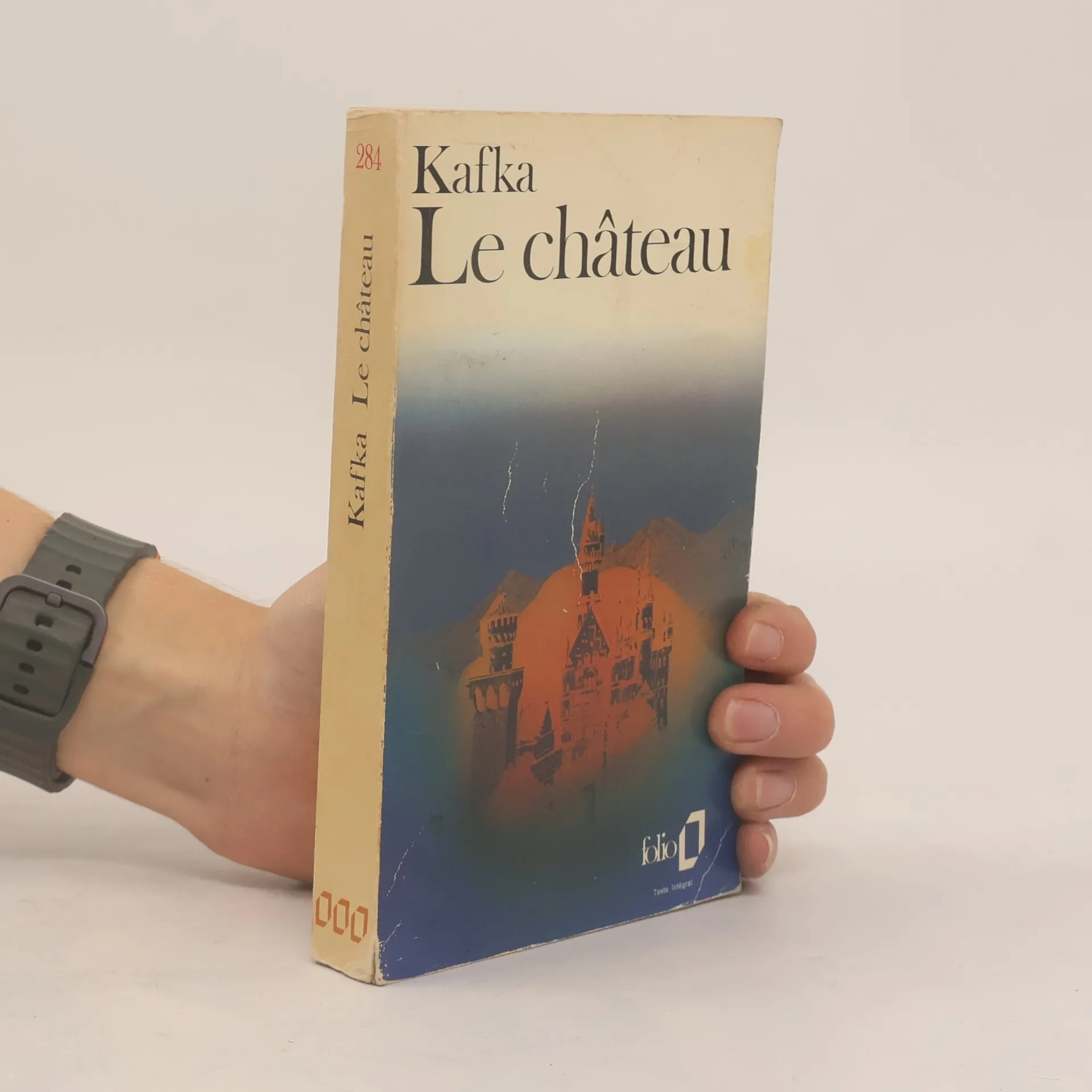
" C'était le soir tard, lorsque K. arriva. Le village était sous la neige. La colline du Château restait invisible, le brouillard et l'obscurité l'entouraient, il n'y avait pas même une lueur qui indiquât la présence du grand Château. K. s'arrêta longuement sur le pont de bois qui mène de la route au village, et resta les yeux levés vers ce qui semblait être le vide... " K. entame là un long et harassant combat avec ce mystérieux Château, comme dans Le Procès un autre K. luttait contre un Tribunal omniprésent et pourtant insaisissable. Le fondé de pouvoir Joseph K. rêvait de se justifier. Le géomètre K. désire être reconnu et accepté. Parviendra-t-il même à prendre la mesure de son impuissance et de son ignorance ?
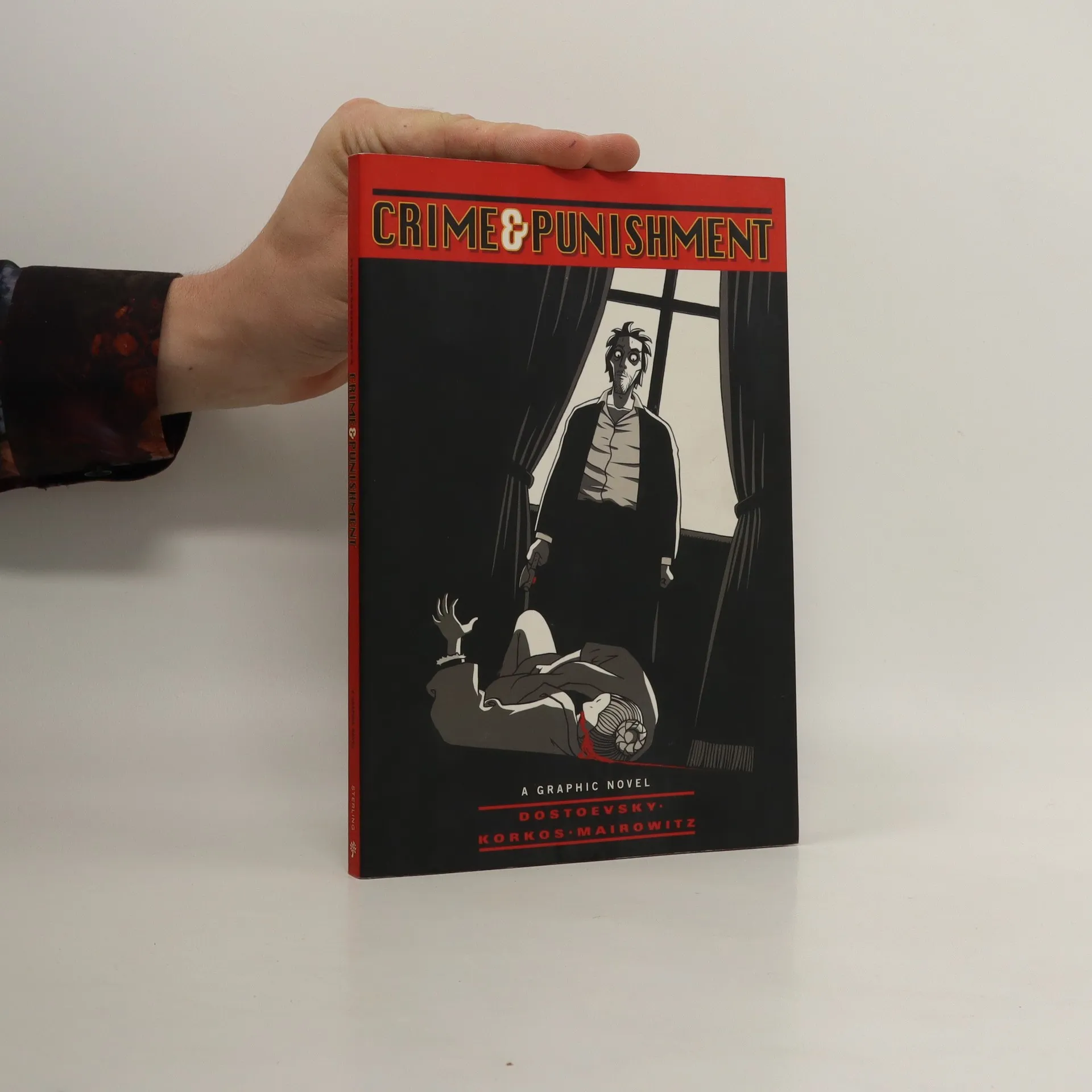
Retells the classic story of a murderer and the psychological punishment he endures before he finally comes to trial, in graphic novel format.
Adaptation du roman de F. Kafka en bande dessinée.
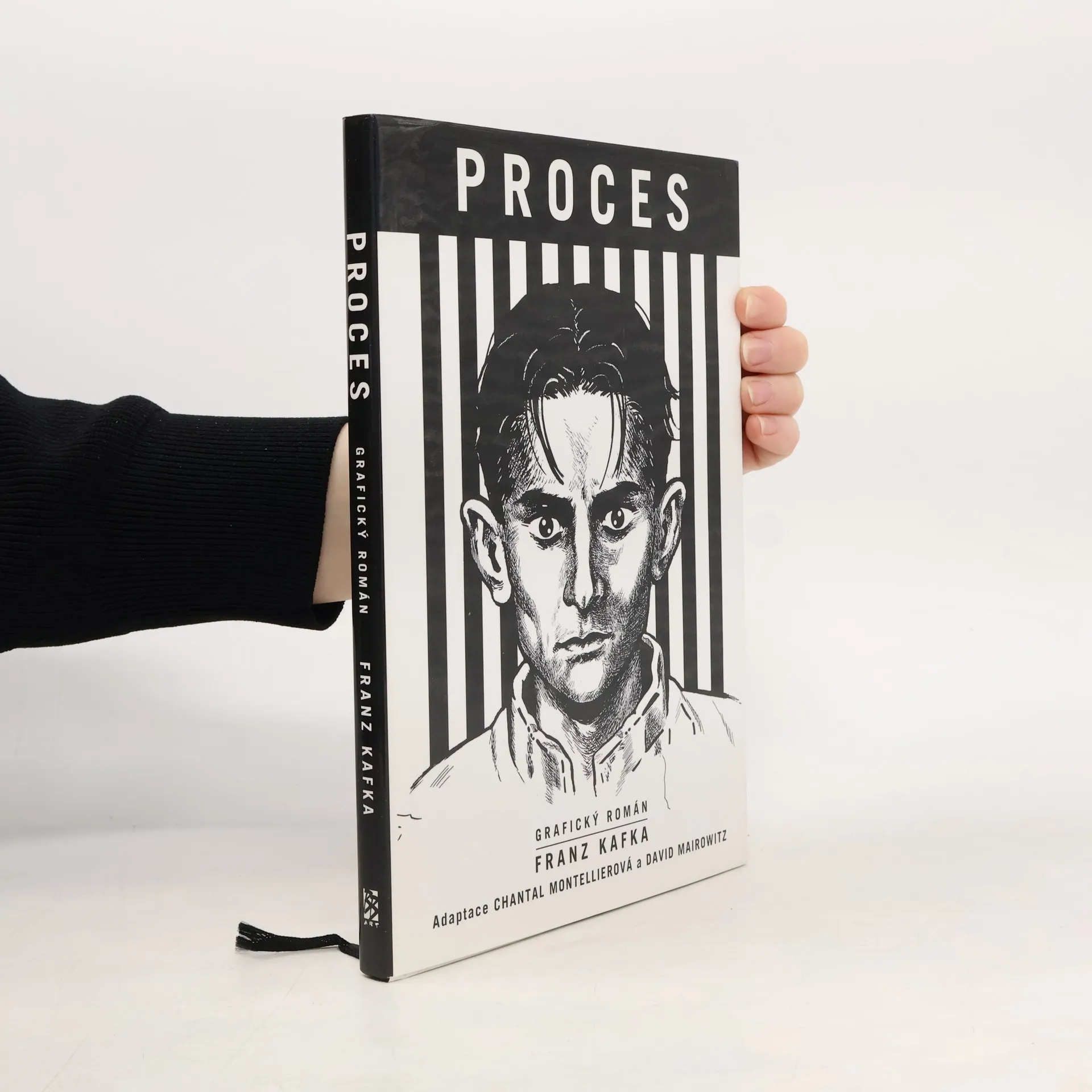
Adaptace Chantal Montellierová a David Mairowitz. Proces, slavný Kafkův román skvěle adaptovaný do komiksové podoby, je ponurým příběhem prokuristy Josefa K., kterému v den jeho třicátých narozenin vniknou do bytu dva neznámí muži a zatknou ho pro neznámé provinění. Ze začátku pokládá celou věc za nedorozumění, ale postupně poznává zkorumpovanost a nepostižitelnost soudu, jehož případy uzavírá pouze smrt obžalovaného. Kafkův portrét byrokratického soukolí, které drtí životy svých občanů, je dnes bohužel stejně aktuální jako v době svého zrodu. Jednomu nakonec nezbývá než smířit s poměry. Hlavně nevzbudit pozornost! Držet jazyk za zuby, i kdyby to člověku bylo hodně proti srsti! Pochopit, že ten velký soudní organismus setrvává věčně ve stavu pružné rovnováhy.

