Bookbot

Judith Hermann

    15 mai 1970

    Judith Hermann crée des récits qui explorent les subtilités de la vie moderne avec un sens aigu de l'atmosphère et du détail. Son œuvre explore les complexités de la connexion humaine et la recherche d'identité dans des contextes contemporains. Hermann possède une maîtrise magistrale de la langue, tissant des images évocatrices et capturant les paysages émotionnels nuancés de ses personnages. Son écriture se caractérise par un ton introspectif, souvent mélancolique, qui résonne auprès des lecteurs en quête d'une compréhension plus profonde de l'expérience humaine.

    Judith Hermann
    Nichts als Gespenster
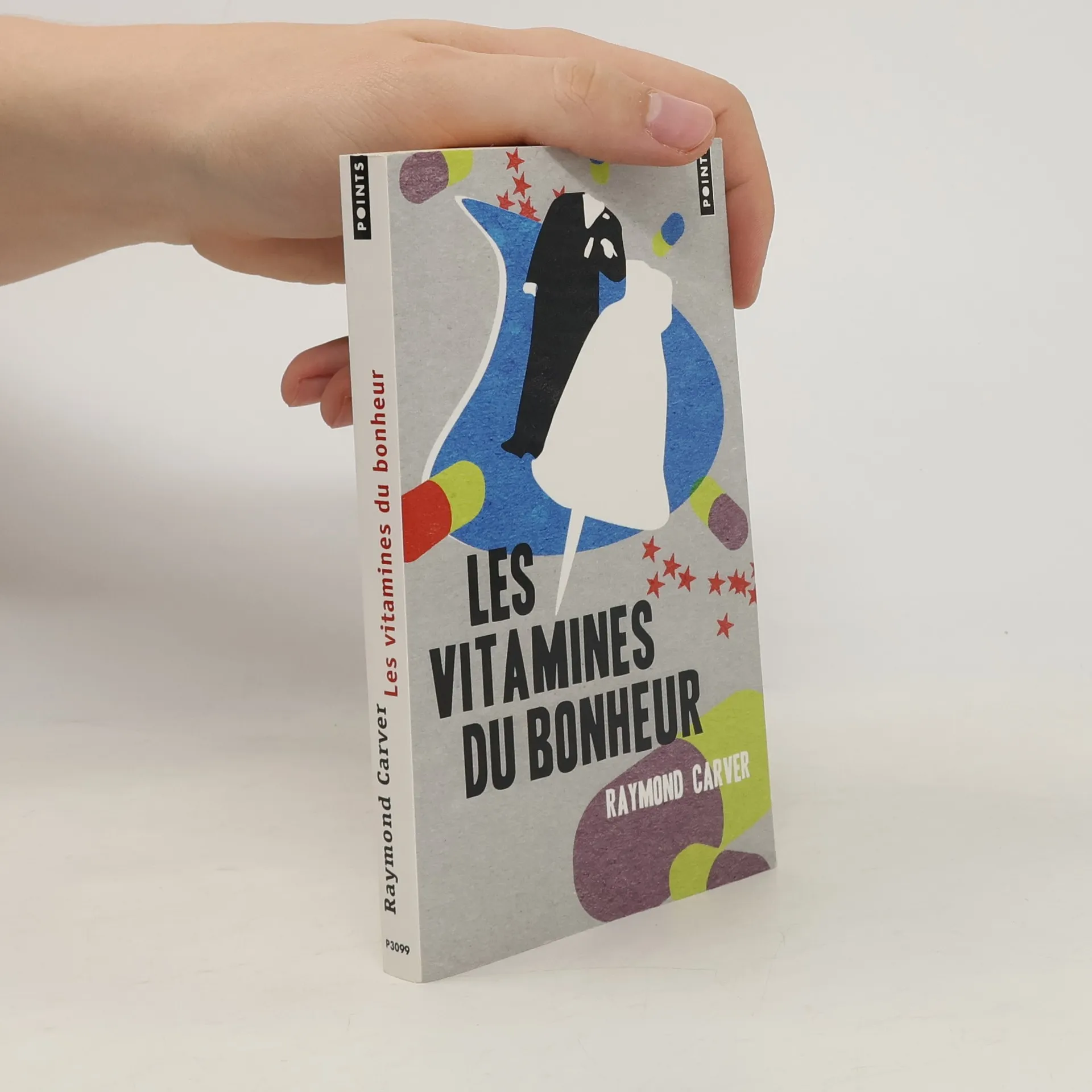
    Les vitamines du bonheur
    Všechno bychom si řekli
    Letti Park
    Summerhouse, Later
    Alice
    • Si elles ne constituent pas un roman, les cinq textes qui composent ce recueil sont fortement reliées par la présence de l'héroïne, Alice, l'évocation récurrente de certains personnages, et la thématique : chaque nouvelle a pour titre un nom d'homme et, chaque fois, cet homme va mourir, meurt ou est mort. Il s'agit d'un homme jeune qu'Alice a aimé (" Micha "), d'amis plus âgés (" Conrad ", " Richard "), d'un oncle qui s'est suicidé à 22 ans, juste avant la naissance d'Alice (" Malte ") ou du mari d'Alice (" Raymond "). Sans aucun artifice, Judith Hermann réussit à créer des ambiances extrêmement fortes et tendues et à rendre avec émotion et justesse les sensations, les pensées fugitives, les moments d'irréalité, le vécu très particulier de ces situations liées à la mort d'un proche. En mettant au service de ce thème grave son style, sa sensibilité, sa finesse, Judith Hermann n'est plus seulement l'écrivain hyperdouée de la mélancolie et des trentenaires indécis. Elle a grandi et franchi un pas décisif.

      Alice
      3,6
    • Summerhouse, Later

      • 224pages
      • 8 heures de lecture

      In nine luminous stories of love and loss, loneliness and hope, Judith Hermann's stunning debut collection paints a vivid and poignant picture of a generation ready and anxious to turn their back on the past, to risk uncertainty in search of a fresh, if fragile, equilibrium. An international bestseller and translated into twelve languages, Summerhouse, Later heralds the arrival of one of Germanys most arresting new literary talents. A restless man hopes to find permanence in the purchase of a summerhouse outside Berlin. A young girl, trapped in a paralyzing web of family stories and secrets, finally manages to break free. A granddaughter struggles to lay her grandmother's ghosts to rest. A successful and simplistic artist becomes inexplicably obsessed with an elusive and strangely sinister young girl. Against the backdrop of contemporary Berlin, possibly Europe's most vibrant and exhilarating city, Hermann's characters are as kaleidoscopic and extraordinary as their metropolis, united mostly in a furious and dogged pursuit of the elusive specter of "living in the moment." They're people who, in one way or another, constantly challenge the madness of the modern world and whose dreams of transcending the ordinary for that "narrow strip of sky over the rooftops" are deeply felt and perfectly rendered.
      Summerhouse, Later
      3,7
    • LONGLISTED FOR THE 2018 WARWICK PRIZE FOR WOMEN IN TRANSLATION Judith Hermann's masterly new stories reveal the inconceivable drama of what happens when we meet someone? In the stories of Letti Park , strangers wander into ordinary lives and change them in profound yet unknowable ways. Like us, Judith Hermann's characters have no defence against these intense and unpredictable encounters. They occur at random, without cause or provocation, and unfold beneath the threshold of comprehension. In Letti Park, Judith Hermann explores this all-important moment, our loneliness and rage and longing.

      Letti Park
      3,7
    • Všechno bychom si řekli

      • 186pages
      • 7 heures de lecture

      Poetická autobiografie Všechno bychom si řekli je úplně jiná než předcházející tituly berlínské spisovatelky Judith Hermannové. Je to její dosud nejosobnější kniha, uhrančivě otevřená zpoveď, v níž s pomalou, svému stylu vlastní elegancí ohledává různé etapy svého života. V podtextu vyprávění, které vzniklo jako cyklus poetických prednášek v rámci prestižní nadační docentury na Frankfurtské univerzitě, čteme další a další témata, jichž se v průběhu života dotýká každý znás.

      Všechno bychom si řekli
      4,4
    • Les vitamines du bonheur

      • 249pages
      • 9 heures de lecture

      Douze nouvelles de Raymond Carver, douze variations sur la condition humaine.

      Les vitamines du bonheur
      4,3
    • Neue, wunderbare Geschichten von Judith Hermann. Enthusiastische Kritiken, über 250.000 verkaufte Exemplare und Übersetzungen in 17 Sprachen ließen ihr Debüt 'Sommerhaus, später' zu einem der größten literarischen Erfolge der letzten zehn Jahre werden. Judith Hermann fand, so Hellmuth Karasek, den 'Sound einer neuen Generation'. In 'Nichts als Gespenster' entfaltet Judith Hermann den ihr eigenen 'unwiderstehlichen Sog' und 'unergründlichen Bann' (Neue Zürcher Zeitung) intensiver noch als zuvor. 'Nichts als Gespenster' - große deutsche Gegenwartsliteratur.

      Nichts als Gespenster
      4,0
    • Judith Hermanns Werke erkunden eindringlich menschliche Beziehungen. Sie reflektiert über ihre Kindheit in einem geteilten Berlin, Familienbande und das Leben am Meer. Mit poetischer Klarheit thematisiert sie Wahrheit, Erinnerung und die Verbindung von Schreiben und Leben, während sie ein Lebensgefühl von Freundschaft und Freiheit einfängt.

      Wir hätten uns alles gesagt
      3,9
    • A casa

      • 149pages
      • 6 heures de lecture
      A casa
      3,4
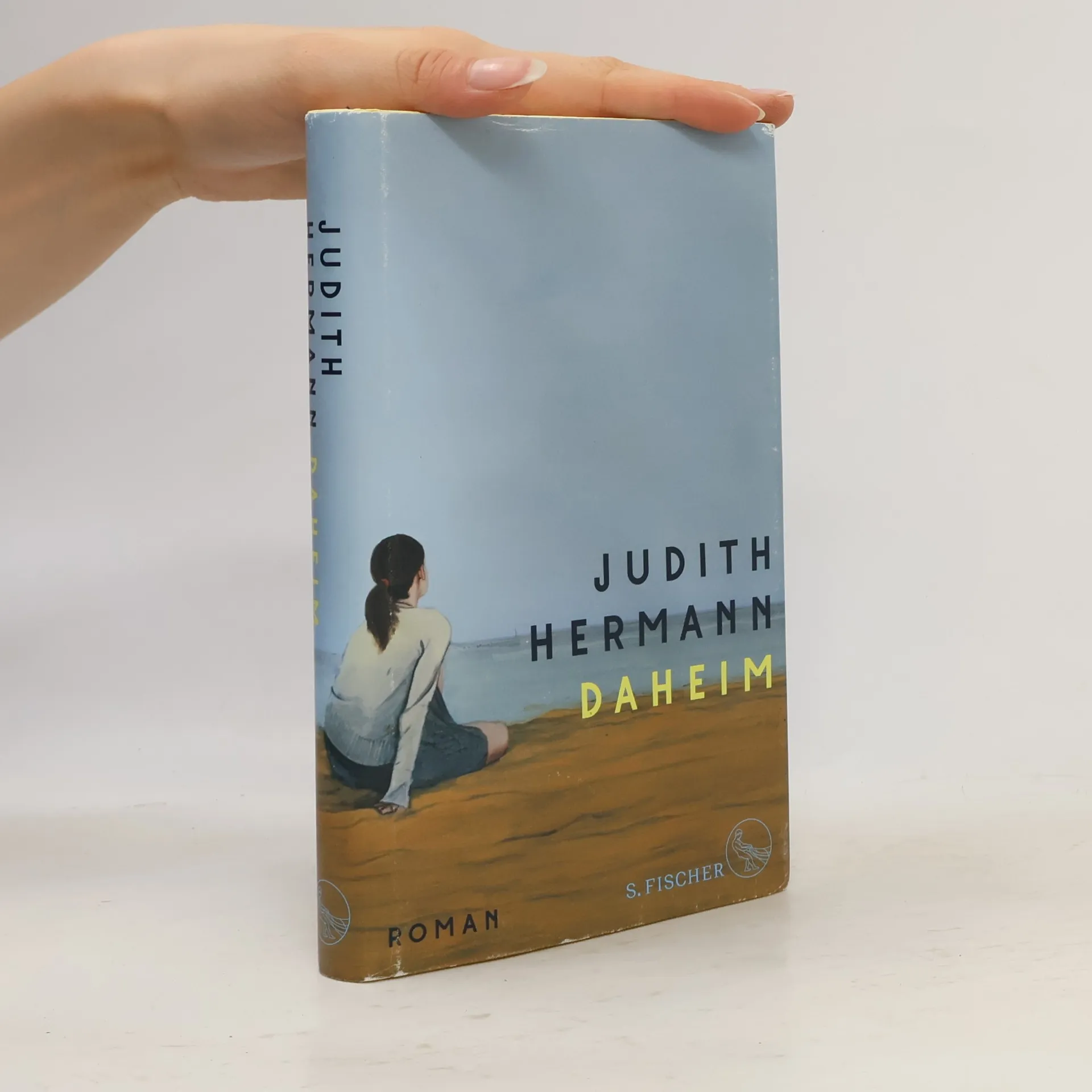
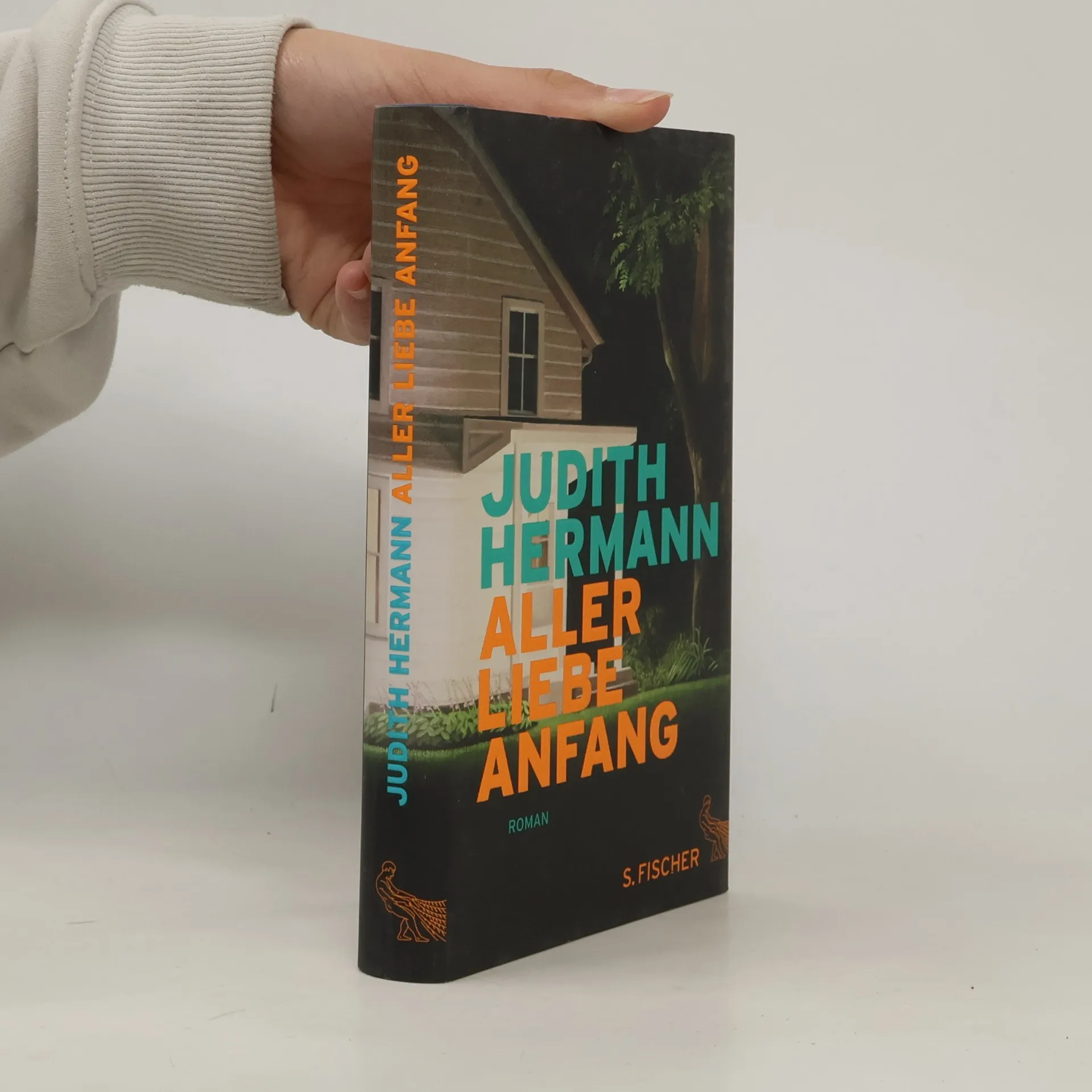
    • Judith Hermann hat einen Roman geschrieben über die Zumutungen der Liebe und die Schutzlosigkeit im Leben. Stella und Jason sind verheiratet, sie haben eine Tochter, Ava, sie leben in einem Haus am Rand der Stadt. Ein schönes, einfaches Haus, ein kleiner Garten, ein alltägliches ruhiges Leben, meist ohne Jason, der viel arbeitet. Aber eines Tages steht ein Mann vor der Tür dieses Hauses, ein Fremder, jemand, den Stella nie zuvor gesehen hat. Er sagt, er wolle sich einfach einmal mit ihr unterhalten, mehr sagt er nicht. Stella lehnt das ab. Der Fremde geht und kommt am nächsten Tag wieder, er kommt auch am Tag darauf wieder, er wird sie nicht mehr in Ruhe lassen. Was hier beginnt, ist ein Albtraum, der langsam, aber unbeirrbar eskaliert. In einer klaren, schonungslosen Sprache und irritierend schönen Bildern erzählt Judith Hermann vom Rätsel des Anfangs und Fortgangs der Liebe, vom Einsturz eines sicher geglaubten Lebens.

      Aller Liebe Anfang
      3,4