

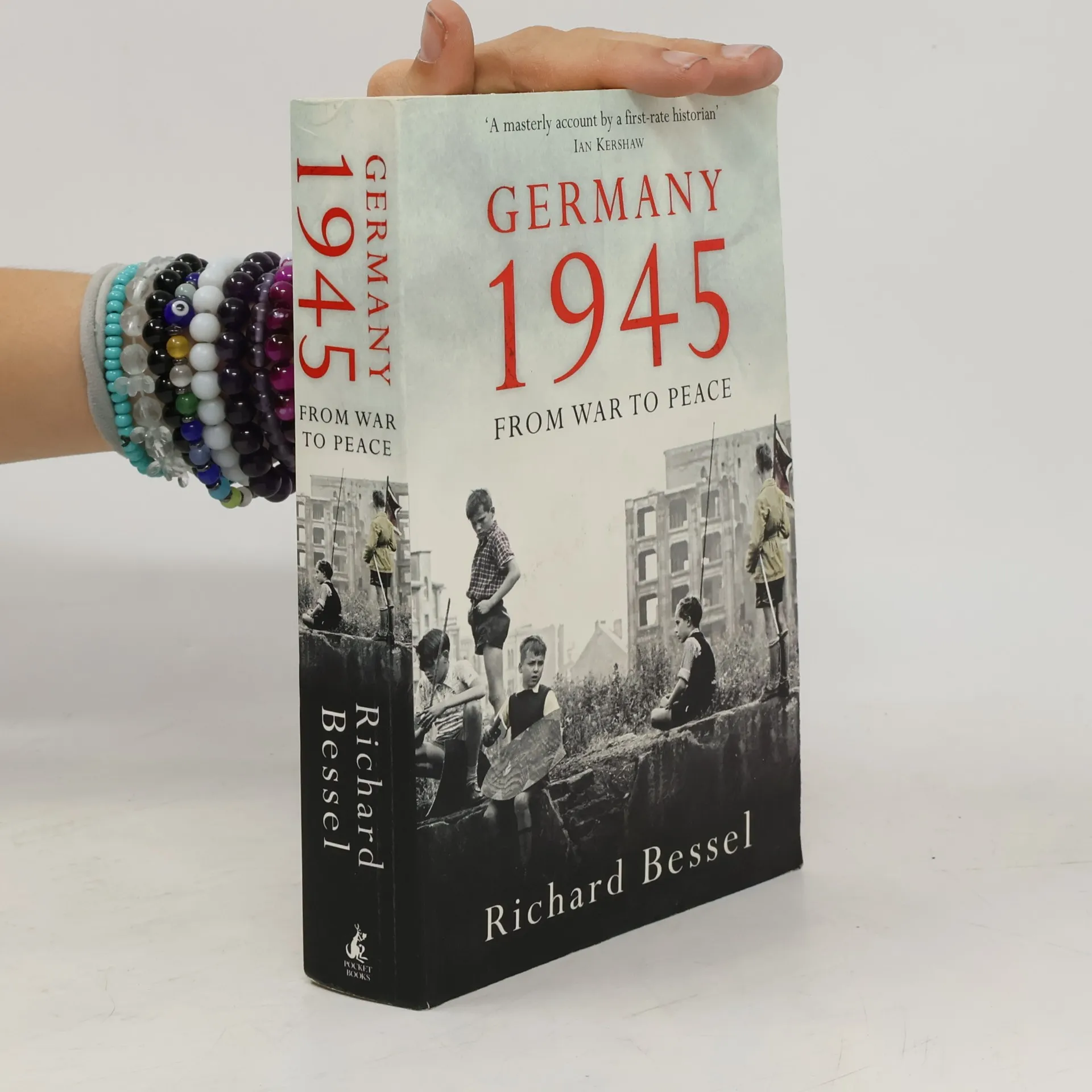
This is an original and compelling account of Germany's emergence from the catastrophe of World War II.
Richard Bessel Livres
Richard Bessel est un historien spécialisé dans l'histoire sociale et politique de l'Allemagne moderne, avec un accent particulier sur les conséquences des deux guerres mondiales et l'histoire de la police. Ses travaux explorent en profondeur les conséquences sociales et politiques profondes découlant d'événements historiques majeurs. Il est actuellement chercheur senior à l'Institut d'études avancées de Fribourg.

Violence: A modern obsession
- 384pages
- 14 heures de lecture
An intelligent and evocative examination of the history of our violent world.
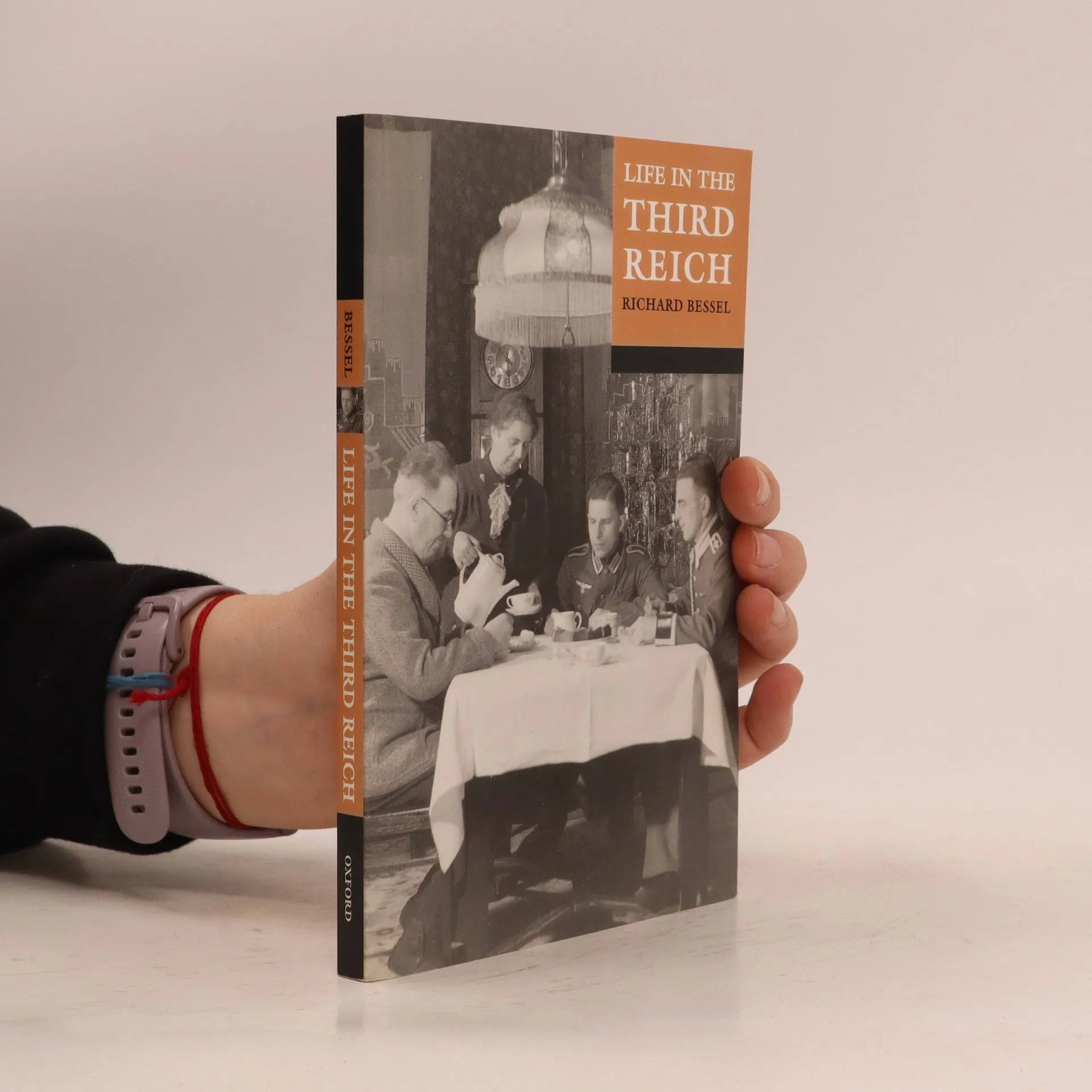
Even today, the Third Reich-the regime that instigated the most destructive war in modern history-evokes powerful images of fascination and horror. Yet how were the lives of the ordinary German people of the 1930s and '40s affected by the politics of Hitler and his followers? Looking beyond the catalog of events, this intriguing book reveals that daily German life involved a complex mixture of bribery and terror; of fear and concessions; of barbarism and appeals to conventional moral values employed by the Nazis to maintain their grip on society. Eight leading historians present essays that shed fresh light on topics as familiar as the role of political violence in Nazi seizure of power and the German view of Hitler himself. It also focuses on lesser-known aspects of life in the Third Reich, such as village life, the treatment of "social outcasts," and the Germans' own retrospective view of this period of their history.
Nacizmus a vojna
- 272pages
- 10 heures de lecture
Druhá svetová vojna bola určujúcou udalosťou dvadsiateho storočia, ktorá za sebou zanechala milióny mŕtvych a prekreslila politickú mapu Európy takými spôsobmi, že sa to dodnes dotýka osudov prakticky celého ľudstva. Táto vojna nemala obdobu nielen z hľadiska svojho rozsahu, ale predovšetkým z hľadiska príčin, ktoré ju vyvolali. Na rozdiel od predchádzajúcich územných a politických nezhôd mala vojna vyvolaná nacistickým Nemeckom ideologický charakter a bola vedená s cieľom vymazať zo zemského povrchu celé národy a kultúry. Richard Bessel vo svojom diele dokazuje, že rasová nenávisť nebola vedľajším produktom, ale hnacou silou nacizmu. Nacizmus - neoddeliteľný od vojny - zničil starú Európu, a tak "pomohol" vytvoriť svet našej súčasnosti. Táto myšlienkovo prenikavá, hodnoverná a čítavá kniha je provokatívnou a presvedčivou vedeckou prácou.
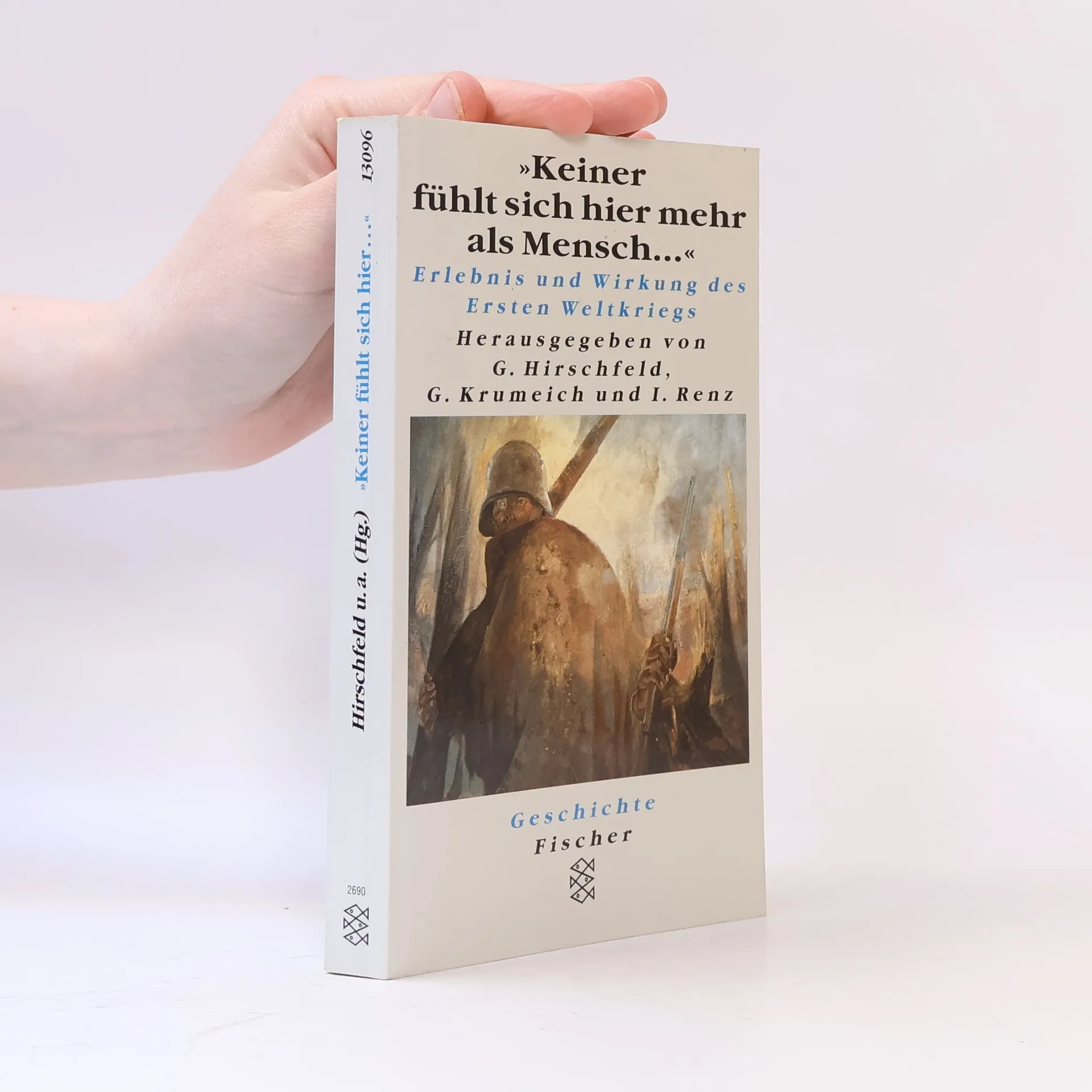
Keiner fühlt sich hier mehr als Mensch ...
- 312pages
- 11 heures de lecture
Dieser Band bündelt die vielfältigen Ebenen der neueren Forschung zum Ersten Weltkrieg und erschließt zugleich neue Themen für die weitere Beschäftigung. Die Mehrzahl der Aufsätze versteht sich als Beitrag zu einer Mentalitätsgeschichte des Krieges. Was der Krieg für die Menschen, die ihn erlebten, wirklich bedeutete und wie er auf sie gewirkt hat, wird hier ebenso thematisiert wie die Lage von Teilen der Bevölkerung, deren Geschichte sich in den Ereignissen des Weltkriegs zu verlieren droht: Frauen, Kinder und die zahlreichen Opfer des Krieges an der Front und in der Heimat. Gefragt wird sowohl nach den gesamtgesellschaftlichen Umschichtungen durch den Krieg als auch nach den Fortwirkungen und Konsequenzen des Kriegserlebnisses für das politische und kulturelle Leben der Weimarer Republik. Dies gilt vor allem für die Kontinuität der politischen Mythen des Krieges (des Verdun- und Langemarck-Mythos), die zur Schwächung der Republik entscheidend beitrugen und den extremen Nationalismus der Nachkriegszeit in hohem Maße förderten. Dieser 'von hervorragenden Sachkennern herausgegebene und geschriebene Band' (Handelsblatt) 'vermittelt einen vorzüglichen Überblick über die neuere Weltkriegsforschung' (FAZ) und markiert den Beginn einer andersartigen Beschäftigung mit dem Ersten Weltkrieg.