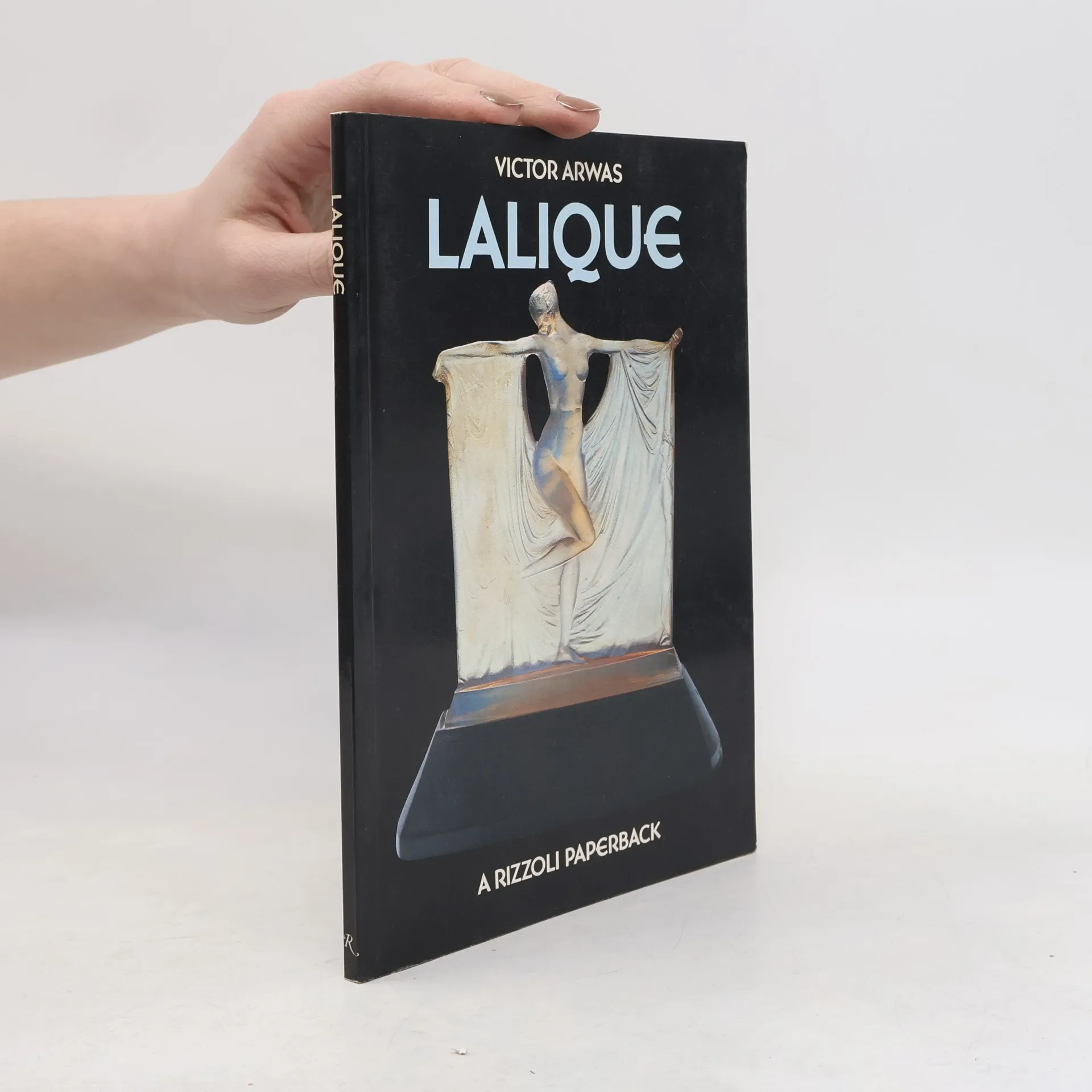
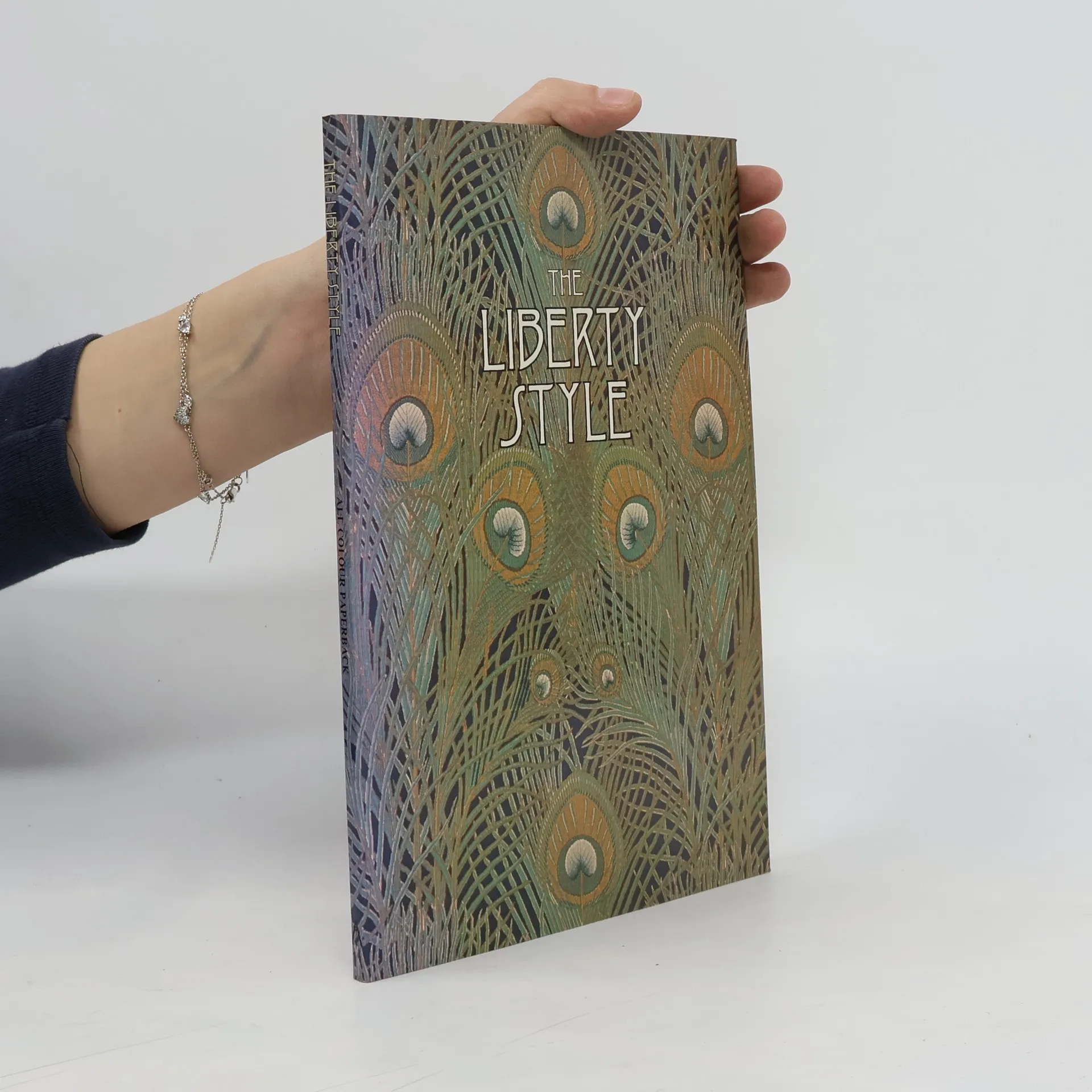
Victor Arwas Livres


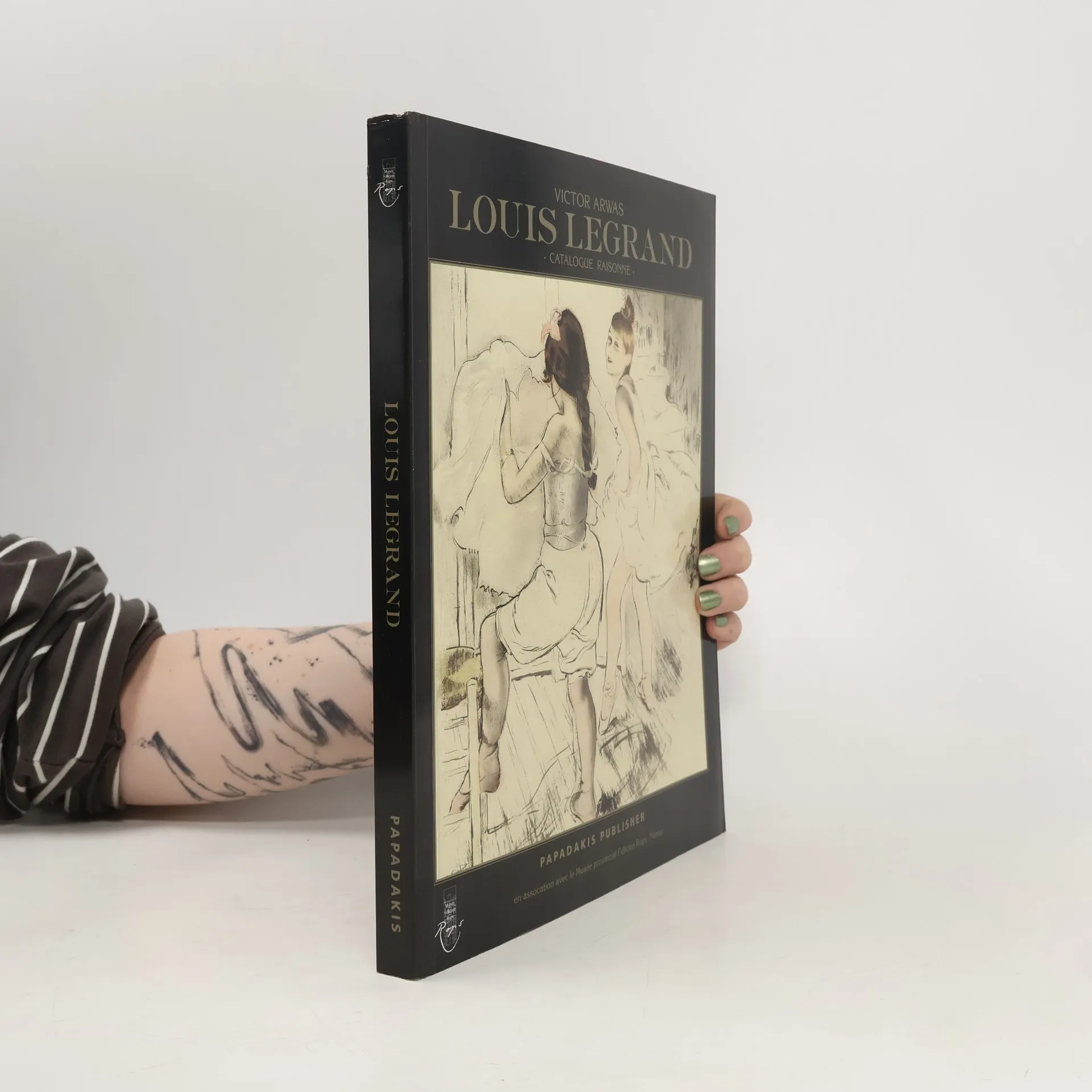
A Catalogue Raisonn, of Legrand's graphic works, the outcome of several years of research by Victor Arwas, art historian and passionate collector; as well as a study in depth of the artist.
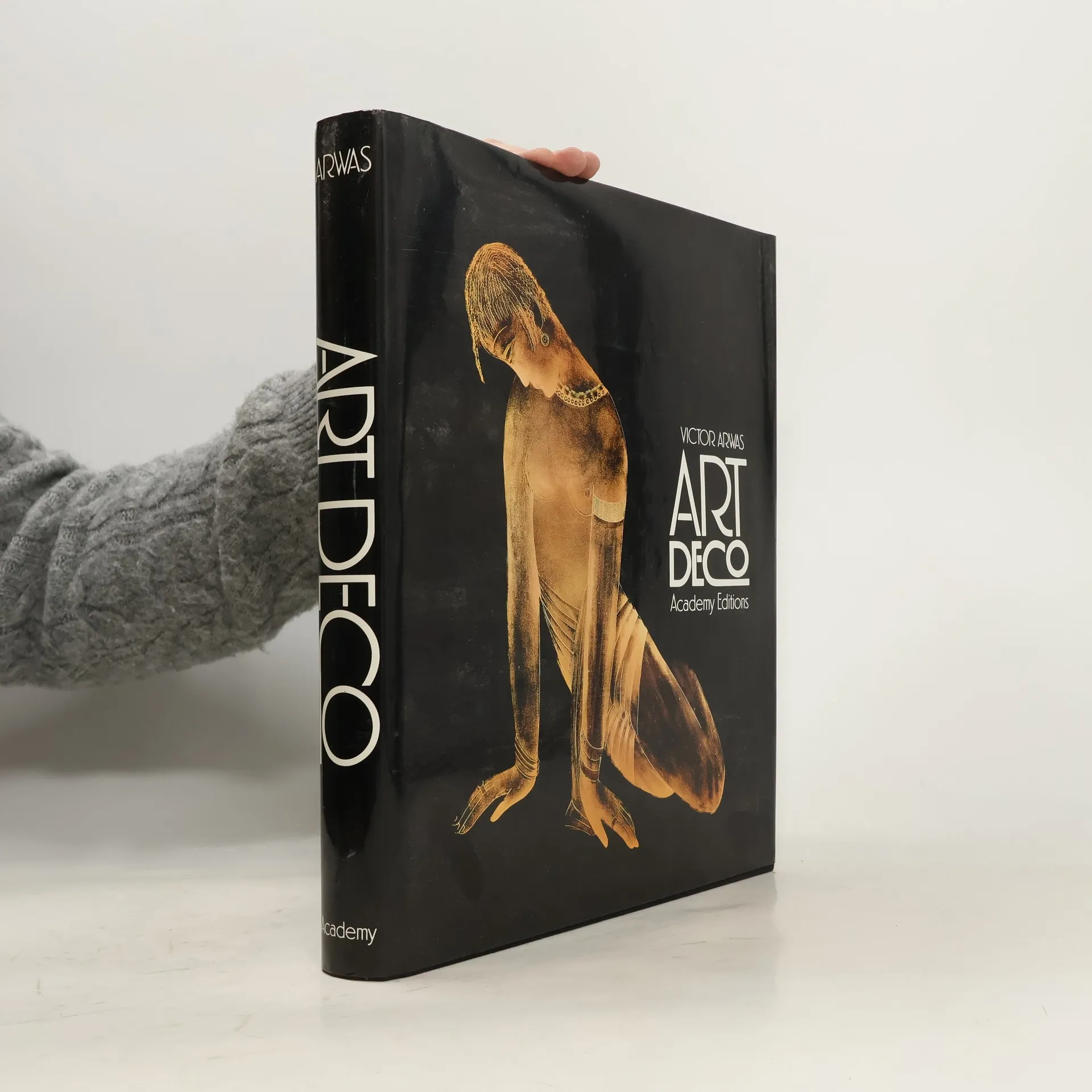
Art Deco offers a broad insight into the splendour of this most lavish of decorative styles, as seen in the work of its leading French exponents
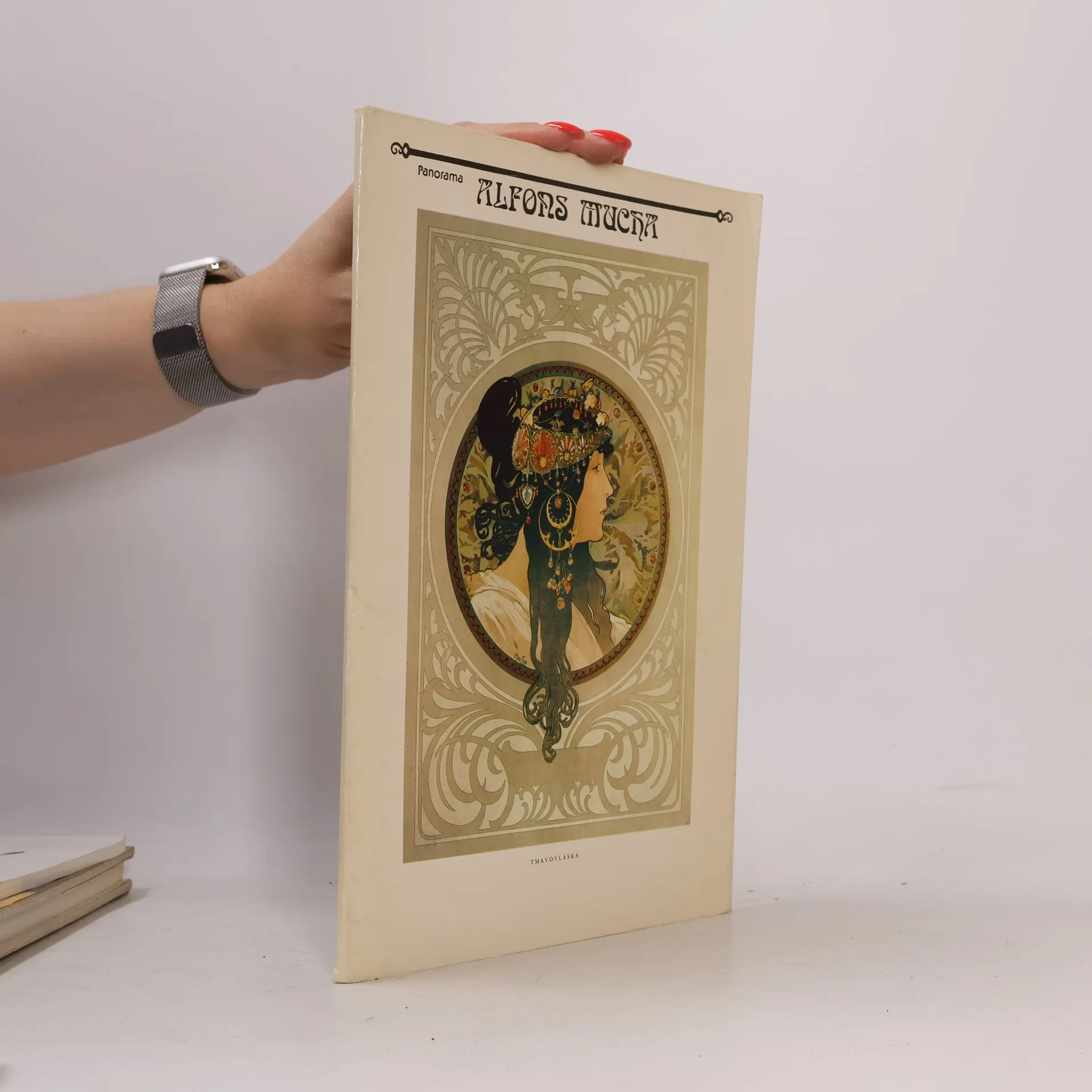
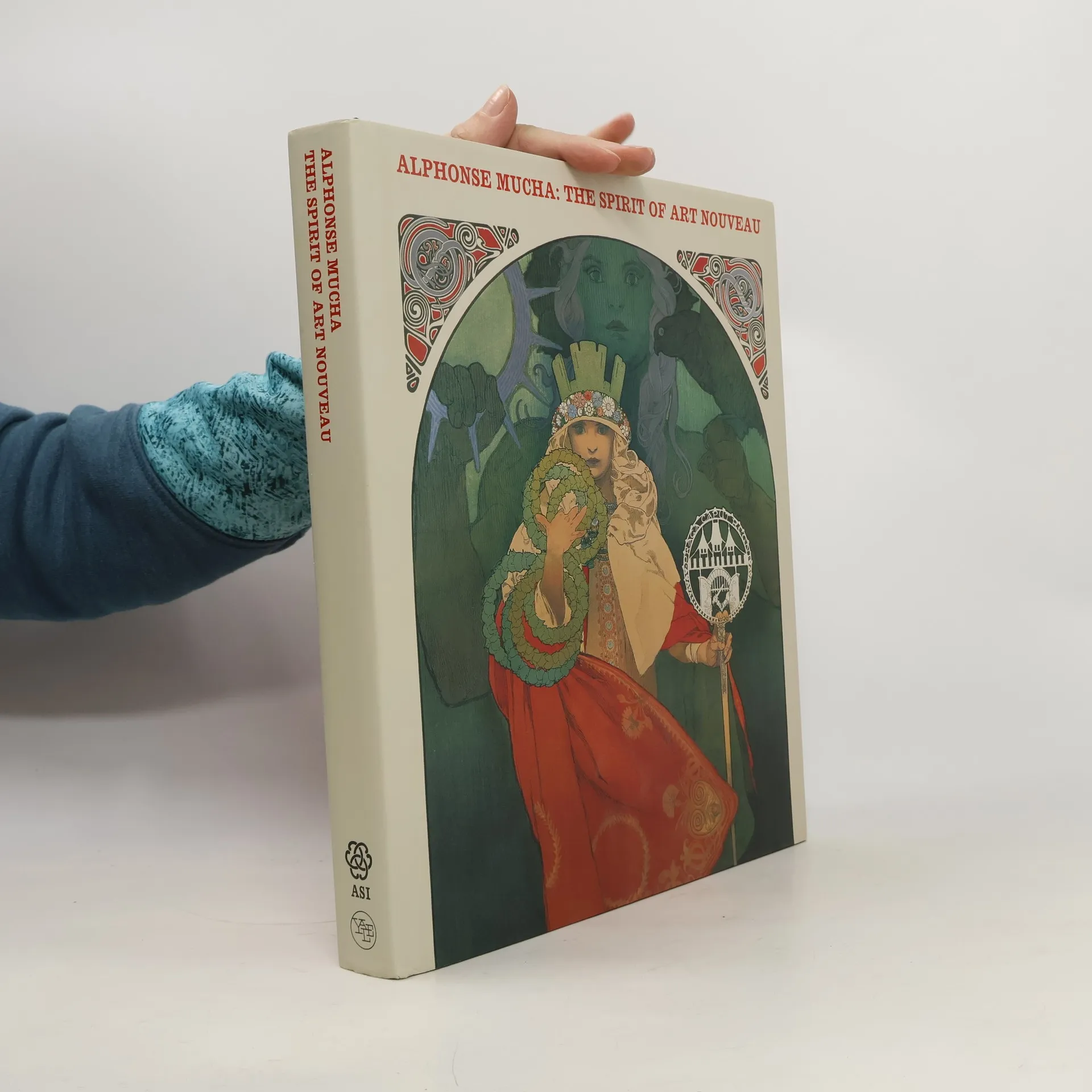
Alphonse Mucha: the spirit of Art Nouveau
- 344pages
- 13 heures de lecture
Alphonse Mucha (1860-1939) was one of the most important decorative artists working in Paris at the turn of the century. His distinctive and original posters and his decorative panels in le style Mucha became almost synonymous with French Art Nouveau. The admirer and iconographer of Sarah Bernhardt, he was also well known as the creator of familiar advertisements and as a book illustrator. Yet there was much more to Mucha's achievement than this. At the height of his career as a decorative artist, he became convinced that art should serve ideas, he became chief artistic and cultural adviser to the interwar Czech government, and he completed a major and controversial fresco cycle, the Slav Epic, as well as portraits and large symbolic paintings.This book -- the first full-scale treatment of Mucha's oeuvre -- includes discussions and reproductions of paintings, posters, panneaux decoratifs, pastels, drawings, and illustrations from throughout his career. In addition, the authors provide essays on Mucha's Paris years; his association with Sarah Bernhardt; the importance of American patronage on his later work; his graphic and painterly techniques; and the problems connected with the conservation of the large canvases.This lavishly illustrated book is the catalogue for an exhibition of Mucha's work that will tour the United States, beginning in San Diego in 1998.
Mucha
- 159pages
- 6 heures de lecture
Tchèque de naissance, Alphonse Mucha a longtemps été ostracisé dans son pays natal, malgré une carrière florissante en France et aux États-Unis. Aujourd'hui, grâce à ses descendants et à des historiens d'art, son œuvre est redécouverte et reconnue pour son audace et son innovation, ainsi que pour ses résonances spirituelles. Cette réhabilitation se manifeste par des expositions mondiales, l'ouverture d'un Musée Mucha à Prague, et la publication de cet ouvrage illustré, qui présente pour la première fois un panorama complet de son œuvre variée. Né en 1860 en Moravie, Mucha devint célèbre après avoir créé une affiche pour Sarah Bernhardt en 1895. Il développa un style unique, caractérisé par des lignes sinueuses, des couleurs pastel et des motifs décoratifs. Acteur majeur de l'Art nouveau, il appliqua son inspiration à divers objets, créant des affiches, des bijoux, du mobilier et des services de table, avec un répertoire décoratif universel. Son art vise à transmettre un message de paix et d'harmonie, où le beau et le bien sont liés. Cette philosophie idéaliste est présente dans ses œuvres moins connues, telles que des peintures d'histoire et des allégories, auxquelles cet ouvrage consacre une large part. Mucha (1860-1939) est l'un des représentants emblématiques de l'Art nouveau, et cet ouvrage offre un regard neuf sur son héritage artistique.
La Vie Parisienne
- 264pages
- 10 heures de lecture
A Parisian journal that attempted a mix of cartoons, short stories, little tales of fashion-folk, gossip about prominent persons; columns of aphorisms on such subjects as marriage or love; fashion-orientated, sophisticated banter set out as pages of dialogue; and comments about music, art, theatre, races, sports, and the stock exchange.
extremely rare,very good condition
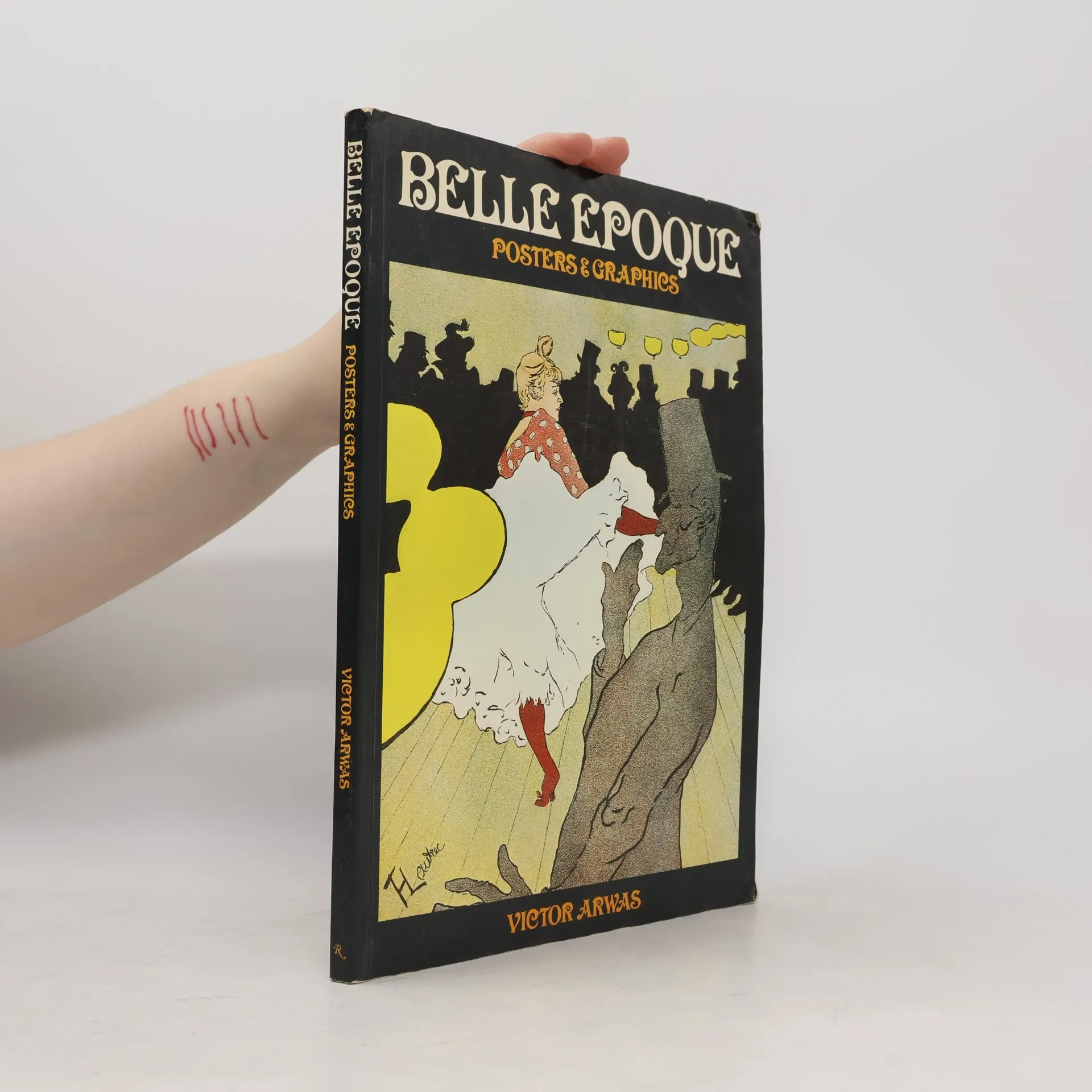
Belle Epoque Posters & Graphics
- 96pages
- 4 heures de lecture
96 PP 1978 8X11 FLAMMARION SOFTCVR COLOR/B/W POSTERS, LITHOS, TEXT
Art Deco Sculpture
- 251pages
- 9 heures de lecture
Bronze and ivory sculptures in the Art Deco style have become the stars of every major collection of the period. They are the epitomy of their era, reflecting the excitement of the Ballet Russe, the expressionism of silent movies, the simplification of form in 20th century art and the sheer fun of the hyper realistic craftsmanship of their creators. Partly cast in bronze and partly carved, with astonishing skill, in ivory, some were made in Paris by such sculptors as Chiparus, who created hiaratic figures of exotically clad dancers and heroines of mythology, ballet and opera. Others came from Berlin and ranged from the exquisitly beautiful and wholesome girls by Preiss and Poertzel, Philippe and Harders to the strict and bizarre leather clad amazons of Bruno Zach; while others still came from Vienna where the dancers and nudes by Lorenzl and Daka. All the great figures are gathered here in full colour. Their background, history, technique and development are discussed in depth and there is an extensive list of biographies of the artists as well as the identification of the editing firms and foundaries.
15 barevných tabulí, v ilustrované obálce/deskách
Glas
- 384pages
- 14 heures de lecture