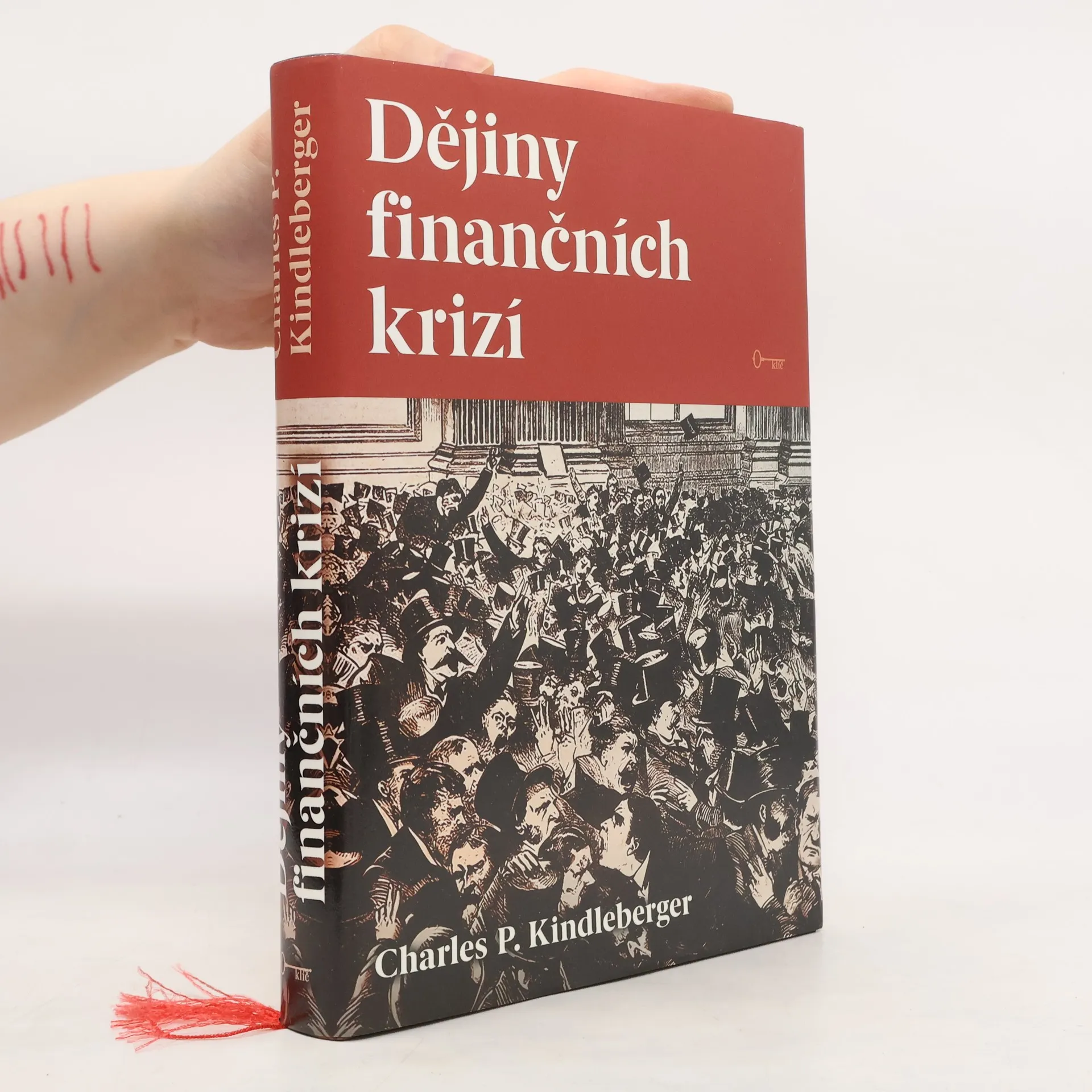
Charles P. Kindleberger v Dějinách finančních krizí analyzuje v historii se opakující vzorce finančních krizí, předkládá komplexní analýzu jejich příčin a důsledků a zkoumá monetární, psychologické i sociologické faktory, které přispívají ke vzniku mánií, panik a krachů. Publikace získala na aktuálnosti po hospodářské recesi z let 2007 až 2009 a pandemické krizi z roku 2020.
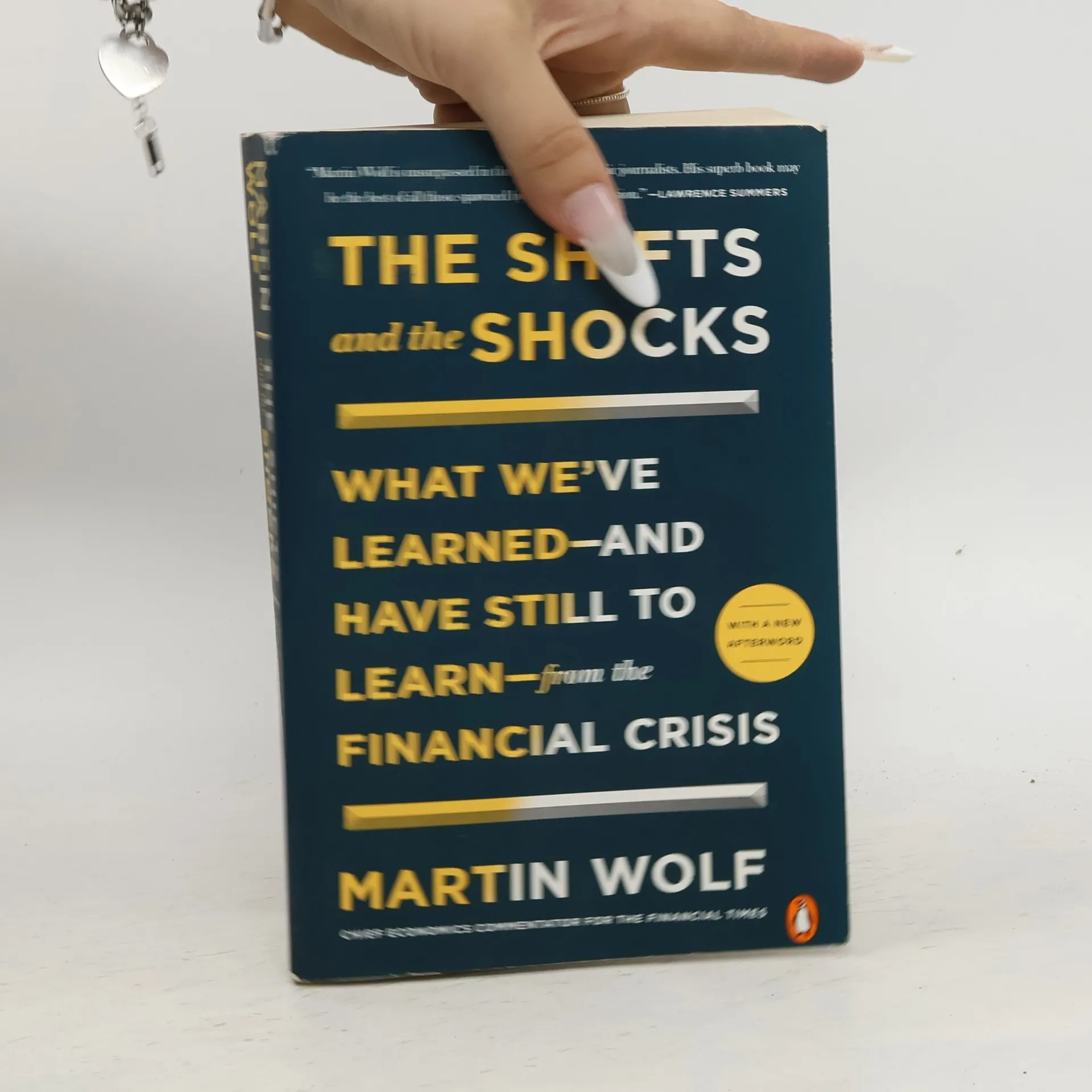
What We've Learned--And Have Still to Learn--From the Financial Crisis
528pages
19 heures de lecture
The book offers an insightful exploration of the evolving global economy, presented by the chief economic commentator for the Financial Times. It delves into the complexities of contemporary economic dynamics, examining key trends and their implications for the future. Through expert analysis, it highlights the interconnectedness of markets and the impact of global events on economic systems, making it an essential read for anyone seeking to understand the current economic landscape.
"Designed to bring Europe closer together, the euro has actually done the opposite- after nearly a decade without growth, unity has been replaced with dissent and enlargements with prospective exits. Joseph Stiglitz argues that Europe's stagnation and bleak outlook are a direct result of the fundamental flaws inherent in the euro project - economic integration outpacing political integration with a structure that actively promotes divergence rather than convergence. Money relentlessly leaves the weaker member states and goes to the strong, with debt accumulating in a few ill-favoured countries. The question now is- can the euro be saved? Laying bare the European Central Bank's misguided inflation-only mandate and explaining why austerity has condemned Europe to unending stagnation, Stiglitz outlines three possible ways forward- fundamental reforms in the structure of the Eurozone and the policies imposed on the member countries suffering the most; a well-managed end to the euro; or a bold, new system he dubs the 'flexible euro;. This important book, by one of the world's leading economists, addresses the euro-crisis on a bigger intellectual scale than any predecessor."