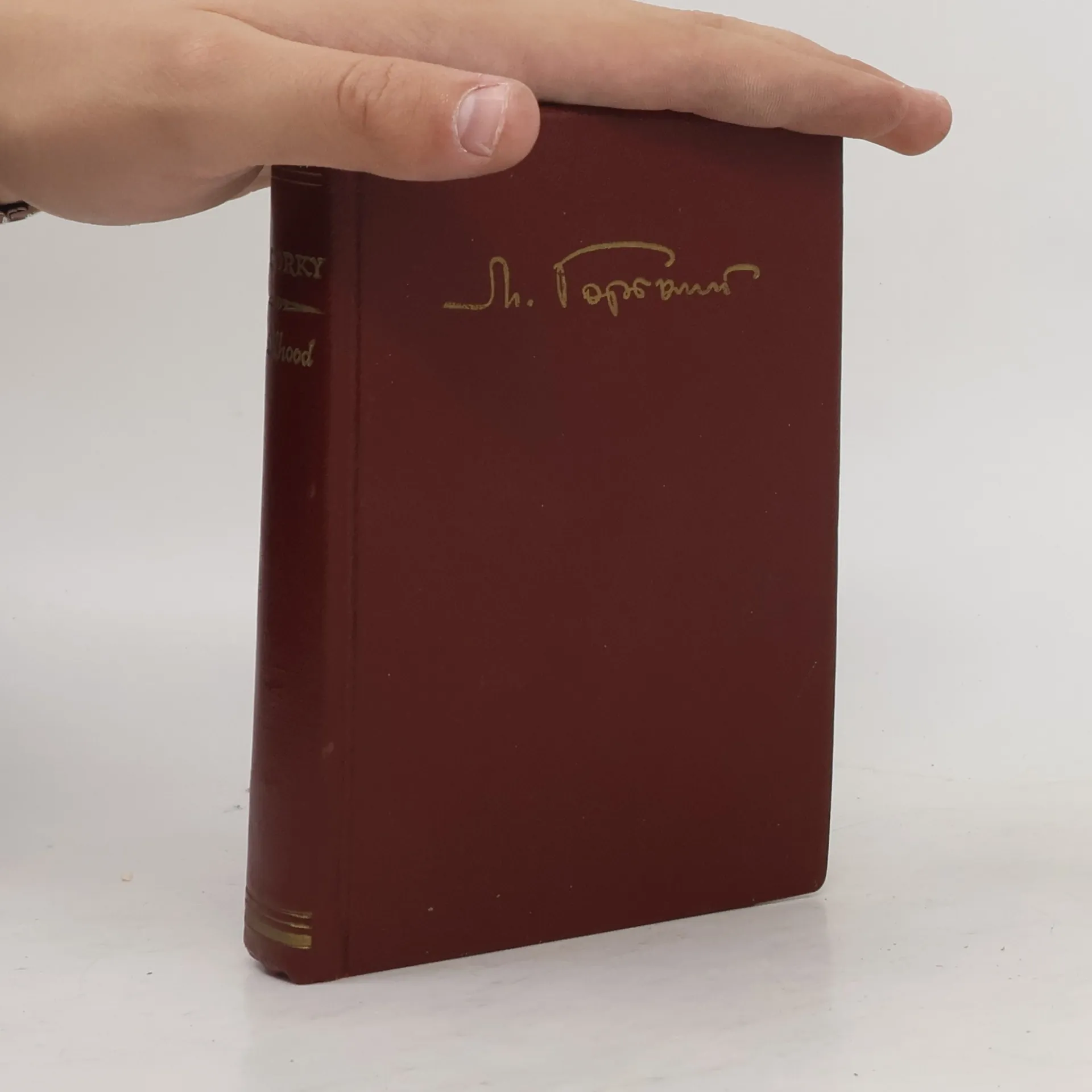
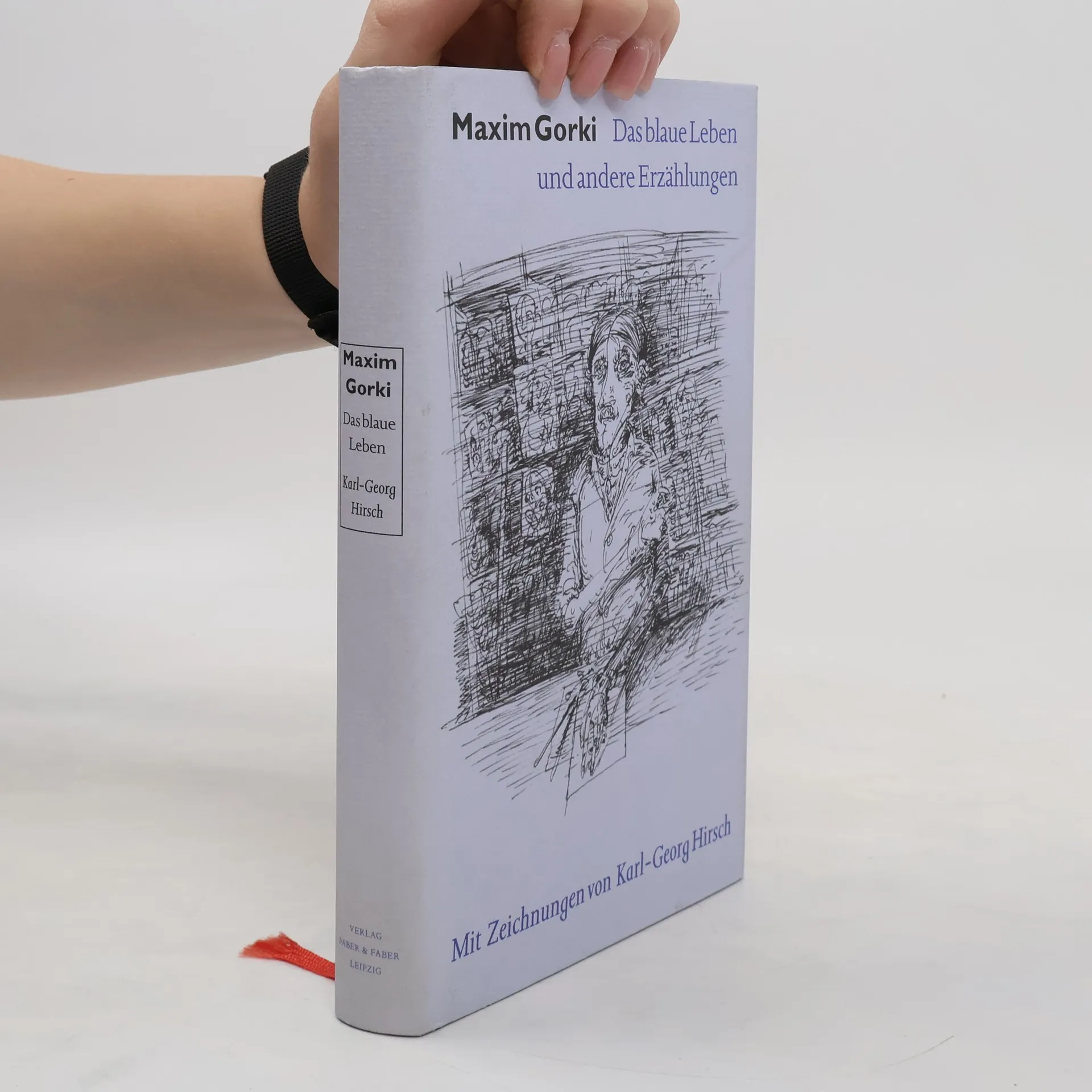
Le récit explore la vie tumultueuse d'Aleksey Peshkov, qui deviendra plus tard l'écrivain renommé Maksim Gorky. Il relate de manière vivante ses expériences après la perte de son père, son emménagement chez son grand-père abusif, et les violences physiques ainsi que les leçons difficiles en matière de résilience qu'il endure. Ce premier volet de la trilogie autobiographique de Gorky offre un aperçu poignant de ses luttes d'enfance, façonnant l'homme et l'écrivain qu'il deviendra finalement.
Maxim Gorkij Livres
16 mars 1868 – 18 juin 1936
Cet auteur est un fondateur de la méthode littéraire du réalisme socialiste et un activiste politique qui a laissé une marque significative dans l'histoire littéraire. Son œuvre reflète ses profondes convictions et ses positions politiques, qui ont façonné sa direction artistique. Il a été plusieurs fois nominé pour le prix Nobel de littérature, soulignant son importance littéraire internationale. À son retour en Union soviétique, il a pleinement adopté les politiques culturelles de l'époque.

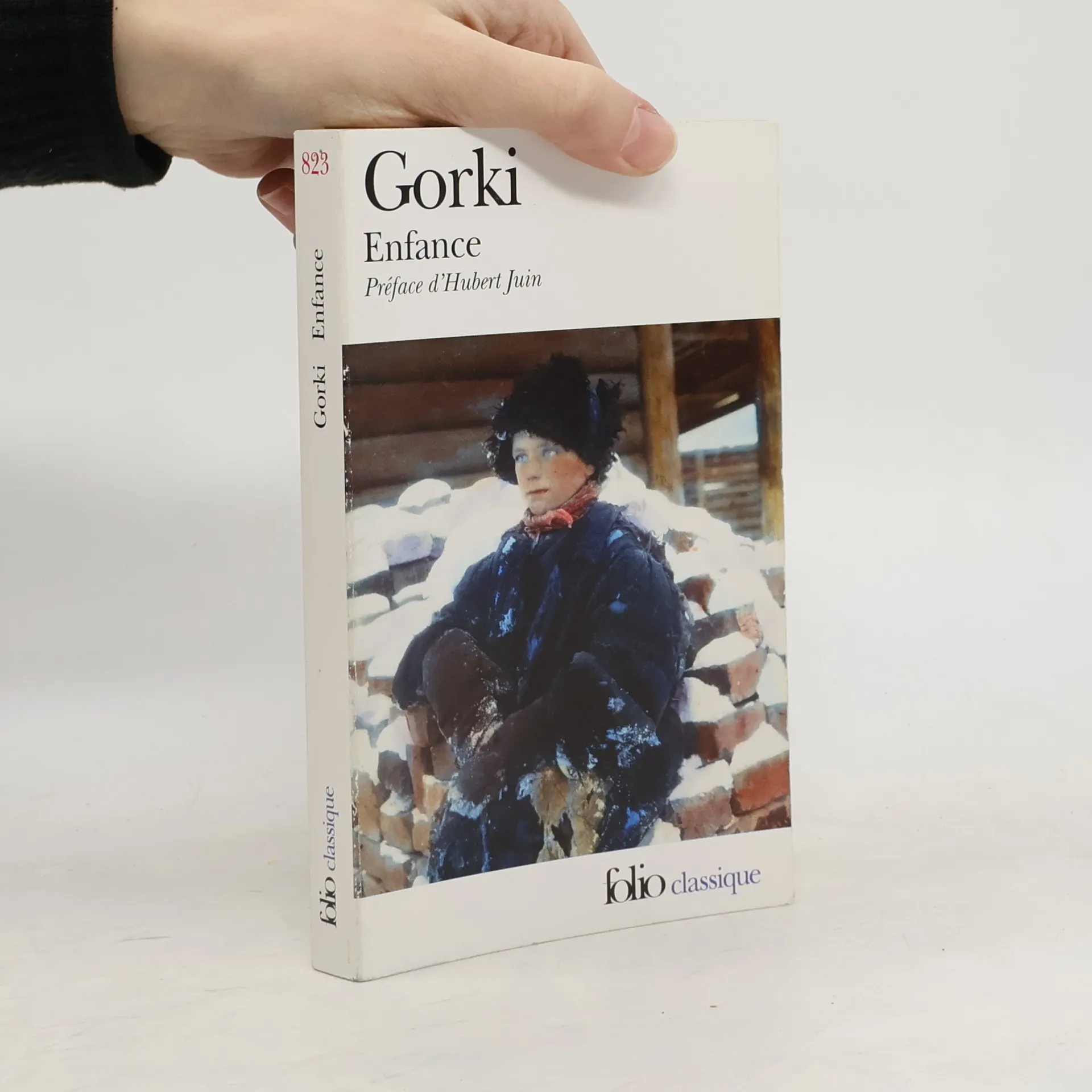
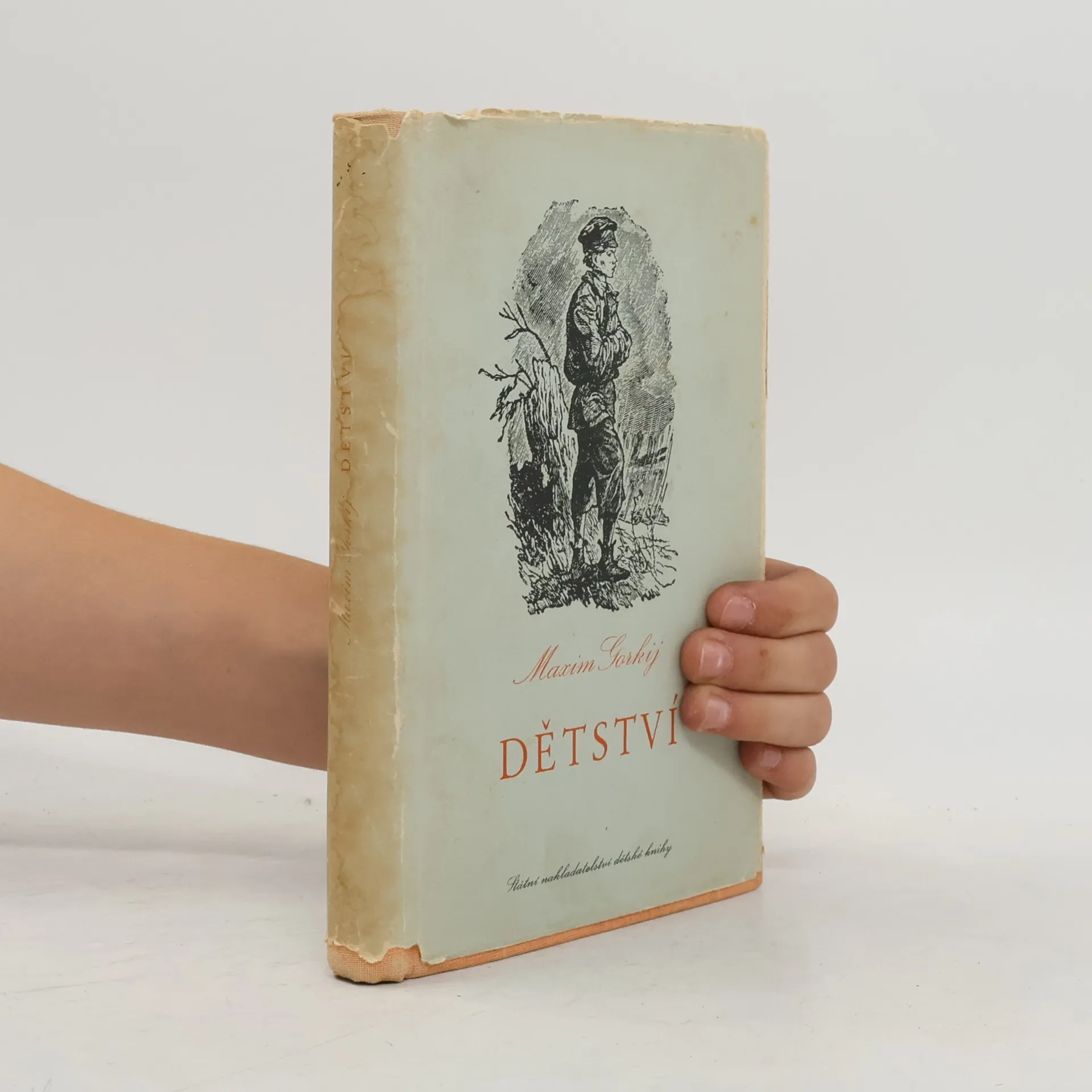
In "Childhood," Gorky reflects on his early years, likening his memories to a hive where ordinary people contributed their knowledge and thoughts, enriching his soul. This "honey" of experience, though often bitter and tainted, is still valuable. The essence of the narrative reveals a child's life amidst violence, despotism, and cruelty, portraying a hellish existence. Yet, despite the oppressive atmosphere of his grandfather's house, Gorky was fortunate to encounter talented storytellers, which likely influenced his own narrative prowess. This juxtaposition of brutality and storytelling allows the book, filled with themes of violence and hatred, to ultimately leave readers with a sense of joy and hope. Gorky's "Childhood" serves as a poignant exploration of resilience and the transformative power of storytelling amidst adversity.
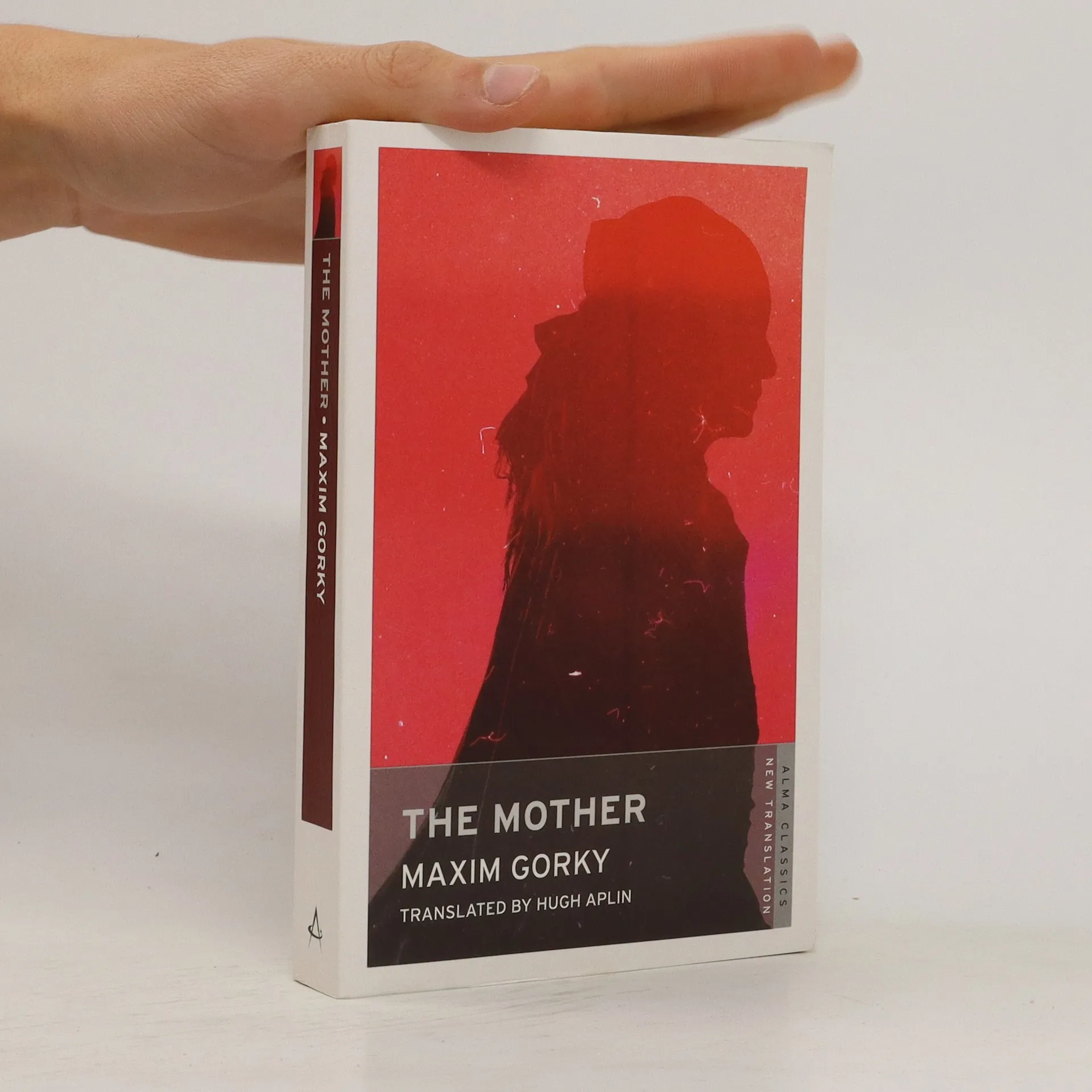
The Mother
- 384pages
- 14 heures de lecture
Inspired by real events and centring on the figure of Pelageya Vlasova – the mother of the title – and her son Pavel, Gorky’s masterpiece describes the brutal life of ordinary Russian factory workers in the years leading to the 1905 Revolution and explores the rise of the proletariat, the role of women in society and the lower classes’ struggle for self-affirmation. A book of the utmost importance, in the words of Lenin, and a landmark in Russian literature, The Mother – here presented in a brilliant new version by Hugh Aplin, the first English translation in almost a century – will enchant modern readers both for its historical significance and its intrinsic value as a work of art.
Three of Them
- 414pages
- 15 heures de lecture
Focusing on the journey of Ilya Lunyev, a boy from an urban slum, the novel explores his transition into middle-class society. As he navigates this new world, he confronts the harsh reality of moral decay that permeates all social classes, leading to his disillusionment. Gorky's work delves into themes of class struggle and the quest for authenticity in a corrupt environment.
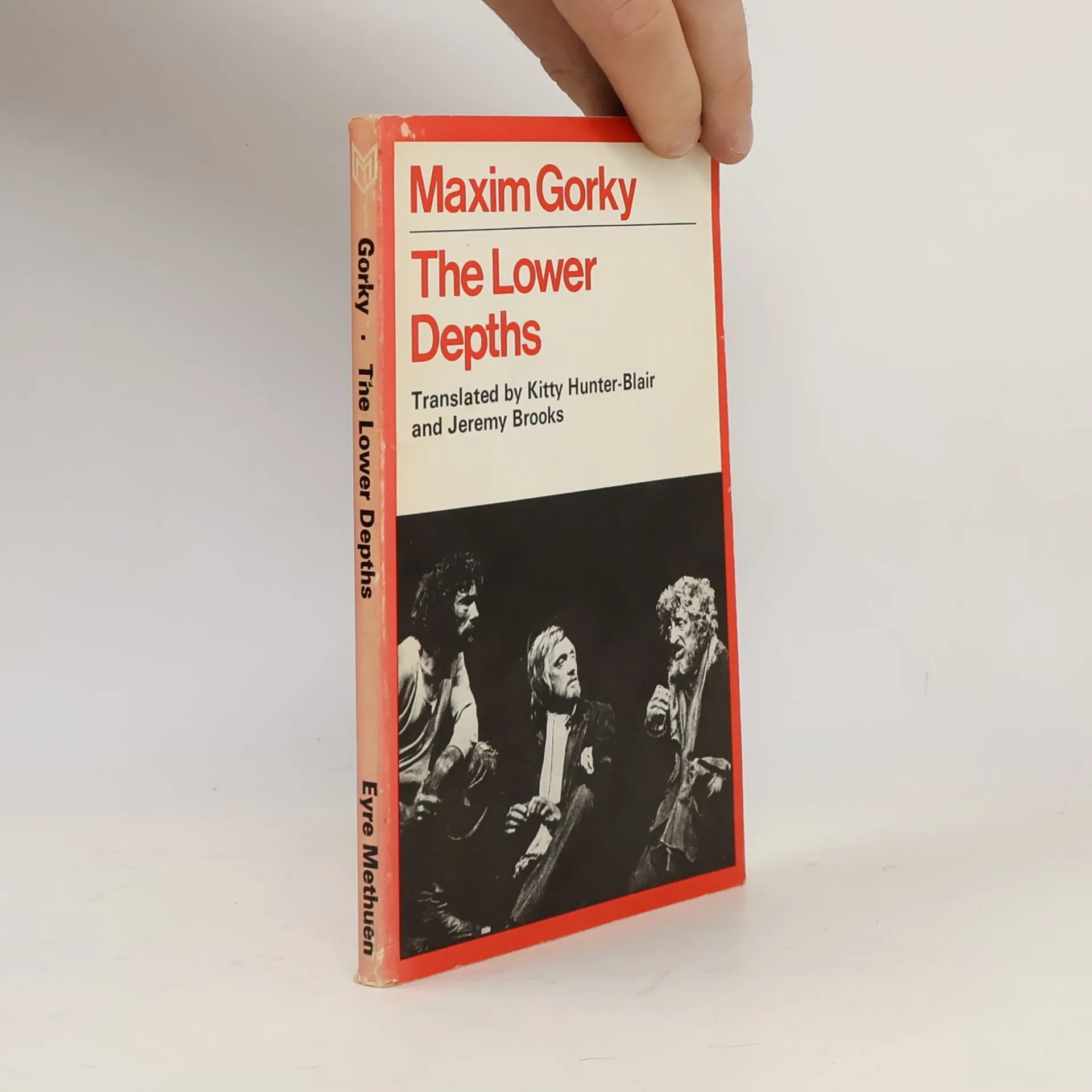
Theatre Classics: The Lower Depths
- 112pages
- 4 heures de lecture
A brief profile of the Russian writer prefaces the texts of three plays characterized by their realistic portrayal of Russian life.
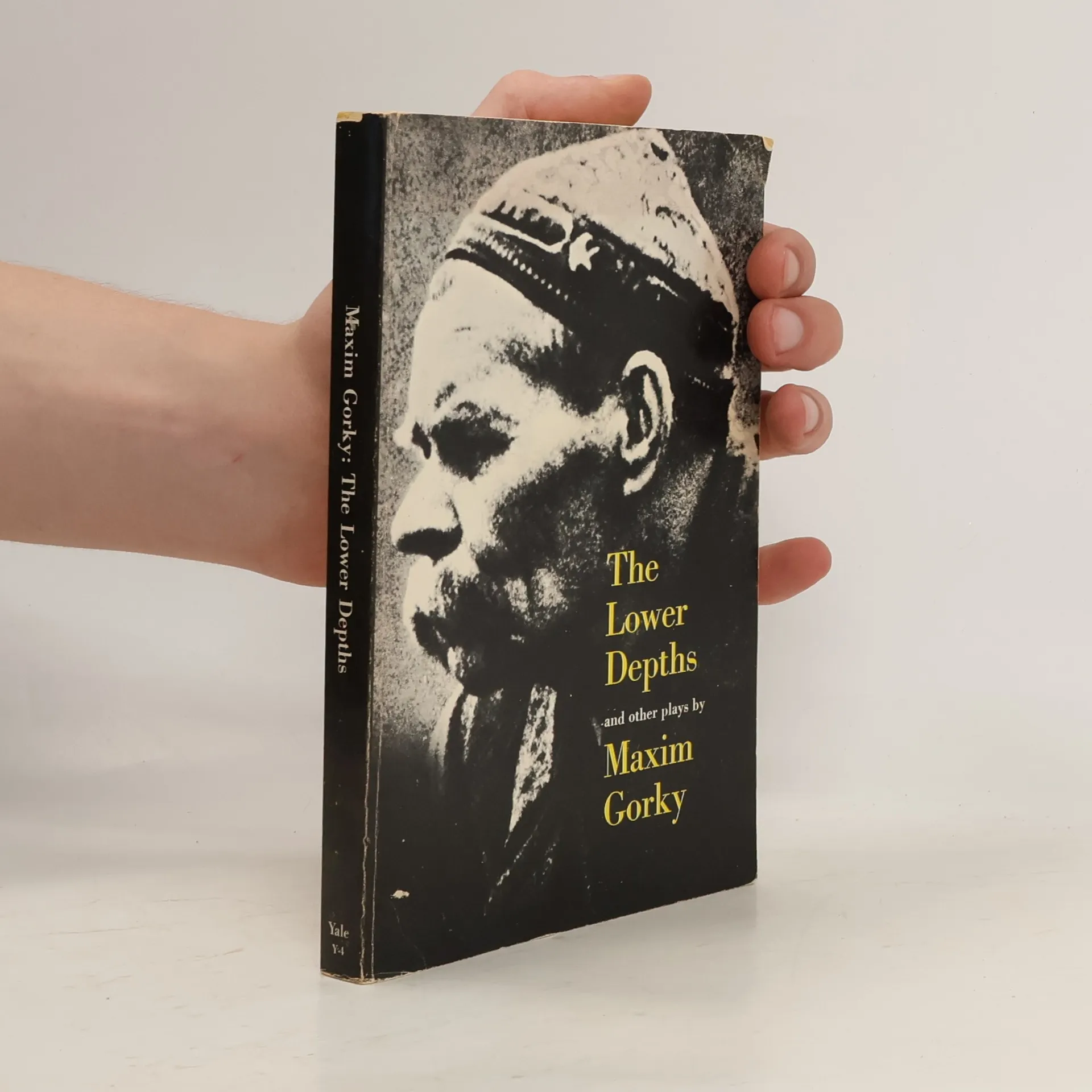
The Lower Depths, and Other Plays
- 256pages
- 9 heures de lecture
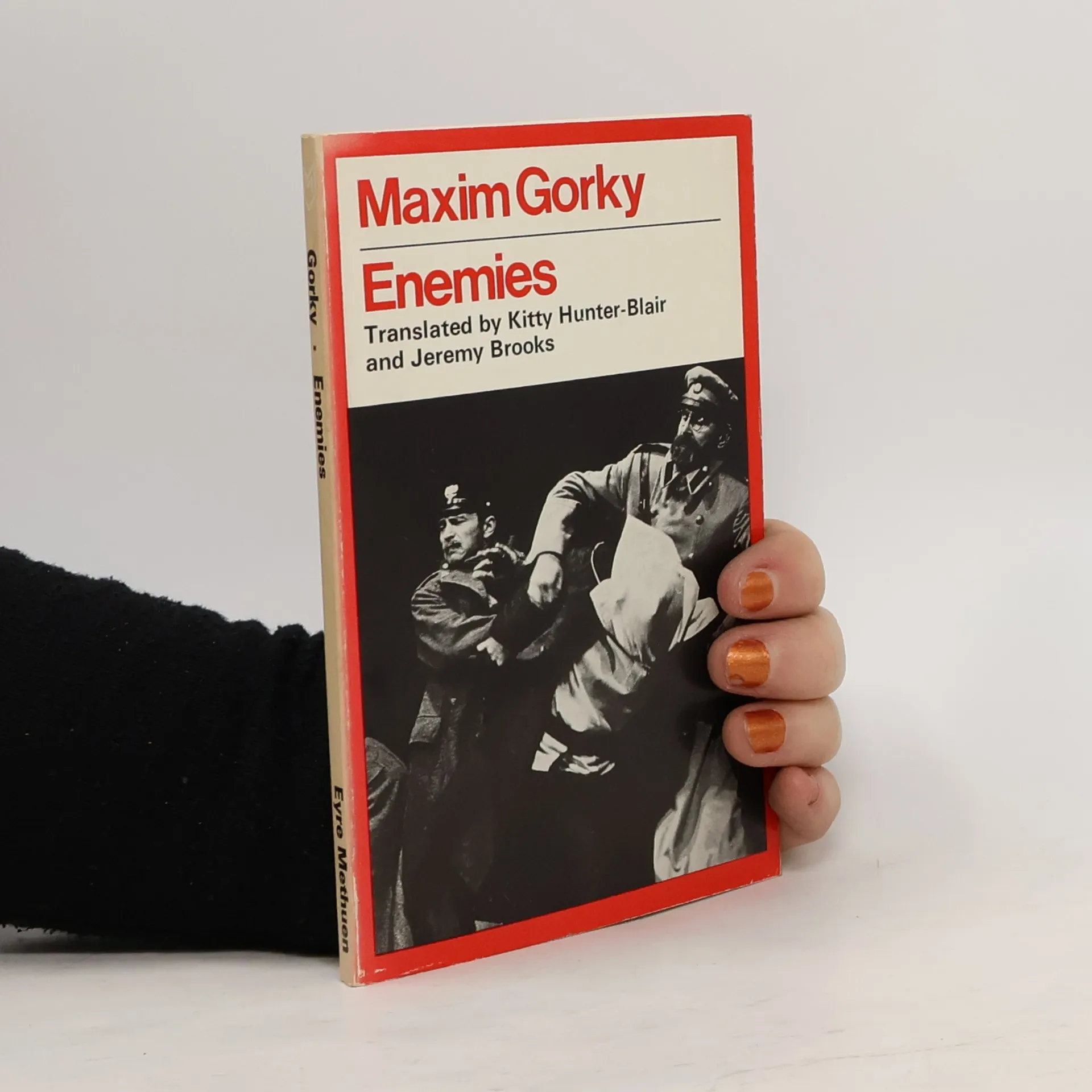
In addition to the celebrated Lower Depths , this volume contains a biographical sketch of Gorky by Alexander Bakshy and two of his less well-known plays, Enemies and The Zykovs.
The story follows Ilya Lunyev, a boy from a poor urban background, who seeks a better life in the middle-class society. However, his journey leads to disillusionment as he discovers that the moral corruption he sought to escape is pervasive in his new environment. Gorky's novel explores themes of class struggle and the harsh realities of social mobility, revealing the complexities of human nature and societal values at the turn of the 20th century.
Featuring the works of Arthur Schnitzler, this edition includes a diverse collection of poems, short stories, and essays originally in German, now translated into English. The writings delve into profound themes like love, death, and the human experience, accompanied by critical reviews of contemporary literature and art. This literary magazine not only showcases Schnitzler's contributions but also reflects the cultural milieu of early 20th century Europe, making it a significant resource for literature enthusiasts.
The Spy
- 306pages
- 11 heures de lecture
Set against the backdrop of early 20th-century Russia, the story follows Yevsey Klimkov, an orphaned boy caught in a web of espionage. Apprenticed to a bookseller who sells banned revolutionary literature, Yevsey's life takes a dark turn when his employer is murdered. Vulnerable and frail, he is forced by the Tsarist police to become a spy, navigating the treacherous landscape of loyalty and betrayal under an oppressive regime. The novel explores themes of power, manipulation, and the moral dilemmas faced by individuals in times of political turmoil.
Through Russia
- 236pages
- 9 heures de lecture
The collection features an unnamed wanderer exploring early 20th century Russia, juxtaposing stunning natural landscapes with the despair of the lower classes. While the stories lack strong plots, they effectively portray a range of memorable characters and their philosophies. The translation may be lacking, with some key terms either untranslated or rendered obscurely, suggesting that an annotated edition could enhance understanding of Gorky's context and themes.
The Man Who Was Afraid
- 266pages
- 10 heures de lecture
Maxim Gorky, a prominent Russian writer and political activist, was nominated five times for the Nobel Prize in Literature. His diverse experiences from traveling extensively across the Russian Empire and holding various jobs significantly shaped his literary voice. Gorky's life journey reflects a deep engagement with social issues, which permeates his work and highlights the struggles of the common man.
This book is a reproduction of a historical work, presented in large print to enhance accessibility for readers with impaired vision. Published by Megali, a house dedicated to making historical texts more readable, it aims to preserve and share important literature while ensuring it is accessible to a wider audience.
In the World
- 264pages
- 10 heures de lecture
Maxim Gorky, a notable Russian writer and political activist born in 1868, drew on his extensive travels and varied jobs throughout the Russian Empire to shape his literary work. His life experiences deeply influenced his storytelling, reflecting the struggles and resilience of the human spirit. Gorky's contributions to literature earned him five nominations for the Nobel Prize, highlighting his significance in the literary world.
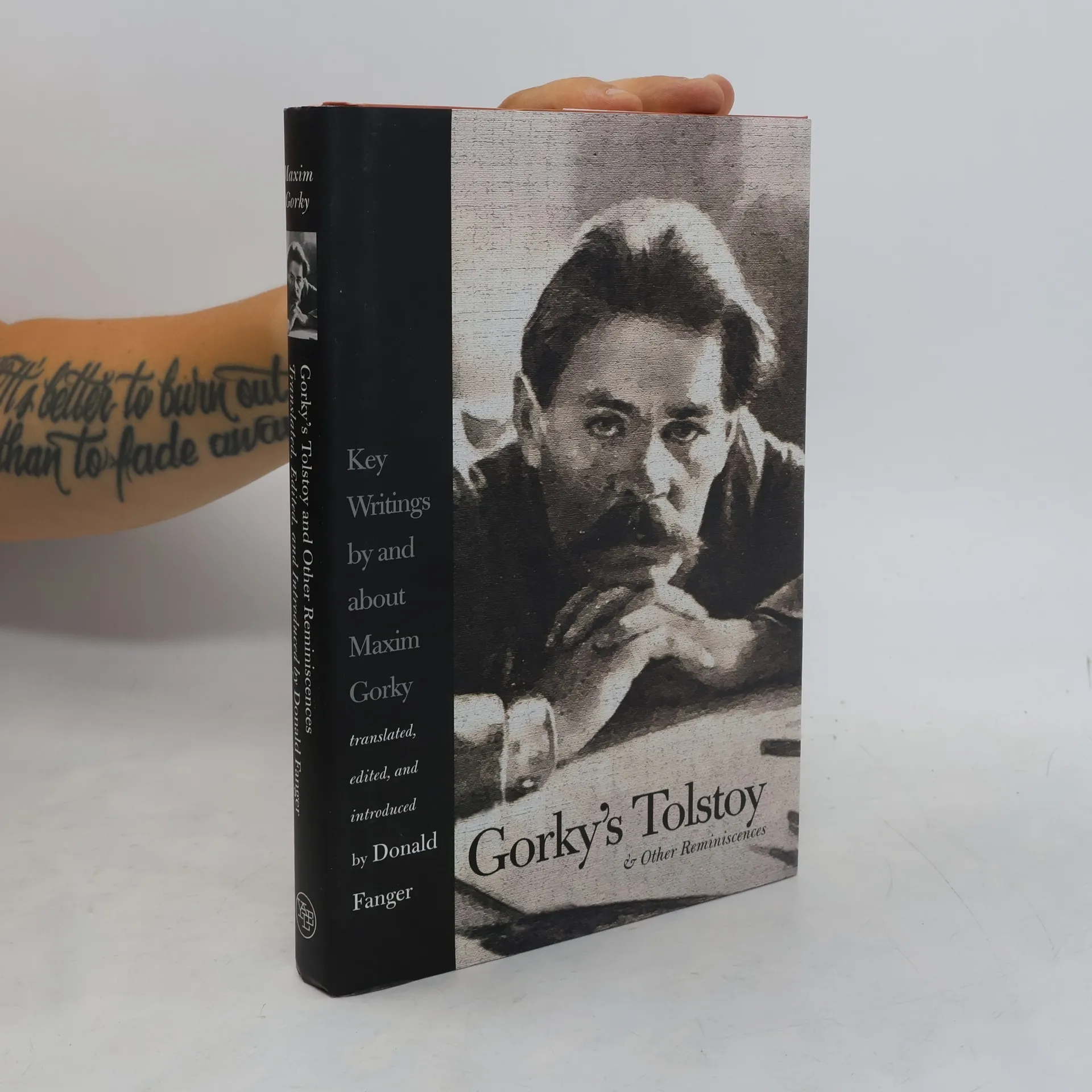
Gorky's Tolstoy and Other Reminiscences
Key Writings by and About Maxim Gorky
- 297pages
- 11 heures de lecture
Maxim Gorky (1868-1936) enjoyed worldwide fame of a kind unmatched by that of any other writer in the first half of the twentieth century. Prodigiously gifted and prolific, riddled with contradictions, praised increasingly for political rather than literary reasons, he left a vast body of writing that contains acknowledged masterpieces alongside many currently neglected works that still await impartial assessment.Taken together, the pieces in this book (many of them based on fuller texts than those of previously published translations) present a surprising and unfamiliar Gorky—a figure who, once the clichés are stripped away from him, becomes ever more fascinating and enigmatic as man, as writer, and as historical figure. Among the volume’s selections are portraits of Gorky by four particularly astute observers: poet Vladislav Khodasevich, critics Boris Eikhenbaum and Georgy Adamovich, and novelist Evgeny Zamiatin.Fanger’s generous annotations and brilliant introduction will make this book indispensable to every reader with an interest in Tolstoy, Gorky, modern Russian literature and politics, or the art of the memoir.
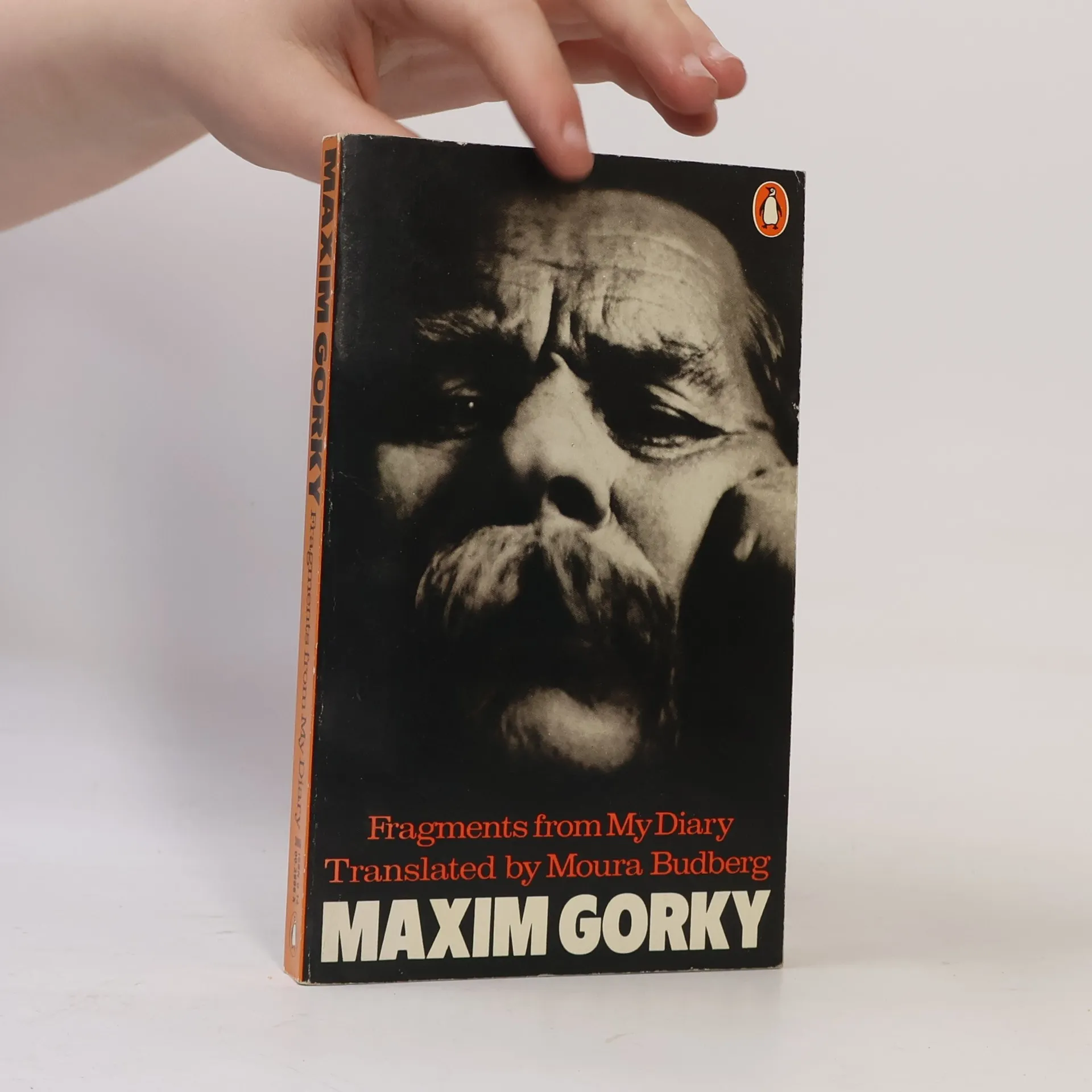
Fragments from My Diary
- 288pages
- 11 heures de lecture
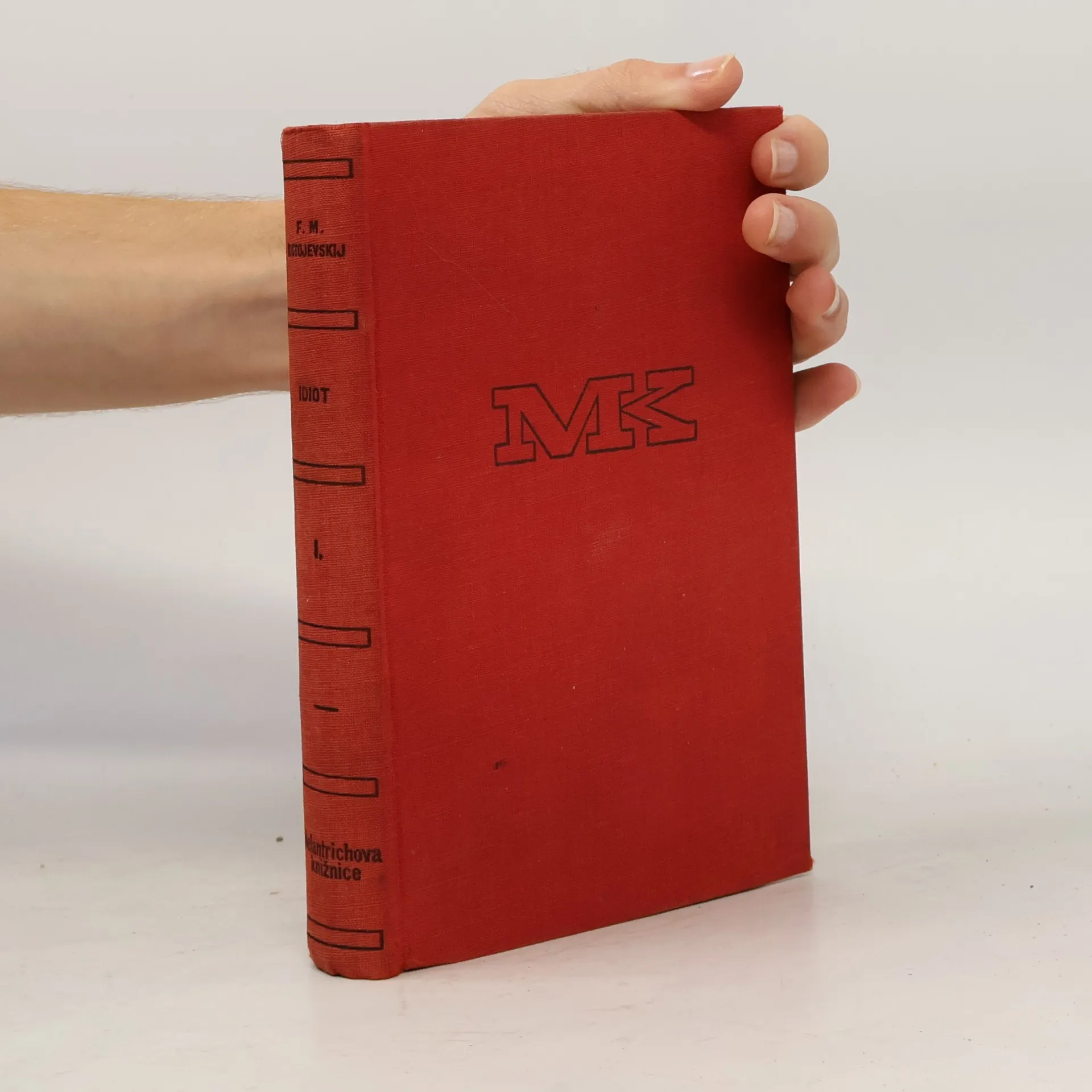
Dvousvazkové vydání. Román Idiot se řadí k nejznámějším dílům ruské literatury. Mladý kníže Myškin, zcela zchudlý a postižený epilepsií, prožije po návratu ze švýcarského sanatoria tak podivuhodné příběhy, že upadne znovu do své duševní nemoci. Setkává se s kupcem Parfjonem Rogožinem, kterého jeho žárlivost dovede až k vraždě milované Nastasji. Kníže však v něm vidí především nešťastného člověka a soucítí s ním. Sám se psychicky zhroutí. Lidé, kteří nemohou pochopit jeho dobrotu, označují Myškina za idiota, ačkoli ten má v sobě tolik vnitřní ušlechtilosti a lidskosti, že se tím vymyká svému okolí. Myškin okouzluje svou nevinností a vyrovnaností – autor představuje hrdinu jako člověka, který by mohl povznést svět; jemomže Myškin svou filozofií pokory a všelásky přivádí do neštěstí i ty, které miluje, a nakonec sám sebe…
Vassa Železnovová
- 180pages
- 7 heures de lecture
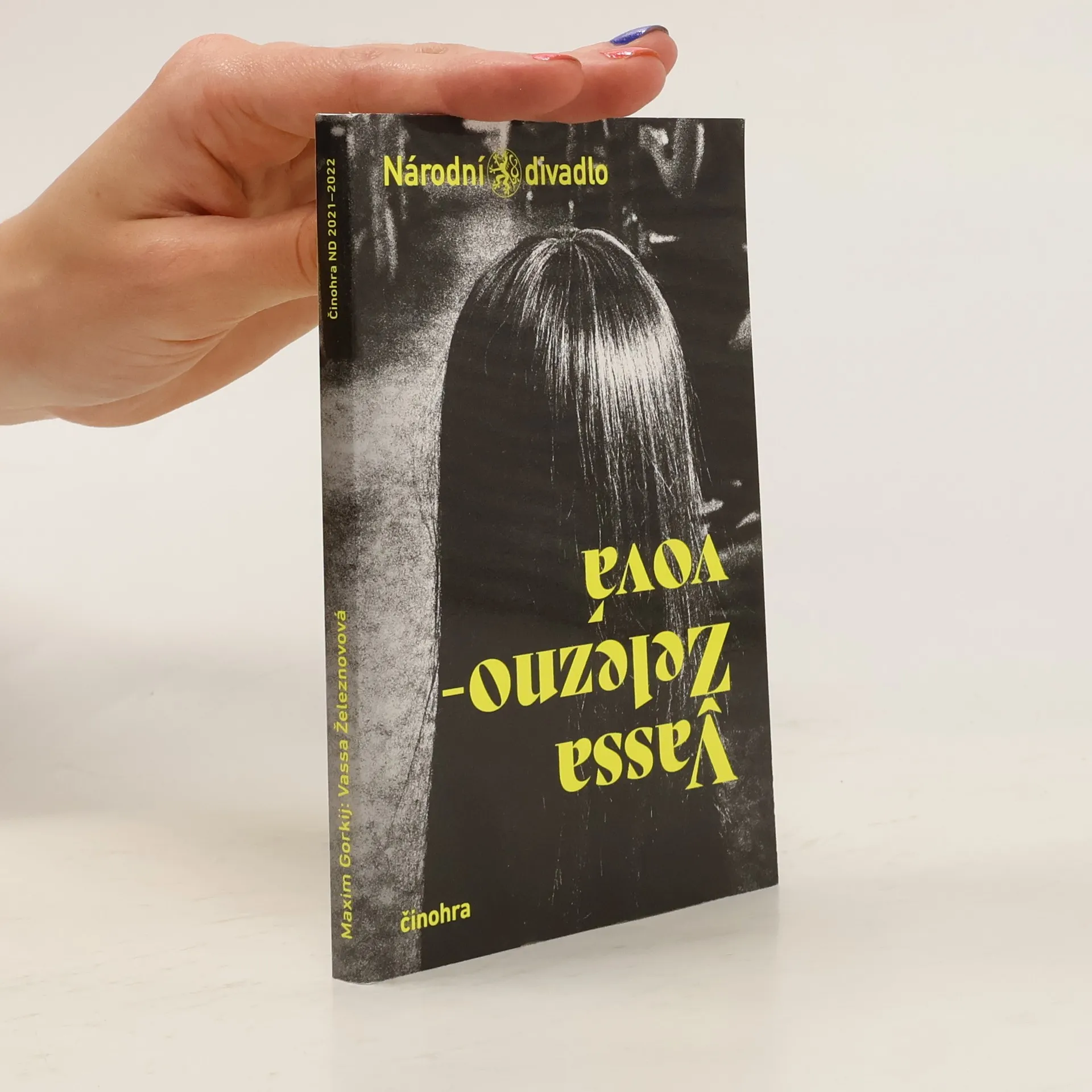
Program představení Národního divadla. Premiéra 27. a 28. října 2021. Režie Jan Frič, dramaturgie Marta Ljubková, scéna Dragan Stojčevski, kostýmy Marek Cpin, světelný design Přemysl Janda, hudba Jakub Kudláč. Hrají: Zuzana Stivínová, Pavla Beretová, Šimon Krupa, Petr Vančura, Jana Pidrmanová. Předmluvy Josefína Formanová, Ivana Ryčlová, Taťjana Vladimirovna Malcevová. Obsahuje též text divadelní hry.
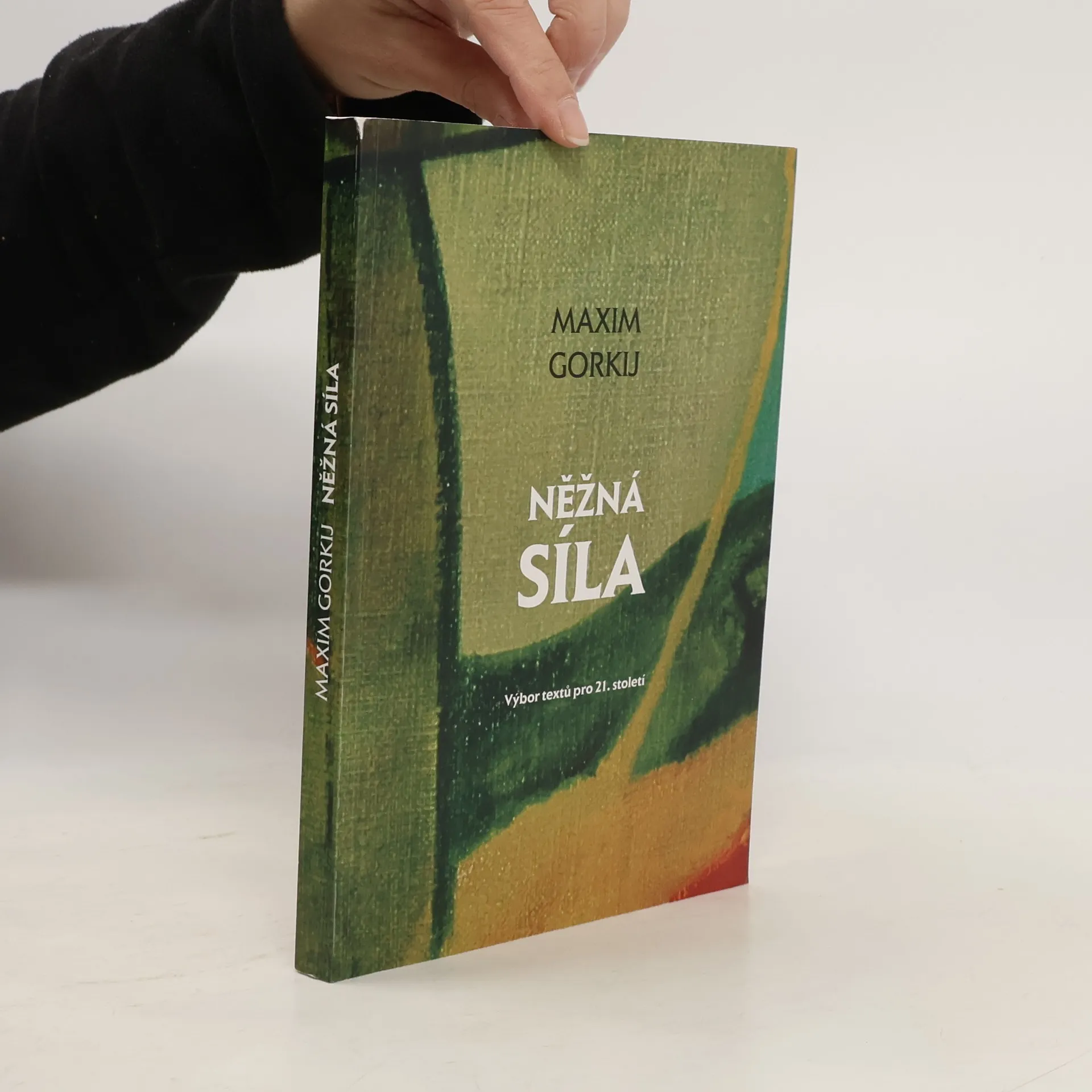
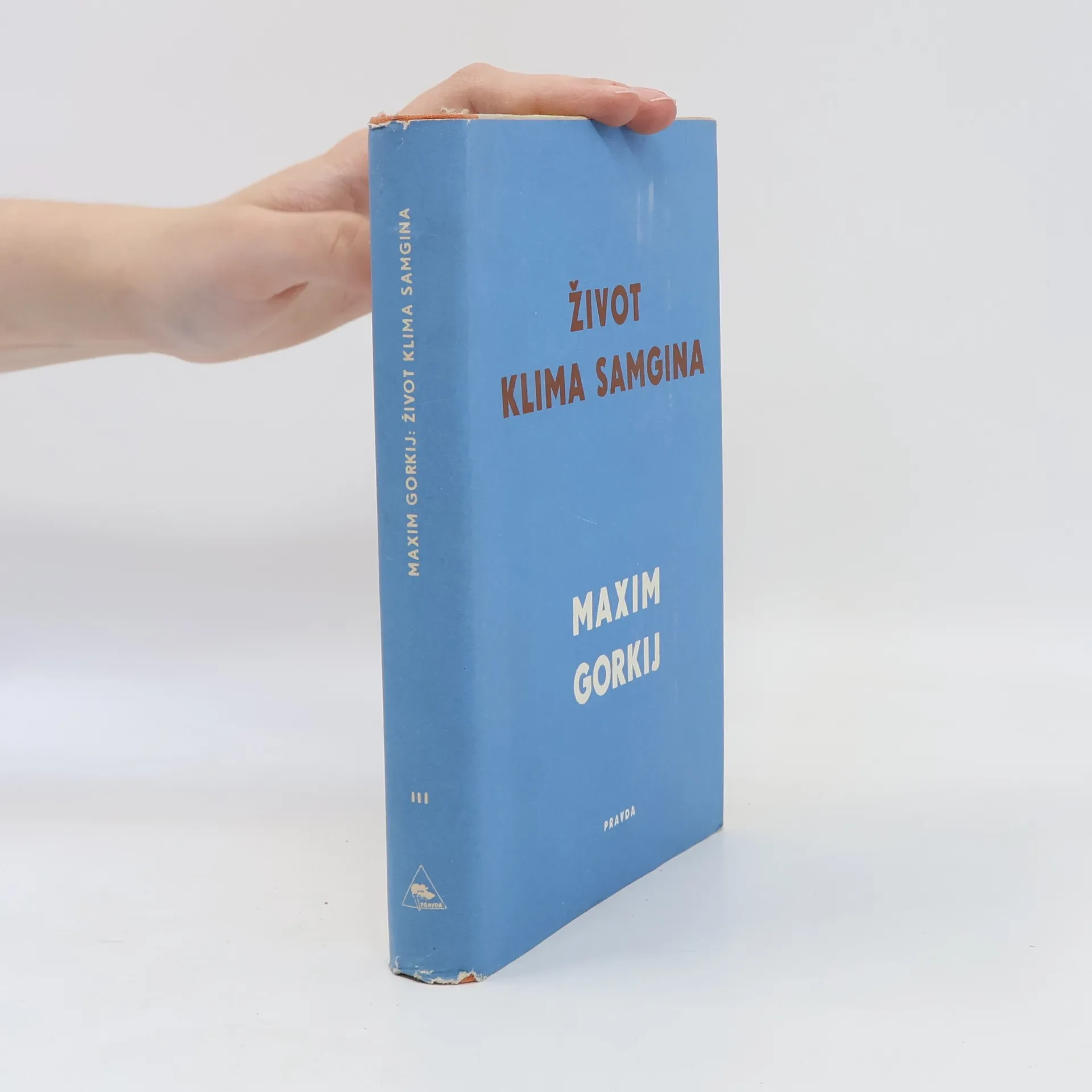
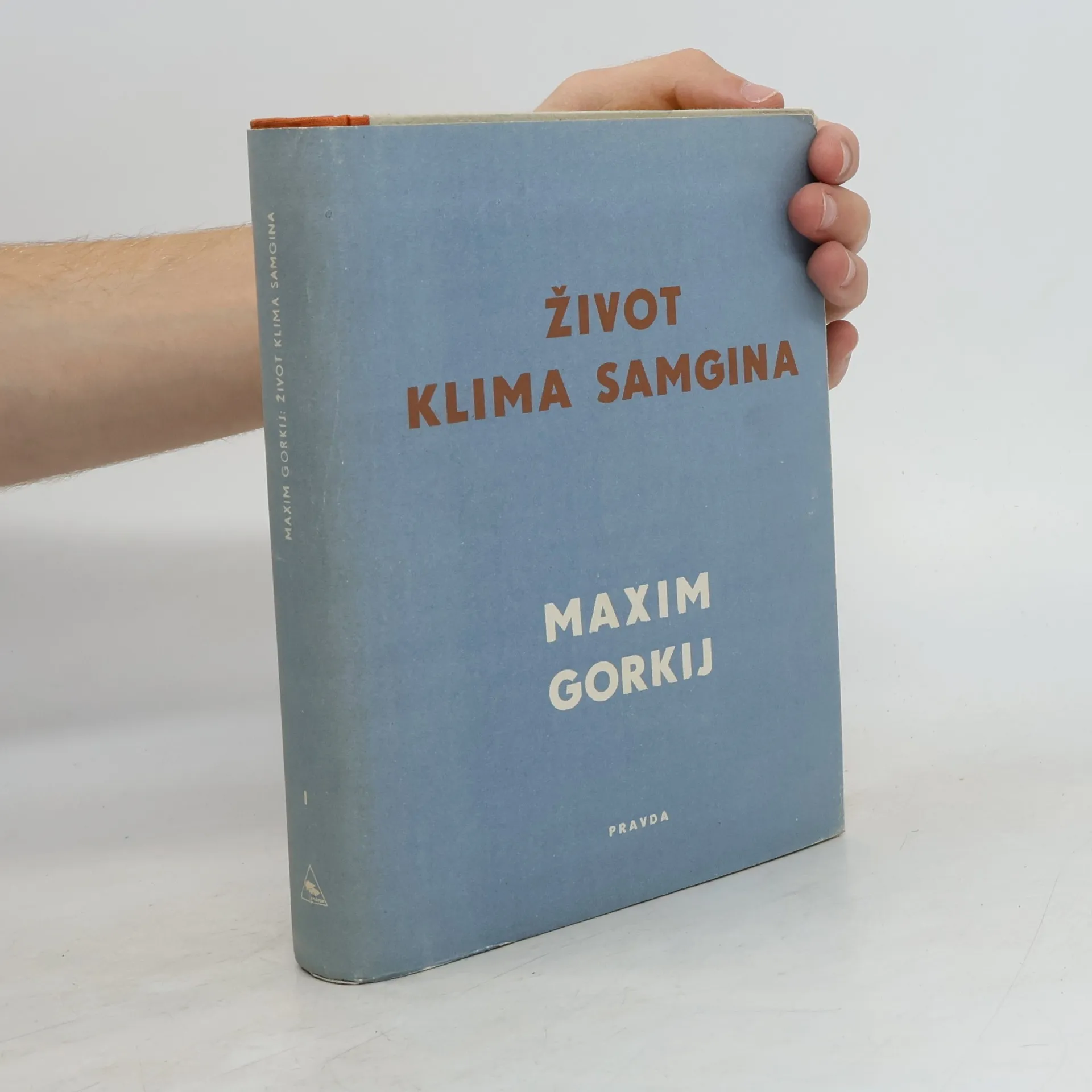
Výbor textů pro 21. století. Obsah: Píseň o sokolovi Drožkář Stařena Izergil Stříbrné kování Žena s modrýma očima Idyla Maloměšťáci Matka Město Žlutého ďábla Zpověď Městečko Okurov Zrození Člověka O Židech Život Klima Samgina Výňatek z korespondence Alexeja Maximovičove Peškova (Gorkého) s Antonem Pavlovičem Čechovem 1889-1899 Ivo Pospíšil: Maxim Gorkij: vynořování epoch z hlubin zapomnění
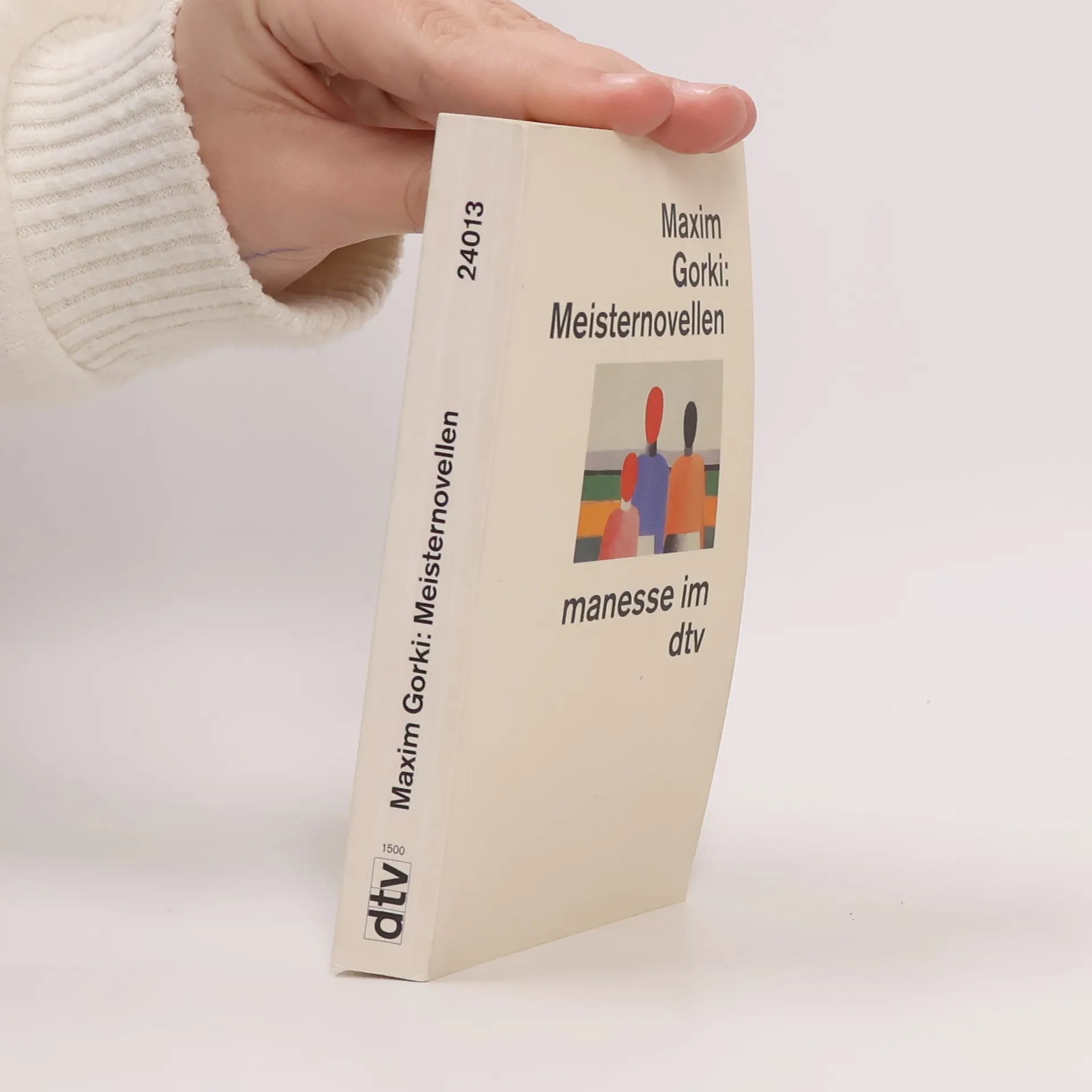
Manesse Bibliothek der Weltliteratur: Meisternovellen
- 431pages
- 16 heures de lecture
Vlastní životopis ruského autora Maxima Gorkého. Byl tulákem po širé Rusi, jenž prošel mnoha zaměstnáními, pohyboval se v kruzích revolucionářů včetně bolševiků a od devadesátých let byl literárně činný. Svou znalost života v nejnižších a nejbědnějších vrstvách zapisoval. Dal zaznít tónům beznaděje a zoufalství i vášnivému volání po opravdu lidském životě, jež odmítalo tento způsob existence nehodný člověka.
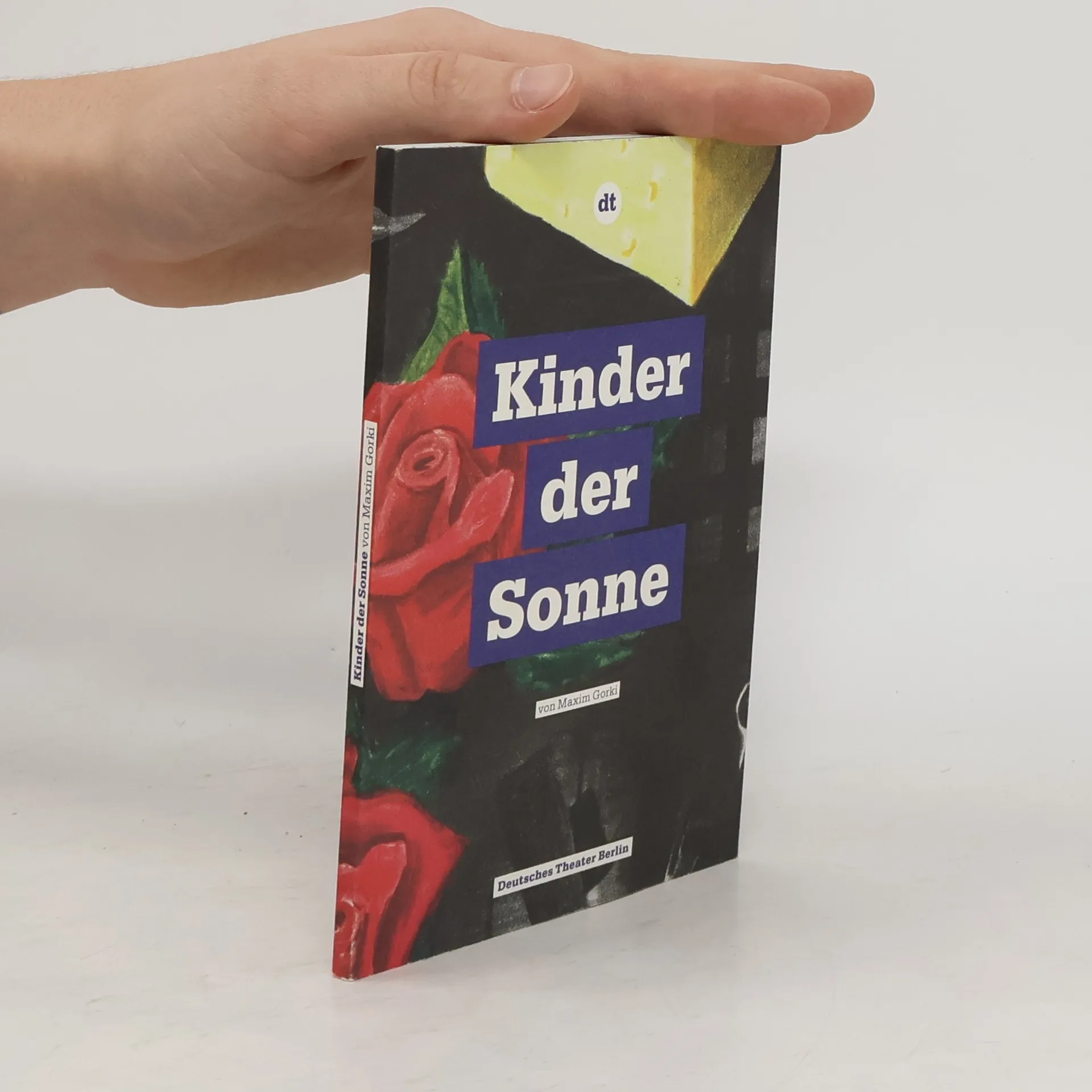
Inhalt:- Nachtasyl- Kinder der Sonne- Wassa Shelesnowa. Eine Mutter- Jegor Bulytschow und die anderen- Wassa Shelesnowa (Zweite Fassung)
Je to hra o lidech, kterým se jako vlku les a býku pastva zdá celá země místem, kde je možno jíst ... - Tak charakterizoval autor svou hru z r. 1904, ve které zaútočil na tu část ruské inteligence kolem roku 1905, jež pro pohodlný život opustila revoluční ideje a stávala se tak brzdou revolučního úsilí lidu, a zachytil pozvolný přerod v myšlení jednotlivců, kteří si začínají uvědomovat, že místo člověka skutečně vzdělaného je po boku dělného lidu.
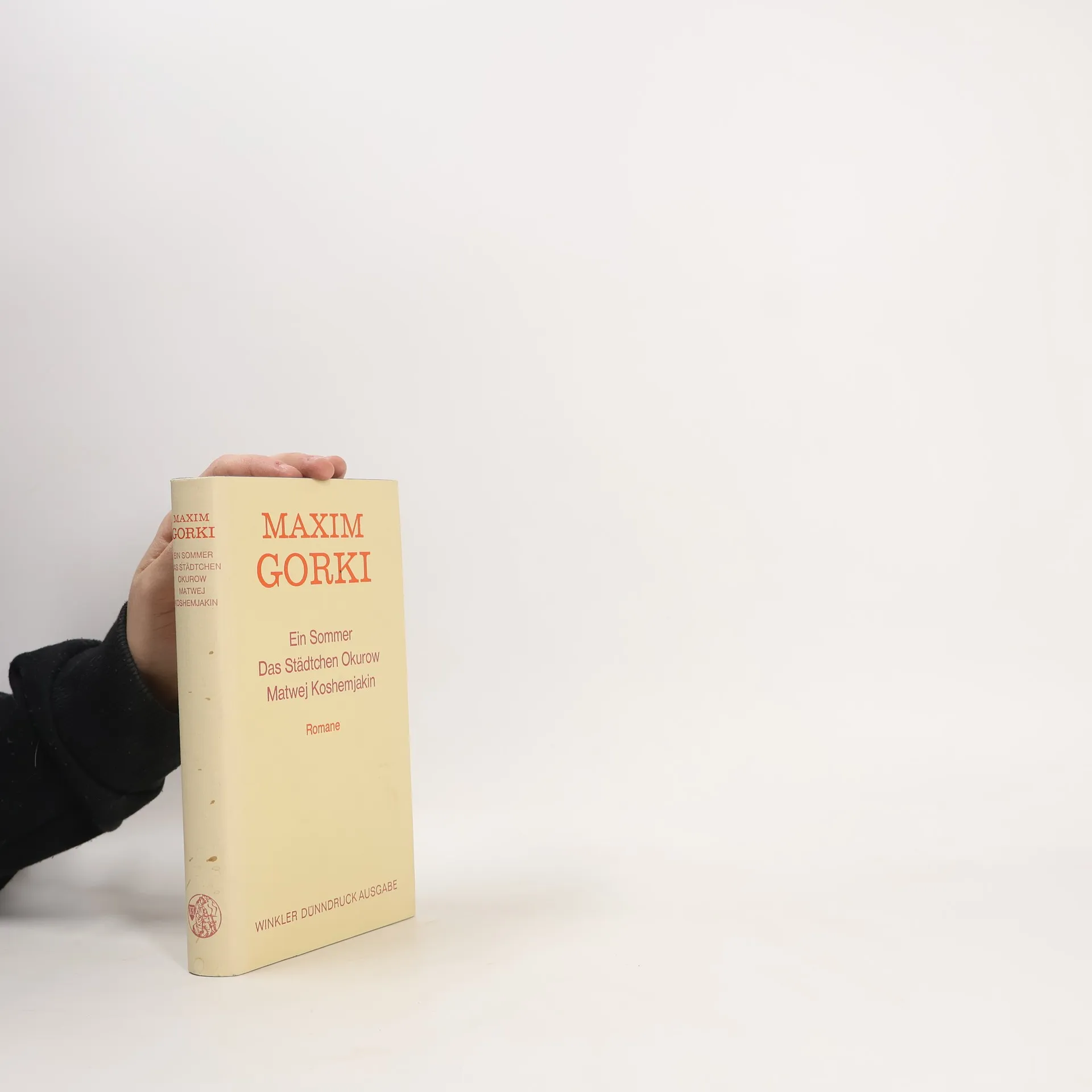
Ein Sommer
- 882pages
- 31 heures de lecture
Im abgelegenen Dorf Wyssokije Gnjosda spiegelt sich das soziale Gefüge der russischen Gesellschaft zu Beginn des 20. Jahrhunderts wider. Der Ich-Erzähler Jegor Petrowitsch Trofimow, der sich als Sommerfrischler ausgibt, ist in Wirklichkeit ein marxistisch inspirierter Agitator. Seine Ankunft führt zu Konflikten, die in der grausamen Ermordung einer jungen Frau durch den tyrannischen Dorfpolizisten Semjon gipfeln. Gorkis Roman thematisiert die Spannungen zwischen den verschiedenen sozialen Schichten und die Auswirkungen politischer Ideale auf das individuelle Schicksal.
Фома Гордеев. Foma Gordeyev
- 320pages
- 12 heures de lecture
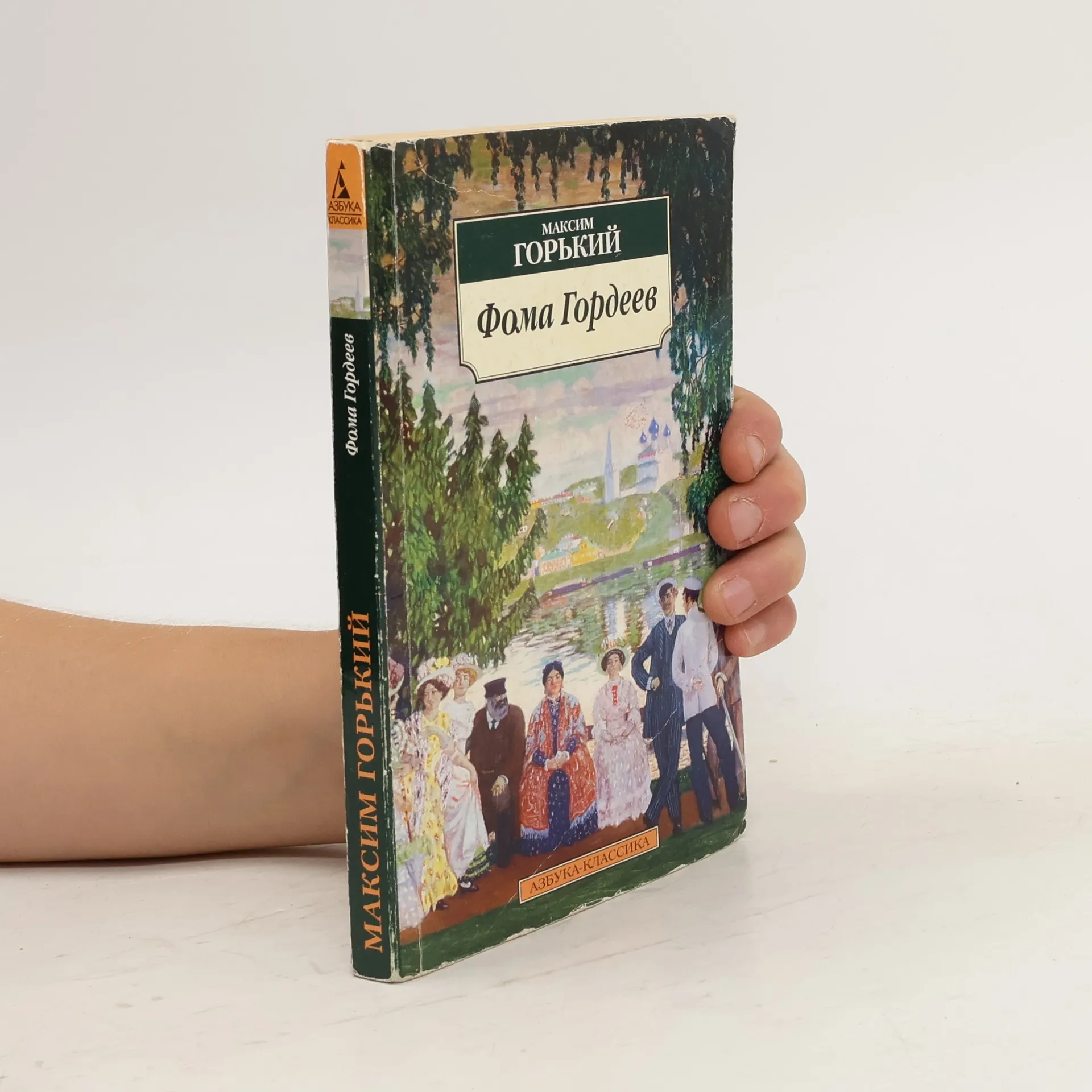
Свою повесть "Фома Гордеев" Горький недаром посвятил А.П.Чехову. В центре панорамы русской провинции конца XIX века, по словам автора, "энергичный здоровый человек, ищущий дела по силам, ищущий простора своей энергии. Ему тесно. Жизнь давит его, он видит, что героям в ней нет места, их сваливают с ног мелочи, как Геркулеса, побеждавшего гидр, свалила бы с ног туча комаров". Как и предприниматели эпохи "Вишневого сада", Фома Гордеев относится к новым русским. Но Гордеева, в отличие от собратьев купцов, бескомпромиссные поиски смысла жизни толкают к выходу за пределы "бизнес-программы" на широкий гибельный простор.
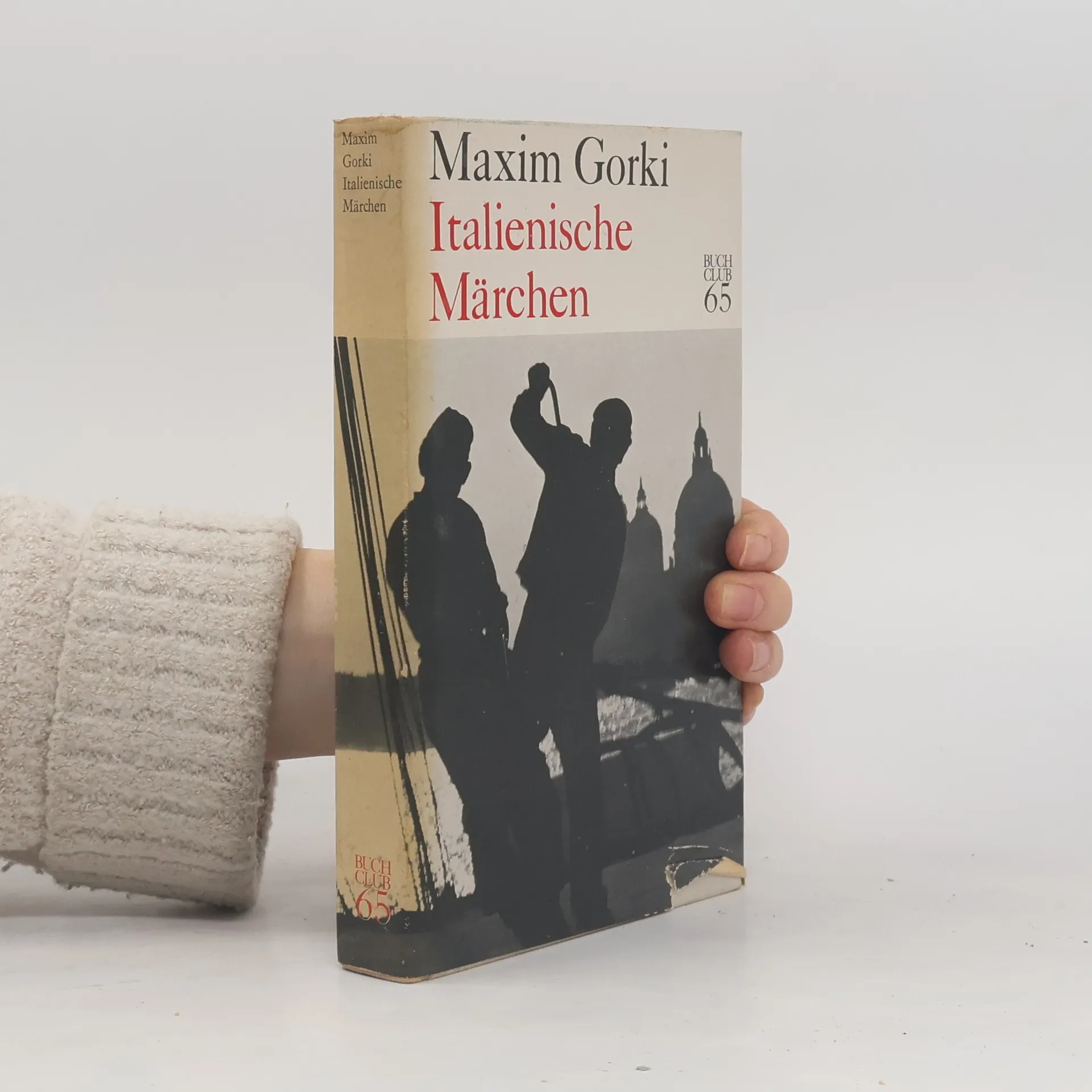
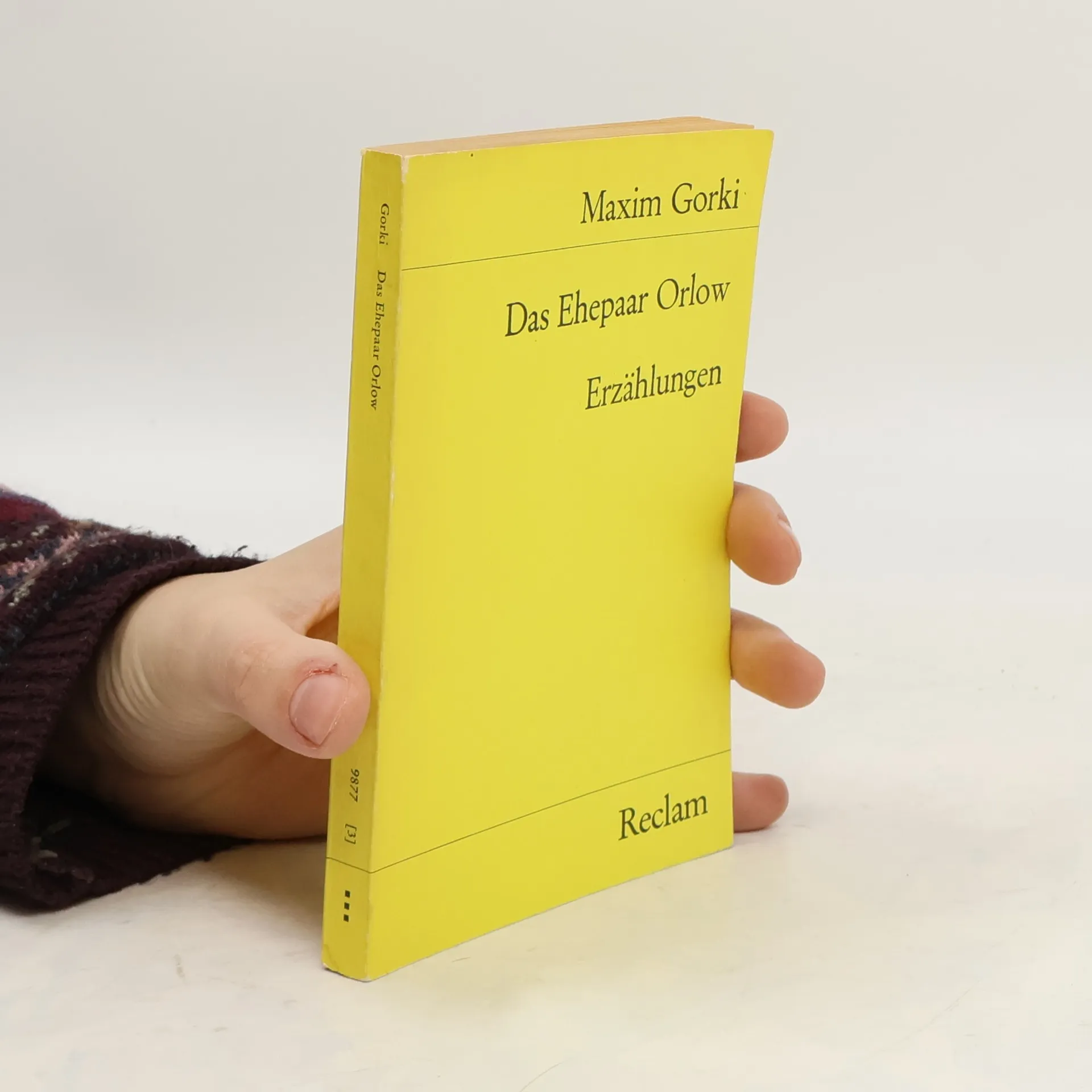
Die "Italienischen Märchen" wurden von M. Gorkij in den Jahren 1910-1913 geschaffen. Die Helden der "Märchen" sind italienische Arbeiter, Bauern und Fischer, die ihre sonnige Heimat lieben. Es fällt diesen ehrlichen, freundlichen und fleißigen Menschen schwer, ihren Lebensunterhalt zu verdienen, doch sie geben sich nicht mit Armut und Leid zufrieden und führen einen mutigen Kampf, um das Leben besser und schöner zu machen.
Meisternovellen. Übers. u. Nachw. v. Anne Bock
- 431pages
- 16 heures de lecture
Übersetzung und Nachwort von Bock, Anne 431 S.
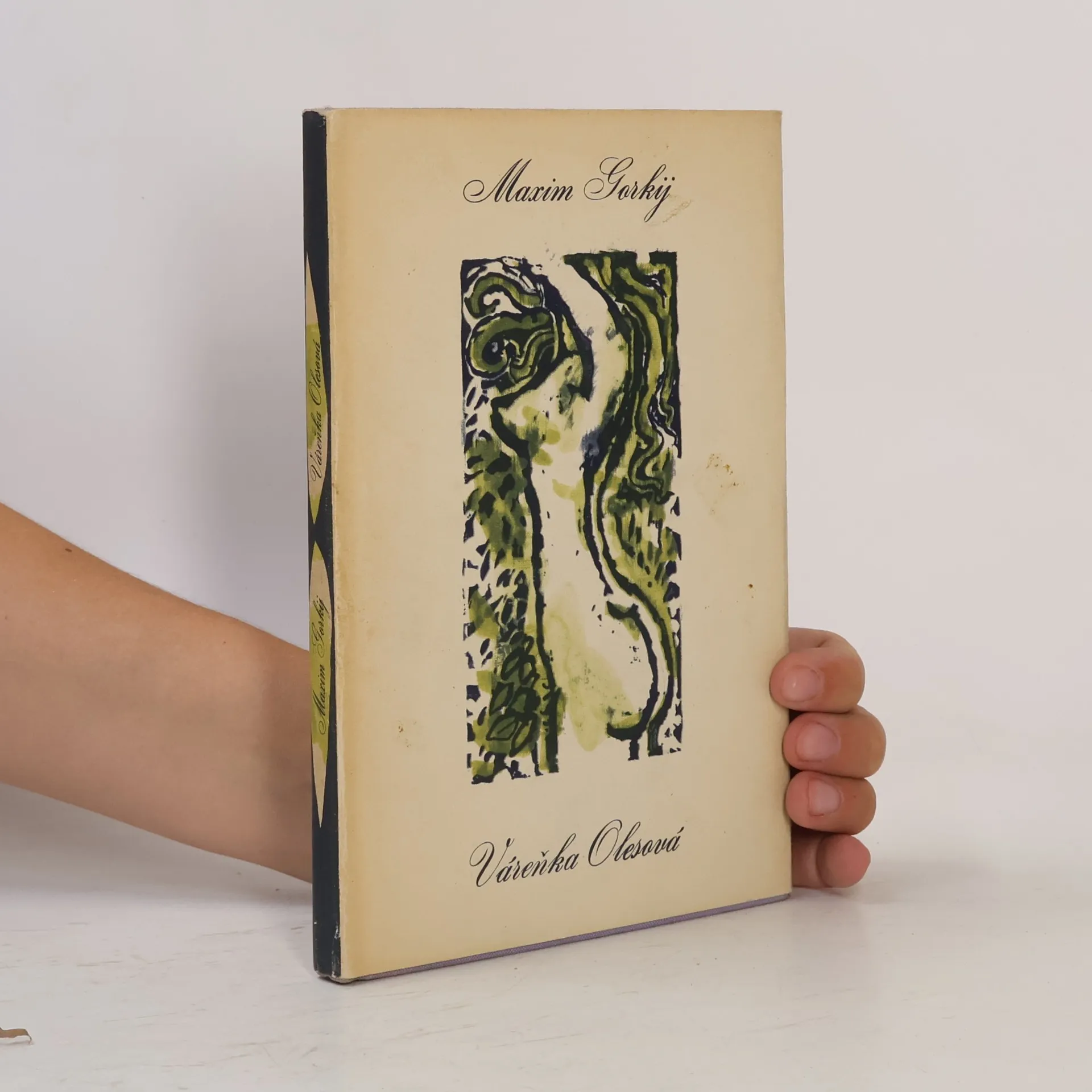
Novela, v níž s neobyčejnou psychologickou jemností a satiricky zahroceným humorem je líčen milostný příběh impulsivně citové, životem opojené dívky - dcery statkáře a jejího nápadníka - racionálního theoretika života, docenta Polkanova. V příběhu je zachyceno ovzduší Ruska devadesátých let, věčné spory idealismu s materialismem, z nichž autor dává vítězit skutečnému životu.
Autor se vrací v této próze (vydána po prvé 1913) do vlastního dětství a líčí nám ruskou společnost na počátku 2. pol. 19. stol. Vypravuje o těžkém životě ruského lidu, o jeho bídě a kulturní zaostalosti. Světlou postavou příběhu je Gorkého babička, žena dobrého srdce, vypravěčkakrásných lid. pohádek. Kniha, jež dovede tak reálně vidět tíživou hospodář. situaci pracujícího člověka a z ní vyrůstající mravní bídu, je naplněna vírou v lepší,svobodný a radostný život, jenž musí určitě přijít.
Příběh Nikolaje Nazarova je součástí obrazu doby, která připravuje půdu pro budoucí revoluci, kdy se už po celé širé Rusi objevují lidé, kteří přemýšlejí, hledají, sní, ... tento příběh je dobově blízký Gorkého slavnému románu Podnik Artamonových, snad je jeho přezvěstí a každopádně je skvělou ukázkou jeho vypravěčského umění. (z doslovu Josefa Kadlece)
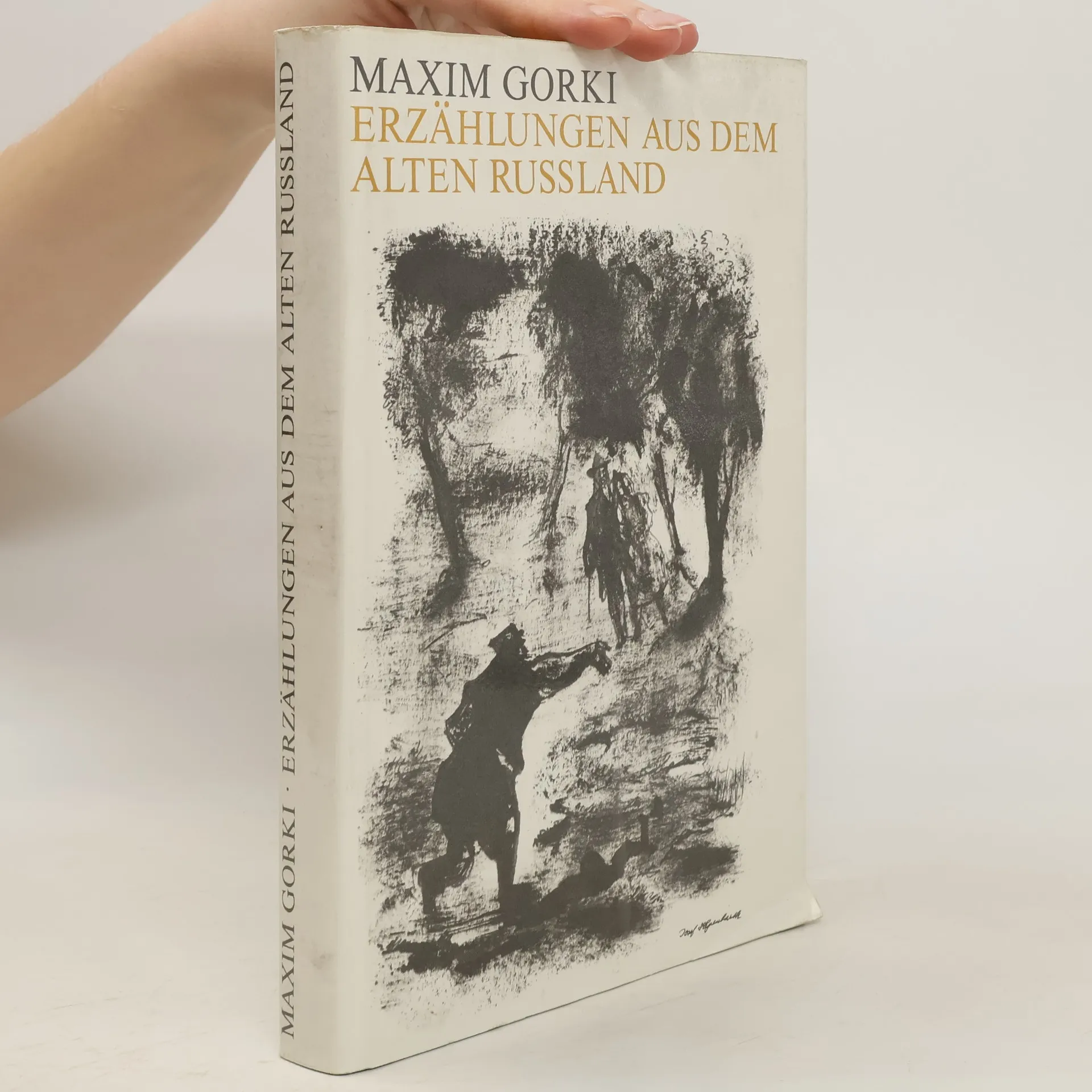
Erzählungen aus dem alten Russland
- 319pages
- 12 heures de lecture
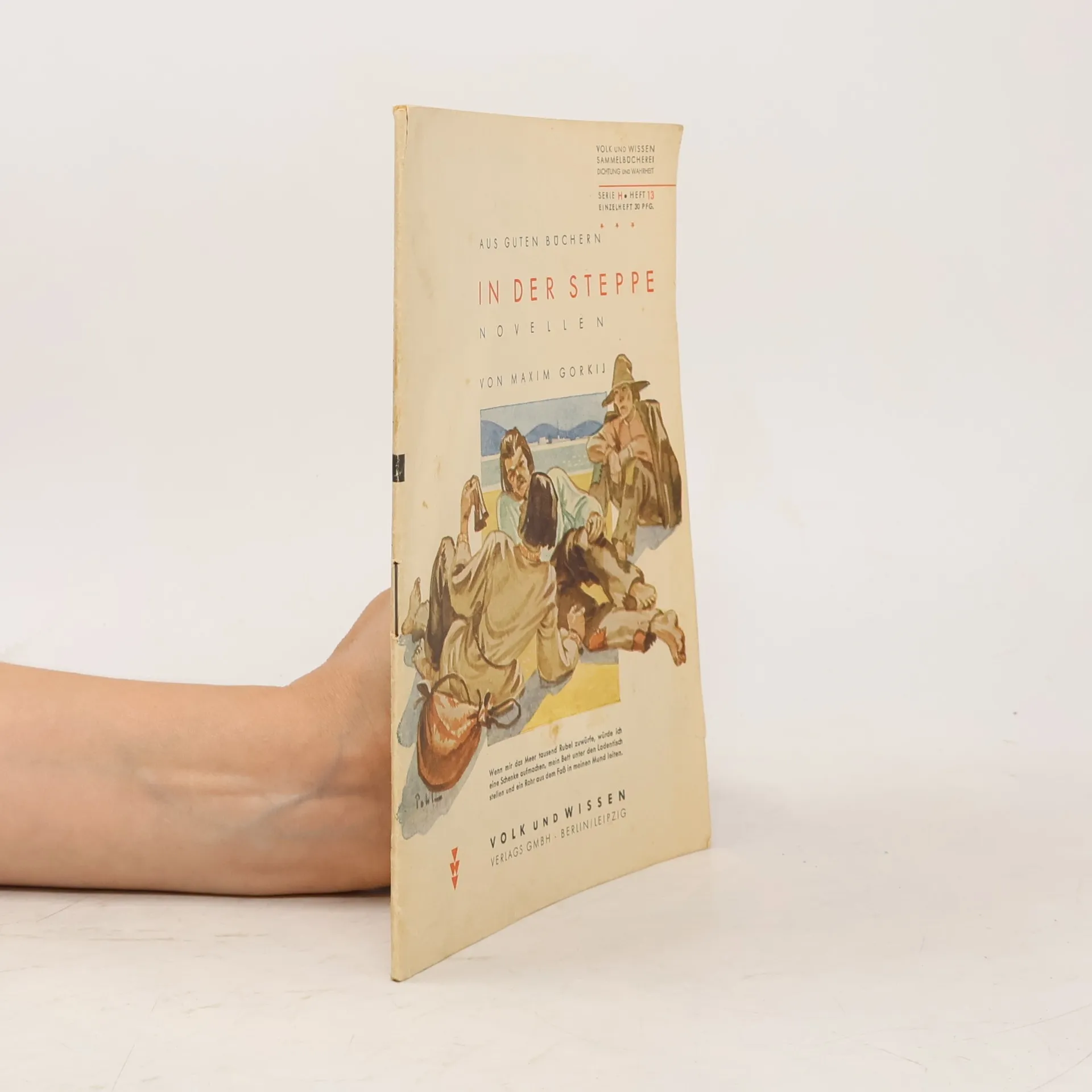
Povídky: Jednou na podzim, Píseň o sokolu, Na vorech, Konovalov, Boles, Zazubrina, Z nudy, V stepi, O čertu, Ještě o čertu. Edice: Světová knihovna; č. 206-8
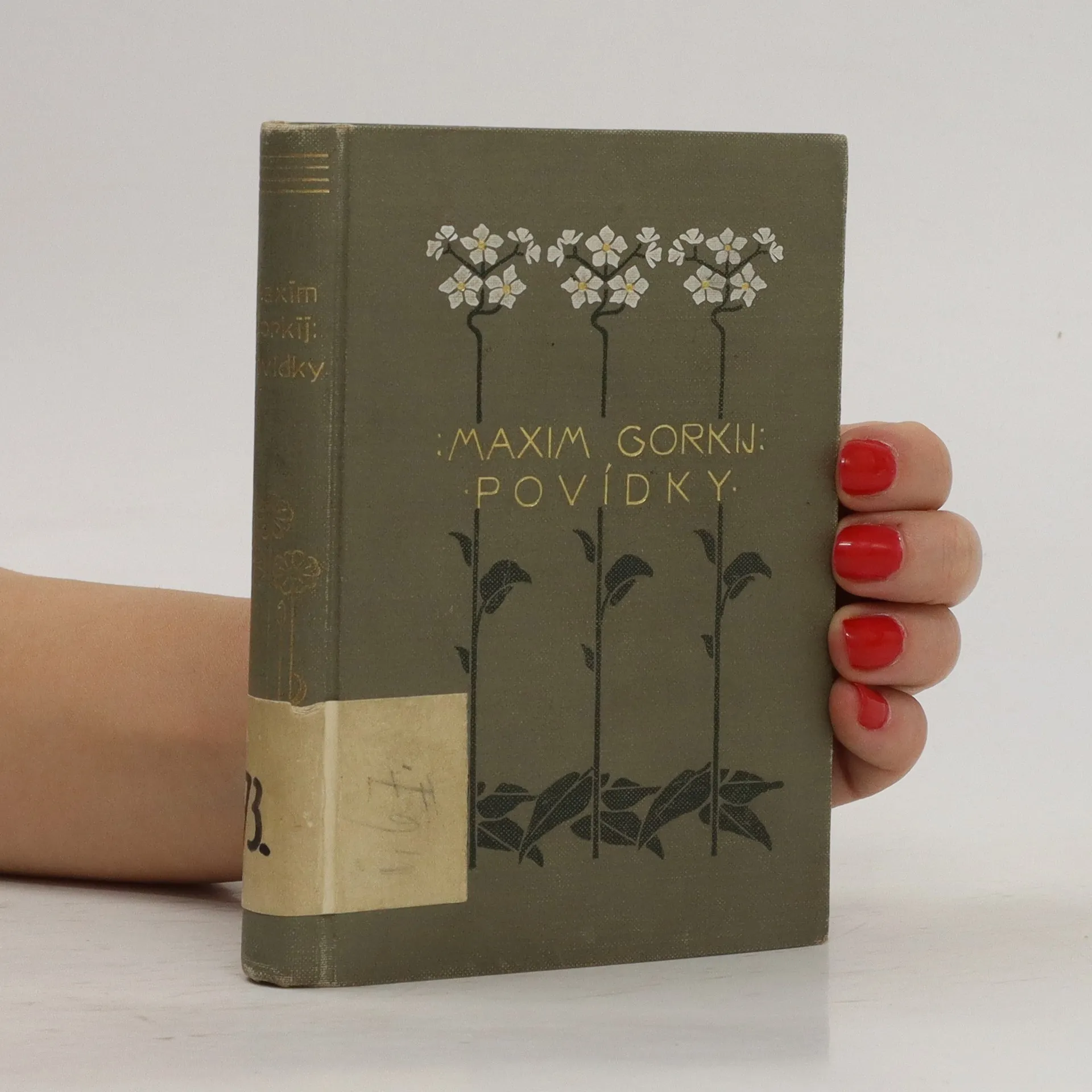
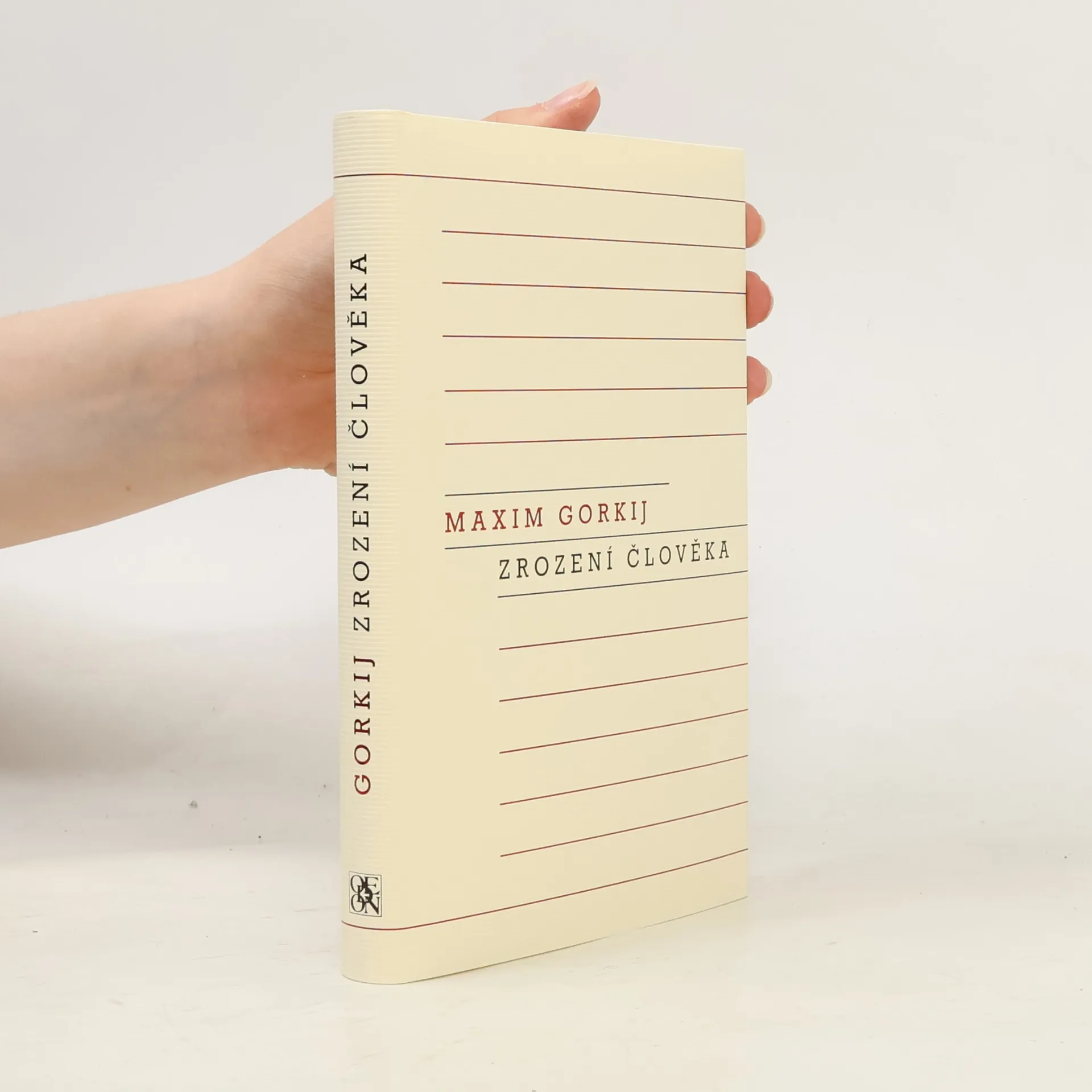
Maxim Gorkij (1868–1936) je jednou z nejpozoruhodnějších postav ruské literatury. Tento skutečný „muž z lidu“ právě mezi oním lidem čerpal témata pro svá malá i velká díla – a tak je i hodnocení jeho tvorby velmi rozmanité: jedni ho označují za génia a mistra literární epiky, jiní zase za pouhého sběratele laciných banalit. Zvláštní místo v jeho uměleckém odkazu zaujímají povídky, jimiž začínal a jejichž psaní se věnoval po celý život. Jak se zdá, zejména autorovy povídky hravě překonávají propast času, která dělí dobu jejich vzniku a dnešek. Výbor nazvaný Zrození člověka vychází v novém překladu Libora Dvořáka.
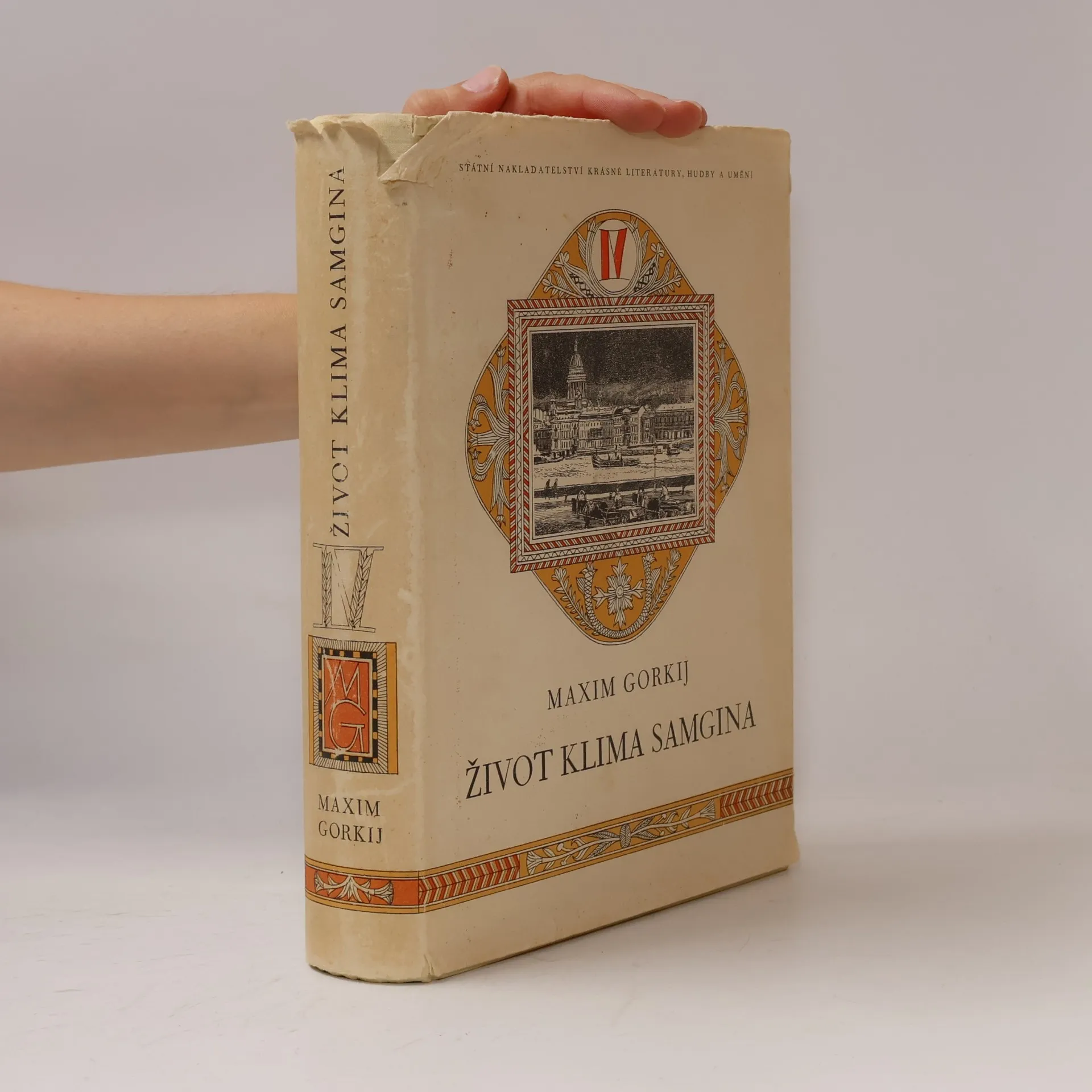
Život Klima Samgina (1925-36) je nedokončená tetralogie, kterou se Gorkij chtěl vyrovnat Dostojevského Bratrům Karamazovovým. Tato románová epopej bývá považována za Gorkého vrcholné dílo, které bylo pro svou komplikovanost dlouho přehlíženo. Na osudu hlavního hrdiny Klima Samgina jsou líčeny osudy ruského intelektuála od 70. let 19. století do roku 1917.
Quasi ogni sabato, prima dei vespri, si udivano uscire, dal sottosuolo di una vecchia e sporca casa appartenente al mercante Petunnikov, le grida furiose di una donna, che si spandevano nello stretto cortile ingombro di ogni specie di tritume, e dove erano costruitele dispense e le tettoie in legno, tutto così vecchio da reggersi appena in piedi. «Fermati! Fermati! Ubriacone!» gridava una donna con voce da contralto. «Lasciami!» rispondeva una voce maschile da tenore.
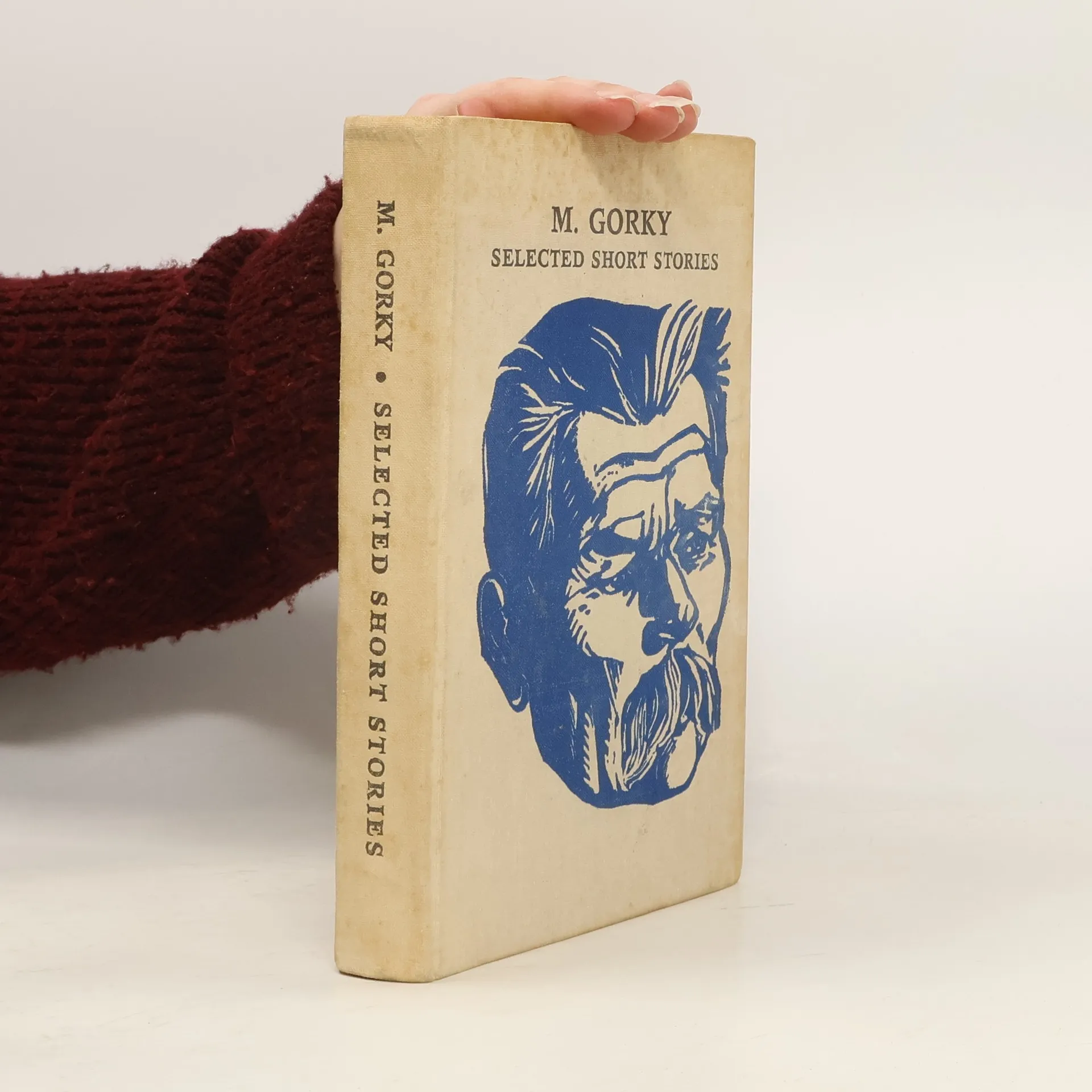
A collection of short stories by the popular and influential Russian author, a founder of the socialist realism literary method and arguably the greatest Russian literary figure of the 20th century. He wrote stories, plays, memoirs and novels which touched the imagination of the Russian people, and was the first Russian author to write sympathetically of such characters as tramps and thieves, emphasizing their daily struggles against overwhelming odds.
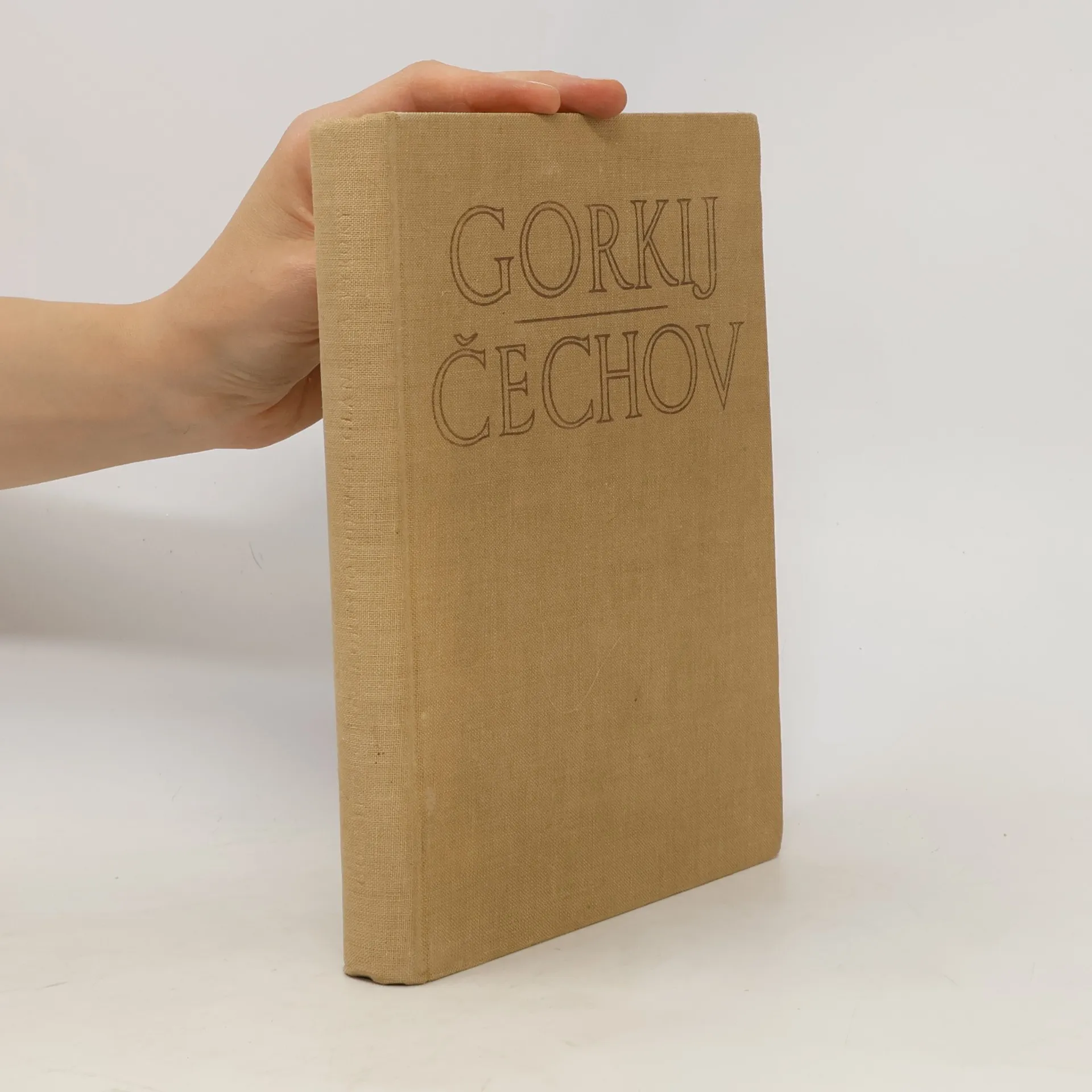
Kniha podává dokumentární materiál, z velké většiny dosud neuveřejněný, o setkáních, korespondenci a vzájemných výrocích obou spisovatelů - doklady nejen vřelého a úctyplného vztahu jednoho k druhému, ale doklady především o tom, jak na Čechovovu pozorovatelskou citlivost, kritičnost avyzrálou životní moudrost, trpící nedostatkem organického sepětí s dělnickou třídou, navázal Gorkij na vyšším vývojovém stupni. Materiály, týkající se převážně dramatické a beletristické tvorby, jsou doplněny výroky, kterými se Čechov i Gorkij jeden o druhém vyslovovali v dopisech jiným osobám i v článcích a memoárech jak z doby osobního styku (1898-1904), tak i z let následujících. Chronologický přehled, zahrnutý v "Dodatcích", obsahuje nejdůležitější fakta ze života a činnosti spisovatelů, data setkání a themata jejich vzájemné korespondence.
Výbor povídek z Gorkého tuláckého období (Jednou na podzim, Můj souputník, Příhoda se sponami, Boles, V stepi, Konovalov, Dvacet šest a jedna, Zrození člověka, Odchod ledů, Na parníku, Žena, Nebožtík, Boží dopuštění, Večer uSuchomjatkina, Kniha, Štěstí, Milý člověk, Psoty Lopoty, NaČangulu, Šprýmař, Nesouhlasím, Cizí lidé, O první lásce) , založených na autentických zážitcích, které autor nasbíral na svých toulkách po jižním Rusku. V námětech otřesných, vytěžených z krizí lidí na dně existence, i v námětech lehce groteskních defiluje galerie lidských typů ze spodiny společnosti, lidí deklasovaných a přitom silných individualit.
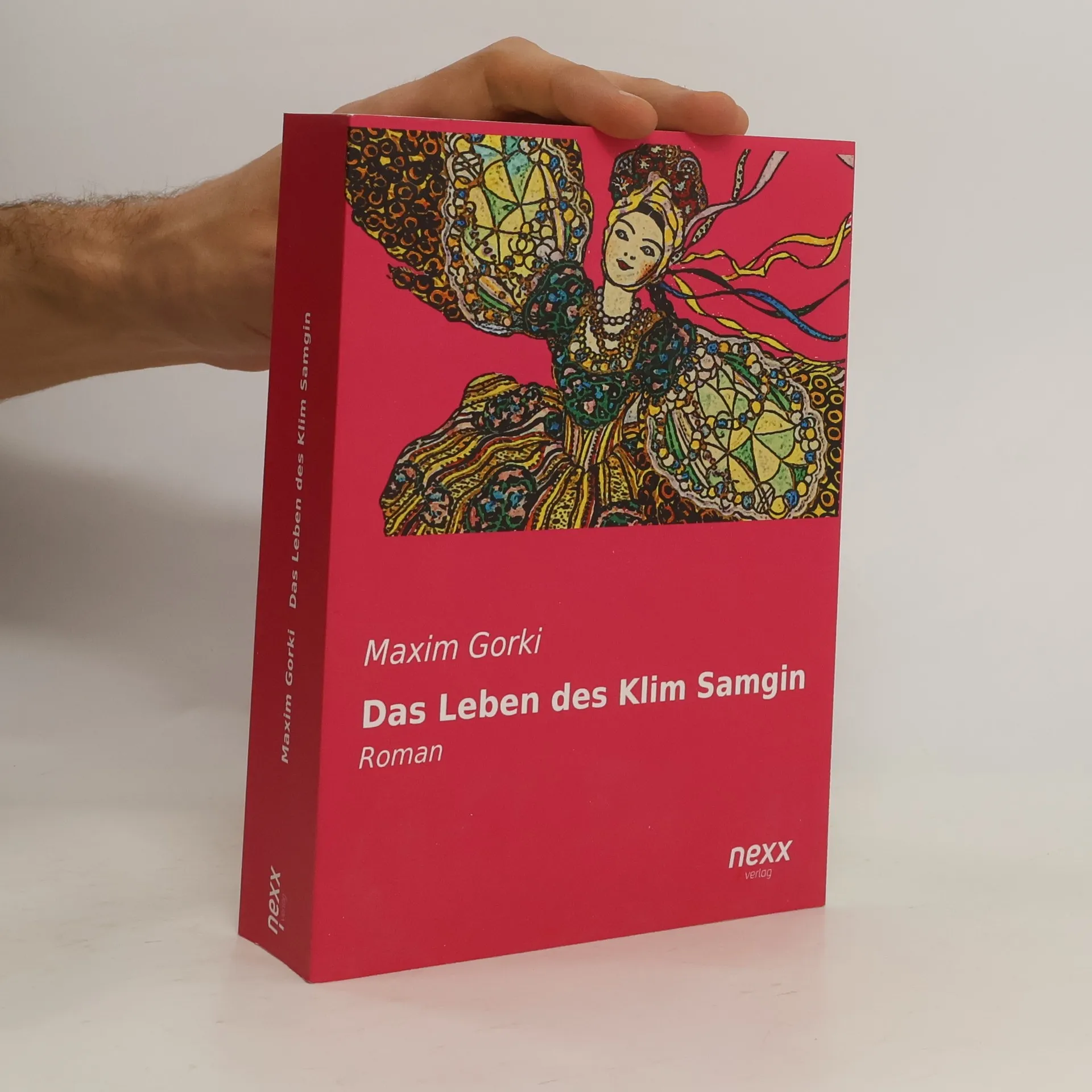
Maxim Gorki\'s (1868 - 1936) richtiger Name war Alexei Maximowitsch Peschkow. Er war der Sohn eines Tischlers. Er bildete sich selbst durch Lesen, wanderte durch die Ukraine, die Krim und den Kaukasus, reiste nach Amerika und Westeuropa. »Das Leben des Klim Samgin« ist Gorkis »Abschiedswerk«, ein vierbändiges Romanfragment, erschienen 1927-1937. Es ist, um es vorweg zu nehmen und eine passende Bezeichnung dafür zu finden, vor allem ein großes Buch, ein Werk, das den Leser sofort einbezieht, ja einsaugt, in seine seltsame, düstere, ungastliche Welt. Viele Leser, die in der Sowjetunion aufgewachsen sind, haben ihre erste Begegnung mit diesem Roman als ein überraschendes Erlebnis beschrieben. Und das, obwohl er offiziell als Muster des sozialistischen Realismus gepriesen wurde. Gleichzeitig ist es ein anspruchsvolles Werk, das durch die geistige Freiheit im vorrevolutionären Russland beeindruckt.
Autorova románová prvotina je tragickým příběhem dobrého a charakterního kupeckého syna, kterého zničilo zatuchlé prostředí jeho rodiny a třídy. Příběh člověka, který nezapadal a vlastně ani nechtěl zapadnout mezi sobě podobné. Je to také ukázka ruské společnosti doby, v níž se děj odehrává a vhled do ošemetnosti rodinných vztahů.
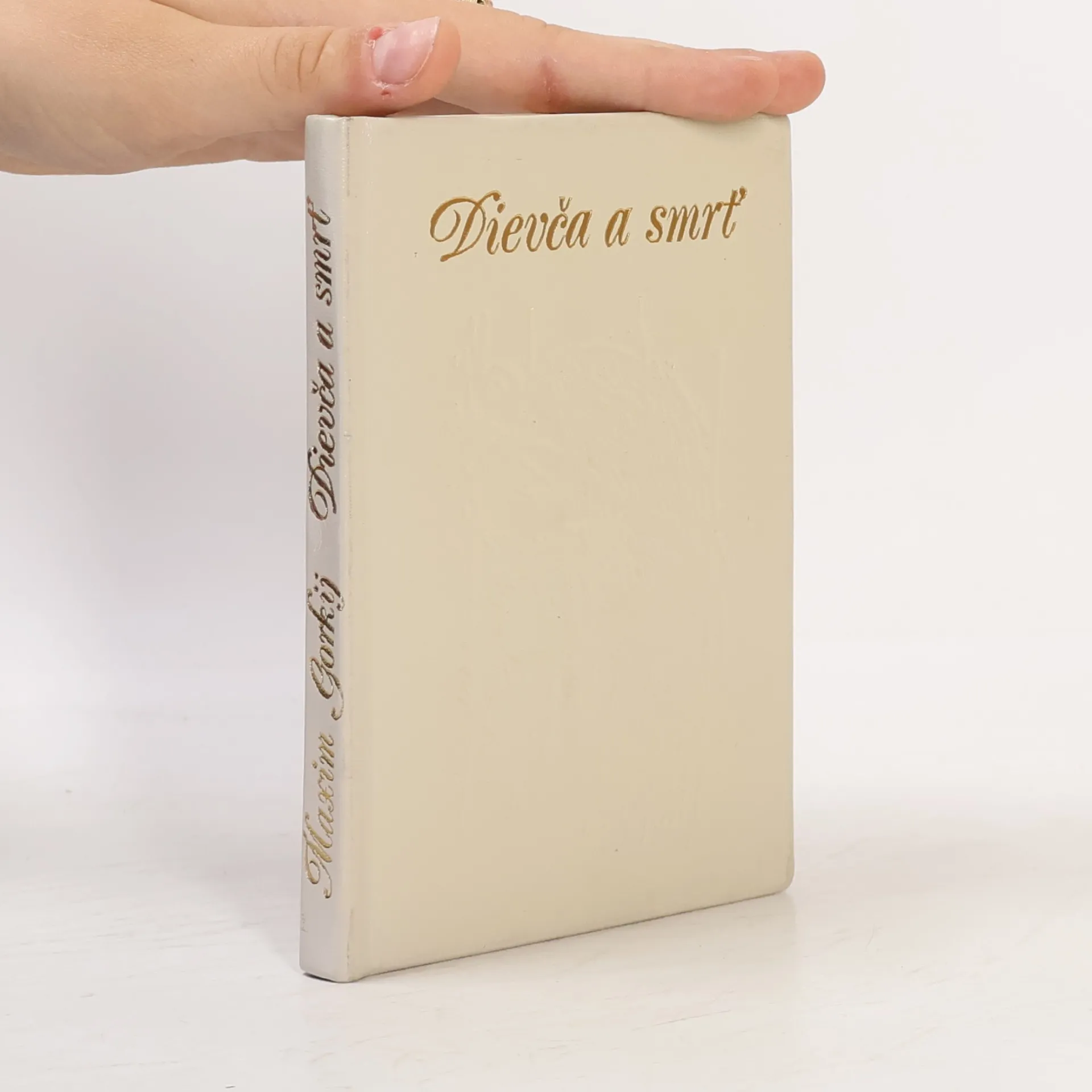
Obsahuje: Dievča a smrť -- Povesť o Markovi -- Zhovory víly a pastiera -- Pieseň babky a ňaňky Eugénie -- Piesne moldavskej dievčiny -- Balada o grófke Hélène de Coursie -- Náreky Felicaty -- Ilermi.
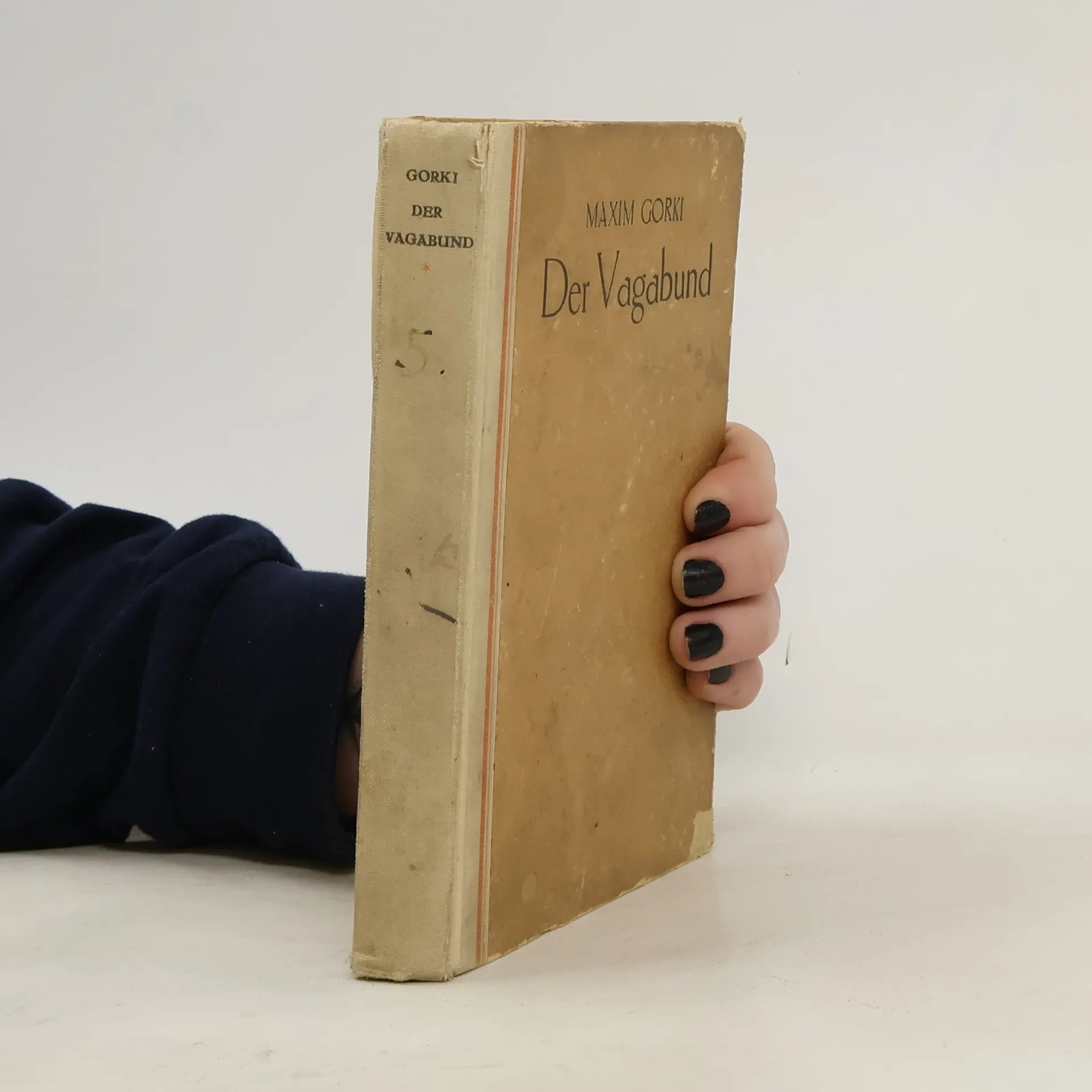
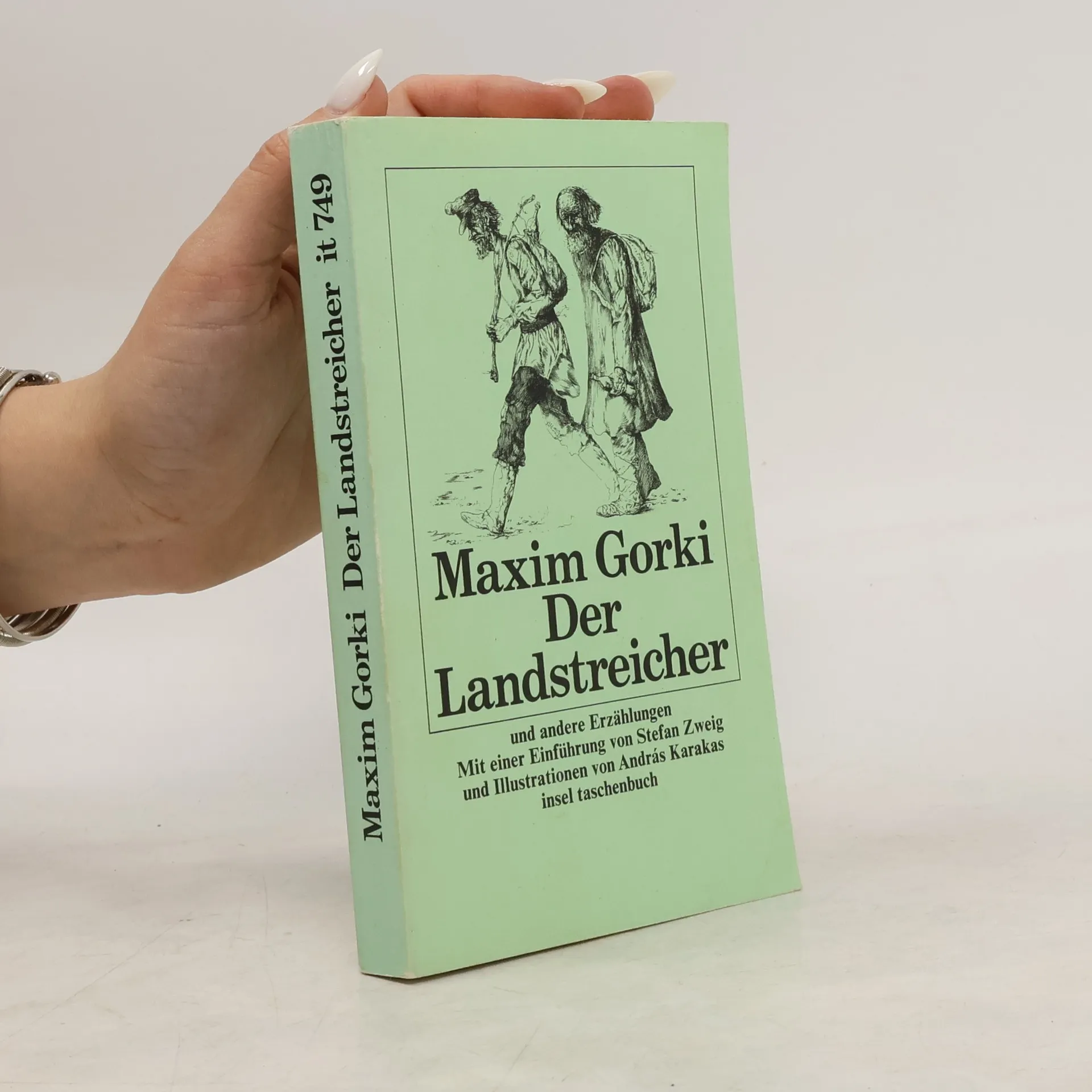
Der Landstreicher und andere Erzählungen
- 308pages
- 11 heures de lecture
Dieser inzwischen klassisch zu nennende repräsentative Querschnitt durch das erzählerische Schaffen des russischen Dichters enthält die Geschichte »Der Landstreicher«, »Die alte Isergil«, »Malwa«, »Sechsundzwanzig und eine« und »Gewesene Leute«.
Maxim Gorki (1868 – 1936) ist der bedeutendste Vertreter des Naturalismus in der russischen Literatur und war nach der Oktoberrevolution, an der er aktiv auf Seiten der Bolschewisten teilnahm, der populärste Autor seines Landes. In der 1905 uraufgeführten Tragikomödie »Kinder der Sonne« schildert er eine Gruppe junger Menschen, die völlig in ihren Träumen, Plänen und Leidenschaften aufgehen und damit wie auf einem fremden Planeten leben. Erst als in der Stadt eine Choleraepidemie ausbricht und ein Lynchmob in das Haus der Sonnenkinder eindringt, zerbricht die Traumwelt.
Poviedky od ruského spisovateľa Maxima Gorkija, ktoré spája spoločná téma - láska. Z obsahu: O maličkej víle a mladom pastierovi, Žena s modrými očami, Poštár, Dora, Vetroplach a veľa iných
Poema, vzniklá na počátku spisovatelovy tvorby (1892) a jedna z mála dochovaných a uveřejněných básnických prací velkého prozaika a dramatika, vychází po prvé v českém překladu. Námět lidové zkazky (bezcitný král odsoudí z rozmaru k smrti dívku, před jejímž mládím a láskou k životuustoupí sama Smrt) učinil Gorkij oslavou síly lidské lásky, která vítězí nejen nad nepřátelskými silami přírody, ale i nad sociálním bezprávím, jež brání člověku žít a radovat se ze světských krás.
Prvý román zamýšľaného cyklu o živote ruského provinčného malomesta od zrušenia nevoľníctva v roku 1861 až po temné roky po revolúcii v roku 1905. Autor sa kriticky stavia k prázdnote, potenciálnej reakčnosti a hnilobnému ničnedelaniu malodušných malomestčanov v predvečer a v priebehu revolučného roku 1905. Na postave rváča, výtržníka a neskôr aj vraha podáva obraz anarchistického individualizmu a upozorňuje na zlo skrývajúce sa v uraženom a zdivočelom malomestčanovi.
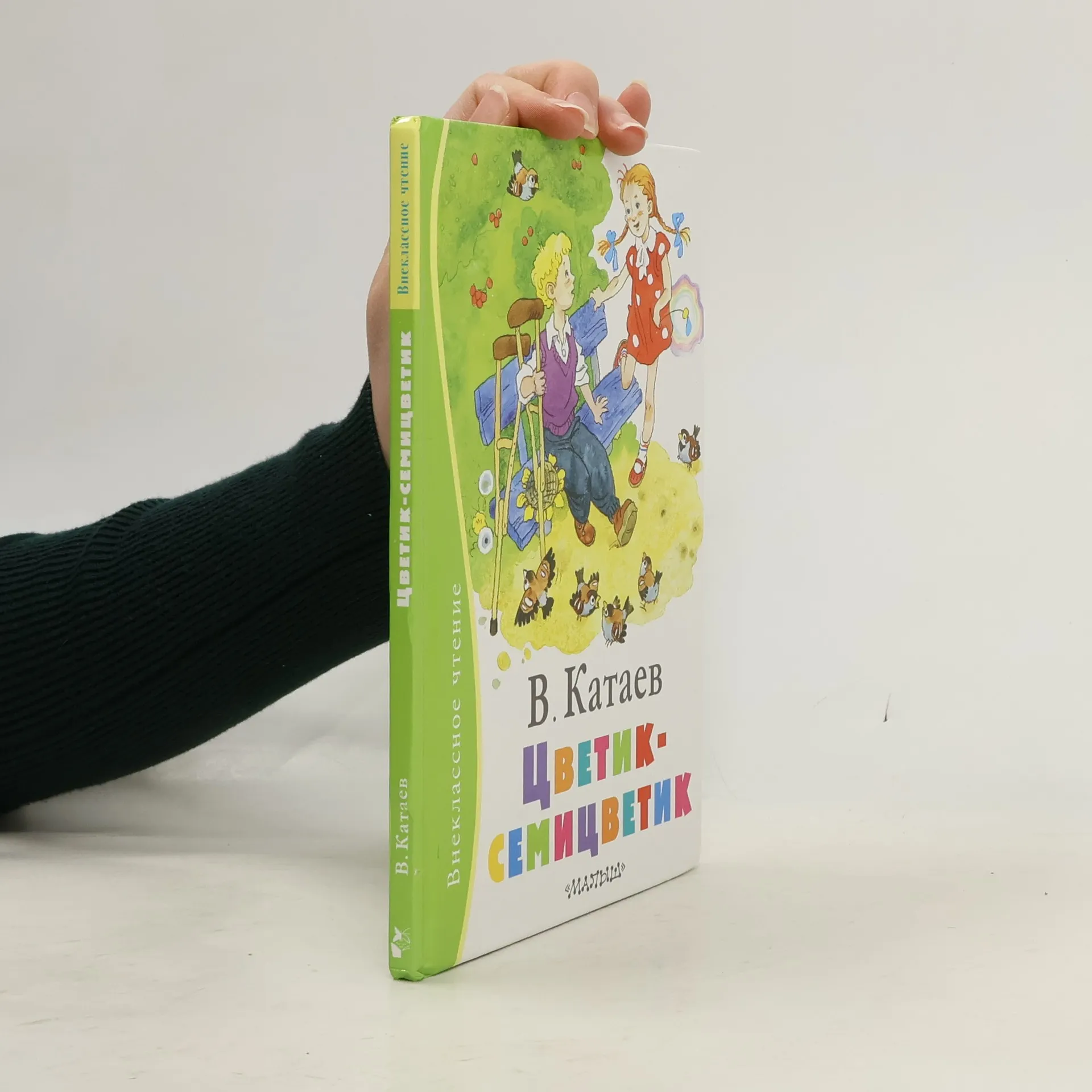
A familiar fairy tale tells the story of a girl named Zhenya, who receives a magical flower that grants any wish. The artist Veniamin Losin has illustrated this tale multiple times. The first version of "The Seven-Color Flower" with his drawings was published in 1960, and this initial edition has become a favorite among many generations of readers.
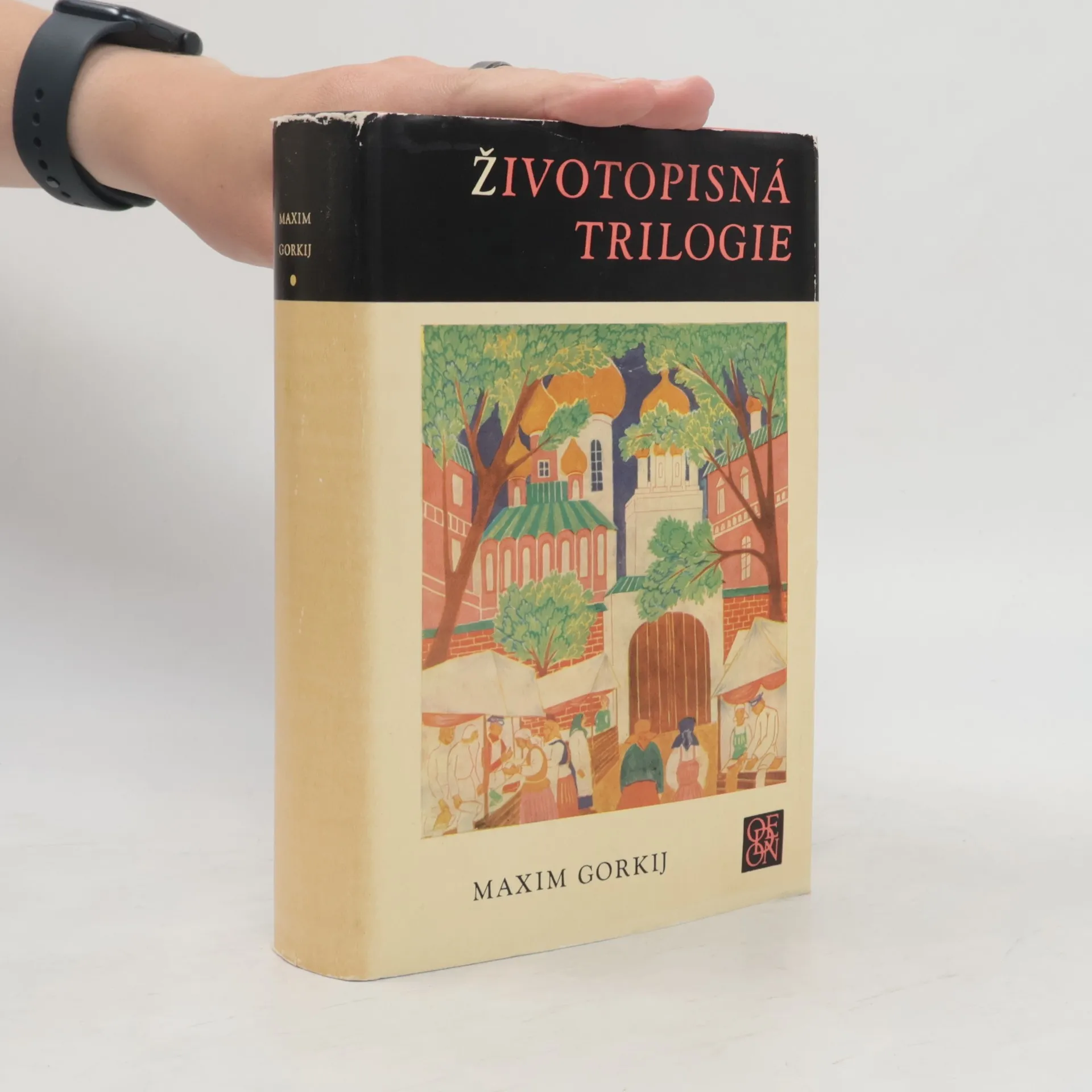
Životopisná trilogie od Maxima Gorkého je soubor tří svazků, které zachycují životní příběhy a osudy jednotlivců v kontextu ruské společnosti na přelomu 19. a 20. století. Hlavní postavy, často odrážející autorovy vlastní zkušenosti, se potýkají s chudobou, nespravedlností a sociálními problémy. Gorkij se zaměřuje na psychologii postav a jejich vnitřní konflikty, což přispívá k hloubce a komplexnosti vyprávění. Trilogie se skládá z autobiografických prvků, které se prolínají s fikcí, a zkoumá témata jako je boj za přežití, touha po svobodě a hledání identity. Autor se snaží přiblížit čtenářům realitu života prostých lidí, jejich sny a zklamání, a zároveň kritizuje společenské struktury, které tyto osudy formují. Gorkijův jazyk je prostý, ale výstižný, což umožňuje čtenářům snadno se ztotožnit s postavami a jejich situacemi. Celá trilogie je významným příspěvkem k ruské literatuře a poskytuje cenný pohled na dobu, ve které vznikla.
Výbor z povídek (Zrození člověka, Jedou, "Psoty Lopoty", Desetník, Jednou na podzim, O první lásce, O neopětované lásce, Dvacet šest a jedna, Konovalov, Boles, Gubin, Nesouhlasí, V stepi, Na parníku, Vaňka Mazin, Poustevník, Zkazky o Itálii Vll, Xll, XIII, XXVI) spisovatele, který "se od dětství toulal po stepích, řekách, pobřežích, brlozích, cestách a necestách carského Ruska, sám byl jedním z jeho tuláků a přinesl si do literatury jejich zkušenost" (M. Drozda). Příběhy zlomených lidí v nejrůznějších životních prostředích, příběhy milostné prostoupené erotickou vitalitou, příběhy tuláků vyznávajících přírodní volnost v kontrastu s nesvobodným řádem společenským.
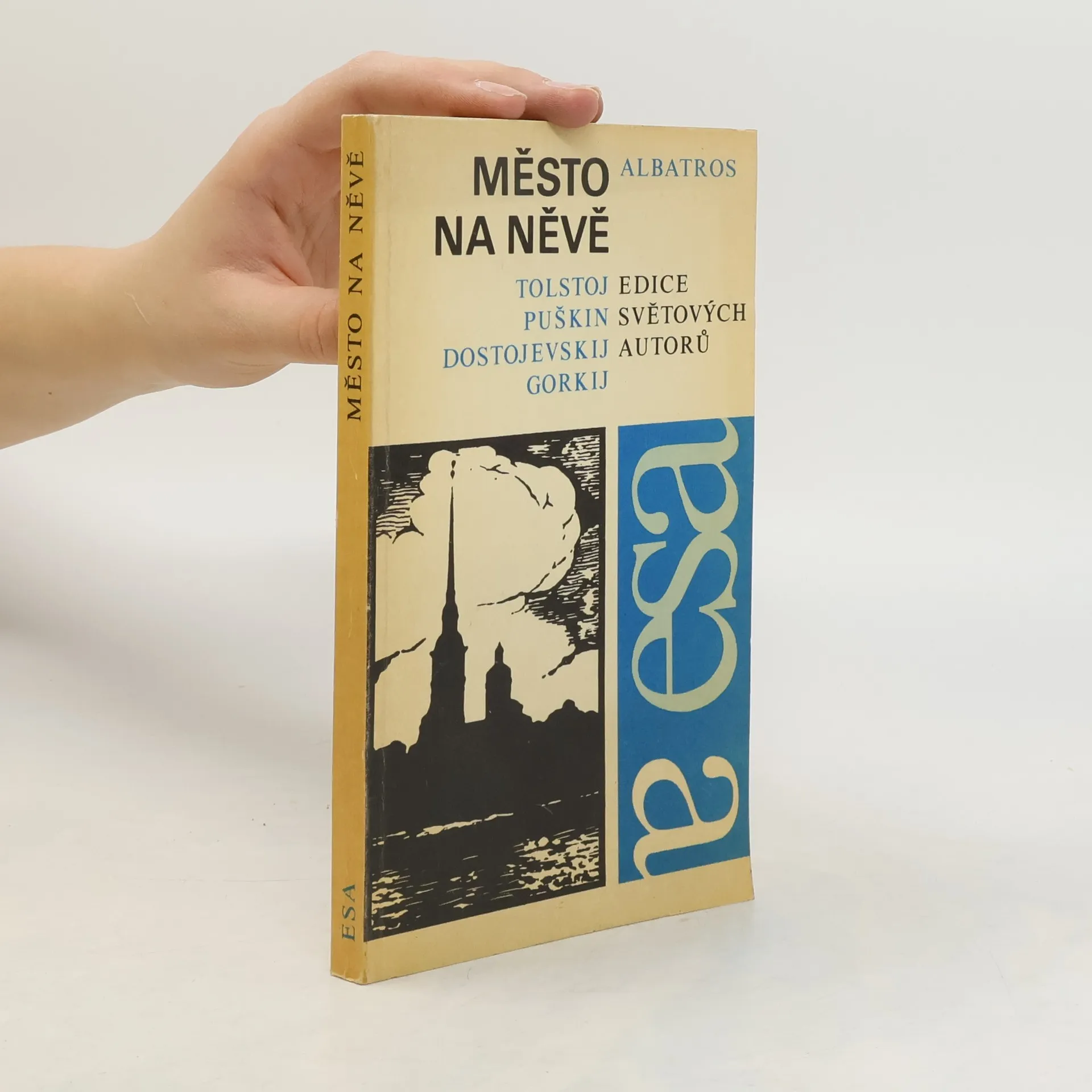
Básnická kronika Petrohradu. Výběr veršů i próz tematicky spjatých s Leningradem, bývalým Petrohradem. Jsou v něm zastoupeni A. S. Puškin, N. V. Gogol, A. Tolstoj, A. Blok, M. Gorkij, V. Majakovskij aj. Úryvky z děl jednotlivých autorů jsou provázeny historickým výkladem. Kniha je doplněna stručnými biografickými údaji o autorech, nástinem nejdůležitějších událostí v životě města, slovníčkem cizích slov a vysvětlivkami.
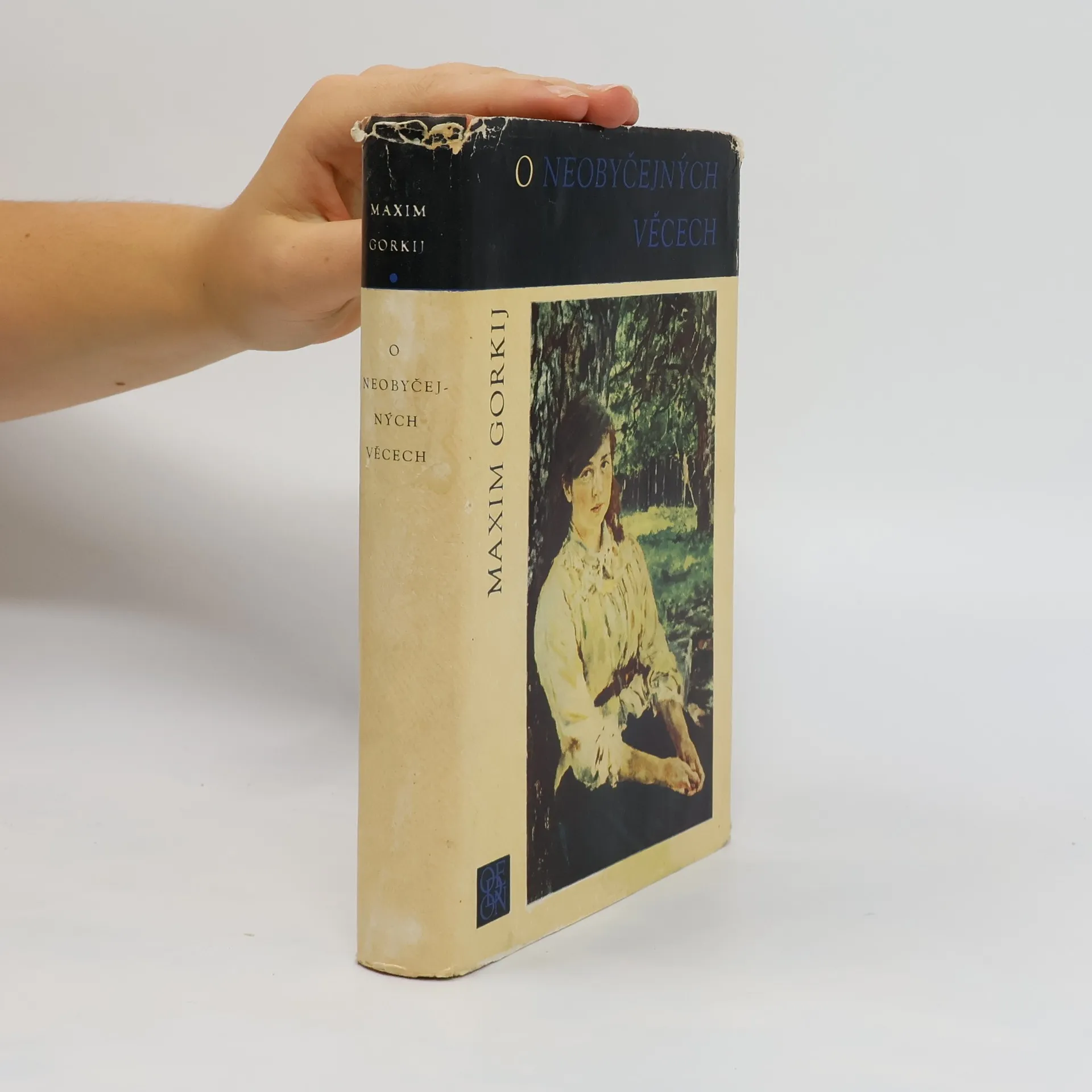
Cyklus mistrovských próz z let 1922-1924 (O neopětované lásce, Poustevník, O hrdinovi, O jednom románě, Karamora, Anekdota, O neobyčejných věcech, Blankytný život, Divadelní zkouška, O švábech). Jejich tématem je láska k ženě,láska k životu, rozpad osobnosti, tragika buržoazního individualismu, lidská existence odchýlená od normálního běhu života. V souhrnu jsou povídky svědectvím o složité době a zmatku starého ruského života, varováním před temnými stránkami minulosti. Některé z nich byly přípravnou prací autorovou k rozsáhlým románům, povídka O hrdinovi byla skicou k románu Život Klima Samgina. Svazek je volným pokračováním Gorkého povídek vydaných pod názvem Jednou na podzim (Odeon 1971).
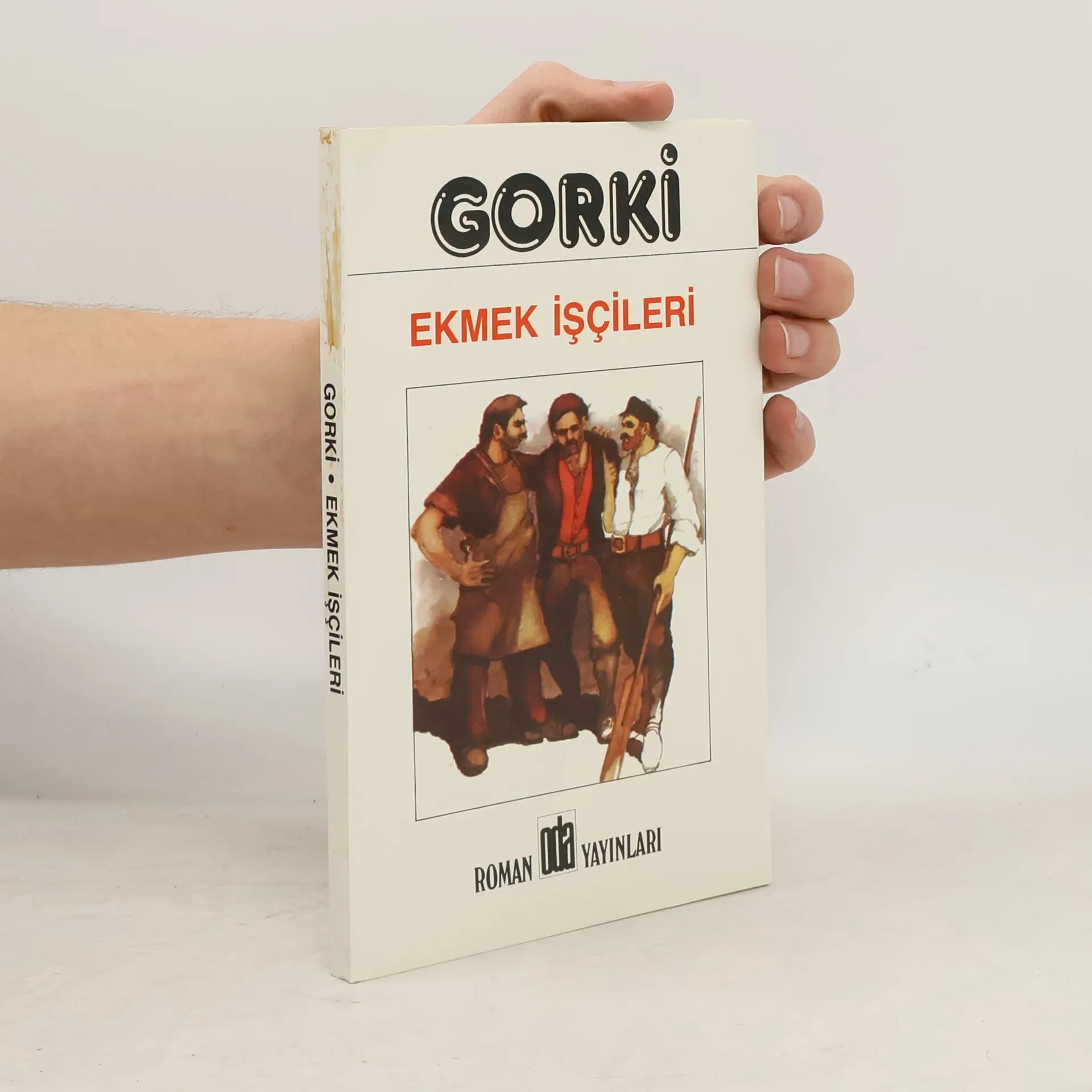
Ekmek İşçileri
- 160pages
- 6 heures de lecture
Gorki'nin yaşamında fırınların ve ekmek işçilerinin özel bir yeri vardır. Fırınlar, onun Üniversiteleri'nden biriydi. O dönem Rusya'sında fırınlar tıka basa yasak kitaplarla dolu olan birer siyasal eğitim yuvasıydı. Genç Gorki, devrimci hareketin yoğun merkezlerinden biri olan Kazan'ad uzun yıllar hem ekmek işçiliği yapmış, hem de gizli devrimci eylemlere katılmıştı. İşte bu romanında, ilk kez çalıştığı fırınlardan birini anlatıyor. Gelişi güzel ve genellikle rastlantılara bağlı olan siyasal eğitimi konusunda şöyle diyor Gorki: Bana marksist diyorsunuz; elbet öyleyim. Ama Marks'a göre değil, hamurum böyle yoğrulduğu için... Kitaplardan çok ve daha iyi marksizmi Kazan'daki eski ekmek işçisi Semenov'dan öğrendim.
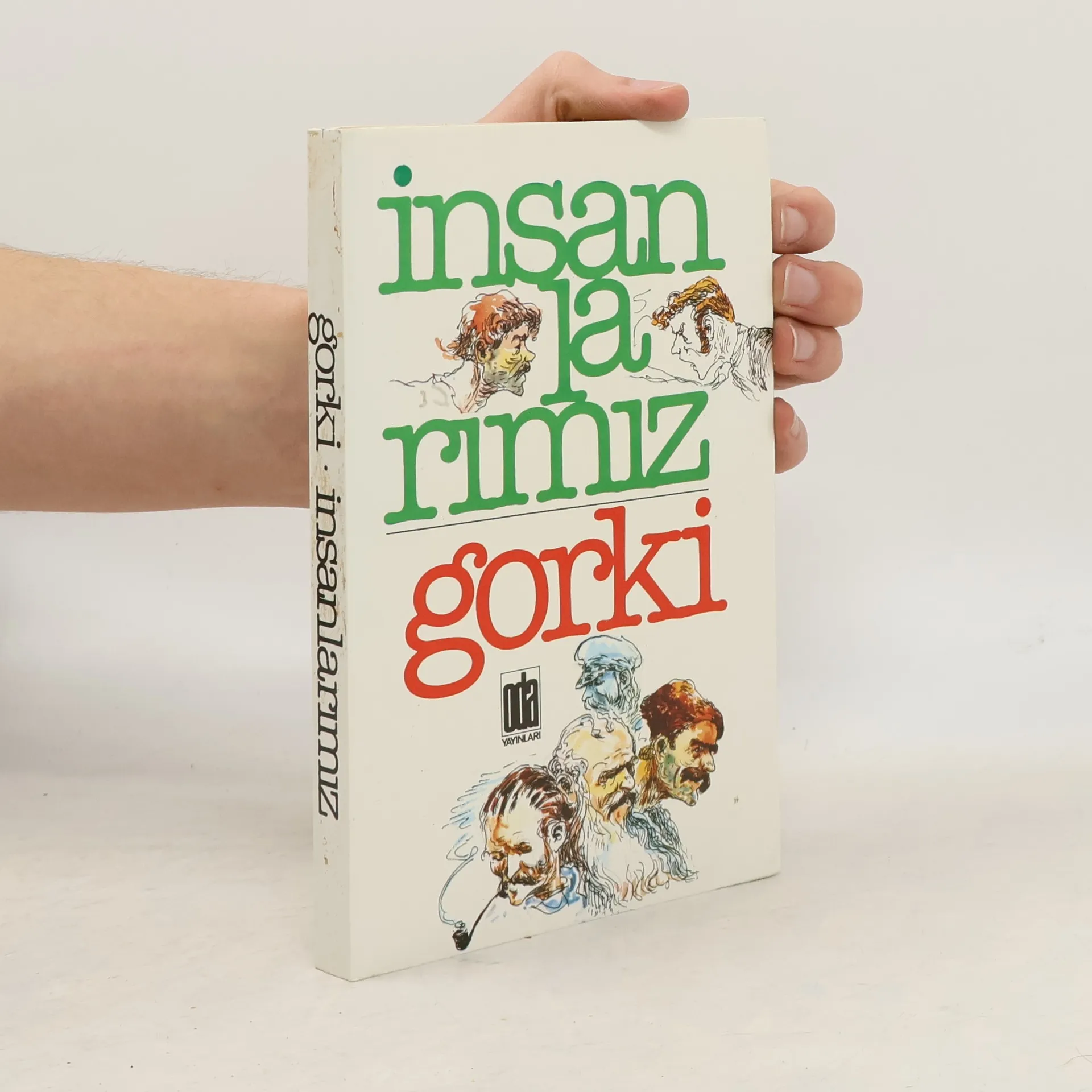
İnsanlarımız
- 269pages
- 10 heures de lecture
"... Yarım yüzyıl boyunca bu tür insanlar arasında yaşadım. Umarım bu kitap gerçeği yazmak istediğimde yazabildiğimi gösteren yeterli bir kanıt yerine geçer..."SİT
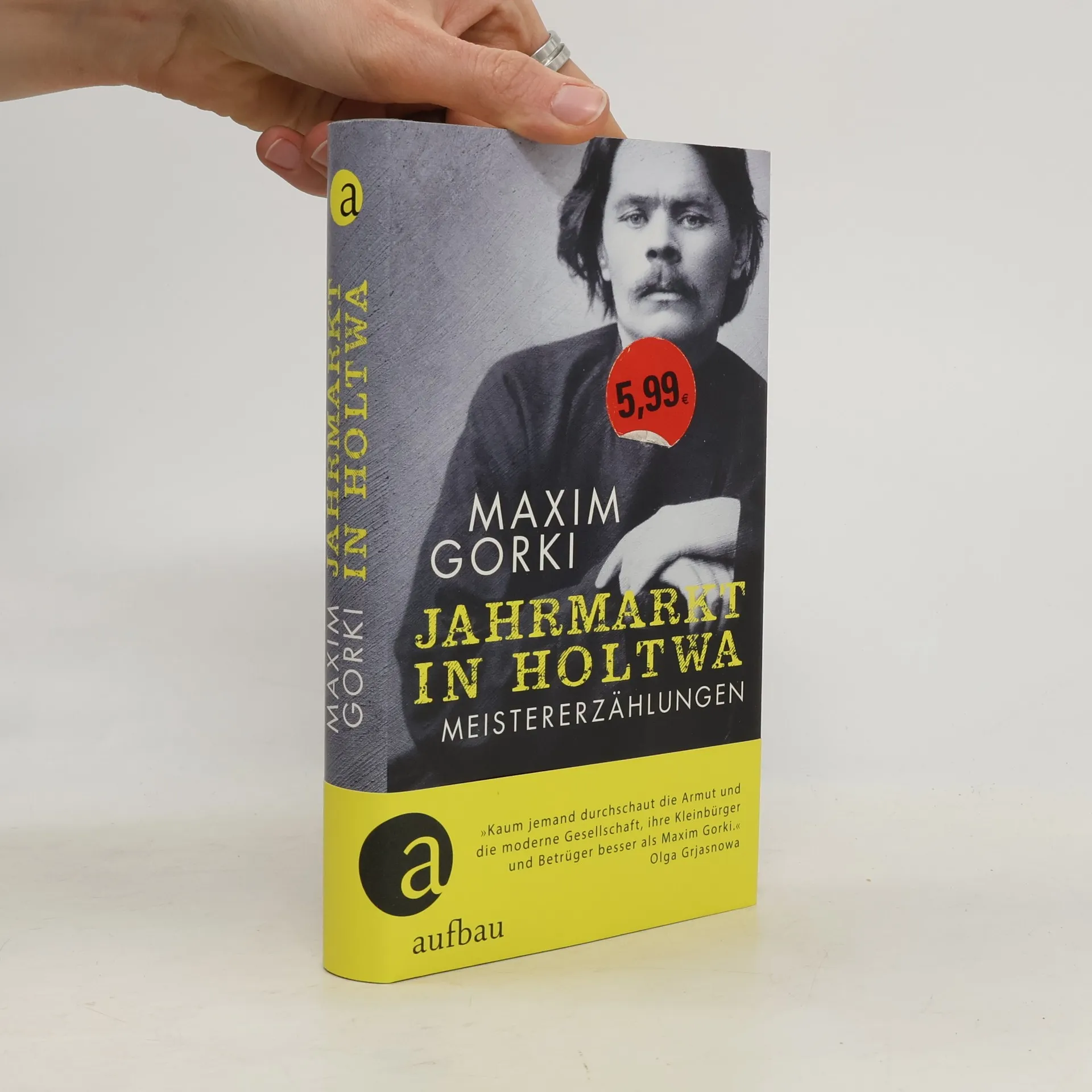
Einem der bekanntesten und umstrittensten Autoren Russlands zum 150. Geburtstag – Maxim Gorki. Als junger Mann aus dem Volk wurde er mit seinen ersten Erzählungen in ganz Europa berühmt. Die Texte dieser Auswahl, die in der Neuübersetzung von Ganna Maria Braungardt frisch erstrahlen, entstammen vorrangig der frühen Phase seines Schaffens, als seine ursprüngliche Kraft noch ihren ganzen Zauber ausübte. Sie zeigen, warum wir ihn heute wieder lesen sollten. Meistererzählungen in neuer Übersetzung
Ve svých 17 letech se stal Gorkij pomocným dělníkem v Semjonově preclikárně. Preclikáři a pekaři podniku byli lidé ustrašení a pokorní, spoutaní předsudky, že zaměstnavatel je "pán", který je "krmí", že je třeba mít na paměti "čí chleba jíme" a pod. Mladý Gorkij jim čte a vypráví, snaží se vznítit v nich touhu po lepším životu. Majitel pekárny, vychytralý podivín, opilec a despota, neomezený vládce nad životy svých čtyřiceti zaměstnanců, vytrvale seznamoval Gorkého se svou "životní politikou": jedni musí pracovat, druhým je dáno, aby je vedli, tyli z nich. Nakonec se zedření a prací otupělí dělníci jednomyslně postavili proti zaměstnavateli. Osnovatelem stávky byl Gorkij. - Pekař Semjonov je prvním uměleckým zpracováním tohoto raného období proletářského boje. (Podle předml.)
Im Sommerhaus des Rechtsanwalts Bassow trifft sich die gebildete russische Mittelschicht. Man vertreibt sich die Zeit mit Affären, Ausflügen und Alkohol. In Gesprächen analysiert man die Sinnlosigkeit und Verlogenheit der eigenen Existenz, bleibt aber innerlich unberührt. Doch die träge Urlaubsstimmung kann nicht darüber hinwegtäuschen, dass sich am Horizont tiefgreifende gesellschaftliche Veränderungen andeuten. Gorkis Stück, 1904, ein Jahr vor der Russischen Revolution, uraufgeführt, löste einen Skandal aus. Mit einem Nachwort und Anmerkungen.
Nach »Meine Kindheit« und »Unter fremden Menschen« vollendete Maxim Gorki 1923 mit »Meine Universitäten« die autobiographische Romantrilogie über seine frühen Lebensjahre: 1885 nimmt der Icherzähler das Studium an der Universität von Kasan auf. Dort gerät er in Kontakt mit politisierende Studenten und liest erstmals die Schriften von Marx und Darwin. Zugleich schließt er sich Landstreichern und Proletariern an, in denen er die eigentlichen Lehrer seiner »Universitäten« zu erkennen glaubt. Durch seinen revolutionären Eifer zunehmend isoliert findet der Erzähler erst nach einer schweren Lebenskrise zu seiner eigentlichen Bestimmung ...
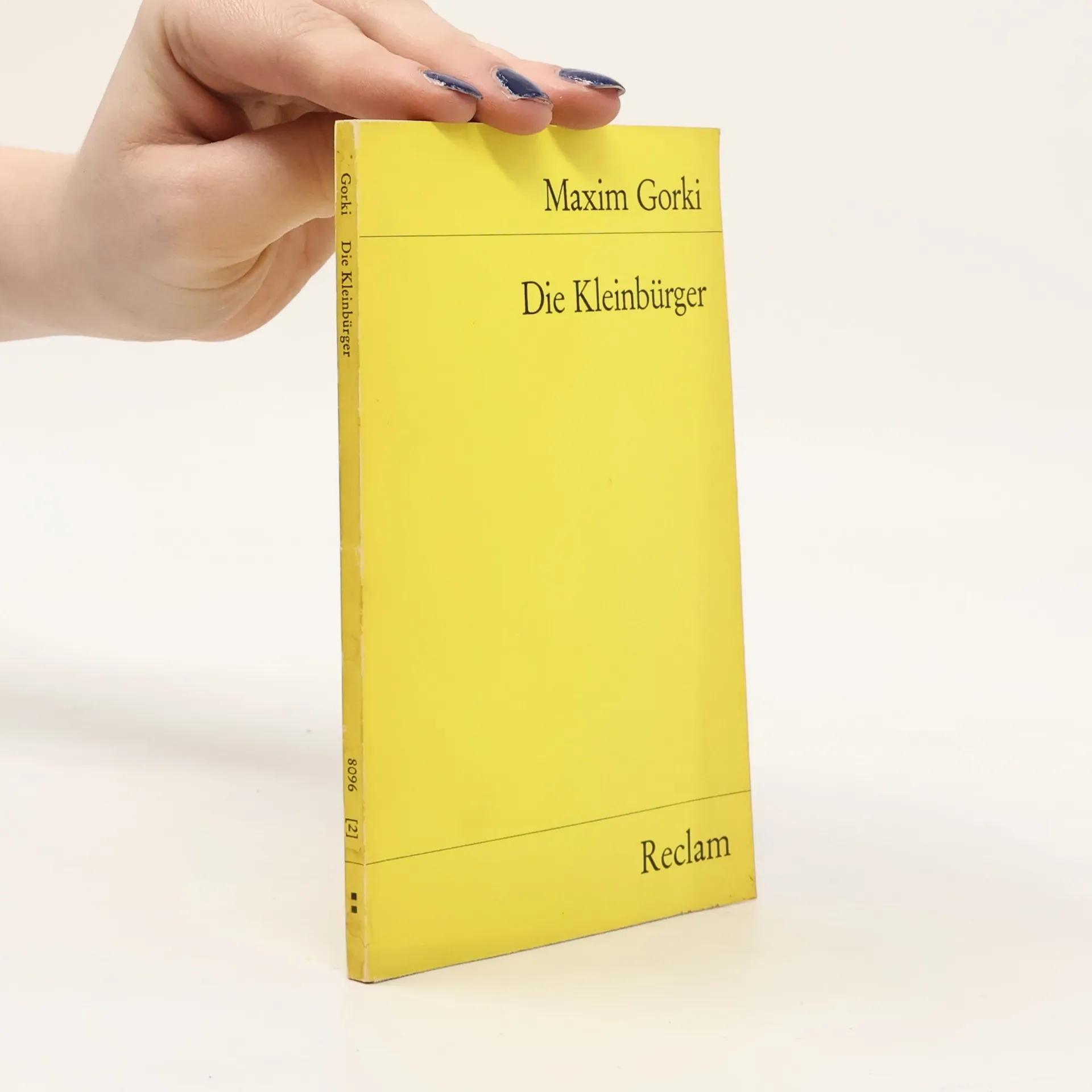
Die Kleinbürger
- 128pages
- 5 heures de lecture
„Meschane“ ist das erste Stück von Maxim Gorkij, das 1901 geschrieben wurde. Es handelt von den Lebensumständen und der Mentalität der Kleinbürger, die in einem Haus leben, das von der Familie Bessemenow bewohnt wird. Die Handlung entfaltet sich in vier Akten und beleuchtet die sozialen Spannungen und Konflikte, die das Leben der Protagonisten prägen.
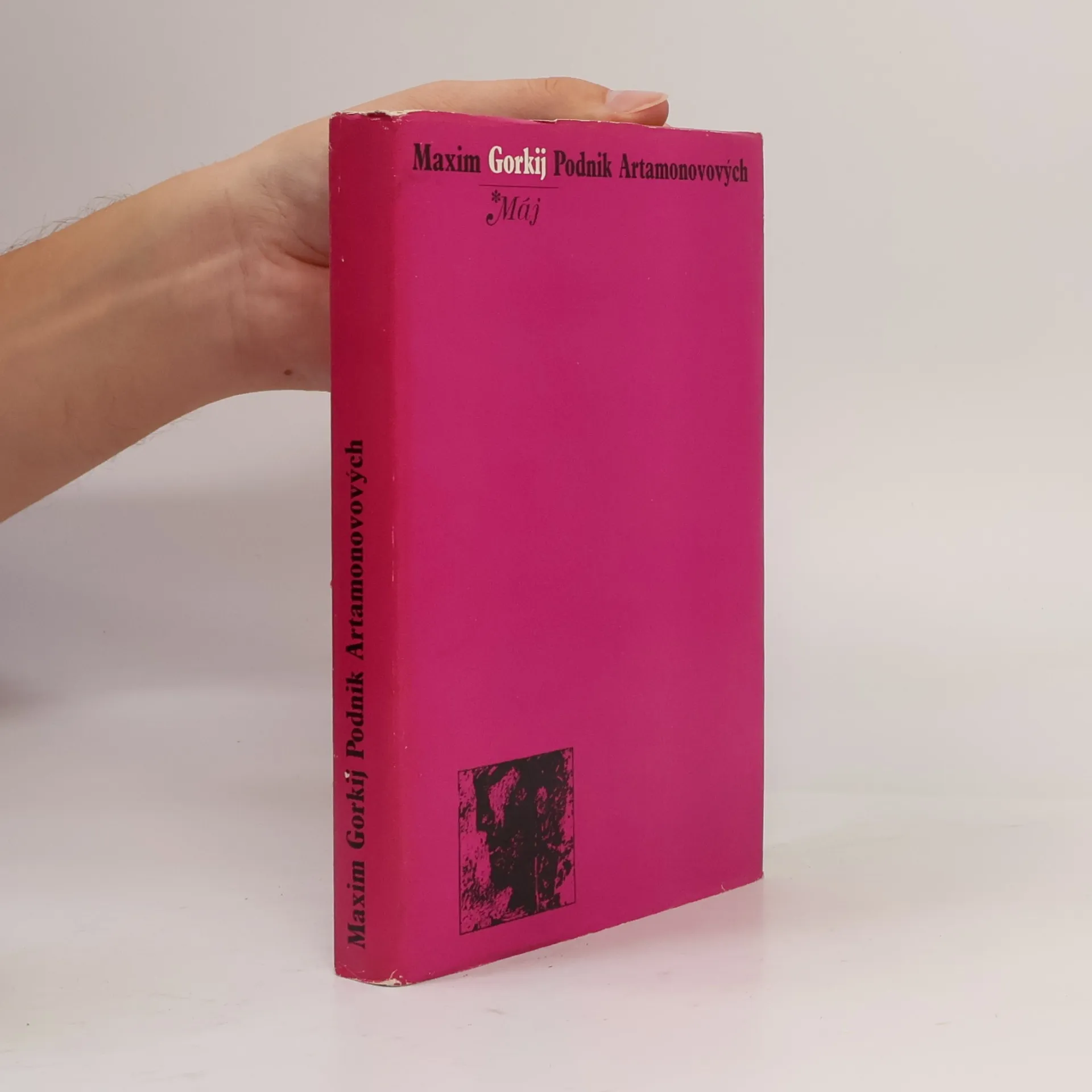
Románová historie ruské buržoazie, v které autor na třech generacích rodiny Artamonovových popisuje její bouřlivý zrod, období rozmachu a úpadku. První z generace, zpupný a bezohledný muž, staví na zapadlé vesnici továrnu a likviduje patriarchální způsob života. Jeho synové se stávají otroky otcova podniku, v němž se už projevují nové společenské síly. Rozvrat nastává i v rodinném a osobním životě rodiny, v jejích mravních principech. Ve třetím pokolení rozklad vrcholí a životaschopnost rodu zaniká.
Gesammelte Schriften
Band 4-6
Warenka Olessow
Und andere Erzählungen