Fighting in a World on Fire
- 272pages
- 10 heures de lecture
An argument for bold action to halt climate destruction, adapted for young people from Andreas Malm's best-selling book by an experienced educator.


Andreas Malm est l'auteur de Fossil Capital, lauréat du prix commémoratif Isaac et Tamara Deutscher. Son œuvre propose une critique du capitalisme et de sa relation avec l'environnement. Les écrits de Malm examinent comment les systèmes économiques contribuent au changement climatique et aux crises écologiques, plaidant pour des solutions radicales. Il se concentre sur les racines historiques des problèmes environnementaux et sur la nécessité d'une transformation systémique.

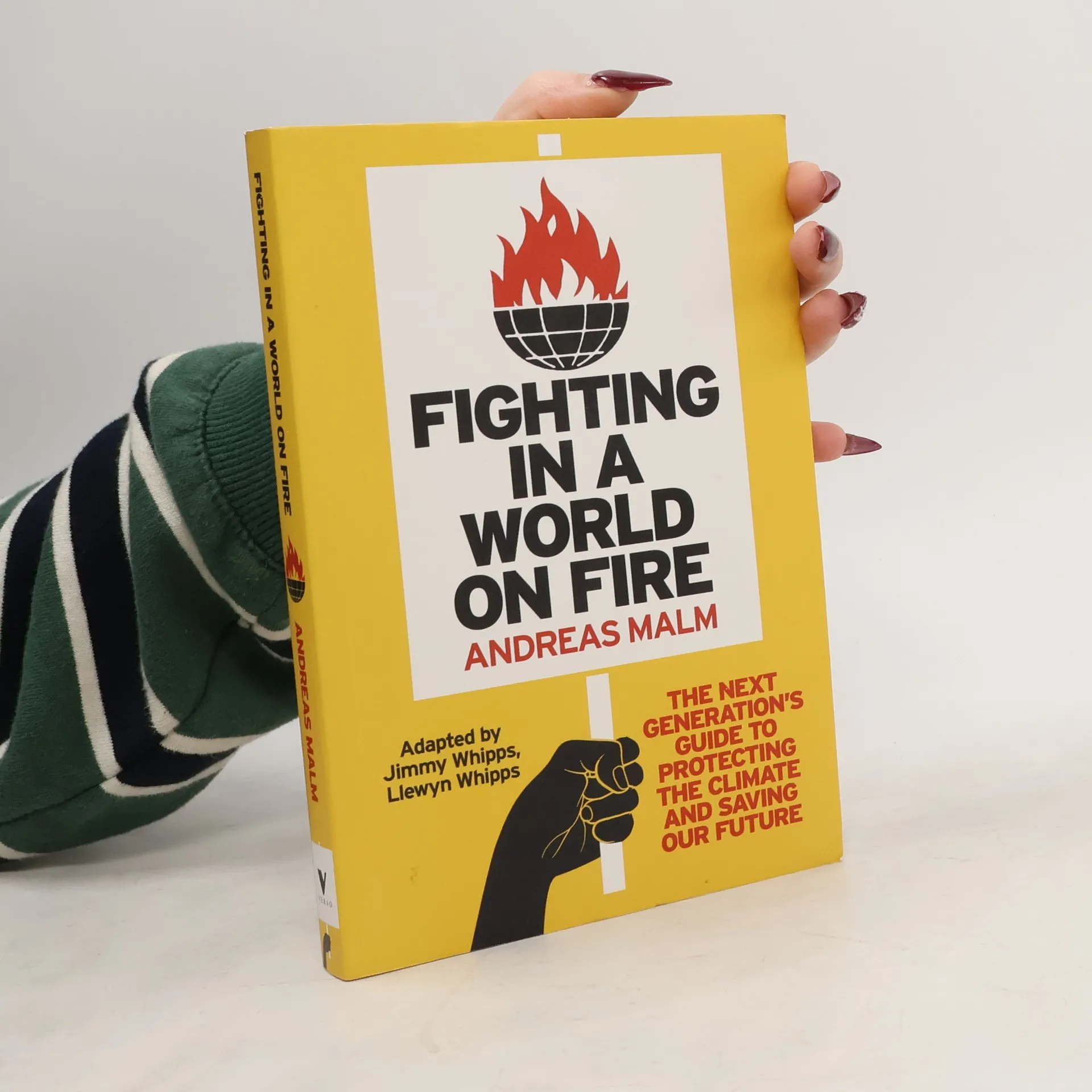
An argument for bold action to halt climate destruction, adapted for young people from Andreas Malm's best-selling book by an experienced educator.
Nach der Krise ist vor der Krise ist in der Krise. In seinem hellsichtigen Essay, geschrieben in Berlin in den Wochen des Lockdown, der nicht nur Deutschland im Frühjahr 2020 zu einem abrupten Stillstand zwang, wirft der Klimaaktivist und Humanökologe Andreas Malm die entscheidenden Fragen Wie war es möglich, dass die Staaten des globalen Nordens angesichts der COVID-19-Pandemie so effektiv und entschlossen handelten – und im Hinblick auf die Erderwärmung immer noch nichts tun? Woher kommt die Sehnsucht nach einer Rückkehr zum Normalzustand, der längst schon keiner mehr ist? Und welche Schlüsse lassen sich aus der Kriegsrhetorik, in der über die Pandemie gesprochen wurde, für den Kampf gegen den eigentlichen Krankheitserreger ziehen? Jenem Krankheitserreger, der in Corona nur eine seiner Formen fand, die Es gilt, der Zeit der Untätigkeit in Anbetracht des globalen Feindes namens Klimakrise ein entschlossenes Ende zu bereiten.
What does the CO-VID 19 tell us about the climate breakdown, and what should we do about it?
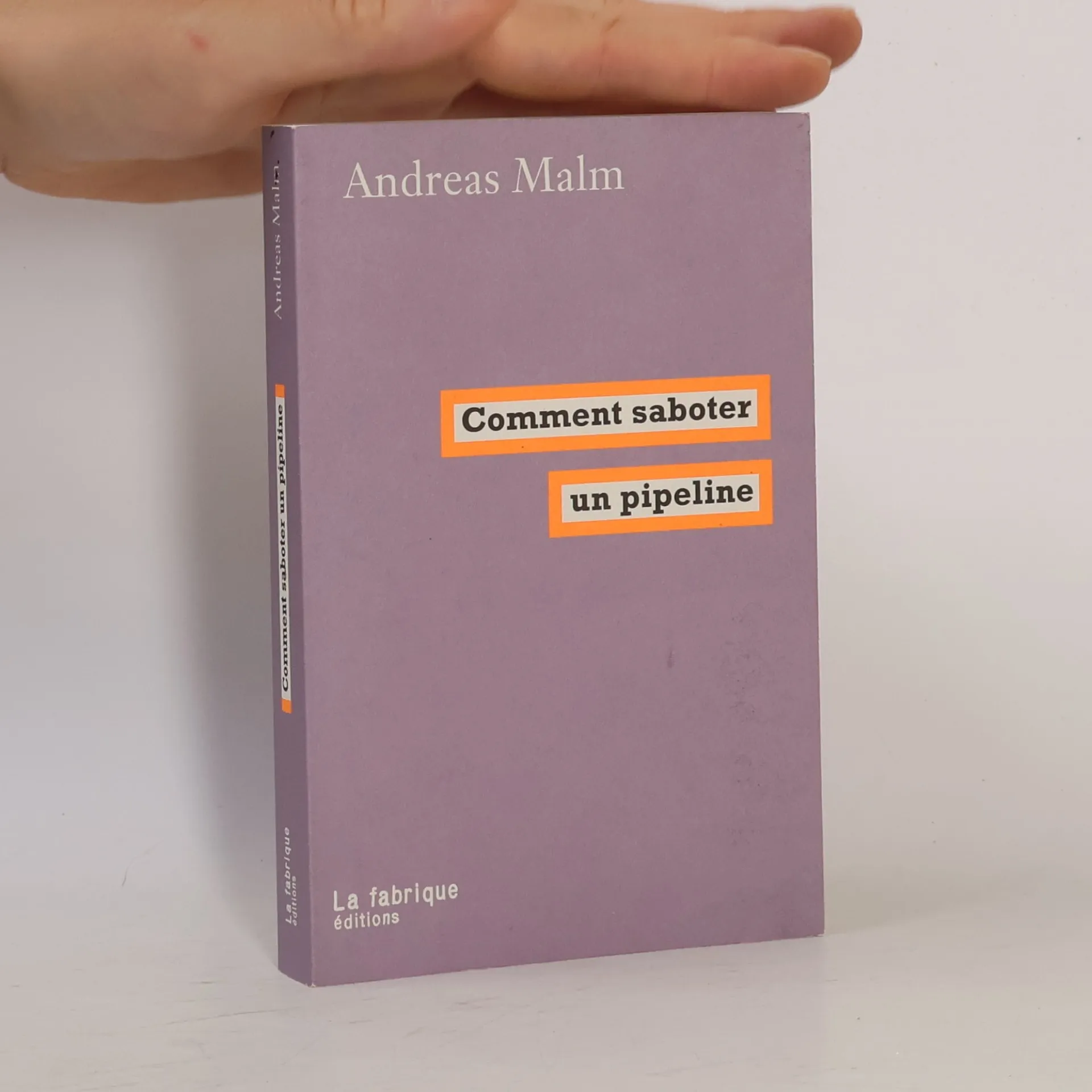
Le réchauffement climatique est le défi crucial de notre époque, avec des études scientifiques révélant une situation alarmante et presque irréversible. Malgré cela, l'économie fossile continue de prospérer, soutenue par des dirigeants politiques incapables d'agir efficacement, comme en témoignent les COP successives. Paradoxalement, le mouvement pour le climat a connu une mobilisation sans précédent, avec des rassemblements massifs dans les pays du Nord global, tandis que les investissements dans les énergies fossiles augmentent. Andreas Malm engage une réflexion critique sur les principes du mouvement climatique, qui privilégie souvent la non-violence, s'inspirant des Suffragettes et de figures comme Gandhi. Il souligne que l'efficacité des stratégies non violentes dépendait historiquement d'une aile radicale, aujourd'hui absente dans des organisations comme Extinction Rebellion. Malm propose de distinguer les types de violence et d'évaluer leur pertinence dans la lutte contre le réchauffement climatique, qui nécessite une attaque ciblée sur l'infrastructure fossile. Il aborde également la consommation, en différenciant les émissions « de subsistance » et celles « de luxe » des ultra-riches, et insiste sur l'importance d'intégrer les rapports de classe et de race dans la lutte. Enfin, il appelle à diversifier les tactiques, tout en restant vigilant face aux dangers d'un extrémisme contre-productif. Les militants de demain do
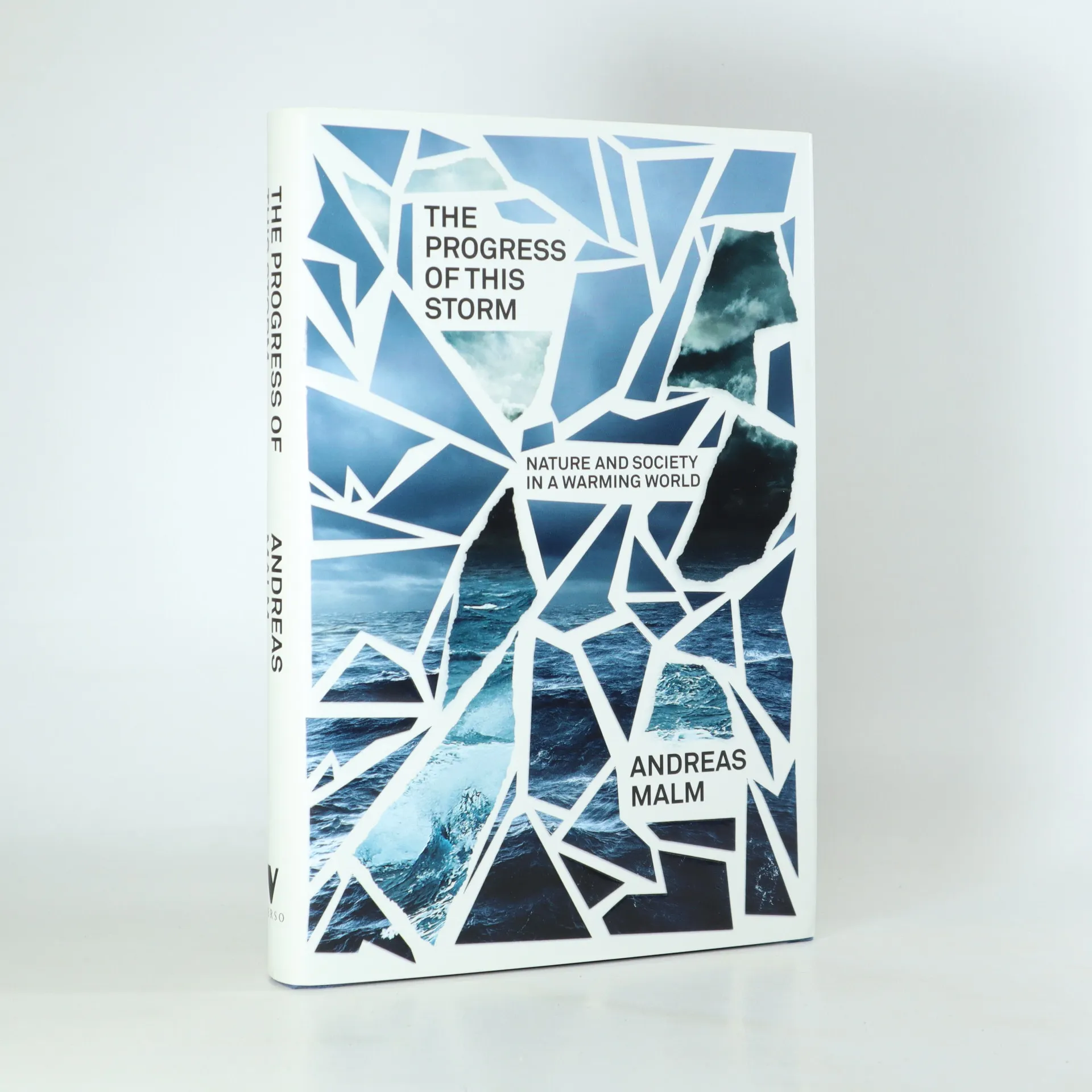
An attack on the idea that nature and society are impossible to distinguish from each other In a world careening towards climate chaos, nature is dead. It can no longer be separated from society. Everything is a blur of hybrids, where humans possess no exceptional agency to set them apart from dead matter. But is it really so? In this blistering polemic and theoretical manifesto, Andreas Malm develops a counterargument: in a warming world, nature comes roaring back, and it is more important than ever to distinguish between the natural and the social. Only with a unique agency attributed to humans can resistance become conceivable.
A sweeping study of how capitalism first promoted fossil fuels with the rise of steam power—and contributed to the worsening climate crisis The more we know about the catastrophic implications of climate change, the more fossil fuels we burn. How did we end up in this mess? In this masterful new history, Andreas Malm claims it all began in Britain with the rise of steam power. But why did manufacturers turn from traditional sources of power, notably water mills, to an engine fired by coal? Contrary to established views, steam offered neither cheaper nor more abundant energy—but rather superior control of subordinate labor. Animated by fossil fuels, capital could concentrate production at the most profitable sites and during the most convenient hours, as it continues to do today. Sweeping from nineteenth-century Manchester to the emissions explosion in China, from the original triumph of coal to the stalled shift to renewables, this study hones in on the burning heart of capital and demonstrates, in unprecedented depth, that turning down the heat will mean a radical overthrow of the current economic order. “The definitive deep history on how our economic system created the climate crisis. Superb, essential reading from one of the most original thinkers on the subject.” —Naomi Klein, author of This Changes Everything and The Shock Doctrine
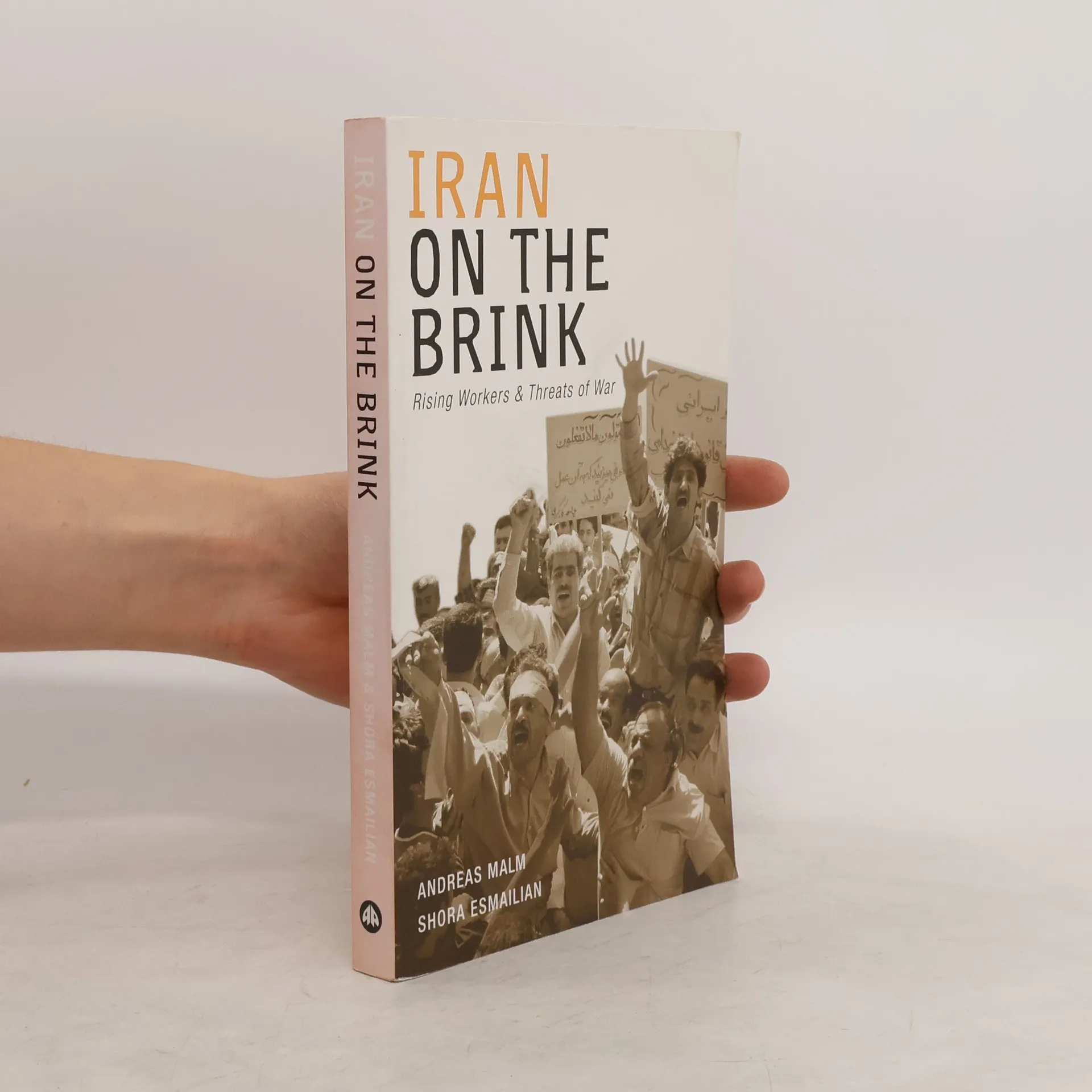
An insider's account of Iran's people, its politics, and the threat of invasion číst celé