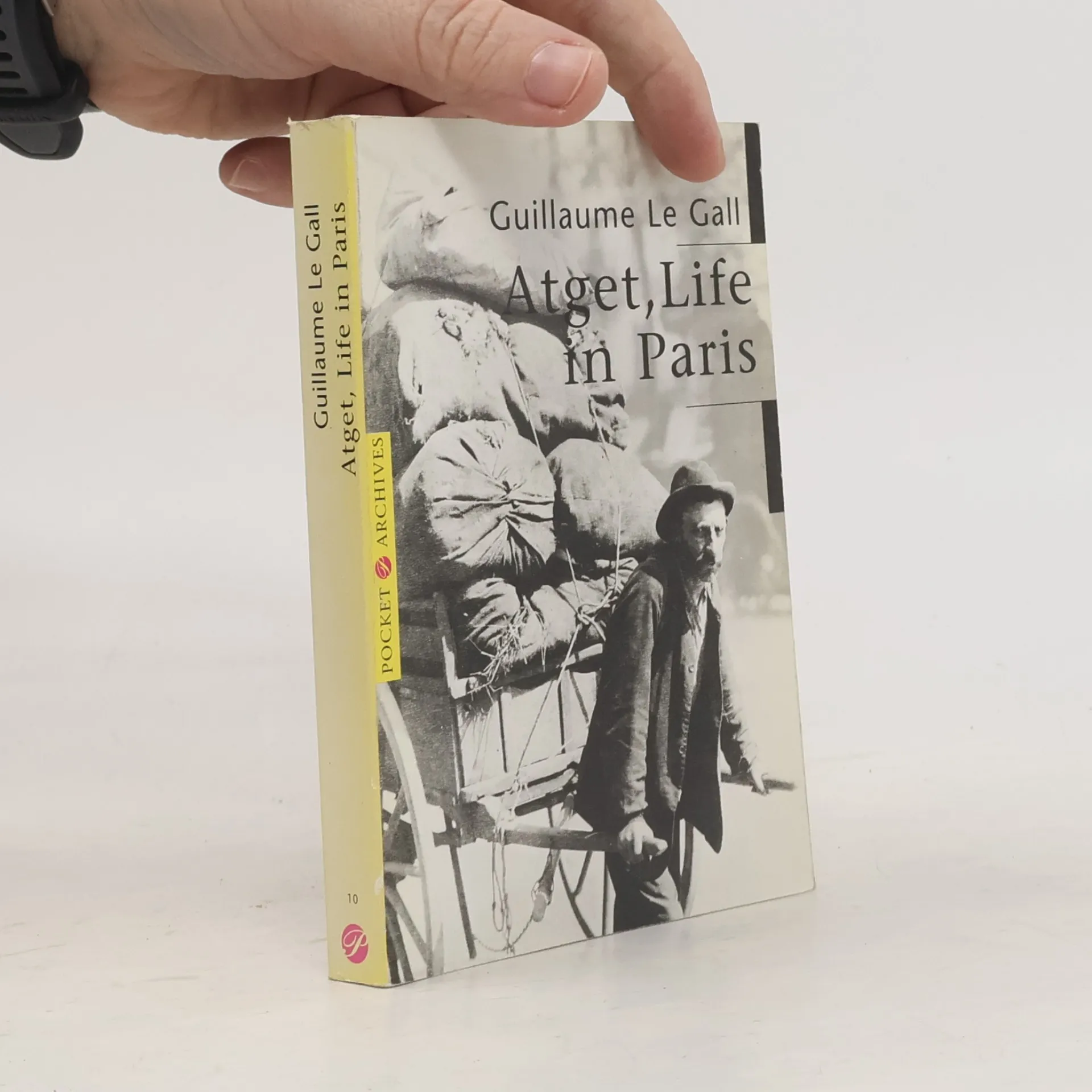
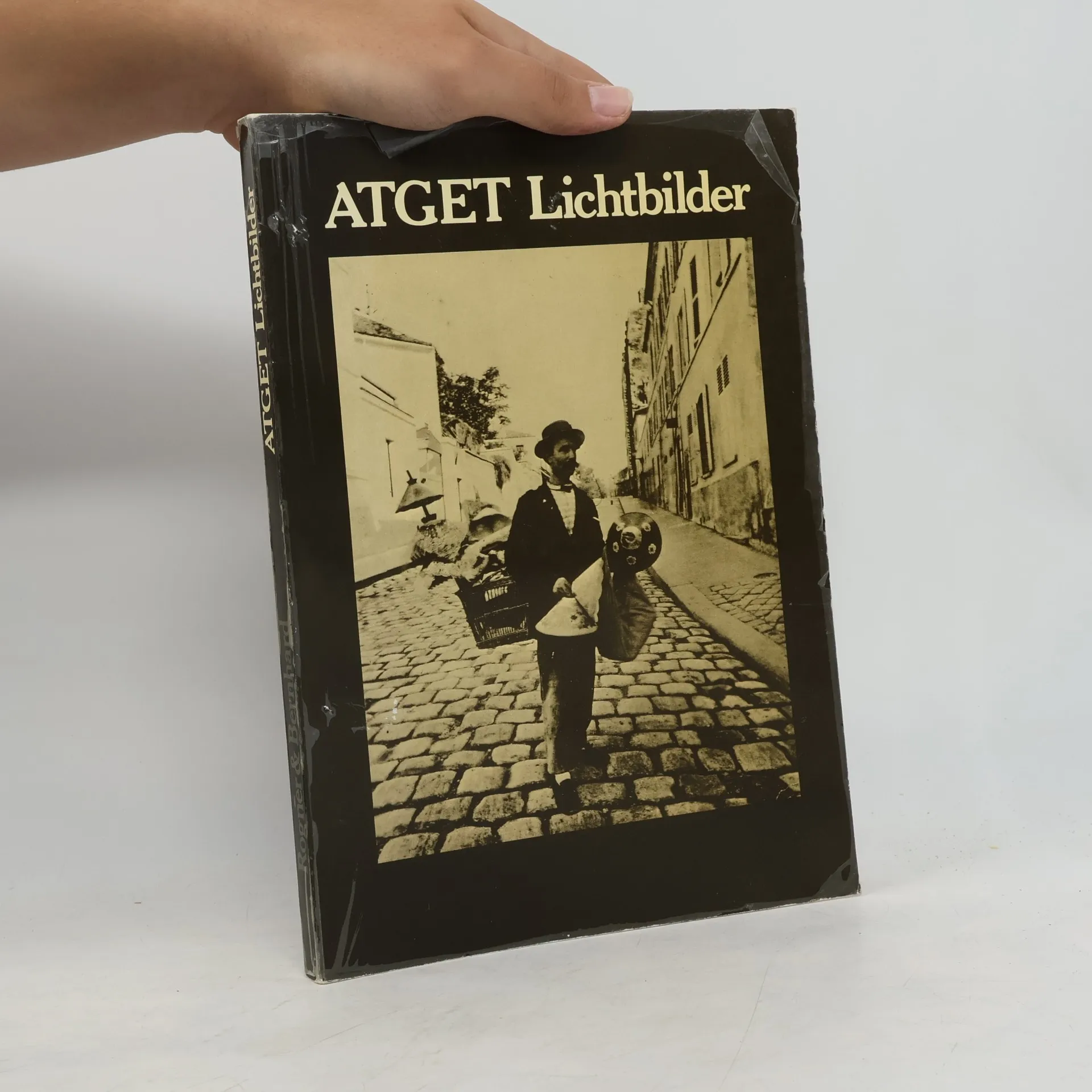
Eugène Atget fut un photographe français réputé pour ses images documentaires de l'architecture et de la vie parisienne. Son œuvre capture l'essence de Paris à une époque donnée avec précision et sensibilité artistique. L'approche d'Atget envers la photographie n'était pas une simple prise de notes, mais une exploration profonde de l'existence urbaine et de ses transformations. Son héritage continue d'inspirer artistes et historiens par sa fenêtre unique sur le passé.
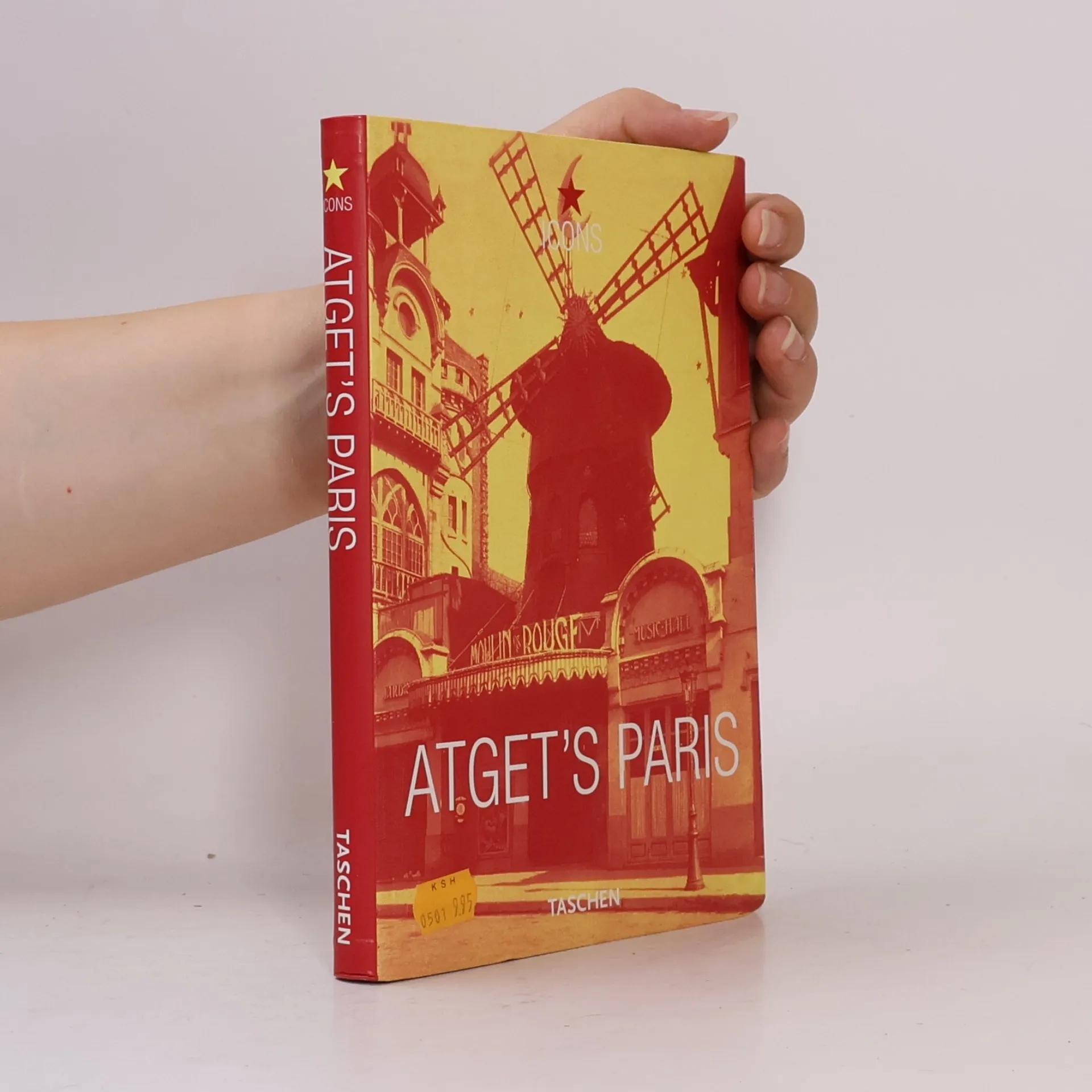
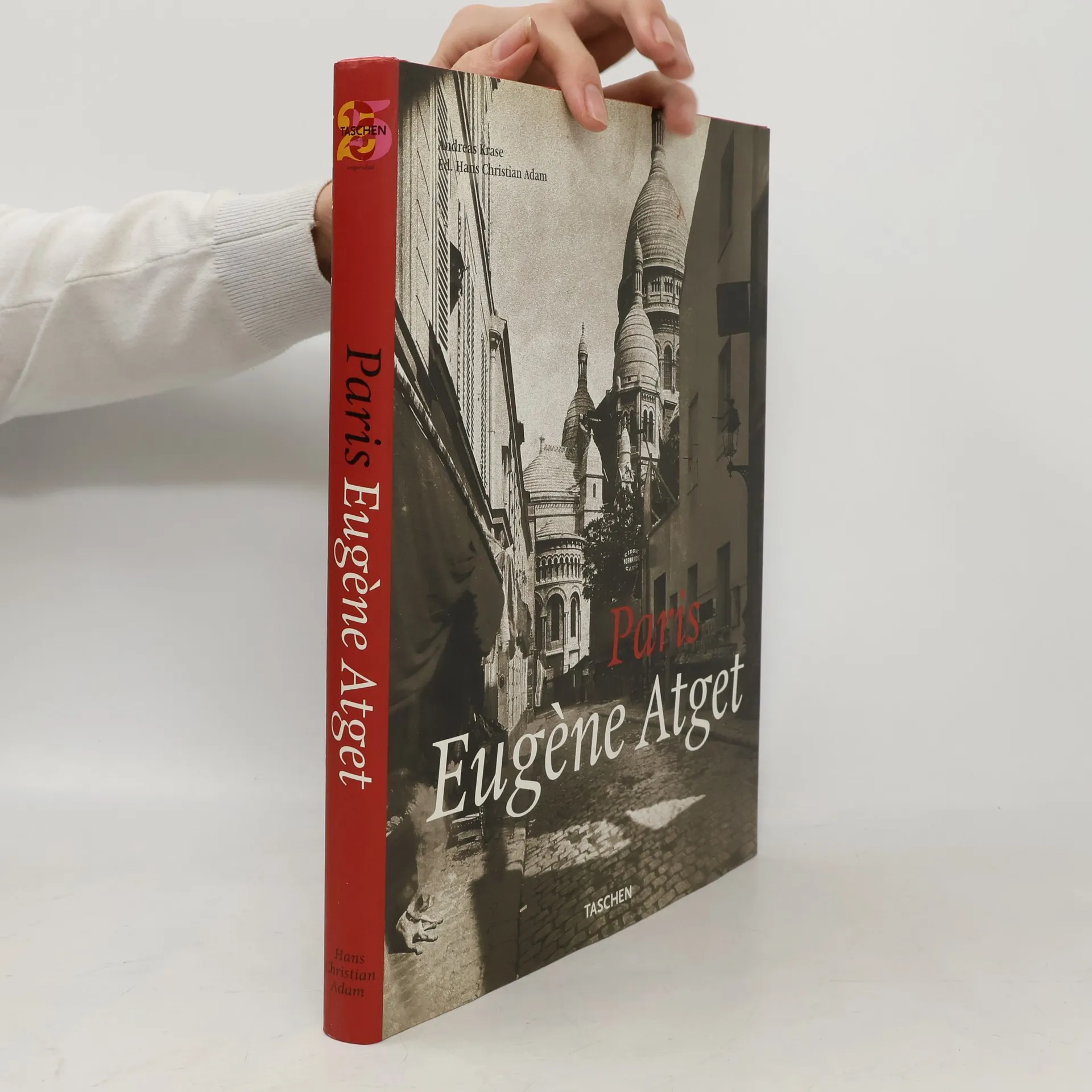
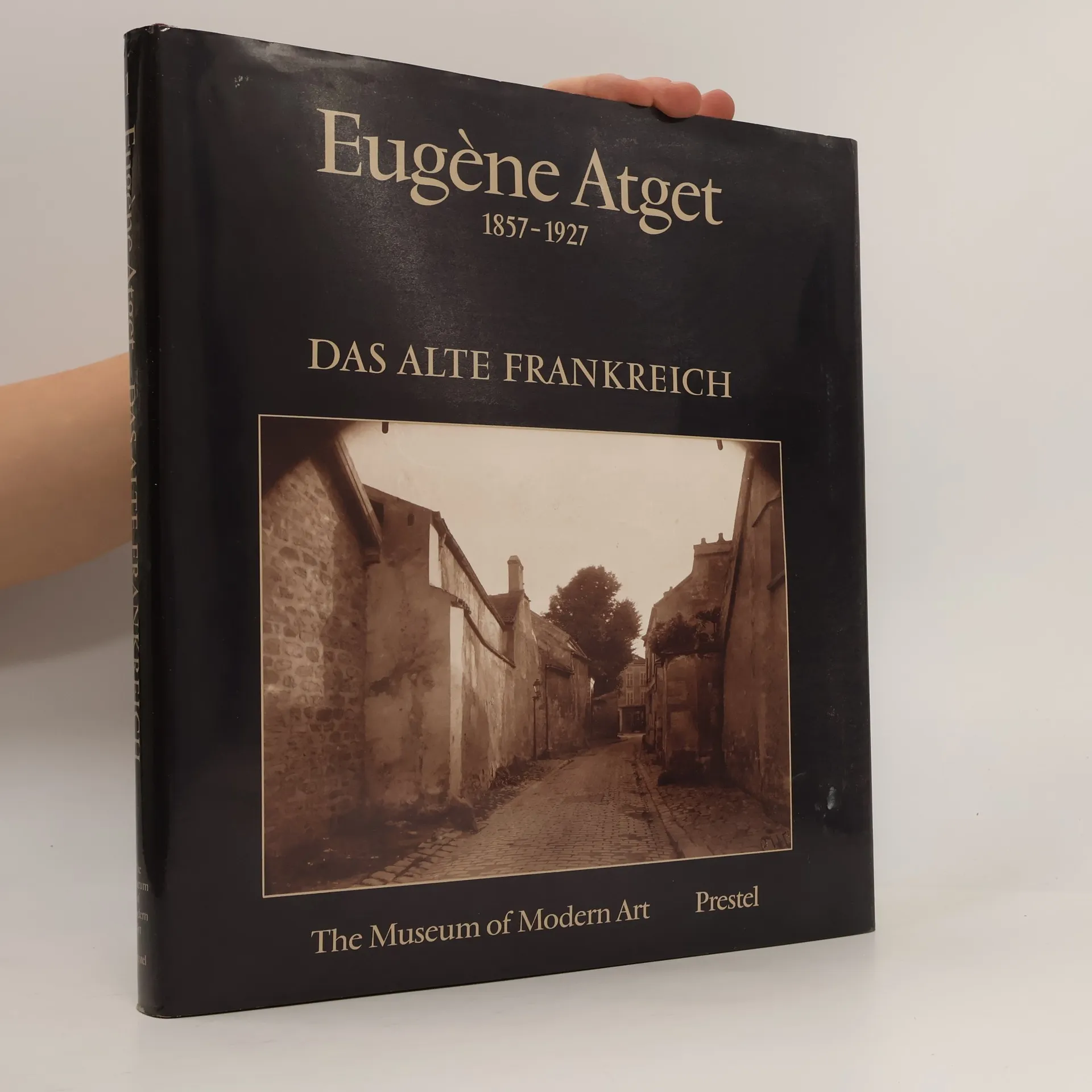
Paris frozen in The perfect introduction to Eugène Atget's photography "All I can get collecting. These books are an incredible value." - Image, London, on the photography book series Eugène Atget (1857-1927) roamed the streets with his bulky large format camera, systematically cataloguing turn-of-the-century Old Paris down to the very smallest details. His skilled, wonderfully atmospheric photos of Paris’s parks, buildings, streets, store windows, prostitutes, workers, and even door handles are a joy to behold. Text in English, French, and German
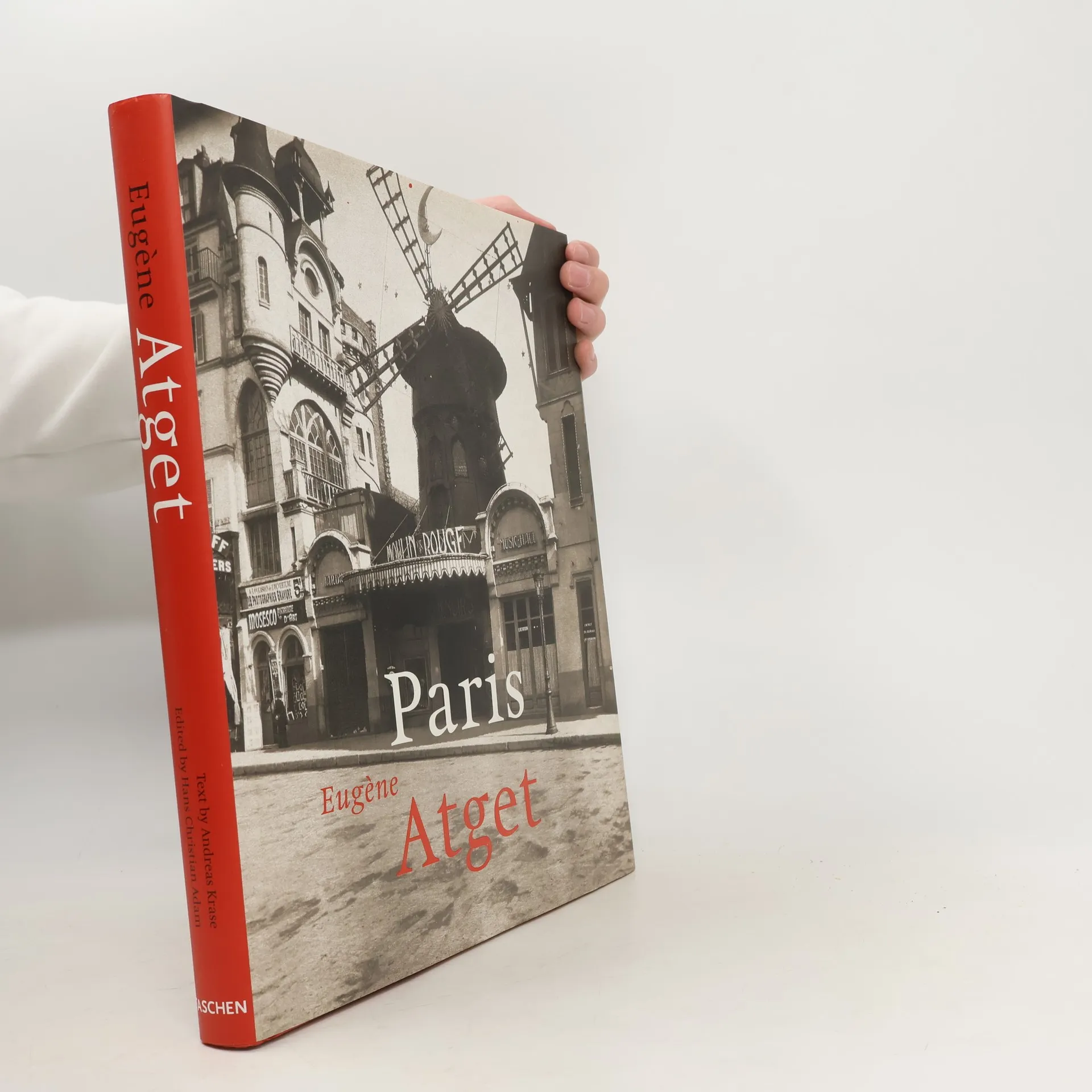
Unraveling the mystery of Eugene Atget's life and work (1857-1927) is easier said than done. Now considered to be one of history's most important photographers, Atget (1857-1927) was relatively unknown until well after his death. We know that he made his living selling his prints, mainly to architects, artists, and institutions, but his categorical, obsessive method of photographing Paris street by street (doorknob by doorknob in some cases) lacks clear explanation.Atget wrote in 1920, "I may say that I have in my possession all of Old Paris". Indeed, he knew the city like the back of his hand and had the pictures to prove it. He captured the historical, atmospheric Paris: churches, monuments, and buildings, as well as bars, shop windows, street-peddlers, and prostitutes. Traversing all of its layers, he immortalized the true spirit of Old Paris.Why did he choose to spend his life roaming the streets with his heavy camera equipment, systematically cataloguing everything Parisian? The answer, if it can be discovered, must be found in the pictures themselves. Whether he intended to or not, Atget has left us with an impeccable record of turn-of-the-century Paris, not to mention a huge collection of stunningly beautiful photographs. This new book features 200 of Atget's most impressive images, many of which have rarely been seen before. Take a trip back in time and immerse yourself in Atget's Paris.
Eugène Atget a parcouru les rues avec son imposante caméra grand format, cataloguant systématiquement le vieux Paris au tournant du siècle dans les moindres détails. Ses photos habiles et merveilleusement atmosphériques des parcs, bâtiments, rues, vitrines, prostituées, travailleurs et même des poignées de porte de Paris sont un véritable plaisir à contempler. Ce volume abrégé contient une sélection des meilleures photographies d'Atget et constitue une parfaite introduction à l'œuvre de ce maître photographe.
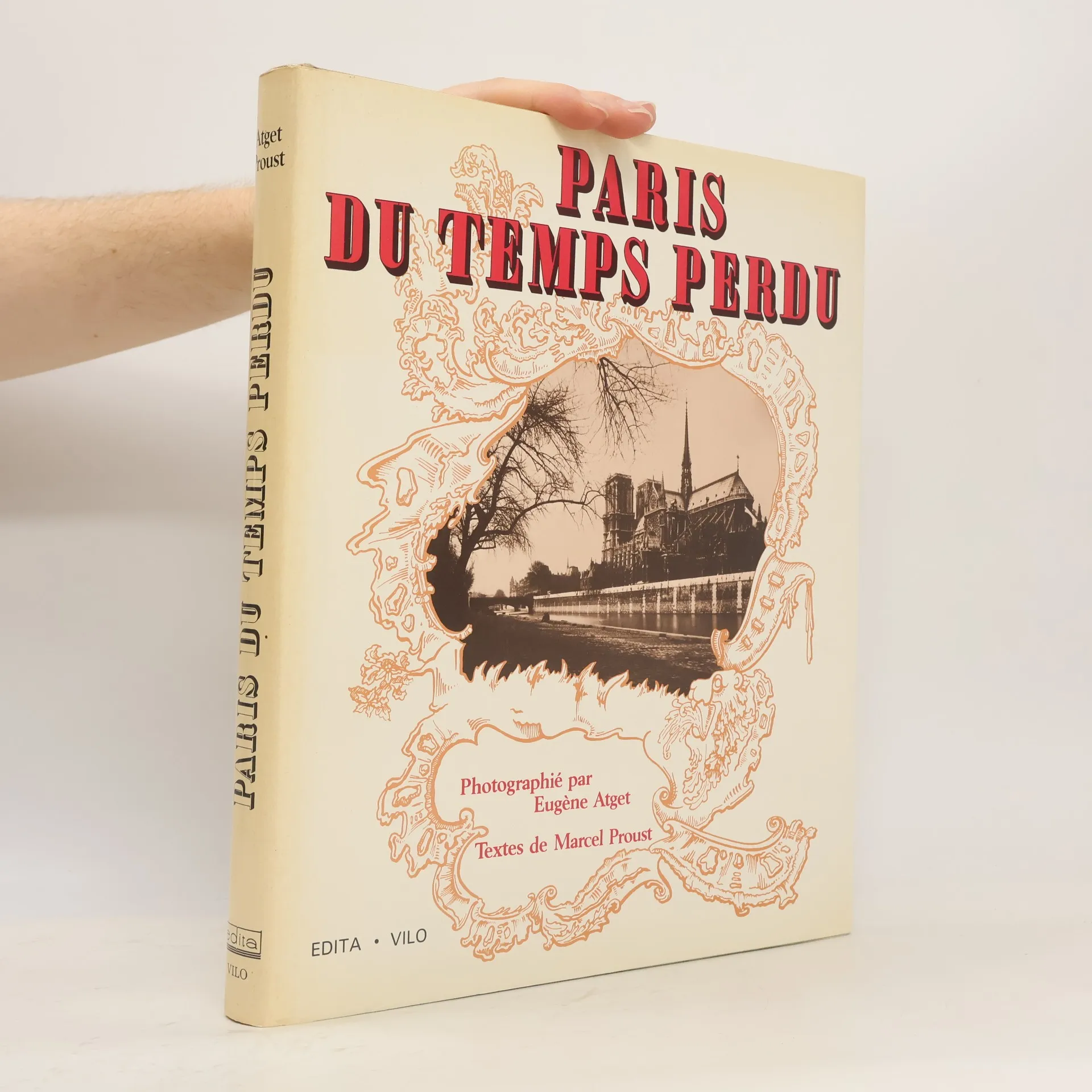
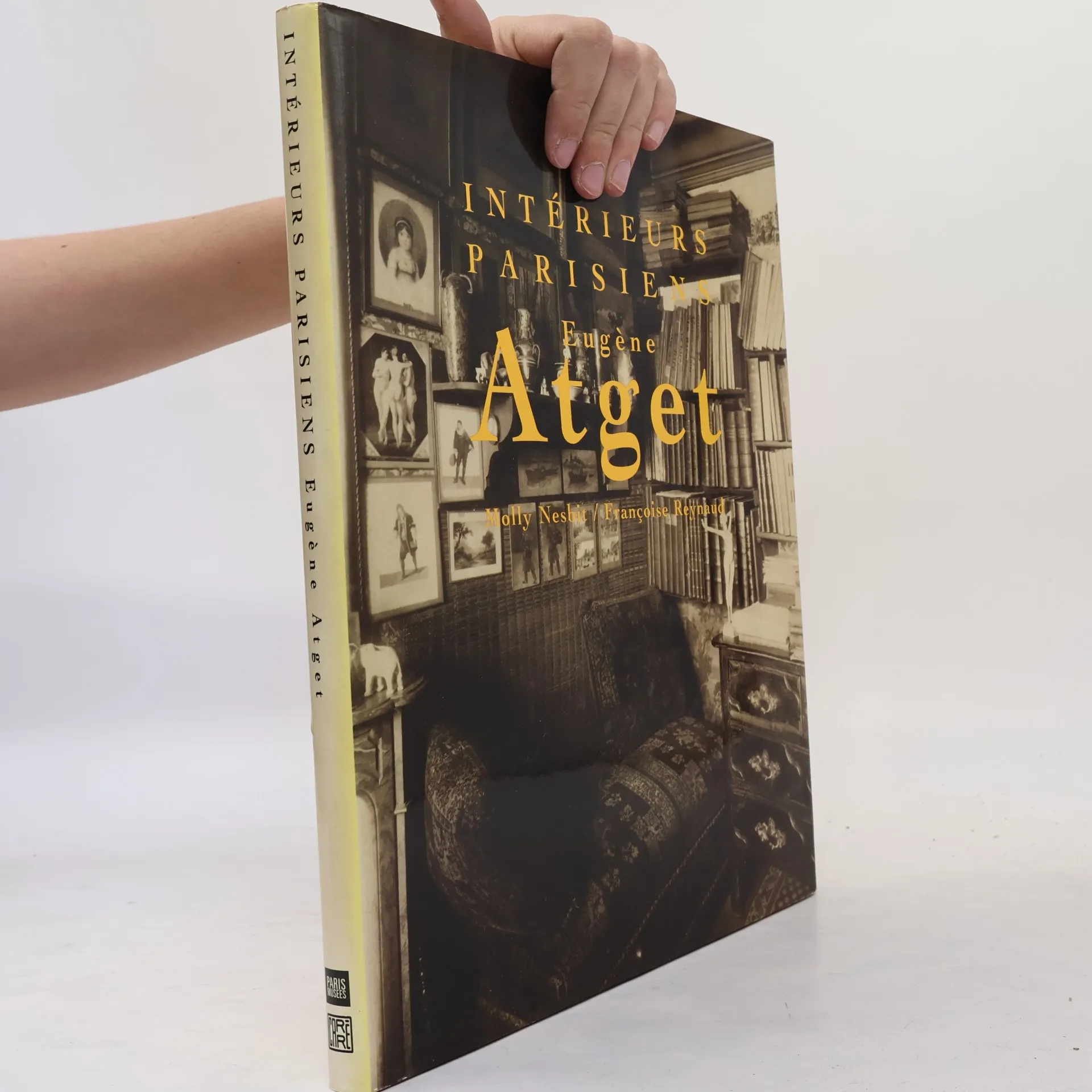
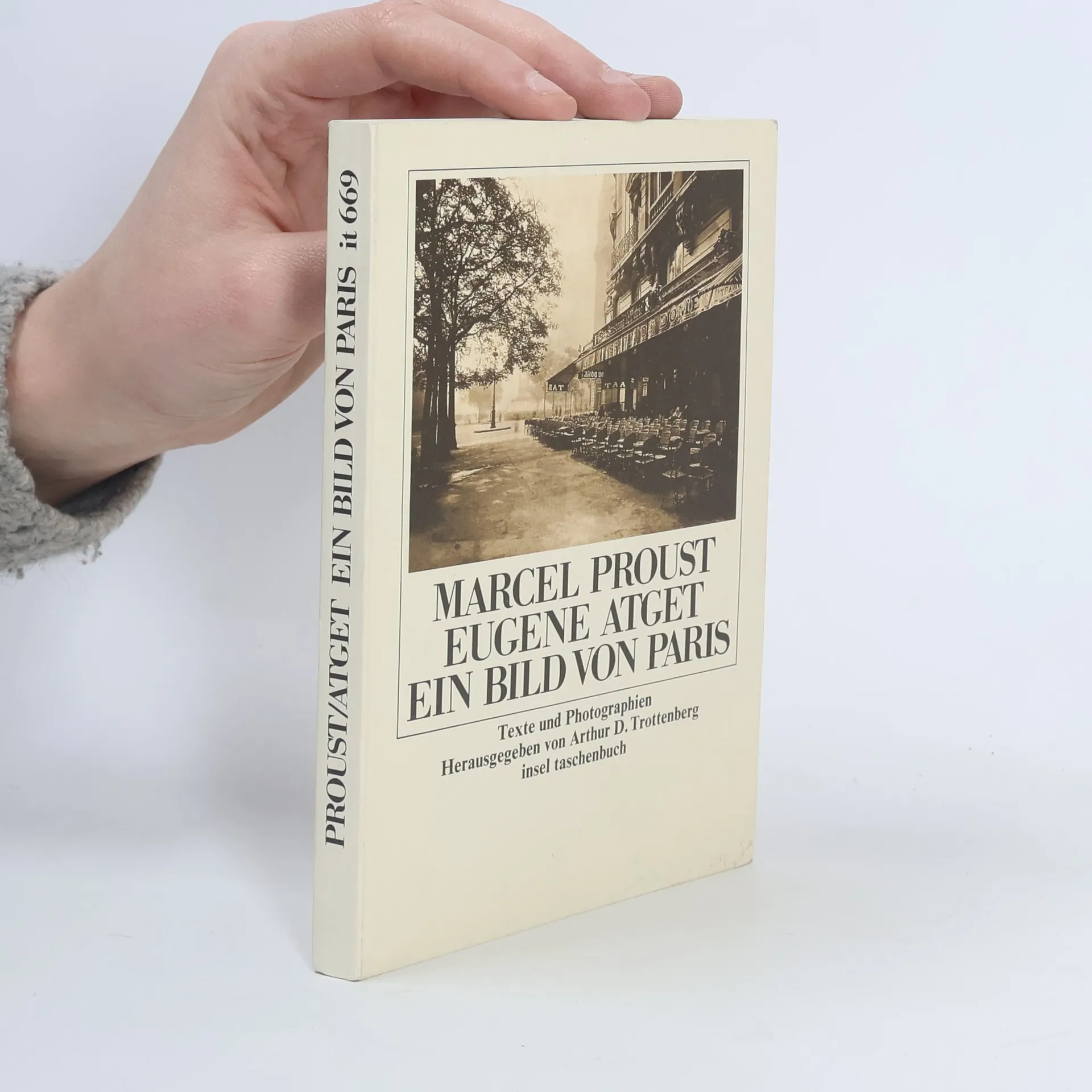
Marcel Proust et Eugène Atget, bien que contemporains, ne se connaissaient pas. Toutefois, leurs oeuvres monumentales témoignent d'une même volonté patiente et méticuleuse de restituer la vie de leur temps, ce Paris légendaire de la Belle Époque. Tandis que Proust s'attache à décrire la complexité de l'âme humaine dans sa Recherche du temps perdu, Atget, lui, photographie dès 1895 les rues, les places, les jardins, les échoppes qui servent de décor au peuple parisien. Deux projets à l'ambition colossale, qui allaient se révéler d'autant plus précieux que la Première Guerre mondiale devait bientôt profondément bouleverser la vie des Parisiens et leur ville. Les photographies de l'un font subtilement écho aux mots de l'autre, c'est Odette ou Albertine que l'on croit reconnaître derrière les passantes furtives, c'est l'hôtel de la duchesse de Guermantes que dissimulent les lourdes portes cochères. Ces deux regards croisés sur un Paris irrémédiablement perdu suscitent une émotion teintée de mélancolie.
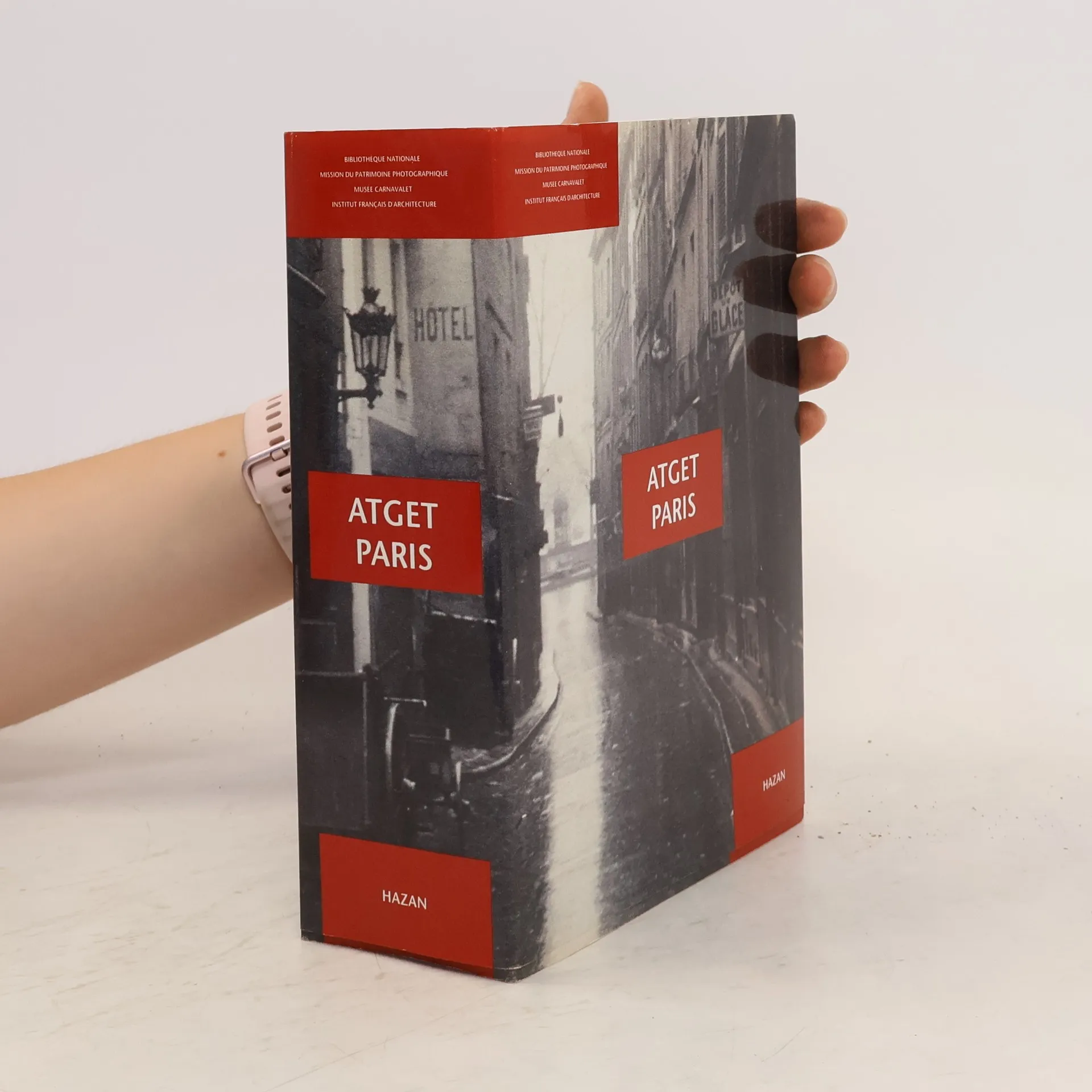
Ce livre rassemble 840 images d'Atget de Paris - la collection la plus prolifique de son œuvre jamais publiée. Jour après jour, Atget arpentait les rues de Paris enregistrant un visage en constante évolution. Ses images montrent les bâtiments, ruelles, cours, balcons, cafés, véhicules, vitrines et marchandises exposées - le tout dans un détail parfait. Bien que salué par les surréalistes pour la qualité poétique de ses images, Atget refusait de se considérer comme un artiste, affirmant que les photos qu'il prenait n'étaient que des documents. Il est devenu connu comme le premier photographe moderne. La forme de ce livre, qui évoque un pavé parisien, est en soi un hommage à Atget, le marcheur légendaire.
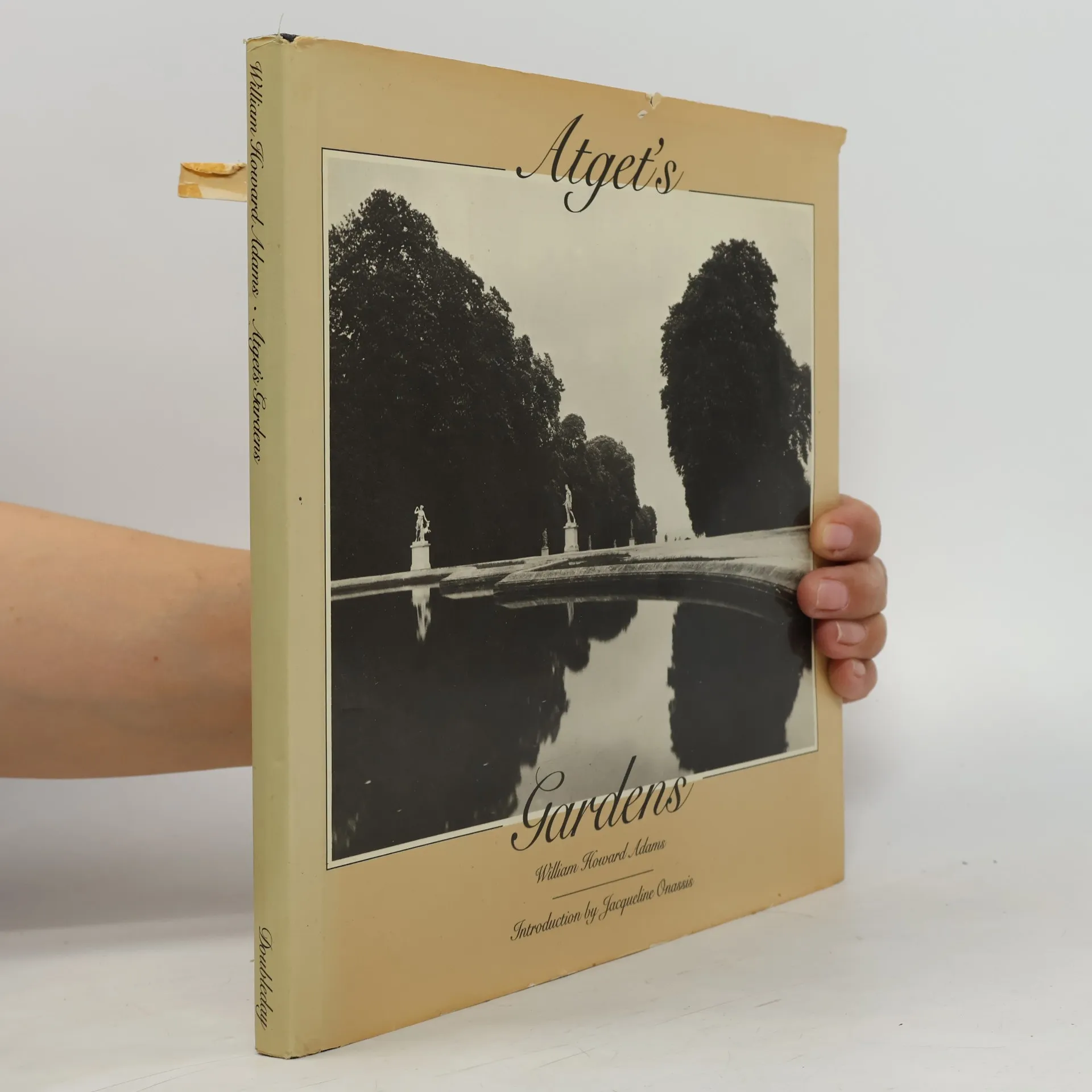
À travers l'objectif merveilleux du rêve et de la surprise, Atget a "vu" (c'est-à-dire photographié) pratiquement tout ce qui l'entourait, à l'intérieur et à l'extérieur de Paris, avec la vision d'un poète. Les photographies d'Atget sont inégalées dans leur réalisme lucide et leur réponse lyrique au pouls de la ville et aux artefacts de la vie humaine dans presque toutes les classes sociales. Ses images de parcs, de lacs, de vitrines, de vendeurs, de prostituées, de bâtiments, de sculptures et de scènes de rue parisiennes vont au-delà de la simple documentation pour offrir une vision poétique d'une époque. Atget a créé certaines des images les plus magnifiquement articulées de la lumière et de l'espace jamais réalisées avec un appareil photo.
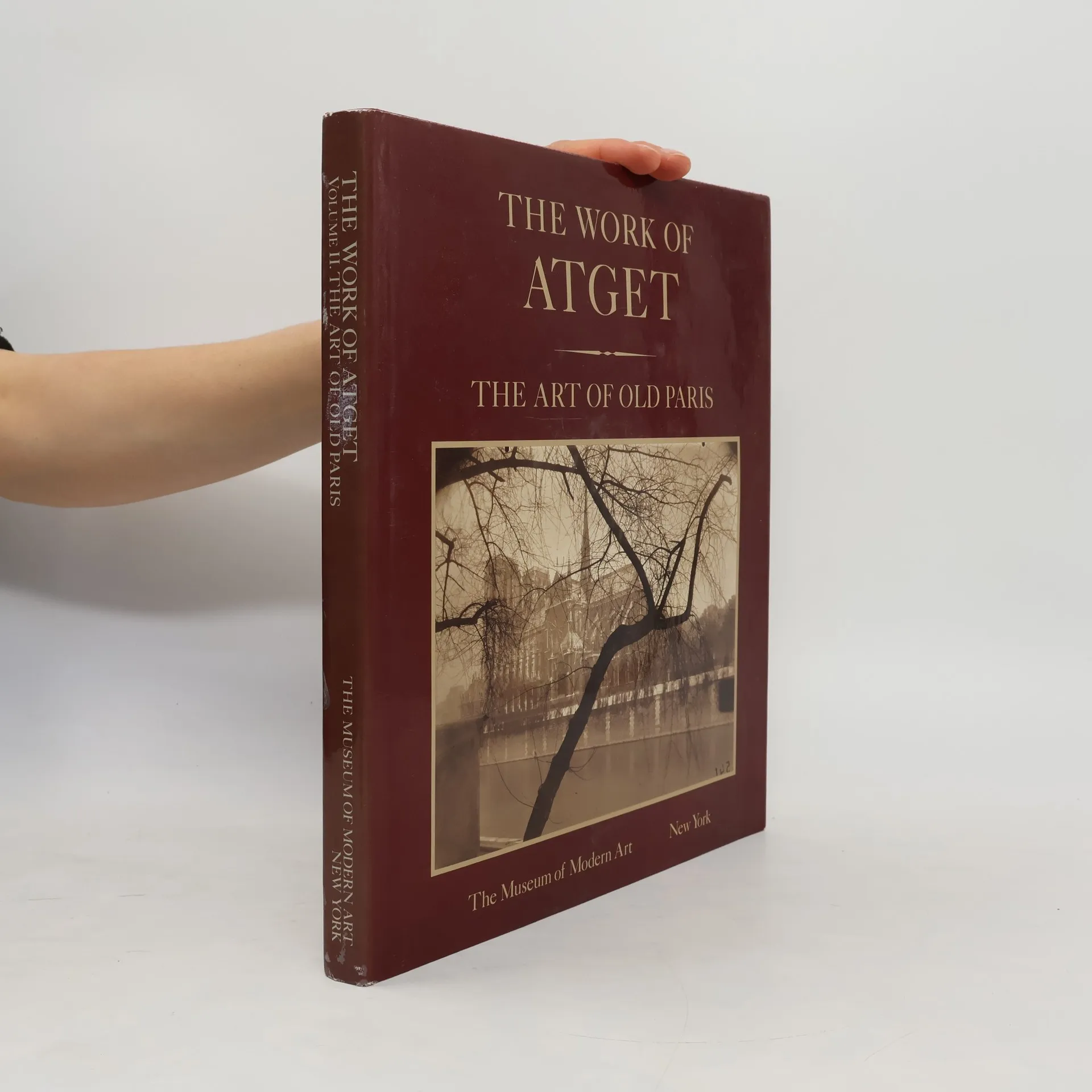
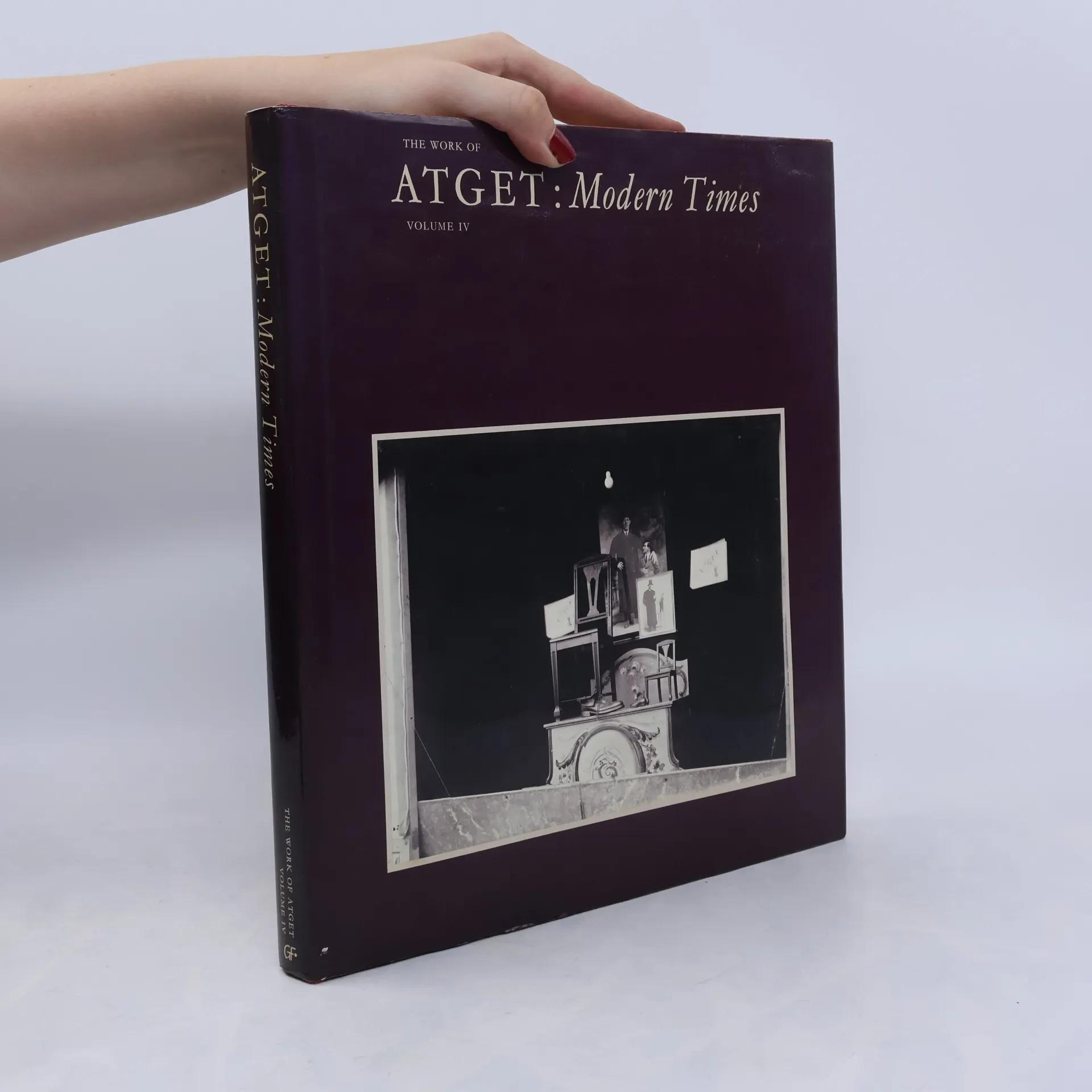
First edition, first printing. Hardcover. Photographs by Eugene Atget. Essay and notes to the plates by Maria Morris Hambourg. Appendixes include Berenice Abbott's typewritten copy of André Calmette's handwritten letter to her (late 1928). Maroon cloth with debossed title blind-stamped on cover and in gilt on spine, with dust jacket. 192 pp. with 116 plates and 84 black and white reference illustrations. Printed by The Meriden Gravure Company from halftone negatives made by Richard Benson. 12 x 10 1/2 inches.
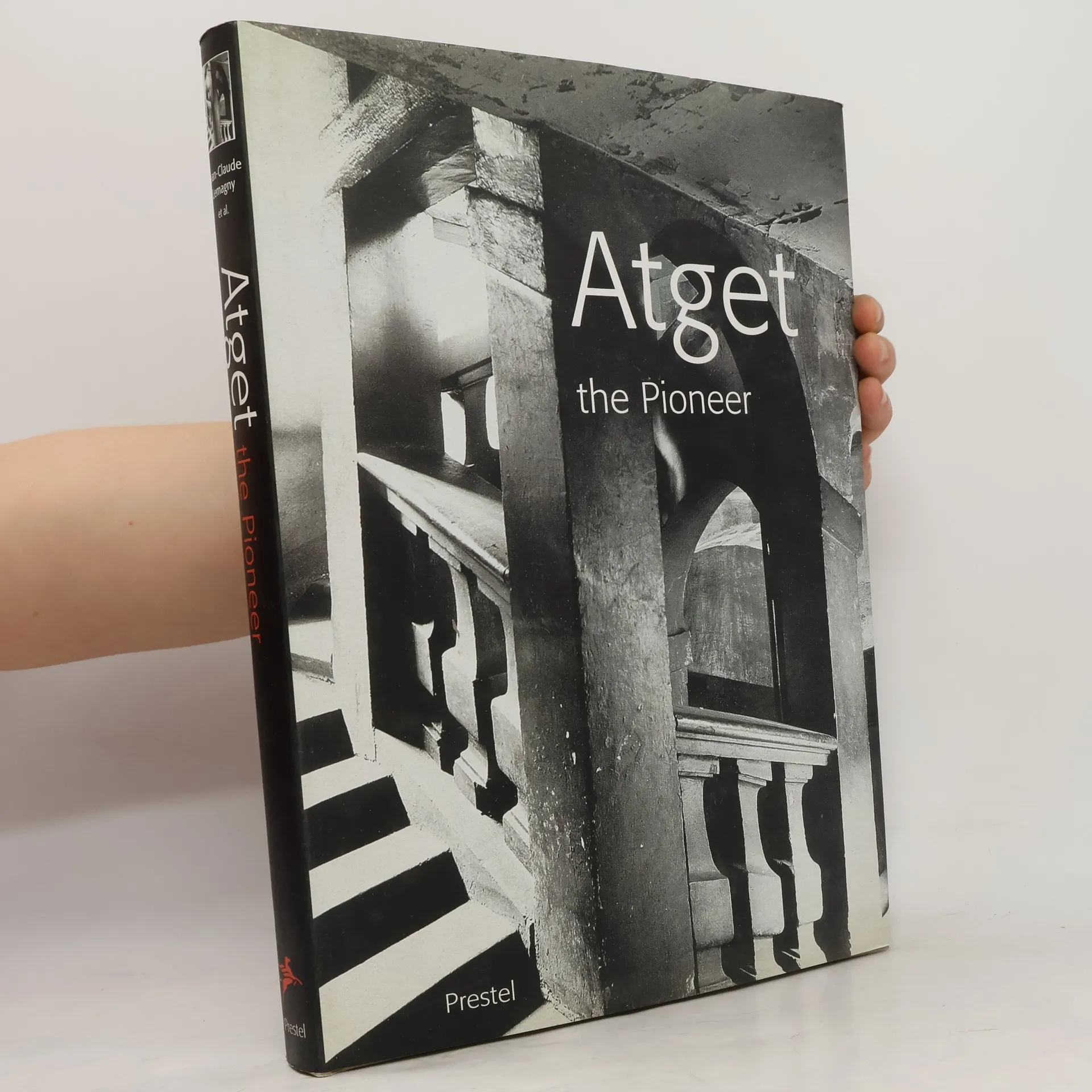
The works of the great French photographer Eugene Atget (1856-1927) are already internationally known through many books. His role as a highly influential pioneer of photography is less well appreciated. This beautiful new book explores Atget's legacy through his own photographs and those of his successors, names who are themselves legends in the history of the Berenice Abbott, Hila and Bernd Becher, Bill Brandt, Robert Doisneau, Walker Evans, Michael Kenna, Lee Friedlander, Clarence John Laughlin, Albert Renger-Patzsch, Rene-Jacques, Bruno Requillard, August Sander.Through a selection of insightful essays and a stunning portfolio of more than 160 photos, Atget's work is juxtaposed with those of later photographers to produce a unique and ground-breaking analysis of a critical strand of photographic history.During his lifetime Atget's work held a fascination for contemporary Surrealist artists such as Man Ray; later Walker Evans drew on Atget's unflinching views of the Paris backstreets to create his own image of urban life, Cubism too found inspiration in the tightly framed spaces of Atget's Parisian streets.Publishing for the first time numerous photographs by Atget - including the newly discovered photos of trees in the park at Saint-Cloud - this book also presents texts by experts in the history of photography.
Marcel Proust wurde am 10. Juli 1871 in Auteuil geboren und starb am 18. November 1922 in Paris. Sein siebenbändiges Romanwerk Auf der Suche nach der verlorenen Zeit ist zu einem Mythos der Moderne geworden. Eine Asthmaerkrankung beeinträchtigte schon früh Prousts Gesundheit. Noch während des Studiums und einer kurzen Tätigkeit an der Bibliothek Mazarine widmete er sich seinen schriftstellerischen Arbeiten und einem – nur vermeintlich müßigen – Salonleben. Es erschienen Beiträge für Zeitschriften und die Übersetzungen zweier Bücher von John Ruskin. Nach dem Tod der über alles geliebten Mutter 1905, der ihn in eine tiefe Krise stürzte, machte Proust die Arbeit an seinem Roman zum einzigen Inhalt seiner Existenz. Sein hermetisch abgeschlossenes, mit Korkplatten ausgelegtes Arbeits- und Schlafzimmer ist legendär. In Swanns Welt, der erste Band von Prousts opus magnum, erschien 1913 auf Kosten des Autors im Verlag Grasset. Für den zweiten Band, Im Schatten junger Mädchenblüte, wurde Proust 1919 mit dem Prix Goncourt ausgezeichnet. Die letzten Bände der Suche nach der verlorenen Zeit wurden nach dem Tod des Autors von seinem Bruder herausgegeben.