

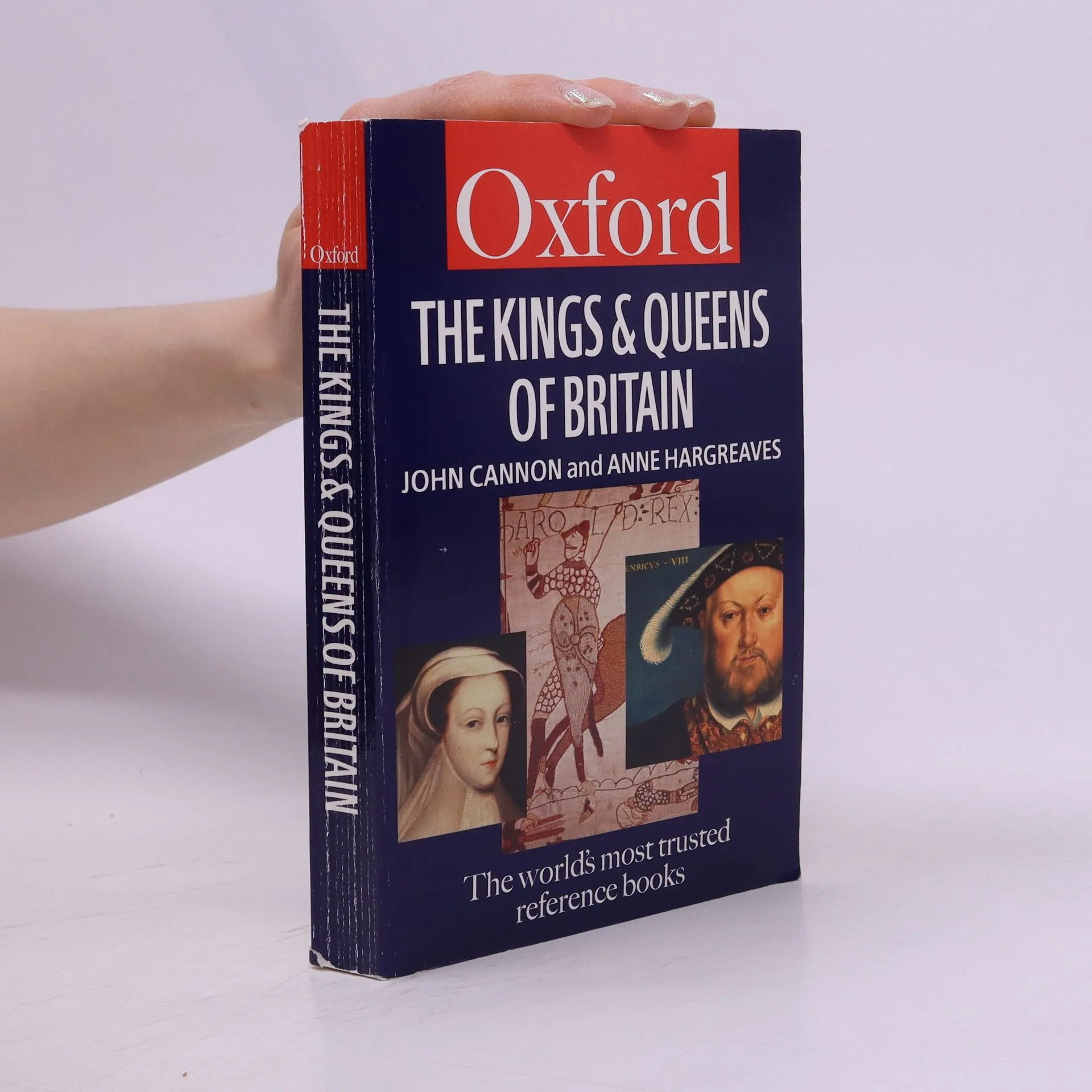
An authoritative and accessible guide to the British monarchy from pre- conquest rulers to the present day House of Windsor. Maps, photos, paintings, and genealogies accompany a wealth of information on the kings and queens of Britain. Find out about their lives, personalities, policies, key dates, places of residence, legacies, and much more.
John Cannon Livres
8 octobre 1926 – 25 octobre 2012
Cet auteur est spécialisé dans la politique britannique du XVIIIe siècle, offrant une plongée profonde dans cette ère charnière à travers ses écrits. Son travail se caractérise par une recherche méticuleuse et une analyse perspicace, éclairant les complexités des manœuvres politiques et des forces sociétales de l'époque. Les lecteurs apprécieront sa capacité à donner vie à l'histoire, en offrant un regard convaincant sur les personnages et les événements qui ont façonné la Grande-Bretagne moderne. Son expertise dans ce domaine en fait une ressource inestimable pour quiconque s'intéresse au passé britannique.
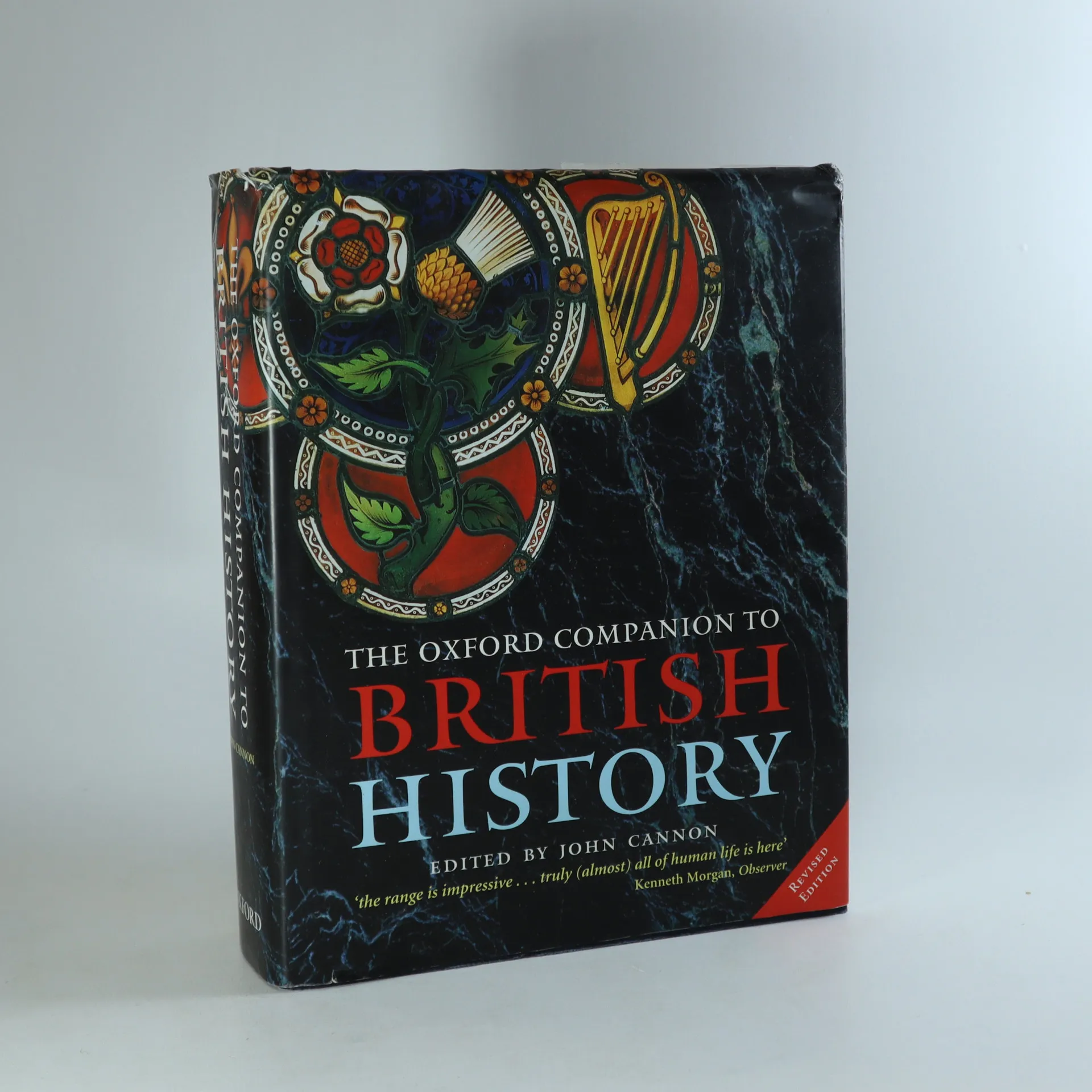
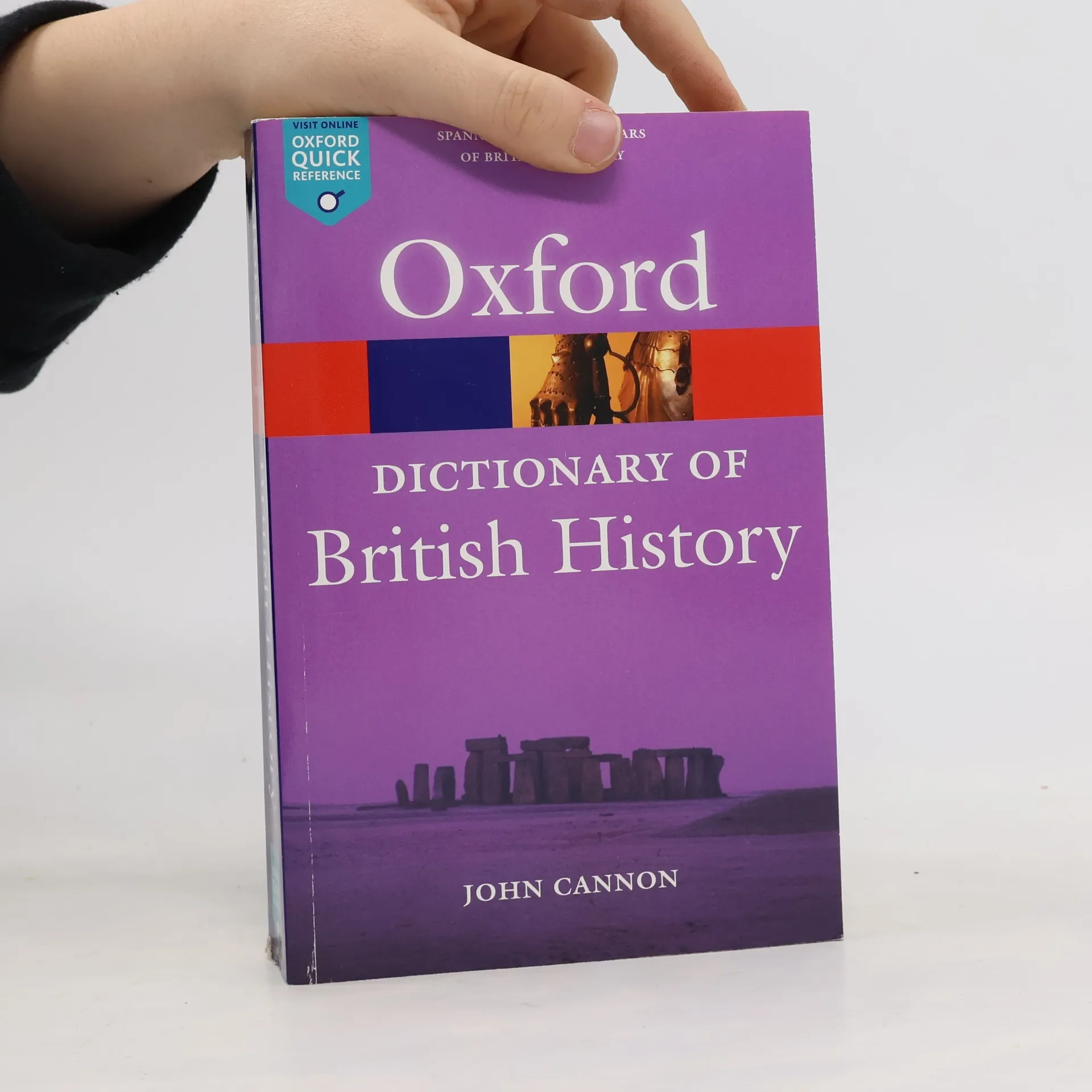
Oxford Quick Reference: A Dictionary of British History
- 711pages
- 25 heures de lecture
This is an invaluable source of information about the people, places, and events that have shaped the history of Britain over the past two millennia. From wars, battles, and the monarchy to Wembley stadium, Robin Hood, and the Black Death - this book contains all the facts you need to know.
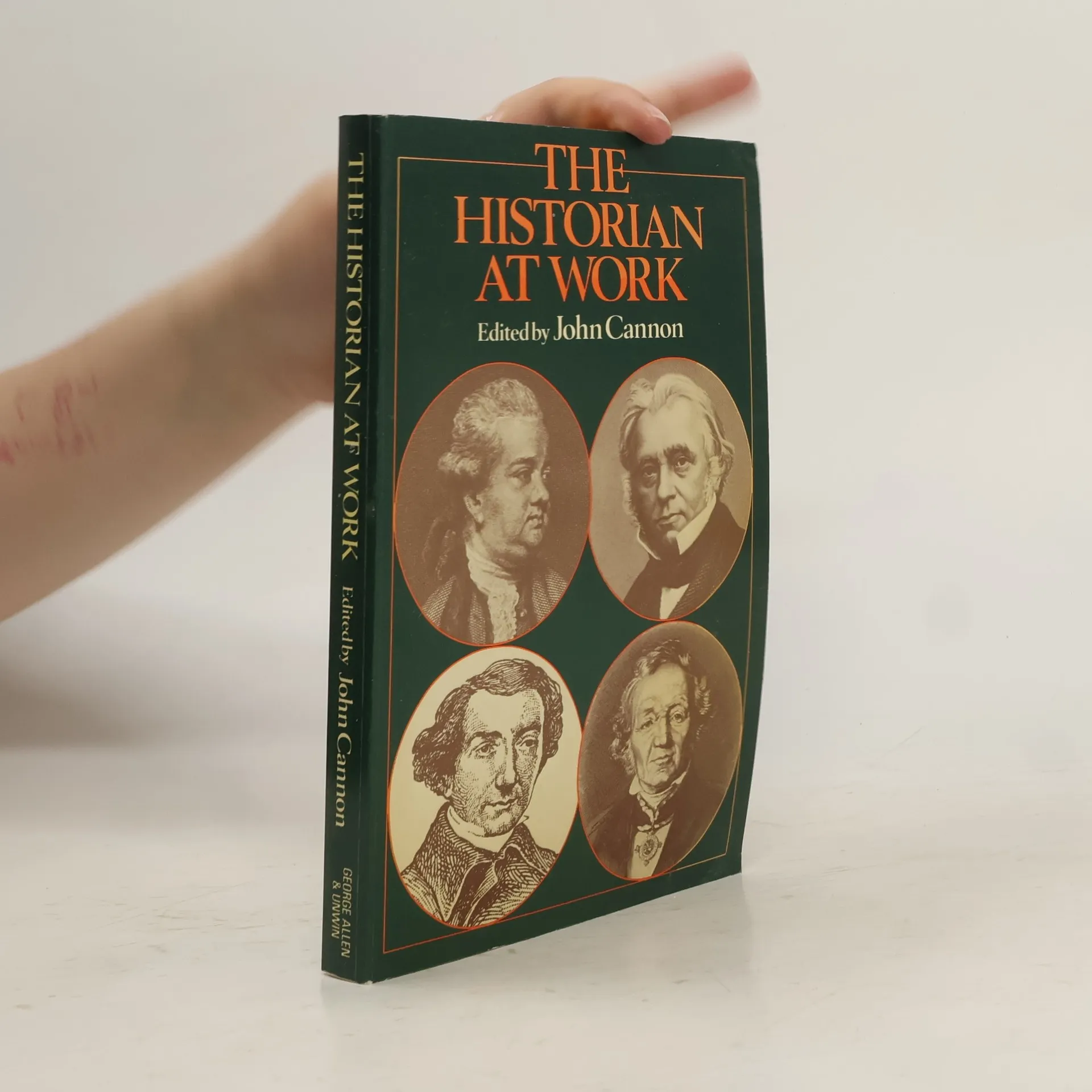
The Historian at Work
- 210pages
- 8 heures de lecture
The Historian at Work is designed particularly for sixth-formers taking history to Advanced or Scholarship level, and for students in universities and polytechnics taking courses on historical method or the study of history. It is concerned less with the philosophy of history in the abstract than with the way in which distinguished historians have regarded and practised their craft. There are chapters on Gibbon, Ranke, Macaulay, De Tochqueville, Marx, Maitland, Bloch, Namier, Wheeler, Butterfield and Braudel. Each chapter is written by a different author who has developed a particular interest in the historian he comments on, In addition, the editor contributes a provocative introductory chapter designed to serve as the basis for a discussion about the problems involved in the writing of history. One feature of the book is that it was planned in consultation with first year students in the Department of History at Newcastle University and reflects suggestions and criticisms they have made. It is intended to be both straightforward and readable and of interest to specialist scholars. Thee editor is a historian whose work on the eighteenth century has been praised for its lucidity.
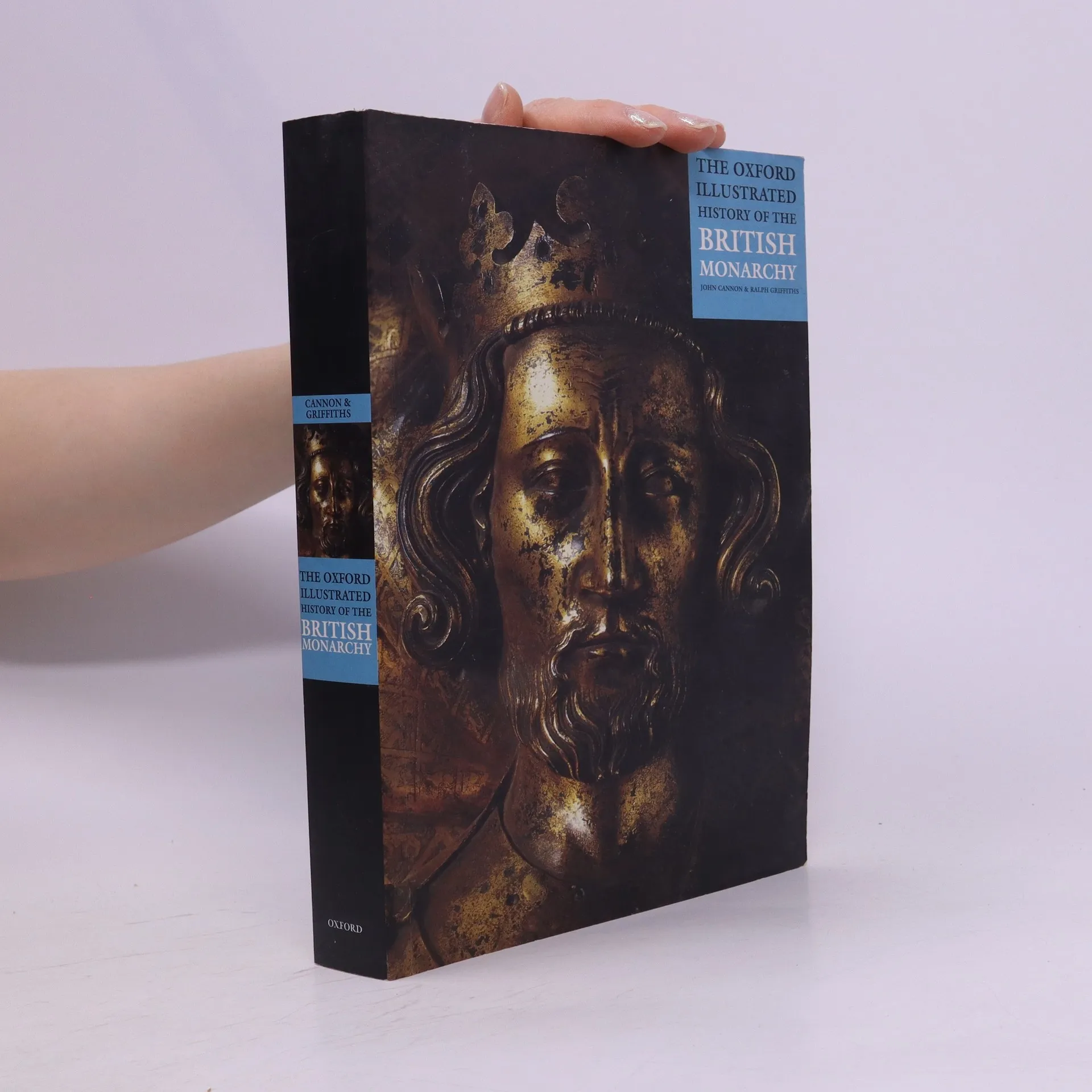
The Oxford Illustrated History Of The British Monarchy
- 744pages
- 27 heures de lecture
This is the most authoritative account of the British monarchy ever published for the general reader. Written by two authors who are experts in their field, and containing over 400 illustrations, this book spans from the Dark Ages through to the present day. The result is a vivid portrait notonly of kings and queens but also of the monarchy as a political and social force.