H. P. Lovecraft. Poeta dell'abisso (L' archeometro)
- 314pages
- 11 heures de lecture


Gianfranco de Turris est un journaliste, essayiste et écrivain italien spécialisé dans l'étude de la littérature fantastique italienne. Son travail explore en profondeur des genres qui repoussent souvent les limites de la réalité et de l'imagination. De Turris apporte un intellect vif et une passion à ses analyses, offrant aux lecteurs un aperçu riche du développement et des thèmes de la tradition littéraire fantastique. Son écriture est appréciée pour sa profondeur et sa perspective experte sur ce genre captivant.


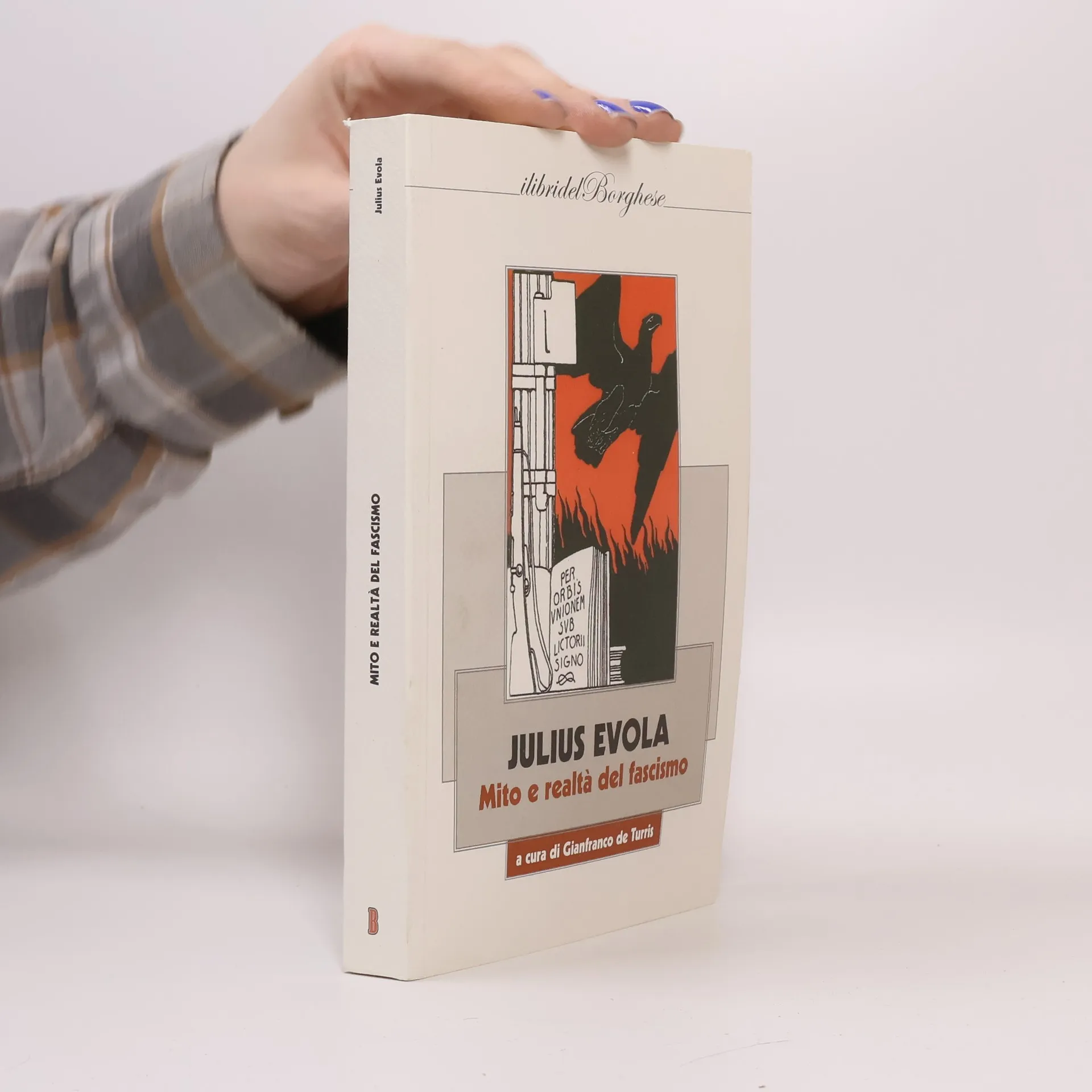
An intimate portrait of Evola and his wartime activities that rebuts many of the Fascist pseudo-myths about him--
This world-first publication reveals a previously unknown work by J.R.R. Tolkien, chronicling the final days of England's legendary hero, King Arthur. Tolkien's only foray into Arthurian legends showcases his mastery of Old English alliterative metre, imbuing the narrative with a profound sense of fate and gravity. The poem explores Arthur's overseas expedition to distant lands, Guinevere's escape from Camelot, and the climactic sea-battle upon Arthur's return, alongside the treachery of Mordred and Lancelot's inner turmoil in France. Although Tolkien began this ambitious narrative in the early 1930s and shared it with a friend who urged him to complete it, he ultimately abandoned it, likely around 1937, coinciding with the publication of The Hobbit and the early stages of The Lord of the Rings. In a 1955 letter, he expressed hope to finish the poem, but that aspiration remained unfulfilled. Accompanying the text are numerous manuscript pages revealing the poem's evolving structure, along with narrative synopses and intriguing notes that hint at connections between the Arthurian tale and The Silmarillion, as well as the unresolved love story of Lancelot and Guinevere.
nei suoi simboli, nella sua dottrina e nella sua arte regia
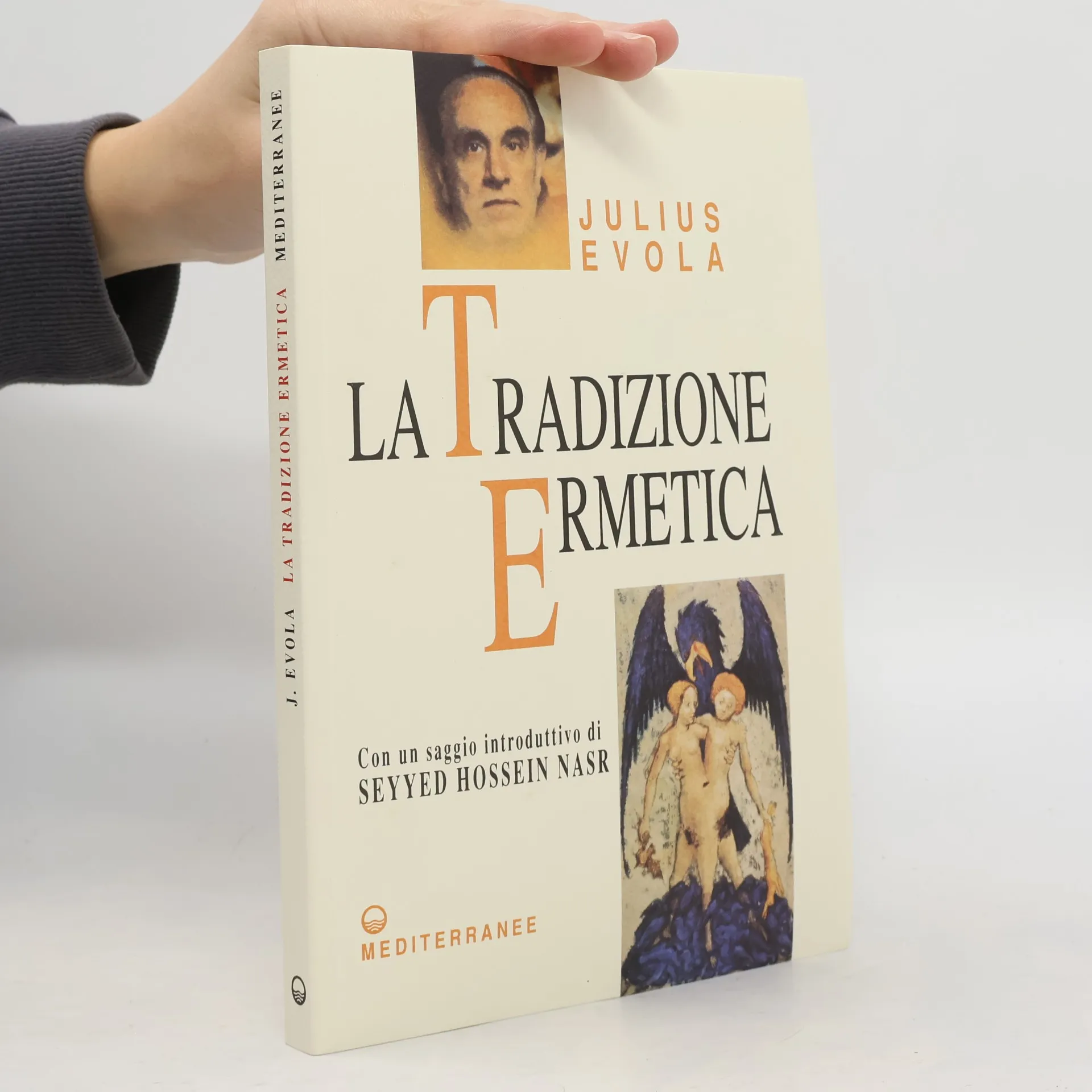
<p>L'alchimia, strettamente connessa con l'ermetismo e la tradizione ermetico-alchemica, che dal periodo alessandrino si è continuata fin sulle soglie del mondo moderno, riguarda essenzialmente un insegnamento iniziatico esposto usando il simbolismo di metalli e di trasmutazioni dei metalli. Quest'opera di Julius Evola espone in modo sistematico, con costanti e numerosissimi riferimenti alle fonti, la tradizione ermetico-alchemica secondo questo aspetto essenziale. Essa si distingue nettamente da altri tentativi di interpretazione dell'alchimia, quali quelli dello Jung e del Silberer, perché non si tratta tanto di interpretazioni psicologiche e tanto meno psicanalitiche, ma si considerano realtà ben più profonde, legate agli insegnamenti tradizionali e alla concezione generale del mondo e dell'essere umano posta come base all'insieme delle dottrine esoteriche e misteriosofiche, occidentali non meno che orientali. L'alchimia è, dunque, in realtà, una scienza iniziatica esposta con un travestimento chimico-metallurgico; le sostanze di cui parlavano i testi sono simboli per forze e principî dell'ente umano o della natura assunta sub specie interioritatis e nei suoi aspetti iperfisici. Le operazioni riguardano essenzialmente la trasformazione iniziatica dell'essere umano. L'oro alchemico rappresenta l'essere immortale e invulnerabile, pensato però negli stessi termini della teoria dell'immortalità condizionata: non come una realtà data, ma come qualcosa di eccezionalmente realizzabile mediante un procedimento segreto. Nell'insieme, ci si trova di fronte ad una cosmologia e ad uno speciale sistema di simboli e di tecniche. Ciò, per quel che riguarda il nucleo più autentico e essenziale della tradizione, separato dalle scorie e dagli elementi secondari e accessori. Fra le scorie, rientrano le speculazioni, le opere e le fatiche di coloro che, per incomprensione, presero alla lettera i simboli e si diedero a operazioni fisiche in un più o meno disordinato sperimentare e provare, nei termini, appunto, di una chimica allo stato infantile e prescientifico. Ma dai veri «figli di Ermete» costoro furono chiamati sprezzantemente «bruciatori di carbone», profani che avevano «messo a rovina» la vera scienza. Ma a parte l'esegesi dell'ermetismo alchemico dal punto di vista iniziatico, esso si presenta anche come una tipica testimonianza di una delle due grandi linee tradizionali: di quella regale, attiva e virile, opposta alla linea sacerdotale o ascetico-contemplativa. Infatti, nell'ermetismo alchemico sta in primo piano l'istanza pratica, operativa, il primato dell'«arte», quindi dell'azione, lo «sperimentalismo» esteso al piano dello spirito. Era già significativa la designazione più in uso di tale disciplina: Ars Regia, cioè arte regale. Ma soprattutto gli orizzonti realizzativi sono caratteristici. Secondo tutti i testi, la Grande Opera alchemica comprende tre fasi principali, contrassegnate da altrettanti colori — il nero, il bianco e il rosso: la nigredo, o «Opera al Nero», corrisponde più o meno all'uccisione dell'Io fisico, alla rottura della chiusura della comune individualità. L'albedo, o «Opera al Bianco», è l'apertura estatica, l'esperienza della luce, però con un carattere passivo, per cui essa viene chiamata anche regime della Donna o della Luna. Lo stadio finale o perfetto, la rubedo, o «Opera al Rosso», comporta il superamento di tale fase, la riaffermazione della qualità virile e dominatrice, per cui nei testi si parla del superamento della Donna, del regime del Fuoco e del Sole. La Tradizione ermetica comprende due parti, la prima delle quali tratta delle dottrine e del simbolismo (offrendo al lettore una chiave indispensabile ove egli si interessasse eventualmente ad uno studio dei testi); la seconda parte espone i procedimenti operativi i quali, nei termini di una scienza a suo modo positiva, e non di divagazioni mistiche, perseguono il fine essenziale di una trasmutazione e di una integrazione dell'essere umano. Uno degli intenti della presente opera è così di indicare in quest'arte una formulazione speciale della via iniziatica, caratterizzata da un orientamento affermativo «regale» in senso traslato, più che contemplativo o soltanto intellettuale o sapienziale. INDICE -Nota del Curatore -L'arte della trasformazione spirituale interiore secondo Evola (di Seyyed Hossein Nasr) -Prefazione - PARTE PRIMA - I SIMBOLI E LA DOTTRINA Introduzione: L'Albero, la Serpe e i Titani 1. Pluralità e dualità delle civiltà 2. La natura vivente 3. La conoscenza ermetica 4. «Uno il Tutto». Il drago Uroboros 5. La «presenza» ermetica 6. La creazione e il mito 7. La «Donna». L'«Acqua». Il «Mercurio». Il «Veleno» 8. La Separazione. «Sole» e «Luna» 9. Acque gelate e Acque fluenti 10. Il «Sale» e la Croce 11. I Quattro Elementi. Il Solfo 12. Anima, Spirito e Corpo 13. I «Quattro» nell'Uomo 14. I Pianeti 15. I centri di vita 16. I Sette, le Operazioni e lo Specchio 17. L'Oro dell'Arte 18. L'ombra, le ceneri, le superfluità 19. L'incesto filosofale 20. La «tomba» e la «sete» 21. Saturno, Oro inverso 22. Il campo e il seme 23. La spada e la rosa 24. Lo Stelo, il Virus e il Ferro - PARTE SECONDA - L'«ARTE REGIA» ERMETICA -Introduzione: La Realtà della Palingenesi 1. La Separazione 2. La Morte. L'Opera al nero 3. La prova del vuoto 4. Il volo del Drago 5. Via secca e via umida 6. L'ascesi ermetica 7. La via del Soffio e la via del Sangue 8. Il Cuore e la Luce 9. Denudazioni ed ecclissi 10. La sete di Dio e le «acque corrosive» 11. La via di Venere e la via radicale 12. I Fuochi ermetici 13. L'Opera al Bianco. La Rinascita 14. La congiunzione al Bianco 15. La veglia perenne 16. Il corpo di luce. Produzione dell'Argento 17. Nascita nella Vita e immortalità 18. Opera al Rosso. Ritorno alla Terra 19. I colori alchemici. La moltiplicazione 20. La gerarchia planetaria 21. Conoscenza del «Rosso». La Triunità 22. La conoscenza profetica 23. I quattro gradi del potere 24. La trasmutazione metallica 25. Le Corrispondenze. I Tempi. I Riti 26. Il silenzio e la tradizione 27. I Maestri Invisibili -Appendice: Evola e la genialità ermetica (di Stefano Andreani) -Bibliografia alchemica -Indice dei nomi e dei testi anonimi</p>
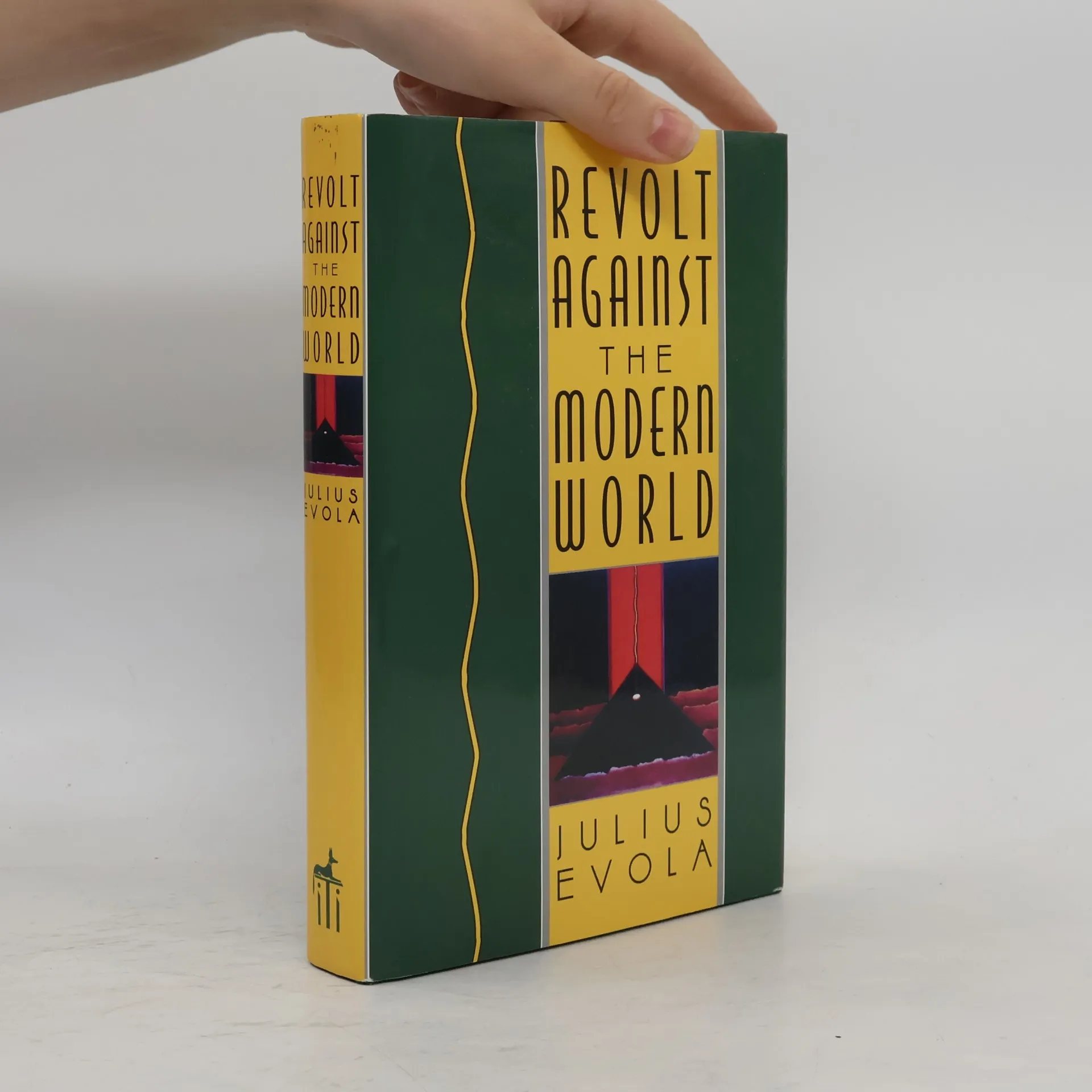
No idea is as absurd as the notion of progress, which, along with the belief in modern civilization's superiority, has distorted history and ingrained harmful myths. To grasp the essence of Tradition versus modern civilization, one must understand the doctrine of two natures: the physical and metaphysical realms, the mortal and immortal natures, and the superior realm of “being” contrasted with the inferior realm of “becoming.” This current civilization has brought restlessness, dissatisfaction, and an insatiable desire for more, leaving individuals feeling inadequate and powerless. While modern civilization may fade, it is not unique in its extinction; cycles of rise and fall are part of existence. Julius Evola critically examines the spiritual and cultural malaise within Western civilization, challenging the notion of progress and exposing the hollowness of consumerism and individualism. His analysis delves into the deeper causes undermining higher values and traditions foundational to Western culture. He aligns with Hindu philosophy, viewing history as cyclical, and advocates for revolt against the materialism of the modern age. Through a comprehensive study of Western civilization's structures, myths, and traditions, Evola confronts readers with unsettling truths about contemporary life. A controversial thinker, Evola's works explore ancient civilizations and esoteric traditions, revealing profound insights into the human