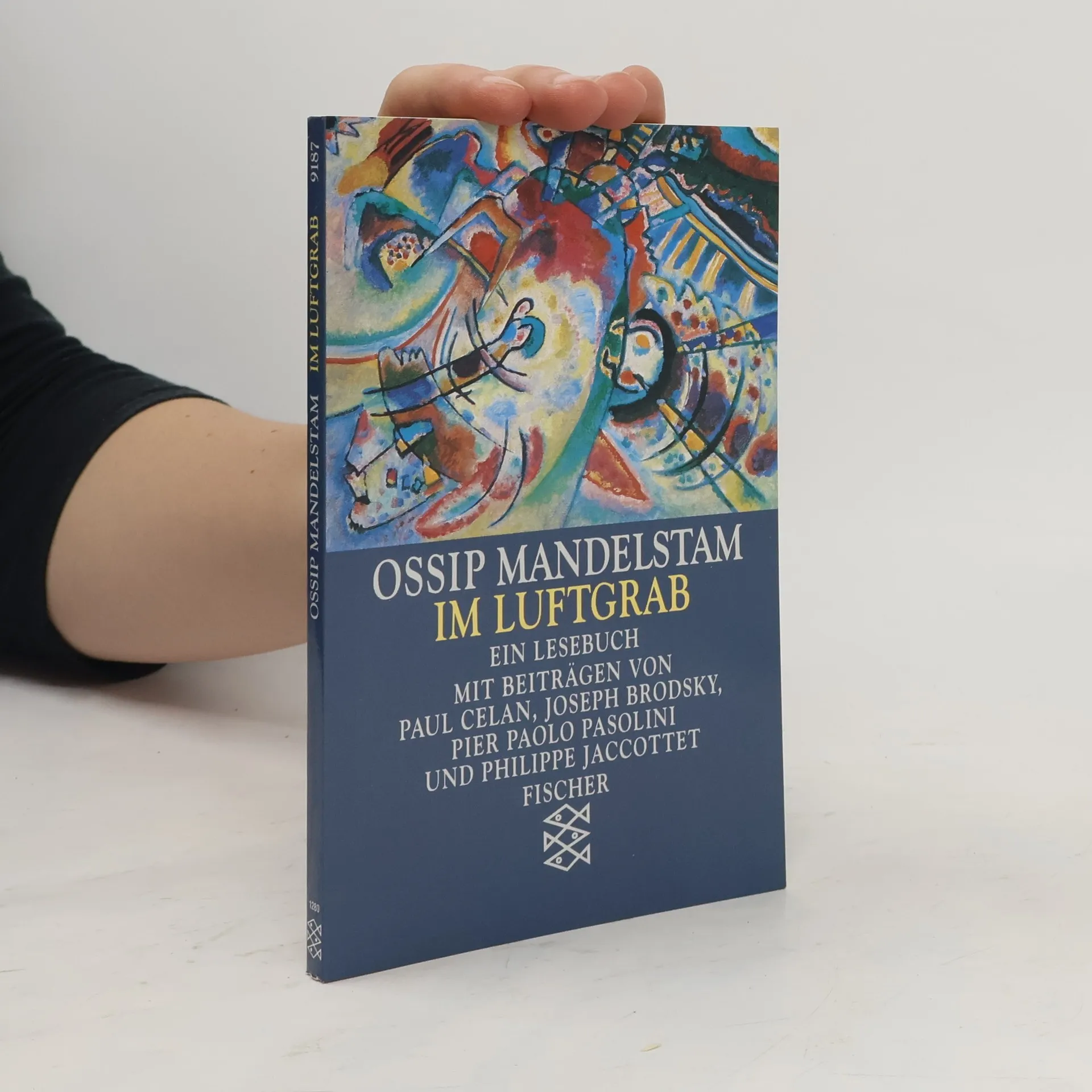
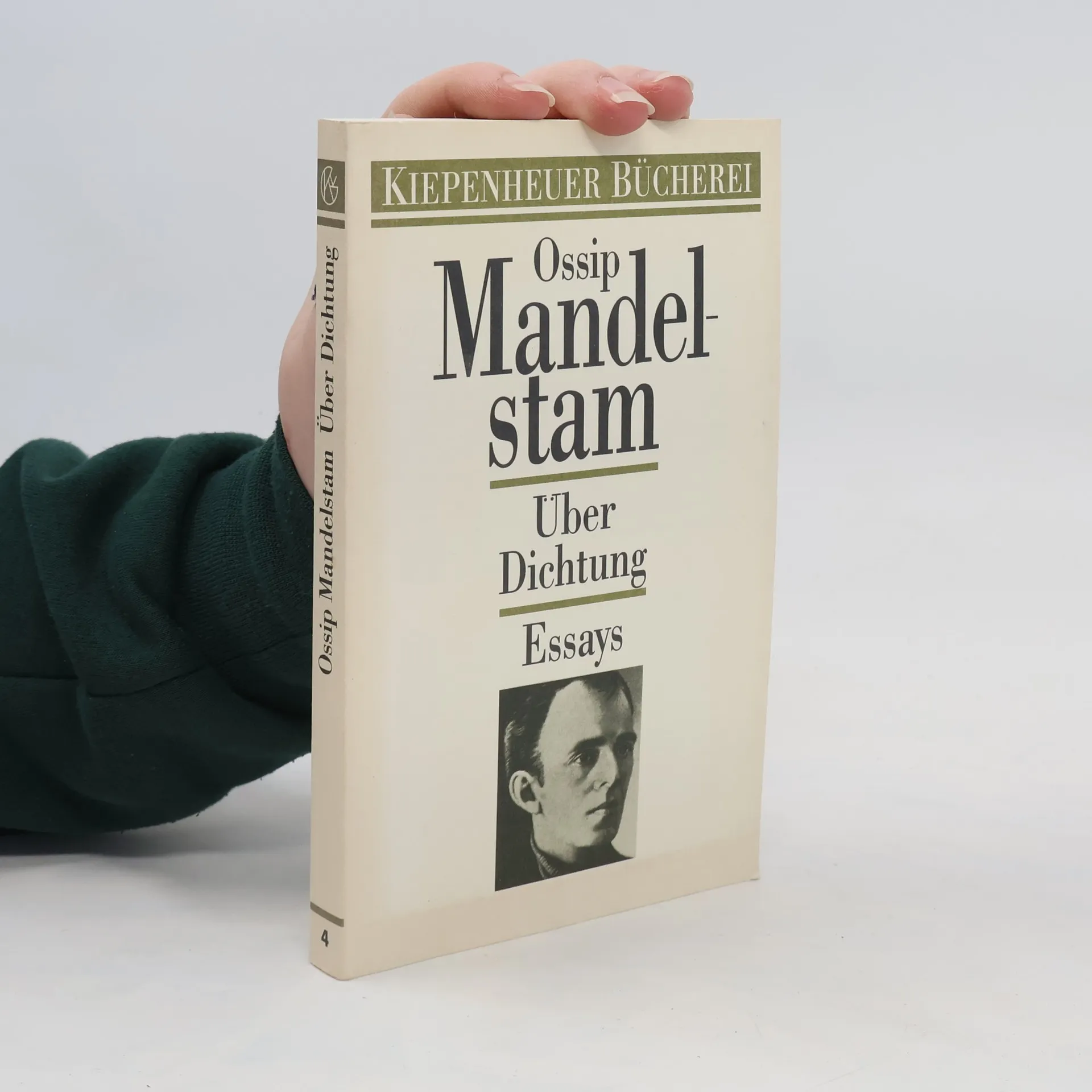
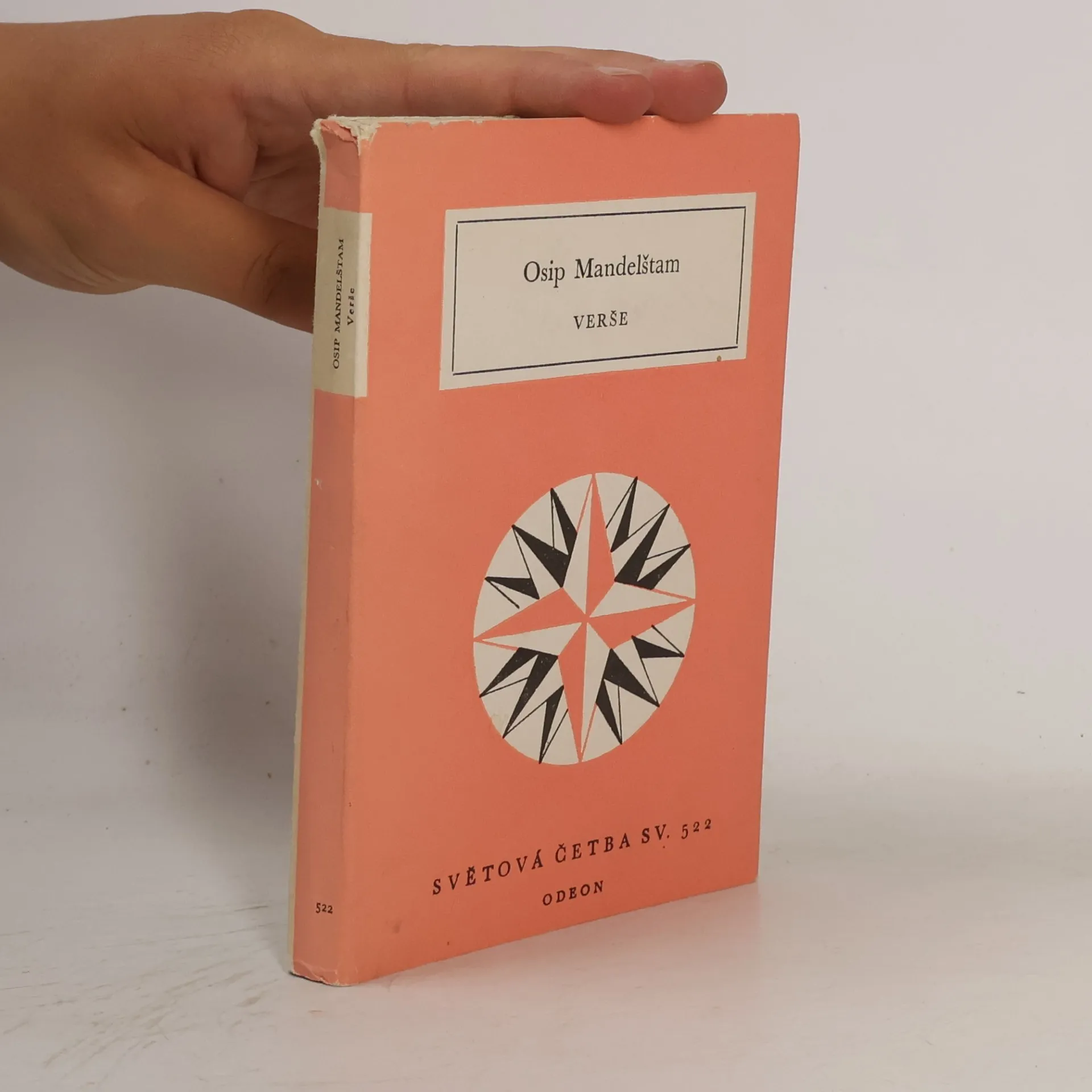
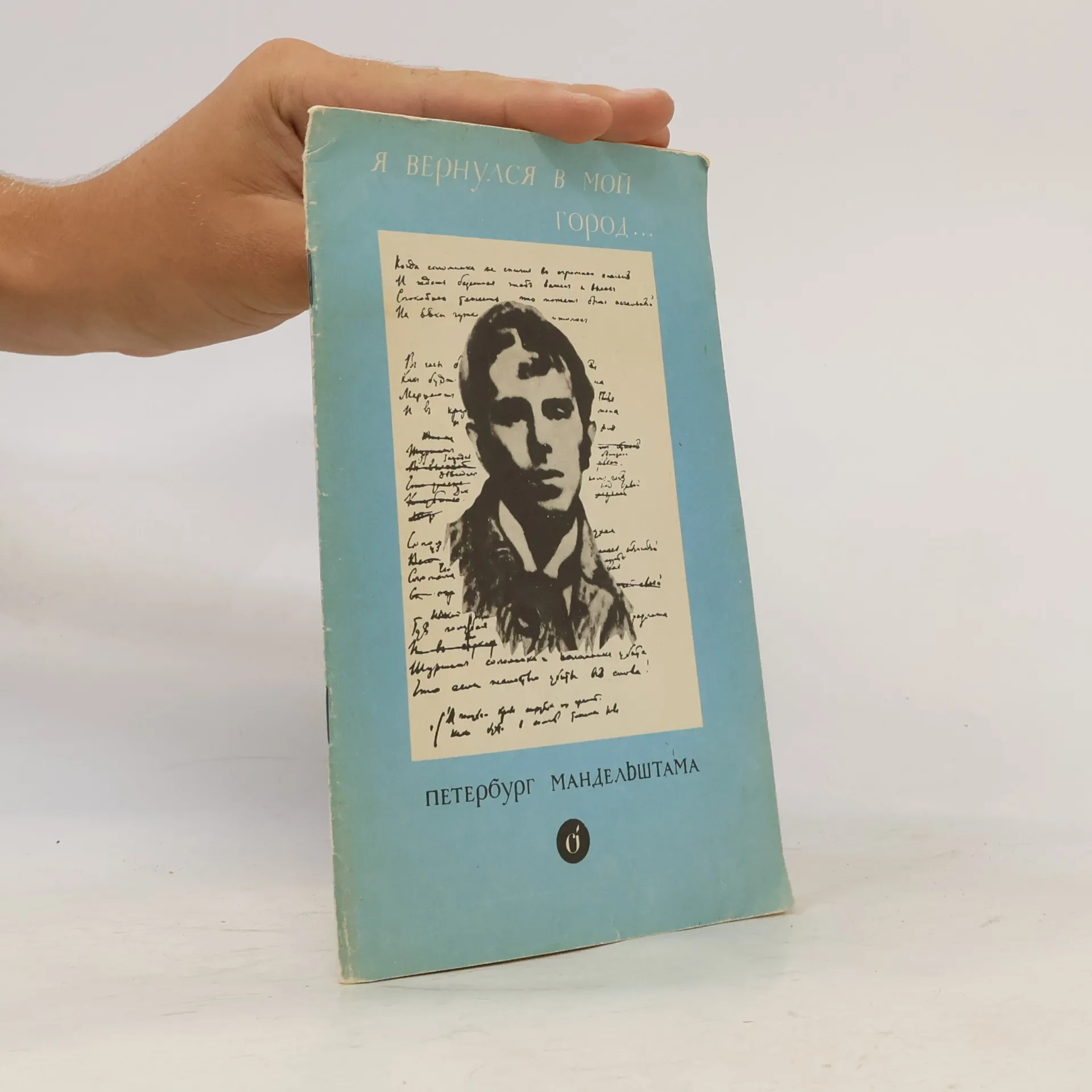
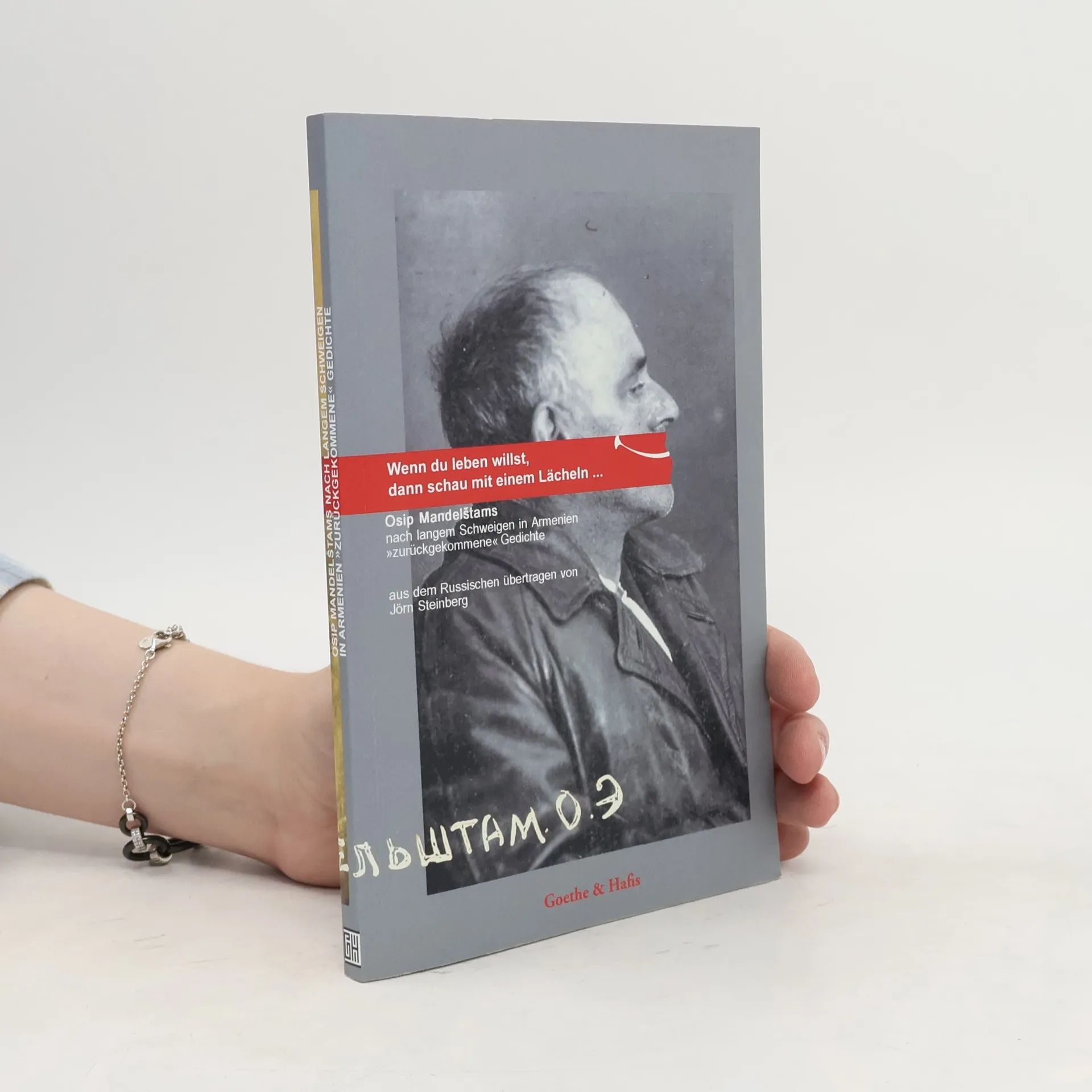
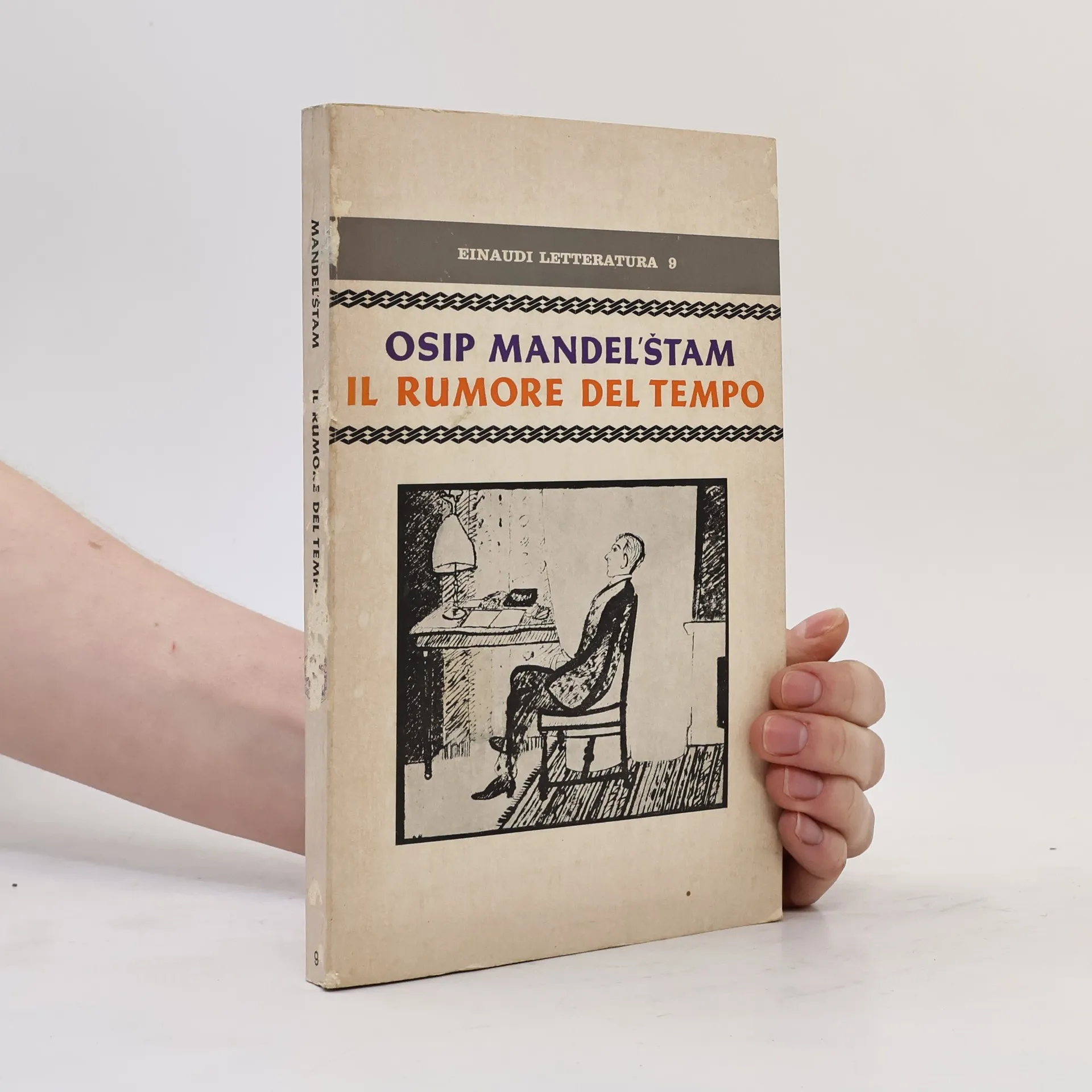
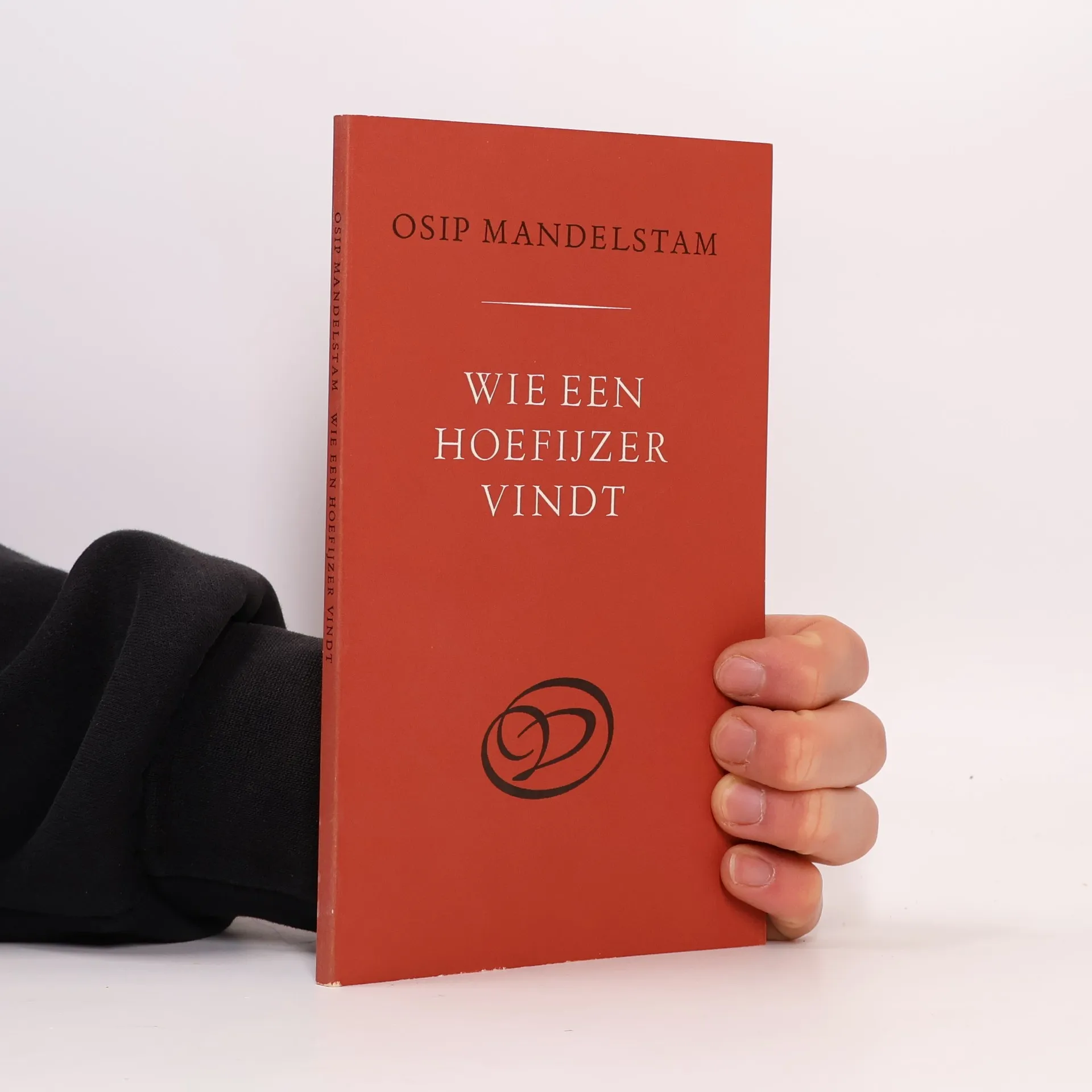
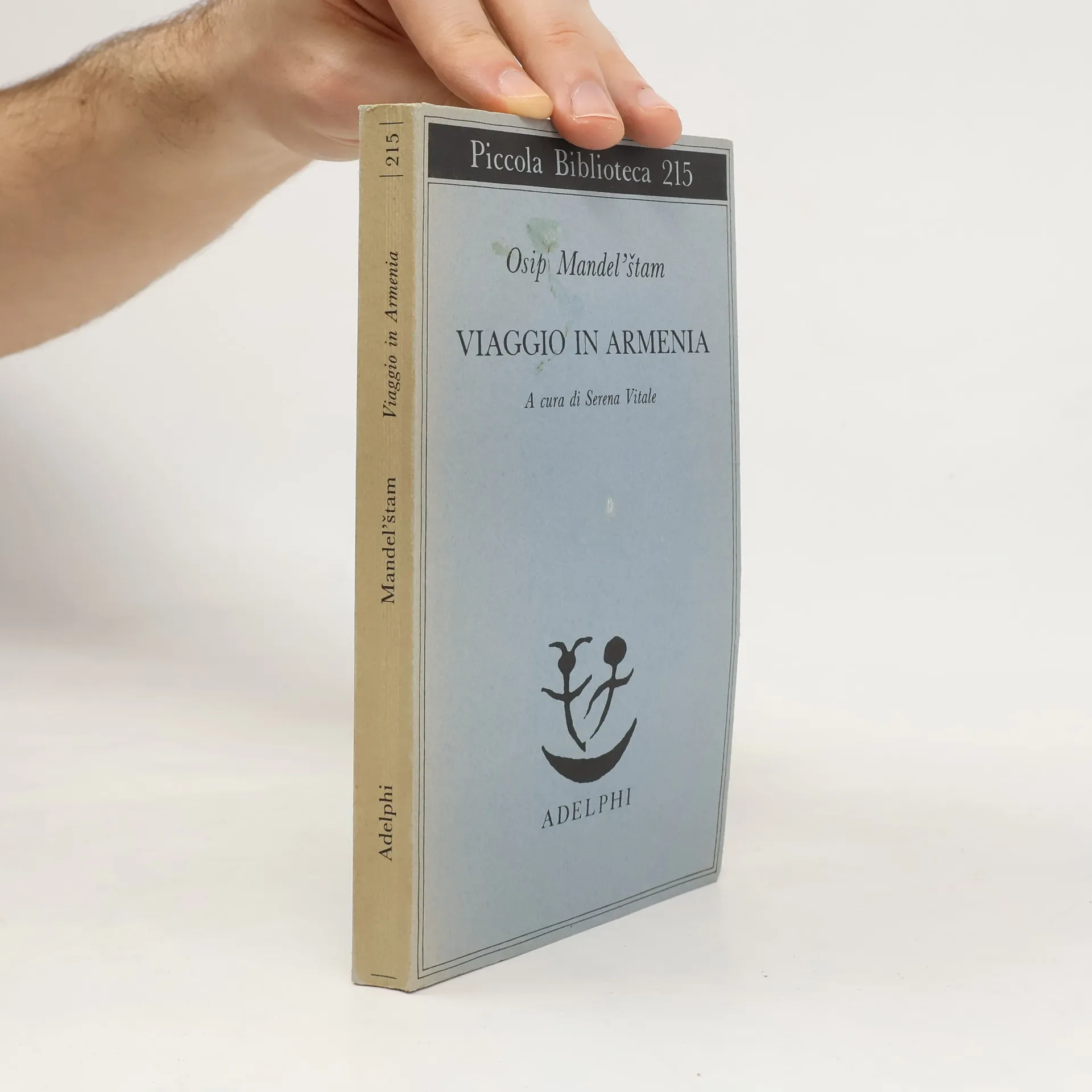
Mendelštam Osip Livres
Osip Mandelstam était un poète et essayiste russe, figure centrale du mouvement acméiste. Son œuvre capture l'époque tumultueuse de la Révolution russe et de l'ascension de l'Union soviétique. La poésie et les essais de Mandelstam sont célébrés pour leur rigueur intellectuelle et leur élégance formelle, explorant souvent les thèmes de la mémoire, de la culture et de la liberté individuelle sur fond de régimes oppressifs. Sa voix distinctive et son importance littéraire perdurent malgré les circonstances tragiques de sa vie.

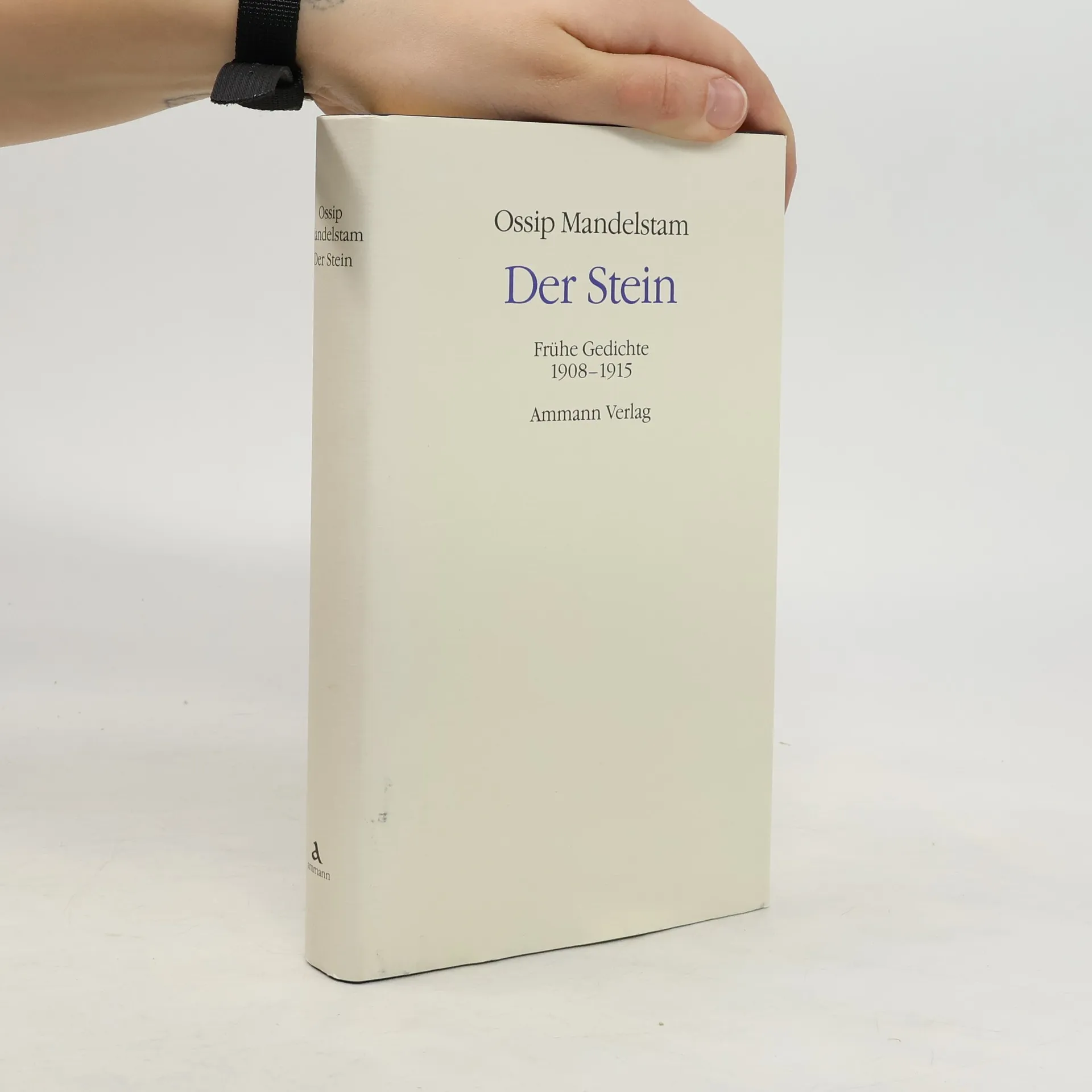
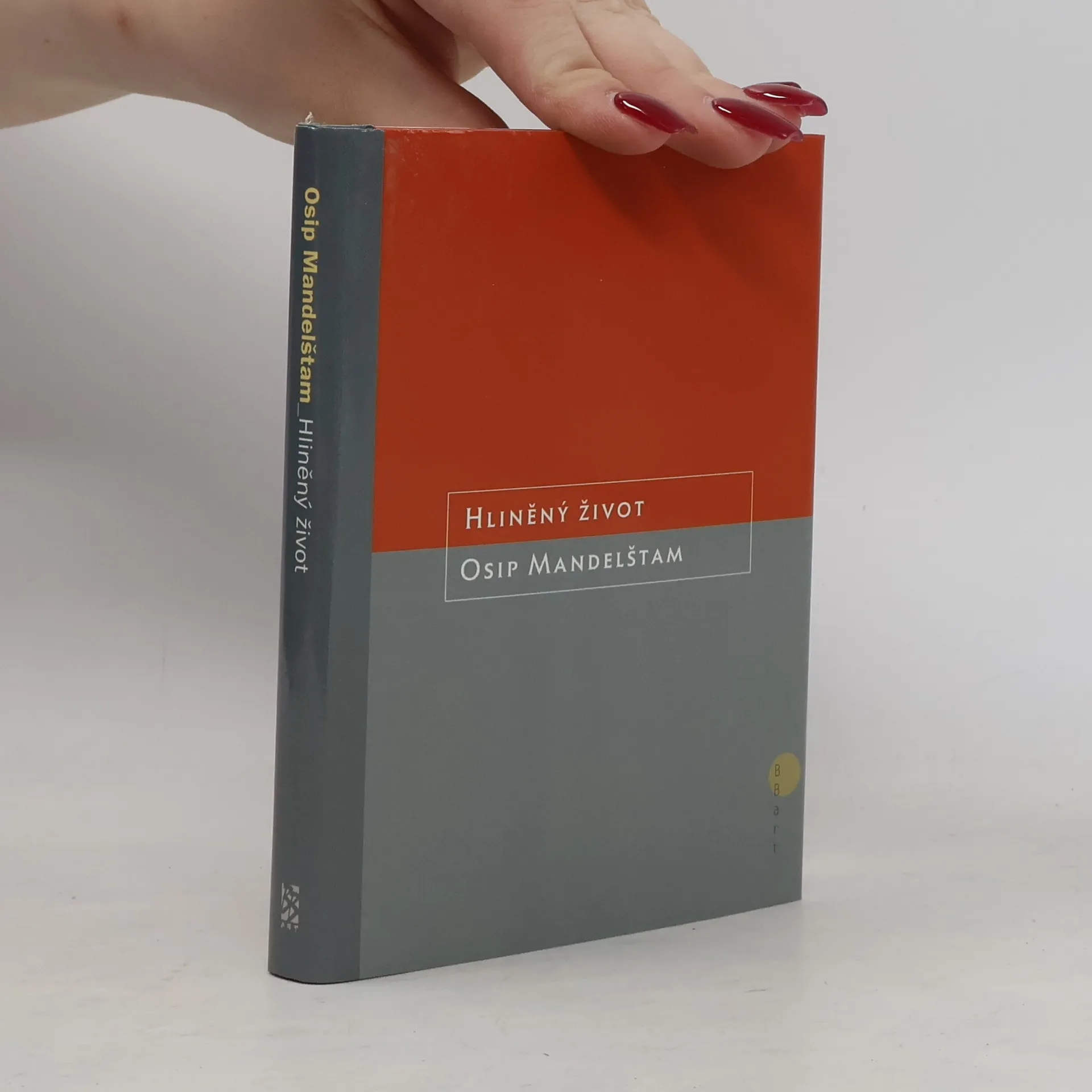
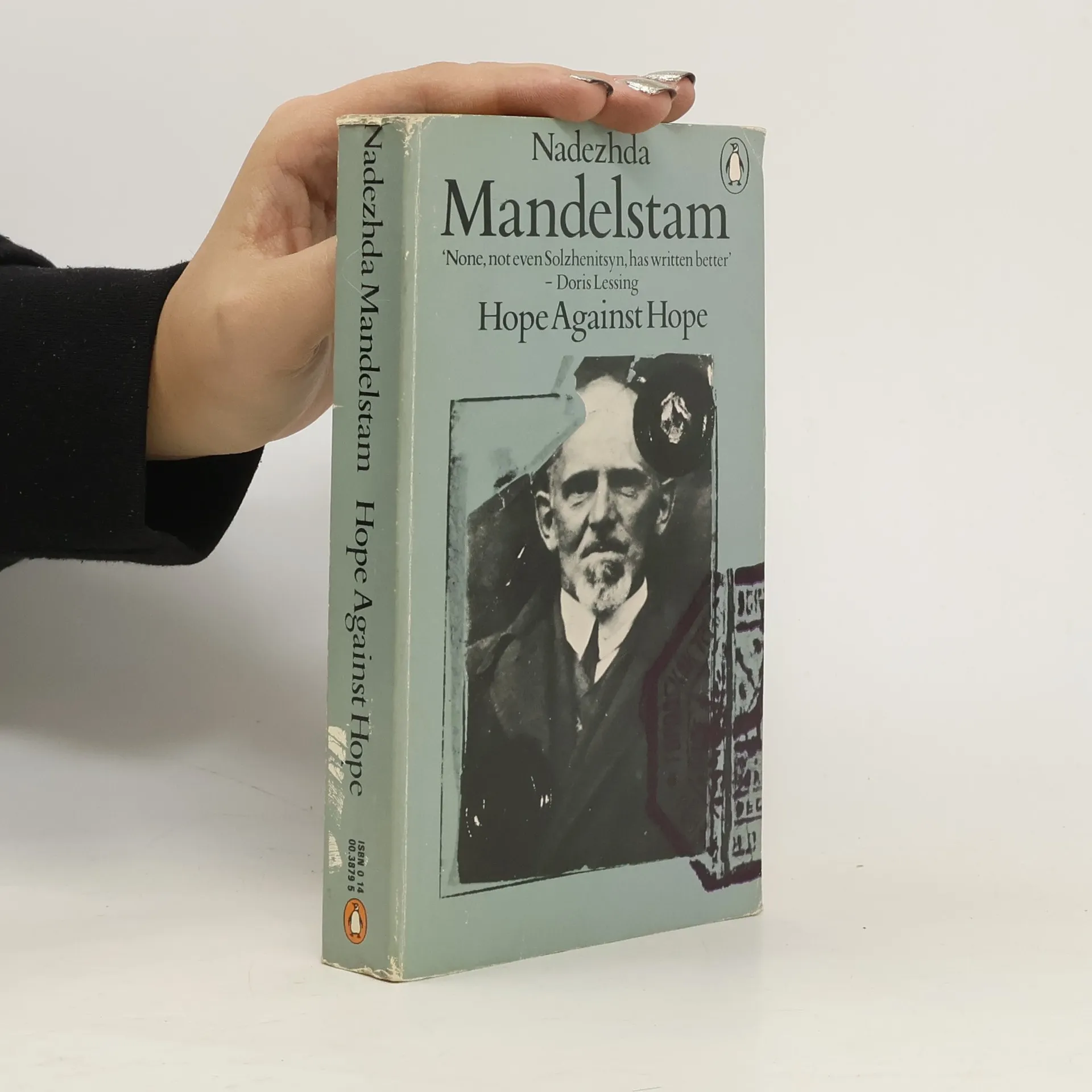
First published by Collins and Harvill Press in 1971.
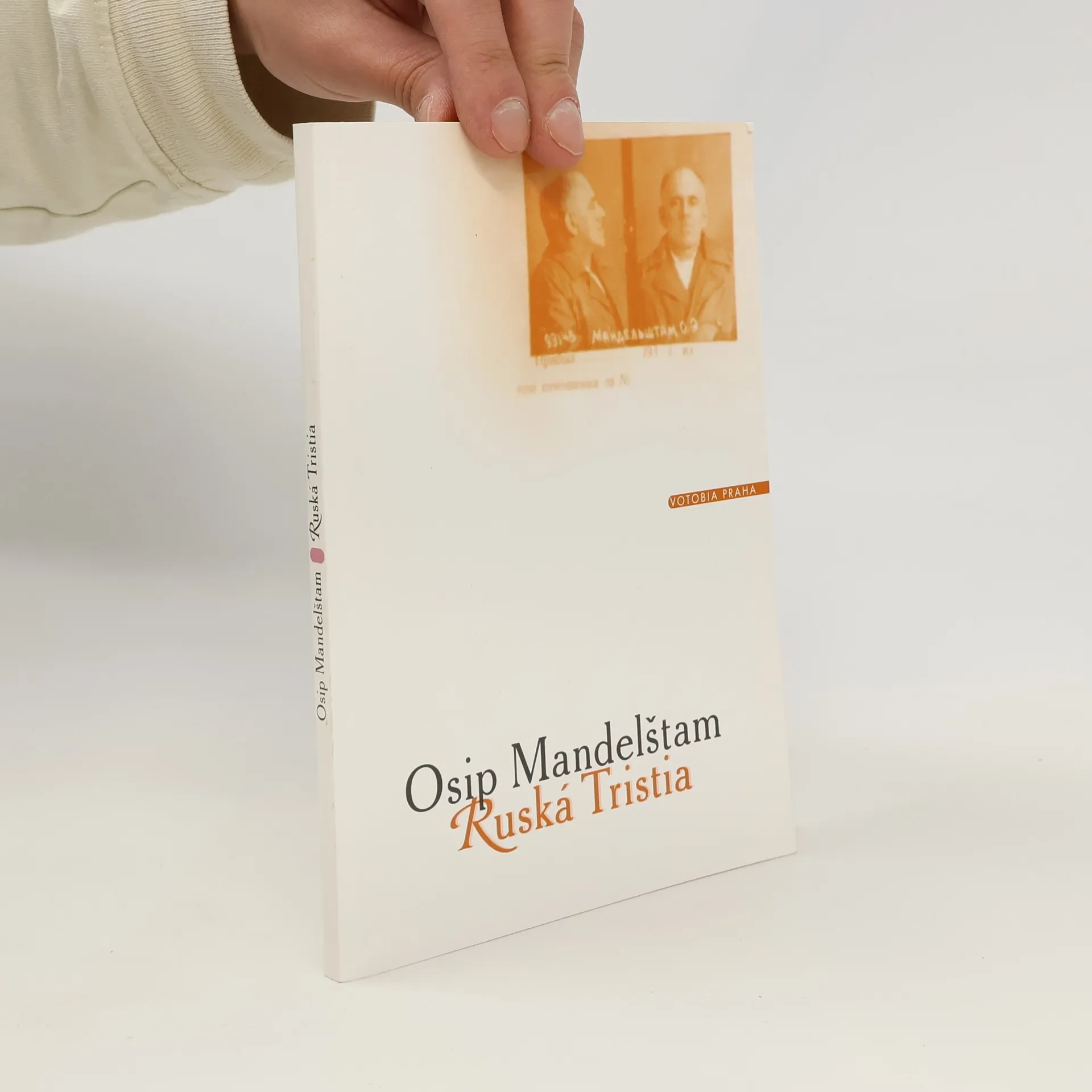
Ruská Tristia
- 107pages
- 4 heures de lecture
Výbor z poezie jednoho z nejosobitějších ruských básníků meziválečné epochy představí autora v chronologickém průřezu jeho sbírkami i verši do knih nezařazenými.
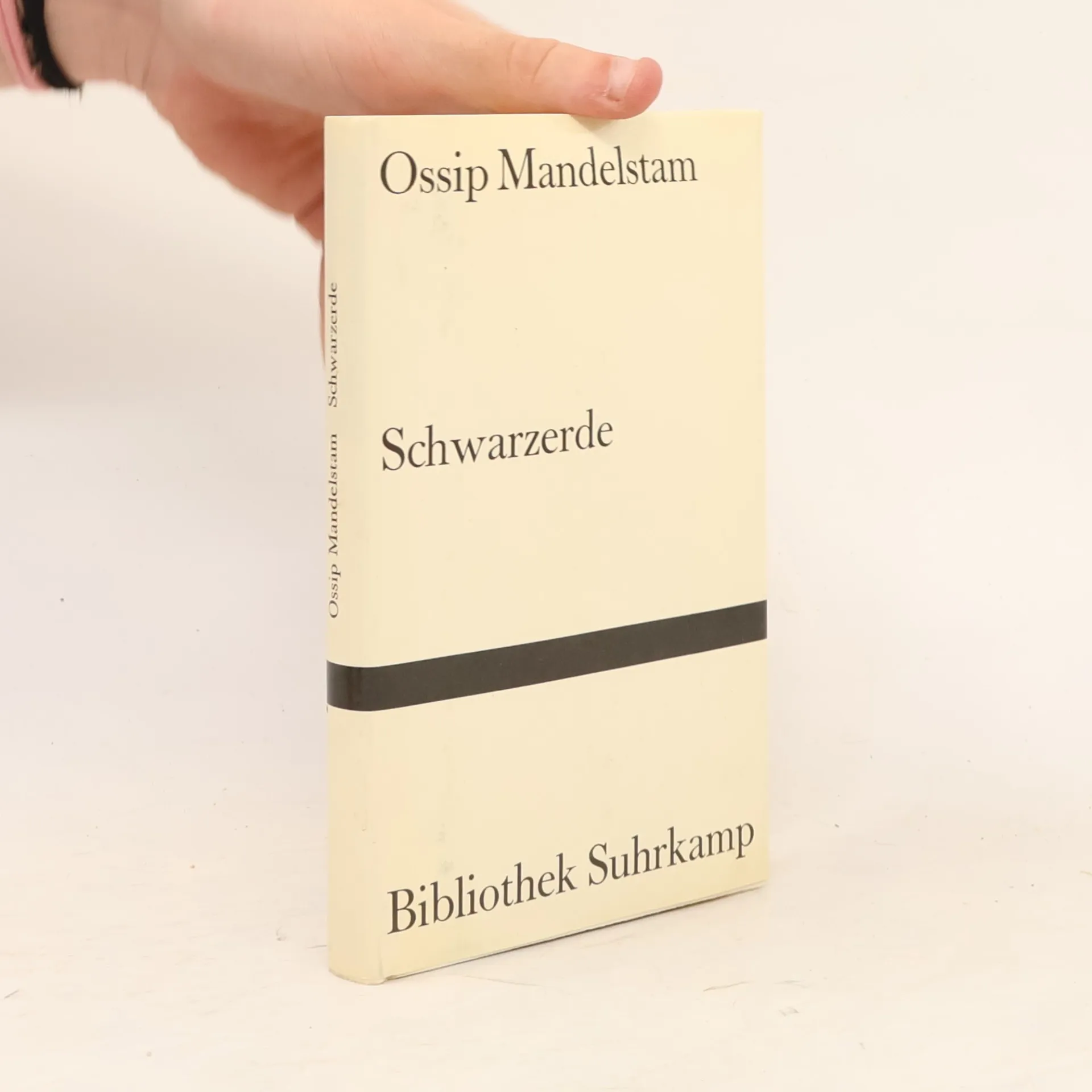
Schwarzerde
- 164pages
- 6 heures de lecture
Osip Mandelštam (1891–1938) patřil k básníkům, k nimž se Jan Zábrana po celý život, od chvíle, kdy se s nimi setkal poprvé, neustále vracel, a hnán touhou po postižení jejich podstaty své překlady jejich básní, které tu a tam vyšly časopisecky nebo byly vyrobené, jak sám přiznal, když „překladateli hořel termín a které nelze publikovat“, neustále přepracovával. Zábrana v Mandelštamovi, jednom z největších ruských a přinejmenším evropských básníků 20. století, který dožíval ve vyhnanství a zahynul ve sběrném lágru u Ochotského moře – jeho vlastními slovy v básníkovi, jehož zabili –, nacházel „svět, kterému rozumím“ a v němž „úděsnost historie bez šťastného konce mi připomíná klima mého života“ (citováno ze Zábranových deníků, které vyšly pod názvem Celý život). A v pozůstalosti tohoto českého básníka zůstal konvolut definitivních překladů, jimiž se mu podle našeho mínění podařilo postihnout onu podstatu „spřízněného“ básníka natolik, že bytostný Rus Mandelštam se stal součástí moderní české poezie.
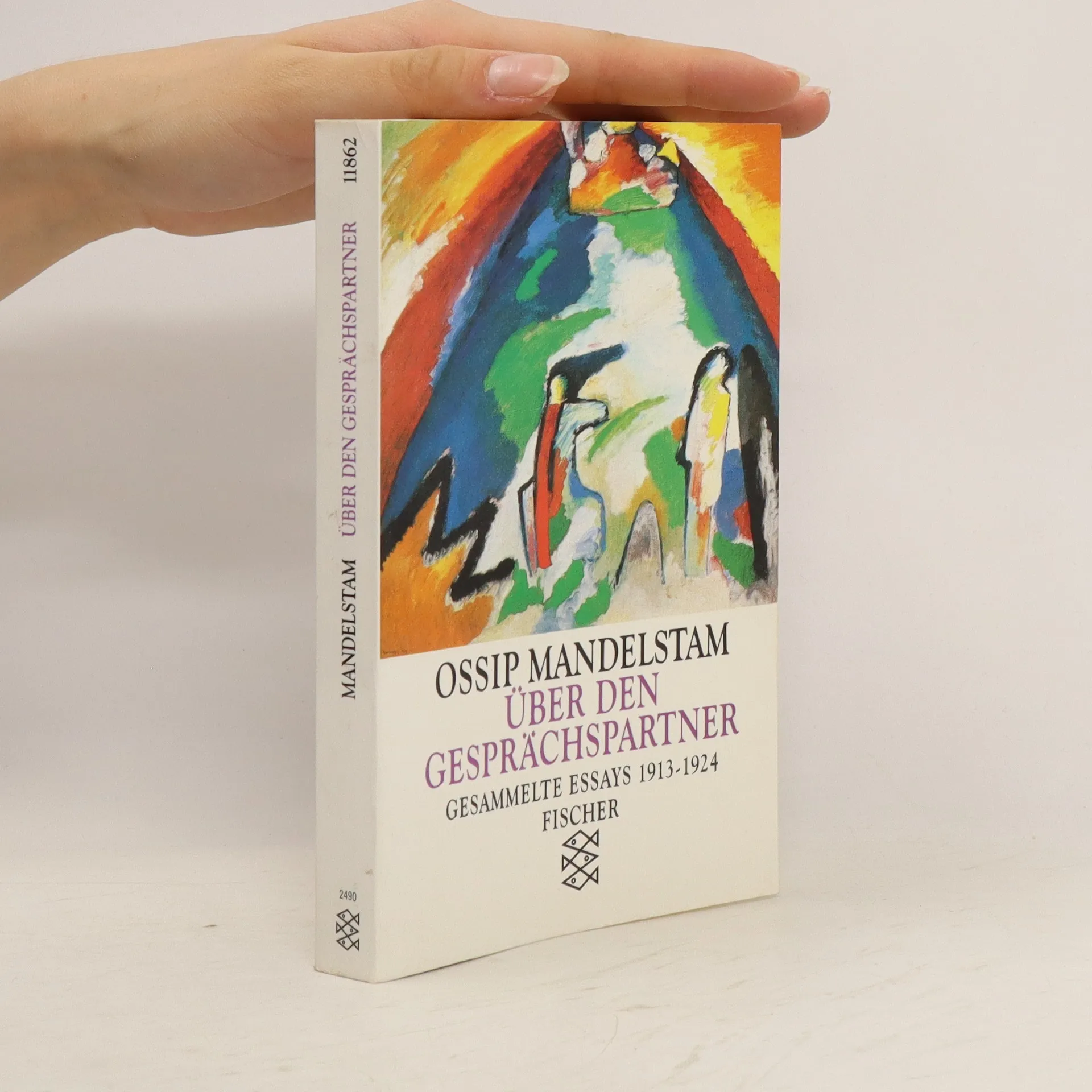
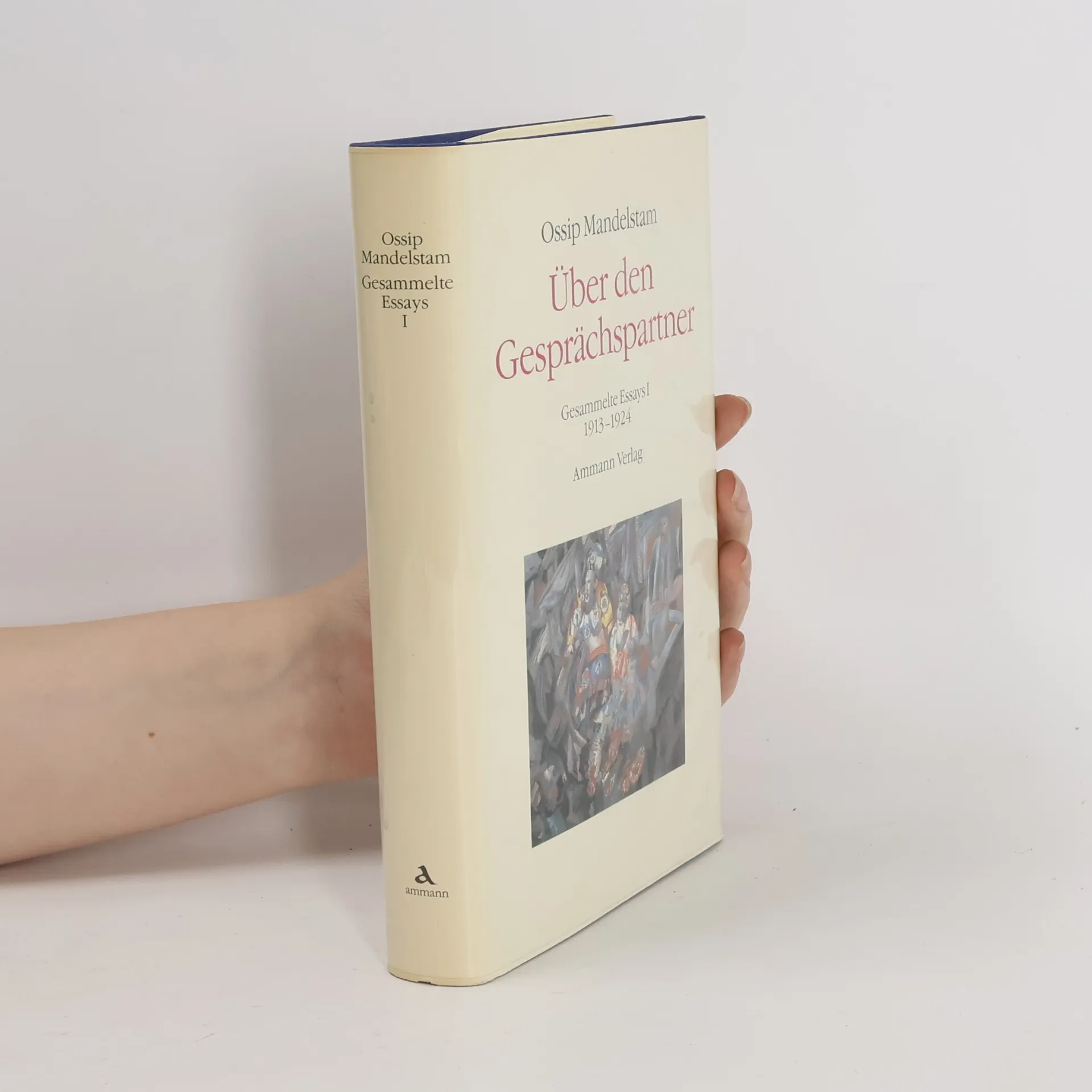
Über den Gesprächspartner
Gesammelte Essays I 1913-1924
In diesem ersten Band der zweibändigen Essay-Ausgabe sind Ossip Mandelstams theoretische Arbeiten aus den Jahren 1915 bis 1924 versammelt. Der Autor erweist sich in diesen Schriften als markante Figur im Disput der literarischen Gruppen in Rußland in den ersten beiden Dekaden unseres Jahrhunderts. Den Vertretern des russischen Symbolismus und dem innovationsbesessenen Futurismus hält er seine Position entgegen, die Werte des sogenannten ›Akmeismus‹: Konkretheit, Präzision, Diesseitigkeit, Bejahung der Kultur als eines lebendigen Gedächtnisses. Es handelt sich um Texte ganz verschiedener Tonart: da ist das apokalyptische Pathos der Revolutionszeit spürbar, da finden sich Ironie, Lust an Polemik, am Spott. Und es finden sich höchst originelle Charakterisierungen von literarischen Zeitgenossen (zum Beispiel Pasternaks). Der Band hält auch Überraschungen bereit - etwa das einfühlsame Interview mit Ho Chi Minh aus dem Jahr 1923. In seinen Essays ist natürlich auch Mandelstams geistige Biographie eingeschrieben, hier eröffnen sich die gedanklichen Hintergründe seiner Weltsicht und seiner Poetik. Diese Texte sind, so die ›Süddeutsche 2eitung‹, »das geistige Vermächtnis eines großen Europäers«.
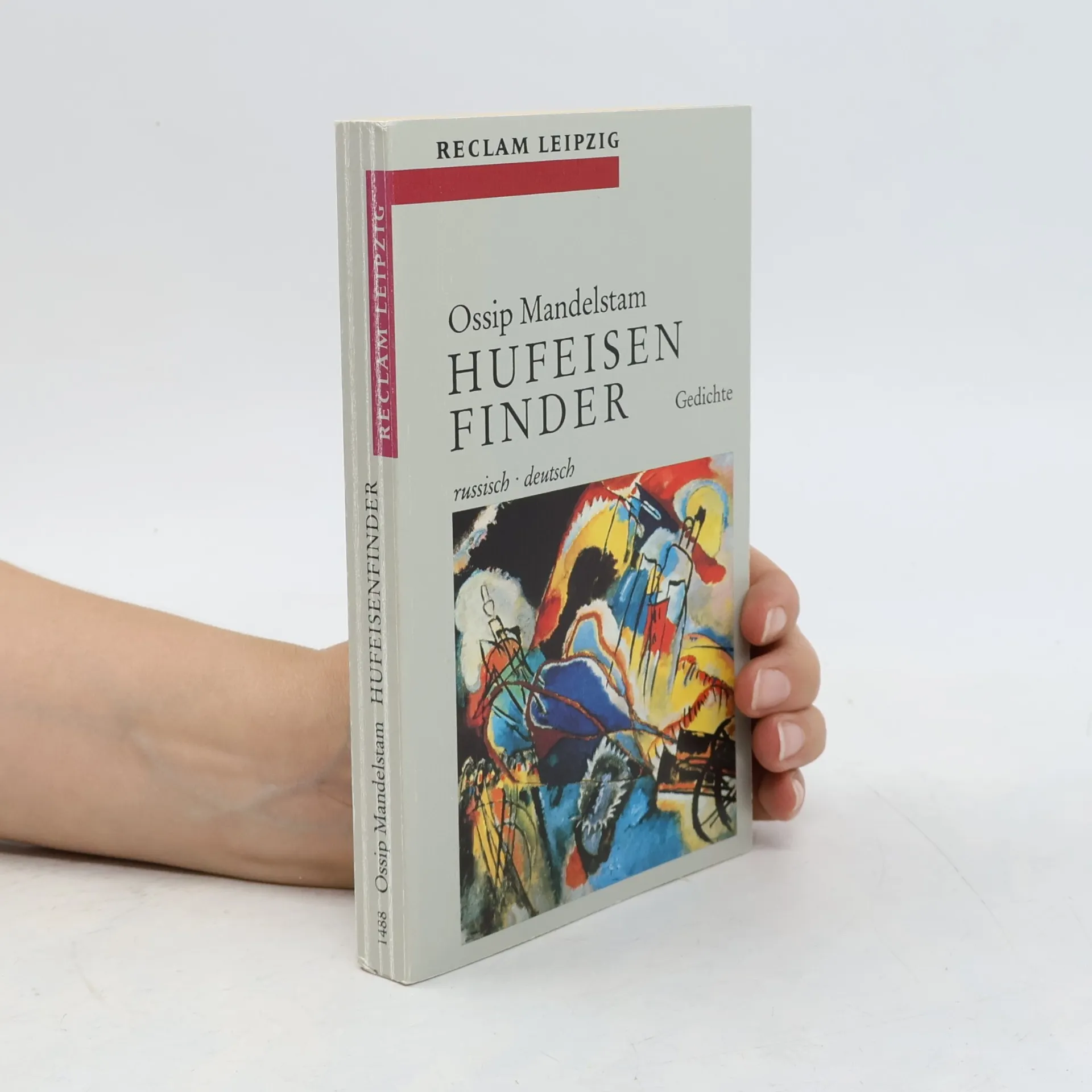
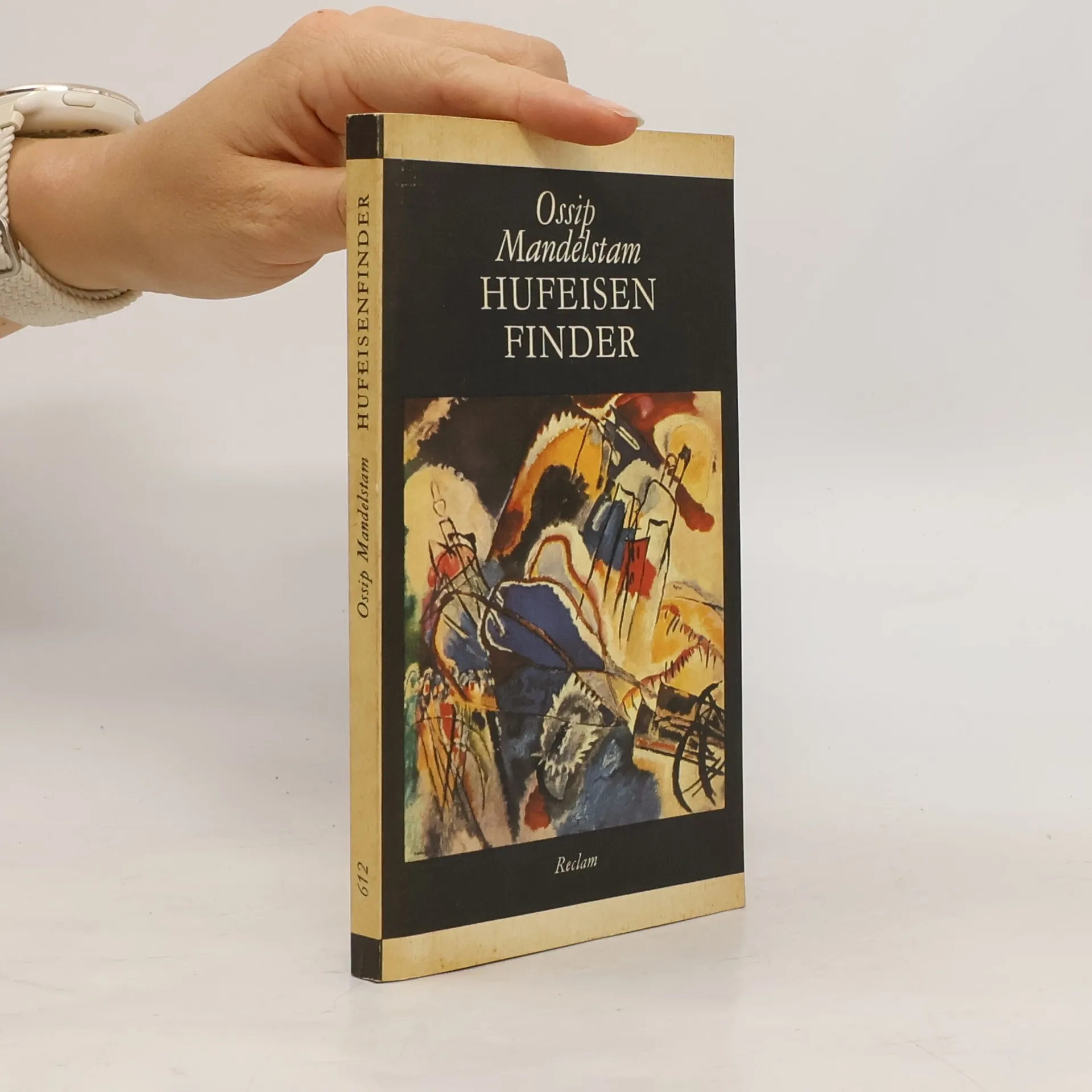
Hufeisenfinder. Gedichte. Hrsg. v. Fritz Mierau. Russ.-Dtsch.
- 223pages
- 8 heures de lecture
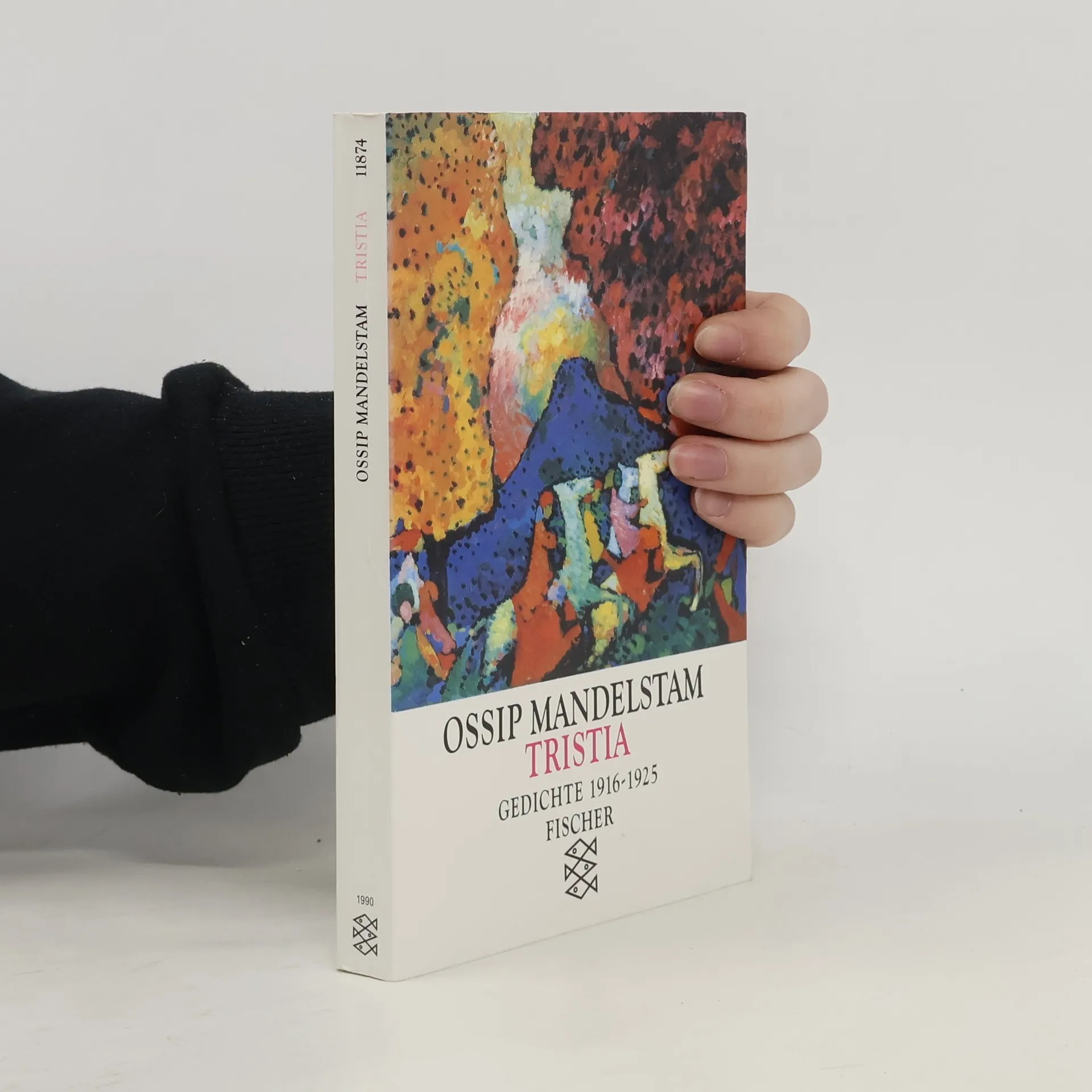
Tristia
- 302pages
- 11 heures de lecture
Wie kaum ein anderer hat sich der russische Schriftsteller Ossip Mandelstam (1891 - 1938) bemüht, das brüchige Kulturfundament des nachrevolutionären Rußland zu retten. In den Augen des Autors erscheint der staatlich dekretierte Geschichtsoptimismus als grausames und zugleich schwaches »Zeittier«, die Sowjetherrschaft als »Joch von Bosheit und Gewalt«. Mandelstam schreibt in seinen Gedichten aus den Jahren 1916 - 1925 gegen das Vergessen, seine Gedichte sind beseelt von einer allumfassenden »Sehnsucht nach Weltkultur«. Es sind Gedichte des Abschieds und der Schuld, auch des Exils. Tristia ist zugleich die am stärksten von Liebe durchdrungene Gedichtsammlung Mandelstams. Die Frauengestalten in Tristia - ein ganzer Reigen von Musen, sind den Mythen, der Literatur oder dem Leben entstiegen. Mandelstam verdichtet die Liebe zu einer von Eros und Tod gleichermaßen inspirierten, zärtlichen Litanei, und dieser (zweisprachige) Band enthält denn auch einige der schönsten Liebesgedichte der russischen Lyrik.
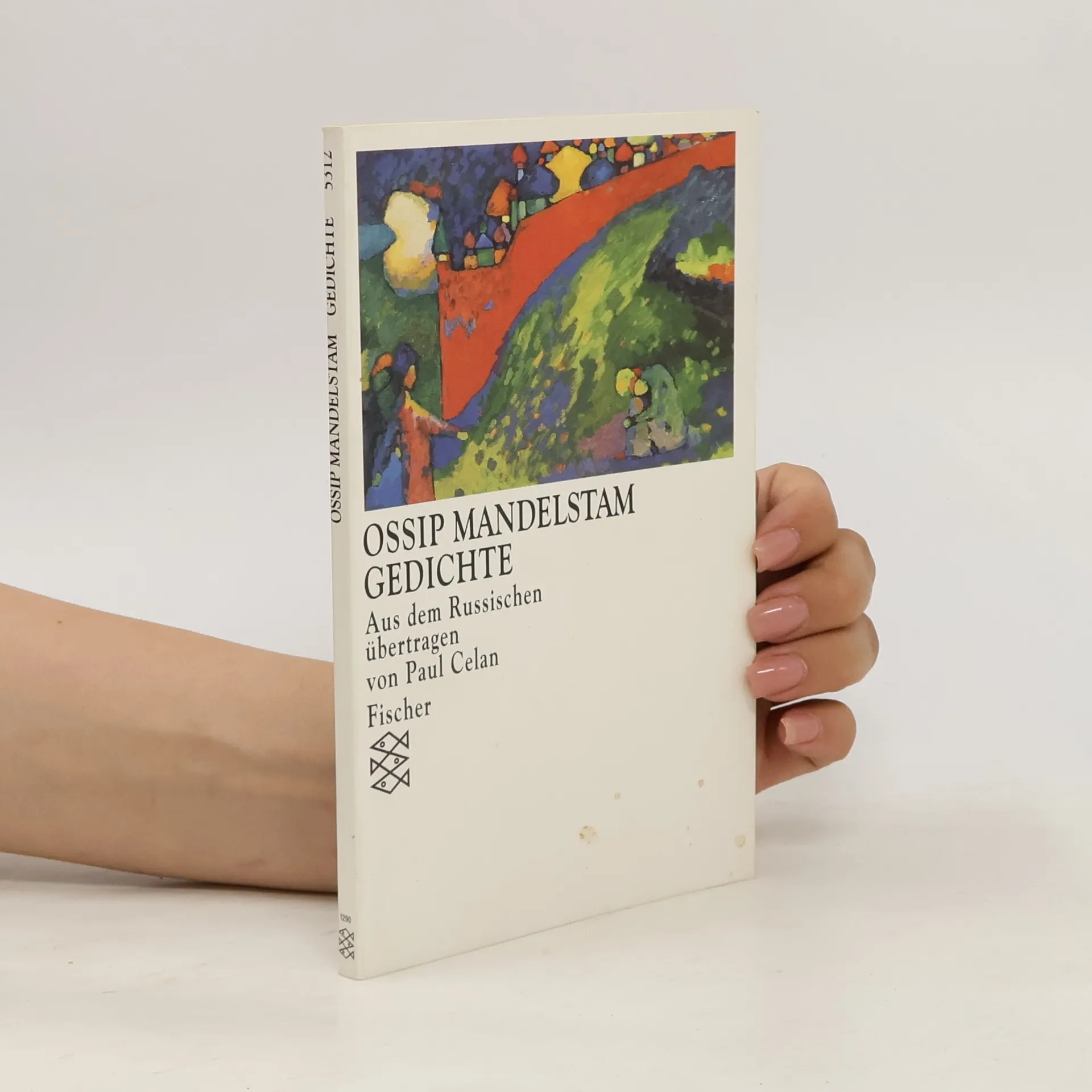
Gedichte
- 80pages
- 3 heures de lecture
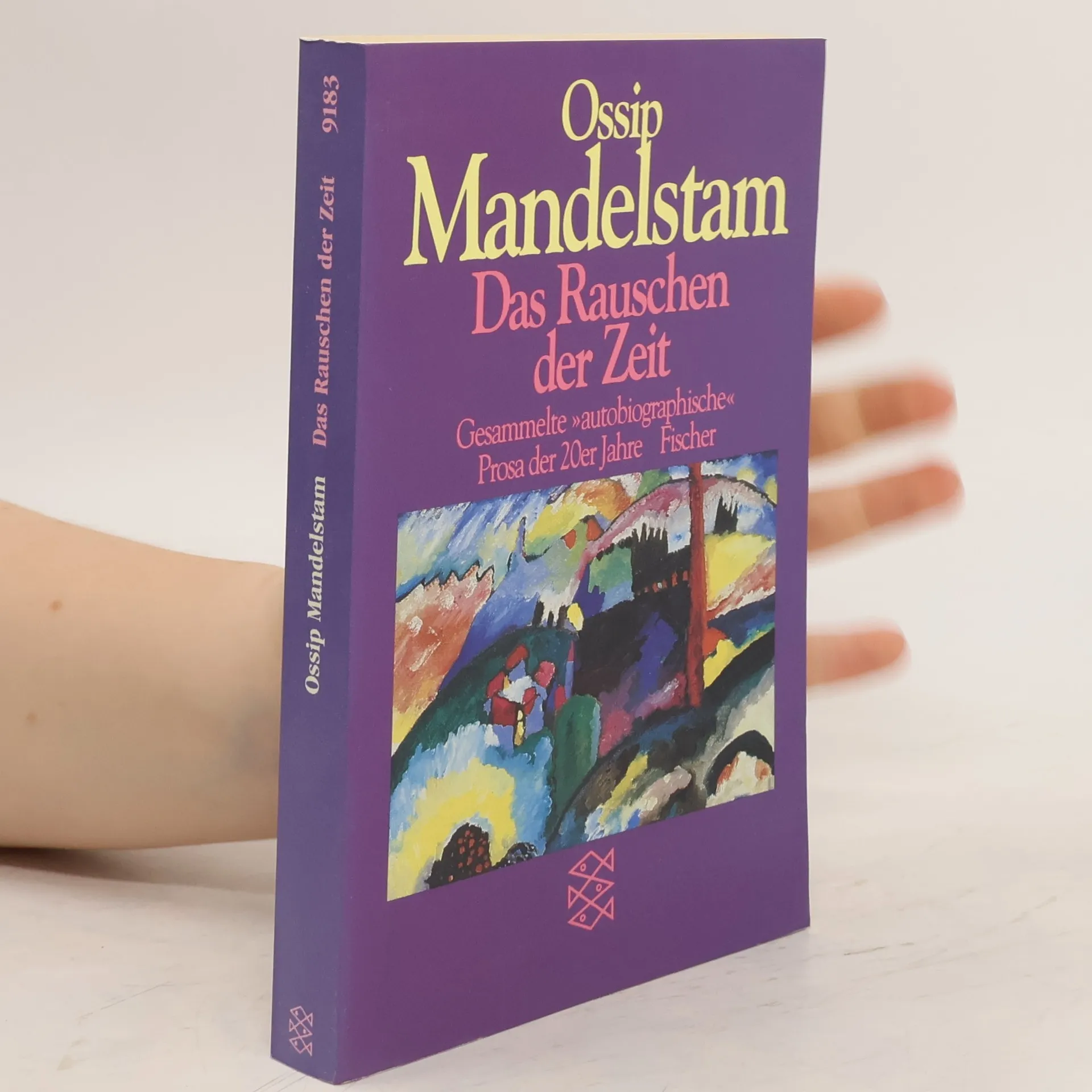
Eine Kindheit in Petersburg, in den neunziger Jahren des 19. Jahrhunderts bis zur Revolution von 1905, zeichnet ein Bild des prunkvollen Lebens, der Begräbnisfeierlichkeiten und der Studentenunruhen. Sommeraufenthalte in Finnland und Riga prägen die Erinnerungen, während der Bücherschrank in der Petersburger Wohnung durch den Geruch des Lederhandels des Vaters charakterisiert ist. Die klangvolle russische Sprache der Mutter hinterlässt einen bleibenden Eindruck. Die Prosa des russischen Lyrikers Ossip Mandelstam ist zwar reich an präzisen Erinnerungen, doch nur bedingt autobiografisch. Werke wie ›Das Rauschen der Zeit‹ (1925) bieten ein einzigartiges Porträt des vorrevolutionären Rußlands. ›Feodosia‹ (1925) umfasst Prosastücke aus der Krim während des Bürgerkriegs 1918-20, während ›Reiseskizzen und Erinnerungen‹ (1922-27) die nachrevolutionäre Zeit reflektieren. In ›Die Ägyptische Briefmarke‹ (1928) wird die bizarre Geschichte des kleinen Mannes Ponak erzählt, der während der Revolution seinen Ausgehanzug verliert – eine Parabel der chaotischen Welt. ›Ein Dichter über sich selbst‹ (1928) und ›Vierte Prosa‹ (1929-30) sind Mandelstams Antworten auf die Hetzkampagne Stalins von 1928. Diese Texte sind in der Sowjetunion unveröffentlicht und kursieren unter Künstlern und Intellektuellen. Der erste Band einer deutschsprachigen Werksausgabe präsentiert Mandelstams faszinierende, lyrische und ironische Prosa in deutscher Übersetzung.
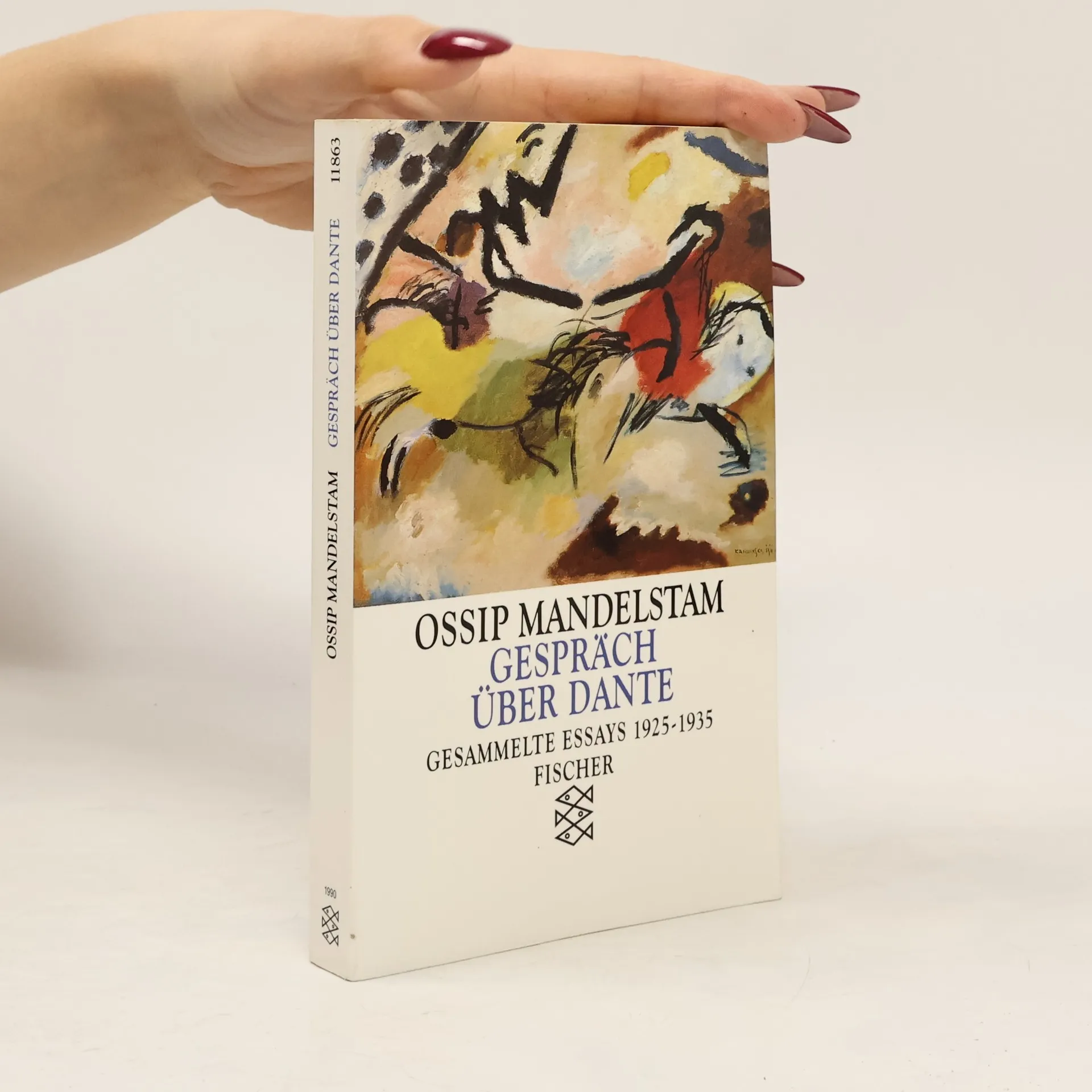
In Mandelstams Essays ist eine geistige Biographie eingeschrieben, hier eröffnen sich die gedanklichen Hintergründe seiner Weltsicht und seiner Poetik. Anhand der Essays kann der Leser den Weg Mandelstams verfolgen, wie er sich von der anfänglichen Beschäftigung mit ausschließlich ästhetischen Fragen zu eindeutigen politischen Stellungnahmen bewegt, bis hin zu dem auf Stalin gemünzten Epigramm vom »Seelenverderber und Bauernschlächter«. Mandelstams Kampf um die Freiheit des Individuums endet in der Verbannung. Herzstück des zweiten Bandes der gesammelten Essays ist jene Arbeit, die diesem Band auch den Titel gab: ›Gespräch über Dante‹. Voll Bewunderung schreibt der große Europäer Mandelstam über den ersten Aufklärer in der europäischen Geschichte: »Die Lektüre Dantes ist vor allem eine nie endende Arbeit, die uns, je mehr wir fortschreiten, um so weiter vom Ziel entfernt. Bringt eine erste Lek-türe nur Atemnot und eine gesunde Müdigkeit, so besorge man sich für die folgende ein Paar unverwüstliche Schweizer Nagelschuhe. Ich frage mich allen Ernstes, wie viele Sandalen Alighieri während seiner dichterischen Arbeit auf den Ziegenpfaden Italiens durchlaufen hat.«
Journey to Armenia
- 80pages
- 3 heures de lecture
Осип Мандельштам (1891–1938) — одна из ключевых фигур русской культуры XX века, ее совершенно особый и самобытный поэтический голос. «В ремесле словесном я ценю только дикое мясо, только сумасшедший нарост», — так определял Мандельштам особенность своей прозы с ее афористичной, лаконичной, плотной языковой тканью.
Je to druhé vydání Kovtunových překladů básní O.M., jež vyšly v roce 1979 v exilu pod názvem Topůrko pro kata. V porovnání s exilovým vydáním je tento soubor asi o třetinu rozšířen. Kniha přináší verše ze všech období Mandelštamovy tvorby.
Осип Мандельштам (1891-1938) — один из ярчайших представителей Серебряного века русской поэзии, чьи произведения вошли в сокровищницу мировой литературы. В настоящий сборник включены стихотворения разных лет, в том числе из известных сборников "Камен", "Тристия", "Московские стихи", "Воронежские стихи" и др.
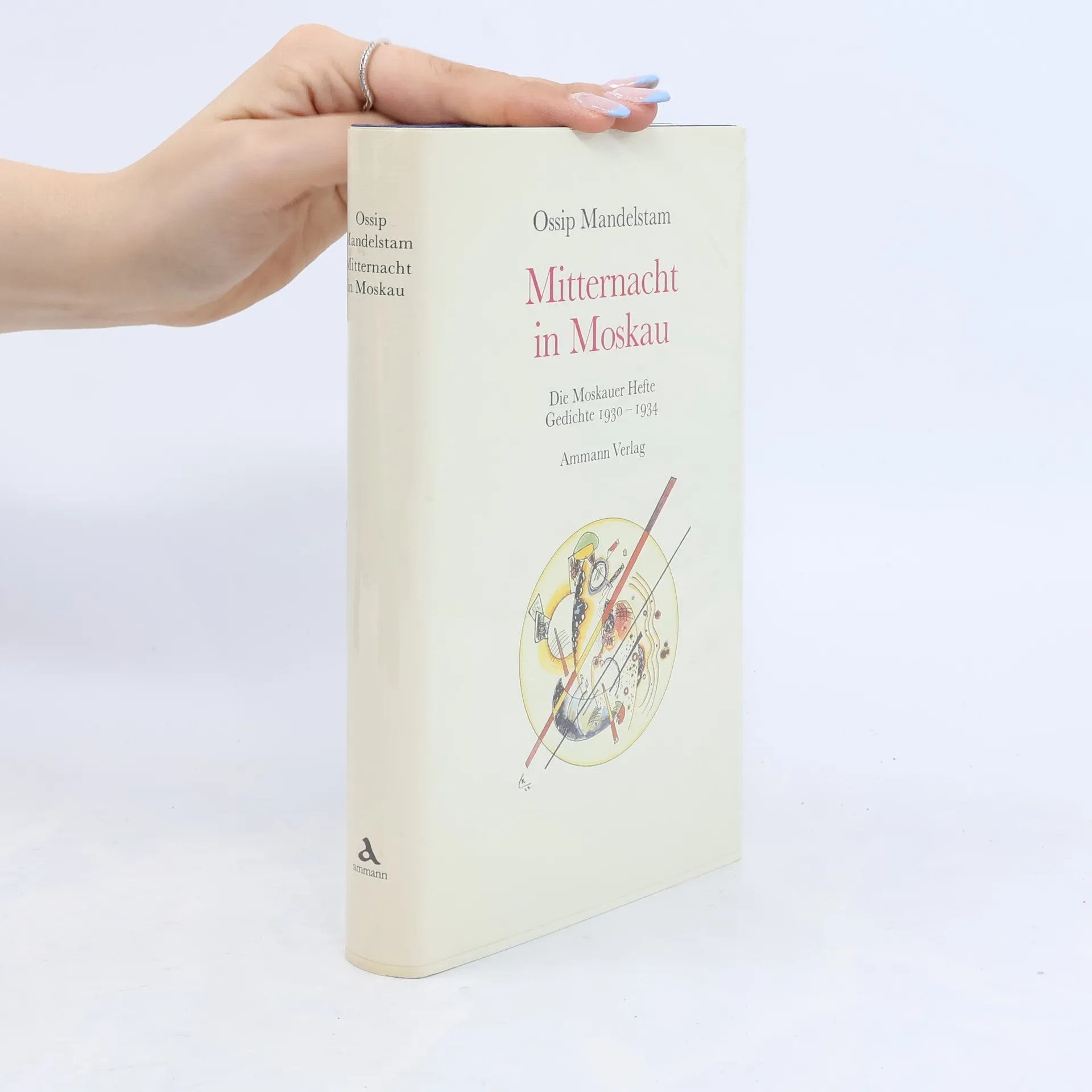
Mitternacht in Moskau. Die Moskauer Hefte. Gedichte 1930-1934
- 273pages
- 10 heures de lecture
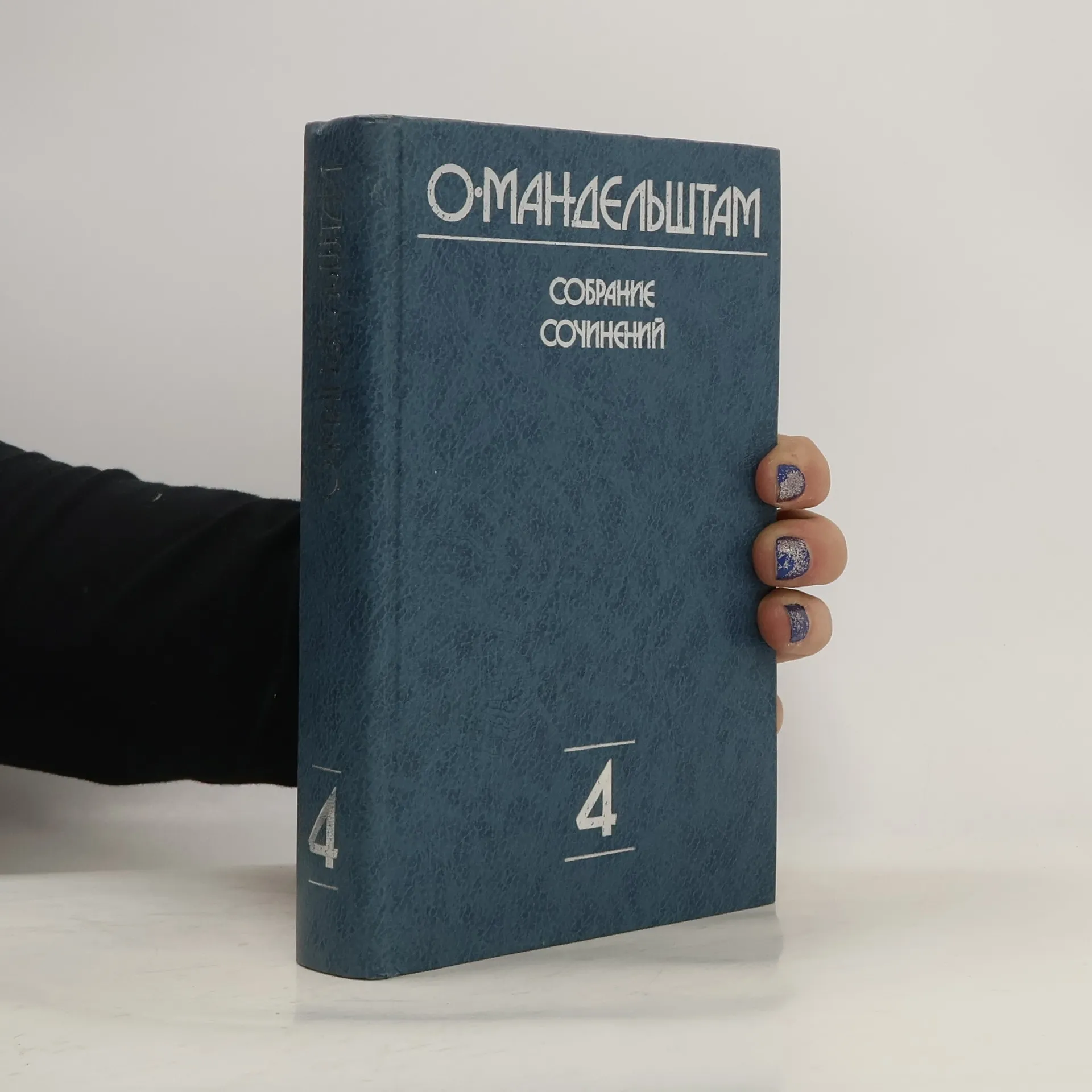
Сочинения. Sochineniya
- 863pages
- 31 heures de lecture
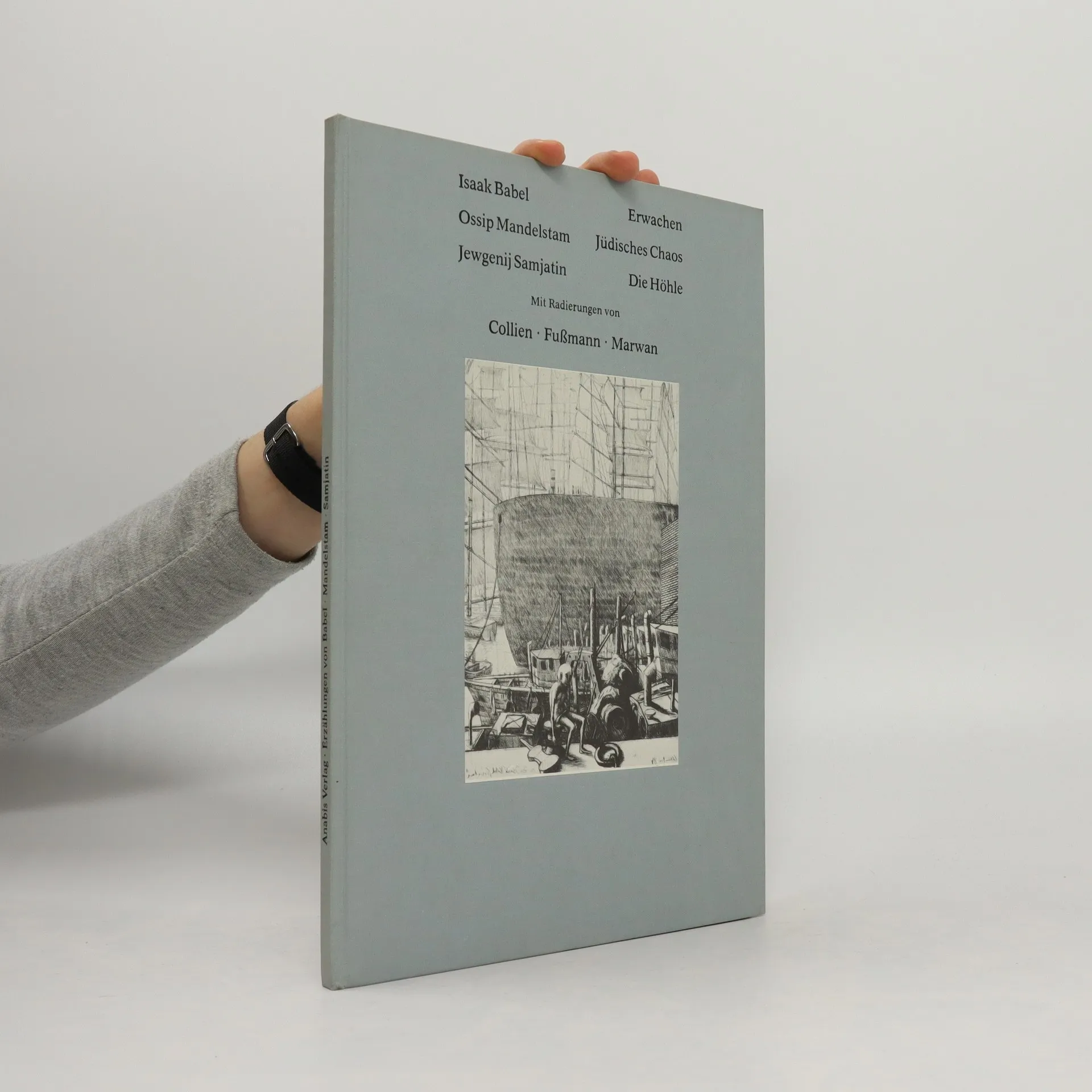
Erwachen, Jüdisches Chaos, Die Höhle
- 49pages
- 2 heures de lecture
Hrsg. v. Dutli, Ralph. Zahlr. Beiträge. Mit Phot. 145 S.
Die Geschichte einer Widmung
- 137pages
- 5 heures de lecture
Über Dichtung
- 189pages
- 7 heures de lecture
Výbor próz originálního ruského básníka židovského původu.
Das zweite Leben. Späte Gedichte und Notizen
- 144pages
- 6 heures de lecture
Mandelstam, ein bedeutender Lyriker der russischen Moderne, wird neben Anna Achmatowa und Marina Zwetajewa gewürdigt. Dieser Band enthält Gedichte und Notizen aus seinem Spätwerk sowie Werke aus den Jahren der Verbannung von 1934 bis 1937.