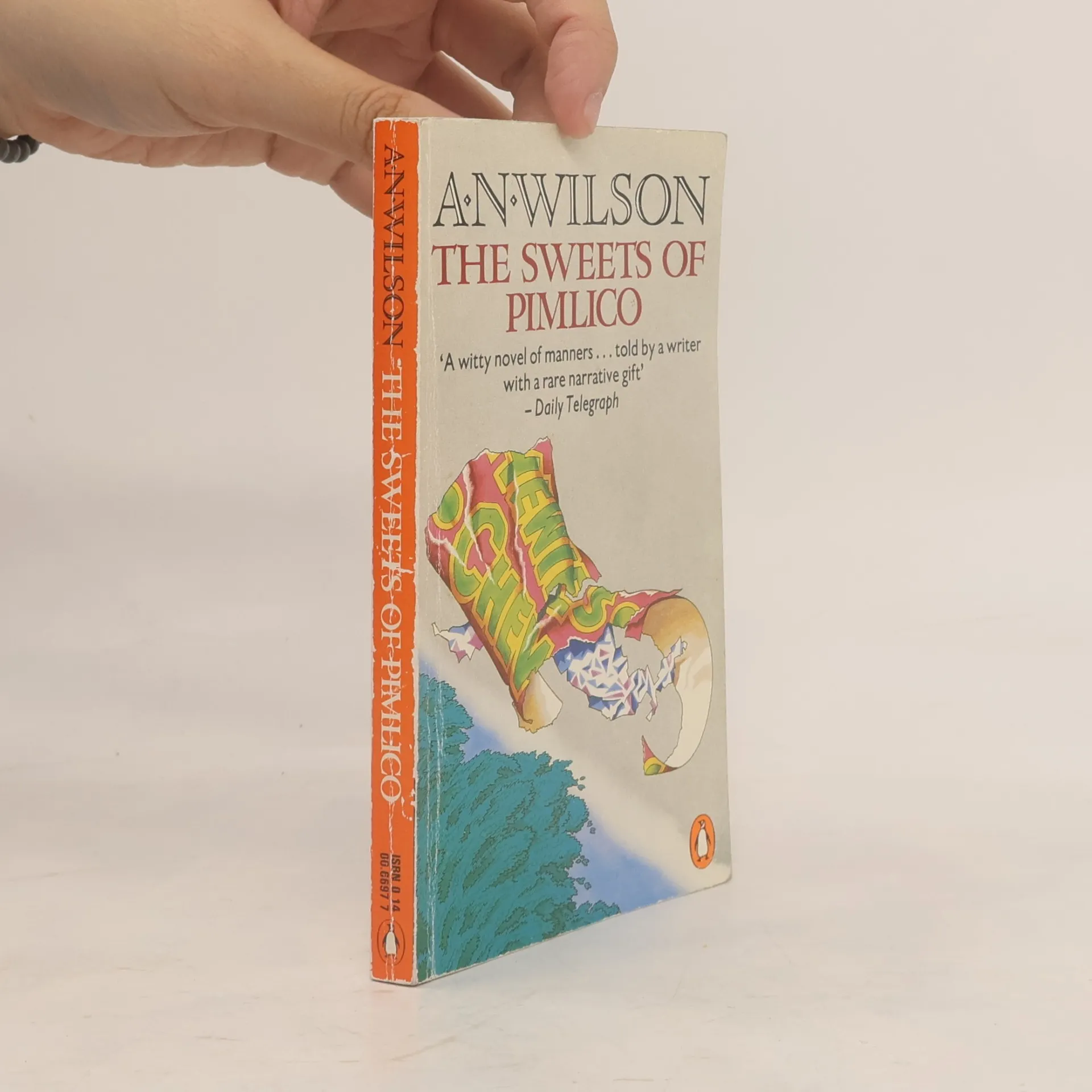
The Mystery of Charles Dickens
- 368pages
- 13 heures de lecture
A brilliant and insightful celebration of the imaginative genius of Charles Dickens, published to commemorate the 150th anniversary of his death.


Andrew Norman Wilson explore les biographies critiques, les romans, l'histoire populaire et les points de vue religieux. Son écriture aborde des thèmes profonds avec une perspective pointue sur le monde. Il élabore une prose d'un style incisif qui révèle l'essence de ses sujets. Son approche littéraire est distinctive et captivante.


A brilliant and insightful celebration of the imaginative genius of Charles Dickens, published to commemorate the 150th anniversary of his death.
The Daily Legion is a tabloid that peddles celebrity gossip and denounces asylum seekers. However, its financial survival depends on the support of a brutal African government. Recklessly defending this corrupt dictatorship, the newspaper faces off against Father Vivyan Chell, an Anglican monk and missionary who is working to overthrow the corrupt regime. My Name Is Legion is a savage satire on the morality of contemporary Britain - its Press, its politics, its Church, its rich, its underclass. Wilson's London is a bleak, if occasionally hilarious, place: murderous, lustful, money-obsessed and haunted by strange gods.
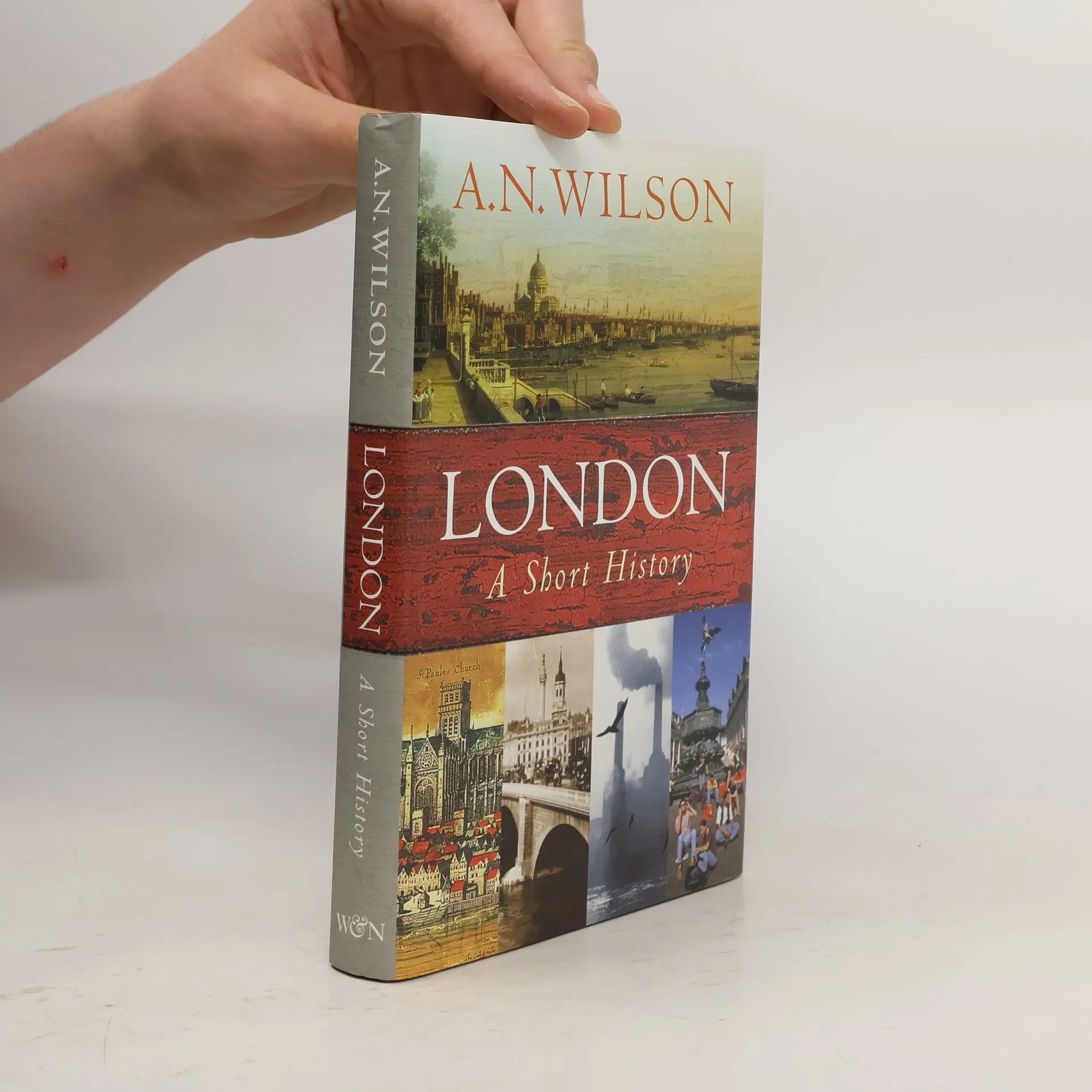
The structure of the book is chronological, with digressions. From Roman and then Norman London, we move on to Chaucer's London - the city of the Peasants Revolt, Dick Whittington and the great Livery Companies. In Tudor and Stuart London many believed the city was being wrecked by over-population, over-building and the greed of speculators. Eighteenth-century London witnessed the South Sea Bubble, gin, highwaymen and the Gordon riots; but also banking, hospitals, and the elegant design of everyday things. In the nineteenth century, expanding vigorously, the city resisted any overall make-over. With Queen Victoria came the Railway Age, which made and unmade the city. Chartism, anti-semitism, overcrowding and cholera. But engineering triumphs too. If the First World War was a nightmare happening elsewhere, the amazing six years of 1939-45 were the city's finest hour. Post-1945, property developers took over, with disastrous results. The author celebrates the cosmopolitan city that mobility and immigration have created, while deploring the `moronization' of the city, exemplified by the Millennium Dome and Ken Livingstone's 2002 London Plan.
De ondergang van het geloof in de westerse beschaving
Schets van het geleidelijke afscheid in wetenschap en cultuur in Engeland in de 18e en 19e eeuw van het theïstische godsbeeld.
In this work, A.N. Wilson's account shows how the decline of religious certainty in Victorian times had its origin with the 18th-century sceptics, and brought a devastating sense of emotional loss which extends to our own times.
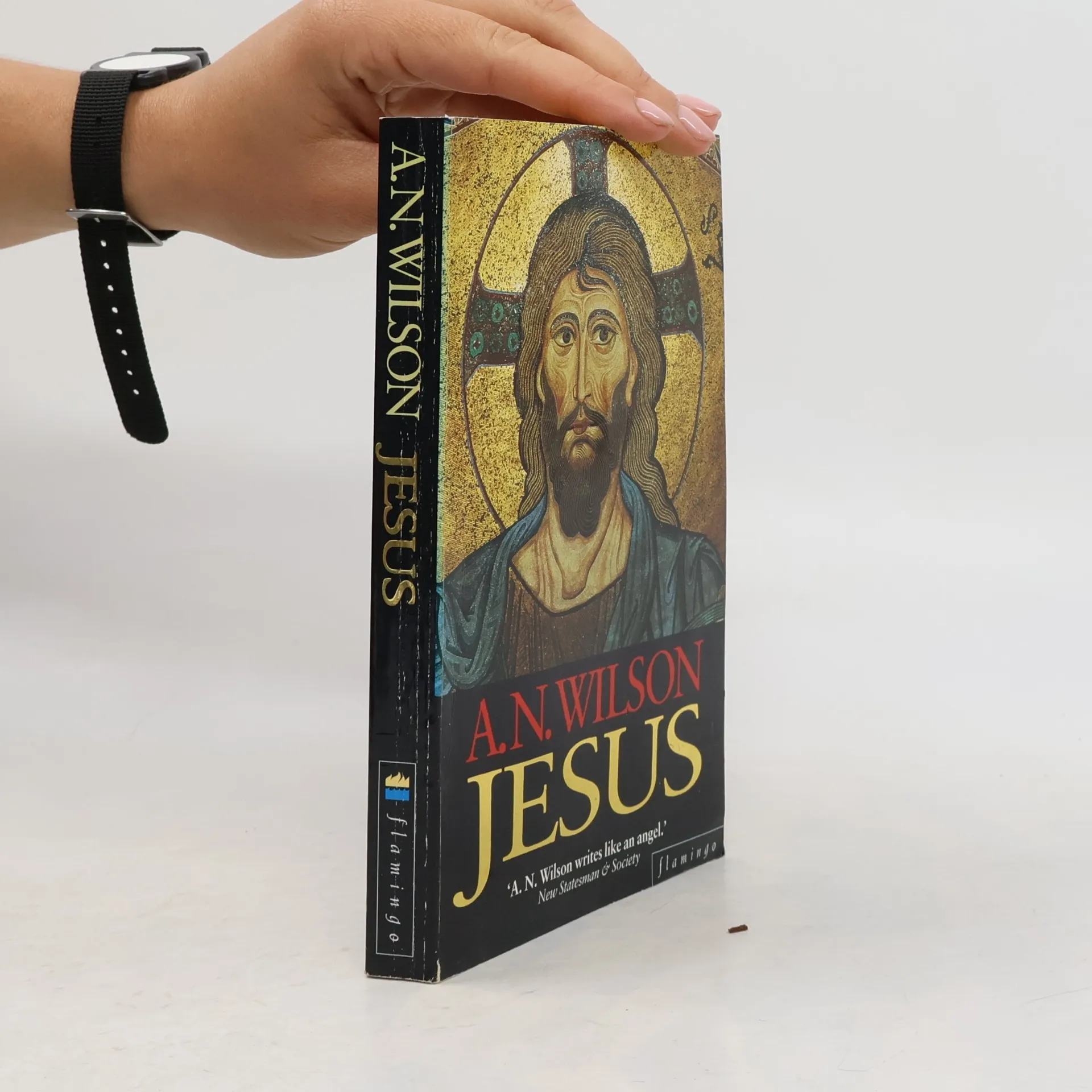
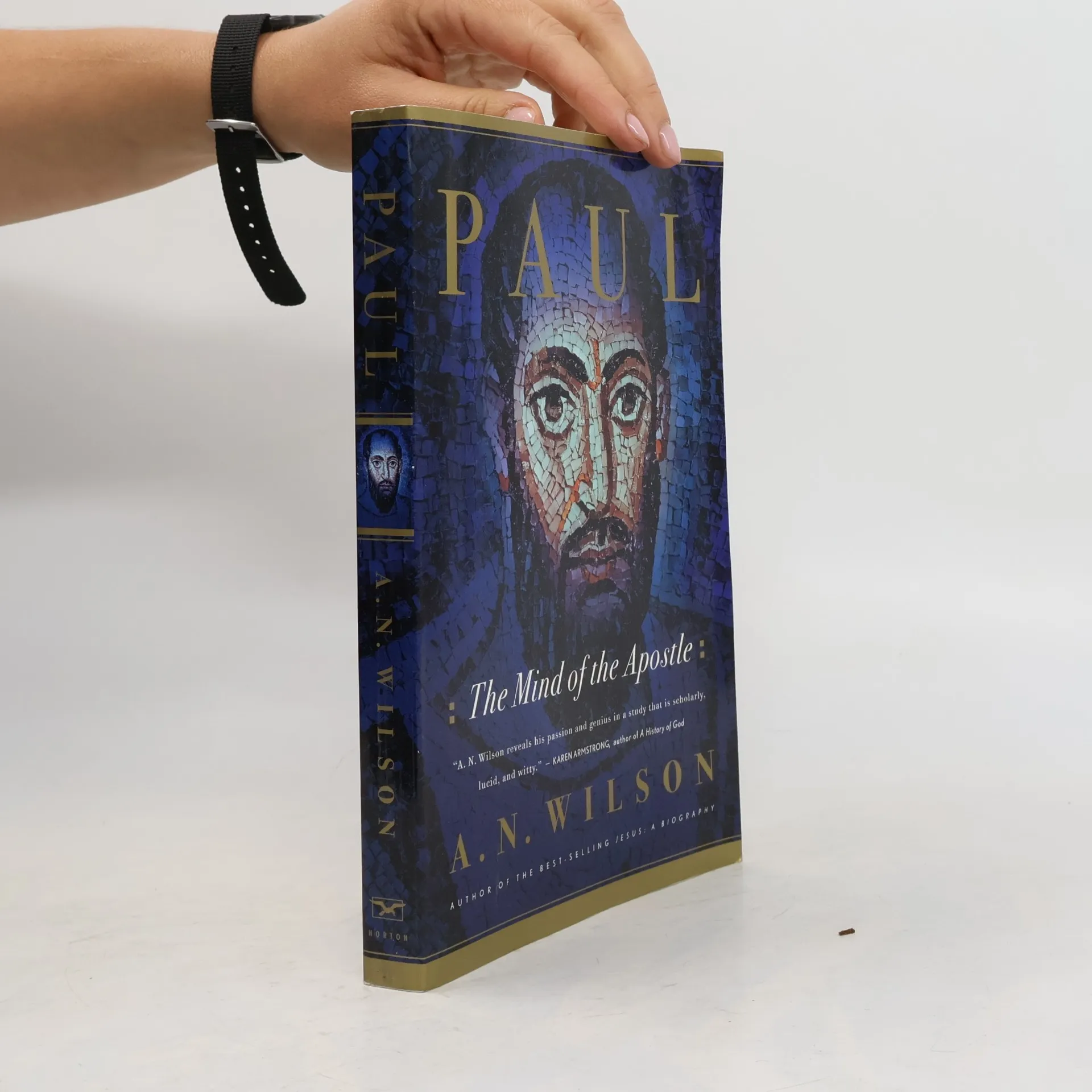
The narrative delves into the pivotal role of Paul in shaping Christianity, emphasizing that without him, Jesus remains a devoted Jew focused on strict observance of Judaism. A. N. Wilson explores Paul's journey through the Roman Empire, highlighting his efforts to convert others and craft influential epistles that define Christian understanding. The biography examines Paul's motivations and the complexities of his character, questioning what he would think of the religion that emerged from his teachings. This insightful exploration reveals Paul as Christianity's true architect.
This is a story about the dangers and fascination of digging up the past: the shady past of a possible murderer, the archaeological past of Britain and the mythological past of Christian history. The author also wrote "Incline Our Hearts", "A Bottle in the Smoke" and "Eminent Victorians".
"Extraordinarily entertaining....Learned, witty....Wilson [is] a gifted novelist and diligent biographer."-Newsday
Good copy, no markings or inscriptions. Page edges have some tanning. Hundreds of your questions answered.
Kritische levensbeschrijving.
Evelyn Tradescant, a lonely young woman, becomes fascinated with Theo Gormann, an old man with a mysterious past
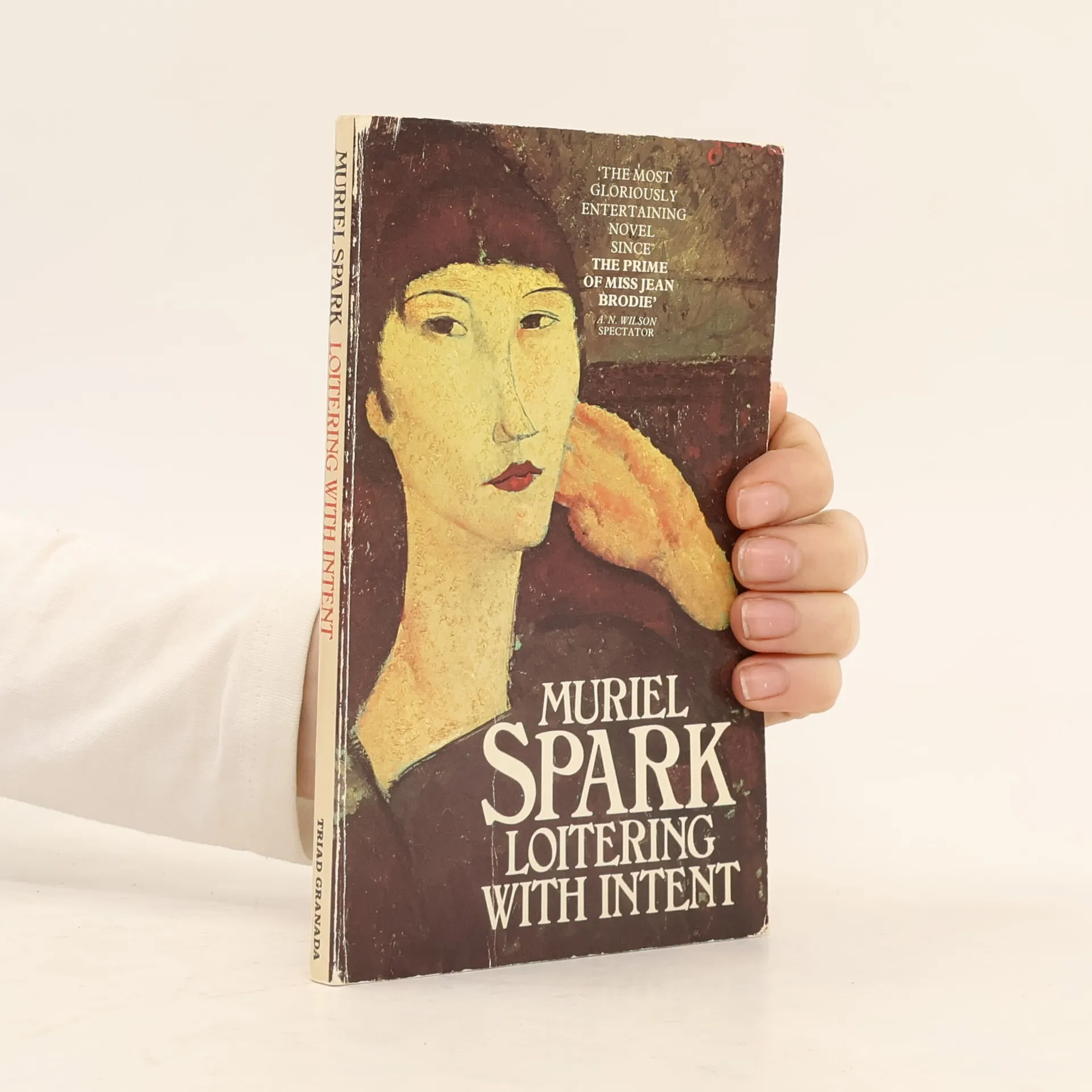
"How wonderful to be an artist and a woman in the twentieth century," Fleur Talbot rejoices. Happily loitering about London, c. 1949, with intent to gather material for her writing, Fleur finds a job "on the grubby edge of the literary world," as secretary to the peculiar Autobiographical Association. Mad egomaniacs, hilariously writing their memoirs in advance—or poor fools ensnared by a blackmailer? Rich material, in any case. But when its pompous director, Sir Quentin Oliver, steals the manuscript of Fleur's new novel, fiction begins to appropriate life. The association's members begin to act out scenes exactly as Fleur herself has already written them in her missing manuscript. And as they meet darkly funny, pre-visioned fates, where does art start or reality end? "A delicious conundrum," The New Statesman called Loitering with Intent.