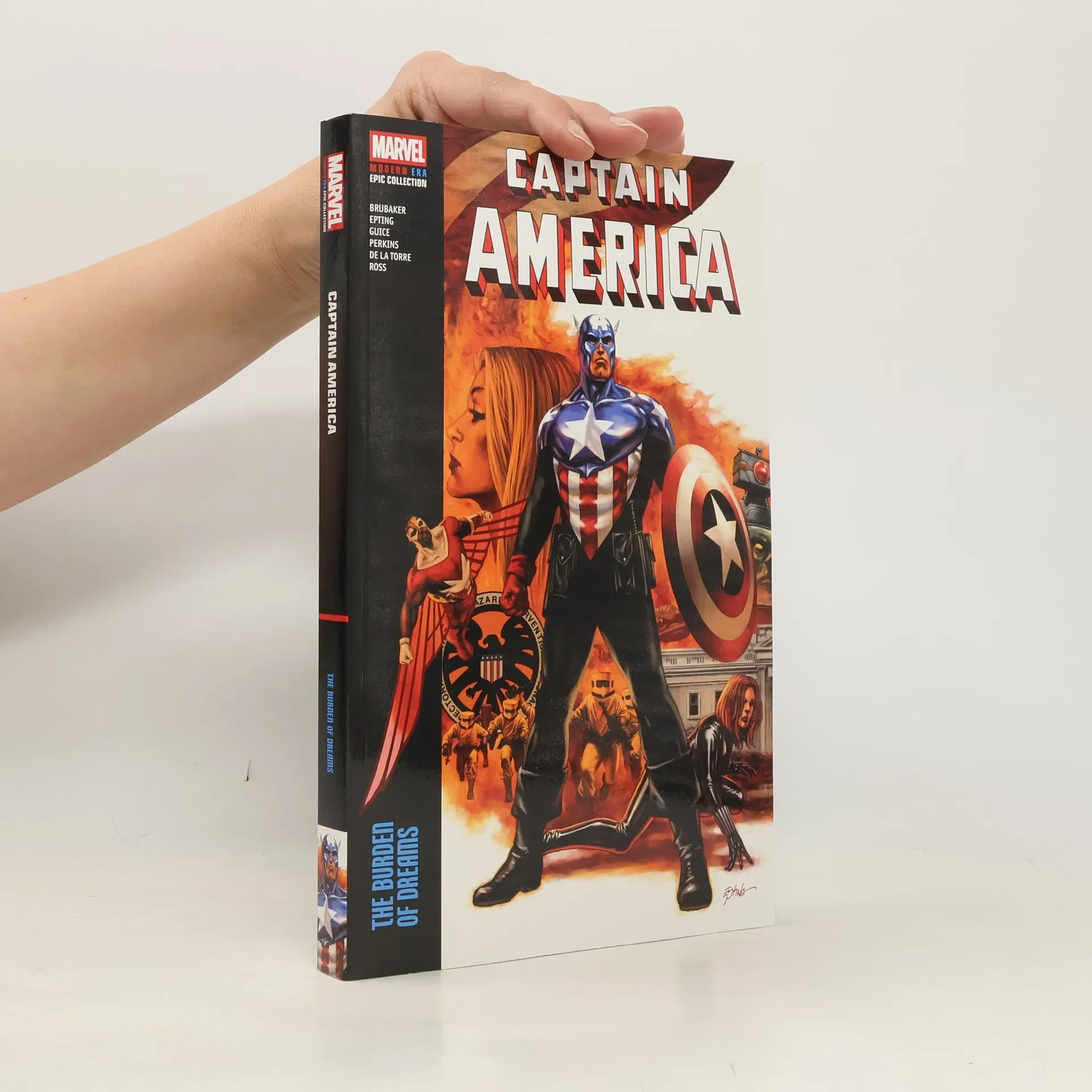
In the wake of Steve Rogers' tragic death, Bucky Barnes wields the shield and succeeds his fallen friend as Captain America! Agent 13. Bucky Barnes. The Falcon. Black Widow. Iron Man. Steve Rogers was often the glue that bound these heroes together in a common cause. Now, still mourning his loss, they come together again in a desperate attempt to keep his dream alive. But the collapse of Steve's dream was just the first step in the wicked machinations of the Red Skull, who is determined to see the death of America follow soon after the death of the Captain. As the Skull's master plan kicks into motion and chaos begins to take hold of the United States, only one man stands in its way -- but is he up to the task? In his first major trial as the new Captain America, he will be rocked by a villain from his past -- both as Bucky in WWII and as the Winter Soldier during the Cold War -- and he'll have to face his history just as he's finding his feet in the present. COLLECTING: Captain America (2004) 31-48, 34 Director's Cut
De la Torre Livres
Cet auteur explore les dimensions éthiques de la pensée contemporaine américaine, examinant comment la religion interagit avec l'oppression basée sur la race, la classe et le genre et l'impacte. Son travail universitaire applique une lentille socio-scientifique à la religiosité latino/a aux États-Unis, ainsi qu'aux théologies de la libération en Amérique latine. Grâce à cette approche interdisciplinaire, il examine de manière critique l'interaction complexe entre la foi, les structures sociales et l'inégalité. Ses écrits offrent des aperçus profonds sur les courants sociaux et théologiques actuels.