

Based on the comprehensive collection and interpretation of available data, IOM s second World Migration Report presents one of the most complete records of reference data and background analysis on population movements. Published in June 2003, this report is organized around the core theme of migration management. Policy responses to specific migration issues are discussed in a series of essays with varying geographical and thematic focus. Preceding the thematic section, a general section introduces the reader to the basics of international migration issues and provides regional updates on trends that have occurred since the publication of the previous report. Maps and graphs and a separate statistics section support the updates on migration trends and policies. With contributions from internationally renowned practitioners and scholars in the area of migration, the report provides a critical analysis of the current state and policy implications of international migration.
Institute of Medicine Livres
L'Académie Nationale de Médecine est une organisation non gouvernementale à but non lucratif qui offre des conseils indépendants sur les questions relatives à la biomédecine, à la médecine et à la santé. Elle opère en tant que conseillère de la nation pour améliorer la santé, dans le but de fournir des informations et des orientations impartiales, fondées sur des preuves et faisant autorité en matière de politique de santé et de science. Travaillant en dehors du cadre du gouvernement fédéral, elle s'appuie sur une main-d'œuvre bénévole d'experts. Les nouveaux membres sont élus annuellement par les membres actuels sur la base de réalisations exceptionnelles et de leur volonté de participer activement.
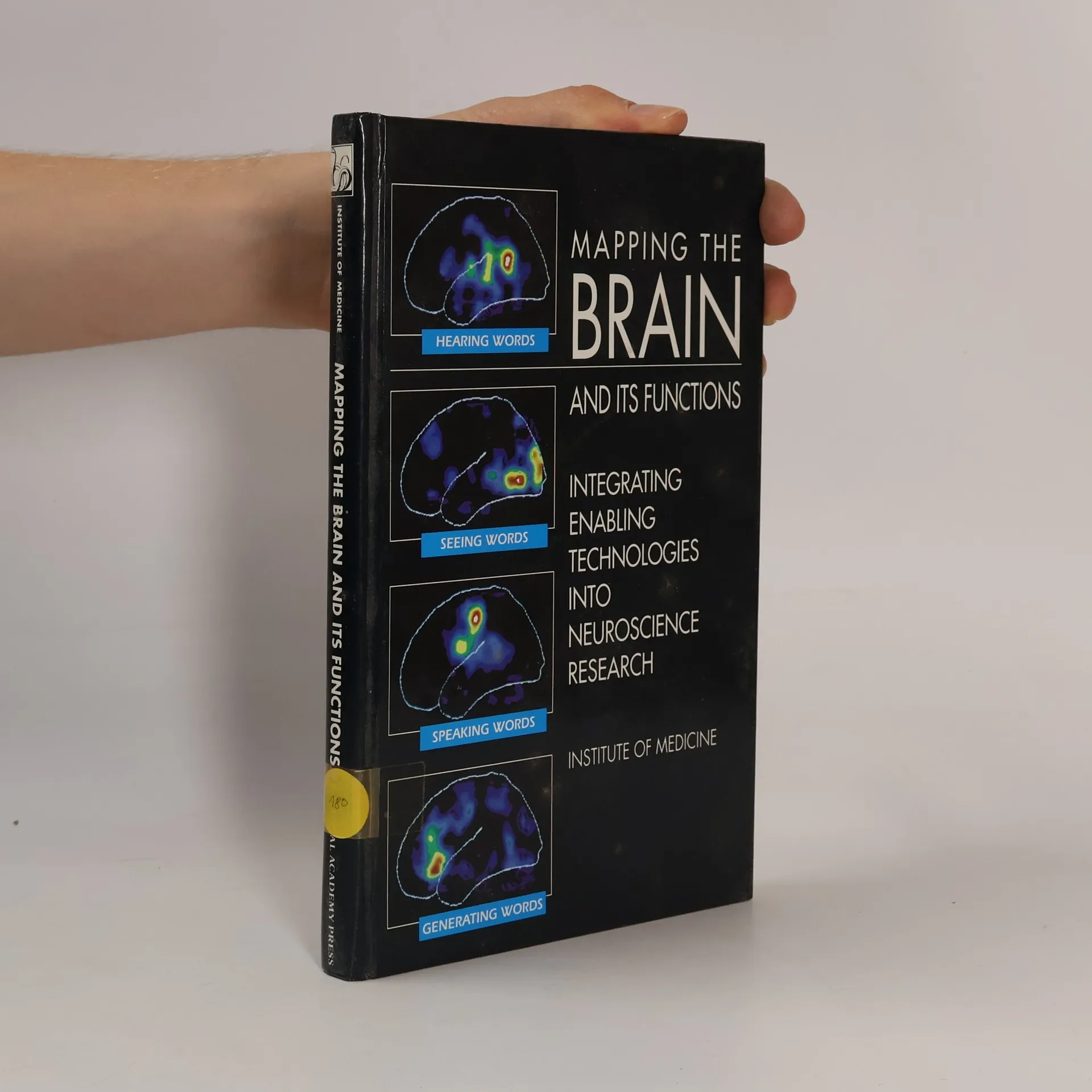

Mapping the Brain and Its Functions
Integrating Enabling Technologies into Neuroscience Research
- 180pages
- 7 heures de lecture
Significant advances in brain research have been made, but investigators who face the resulting explosion of data need new methods to integrate the pieces of the "brain puzzle." Based on the expertise of more than 100 neuroscientists and computer specialists, this new volume examines how computer technology can meet that need. Featuring outstanding color photography, the book presents an overview of the complexity of brain research, which covers the spectrum from human behavior to genetic mechanisms. Advances in vision, substance abuse, pain, and schizophrenia are highlighted. The committee explores the potential benefits of computer graphics, database systems, and communications networks in neuroscience and reviews the available technology. Recommendations center on a proposed Brain Mapping Initiative, with an agenda for implementation and a look at issues such as privacy and accessibility.