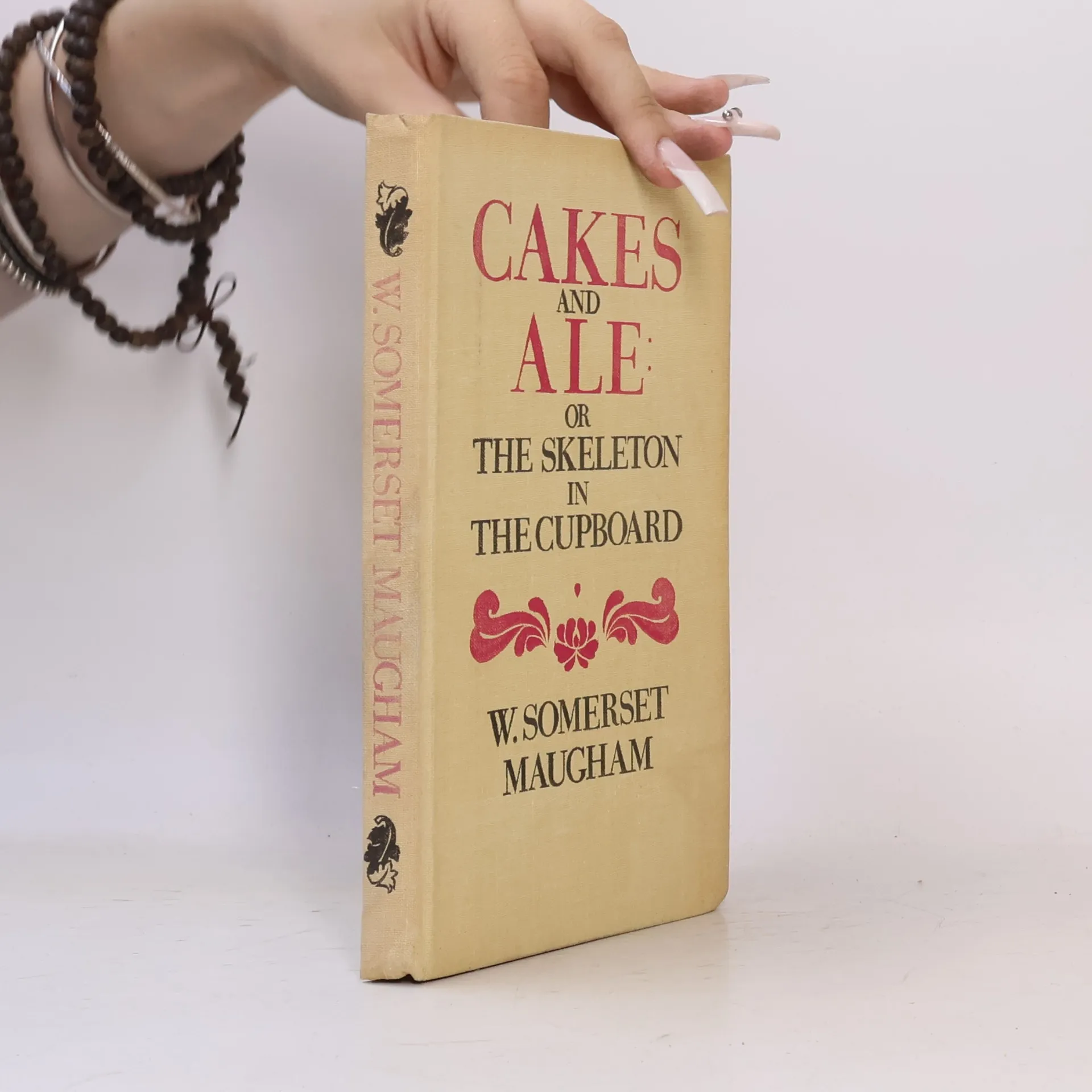
WITH AN INTRODUCTION BY NICHOLAS SHAKESPEARE Cakes and Ale is both a wickedly satirical novel about contemporary literary poseurs and a skilfully crafted study of freedom. As he traces the fortunes of Edward Driffield and his extraordinary wife Rosie, one of the most delightful heroines of twentieth-century literature, Maugham's sardonic wit and lyrical warmth expertly combine in this accomplished and unforgettable novel.
Jiřina Kynclová Ordre des livres (chronologique)
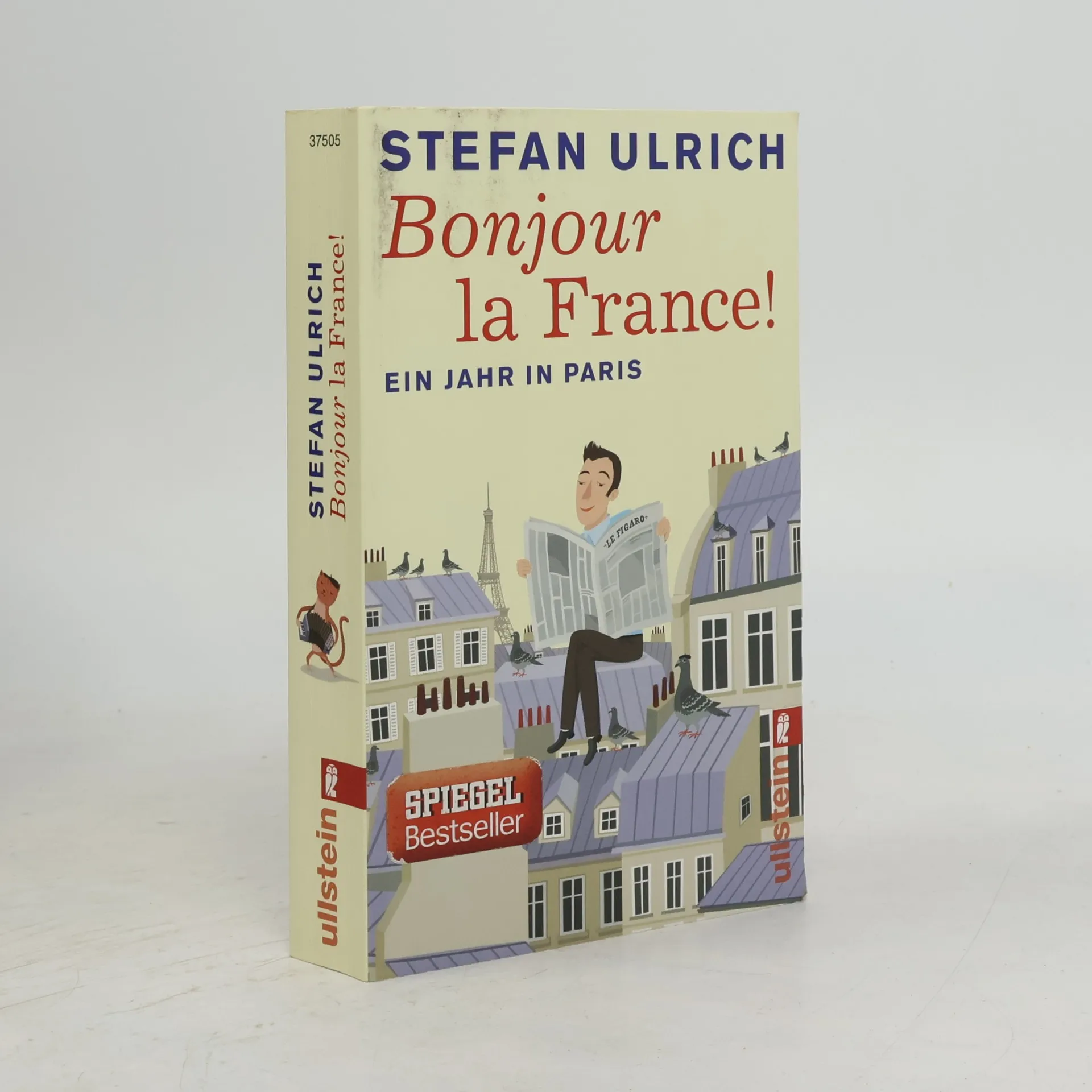

Nach vier Jahren in Bella Italia müssen Stefan Ulrich und seine Familie ihr geliebtes Rom verlassen und samt Meerschweinchen nach Frankreich umziehen. Müssen? Paris, die Stadt der Liebe, das ist doch ein Traum - schmachten die Freunde in Deutschland. Doch die Ulrichs fremdeln erst mal an der Seine. Meer und Berge sind weit weg, beim Einzug platzt ein Wasserrohr, das Schulfranzösisch erweist sich als peinlich unzureichend, und die französischen Nachbarn sind eben keine Italiener. Die Ulrichs aber sind wild entschlossen, ihre neue Heimat lieben zu lernen. Sie erkunden Stadt, Land und Seele der Franzosen und erleben bald, warum Gott tatsächlich in Frankreich lebt.
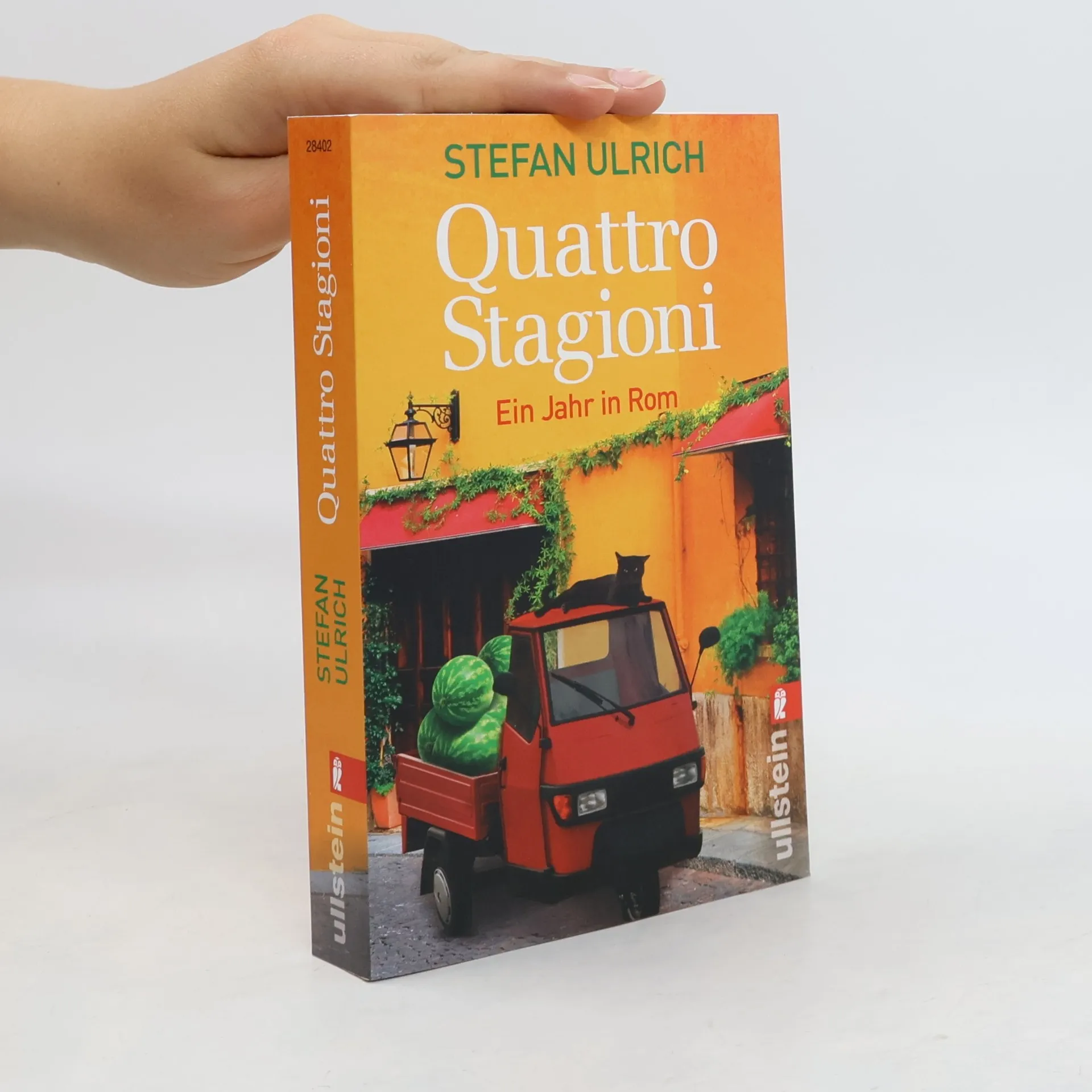
Quattro Stagioni
Ein Jahr in Rom
»Habt Ihr´s gut ...« ist der Kommentar ihrer Freunde, als für Familie Ulrich endlich der alte Traum von der Dolce Vita in Bella Italia wahr wird. Doch das Leben in der ewigen Stadt erweist sich als alles andere als »dolce«: die Wohnung ist bei der Ankunft in chaotischem Zustand und Tochter Bernadettes Meerschweinchen wird vom Hausbesitzer mit einer Ratte verwechselt. Wichtige Erkenntnisse der Rom-Anfänger: Ein Palazzo ist ein ganz normales Mehrfamilienhaus, römische Kinder-geburtstage haben es in sich und die Italiener beschweren sich auch bei strahlendem Sonnenschein andauernd übers Wetter. Trotzdem versuchen die Ulrichs, Bella Figura zu machen! Und entdecken doch noch das süße Leben in Rom.
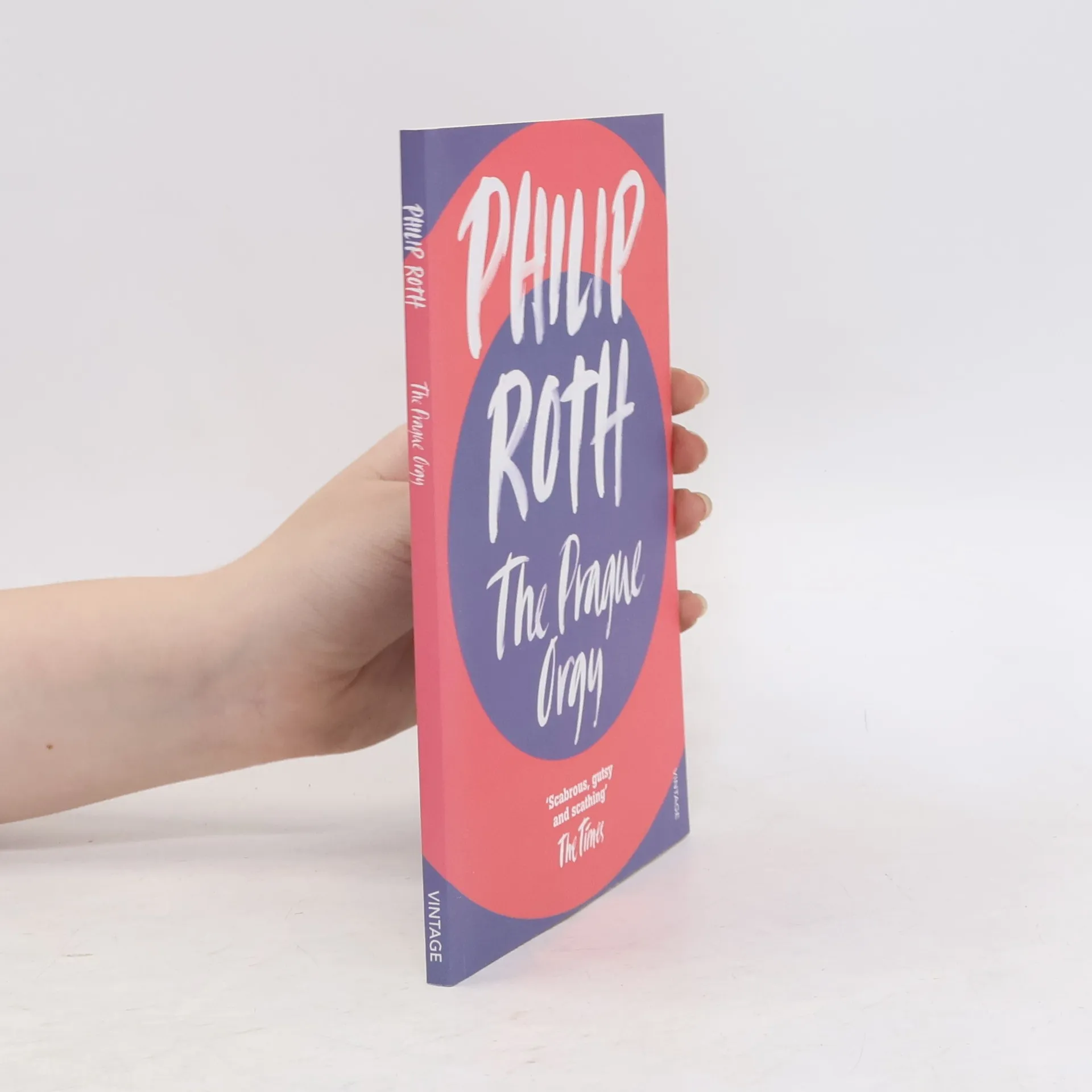
Nathan Zuckerman is visiting Prague, where intellectuals come searching for Kafta, where misfits who don't submit decently to their misfortunes act out a comedy of manners in decadence. Here Zuckerman meets Olga, and brings home lessons for the American writer - lessons about oppression and resilience, laughter and Kafta, and more.
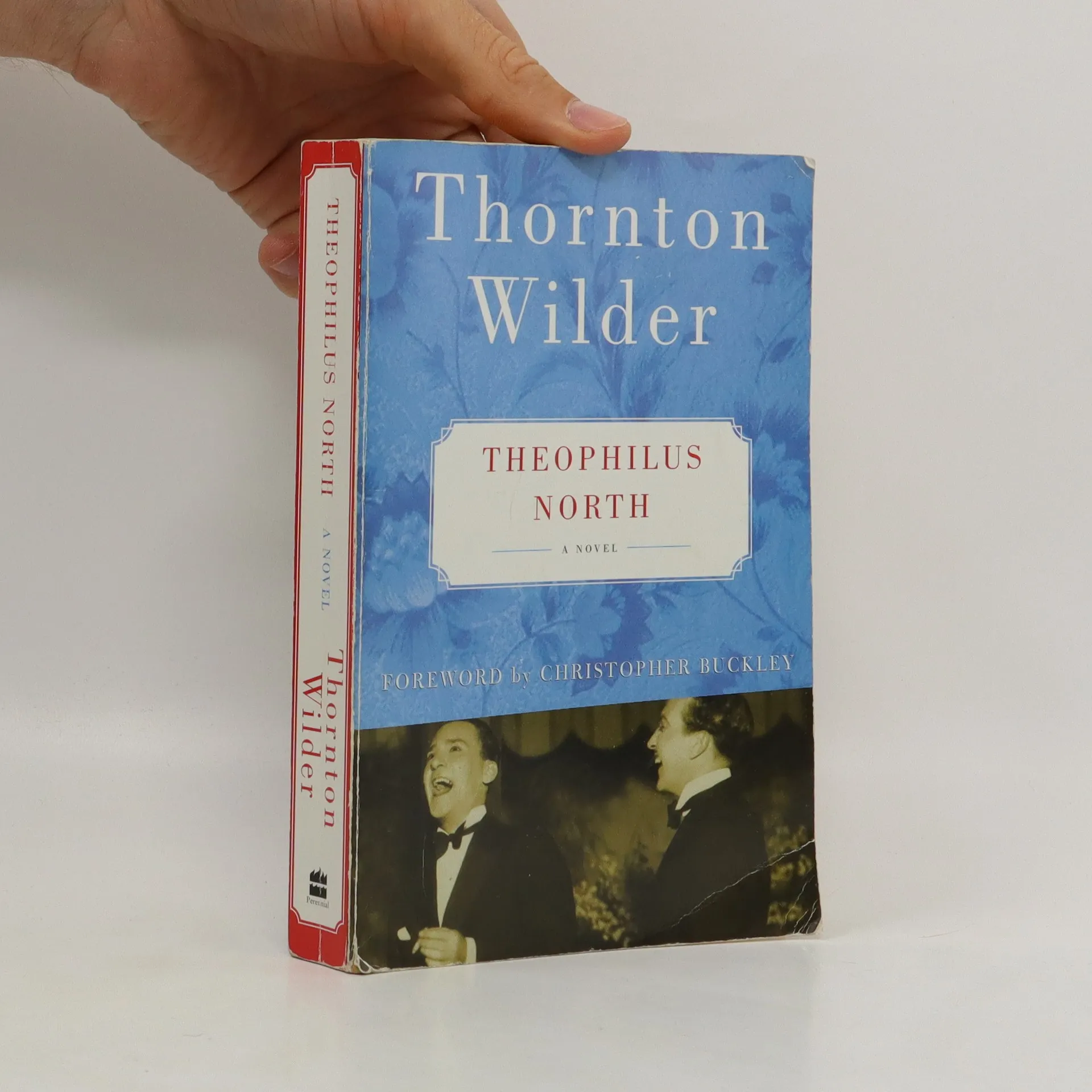
Marking the thirtieth anniversary of Theophilus North, this beautiful new edition features Wilder's unpublished notes for the novel and other illuminating documentary material, all of which is included in a new Afterword by Tappan Wilder. The last of Wilder's works published during his lifetime, this novel is part autobiographical and part the imagined adventure of his twin brother who died at birth. Setting out to see the world in the summer of 1926, Theophilus North gets as far as Newport, Rhode Island, before his car breaks down. To support himself, Theophilus takes jobs in the elegant mansions along Ocean Drive, just as Wilder himself did in the same decade. Soon the young man finds himself playing the roles of tutor, spy, confidant, lover, friend, and enemy as he becomes entangled in the intrigues of both upstairs and downstairs in a glittering society dominated by leisure. Narrated by the elderly North from a distance of fifty years, Theophilus North is a fascinating commentary on youth and education from the vantage point of age, and deftly displays Wilder's trademark wit juxtaposed with his lively and timeless ruminations on what really matters about life, love, and work at the end of the day -- even after a visit to Newport.
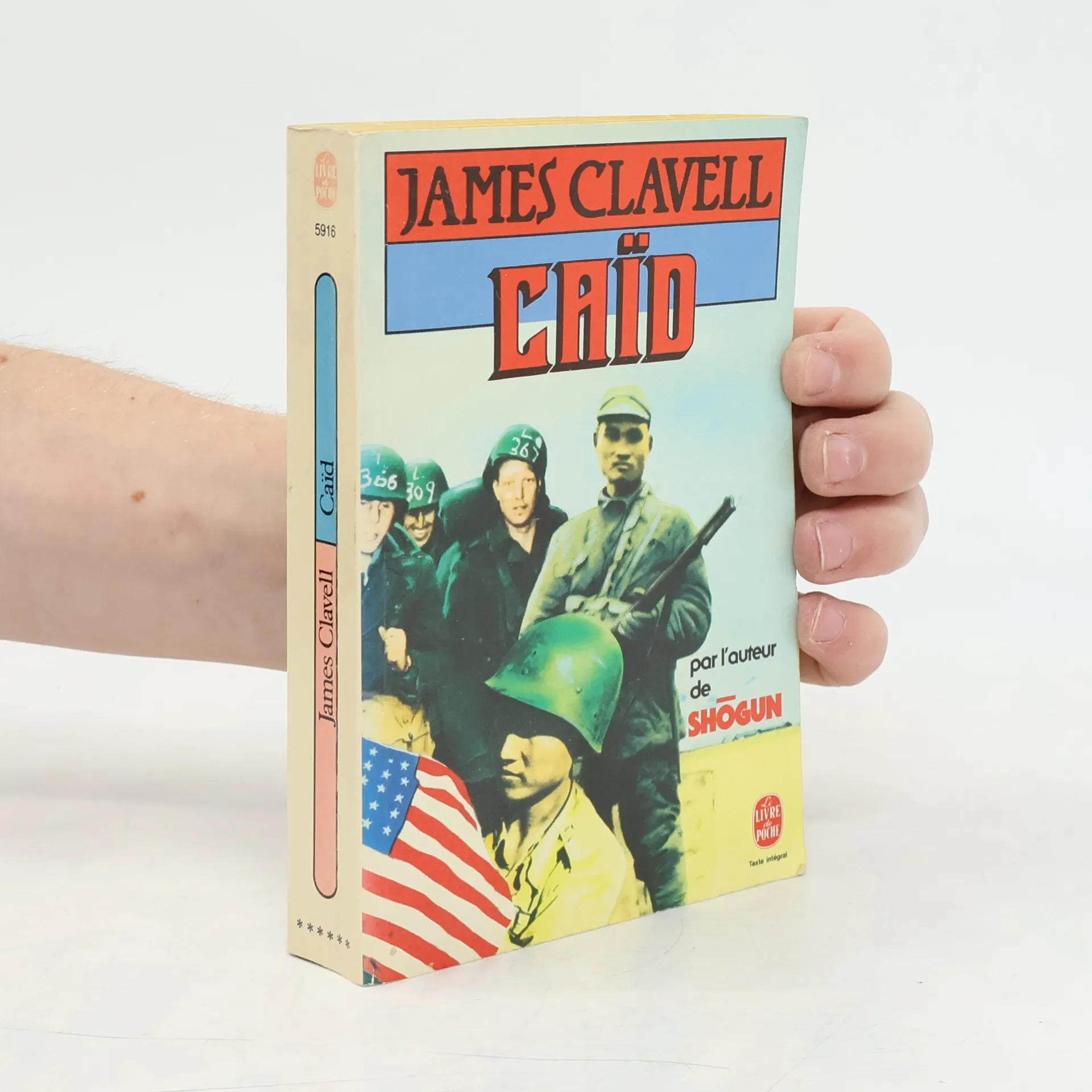
Caïd - Texte Intégral
- 573pages
- 21 heures de lecture
L'action du roman se déroule pendant la Seconde Guerre mondiale et décrit la lutte pour la survie des prisonniers de guerre britanniques et américains dans un camp japonais à Singapour. L'auteur s'inspire de ses propres expériences dans un camp de concentration, où il faisait partie des 10 000 survivants sur un total de 150 000 prisonniers. Le personnage principal, Peter Marlowe, est l'alter ego de l'auteur. Le roman capture avec fidélité la mentalité et la brutalité japonaises, transformant ces camps en lieux parmi les plus durs, où les prisonniers perdaient leur humanité. Parmi eux se trouve un homme connu sous le nom de Roi, dont l'habileté à obtenir tout, y compris de la nourriture et des médicaments, lui assure une certaine protection, bien qu'il soit méprisé par les autres. Sa relation avec Marlowe lui montre que la vie peut être enrichie par d'autres choses que l'argent. Après la capitulation japonaise, les premiers officiers américains, choqués par la survie des prisonniers, craignent leur retour à la maison. Le Roi, autrefois puissant dans le camp, se retrouve désormais sans foyer ni amis, détruit et seul. Le temps passé dans le camp a affecté tant l'état physique que psychologique des prisonniers, mais ils ont survécu. Bien que fictif, le roman repose sur des expériences réelles et offre une perspective authentique sur les horreurs de la guerre.
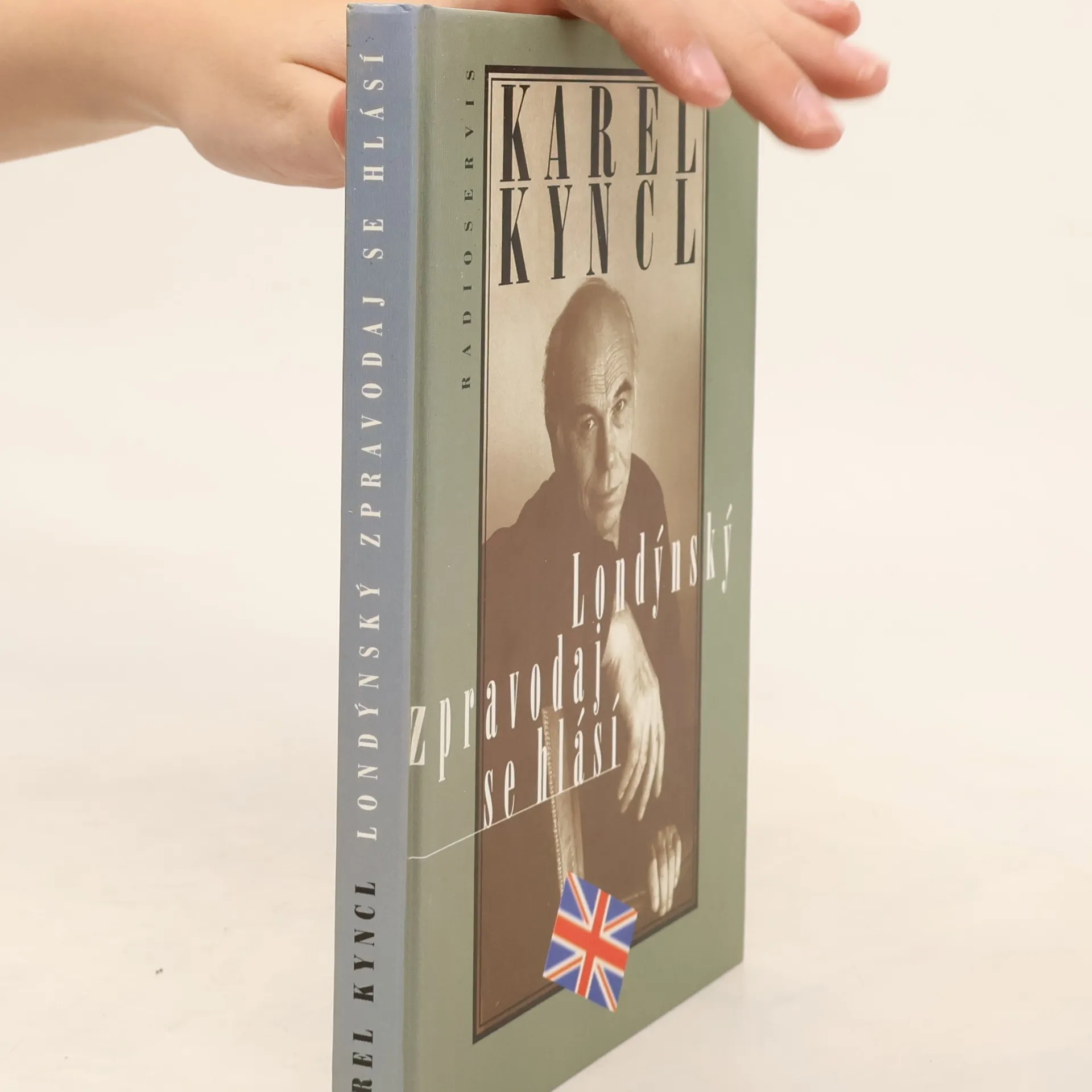
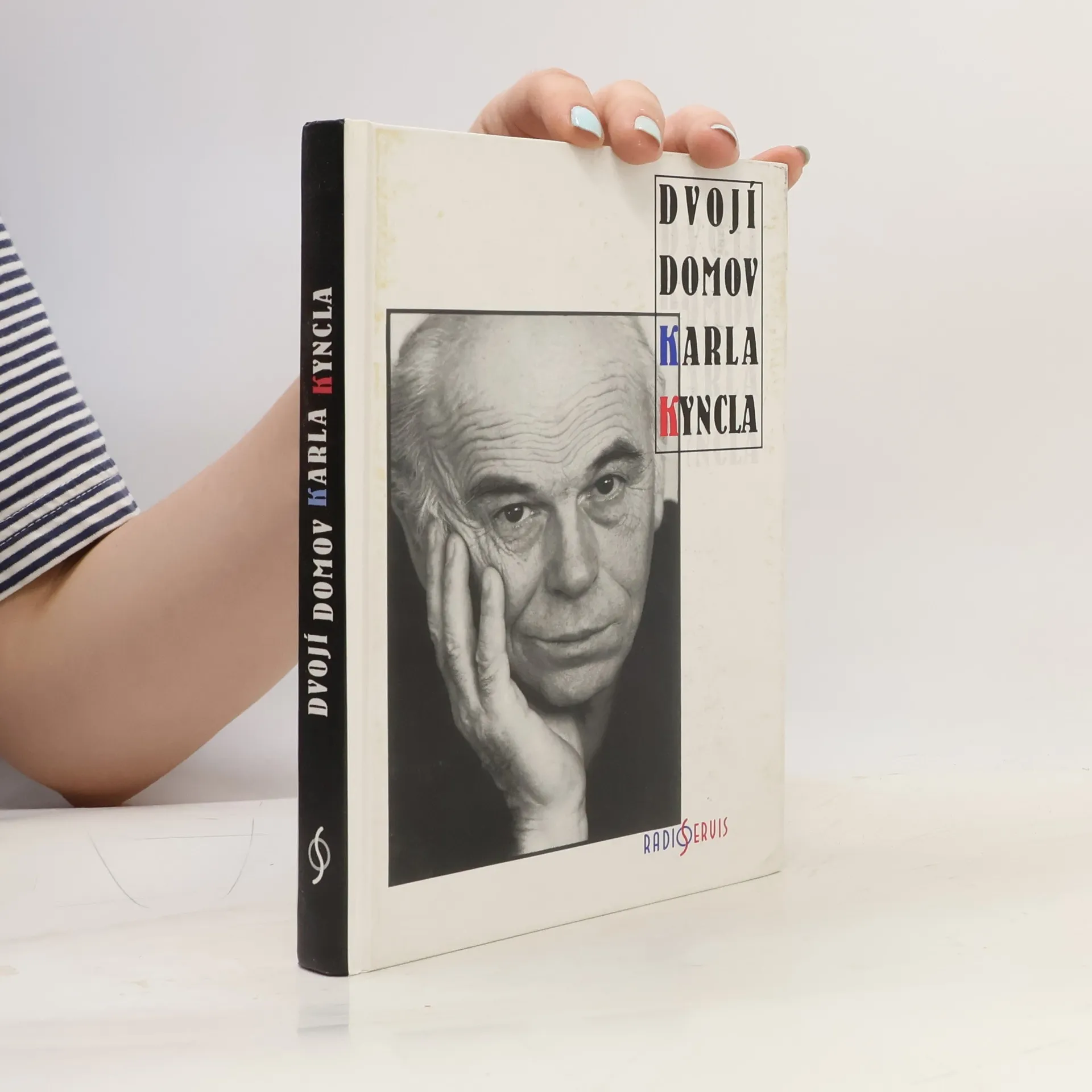
Sbírka reportáží a fejetonů na různá témata z let 1975 až 1996. V publikaci jsou otištěny samizdatové reportáže a fejetony z let 1975-1983, dále jeho příspěvky do vysílání BBC a Svobodné Evropy a do deníku The Independent z let 1983-1990 a rozhlasová a televizní publicistika po návratu do vlasti z let 1990-1996.
Londýnský zpravodaj se hlásí. Reportáže, fejetony, poznámky a rozhovory z Británie
- 158pages
- 6 heures de lecture
Reportáže, fejetony, poznámky a rozhovory z Británie. Karel Kyncl působil jako dlouholetý redaktor BBC, kde získal bohaté znalosti britského prostředí. Tyto zkušenosti zúročil ve svých příspěvcích pro Český rozhlas. Jejich cílem není pouze informovat, nýbrž především zaujmout a pobavit rozhlasové posluchače.
Die Rückkehr des Baumeisters
- 398pages
- 14 heures de lecture
Auf dem Felsen von Parfois soll Burgherr Isambard nicht mehr lange residieren. Als selbst sein Sohn gegen ihn intrigiert, steht ihm ausgerechnet sein Gefangener, der Baumeister Harry Talvace, zur Seite. Zu spät erkennt Isambard, wer seine wahren Freunde sind. Und die Tage der unglücklichen Benedetta sind gezählt. Mit dem dritten Band der großen Mittelalter-Trilogie über den Baumeister Harry Talvace krönt Edith Pargeter das Glanzstück ihres Schaffens und liefert das eindrucksvolle und lebendige Bild einer sagenumwobenen Zeit.
Après le succès mondial d'Airport, voici Detroit, roman du gigantesque empire qu'est l'industrie de l'automobile. Une fois encore, le lecteur pénètre dans les coulisses d'un monde à part : luxueux bureaux des dirigeants où, « à chaque décision, l'on joue plus gros jeu qu'à Las Vegas » ; usines ultra-modernes qui, en fait, constituent une sorte de jungle où l'abrutissement et la violence sévissent à l'état endémique ; concessionnaires malhonnêtes qui s'arrangent pour rouler et le constructeur de voitures et l'acheteur ; motels discrets pour adultère de luxe, mais aussi taudis où une fille pitoyable croit enfin trouver un modeste bonheur ; femmes éblouissantes, richement entretenues et pourtant sentimentales à l'occasion. Et toujours, partout, en toile de fond ou au premier plan, l'effroyable problème racial, chancre aussi mortel que la Mafia, omniprésente, régnant par la terreur et l'appât du lucre. Passionnant kaléidoscope où évoluent des personnages tantÔt attachants, tantôt repoussants, avec leurs craintes et leurs ambitions, leurs triomphes et leurs manœuvres et aussi, bien entendu, leurs amours. Roman à la fois dur et compréhensif, lucide et tendre, logique et cependant plein d'imprévu : toute la vie de notre merveilleuse et inquiétante époque, cristallisée à Detroit, haut lieu du culte de Sa Majesté l'Automobile.