

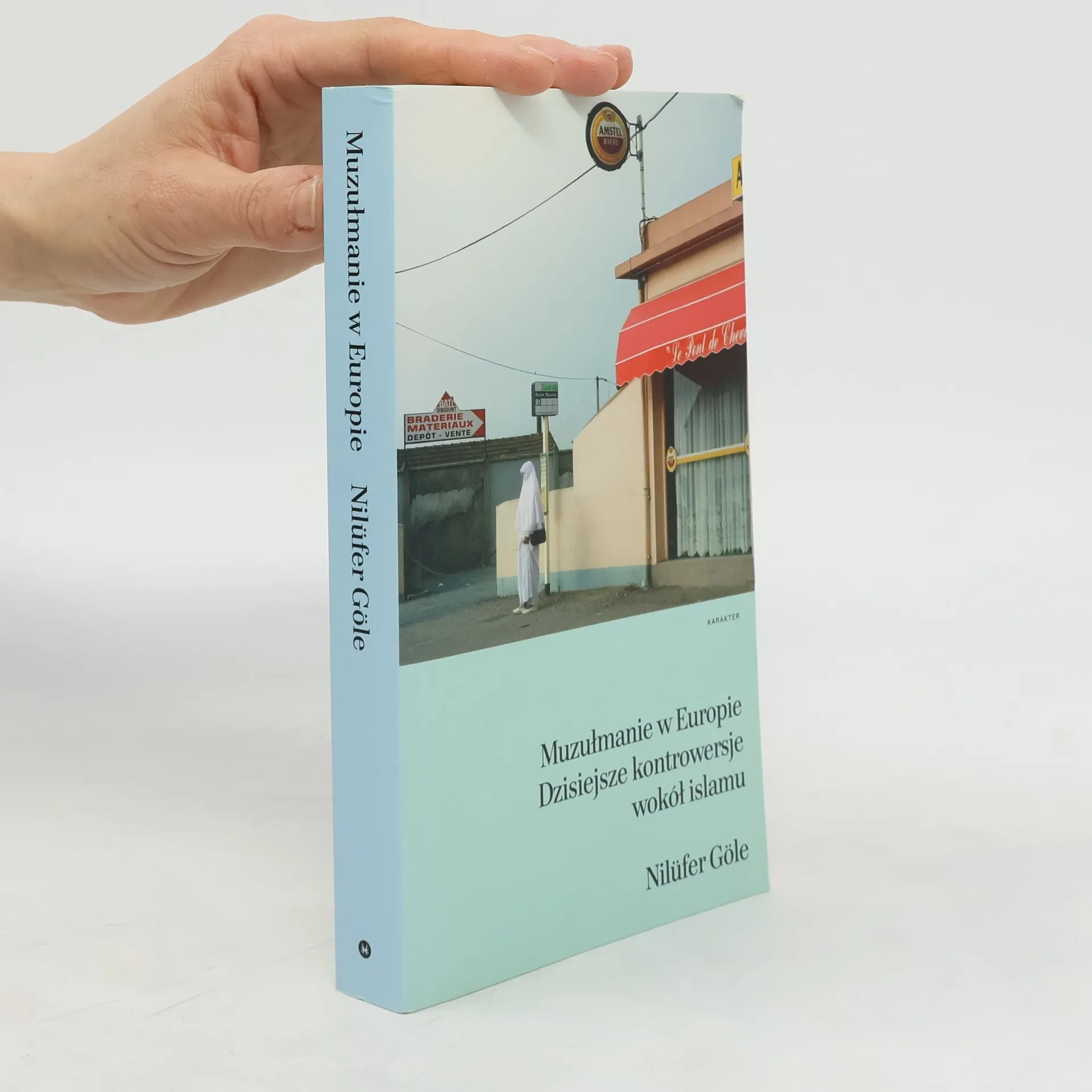
Książka powstała w wyniku badań socjologicznych przeprowadzonych w latach 2009-2013 w dwudziestu jeden europejskich miastach, takich jak Paryż, Kopenhaga, Bolonia, Oslo, Bruksela i Sarajewo. W każdym z tych miast wystąpiły kontrowersje dotyczące obecności muzułmanów w przestrzeni publicznej, obejmujące noszenie chusty przez kobiety, uliczne modlitwy, budowę meczetów oraz granicę między wolnością słowa a ochroną uczuć religijnych. Autorka przedstawia historię i tło poszczególnych sporów, cytując uczestników debaty: socjologów, publicystów, działaczy społecznych oraz intelektualistów świeckich i muzułmańskich. Oddaje również głos zwykłym muzułmanom, ukazując różnorodność ich opinii. Książka dokumentuje zmiany w politycznym i społecznym klimacie wokół islamu w Europie. W każdym z miast socjolożka Nilüfer Göle prowadzi wywiady w lokalnej społeczności, a następnie organizuje spotkania, w których uczestniczą przedstawiciele obu stron konfliktu, co często jest pierwszą okazją do wysłuchania argumentów drugiej strony. To nie tylko przekrojowa prezentacja kontrowersji, ale także zapis pionierskiego przedsięwzięcia mającego na celu przekroczenie społecznych podziałów i budowę społeczeństwa opartego na szacunku.
Nilüfer Göle Ordre des livres (chronologique)
Nilüfer Göle est une sociologue turque de premier plan qui se concentre sur le mouvement politique des femmes musulmanes instruites, urbanisées et religieuses. Grâce à des entretiens personnels, elle développe des études de cas détaillées de jeunes femmes turques adoptant les principes des codes de genre islamiques. Son approche sociologique offre une critique plus large de l'eurocentrisme concernant les identités islamiques émergentes et explore les complexités de la vie multiculturelle. Le travail de Göle aborde le thème spécifique du voile et l'interpénétration de l'Islam et de l'Europe.

En attendant l'Europe
- 139pages
- 5 heures de lecture
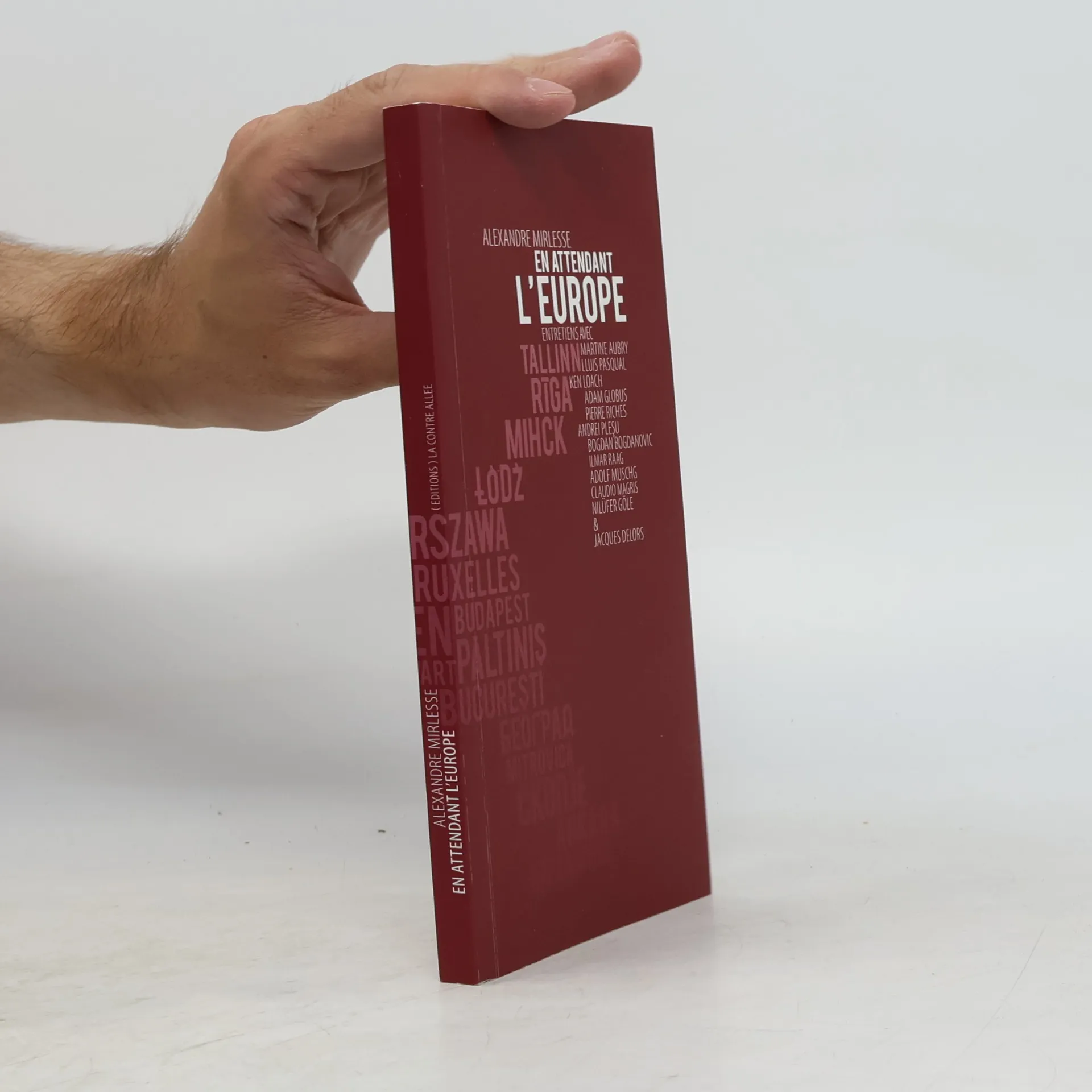
La scène pourrait se dérouler dans un café, quelque part en Europe. Un auteur catalan compare les théâtres anglais, russes et napolitains ; un prêtre anticlérical se souvient de Wittgenstein ; un philosophe roumain fait l’éloge de la lenteur orientale ; une anthropologue turque explore les failles de son pays, tandis qu’un architecte serbe en exil raconte sa ville à un jeune cinéaste estonien. Dans le face-à-face imprévisible de la discussion libre, le scepticisme se mêle à l’enthousiasme, le pittoresque à la mélancolie... Mais c’est pourtant l’Europe qui se dessine : l’Europe vécue, rêvée, imaginée – l’Europe à hauteur d’homme. Ces conversations, Alexandre Mirlesse les a menées pour nous, en allant rencontrer chez eux une centaine d’intellectuels, d’artistes et de dirigeants européens. Il en rapporte ce livre qui se veut, entre invitation au voyage et incitation au débat, le portrait d’une Europe qui se fait attendre. Entretiens avec Martine Aubry, Lluis Pasqual, Ken Loach, Adam Globus, Père Pierre Riches, Andrei Plesu, Bogdan Bogdanovic, Adolf Muschg, Ilmar Raag, Claudio Magris, Nilufer Gole et Jacques Delors.
Anverwandlungen
Der Islam in Europa zwischen Kopftuchverbot und Extremismus
- 158pages
- 6 heures de lecture
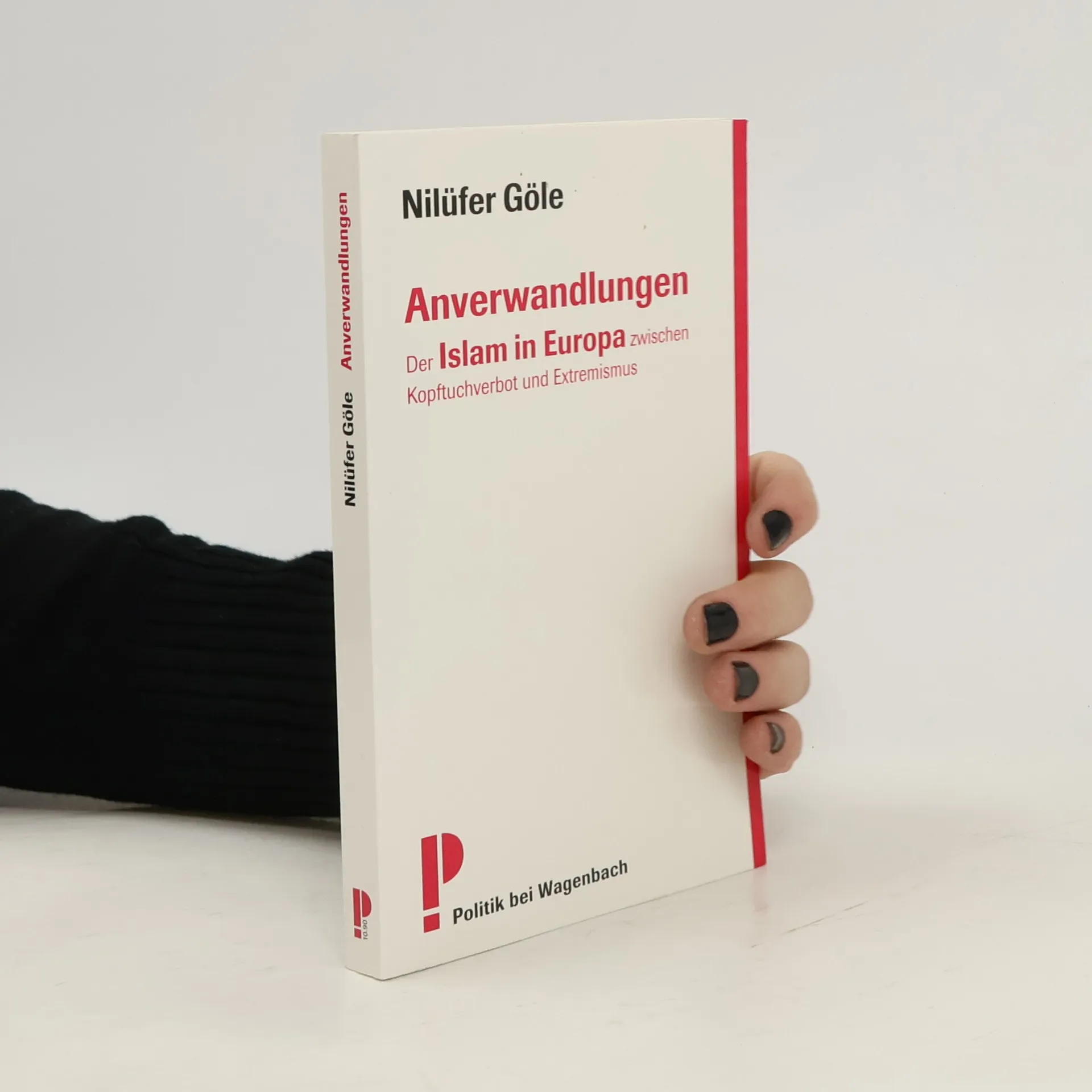
Islam in Europe is a book full of striking the assassination of and the death threats against artists and intellectuals; violent demonstrations demanding Sharia law for Europe; and acts of terrorism, Also detailed are European political initiatives and, in some cases, new laws that forbid the wearing of the burka in public spaces, the ban on minarets in Switzerland, and other efforts to keep Western culture pure. But there is another reality, as Nilüfer Göle describes it from her own life Muslims who are politicians in European parliaments; scholars teaching in European universities; and artists who use this creative intercultural exchange as a theme in their art. More visible are the hundreds of thousands of students, workers, merchants, and professionals who participate in every aspect of public life without concealing their heritage. Göle sees the best hope for a modern and European Islam in the Muslim women who--in contrast to the men--demonstrate their commitment to their heritage by wearing head scarfs while participating in modern Western life. In manifesting their professional and public experience in their own communities, they become the agents of change and modernism. Göle thus sees European Islam as feminine, in contrast to the male-dominated traditional Islam.