
Bookbot

Benjamin Hale

    Benjamin Hale est un récent diplômé de l'Iowa Writers Workshop. Son œuvre se caractérise par une perspicacité aiguë de la psyché humaine, explorant souvent les thèmes de la culpabilité, de la responsabilité et de la recherche d'identité dans un monde complexe. Hale mêle avec maîtrise l'humour à la gravité, créant des personnages mémorables et des récits captivants qui résonnent auprès des lecteurs.

    The Wild and the Wicked
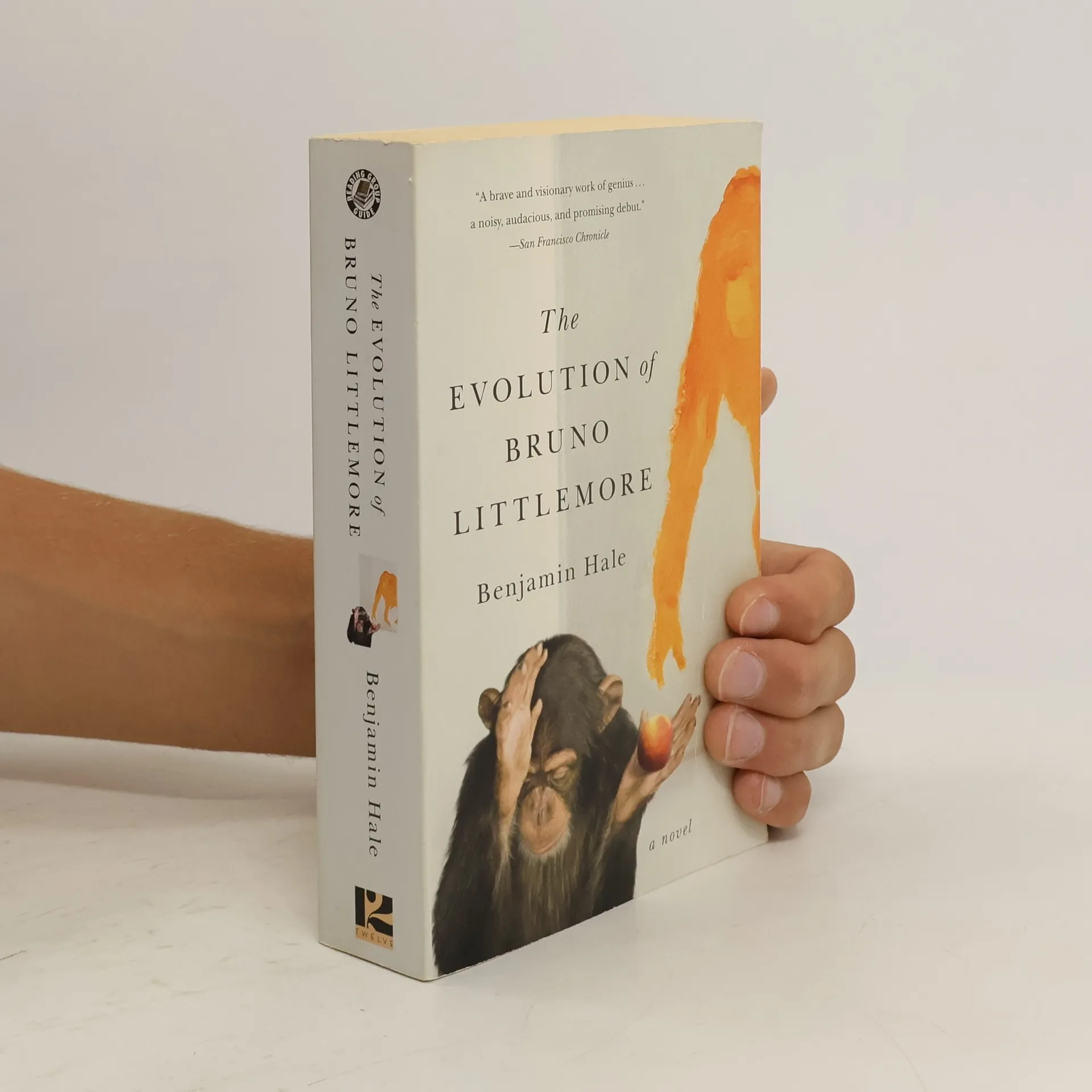
    The Evolution of Bruno Littlemore
    • The Evolution of Bruno Littlemore

      • 593pages
      • 21 heures de lecture
      3,3(42)Évaluer

      Bruno Littlemore is quite unlike any chimpanzee in the world. Precocious, self-conscious and preternaturally gifted, young Bruno, born and raised in a habitat at the local zoo, falls under the care of a university primatologist named Lydia Littlemore. Learning of Bruno's ability to speak, Lydia takes Bruno into her home to oversee his education and nurture his passion for painting. But for all of his gifts, the chimpanzee has a rough time caging his more primal urges. His untimely outbursts ultimately cost Lydia her job, and send the unlikely pair on the road in what proves to be one of the most unforgettable journeys -- and most affecting love stories -- in recent literature. Like its protagonist, this novel is big, loud, abrasive, witty, perverse, earnest and amazingly accomplished. The Evolution of Bruno Littlemore goes beyond satire by showing us not what it means, but what it feels like be human -- to love and lose, learn, aspire, grasp, and, in the end, to fail.

      The Evolution of Bruno Littlemore
    • The Wild and the Wicked

      On Nature and Human Nature

      • 328pages
      • 12 heures de lecture

      Challenging the notion that love for nature is a prerequisite for environmentalism, the book argues that nature's often cruel aspects, such as natural disasters and diseases, do not diminish the need for environmental responsibility. Benjamin Hale posits that our moral obligation to protect the environment stems from our humanity, not nature's inherent value. By embracing our capacity for ethical reasoning, he asserts that we can act to preserve nature, even when it appears indifferent or hostile, emphasizing the importance of human compassion over nature's brutality.

      The Wild and the Wicked