
Bookbot

Elizabeth Edwards

    Professeur Edwards explore les relations complexes entre la photographie, l'anthropologie et l'histoire. Son travail examine de manière critique les pratiques sociales entourant la photographie, sa nature matérielle et son profond impact sur l'imagination historique. Elle enquête sur la formation et la diffusion des connaissances photographiques à travers les réseaux sociaux et le marché des photographies « ethnographiques » au XIXe siècle. De plus, ses recherches explorent l'interaction dynamique entre la photographie et la méthodologie historique.

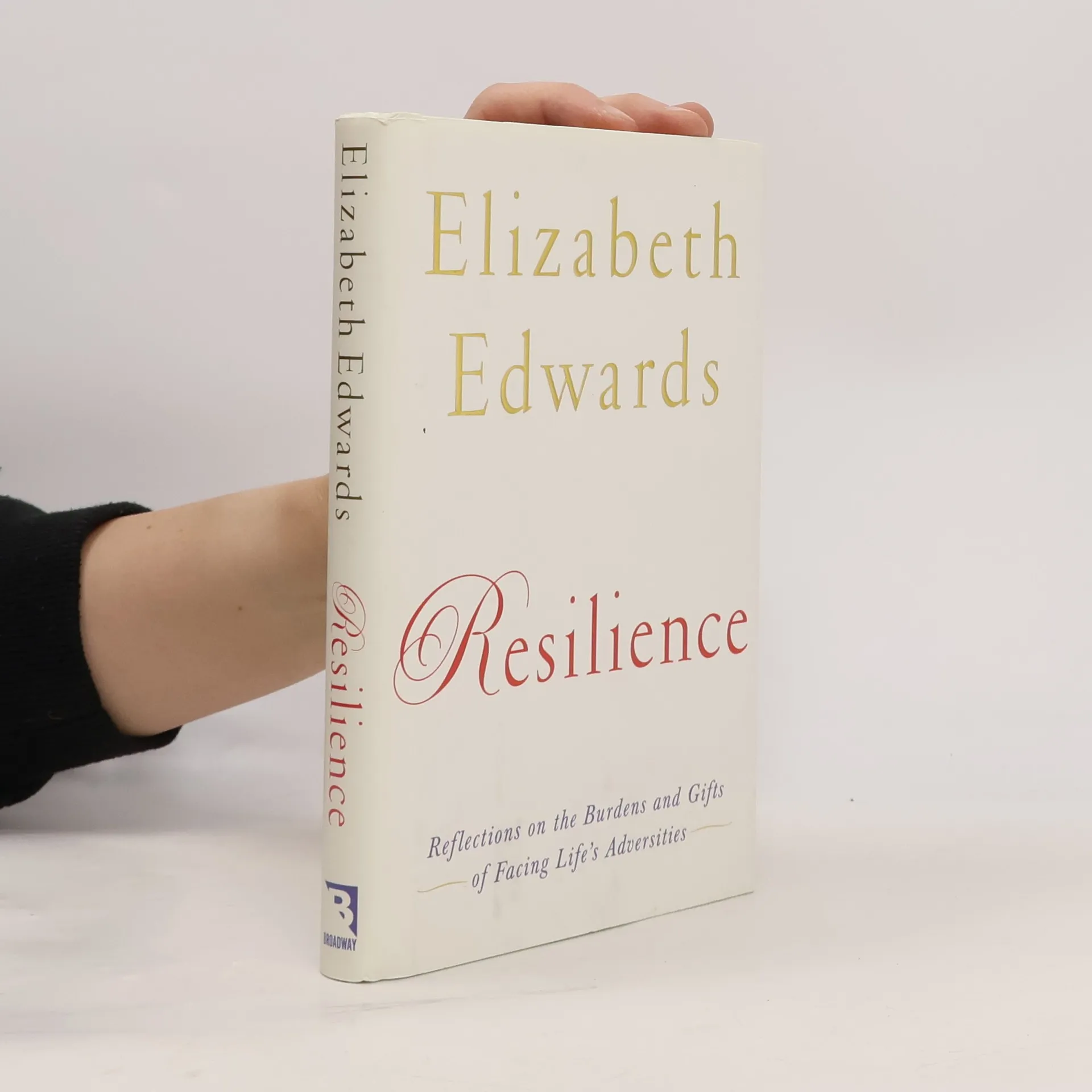
    Resilience
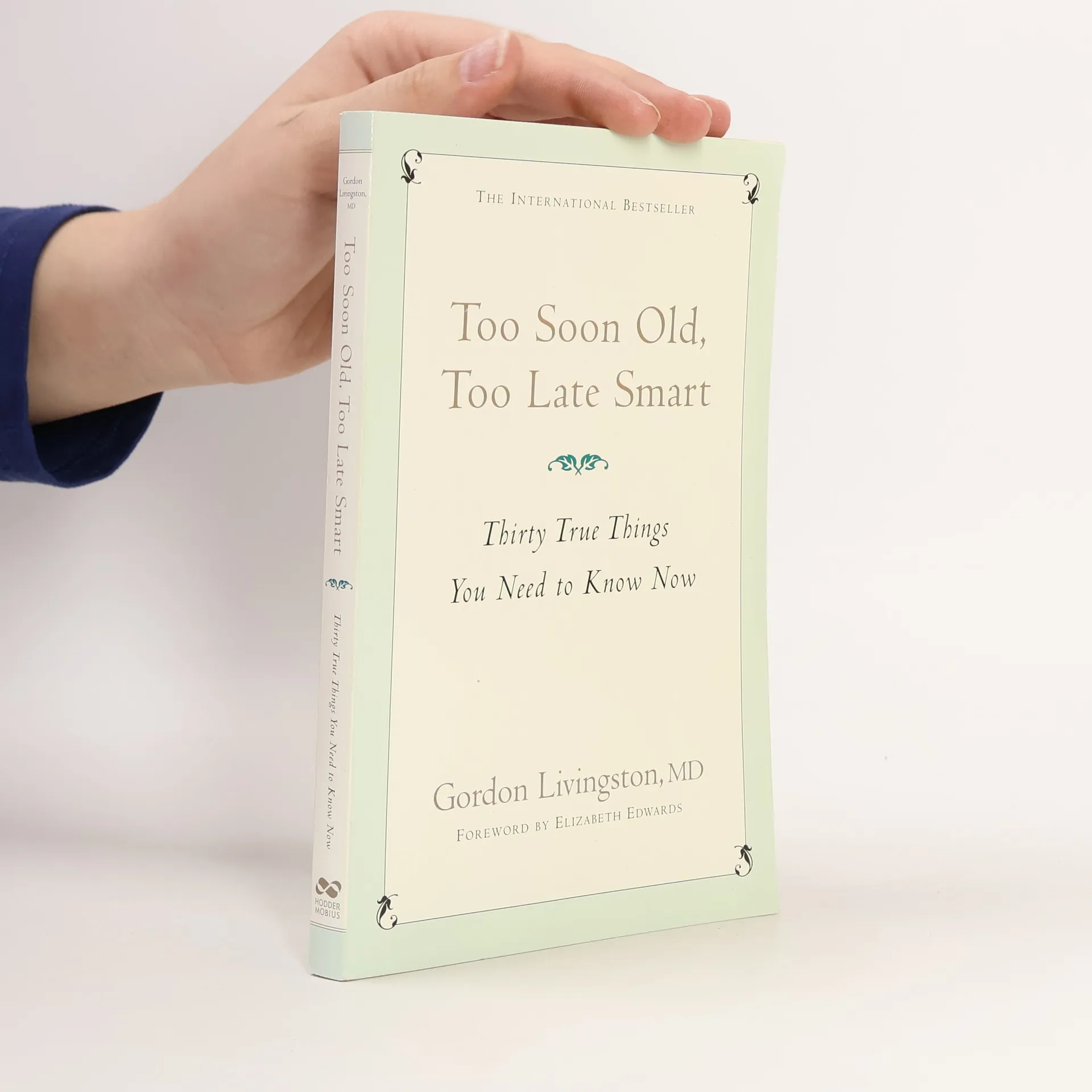
    Too Soon Old, Too Late Smart
    Photographs and the Practice of History
    • Photographs and the Practice of History

      A Short Primer

      • 184pages
      • 7 heures de lecture

      Exploring the intersection of photography and historiography, Elizabeth Edwards examines how the existence of photographs influences historical practices and methodologies. By proposing a new approach to historical thinking, the book challenges traditional concepts and encourages a redefinition of the discipline, addressing the implications of visual evidence on historical inquiry.

      Photographs and the Practice of History
      3,5
    • Too Soon Old, Too Late Smart

      Thirty True Things You Need to Know Now

      • 168pages
      • 6 heures de lecture

      After service in Vietnam as a surgeon in 1968-69, Dr. Gordon Livingston returned to the U.S. and began work as a psychiatrist. In that capacity, he has listened to people talk about their lives and the limitless ways that they have found to be unhappy. He is also a parent twice bereaved. In one thirteen-month period, he lost his eldest son to suicide, his youngest to leukemia. Out of a lifetime of experience, Livingston has extracted thirty bedrock truths: We are what we do. Any relationship is under the control of the person who cares the least. The perfect is the enemy of the good. Only bad things happen quickly. Forgiveness is a form of letting go, but they are not the same thing. The statute of limitations has expired on most of our childhood traumas. Livingston illuminates these and twenty-four others in perfectly calibrated essays, many of which emphasize our closest relationships and the things that we do to impede or enhance them. These writings underscore that "we are what we do," and that while there may be no escaping who we are, we have the capacity to face loss, misfortune, and regret, and to move beyond them.

      Too Soon Old, Too Late Smart
      3,7
    • Resilience

      Reflections on the Burdens and Gifts of Facing Life's Adversities

      • 213pages
      • 8 heures de lecture

      The bestselling author of Saving Graces shares her inspirational message on the challenges and blessings of coping with adversity.She’s one of the most beloved political figures in the country, and on the surface, seems to have led a charmed life. In many ways, she has. Beautiful family. Thriving career. Supportive friendship. Loving marriage. But she’s no stranger to adversity. Many know of the strength she had shown after her son, Wade, was killed in a freak car accident when he was only sixteen years old. She would exhibit this remarkable grace and courage again when the very private matter of her husband's infidelity became public fodder. And her own life has been on the line. Days before the 2004 presidential election—when her husband John was running for vice president—she was diagnosed with breast cancer. After rounds of surgery, chemotherapy, and radiation the cancer went away—only to reoccur in 2007.While on the campaign trail, Elizabeth met many others who have had to contend with serious adversity in their lives, and in Resilience , she draws on their experiences as well as her own, crafting an unsentimental and ultimately inspirational meditation on the gifts we can find among life’s biggest challenges. This short, powerful, pocket-sized inspirational book makes an ideal gift for anyone dealing with difficulties in their life, who can find peace in knowing they are not alone, and promise that things can get better.

      Resilience