Ibn Battûta, pèlerin berbère et musulman, tire parti de l'Islam et de la langue arabe pour voyager. Ses périples, marqués par quatre grandes périodes, l'emmènent de La Mecque à des régions variées comme l'Afrique, l'Asie et la Chine, où il rencontre des personnalités influentes et devient conseiller.
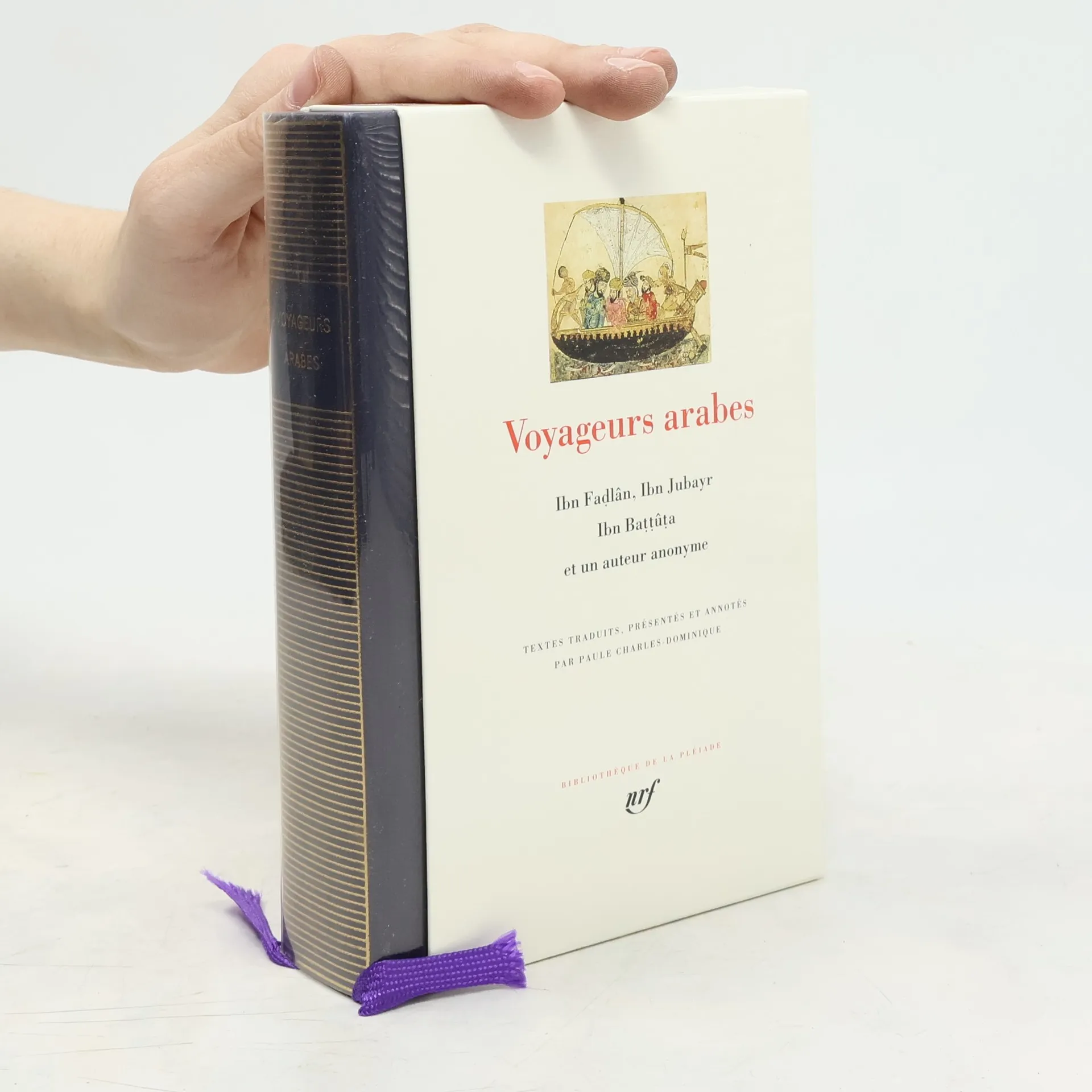
Ibn Faḍlan : Récit de voyage. Ibn Jubayr : Relation de voyages. Ibn Baṭṭûṭa : Voyages et périples. Anonymes : Documents sur la Chine et sur l'Inde. Parce que le désert est incertain, qui fait lever des mirages et qu'un vent nocturne suffit à brouiller les horizons, des voyageurs - arabes - attesteront leur saisissement du monde. Résistant au néant des choses, ils décideront d'être des passeurs d'éternité. Sans relâche, ils parcourront les routes caravanières, plantant leur regard sur la terre énigmatique, et ils s'étonneront des sables et des pierres, des villes et des hommes. La leçon d'anatomie qu'ils ont laissée ouvre une réalité plus rêvée qu'un rêve, tant il est vrai que toujours les mots ébréchèrent la secrète alchimie du regard et de la mémoire.1472 pages, 105 x 170 mm, relié peauAchevé d'imprimer : 02-01-1995Genre : Mémoires et autobiographiesThème > Sous-thème : histoire > Antiquité et époque médiévaleCatégorie > Sous-catégorie : Connaissance > HistoireÉpoque : Moyen Âge
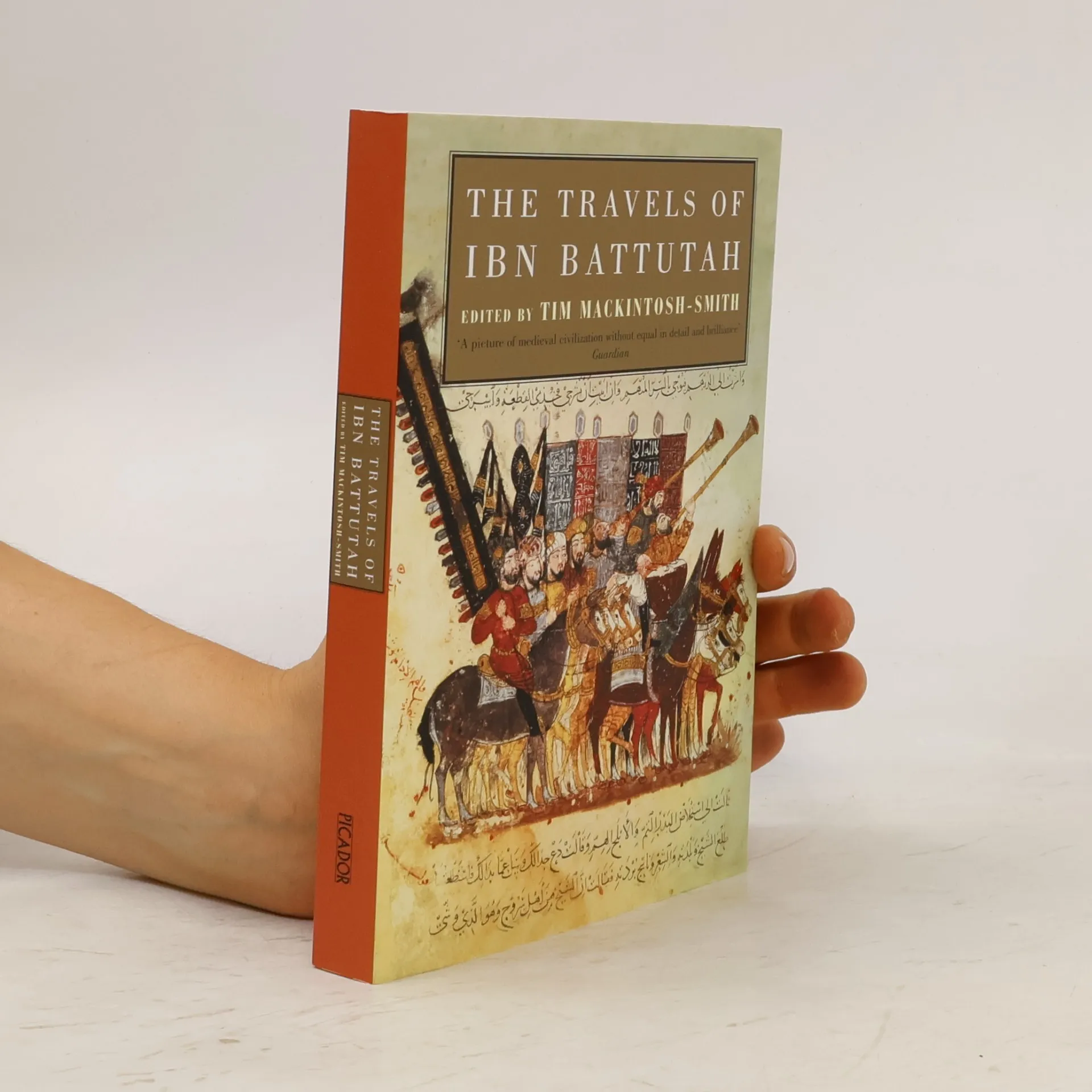
Ibn Battutah - ethnographer, bigrapher, anecdotal historian and occasional botanist - was just twenty-one when he set out in 1325 from his native Tangier on a pilgramage to Mecca . . . schovat popis