
Six armées en Normandie
- 384pages
- 14 heures de lecture
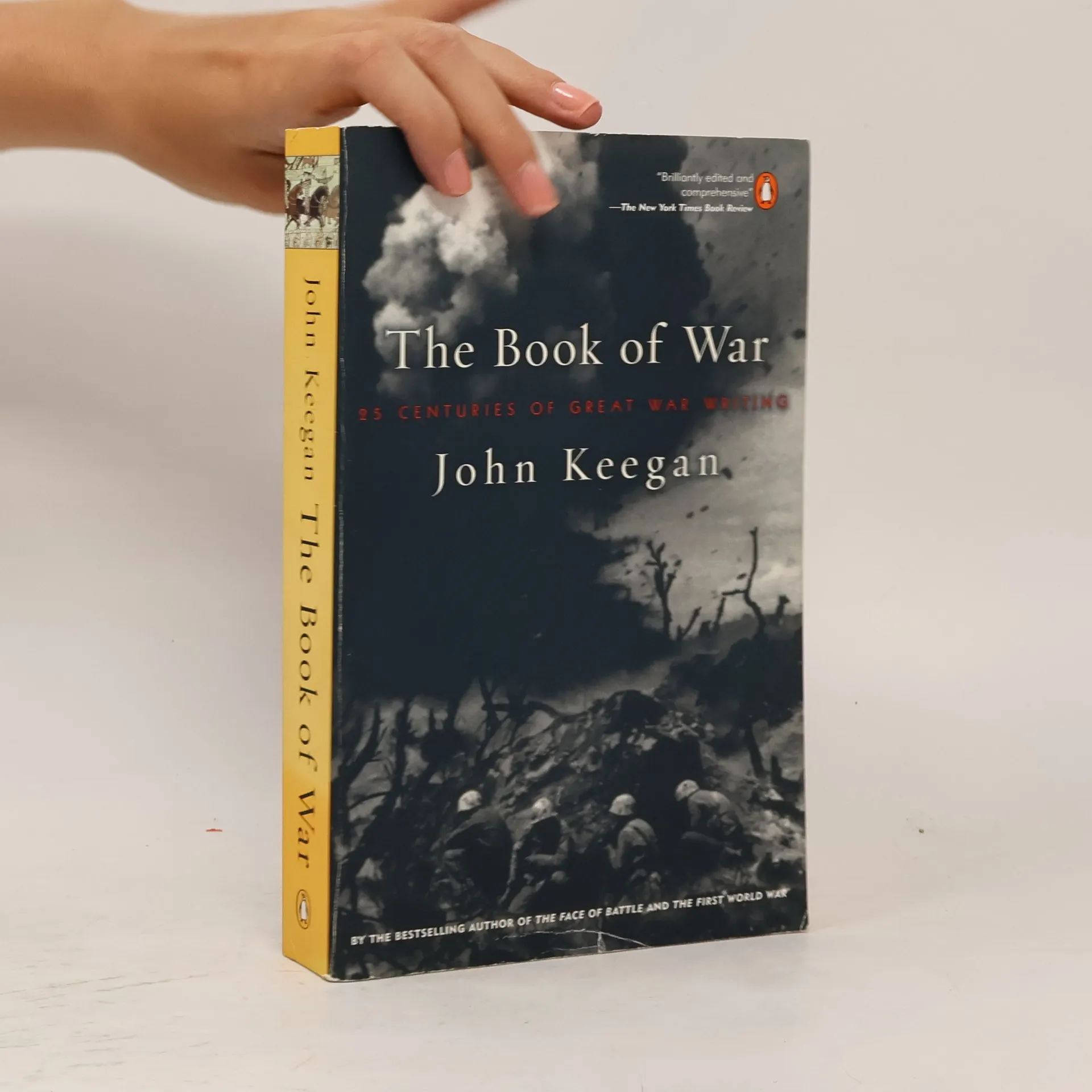
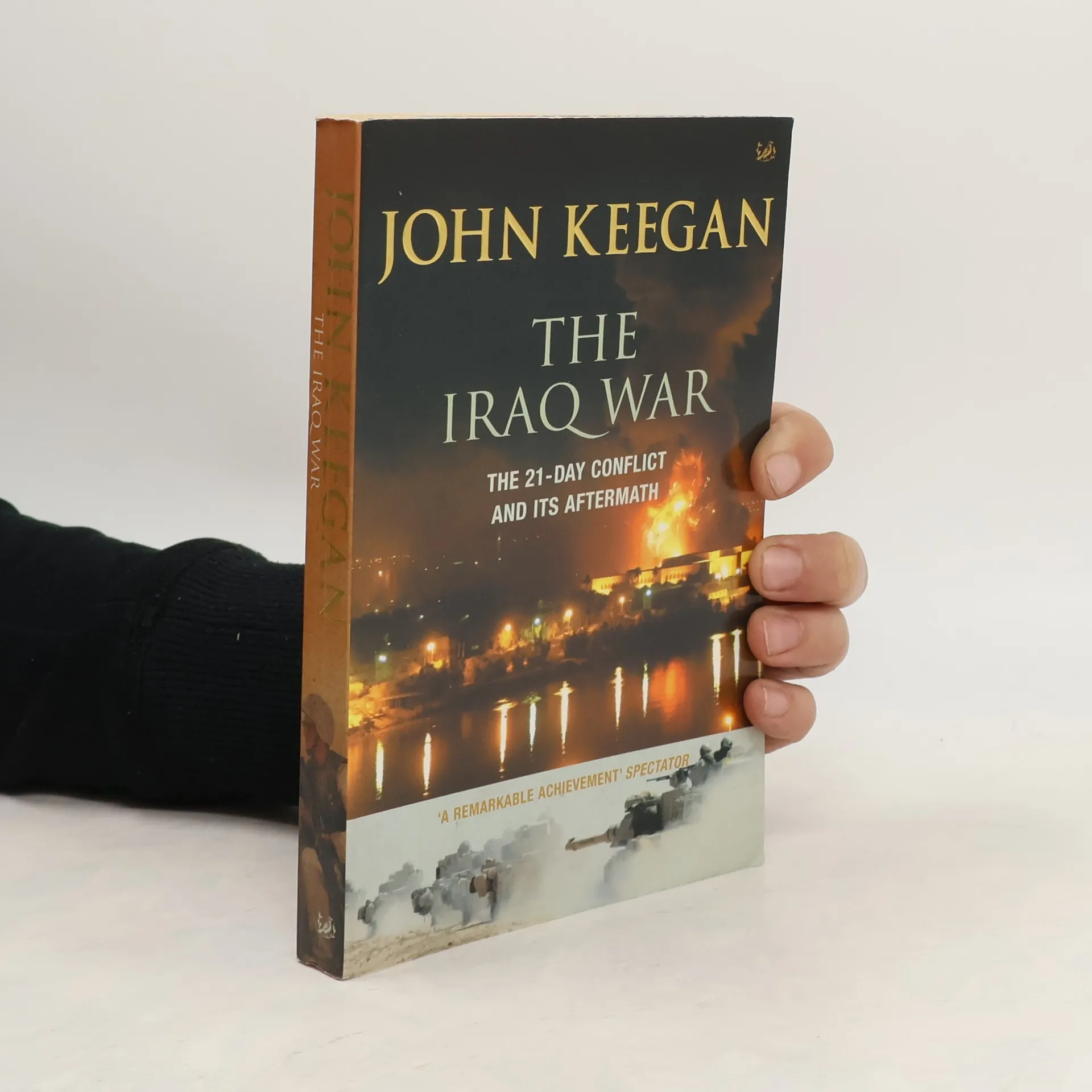
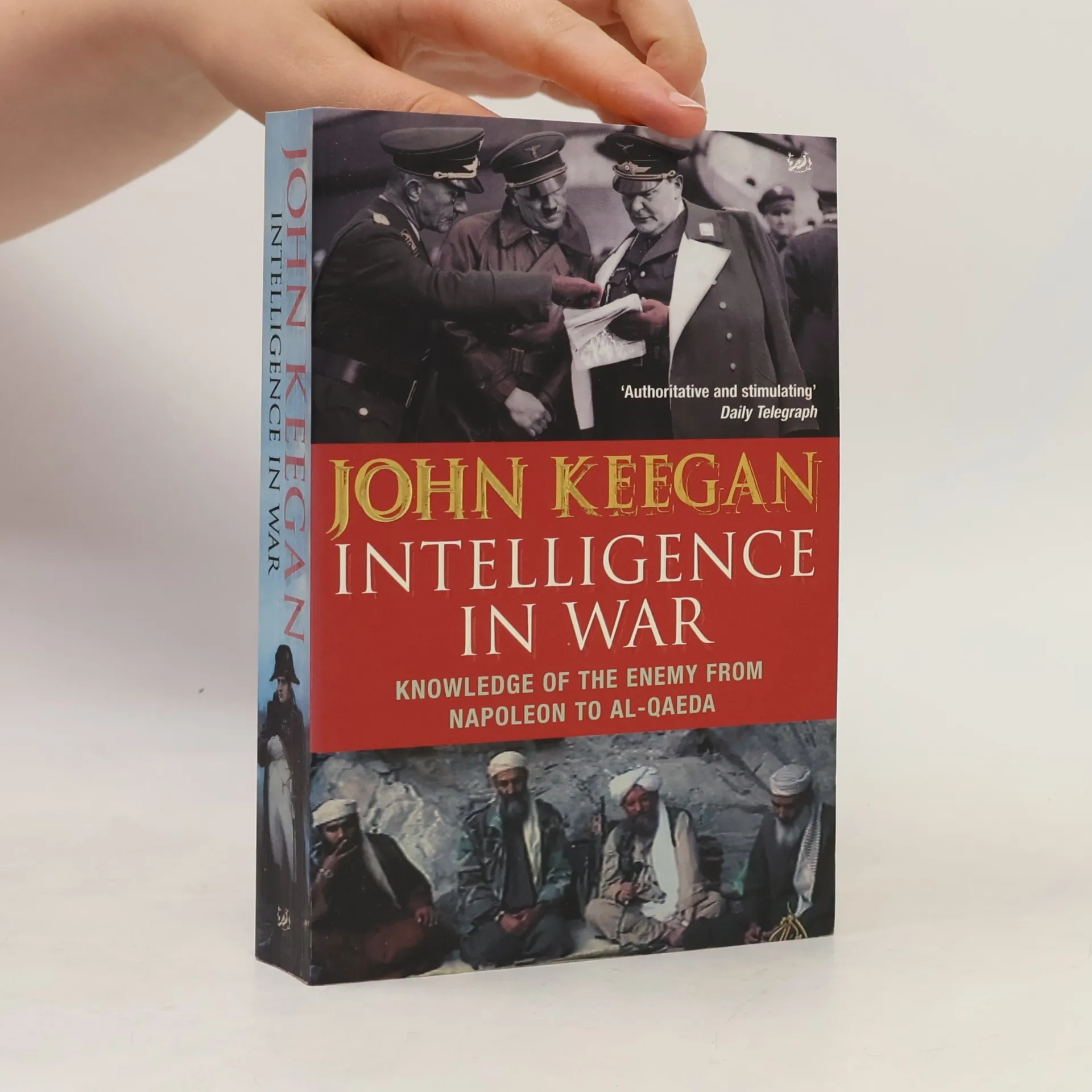
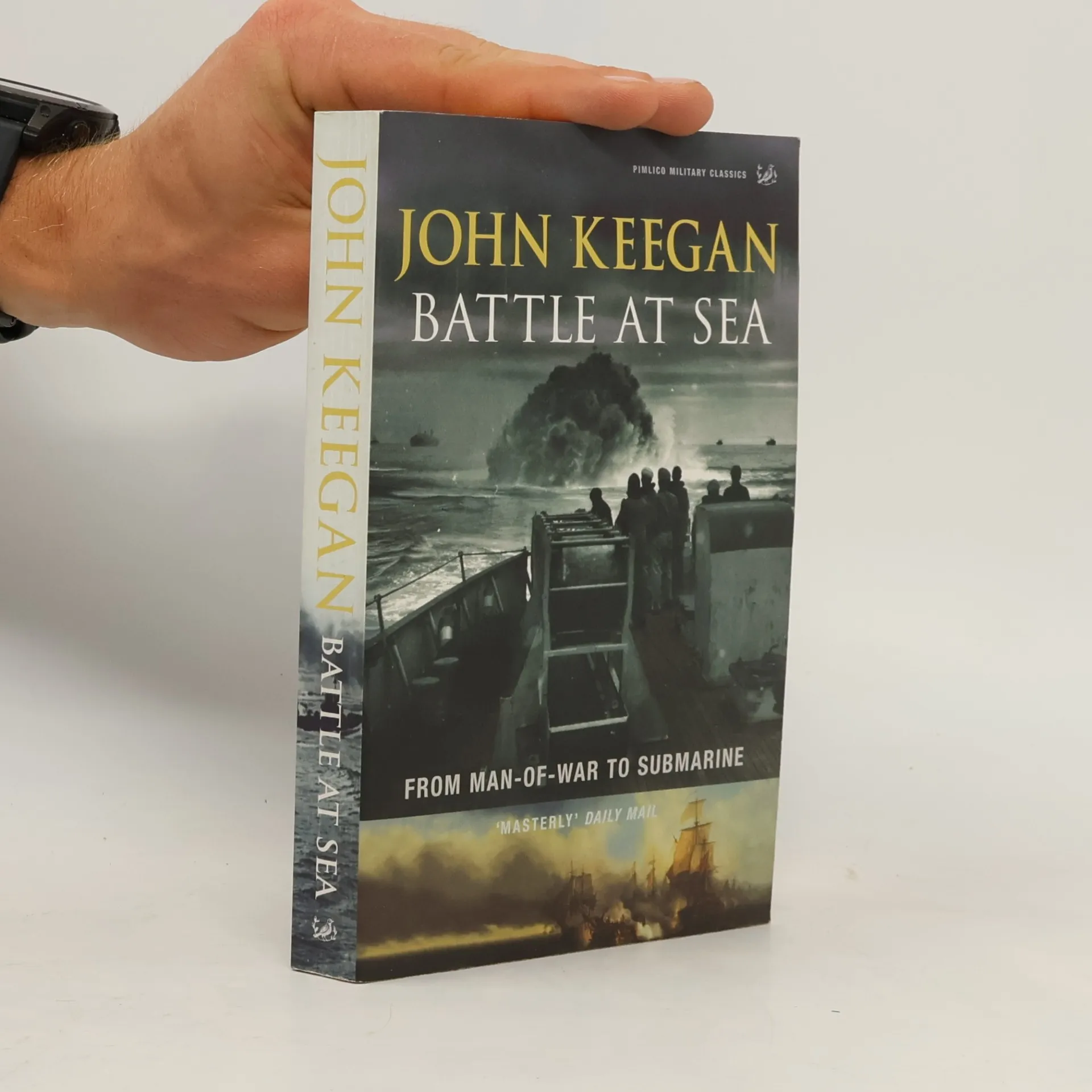
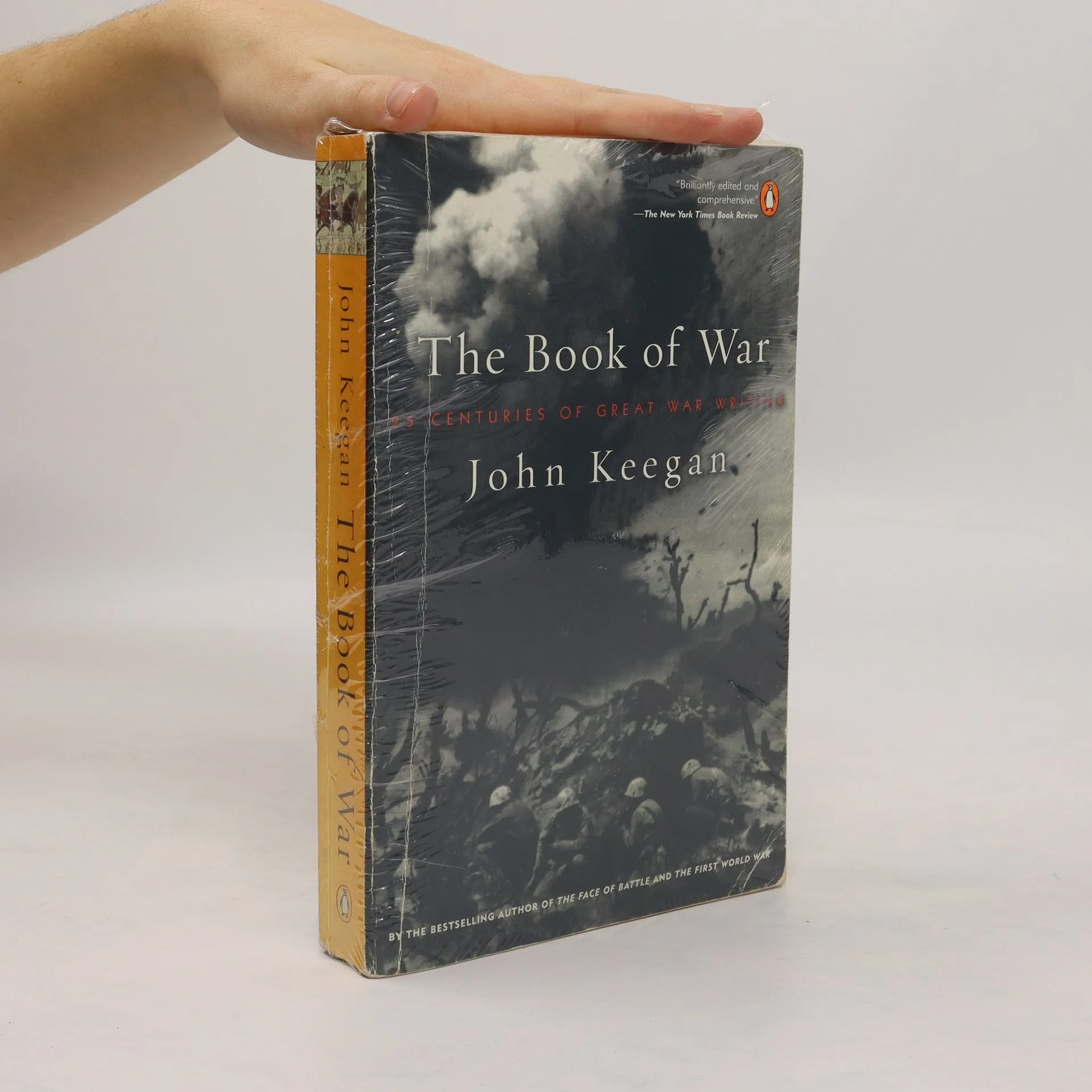
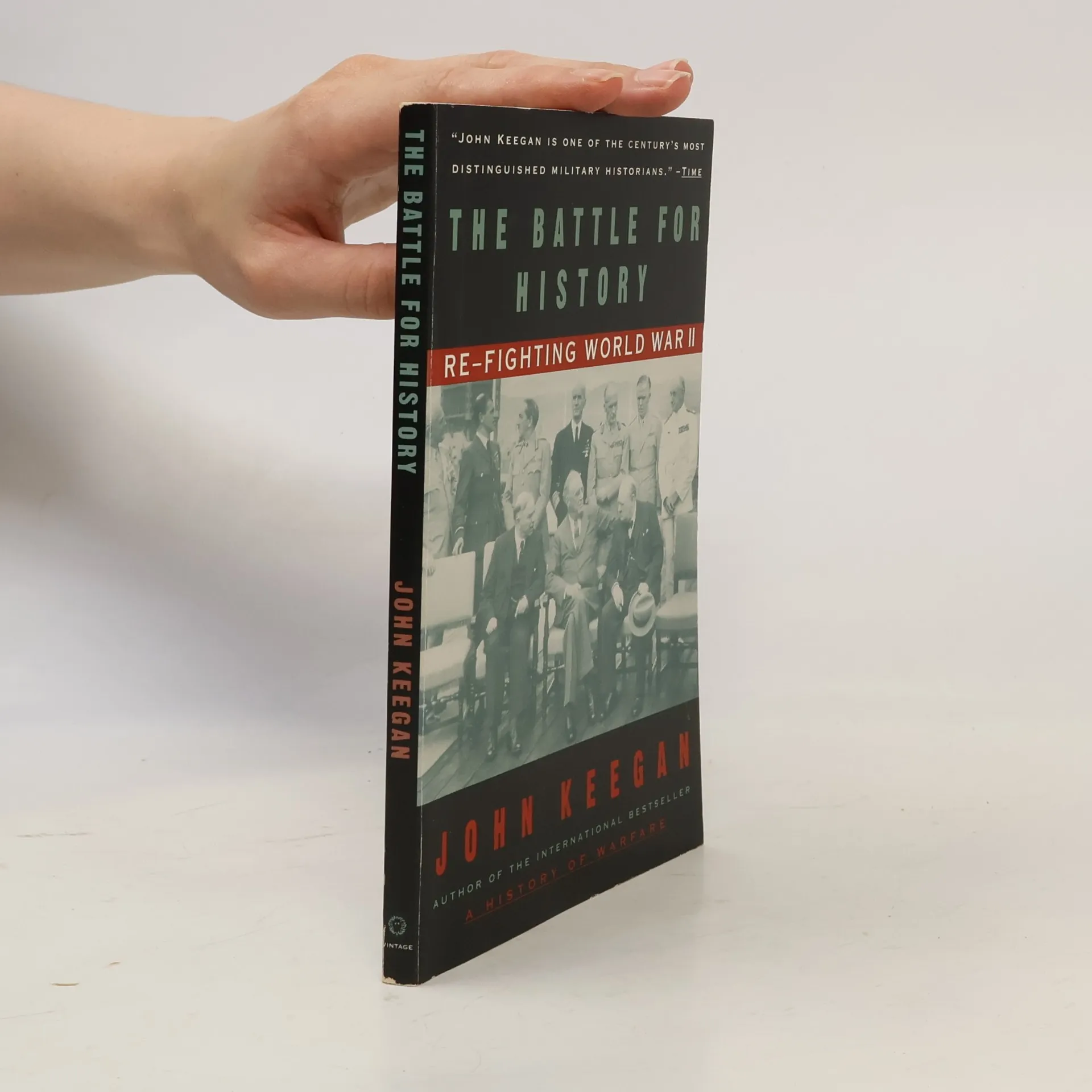
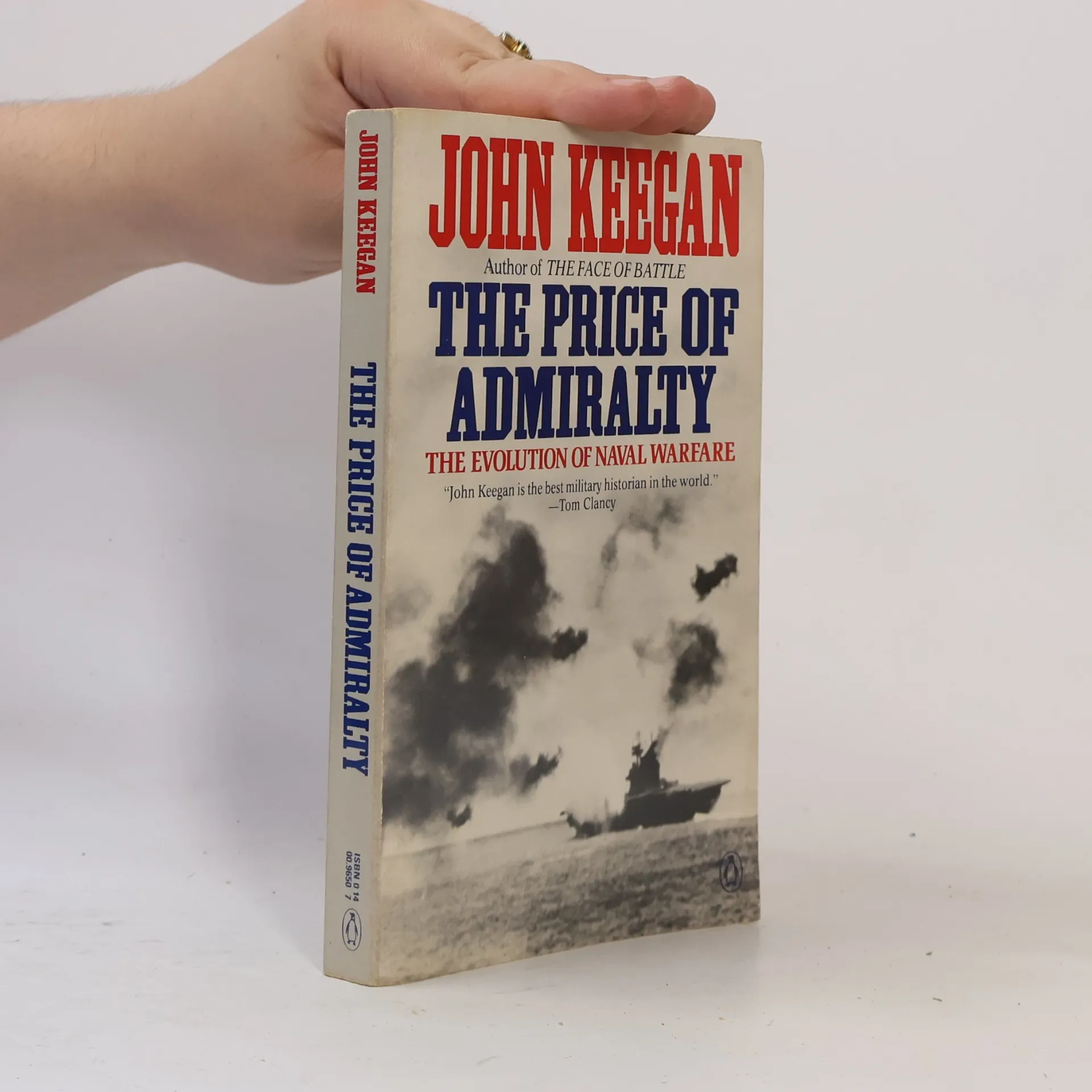
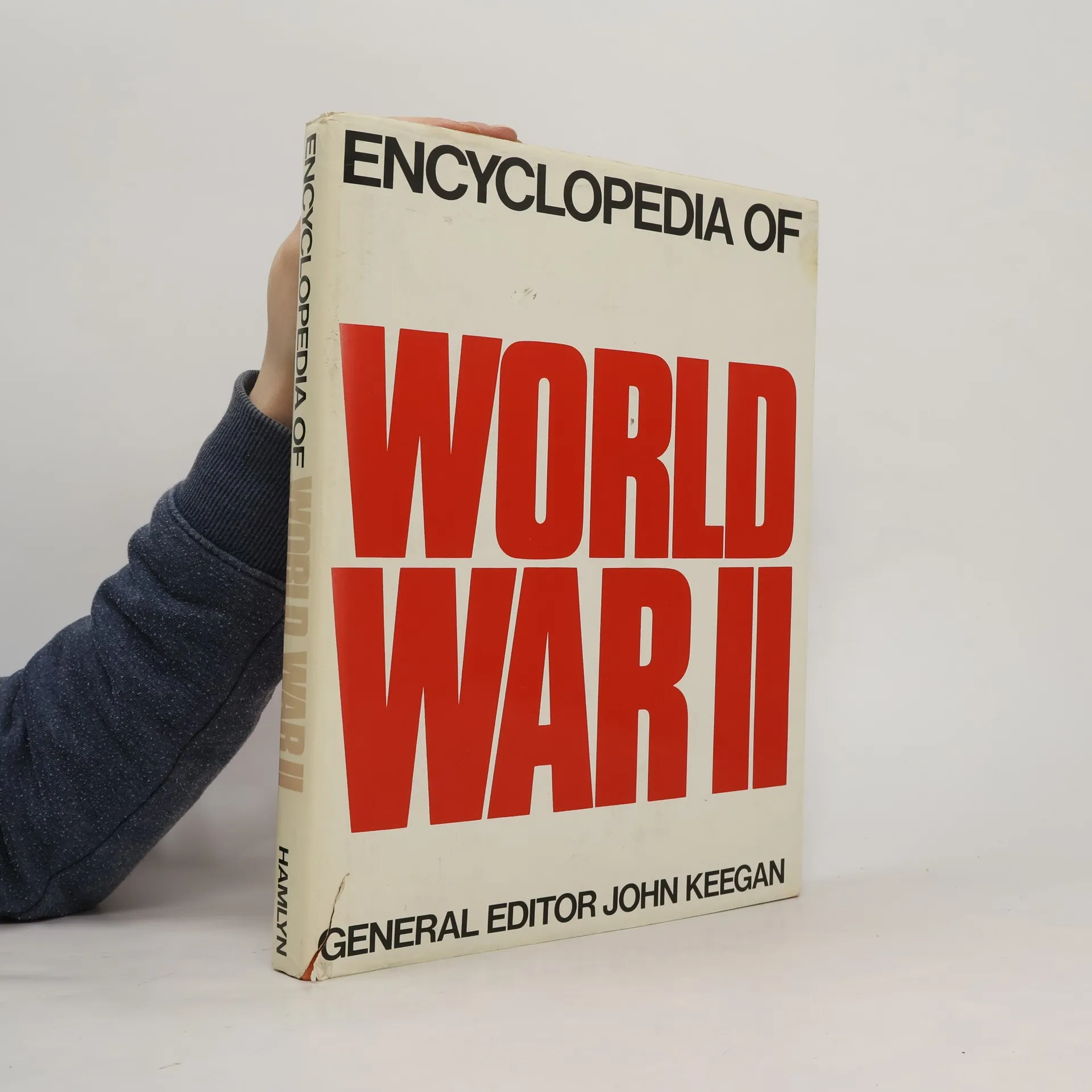
Un historien militaire britannique a exploré la nature du combat à travers les siècles et sous diverses formes de guerre, de la terrestre à celle du renseignement. Ses ouvrages se sont penchés sur la psychologie de la bataille, examinant comment le conflit a évolué et comment les individus y ont réagi. Keegan a offert des aperçus profonds sur l'histoire de la guerre.


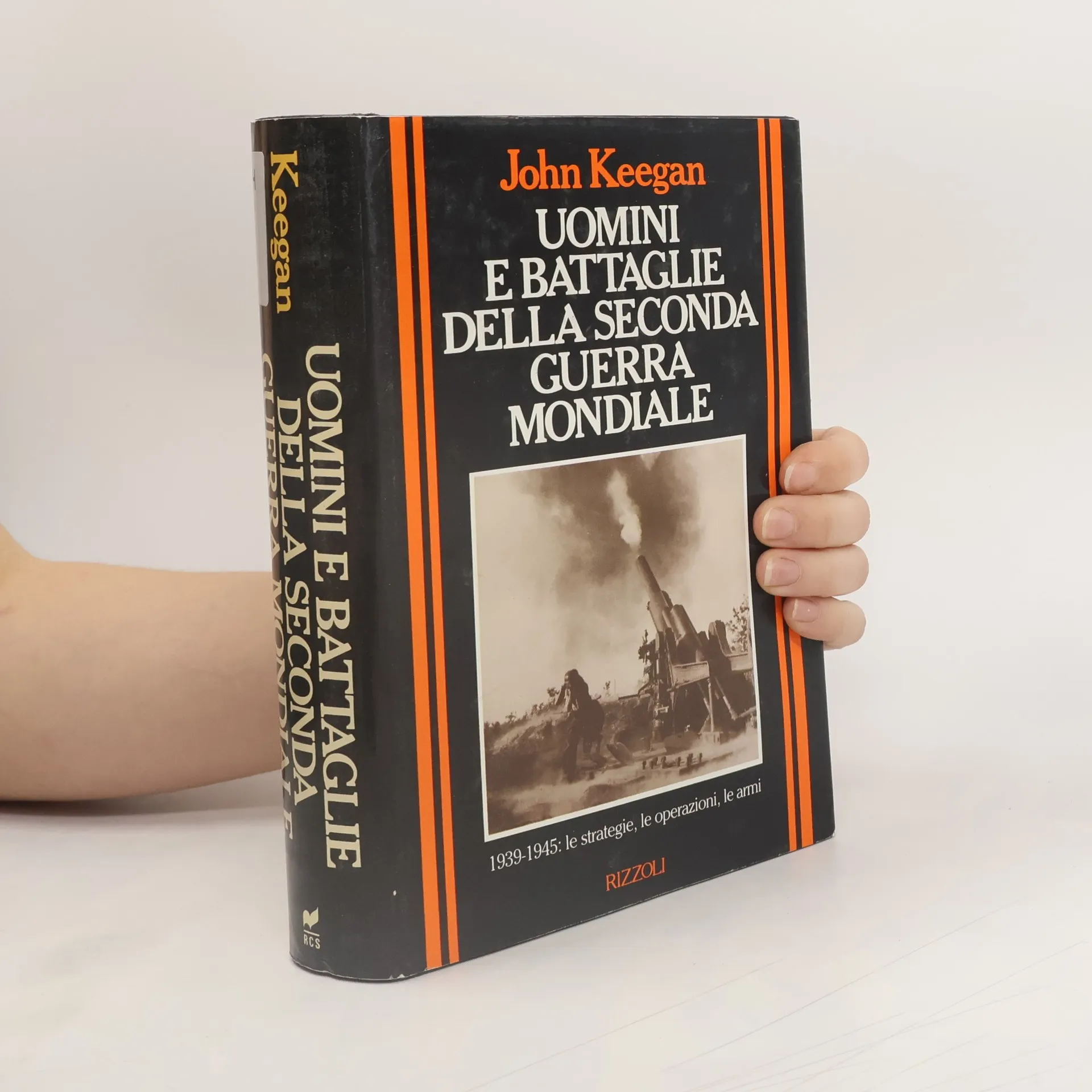
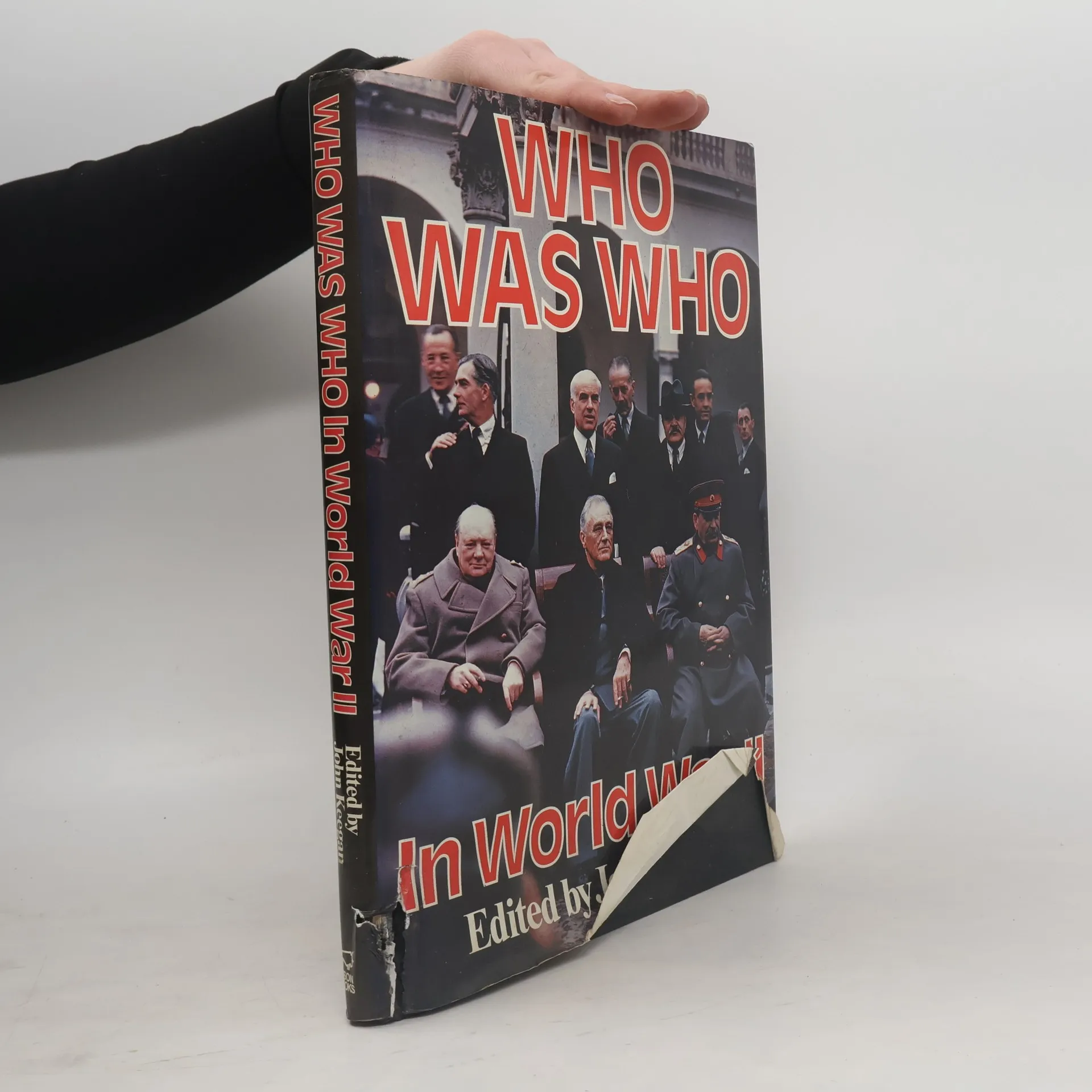
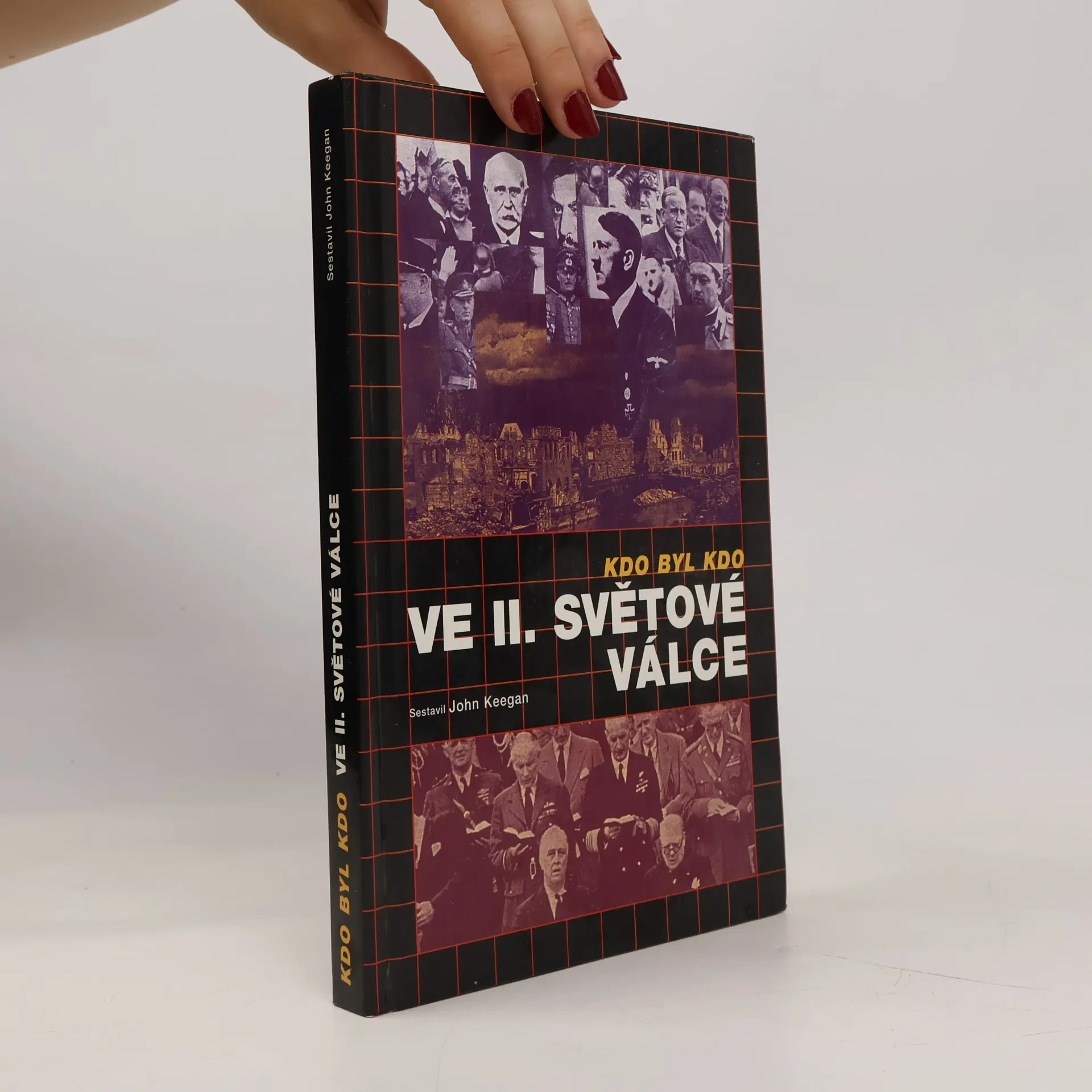
Who's Who in the Second World War is a completely original view of World War II, as seen from the human, rather than military, viewpoint. This fascinating and authoriative guide assembles the most important and significant characters from amongst the vast array of those involved in this monumental conflict. World War II, unlike World War I, was truly a global conflict, fought in every one of the five continents, and by combatants from every continental region. It was also, as World War I had not been, a conflict of ideologies. As a result its most significant figures have a particular richness and depth, including not only soldiers and statesmen of orthodox background but three dictators of world stature, and a host of politicians, heroes, martyrs, idealists, and traitors. From the British minister Duff Cooper to the dictator Joseph Stalin, from Nancy Fiocca of the French Resistance to Hitler in all his manifestations, every angle of the war is represented in intriguing detail. Each entry conveys not only the salient facts about the life and career of each figure but also the flavor of their individuality. Full of meticulous research and up-to-date scholarship, and including a thorough chronology of the war, Who's Who in the Second World War in an invaluable aid to an understanding of the characters, as well as the action, of the Second World War.
The greatest politician and statesmen of the twentieth century by Britain's leading military historian. schovat popis
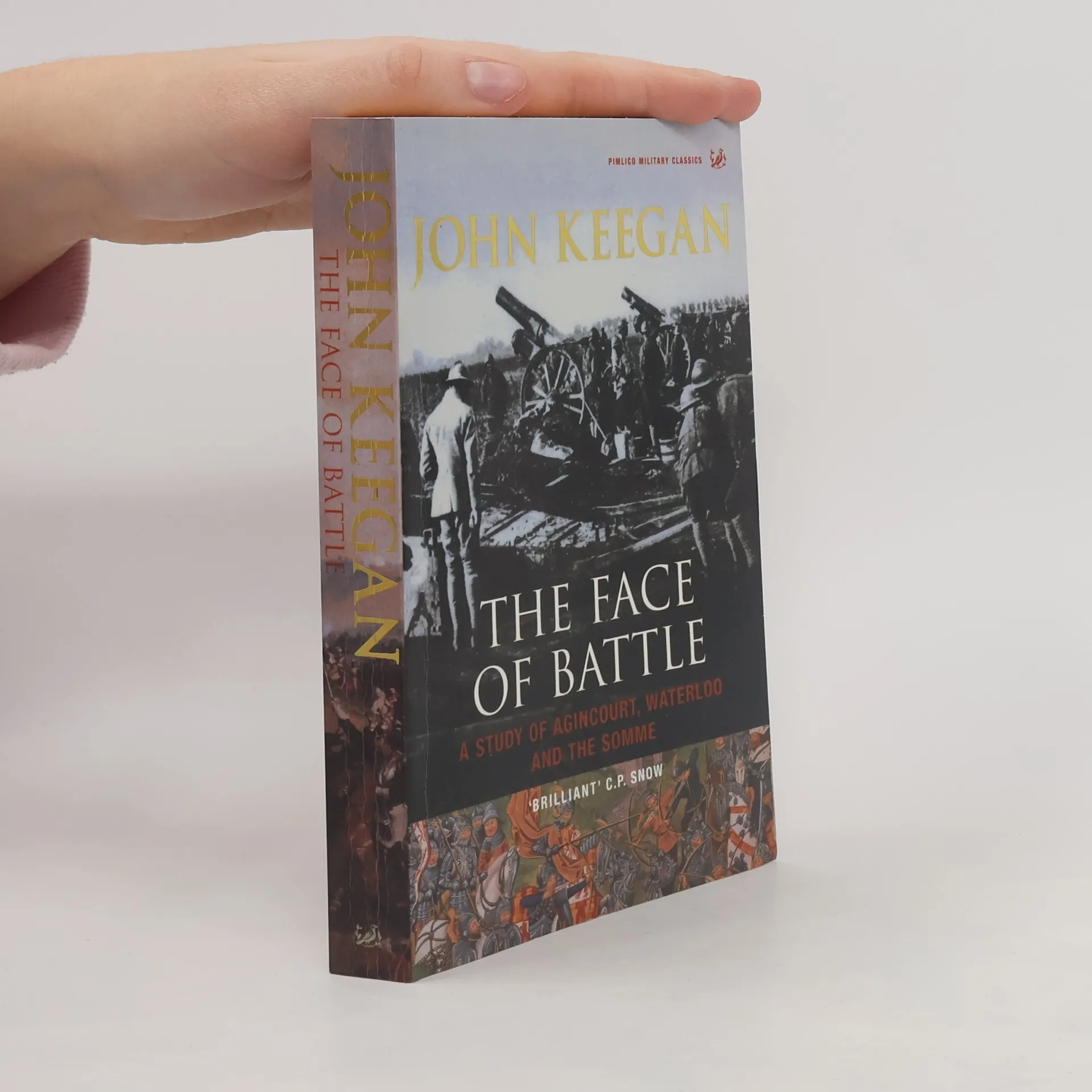
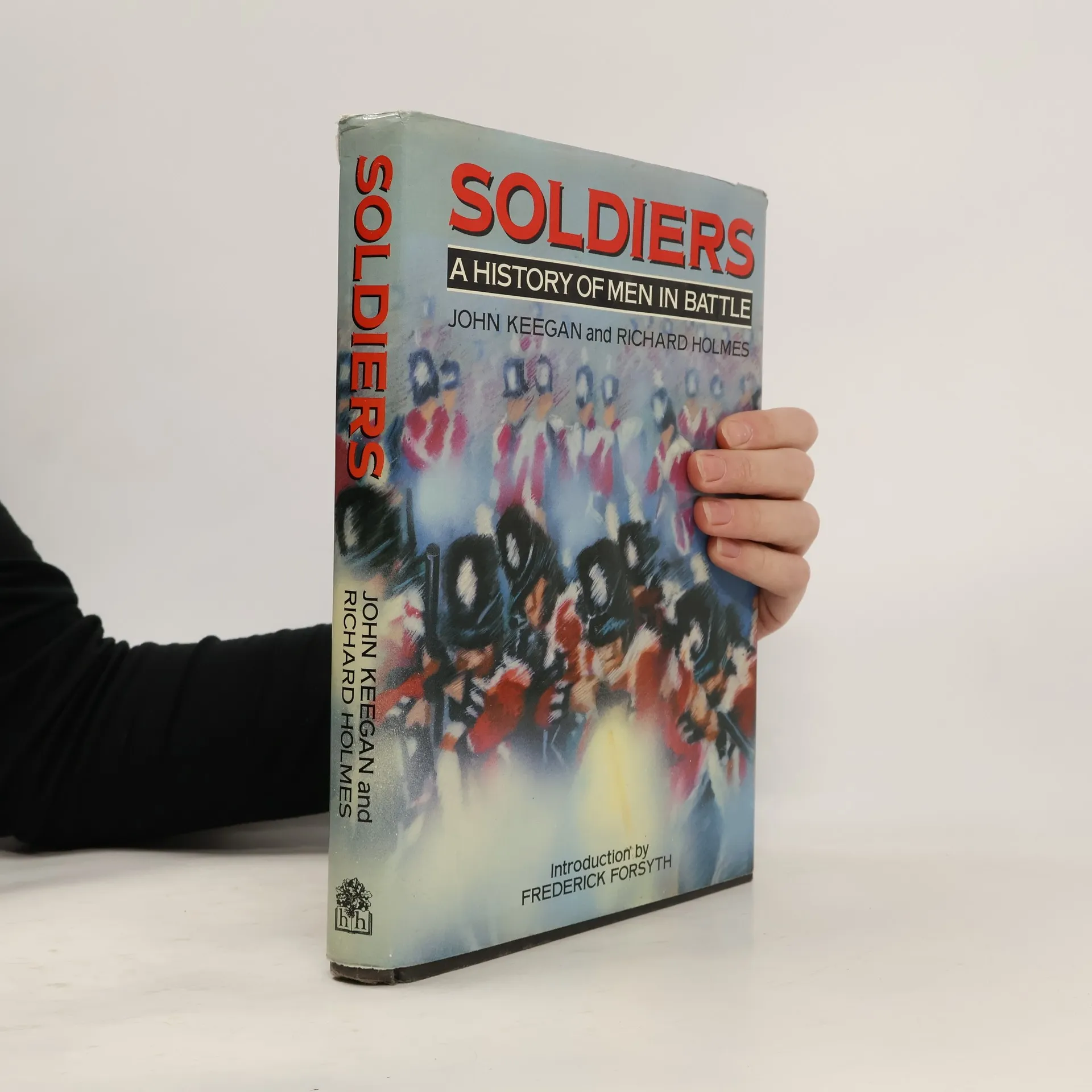
The Face of Battle is military history from the battlefield: a look at the direct experience of individuals at 'the point of maximum danger'. It examines the physical conditions of fighting, the particular emotions and behaviour generated by battle, as well as the motives that impel soldiers to stand and fight rather than run away. And in his scrupulous reassessment of three battles, John Keegan vividly conveys their reality for the participants, whether facing the arrow cloud of Agincourt, the levelled muskets of Waterloo or the steel rain of the Somme
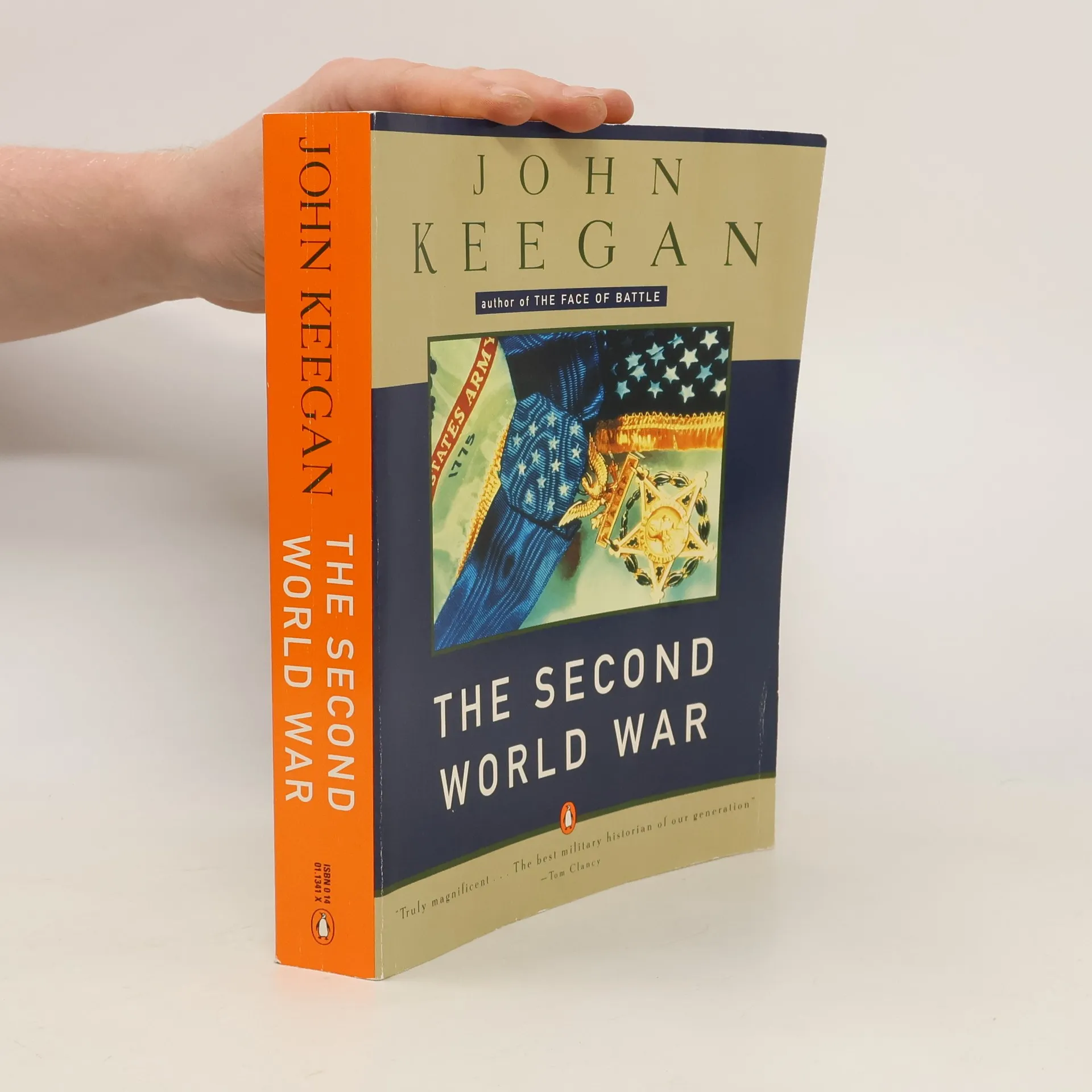
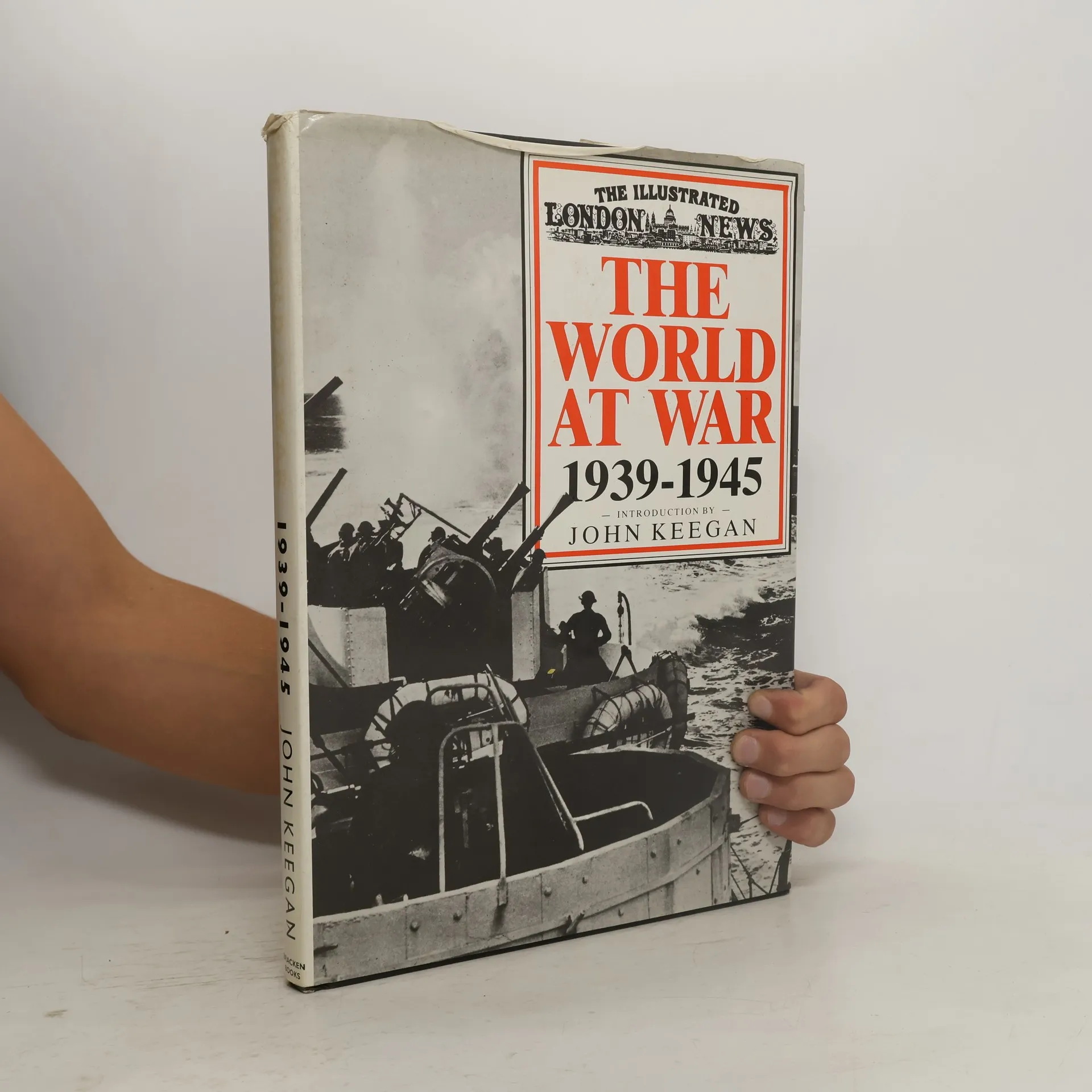
In this comprehensive history, John Keegan explores both the technical and the human impact of the greatest war of all time. He focuses on five crucial battles and offers new insights into the distinctive methods and motivations of modern warfare. In knowledgable, perceptive analysis of the airborne battle of Crete, the carrier battle of Midway, the tank battle of Falaise, the city battle of Berlin, and the amphibious battle of Okinawa, Keegan illuminates the strategic dilemmas faced by the leaders and the consequences of their decisions on the fighting men and the course of the war as a whole.
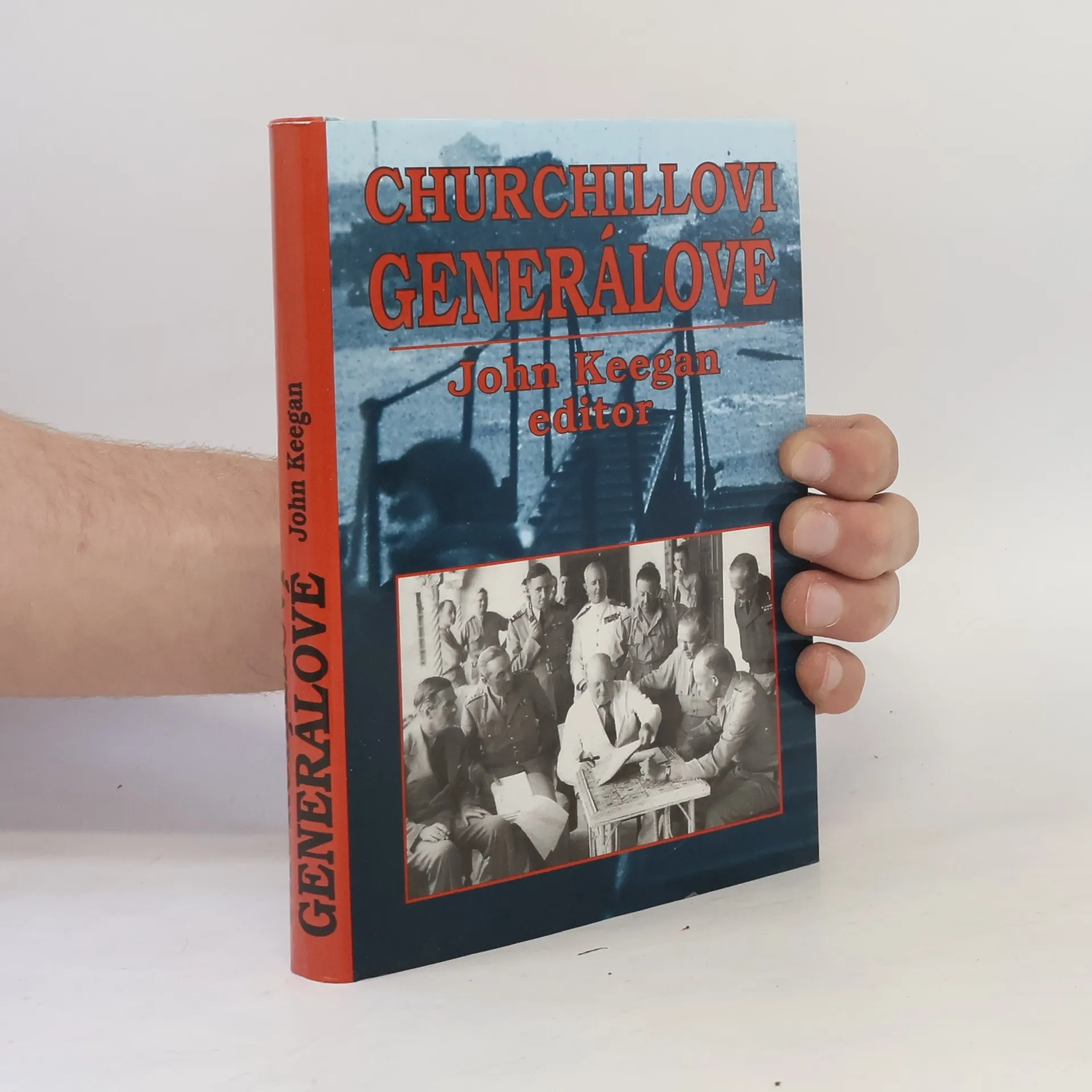
A group of military historians examine the careers of 20 key generals who served under Winston Churchill in World War II. John Keegan's introduction examines Churchill's strategic cast of thought and working methods. Intolerant of failure, he sacked his generals ruthlessly and, according to the text, came to be sesrved by men of exceptional abillty as leaders, field commanders or specialists in irregular warfare.
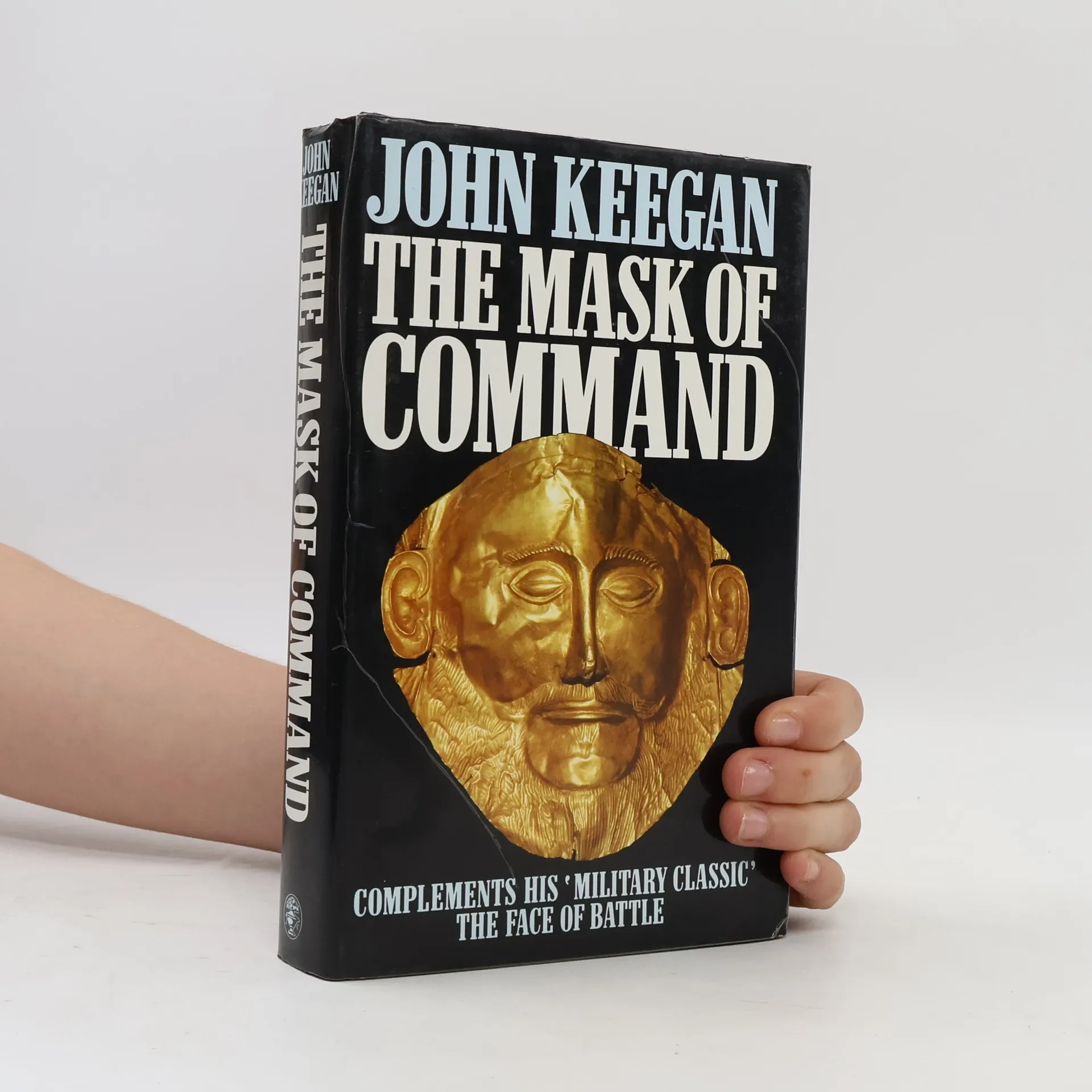
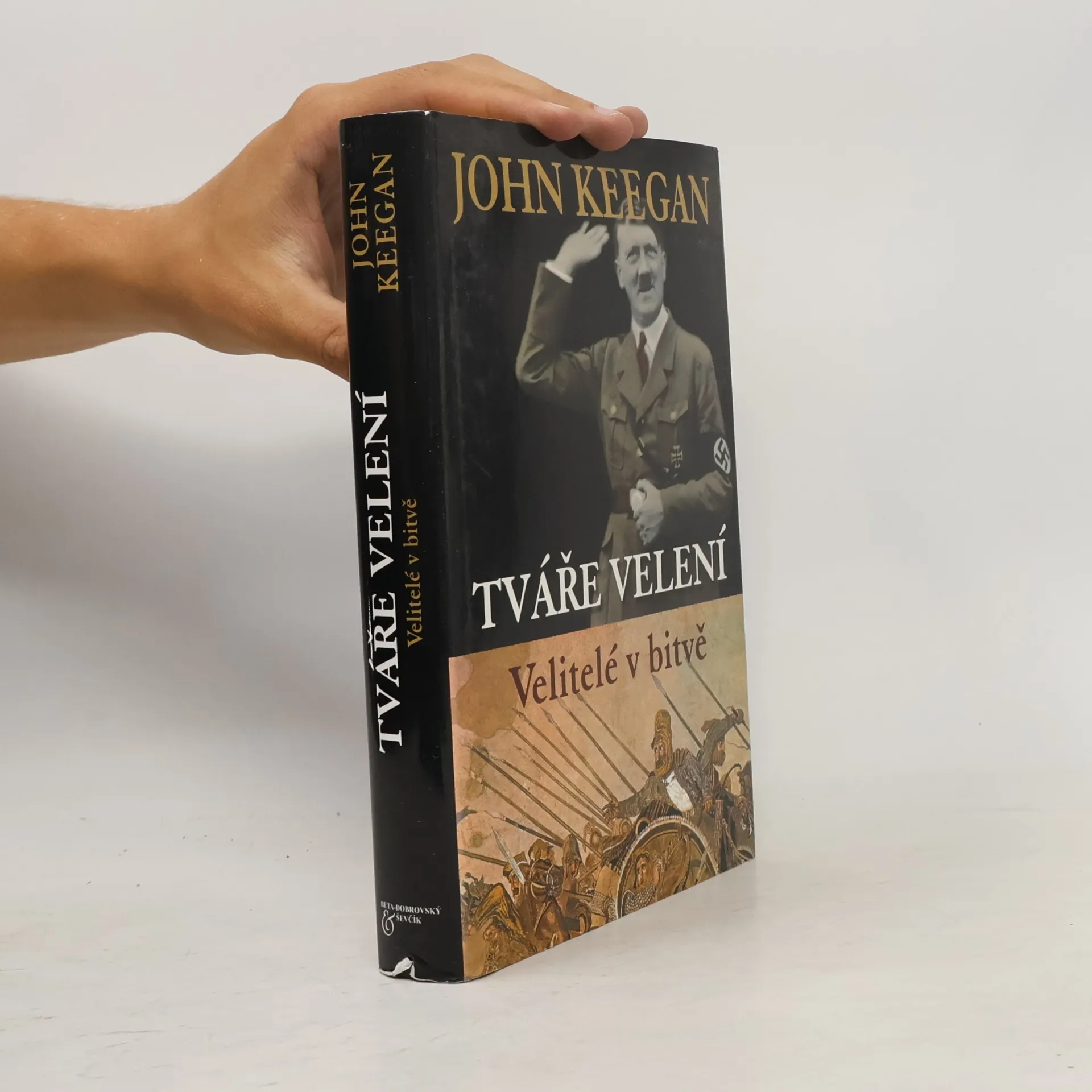
The Mask of Command is about generals: who they are, what they do and how they affect the world we live in. Grant and the false heroic of Hitler - John Keegan propounds the view of heroism in warfare as inextricable linked with the political imperative of the age and place.
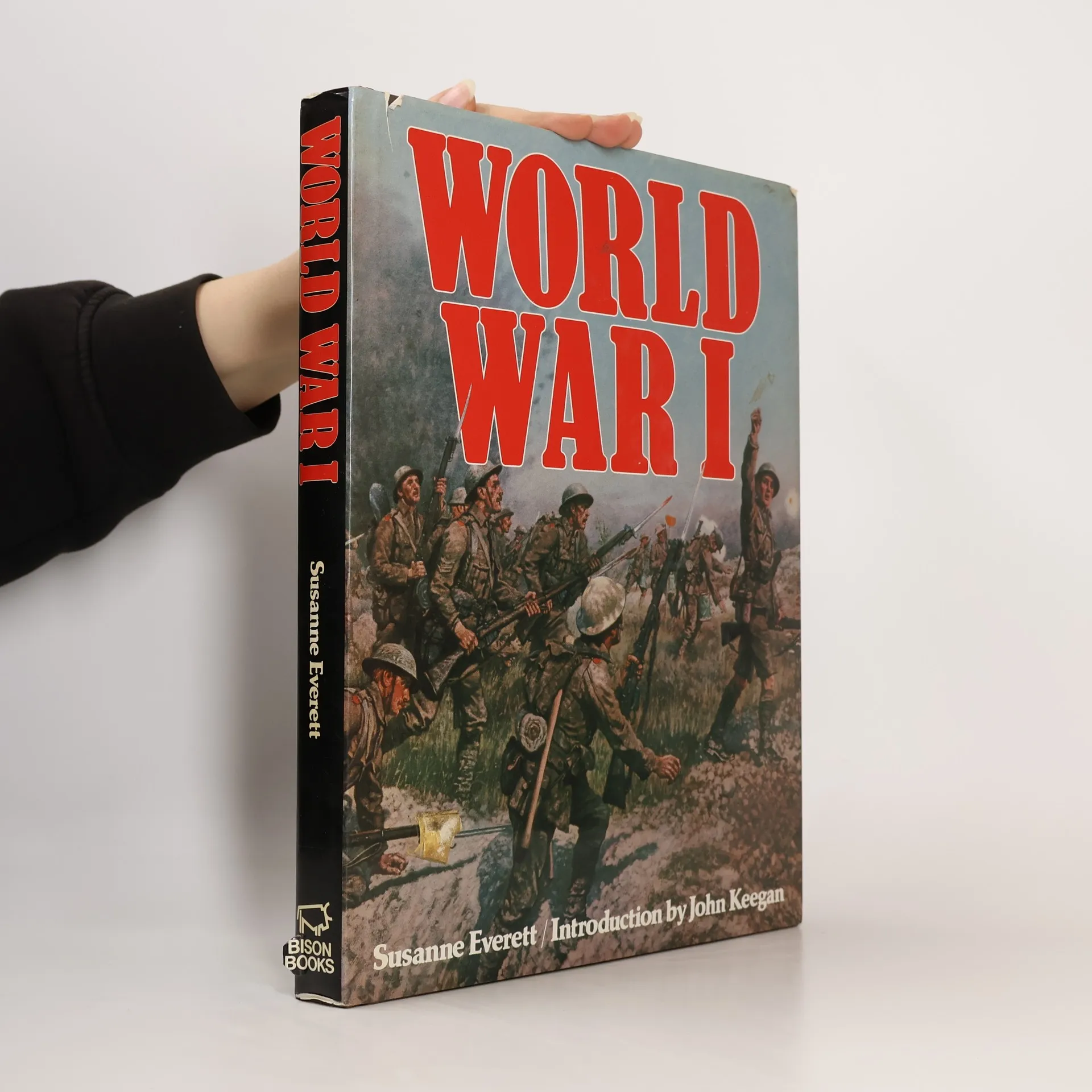
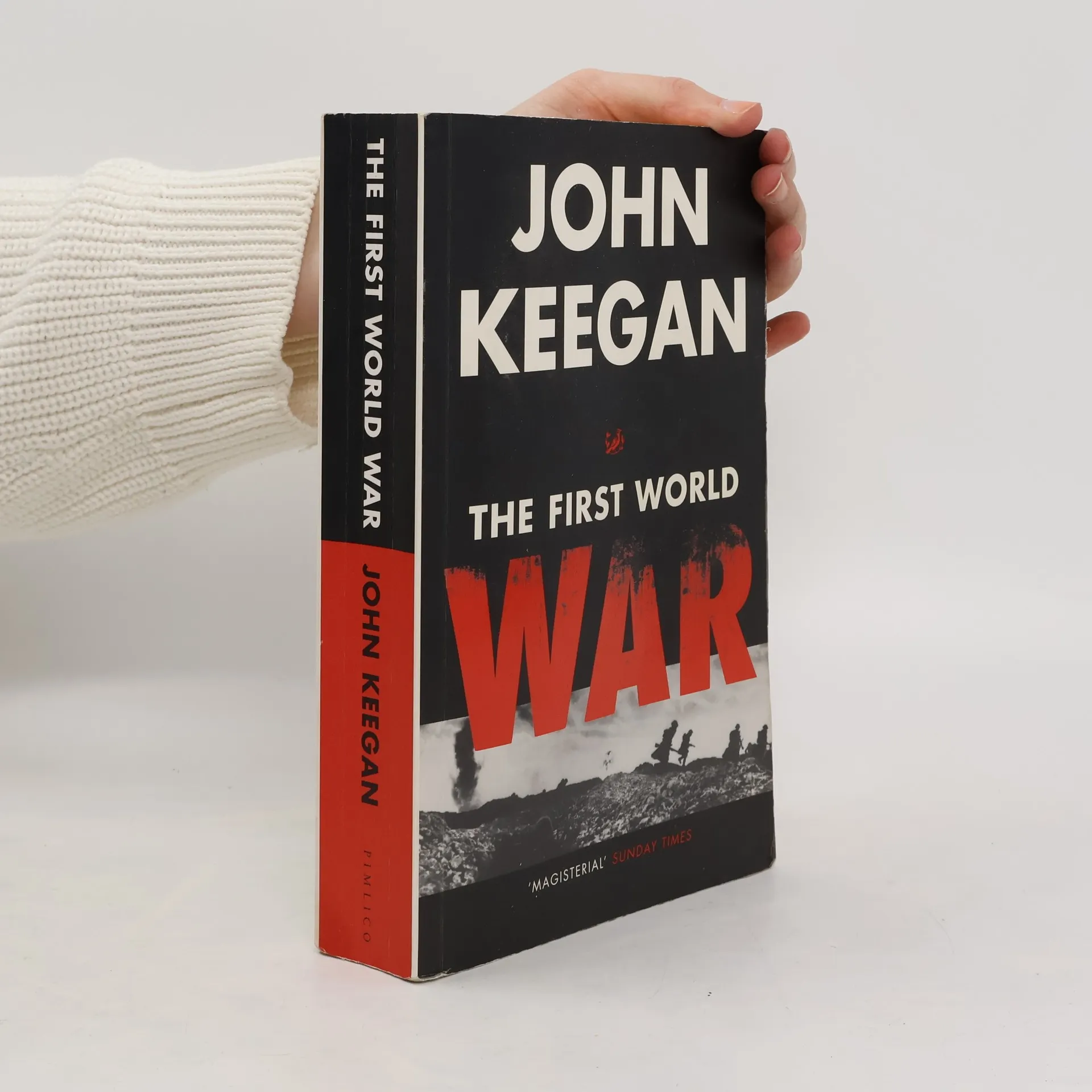
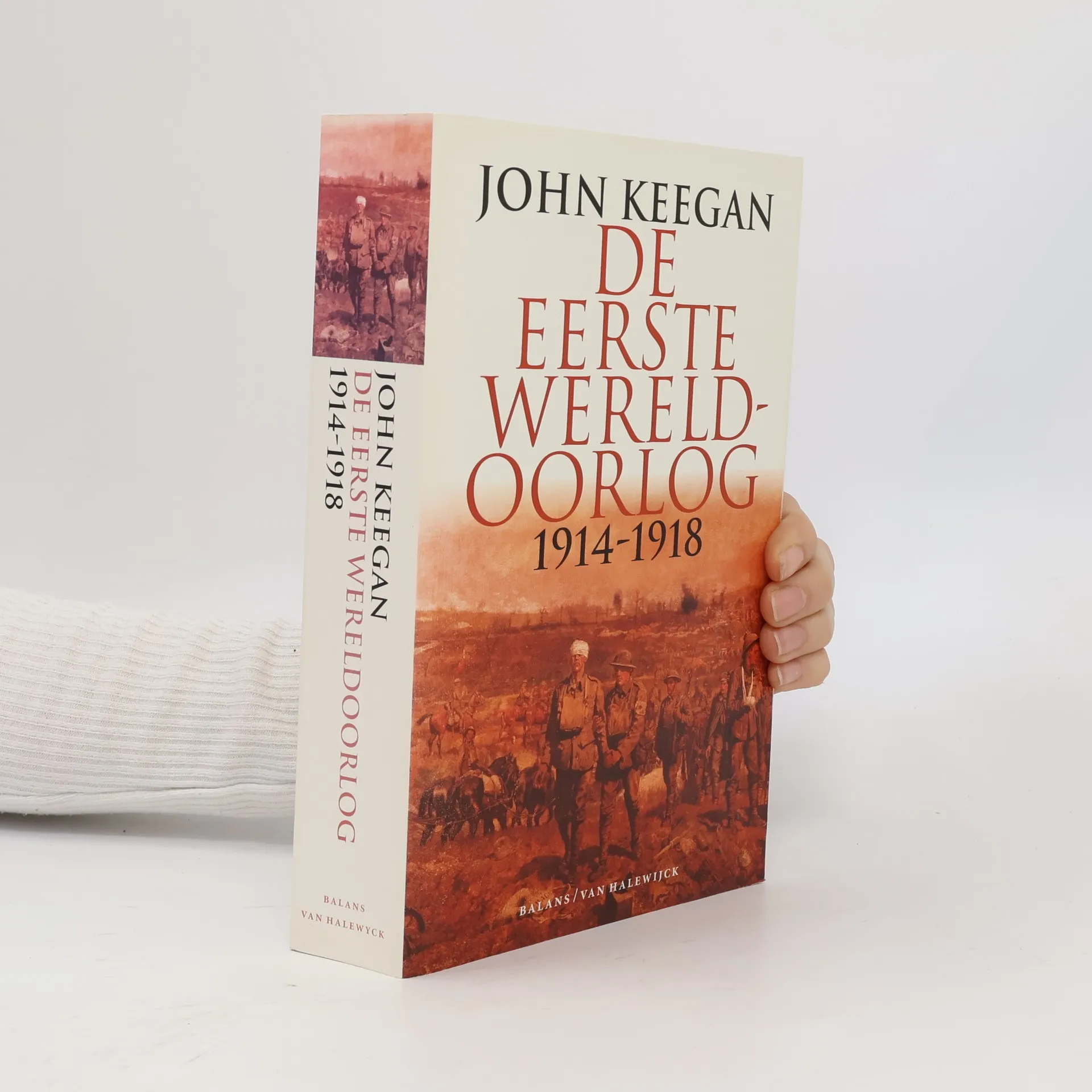
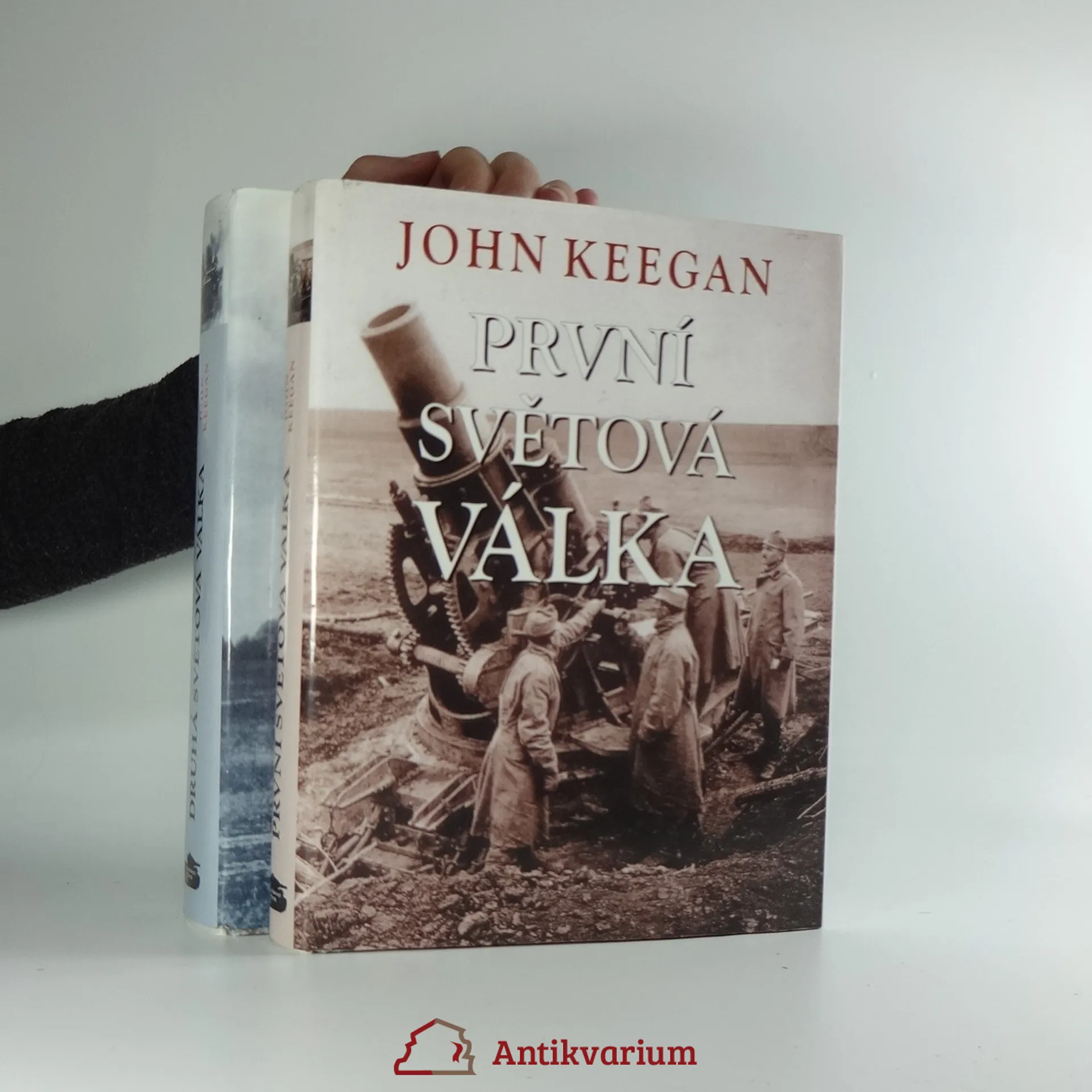
The First World War created the modern world. A conflict of unparalleled ferocity which extended far beyond its European epicentre, it broke the century of relative peace and prosperity which we associate with the Victorian era and unleashed the demons of the twentieth century - pestilence, military destruction and mass death - and also the ideas which continue to shape our world today - modernism in the arts, new approaches to psychology and medicine, and radical ideas about economics and society. It was of course foremost a military conflict, and the battles on land, sea and in the air form the narrative heart of his study, with some fascinating new interpretations of the military events. But the war also acted as a formidable engine for change throughout the world, and this too is revealed in his new book. At its heart, however is the terrible human cost of this unparalleled conflict, the loss which, however vastly extended, remains personal and individual.
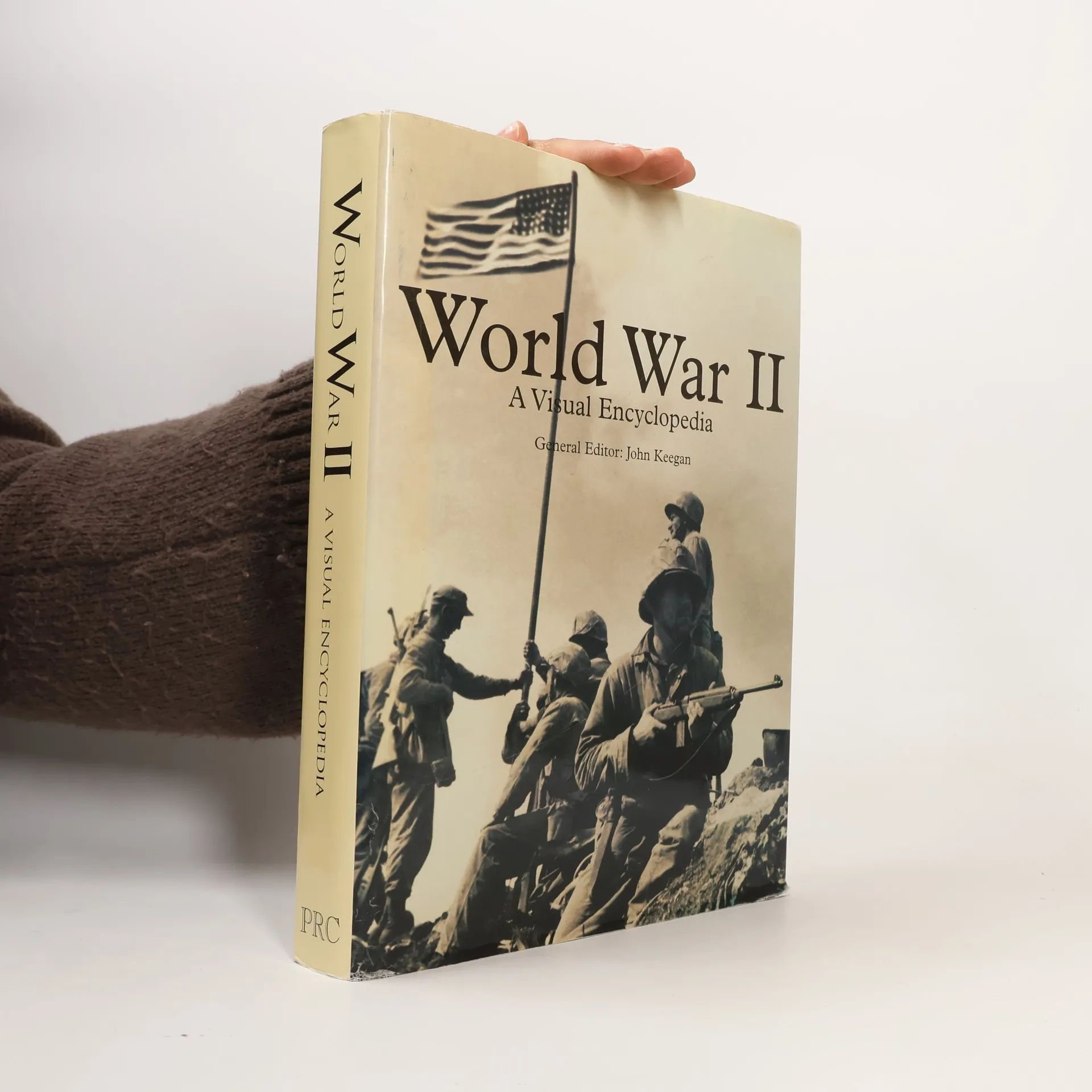
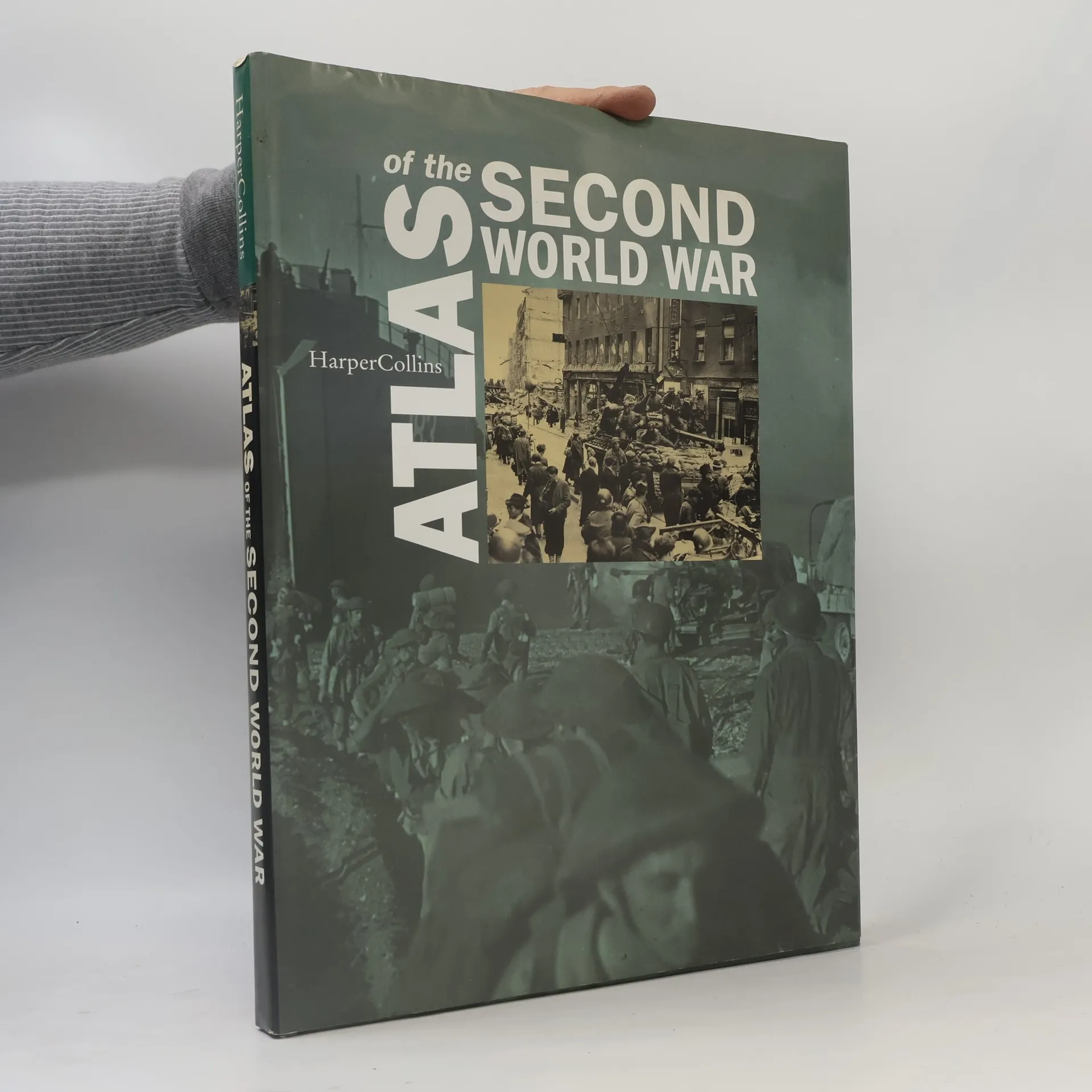
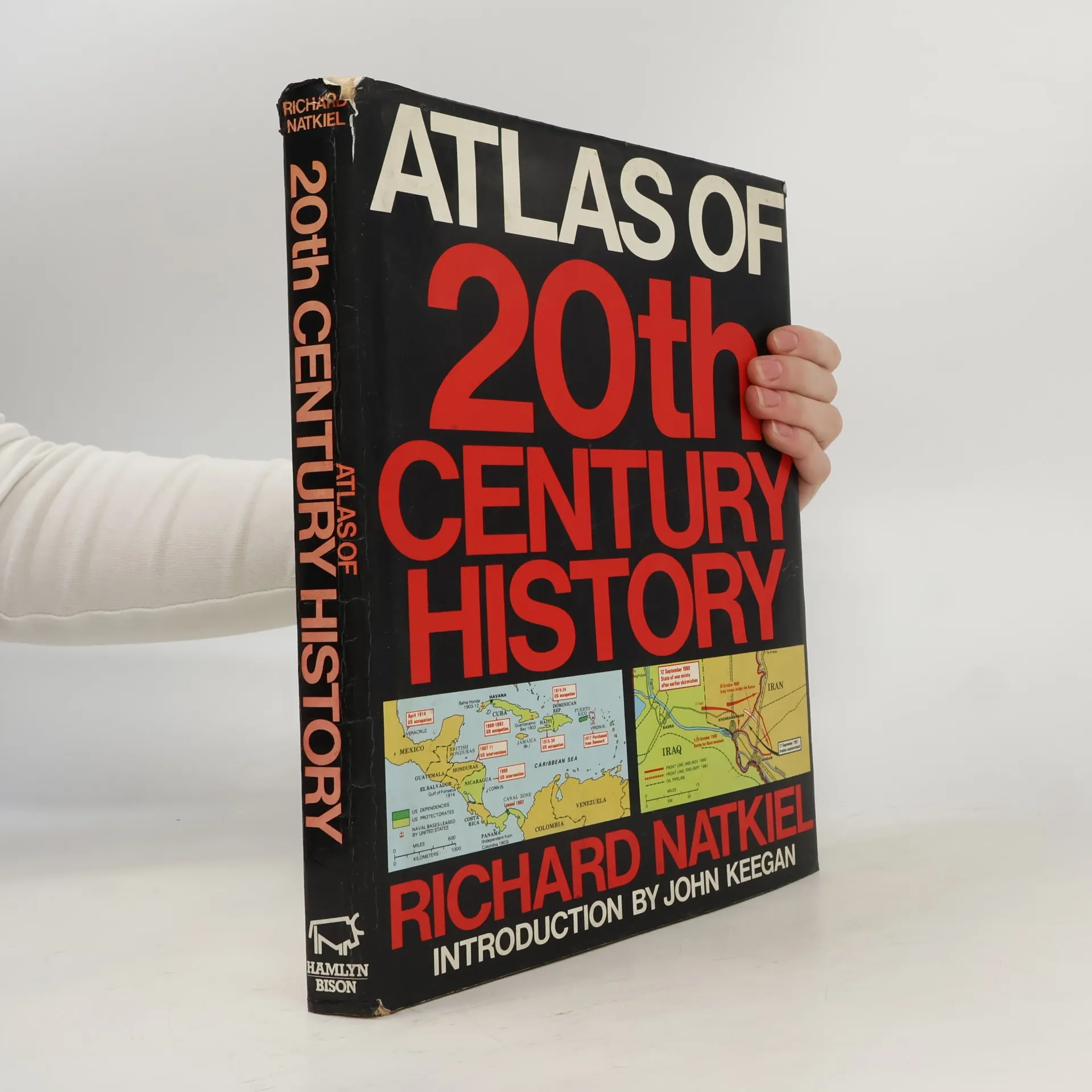
"This atlas has been conceived as a means of conveying to its users both the totality and complexity of the Second World War. It does not seek to portray ... inevitable triumph of the anti-Axis alliance. It does not accord predominance to any one theater: the campaigns in Russia and in the Pacific are treated as of equal importance with those in Western Europe. Its coverage is not exclusively military. Economic and political factors are recognized as having the importance they did, as are the enormous material and human costs of the conflict"--P. 11.