The State in Northern Ireland, 1921-1972
Political Forces and Social Classes
- 239pages
- 9 heures de lecture


Paul Bew est un commentateur de premier plan de la politique nord-irlandaise, profondément immergé dans l'histoire irlandaise et les affaires irlandaises contemporaines. Son écriture offre une analyse pointue des courants politiques et de leurs fondements historiques. En tant que professeur de politique irlandaise à la Queen's University de Belfast, il apporte une riche expertise académique et une autorité à son travail. Ses publications offrent aux lecteurs des perspectives approfondies sur les complexités de la vie politique irlandaise.
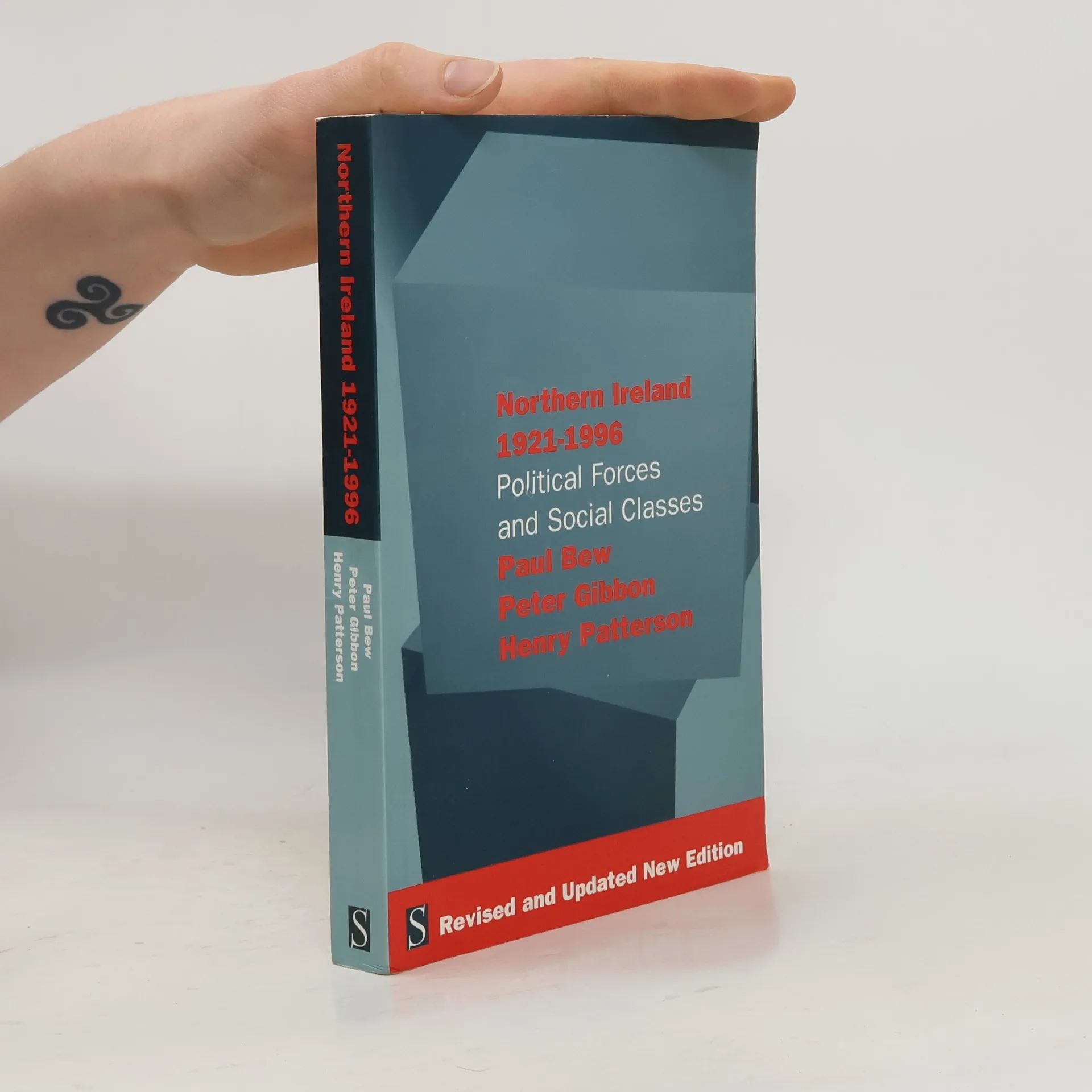

Political Forces and Social Classes
Political Forces and Social Classes - Revised and Updated New Edition
As Northern Ireland braces itself for a return to conflict after eighteen months of peace, the new edition of this path-breaking study could scarcely be more timely. Covering the entire period between partition and the end of the IRA's ceasefire in 1996, the authors take issue with the stereotypes which portray the old Unionist state and the Protestant population as unchanging and monolithic and Catholics as uniformly alienated from the political establishment. Three of Ireland's most respected historians have written an accessible yet sophisticated history which shows how the divisions between the old Orange elite and the broader Protestant population created an explosive political dynamic. Using a wide range of primary sources, they lay bare the key issues of Northern Ireland's history from the establishment of the B Specials after partition to the stark realities of Direct Rule from London.'Revisionist' history has been much discussed in recent years. In an Irish context this does not mean denying past realities, but reassessing the country's history in a way which acknowledges the importance of specifically Irish factors in bringing about historical change rather than laying responsibility for all Ireland's woes at England's door. This highly acclaimed study is a landmark in that new history.