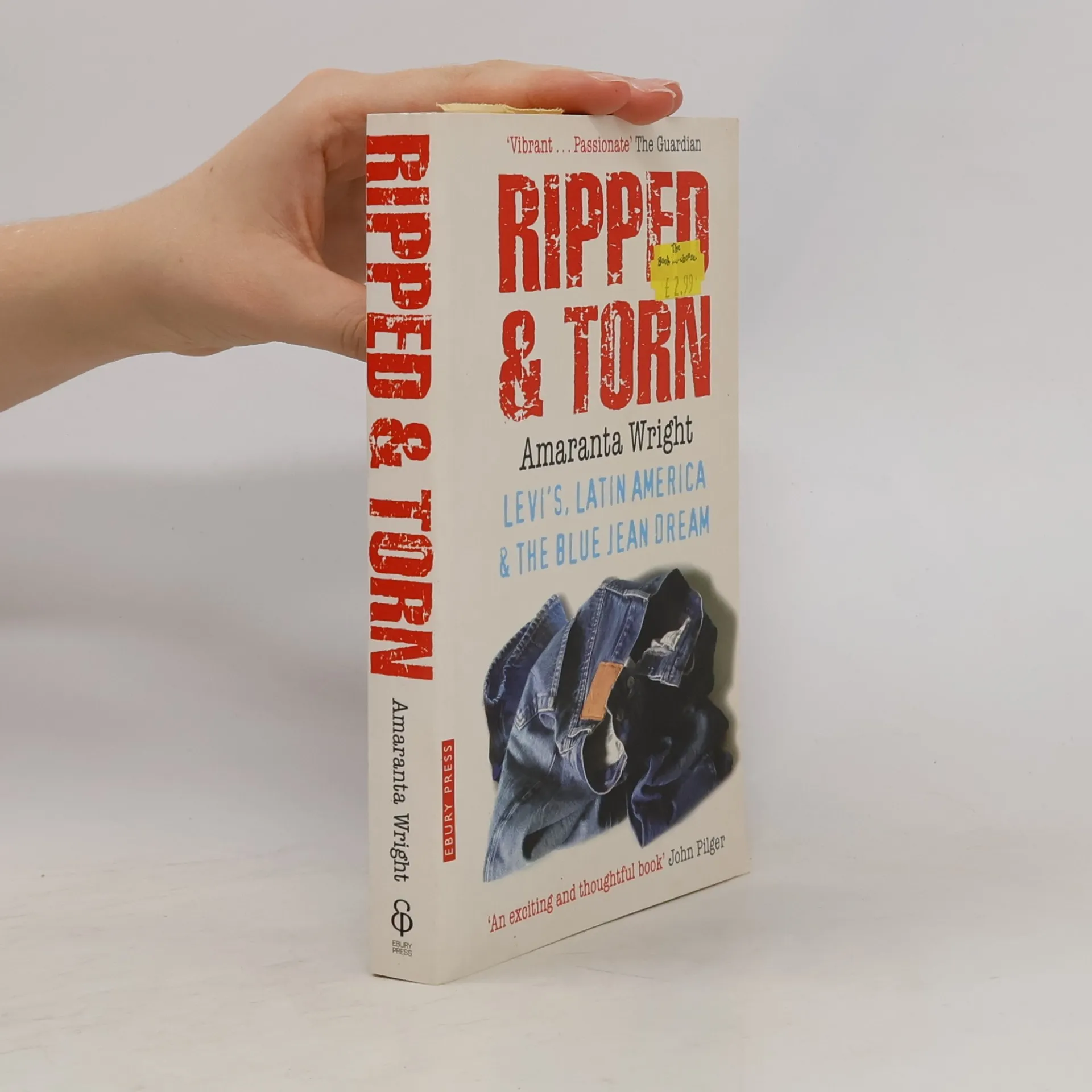
Amaranta Wright was a young writer living in Miami when Levi's hired her to travel through Latin America. Her brief was to befriend teenagers and report back with every aspect of their lives: their hopes, fears, dreams and aspirations. At first, she saw the job as a means to travel around a continent she loved. But as time passed, the more sinister and divisive aspects of what she was being asked to do became apparent, her attempts to understand the dispossessed of these countries constantly frustrated by the mechanics of corporate globalisation - its unspoken aim to reduce individuals to bullet points. This is a compellingly humane portrait of a continent in crisis - riddled with paradox, complexity, beauty and brutality. It is a book about the arrogance with which we in the West refer to 'developing' continents, the developed world's overarching desire to turn people into consumers, and the often insidious methods employed to this end. It is about what happens when indigenous voices are silenced by corporate vision. An evocative, startling and politically-incisive book.
John Pilger Ordre des livres (chronologique)
Le journaliste et documentariste australien John Pilger est réputé pour son style polémique et militant. Son travail cherche constamment à exposer les structures de pouvoir cachées et à défendre les opprimés. Les documentaires de Pilger, récompensés en Grande-Bretagne et aux États-Unis, ainsi que ses efforts journalistiques, lui ont valu d'importantes distinctions. Son approche se caractérise par son engagement à « tirer les rideaux, regarder derrière les façades, soulever les pierres ».
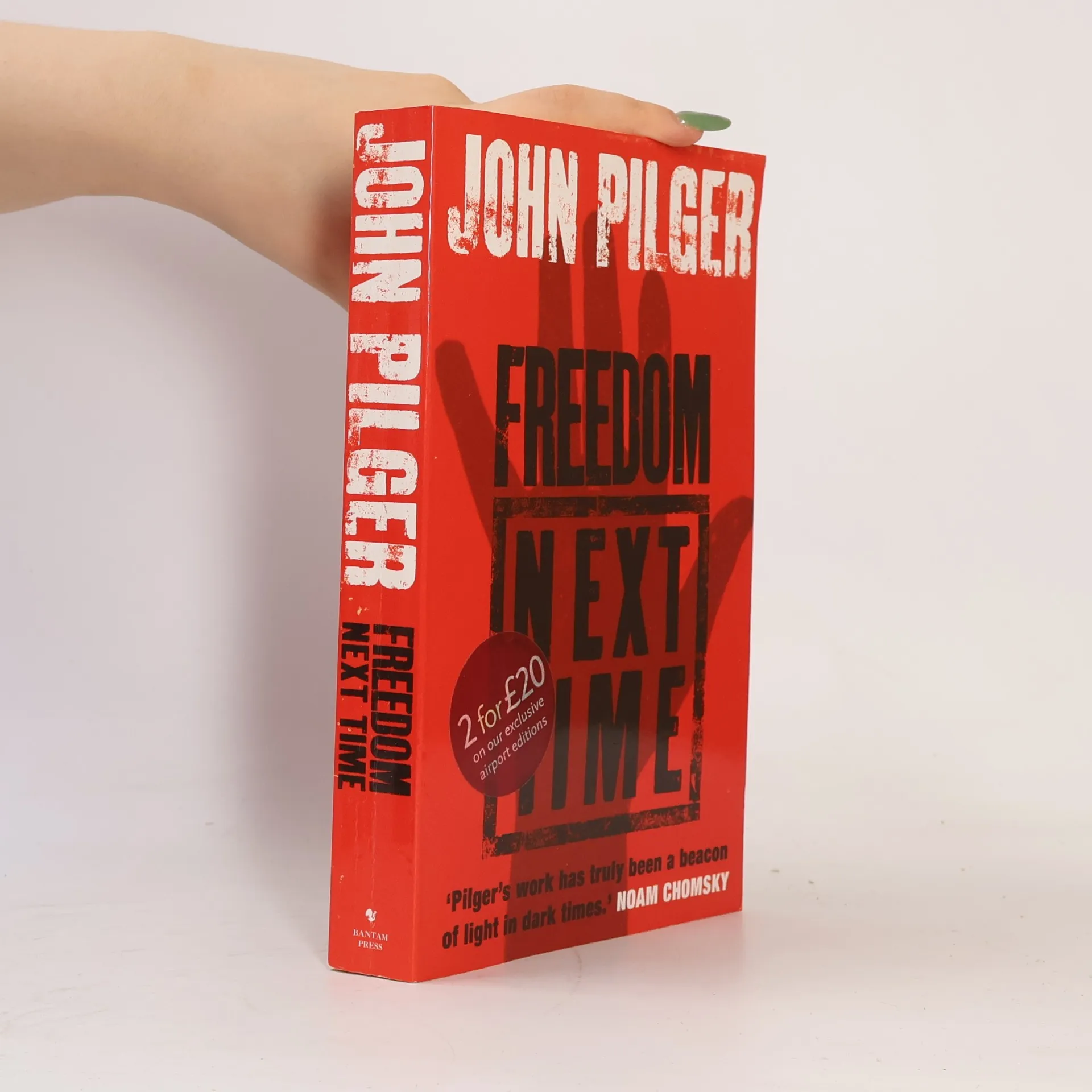
Freedom Next Time
- 352pages
- 13 heures de lecture
John Pilger looks at five countries, each of which has had a long struggle for freedom, and in each the people, having shed blood and dreams, are still waiting. He talks about Afghanistan, Iraq, South Africa, Palestine, and the island of Diego Garcia, aiming to give a voice to the people living through these momentous times.
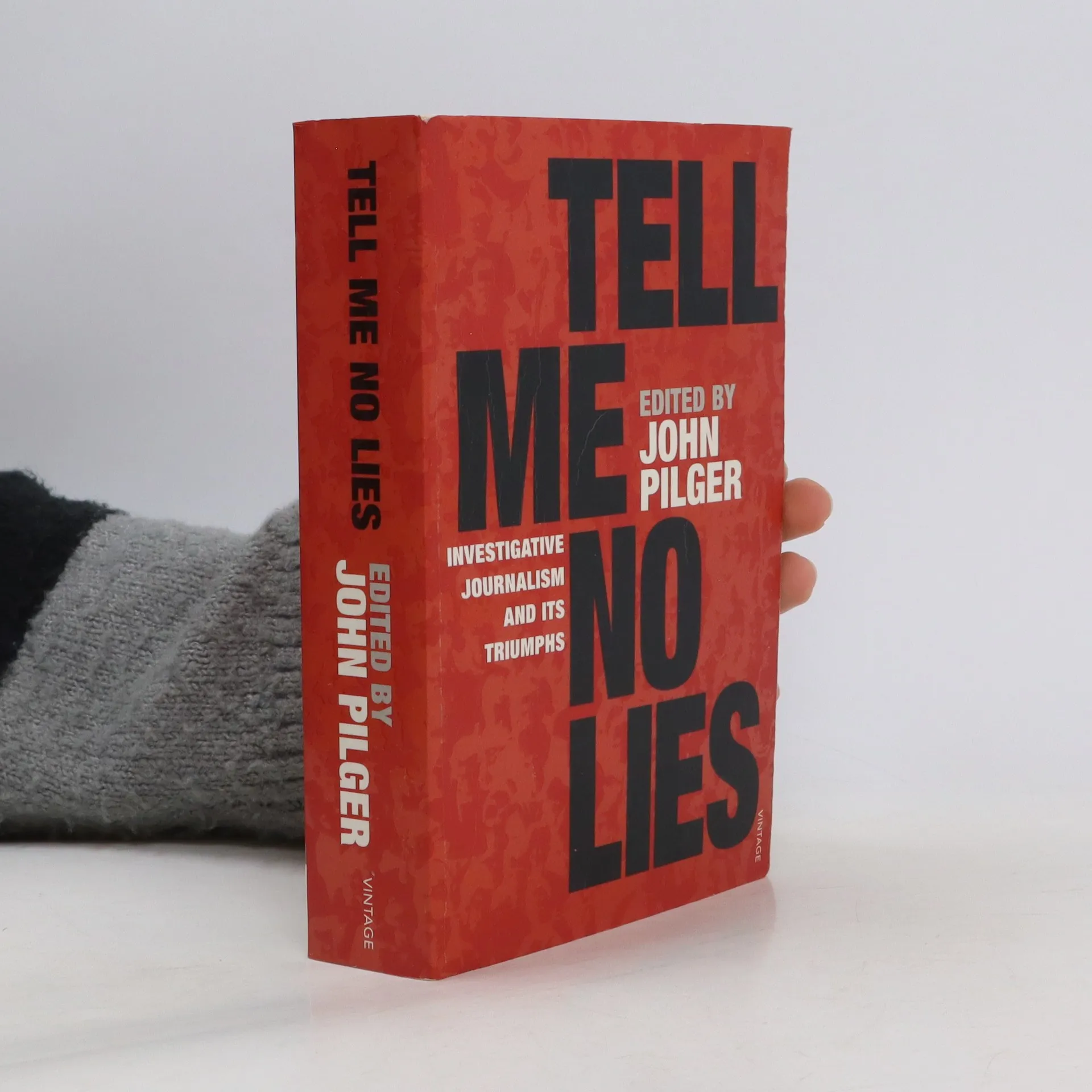
Tell Me No Lies
- 448pages
- 16 heures de lecture
The book - a selection of articles, broadcasts and books extracts that revealed important and disturbing truths - ranges from across many of the critical events, scandals and struggles of the past fifty years. Along the way it bears witness to epic injustices committed against the peoples of Vietnam, Cambodia, East Timor and Palestine.
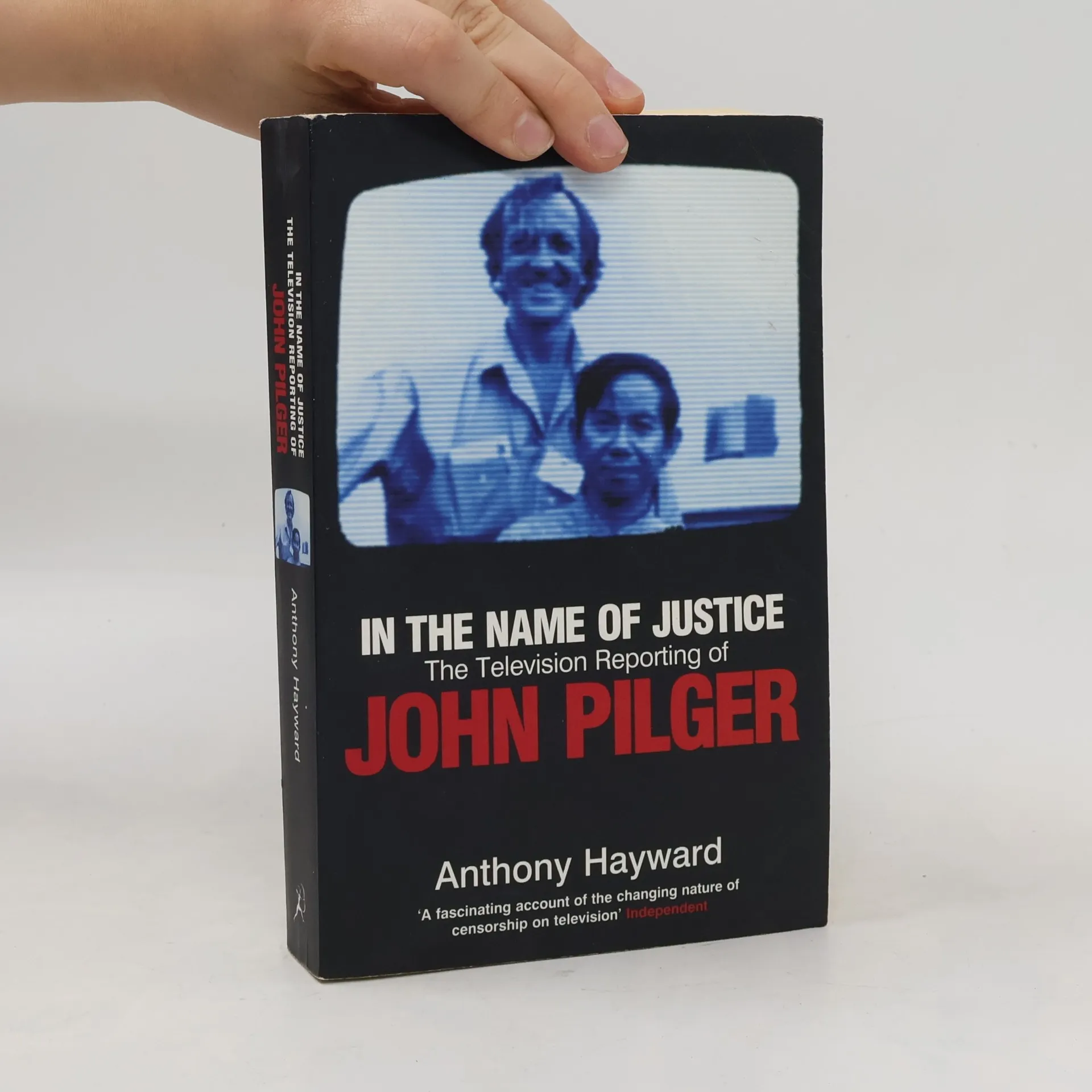
Justice and human struggle around the globe have been the recurring themes throughout John Pilger's 30 years of making television documentaries. This work examines the journalist and his long career on the small screen, one unparalleled by others outside regular current affairs programs.
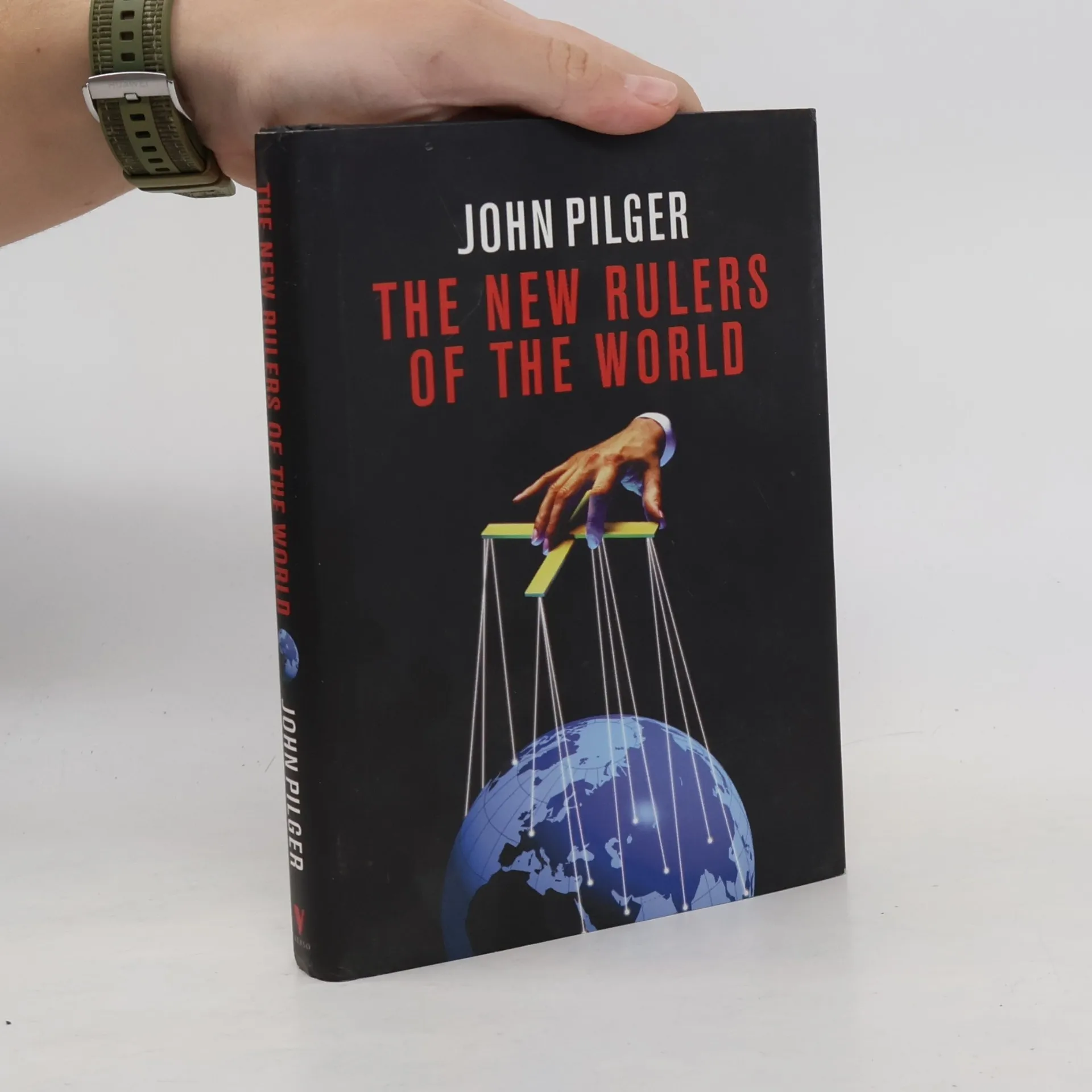
The New Rulers of the World
- 160pages
- 6 heures de lecture
Award-winning journalist and filmmaker John Pilger selects from his recent Guardian and New Statesman essays on power, its secrets and illusions, for this new collection. The title is taken from his television film about the mythology of globalisation, in which he revealed how General Suharto's bloody seizure of power in Indonesia in the 1960s was part of a Western design that was the beginning of globalisation in Asia.In this book, Pilger discloses more of a secret history which saw a million Indonesians as the price for its mantle as the World Bank's 'model pupil'. He also describes the price paid by the people of Iraq for the West's decade-long embargo of that country. Returning to his homeland, Australia, he looks behind the hype that led up to the Millennium Olympics in Sydney, reflecting on Australia's continuing subjugation of its Aboriginal people. Following the terrorist attacks in America and the bombing in Afghanistan, he looks at the new thrust of American power and its goal of world order, and the propaganda that helps drive it.
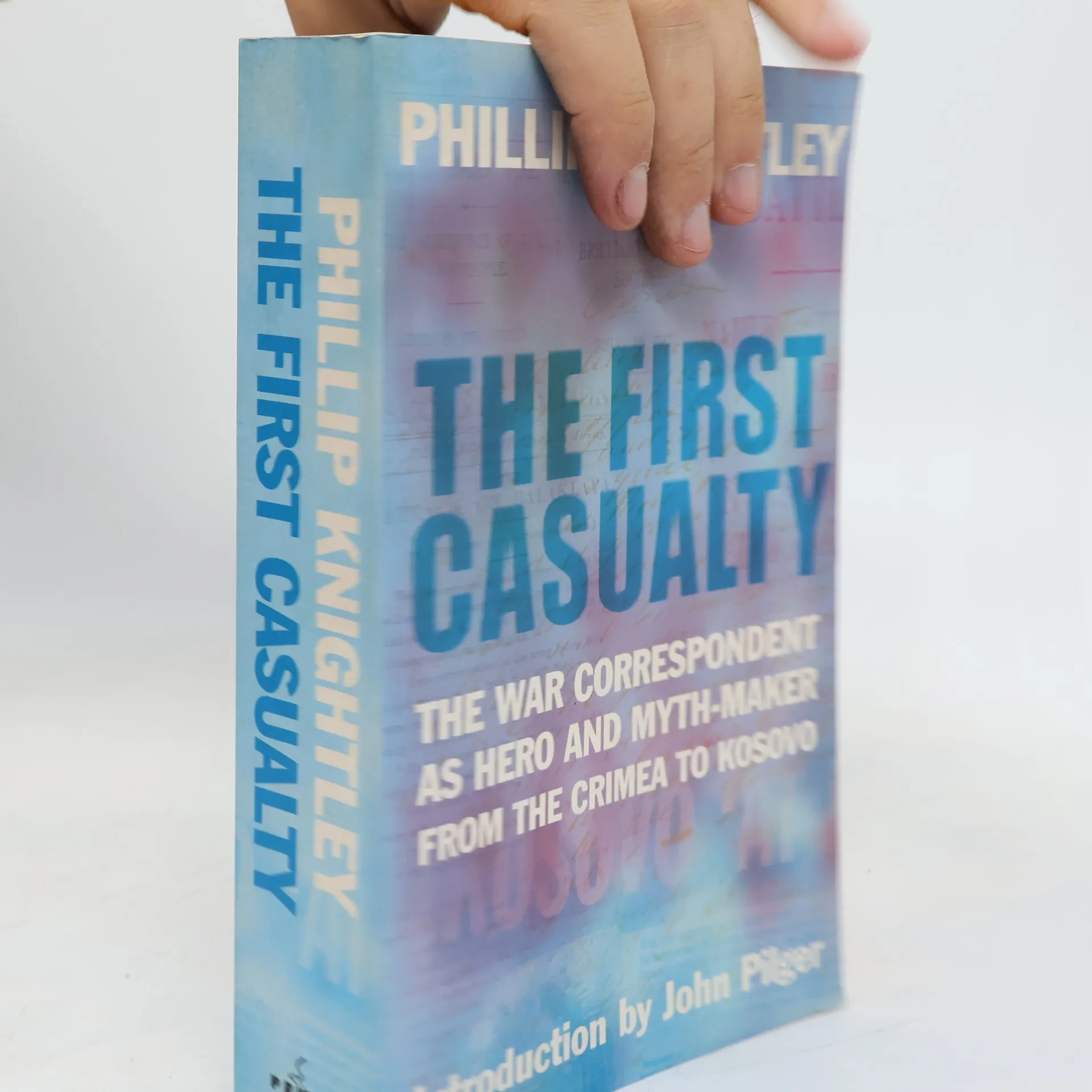
The First Casualty
The War Correspondent as Hero and Myth-Maker from the Crimea to Kosovo. Introduction by John Pilger
- 574pages
- 21 heures de lecture
s/t: The War Correspondent as Hero, Propagandist & Myth Maker The First Casualty is a disturbing book because it suggests that attitudes to history are moulded by what's read in war-time & that what's read too often bears little resemblance to reality. The Miserable Parent of a Luckless Tribe The First Challenge The Golden Age Quite Another Game The Last War Enter America The Remedy for Bolshevism Is Bullets The Real Scoop Commitment in Spain Their Finest Hour The Struggle for Mother Russia Remember Pearl Harbor Never Again Korea, the United Nations' War Algeria Is French Vietname War Is Fun Acknowledgements Notes of Sources Selected Bibliography Index
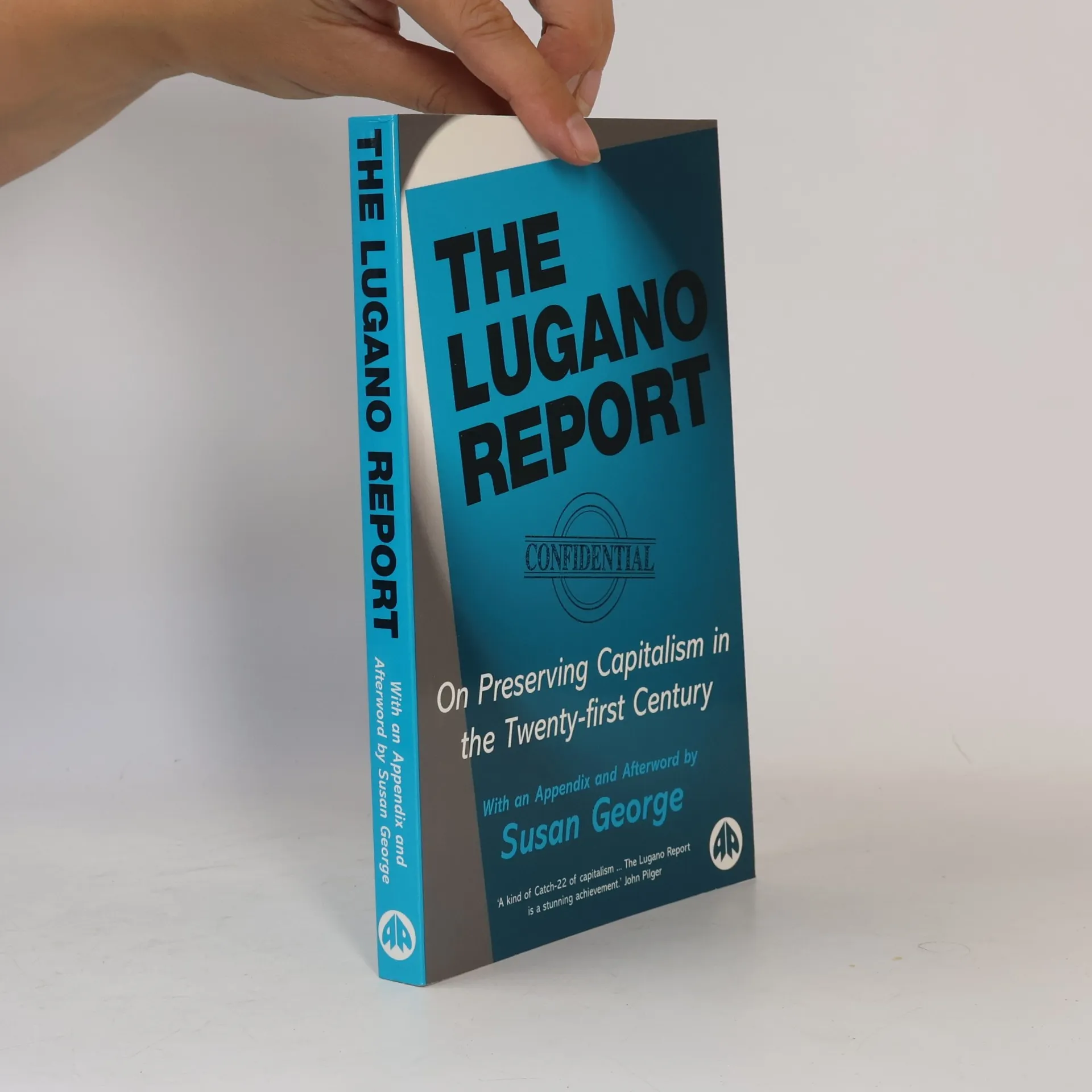
This report is not what is seems. It is written entirely by the leading development specialist Susan George. Although a spoof report, it is based on fact and illustrates the logical processes of the world economy as we approach the new century. Written from the perspective of one in broad support of the systems of global power, Susan George is in fact deeply critical of the state of the world. Through her unique style of approach to her subject, George paints a worrying picture of the world over the next 25 years.
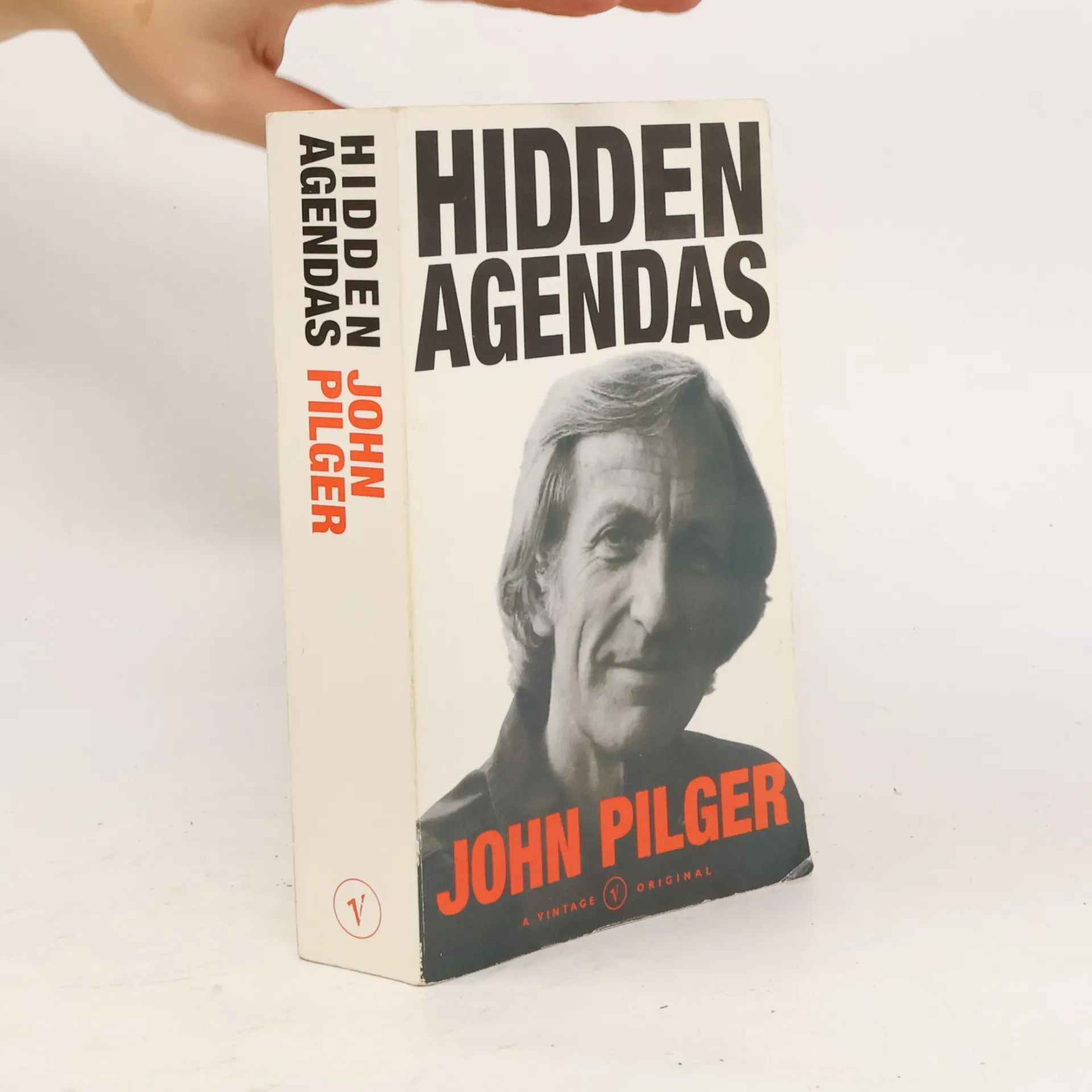
In this book John Pilger strips away the layers of deception, dissembling language and ommision that prevent us from understanding how the world really works. From the invisible corners of Tony Blair's New Britain to Burma, Vietnam, Australia, South Africa and the illusions of the 'media age', power, he argues, has its own agenda. Unchallenged, it operates to protect its interests with a cynical disregard for people - shaping, and often devastating, millions of lives
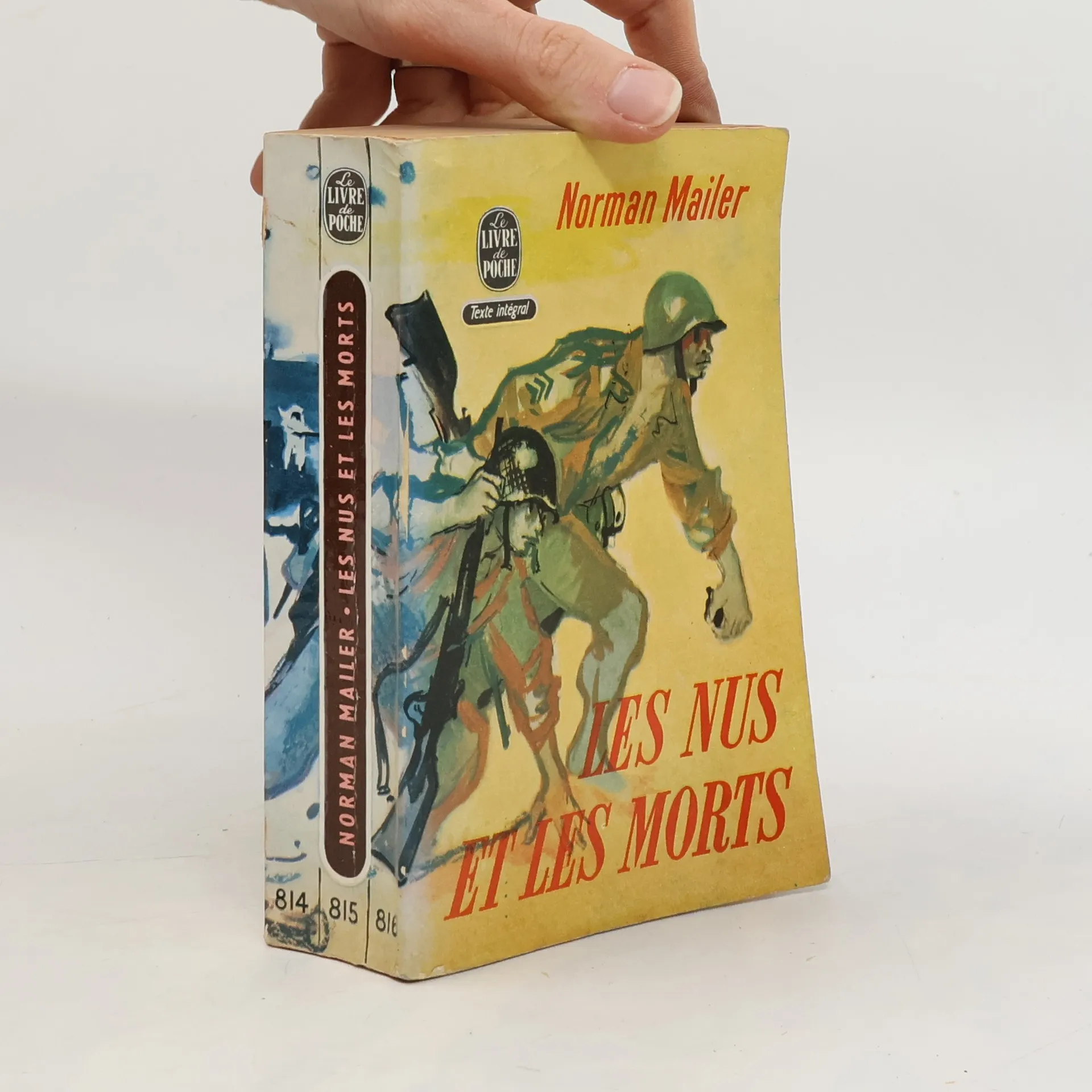
En 1948, Norman Mailer publie son premier roman, "Les nus et les morts", qui traite des combats des Américains dans le Pacifique pendant la Seconde Guerre mondiale, inspiré par sa presque deux années de service militaire aux Philippines et au Japon. Ce roman demeure l'une des œuvres clés de la littérature américaine sur la guerre. Mailer dresse un portrait saisissant de l'île pacifique d'Anopopei, défendue par les Japonais, où les troupes américaines débarquent. Les souffrances de la guerre, exacerbées par la peur des ruses japonaises et la chaleur insupportable de la jungle, pèsent lourdement sur les membres d'une unité de reconnaissance, considérée comme un héros collectif de cette épopée guerrière. L'auteur ne se concentre pas sur les actions militaires, mais accorde une plus grande attention à la vie des soldats, à leurs états d'âme et à leurs pensées. Chacun des soldats conserve une part de ce qu'il était auparavant, et chacun réagit différemment à cette épreuve cruelle de courage, d'honnêteté et d'humanité. Mailer perçoit également l'armée comme un organisme complexe, où les intérêts et la volonté de l'individu sont subordonnés aux objectifs supérieurs de la stratégie militaire et de la politique, ce qui élève son roman au-delà d'une simple étude psychologique.
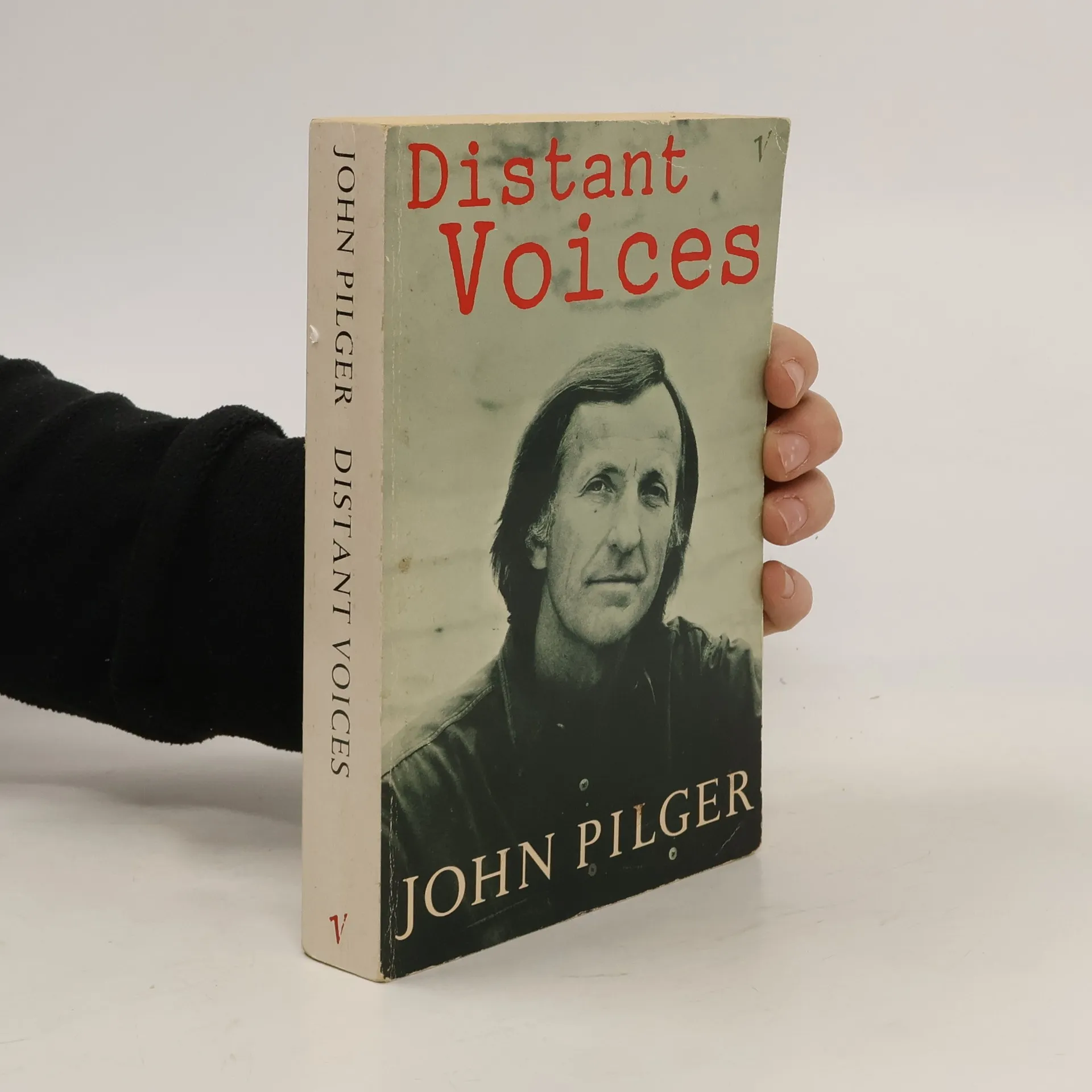
Folowing on from "Heroes", this book includes articles/essays from the award-winning journalist. The pieces in the book look at the Gulf War, world poverty, Cambodia, England, Australia and analyses why there are so few distant voices of dissent in the media the world over.
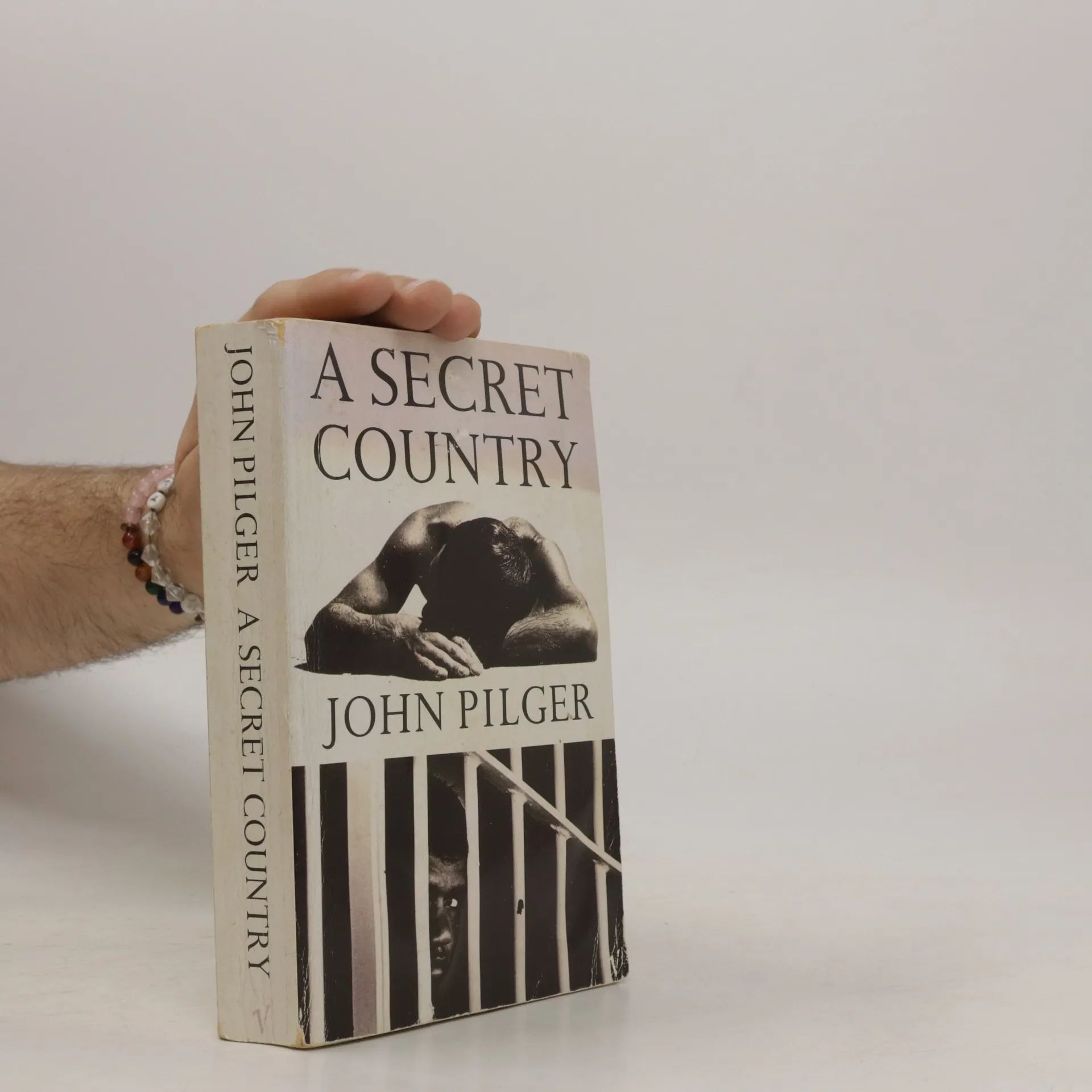
A Secret Country
- 390pages
- 14 heures de lecture
Paperback release (with minor changes) of the controversial and passionate 1989 portrait of Australia's Tdark side': racially discriminatory, and, in the case of Aborigines, oppressive; politically and militarily dependent on foreign powers; and betrayed by politicians working in collusion with the financial kingpins. Pilger, an expatriate Australian, is a documentary maker and former war correspondent.
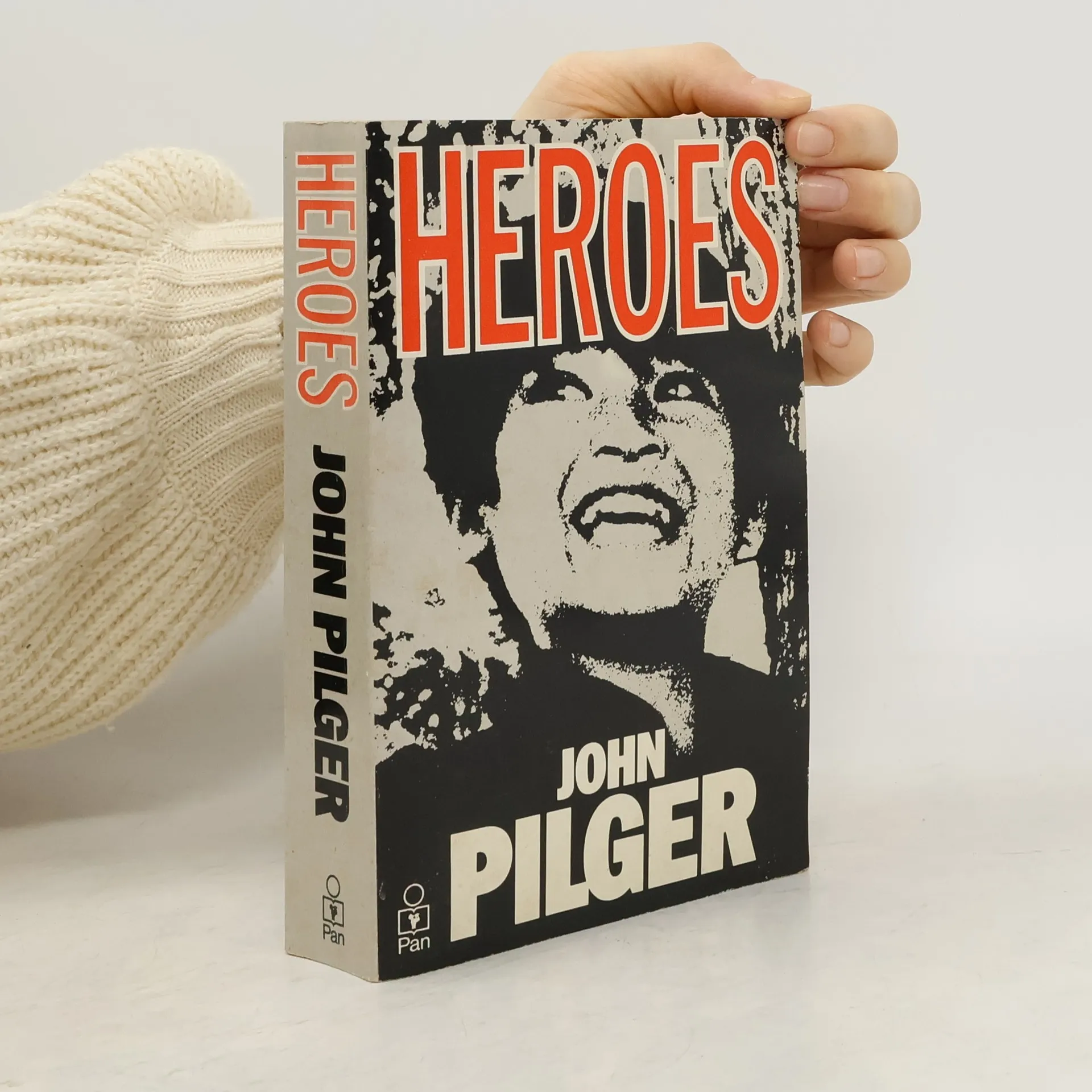
Heroes
- 608pages
- 22 heures de lecture
Highlights the silence of early historians about violent conflict; discusses contemporary issues; includes interviews with B. Randall and C. Perkins.