
Bookbot

Cynthia Cruz

    Cynthia Cruz est une auteure dont les œuvres explorent des thèmes humains profonds et la complexité de l'existence. Son écriture se caractérise par une perspicacité aiguisée et une précision poétique qui plonge le lecteur dans l'univers intime de ses personnages. Cruz se concentre sur des thèmes tels que l'identité, la mémoire et la quête de sens dans le monde moderne. Ses essais et sa critique d'art révèlent un intérêt pour le lien entre la création littéraire, l'art visuel et la réflexion philosophique, enrichissant ainsi l'expérience du lecteur.

    Back to the Woods
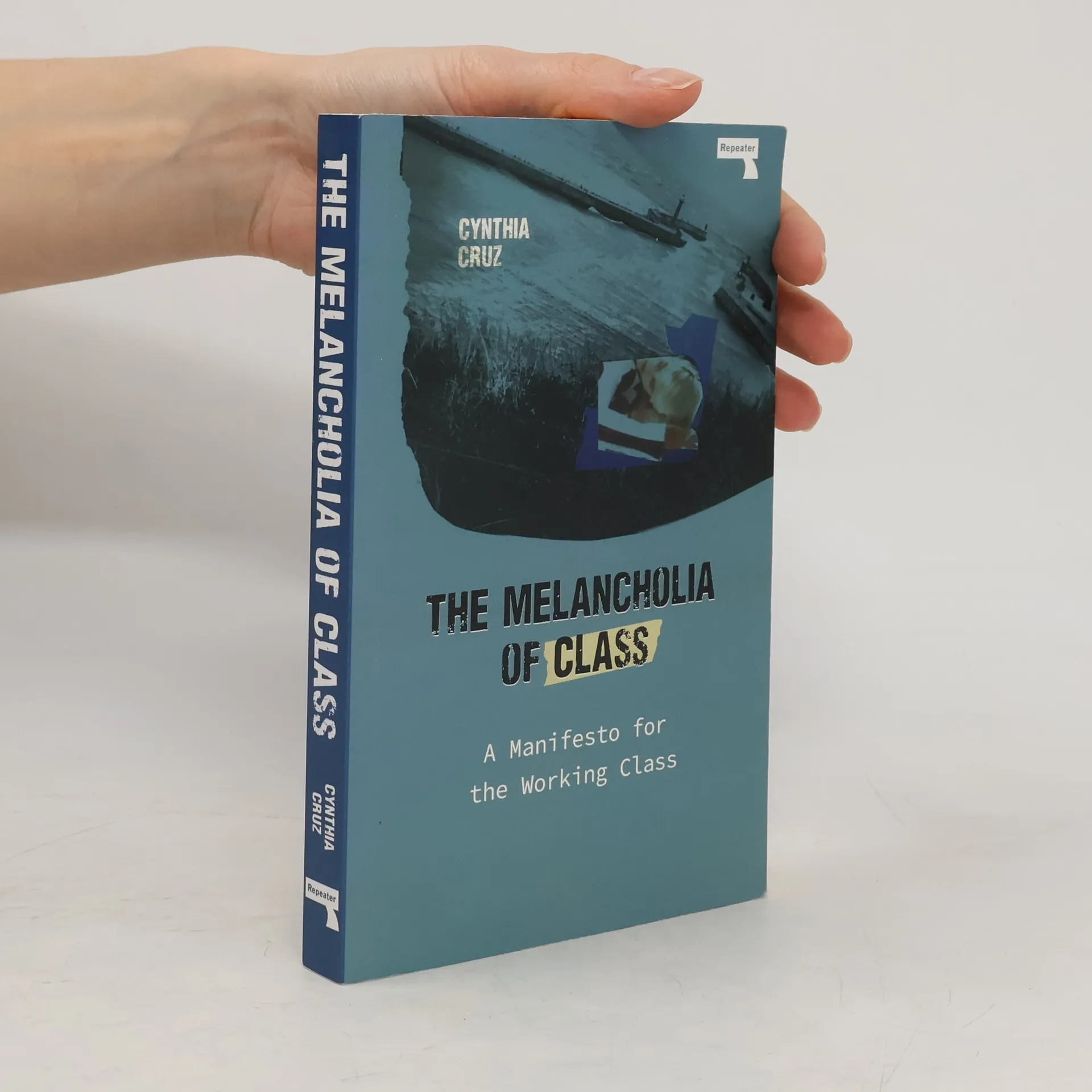
    The Melancholia of Class
    Guidebooks for the Dead
    • Guidebooks for the Dead

      • 72pages
      • 3 heures de lecture
      4,3(33)Évaluer

      Exploring the impact of war and inequality, this collection of poems features extraordinary women who confront violence, addiction, and poverty. Inspired by Marguerite Duras, the work emphasizes the importance of self-renaming as a form of renewal. The speaker aligns with a community of women writers, viewing language as both nourishment and a tool for resistance. This collection serves as an homage to these voices and a manifesto for survival against societal attempts to silence dissent.

      Guidebooks for the Dead
    • The Melancholia of Class

      • 228pages
      • 8 heures de lecture
      3,8(198)Évaluer

      What does it mean to be working-class in a middle-class world? Cynthia Cruz shows us how class affects culture and our mental health and what we can do about it - calling not for assimilation, but for annihilation.

      The Melancholia of Class
    • Back to the Woods

      • 74pages
      • 3 heures de lecture

      Exploring the complexities of the death drive, Cynthia Cruz's collection delves into the paradox of self-destruction as a means of survival. Through evocative imagery and poignant reflections, the poems confront themes of sorrow, love, and the struggle for meaning in a world that often feels unloving. The speaker navigates memories and past wounds, seeking to master their pain while contemplating the future. Ultimately, the collection invites readers to return to nature, suggesting that in confronting our shadows, we may find the possibility of renewal.

      Back to the Woods