Bookbot

Madox Ford Ford

    17 décembre 1873 – 26 juin 1939

    Ford Madox Ford fut une figure centrale de la littérature anglaise du début du XXe siècle, jouant un rôle déterminant grâce à ses revues influentes qui promurent de nouveaux écrivains. Sa production prolifique, couvrant romans, poésie et critique, explore les complexités de la conscience humaine et les subtilités des relations. Le style narratif de Ford se caractérise par sa structure novatrice et son exploration de la mémoire, employant souvent des chronologies fragmentées et des perspectives intérieures pour saisir l'expérience subjective de la réalité. Son œuvre est un examen profond de la perte, de l'identité et de la quête de sens au milieu des bouleversements sociaux.

    Madox Ford Ford
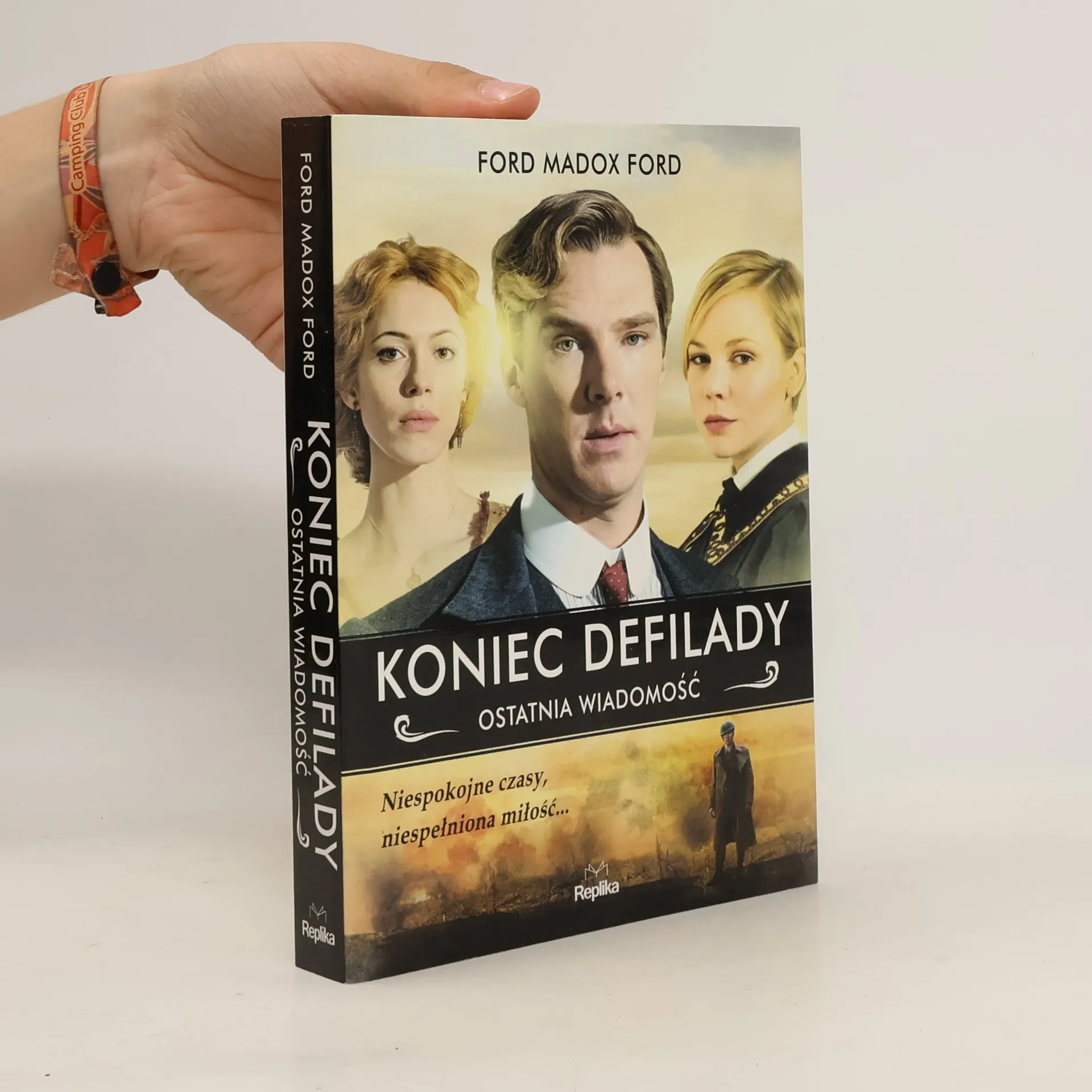
    No More Parades
    Some Do Not
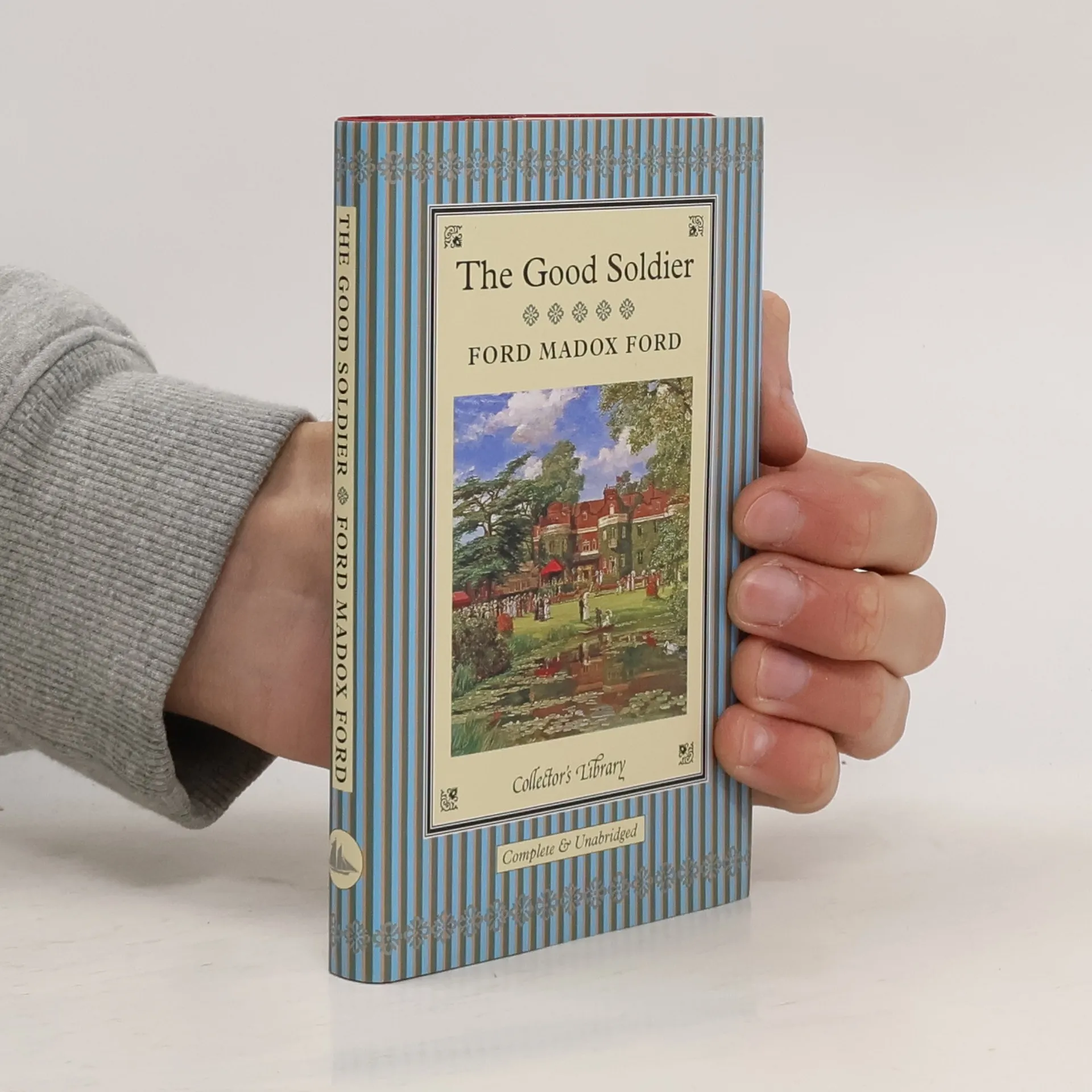
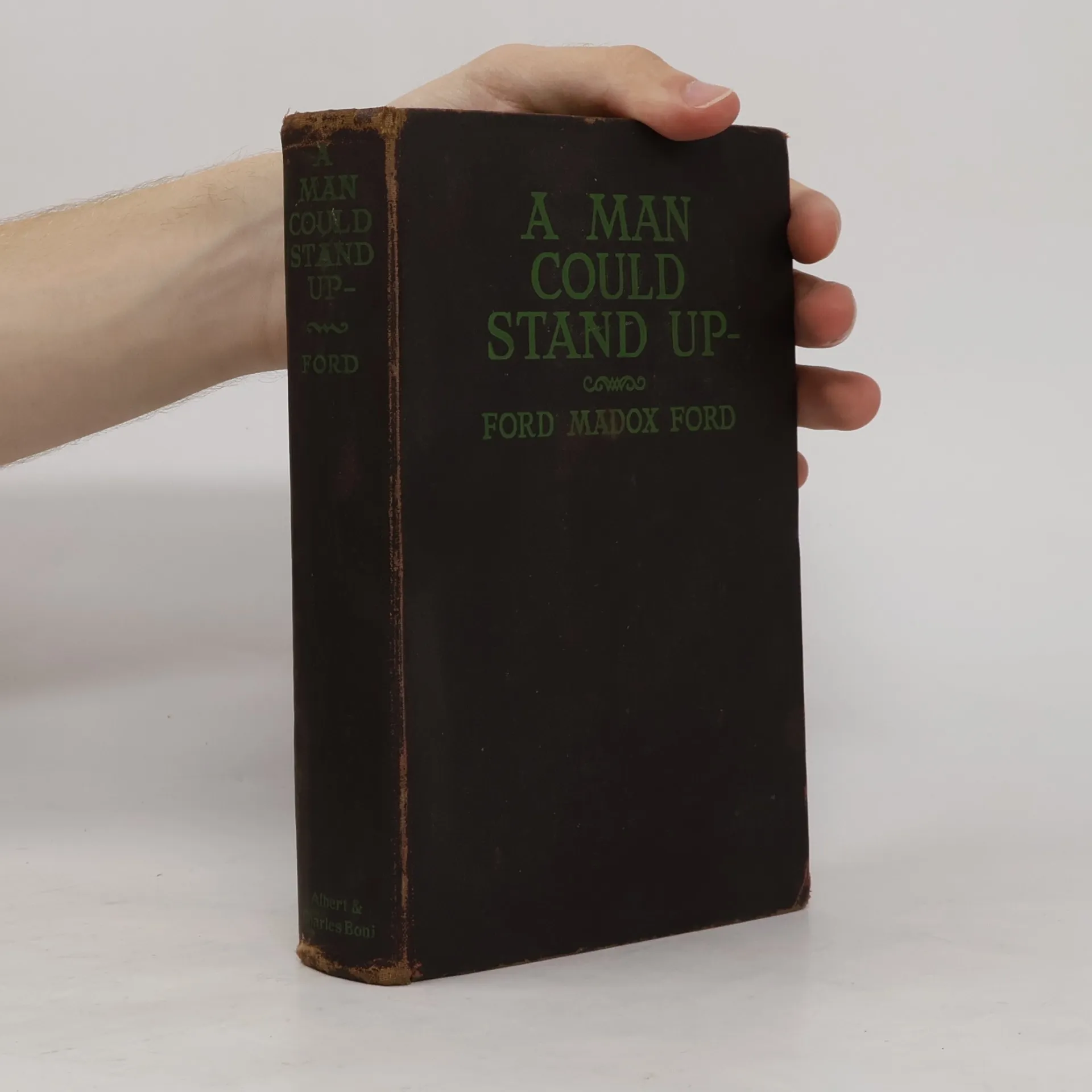
    Parade's End - Part Three - A Man Could Stand Up
    A History of Our Own Times
    The Fifth Queen And How She Came to Court
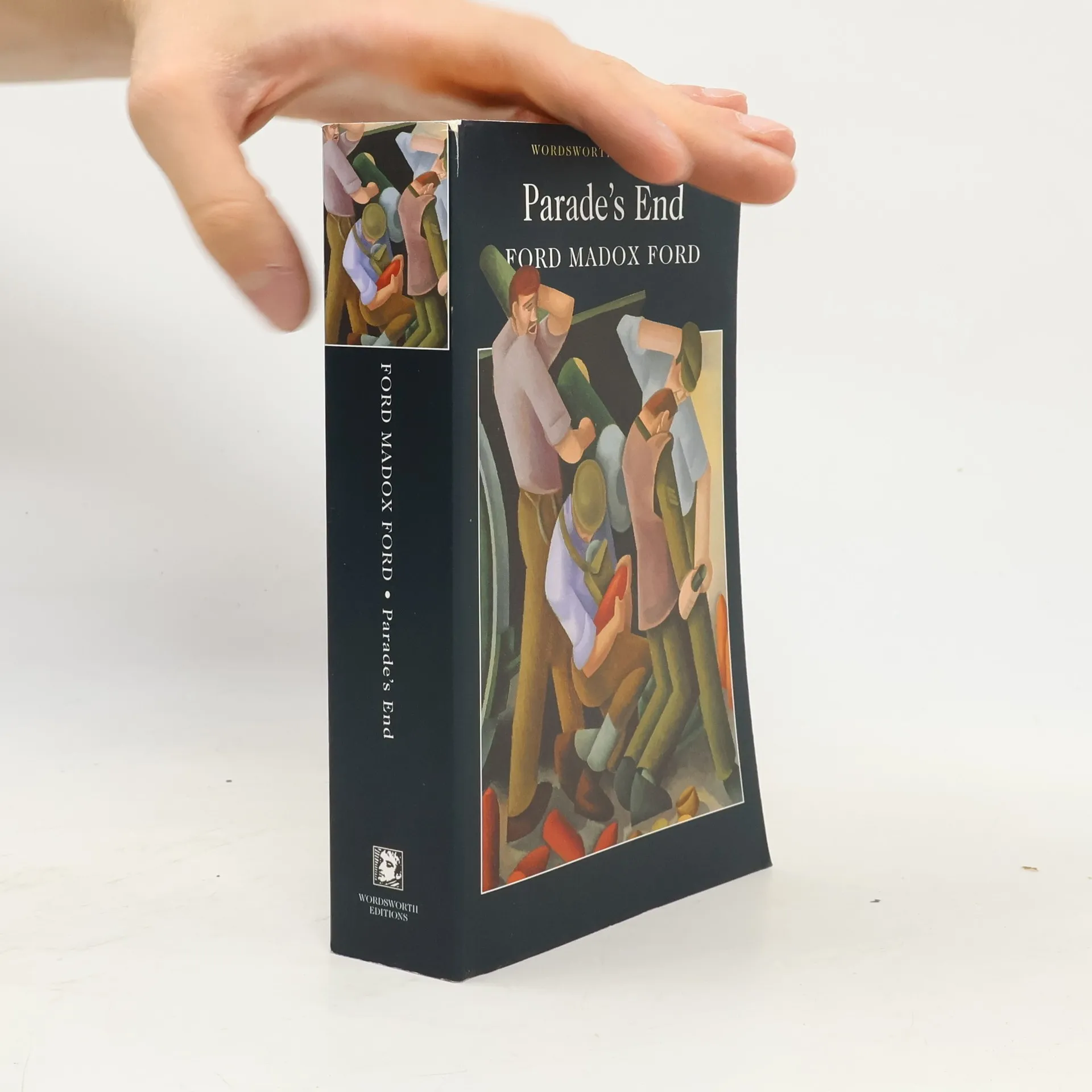
    Parade's End (Full Tetralogy
    • Parade's End (Full Tetralogy

      Some Do Not, No More Parades , A Man Could Stand Up, and Last Post)

      • 446pages
      • 16 heures de lecture
      4,0(1)Évaluer

      Exploring the profound impact of war, this book delves into an entire era marked by destruction and upheaval. It examines the social, cultural, and emotional ramifications of conflict, highlighting how lives and communities are irrevocably changed. Through vivid storytelling, the narrative captures the essence of resilience amidst chaos, portraying the broader historical context and the human experience during tumultuous times.

      Parade's End (Full Tetralogy
    • 3,0(1)Évaluer

      Set during the tumultuous reign of King Henry VIII, the story follows Katharine Howard as she rises from obscurity to become his fifth wife. The novel intricately explores themes of power, politics, and personal relationships within the Tudor court. Katharine is depicted with depth, showcasing her innocence and resilience amid the court's intrigue and danger. Ford Madox Ford vividly portrays the social and cultural landscape of the sixteenth century, creating a compelling narrative filled with courtly drama, shifting alliances, and personal challenges.
      The Fifth Queen And How She Came to Court
    • This never-before published volume offers the late author's personal views on the period 1870-1895, presenting a history of that time fleshed out with reminiscence and anecdote

      A History of Our Own Times
    • Set against the backdrop of post-World War I England, this installment of Ford Madox Ford's Parade's End tetralogy delves into the complexities of love, war, and societal change. The narrative explores the psychological struggles of its characters, reflecting the disillusionment of the era. Ford, a notable figure in early modernist literature, draws on his rich literary heritage and experiences, having influenced many writers through his editorial work. This edition features a new introduction, enhancing the reader's understanding of Ford's significant contributions to literature.

      Parade's End - Part Three - A Man Could Stand Up
    • Some Do Not

      • 296pages
      • 11 heures de lecture
      4,0(41)Évaluer

      Set against the backdrop of World War I, the novel follows Christopher Tietjens, a brilliant statistician and aristocrat grappling with a troubled marriage and societal changes. As he navigates an affair with a young Suffragette, Tietjens' internal conflict drives him to enlist in the army, motivated by a mix of despair and a desire for purpose. His character embodies the struggles of a fading aristocracy in a transforming Britain, making the narrative both symbolic and deeply human. This classic work is recognized as a significant contribution to twentieth-century literature.

      Some Do Not
    • No More Parades

      • 432pages
      • 16 heures de lecture
      4,0(391)Évaluer

      The second in a new, definitive, four volume edition of Ford's masterpiece. A panorama of the First World War, an exploration of time, history and sexuality to rival the visions of Joyce and Proust.

      No More Parades
    • Parade's End

      • 912pages
      • 32 heures de lecture
      3,9(232)Évaluer

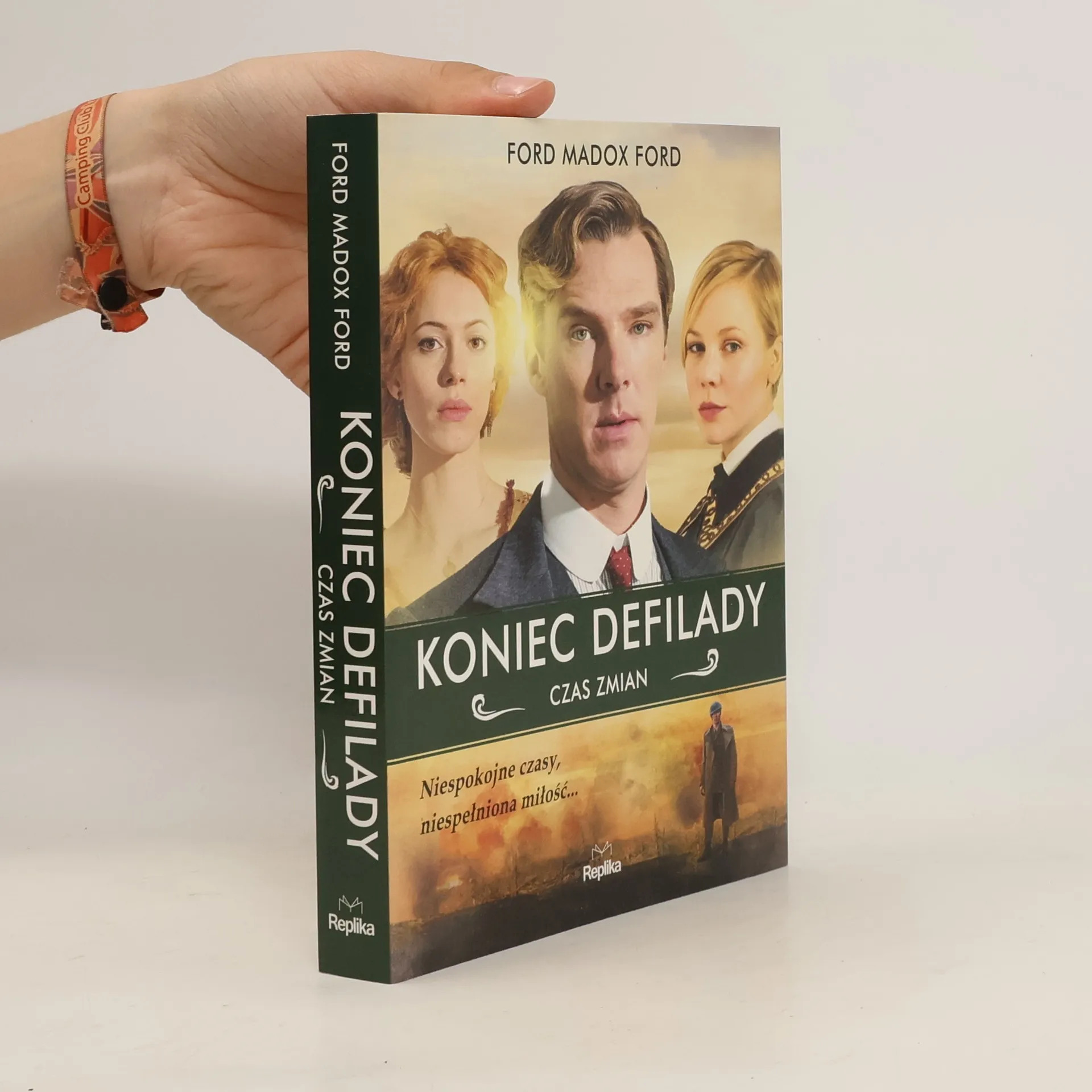
      The Great War changes everything. In this epic tale, spanning over a decade, war turns the world of privileged, English aristocrat Christopher Tietjens upside down. It forces him to question everything he holds dear - social order, morality, marriage and loyalty. And it rocks the very foundations of English society. This is a powerful story about love, betrayal and disillusionment in a time of horror and confusion by one of Britain's finest novelists. Ford Madox Ford's monumental novel came to our screens in August 2012 as a major BBC adaptation, with a screenplay by the legendary playwright Tom Stoppard and a stellar cast that included Benedict Cumberbatch. This edition of the novel includes all four parts, originally published separately between 1924 and 1928.

      Parade's End
    • Parade's End, 4 Novels

      • 864pages
      • 31 heures de lecture
      3,8(200)Évaluer

      Tietjens is the last of a breed, the Tory gentleman, which the Great War, marriage and qualities inherent in his nature define and unravel. Opposite him is Macmaster, a Scot, different in class and culture, at once friend and foil.

      Parade's End, 4 Novels
    • Provence

      • 371pages
      • 13 heures de lecture
      2,5(4)Évaluer

      Ford Madox Ford spent his last years in the south of France, near Toulon. This book explores both the place and the idea of it. It displays Ford's wise, beguiling curiosity.

      Provence
    • Chance

      • 384pages
      • 14 heures de lecture
      3,6(33)Évaluer

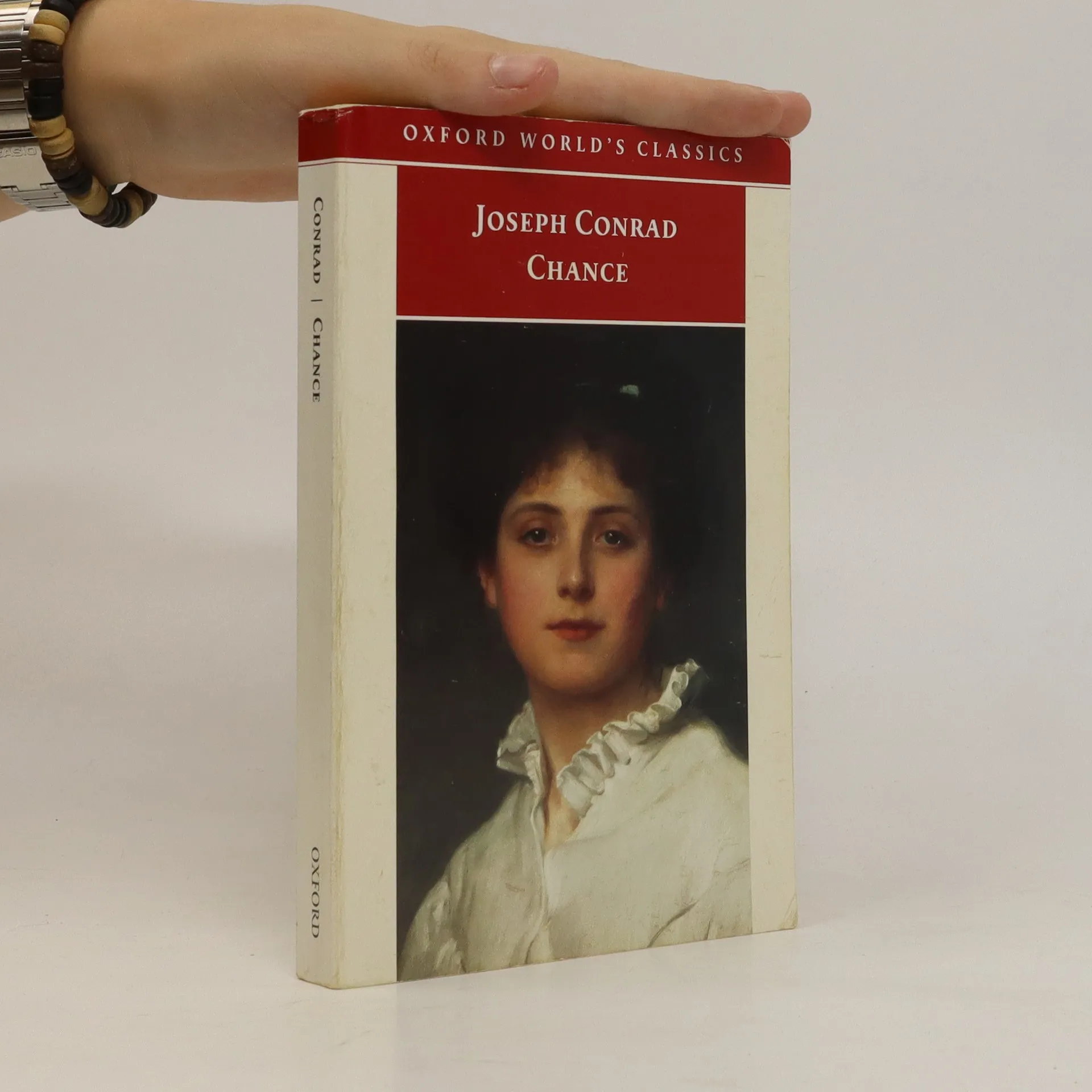
      Chance(1914) was the first of Conrad's novels to bring him popular success and it holds a unique place among his works. It tells the story of Flora de Barral, a vulnerable and abandoned young girl who is "like a beggar, without a right to anything but compassion." After her bankrupt father is imprisoned, she learns the harsh fact that a woman in her position "has no resources but in herself." Her only means of action is to be what she is. Flora's long struggle to achieve some dignity and happiness makes her Conrad's most moving female character. Reflecting the contemporary interest in the New Woman and the Suffragette question, Chance also marks the final appearance of Marlow, Conrad's most effective and wise narrator. This revised edition uses the English first edition text and has a new chronology and bibliography.

      Chance