

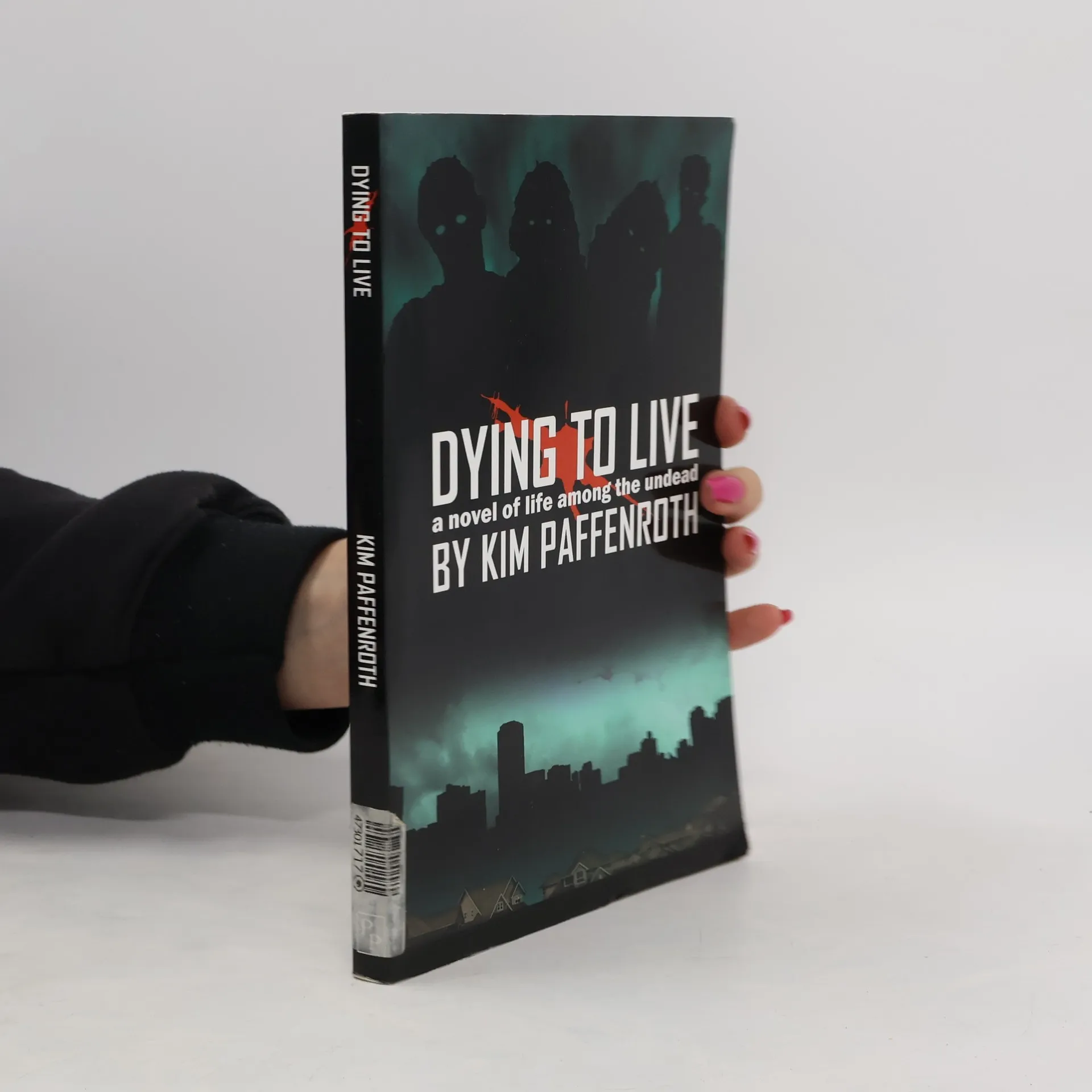
Jonah Caine, a lone survivor in a zombie-infested world, struggles to understand the apocalypse in which he lives. Unable to find a moral or sane reason for the horror that surrounds him, he is overwhelmed by violence and insignificance. After wandering for months, Jonah's lonely existence dramatically changes when he discovers a group of survivors. Living in a museum-turned-compound, they are led jointly by Jack, an ever-practical and efficient military man, and Milton, a mysterious, quizzical prophet who holds a strange power over the dead. Both leaders share Jonah's anguish over the brutality of their world, as well as his hope for its beauty. Together with others, they build a community that reestablishes an island of order and humanity surrounded by relentless ghouls. But this newfound peace is short-lived, as Jonah and his band of refugees clash with another group of survivors who remind them that the undead are not the only-nor the most grotesque-horrors they must face.
Kim Paffenroth Livres
Cet auteur explore des sujets bibliques et théologiques, ses œuvres examinant les significations profondes de la religion. Son approche combine l'analyse académique avec une narration captivante, offrant aux lecteurs une perspective unique sur la foi et ses manifestations. Dans son écriture, l'auteur se concentre sur l'examen de la condition humaine à travers des concepts religieux et philosophiques. Son travail incite à la réflexion sur les questions éternelles de l'existence.

At the end of the world a handful of survivors banded together in a museum-turned-compound surrounded by the living dead. The community established rituals and rites of passage, customs to keep themselves sane, to help them integrate into their new existence. In a battle against a kingdom of savage prisoners, the survivors lost loved ones, they lost innocence, but still they coped and grew. They even found a strange peace with the undead. Twelve years later the community has reclaimed more of the city and has settled into a fairly secure life in their compound. Zoey is a girl coming of age in this undead world, learning new roles-new sacrifices. But even bigger surprises lie in wait, for some of the walking dead are beginning to remember who they are, whom they've lost, and, even worse, what they've done. As the dead struggle to reclaim their lives, as the survivors combat an intruding force, the two groups accelerate toward a collision that could drastically alter both of their worlds.
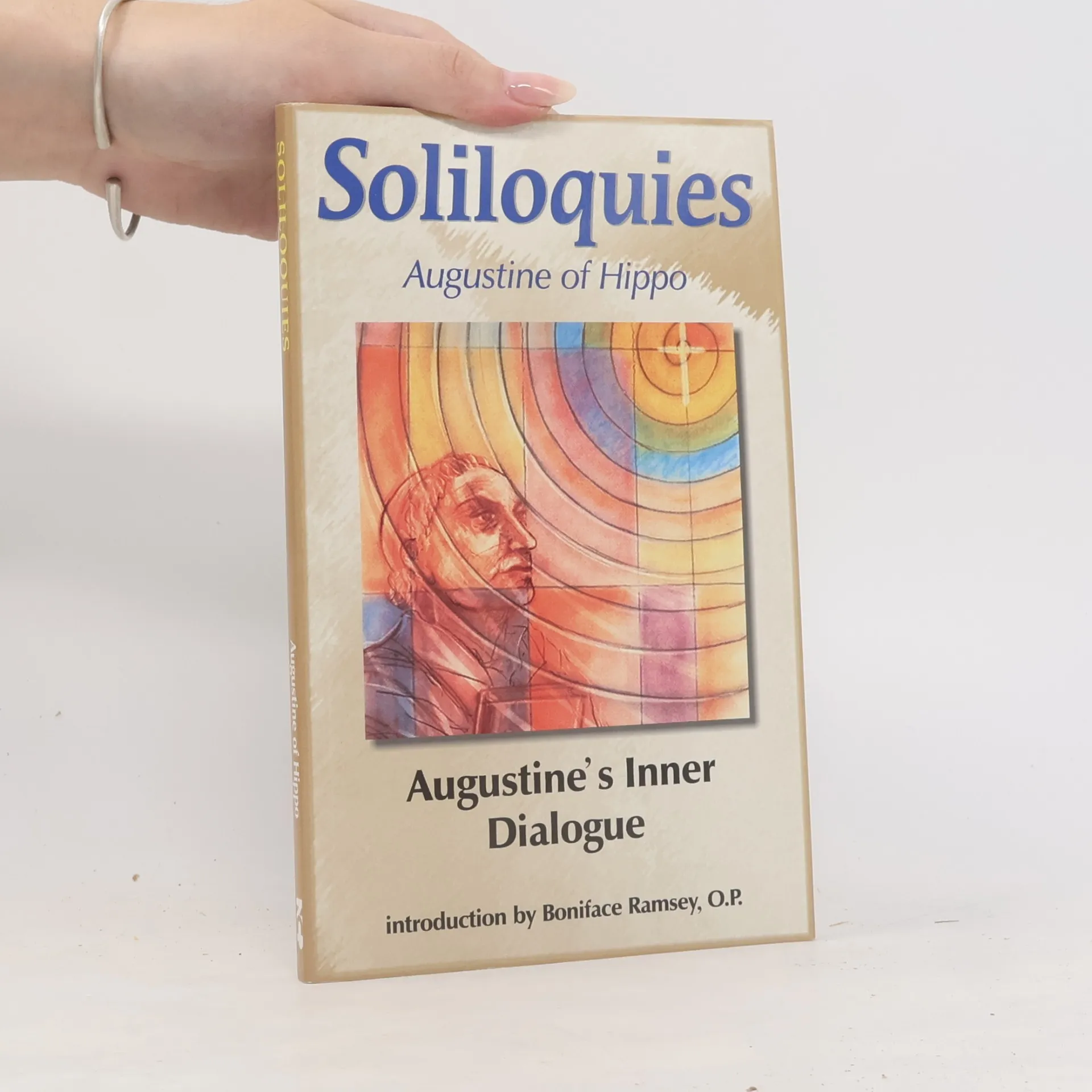
Soliloquies is a work from Augustine's early life, shortly after his conversion, in which are visible all the seeds contained in his future writings. Here we see Augustine as a philosopher, a thinker and a budding theologian. Soliloquies is a work from Augustine's early life, shortly after his conversion, in which are visible all the seeds contained in his future writings. We see him as a person preparing for baptism, reaching for the God of truth for whom he had searched passionately. It is his personal prayer to his God of love and mercy.