
Acheter 10 livres pour 10 € ici !
Bookbot

Quintus of Smyrna

    Quintus Smyrnaeus était un poète épique grec dont l'œuvre poursuit la grande tradition narrative homérique. Son Posthomerica reprend le récit de la guerre de Troie après les événements relatés dans les épopées d'Homère, en approfondissant les aspects souvent non racontés du conflit. Smyrnaeus chercha à raviver les anciens styles épiques, en se concentrant sur des représentations vivides d'exploits héroïques et de tournants dramatiques du destin dans les dernières phases de la guerre. Sa poésie offre aux lecteurs une riche expansion du mythe de la guerre de Troie, montrant une continuation magistrale de l'épopée classique.

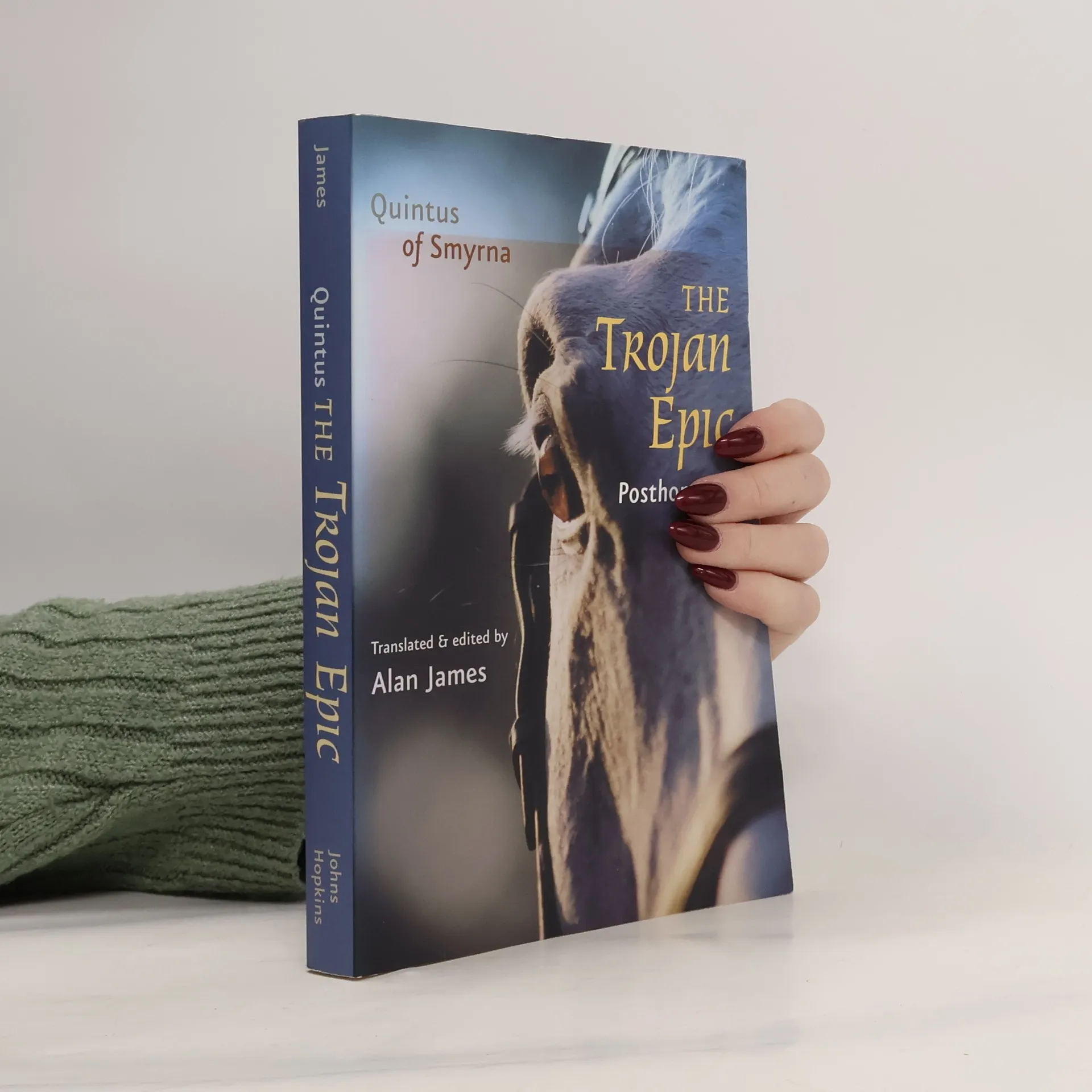
    Johns Hopkins New Translations from Antiquity: The Trojan Epic
    The Fall of Troy
    • 2024

      The Fall of Troy

      • 262pages
      • 10 heures de lecture
      4,0(22)Évaluer

      Continuing the narrative of the Trojan War, this ancient epic poem explores the aftermath of Hector's death and the fall of Troy. It vividly recounts events such as the Greeks' cunning wooden horse and the ensuing sacking of the city. Quintus Smyrnaeus enriches the original tales from Homer with new perspectives, while weaving in themes of tragedy, romance, and divine intervention. The work serves as a bridge between classical Greek epics and later literary traditions, solidifying its significance in the broader context of epic storytelling.

      The Fall of Troy
    • 2007

      Composed in the third century A.D., the Trojan Epic is the earliest surviving literary evidence for many of the traditions of the Trojan War passed down from ancient Greece. Also known as the Posthomerica , or "sequel to Homer," the Trojan Epic chronicles the course of the war after the burial of Troy's greatest hero, Hektor. Quintus, believed to have been an educated Greek living in Roman Asia Minor, included some of the war's most legendary events: the death of Achilles, the Trojan Horse, and the destruction of Troy. But because Quintus deliberately imitated Homer's language and style, his work has been dismissed by many scholars as pastiche. A vivid and entertaining story in its own right, the Trojan Epic is also particularly significant for what it reveals about its sources—the much older, now lost Greek epics about the Trojan War known collectively as the Epic Cycle. Written in the Homeric era, these poems recounted events not included in the Iliad or the Odyssey . As Alan James makes clear in this vibrant and faithful new translation, Quintus's work deserves attention for its literary-historical importance and its narrative power. James's line-by-line verse translation in English reveals the original as an exciting and eloquent tale of gods and heroes, bravery and cunning, hubris and brutality. James includes a substantial introduction which places the work in its literary and historical context, a detailed and annotated book-by-book summary of the epic, a commentary dealing mainly with sources, and an explanatory index of proper names. Brilliantly revitalized by James, the Trojan Epic will appeal to a wide range of readers interested in Greek mythology and the legend of Troy.

      Johns Hopkins New Translations from Antiquity: The Trojan Epic