

Jugaad est un mot hindi populaire qui peut être traduit à peu près par " l’art de concevoir des solutions ingénieuses, largement pratiqué dans les pays émergents" : c’est littéralement l’art de « faire plus avec moins » dans des conditions difficiles. Dans un monde où les ressources financières et énergétiques se restreignent, les entreprises occidentales s’inspirent de plus en plus de l’art de concevoir des solutions ingénieuses développées dans les pays émergents. Les entrepreneurs jugaad perçoivent les fortes contraintes comme autant d’incitations à innover. Ce livre fait la lumière sur la façon dont ces innovateurs jugaad pensent et agissent, et identifie les précieuses leçons dont l’Occident tire déjà profit. Pour l'adaptation de ce livre, 8 dirigeants français d'entreprises particulièrement innovantes ont été interviewés. Edition française : Préface de Carlos Ghosn Traduction-adaptation : Jean-Joseph Boillot
Carlos Ghosn Livres


Stanford Business Books: Mergers and Acquisitions
Managing Culture and Human Resources (Hardcover)
- 456pages
- 16 heures de lecture
In mergers and acquisitions (M&A), special emphasis is usually placed on the strategic and financial goals of the deal, while the psychological, cultural, and human resource implications do not receive as much attention. This book examines the dynamics of the sociocultural processes inherent in M&A and “fleshes out” their implications for postmerger integration management.The book’s contributors come from a variety of subdisciplines within the field of management, and thus provide new insights into the managerial, social, and cultural processes inherent in M&A. Executives with extensive experience managing M&A have offered commentaries at the end of the chapters, providing “real-world” perspective to empirical and theoretical insights.
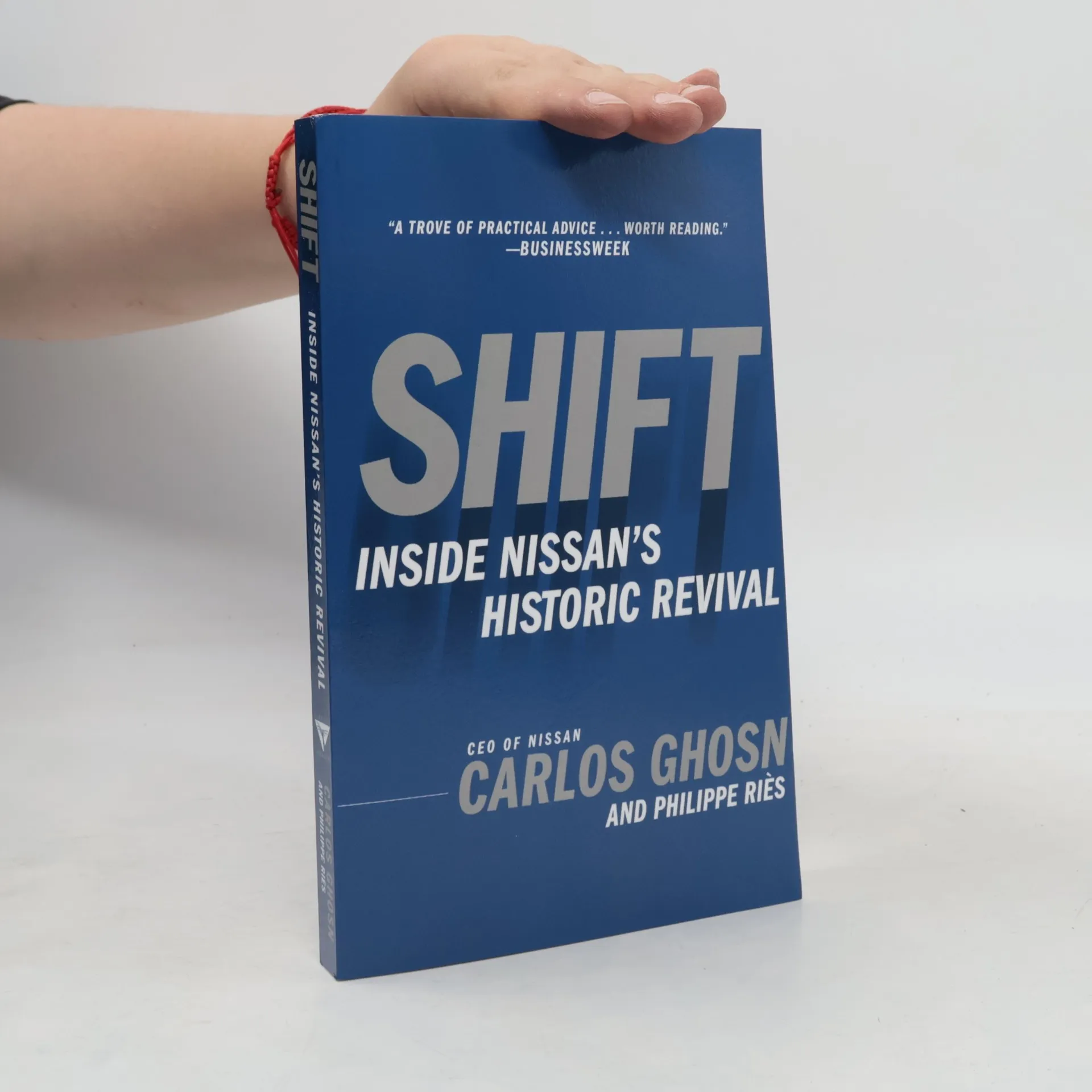
In Shift, Carlos Ghosn, the acclaimed CEO of Nissan, shares his journey of revitalizing the nearly bankrupt automotive company. When he became COO in 1999, Nissan was on the brink of collapse. Within 18 months, Ghosn turned it around, making it the most profitable large automobile manufacturer globally. He details his approach to achieving this turnaround, emphasizing the importance of challenging traditional Japanese business practices that hindered Nissan's effectiveness. Ghosn's management principles, honed during his tenure at Michelin and Renault, guided his decisions. Upon joining Nissan, he conducted a thorough examination of the business and unveiled the Nissan Revival Plan by October 1999. This strategy involved closing plants, laying off workers, dismantling outdated supply networks, and divesting marginal assets to focus on core operations. Cost-cutting was just the beginning; Ghosn implemented changes across all areas, from manufacturing to marketing. He updated the vehicle lineup, embraced innovative designs, and prioritized quality, which significantly enhanced Nissan's market image and reestablished its reputation for innovation. Shift offers a compelling behind-the-scenes perspective on transforming a world-class company, making it an essential read for business enthusiasts seeking insights from one of the industry's most successful leaders.